One Story.To change one life.
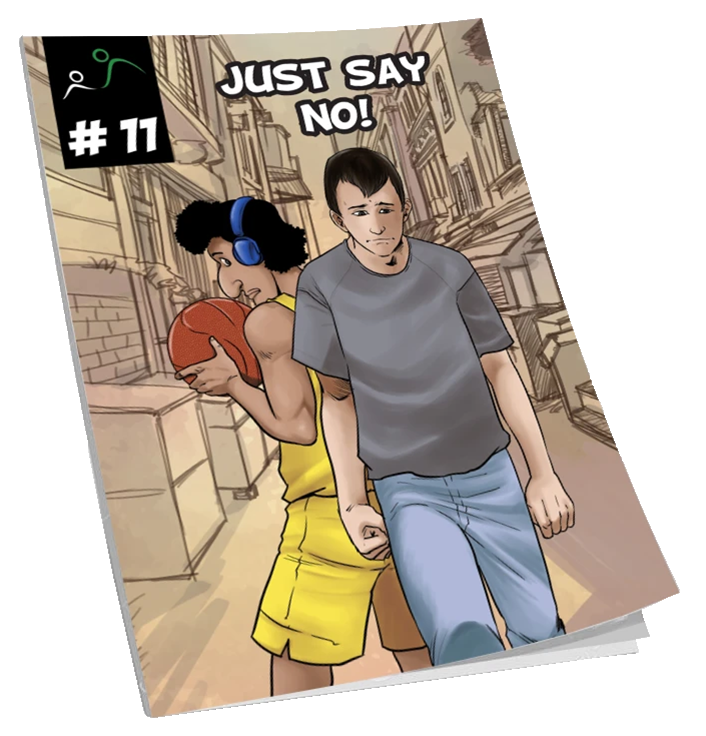
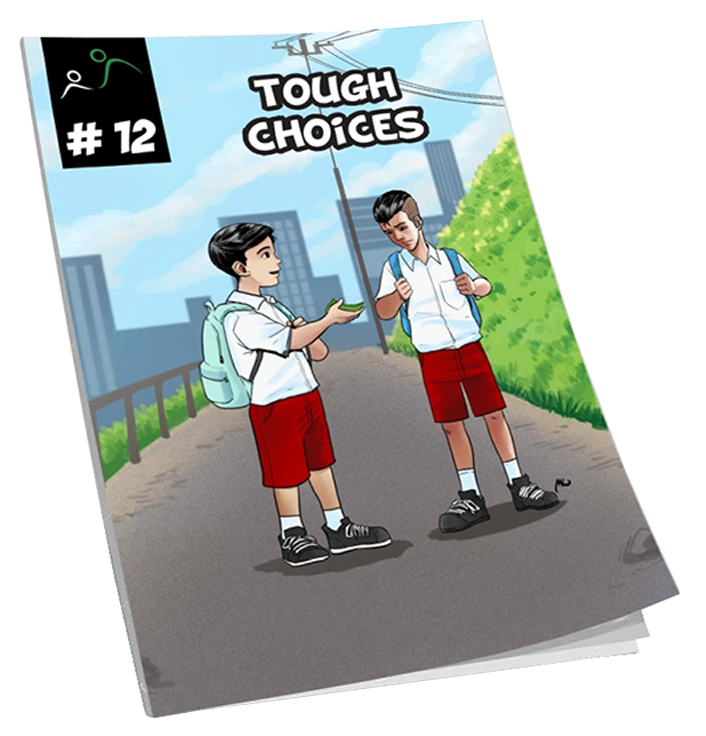
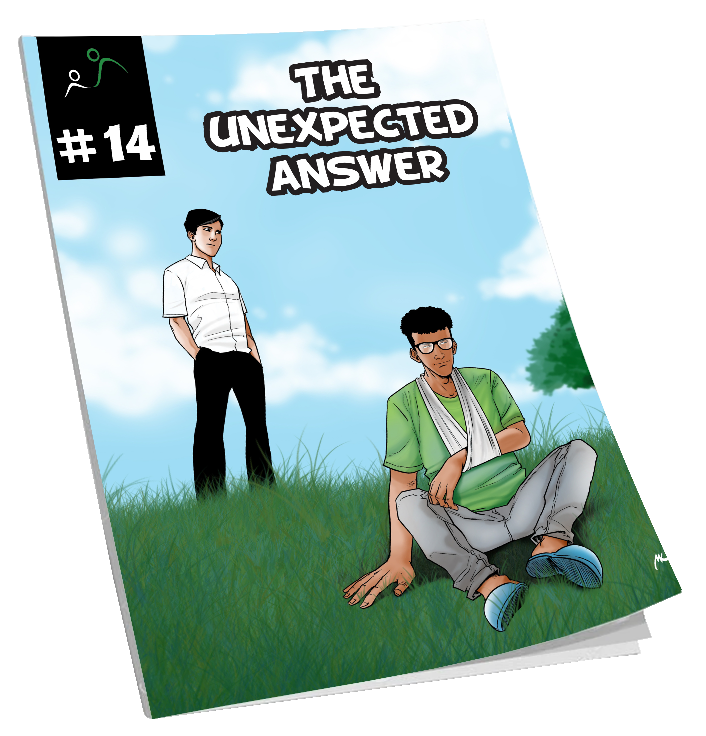
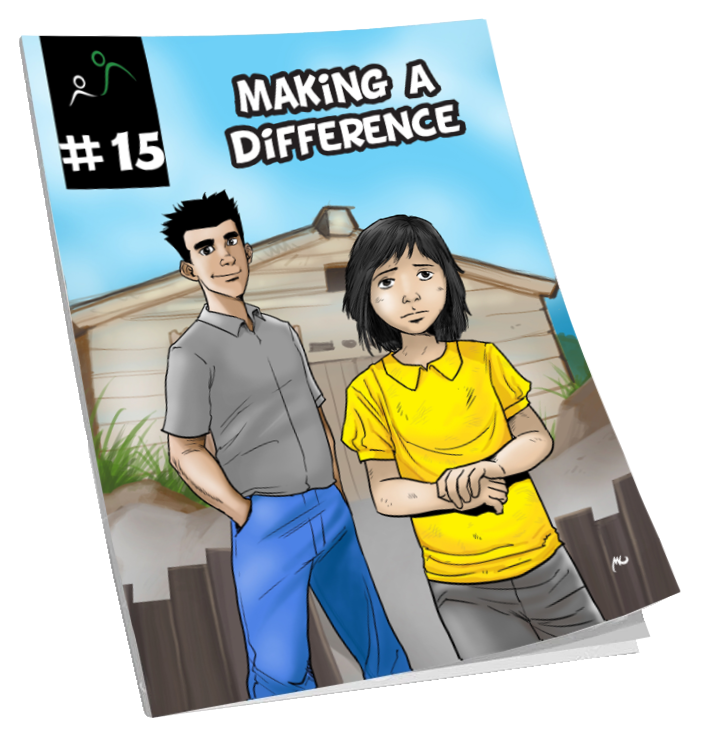
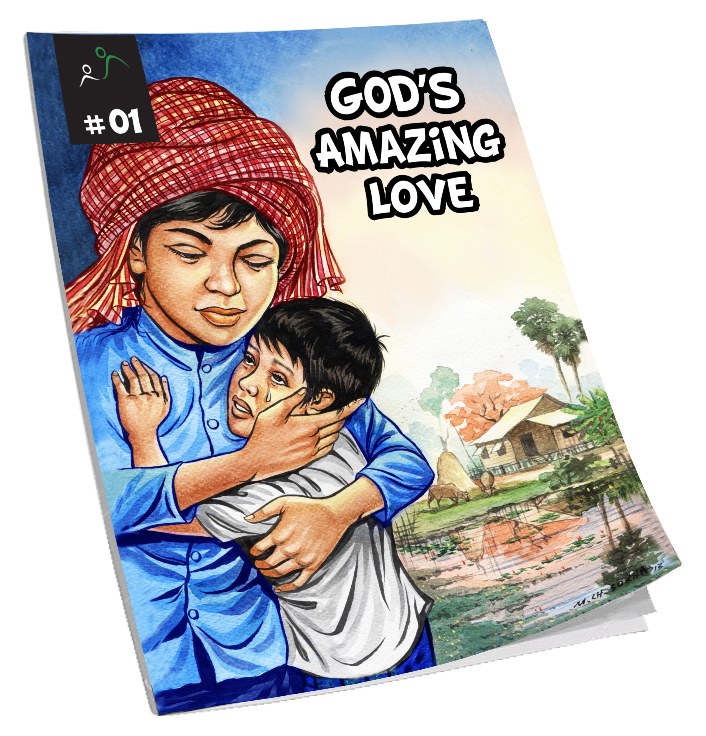
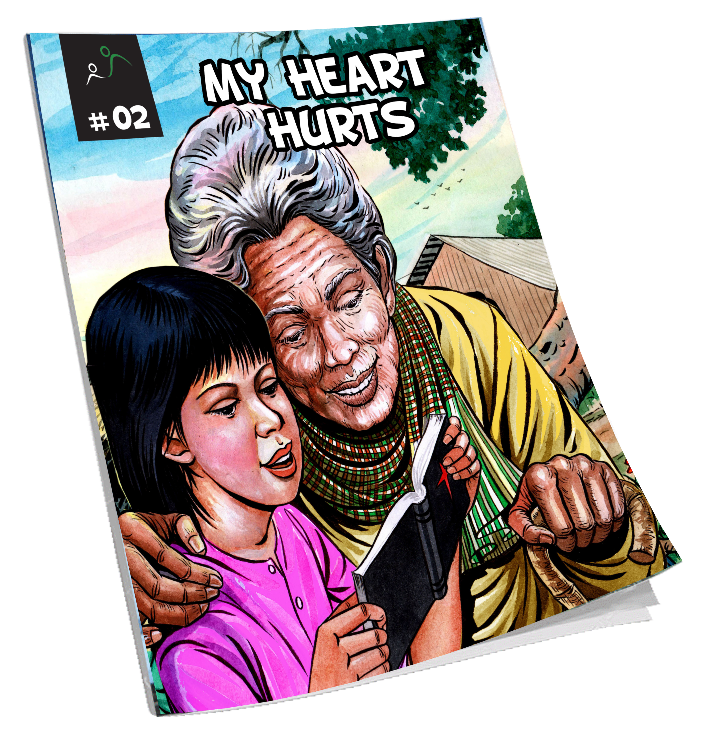
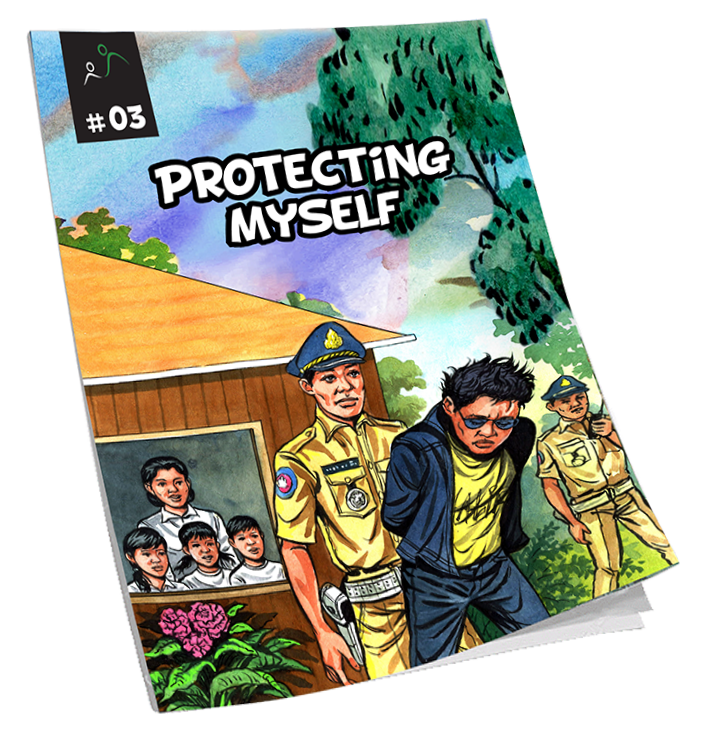
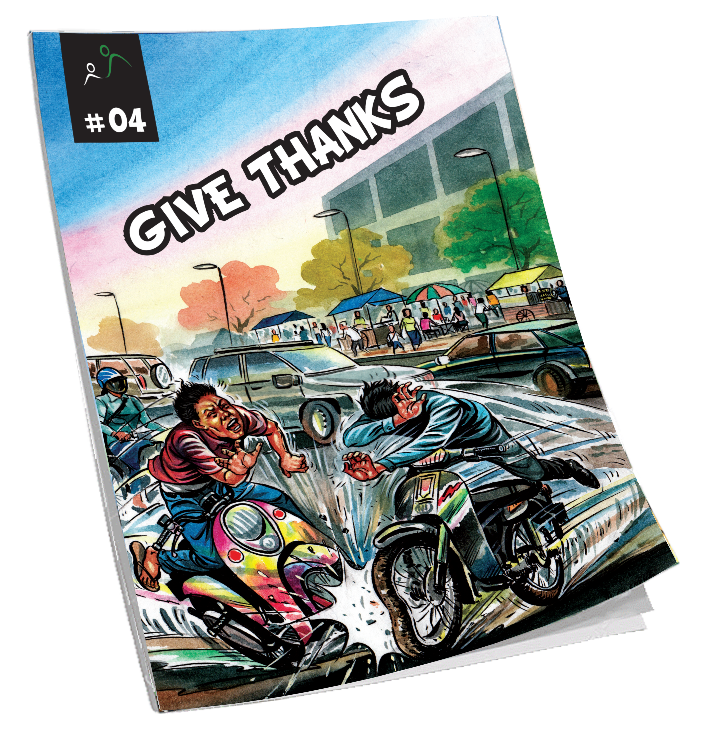
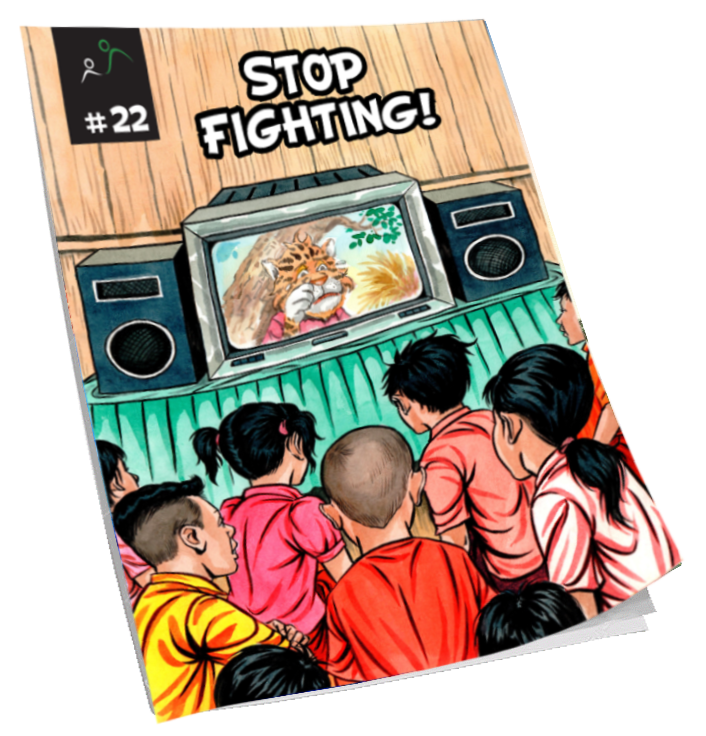
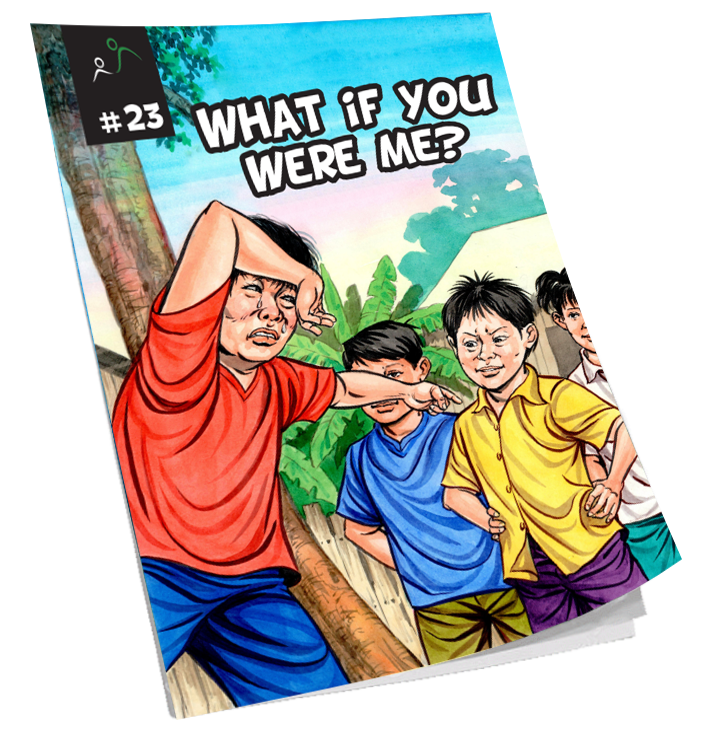
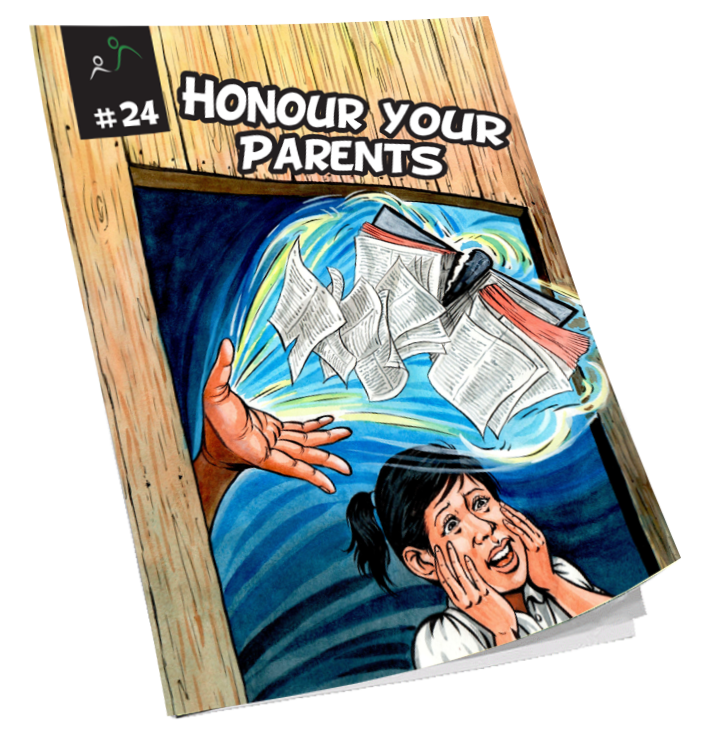
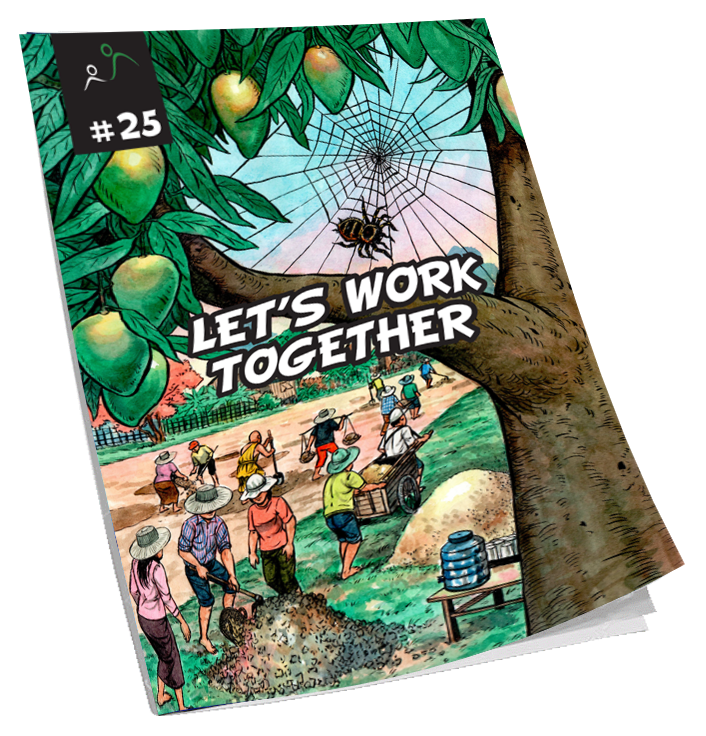
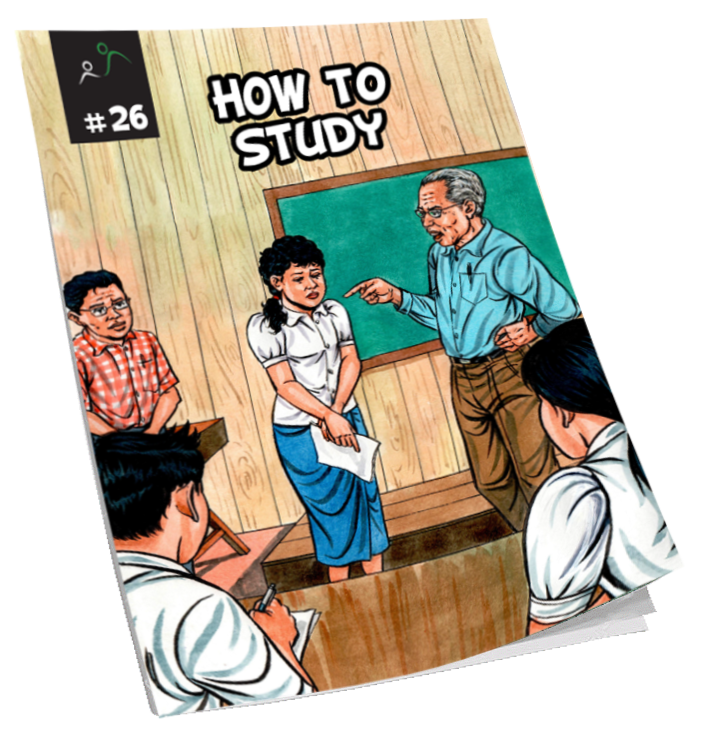
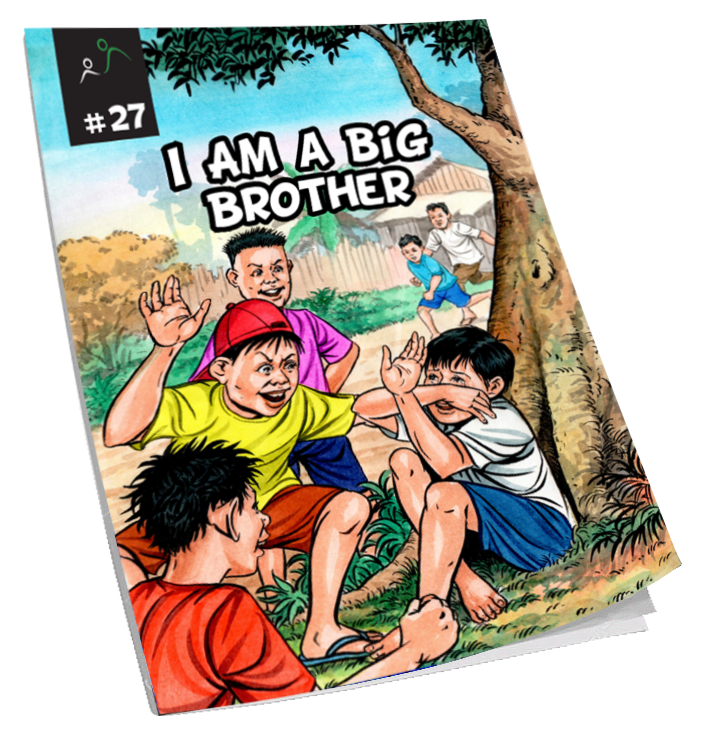
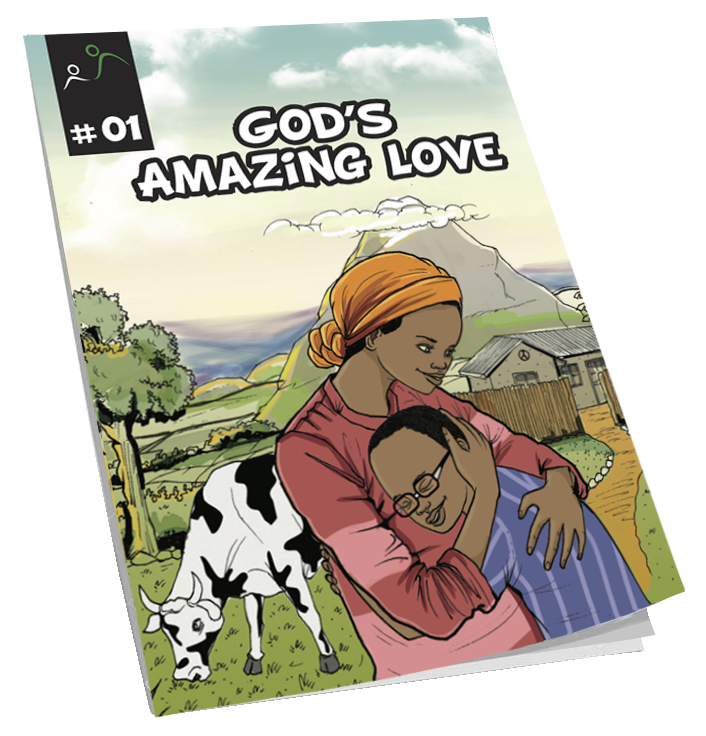
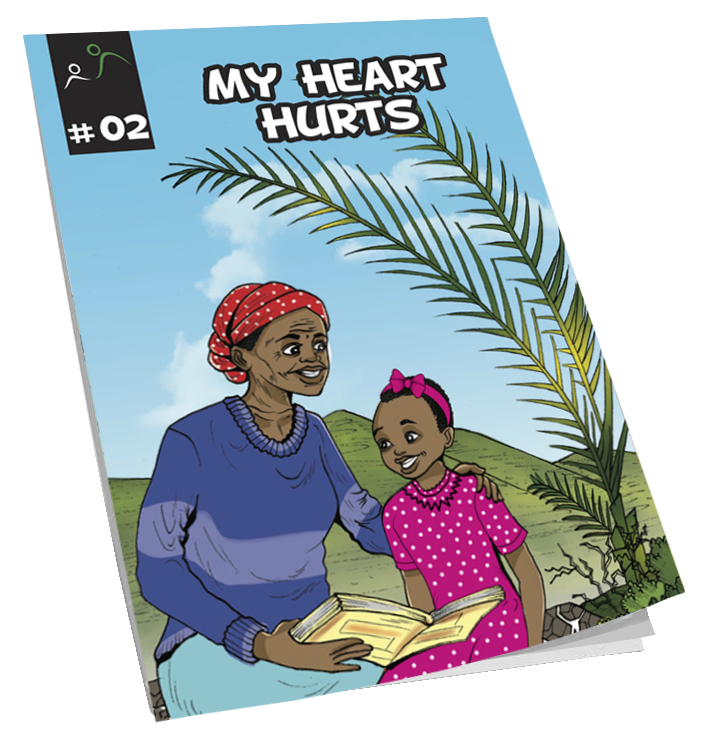
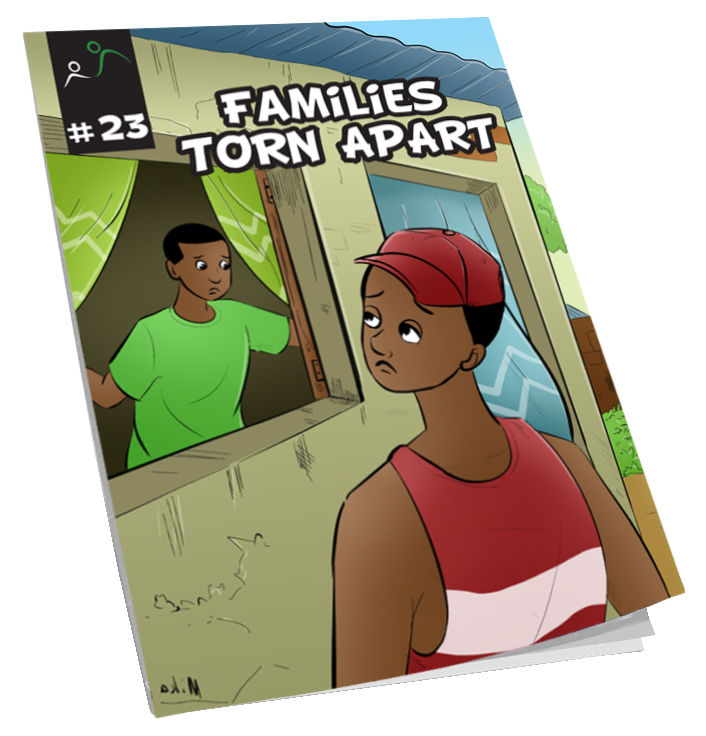
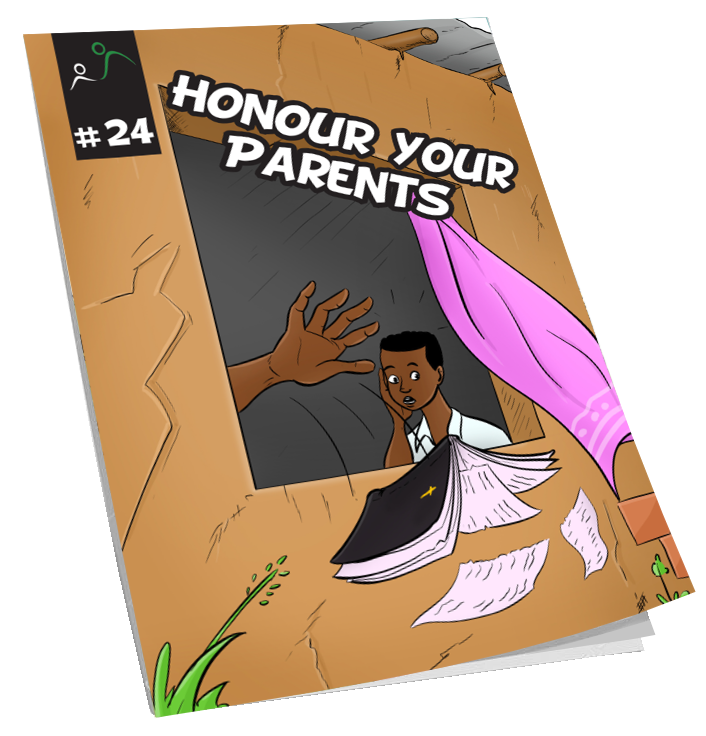
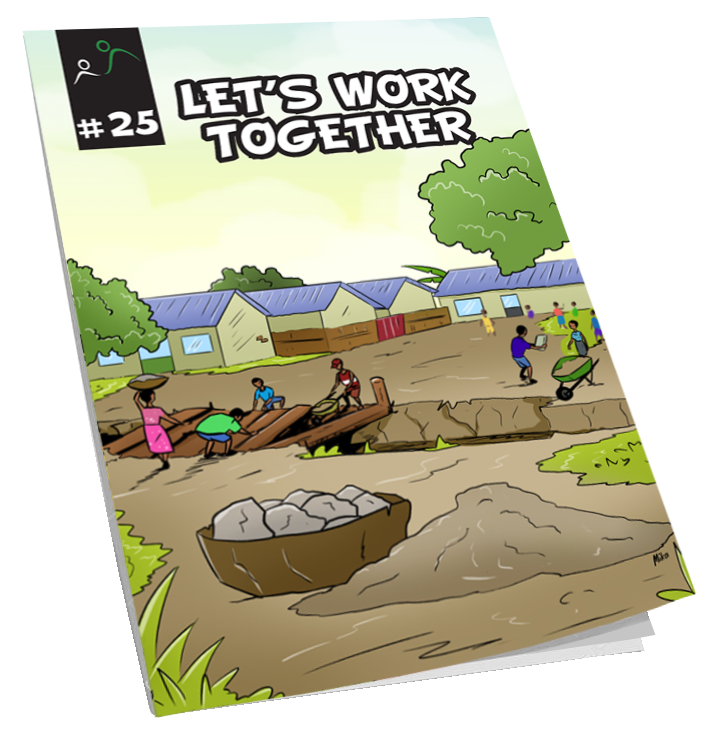
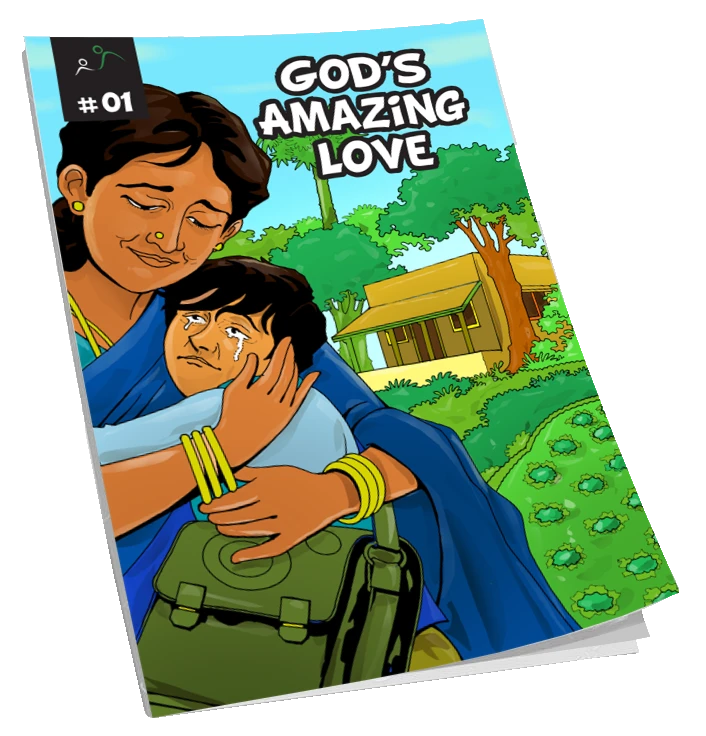
At the heart of the Alongsiders movement is a deceptively simple tool: a comic book. Designed for communities where children learn best through story, each lesson comes to life through vivid, culturally contextualized illustrations that speak directly to a child's experience. Printed in each child's heart language and built for a young volunteer with no formal training, the curriculum is what makes one-to-one discipleship scalable across 30 countries.
More than a story
Every comic follows the same four-part rhythm — simple enough for any young mentor to lead, deep enough to change a child's life.
The Story
Drawn by local artists, each story was birthed in storytelling circles where Alongsiders and their little brothers and sisters shared their own experiences and challenges — not translated from a Western curriculum, but created in and for the communities it serves.
The Activity
A group activity that takes the lesson off the page and puts it into practice — learning by doing, together.
The Questions
A set of questions the mentor and child work through side by side, helping the lesson take root in the child's own life.
The Scripture
A Bible passage that roots the lesson in God's word — connecting the child's story to the bigger story of God's love.
Built on resilience science
Every lesson is grounded in the Response Ability Pathways framework — a research-based approach from resilience science and youth development that guides each Alongsider to meet four universal needs in every child they walk alongside.
Belonging
Every child needs to know they are loved and that they belong — to a person, a family, a community.
Mastery
Every child needs opportunities to learn, grow, and discover what they are capable of.
Ownership
Every child needs to make real choices and take genuine responsibility for their own path.
Purpose
Every child needs the dignity of giving back — discovering they have something to offer others.
Three years. Three stages.
Across a three-year curriculum, mentors move with their little brothers and sisters through three intentional stages.
Connect
Friendship comes first. The early lessons build the trust and belonging every child needs before anything deeper can grow.
Clarify
Together, mentor and child name and navigate the real challenges children face — from peer pressure to grief to staying safe.
Restore
The final stage walks each child toward responsibility, dignity, and hope — until they're ready to walk alongside someone else.
Explore the curriculum
Four contextualized editions, one shared journey. Choose an edition to browse every lesson.
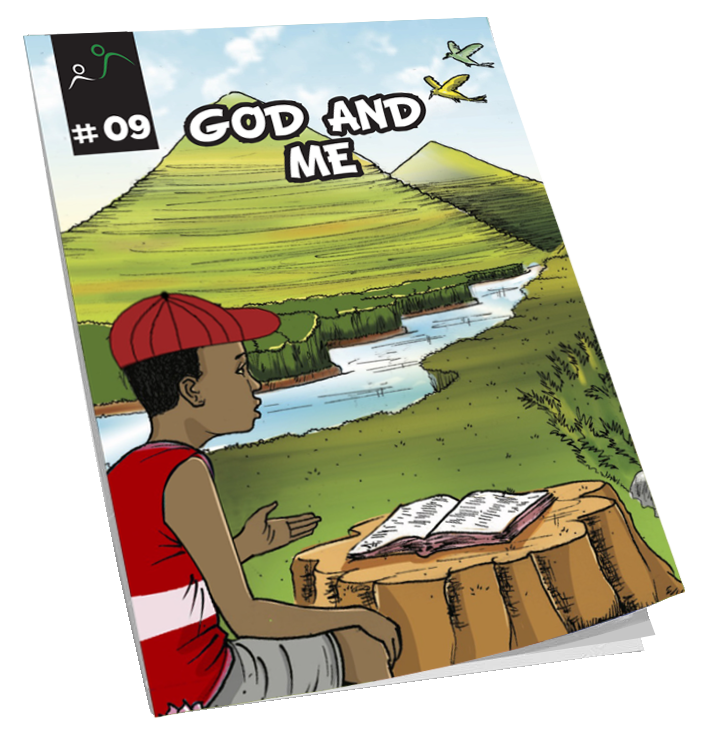
What does it actually feel like to know God? Not know about Him, but know Him. This story opens up the different ways God invites us into real relationships and why He wants that connection with us in the first place.
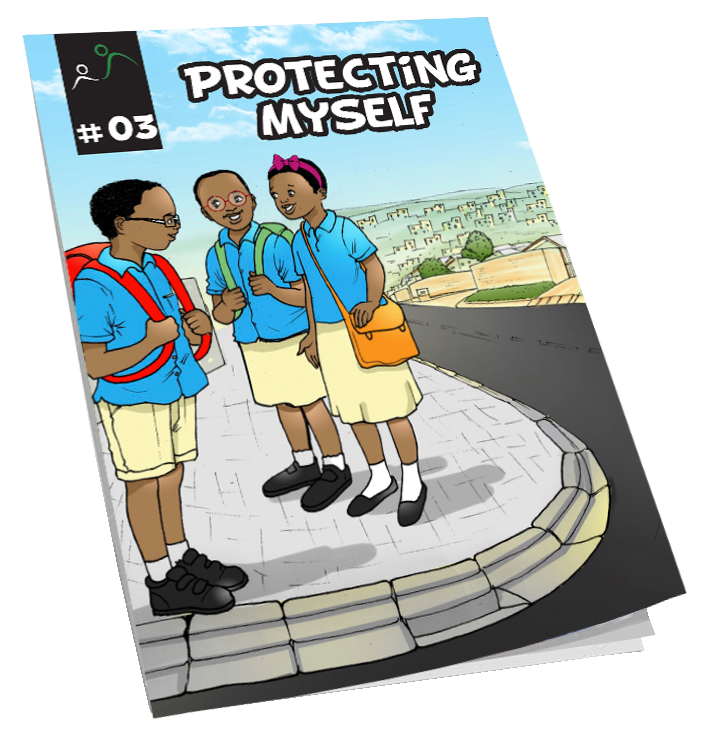
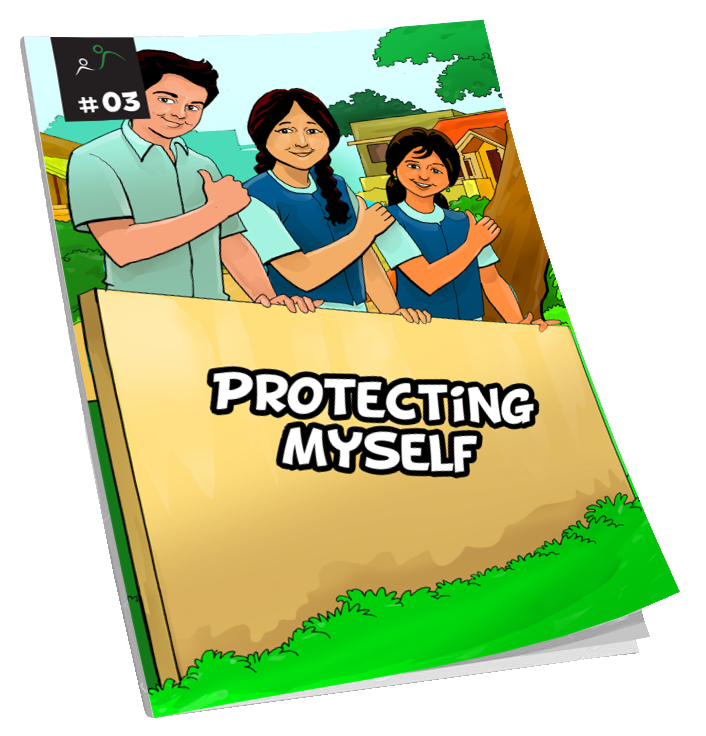
Every child has the right to be safe. Alongsiders and their little brothers and sisters learn what protection from abuse looks like, what their rights are, and exactly what to do when something feels wrong or uncomfortable.
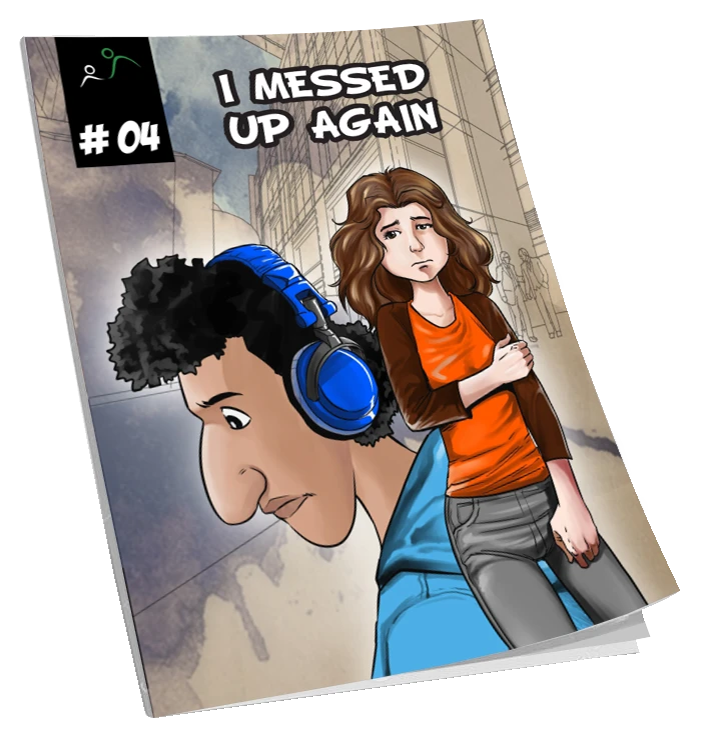
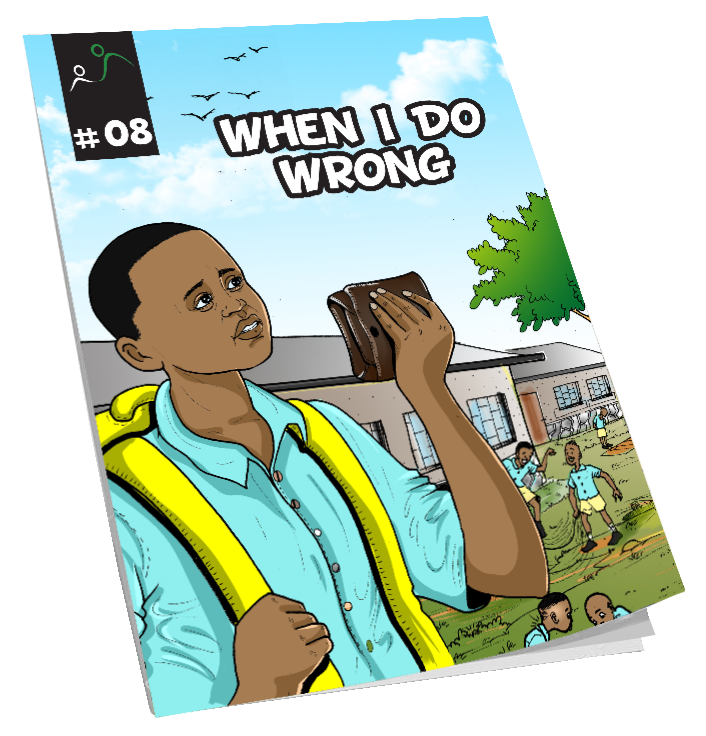
A story about messing up, coming clean, and starting over. Alongsiders and their little brothers and sisters walk through what it means to ask God for forgiveness — and trust that He actually means it when He says yes.
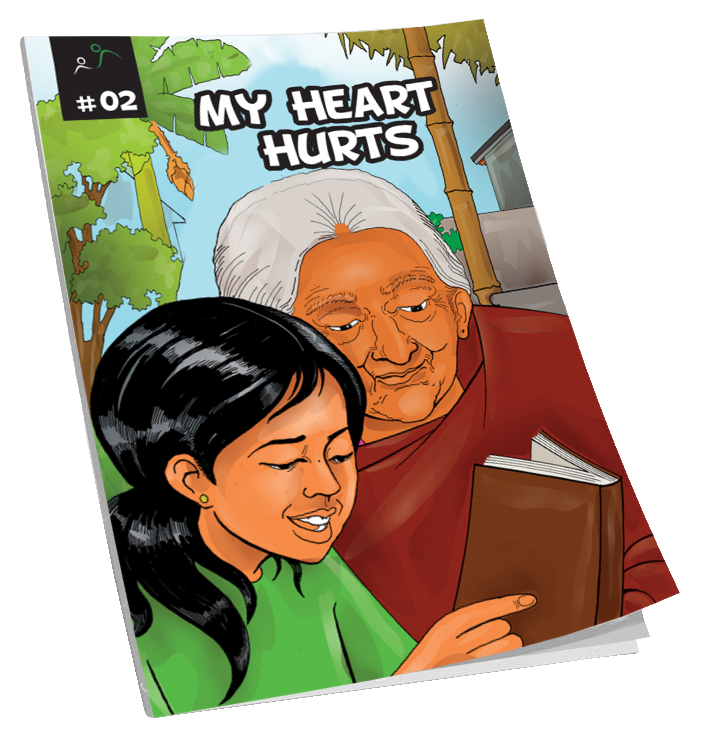
What happens when you keep everything locked inside? Alongsiders and their little brothers and sisters discover why putting words to your feelings, rather than burying them, changes everything.
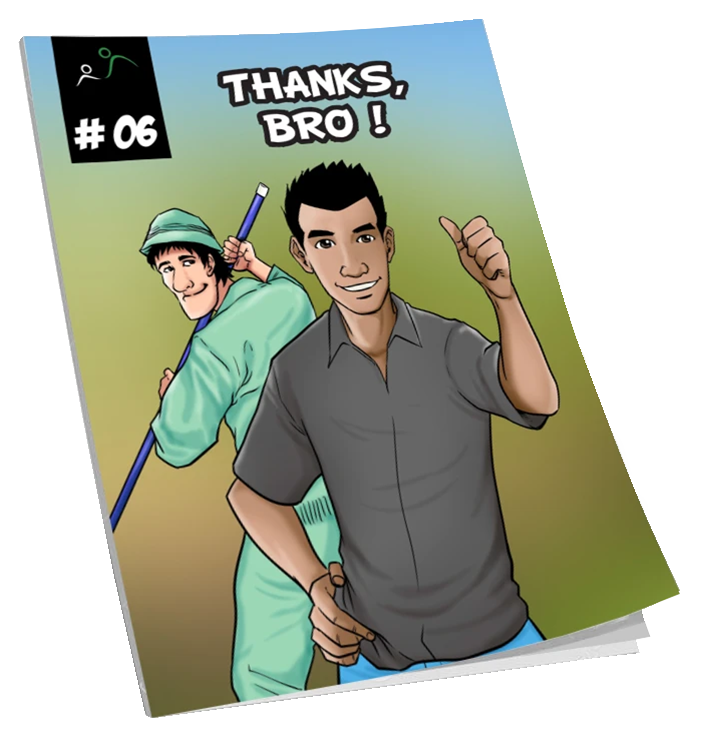
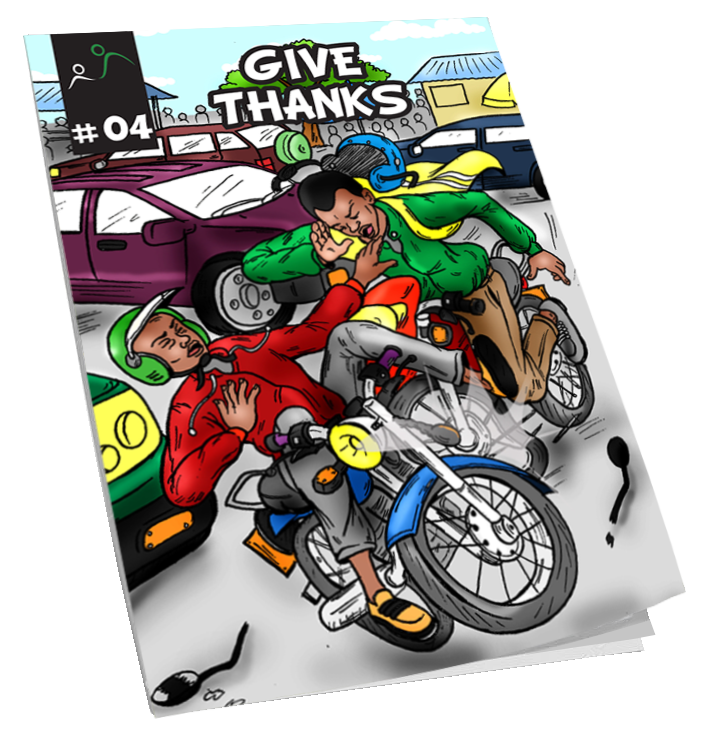
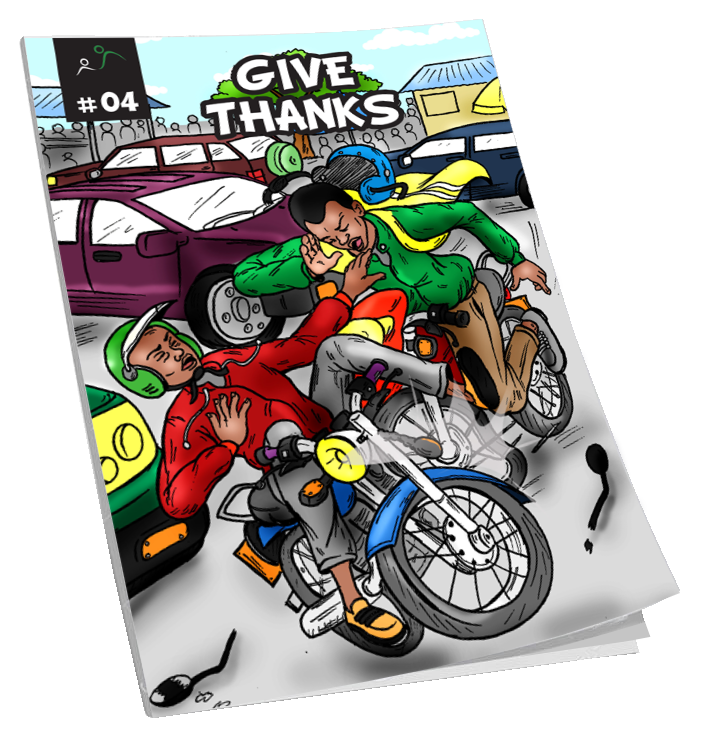
Think of someone who showed up for you. This story is about that person. Alongsiders and their little brothers and sisters explore the weight a simple "thank you" can carry and why gratitude is one of the most powerful things we can offer.
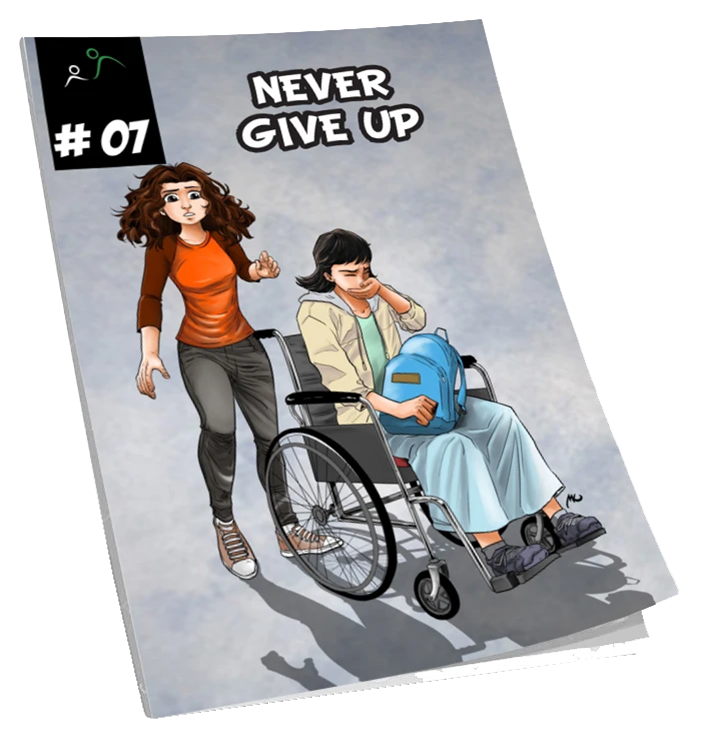
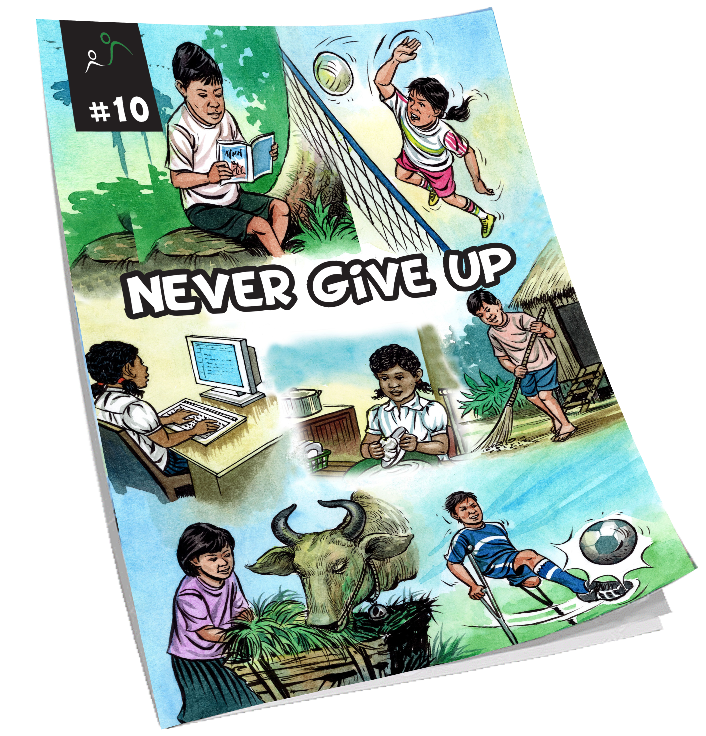
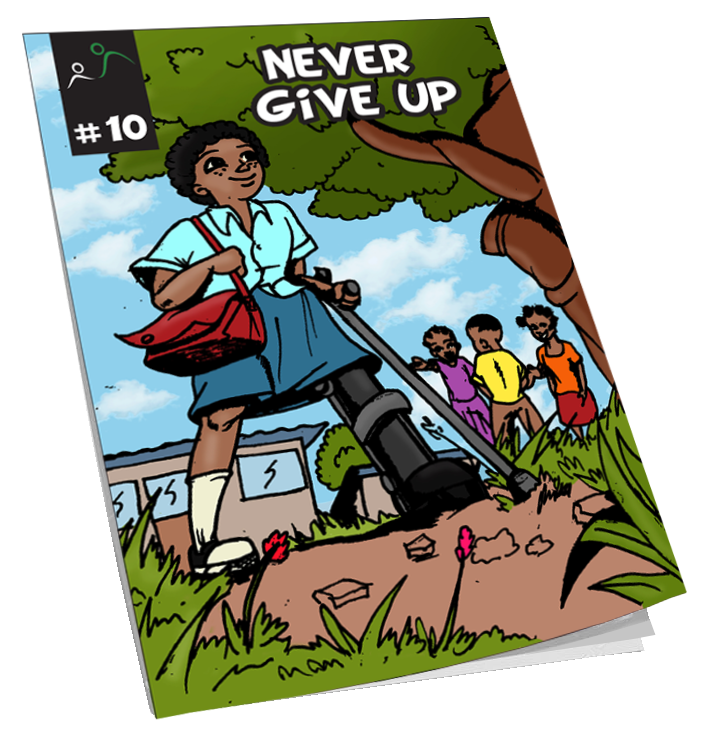
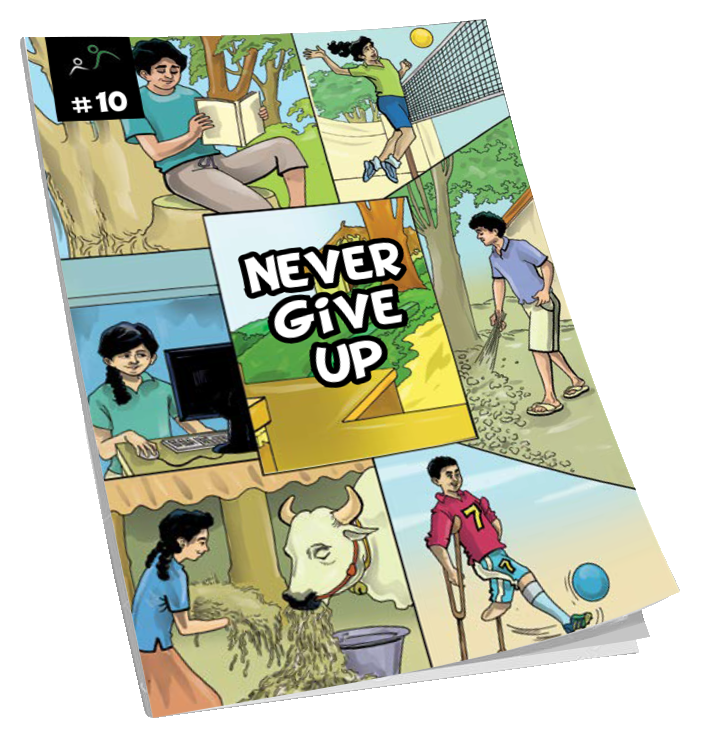
The hardest part of any worthwhile thing is the middle. When progress is slow and giving up feels reasonable Alongsiders and their little brothers and sisters find out what keeps you going when the road gets long.
Racism doesn't just hurt individuals, it fractures entire communities. Alongsiders and their little brothers and sisters take an honest look at where that damage comes from and return to a foundational truth: God made every person on purpose, and none of us are a mistake.
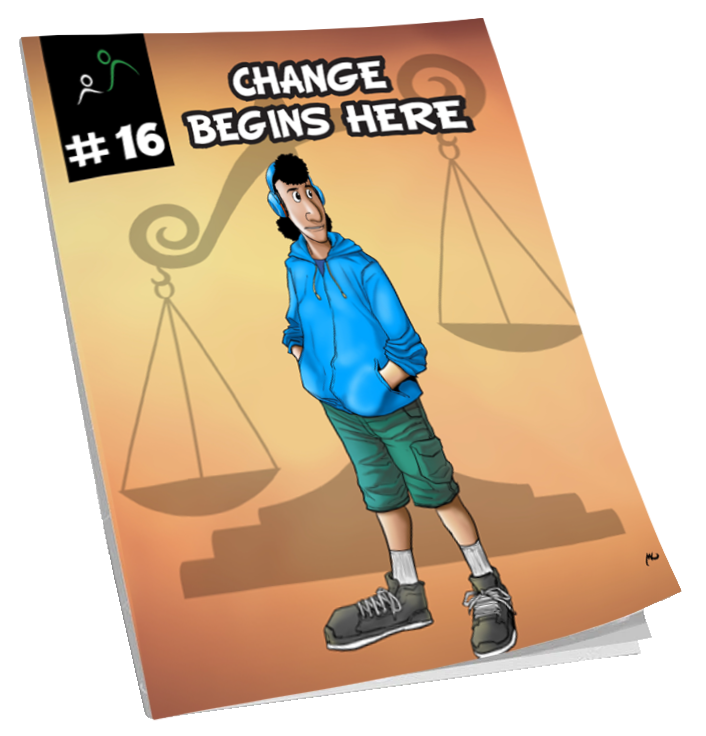
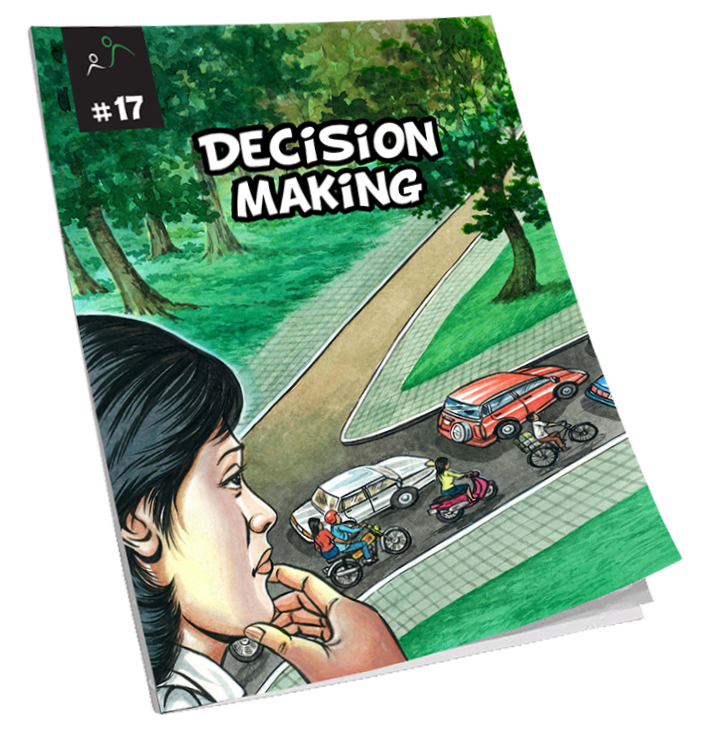
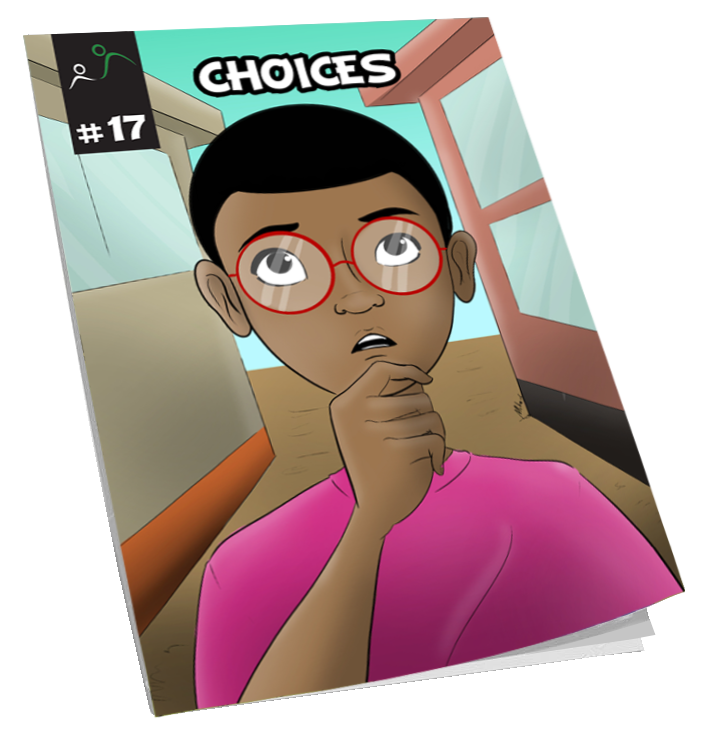
Some decisions seem small until they aren't. This story follows Alongsiders and their little brothers and sisters into the everyday choices that quietly shape a life, and shows what it looks like to pursue wisdom when making decisions.
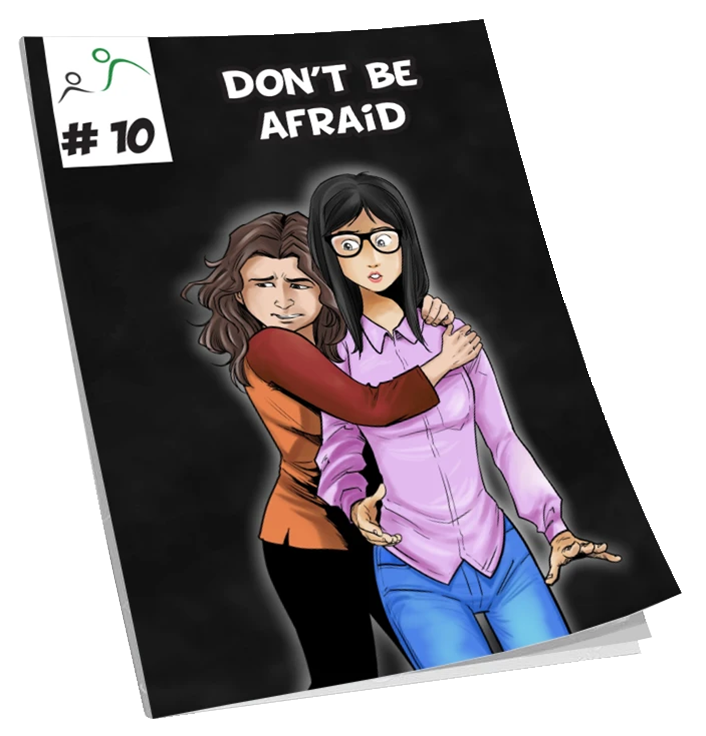
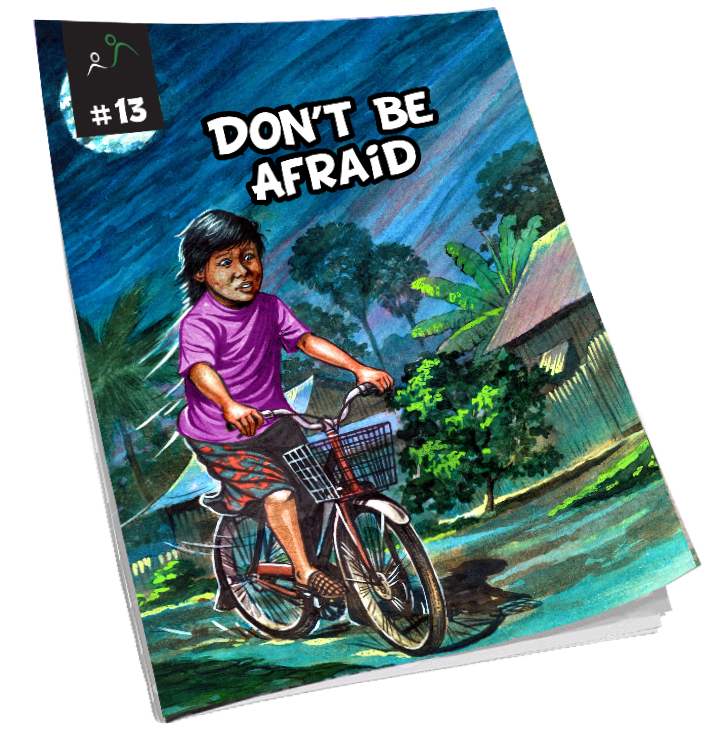
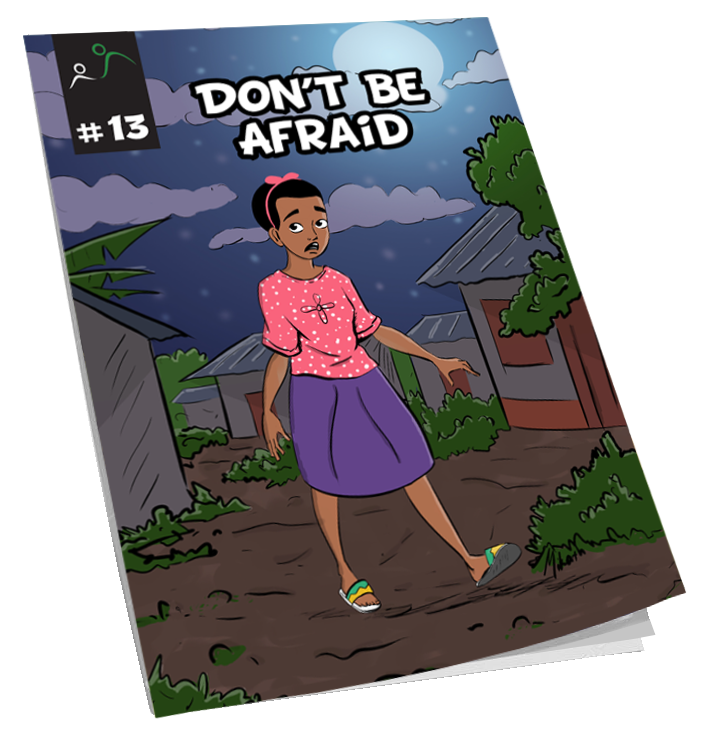
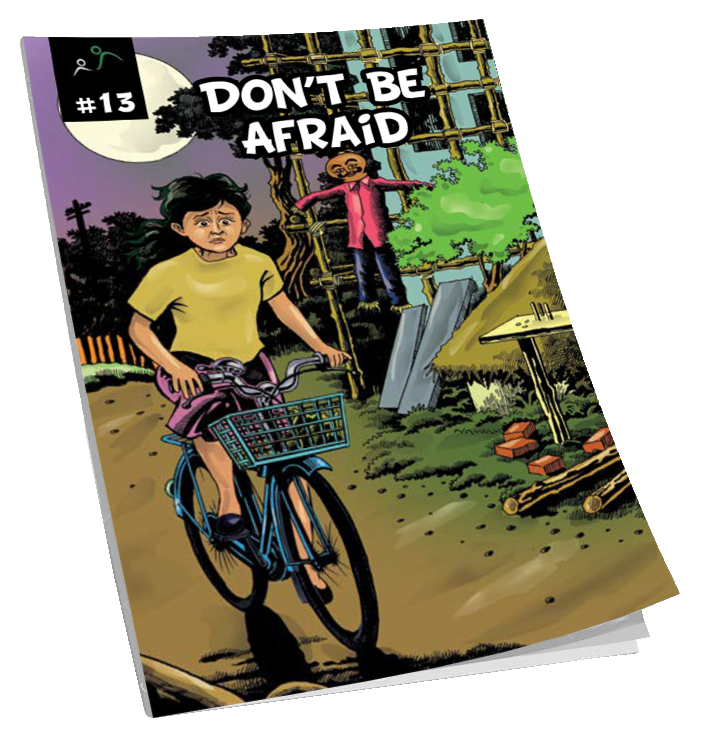
Fear has a way of making itself feel permanent. Discover what changes when you bring that fear directly to Jesus and why He can actually handle it.
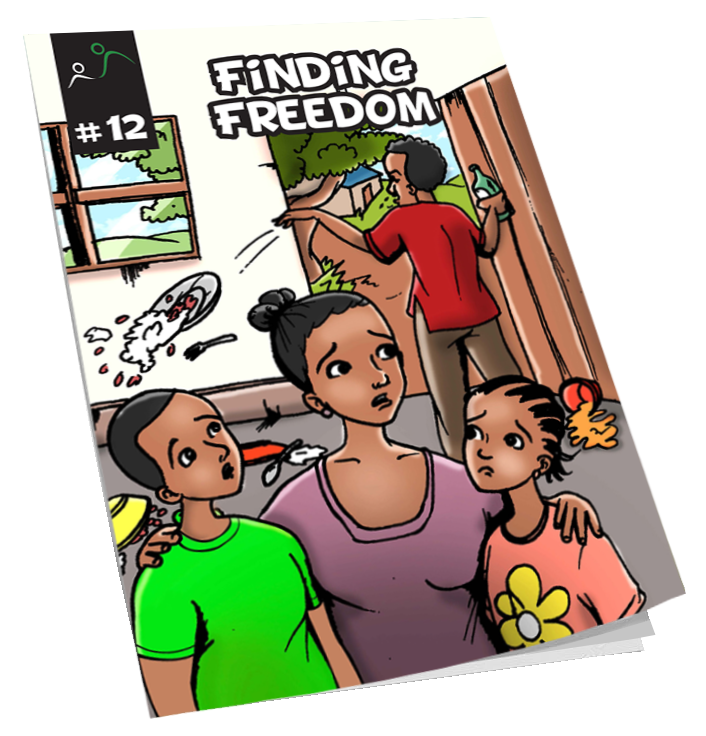
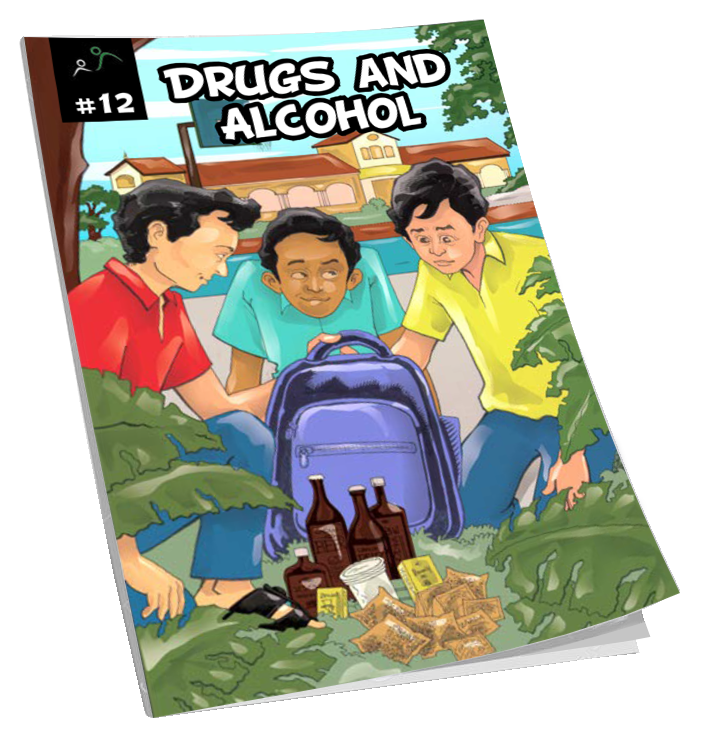
Addiction starts as an escape and becomes a cage. Alongsiders and their little brothers and sisters learn how it takes hold, what it costs, and what genuine freedom from any kind of bondage actually looks like when God is involved.
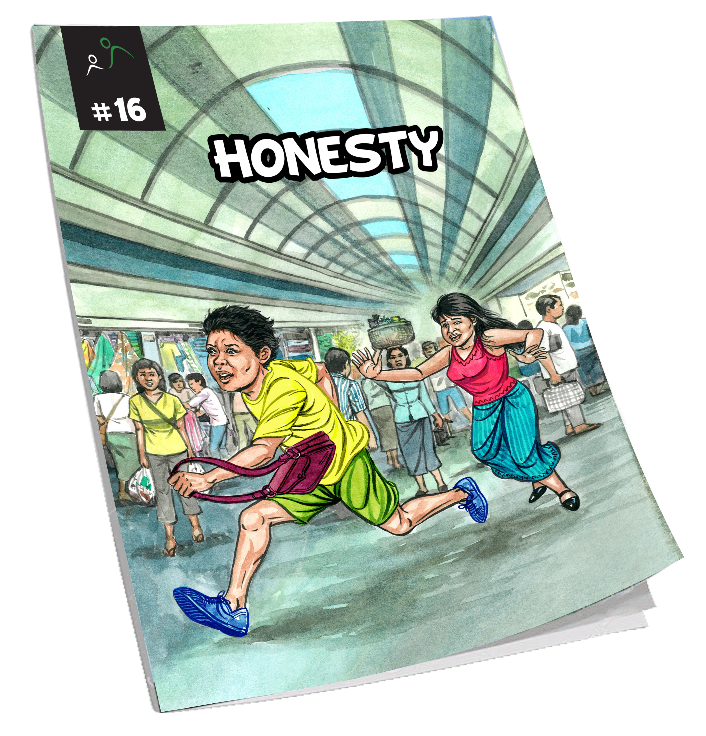
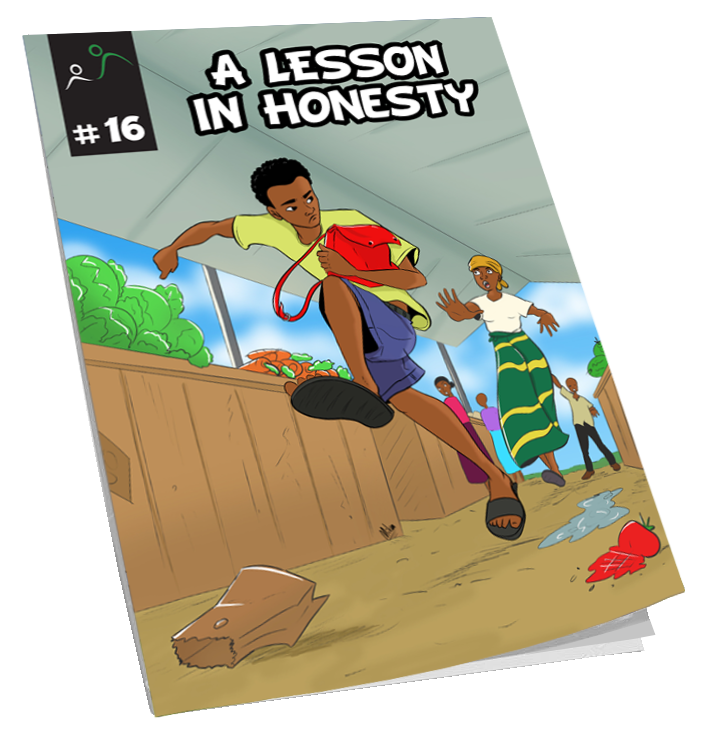
Honesty is harder than it sounds, and more valuable than most people realize. Explore what it means to be a person of integrity, not just with others, but with God.
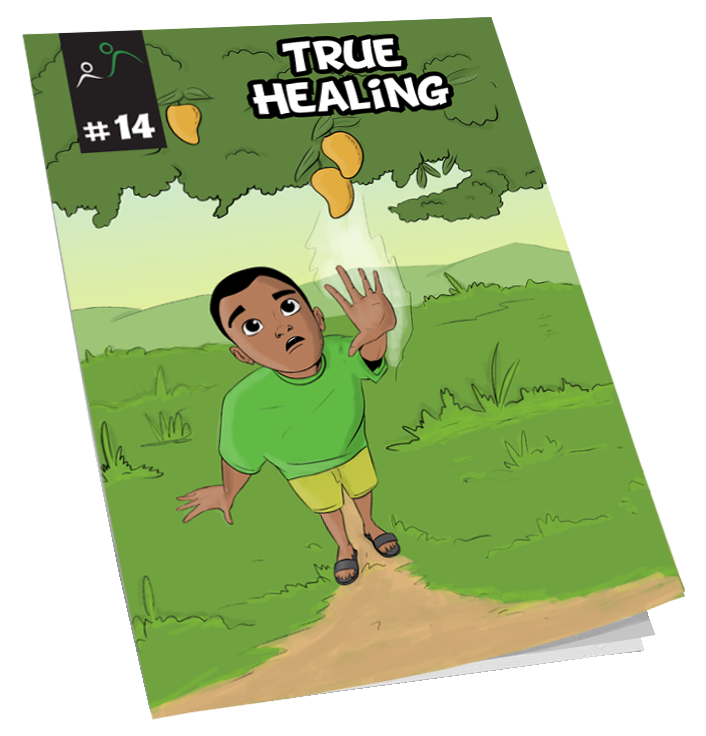
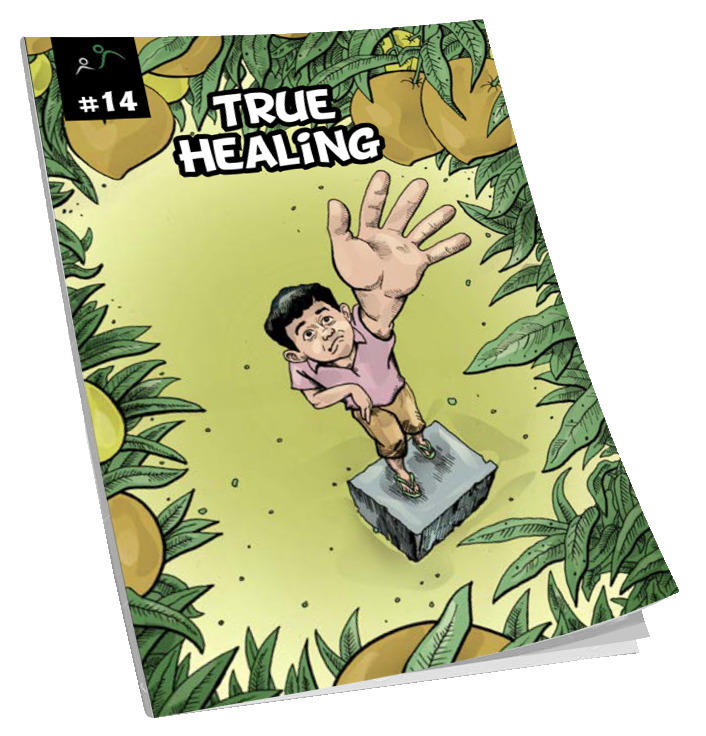
Sometimes God heals. Sometimes He doesn't, at least not in the way we asked. Alongsiders and their little brothers and sisters sit with both realities, the miracle and the mystery, and find that His presence holds in either one.
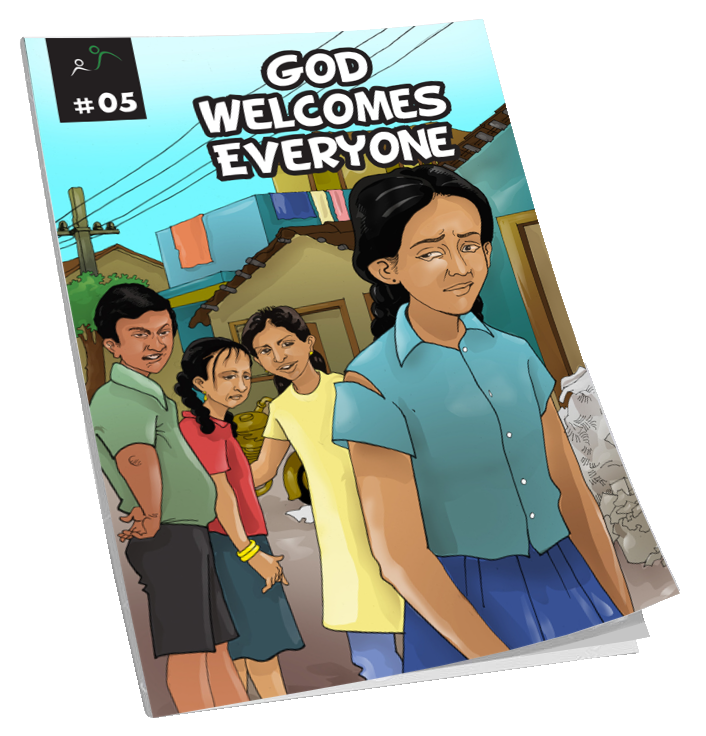
Some people have been made to feel like they don't matter to anyone. Learn that God specifically seeks out the rejected and the forgotten and that we are called to do the same.
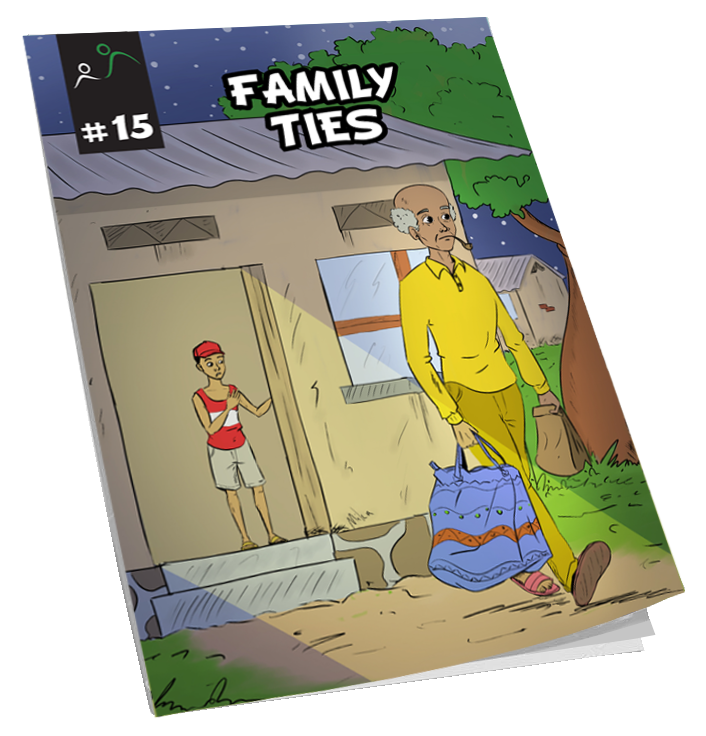
Your reputation is built one quiet, unnoticed moment at a time. Look at what genuine integrity costs and why it's worth every bit of that cost in relationships and in life with God.
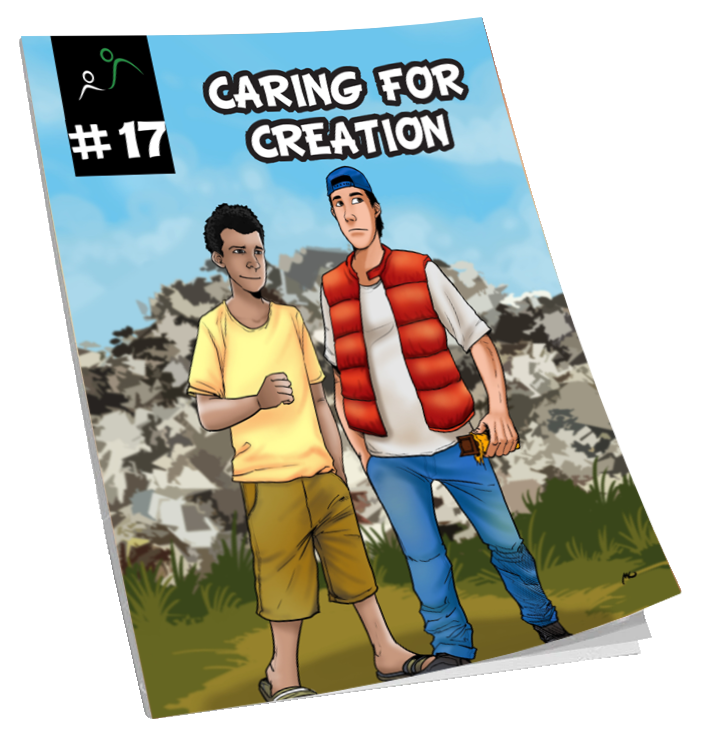
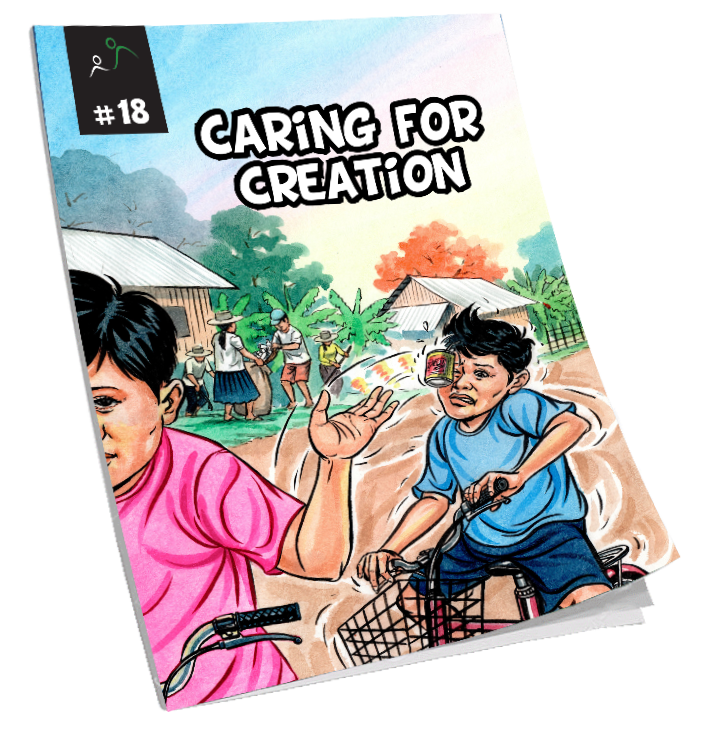
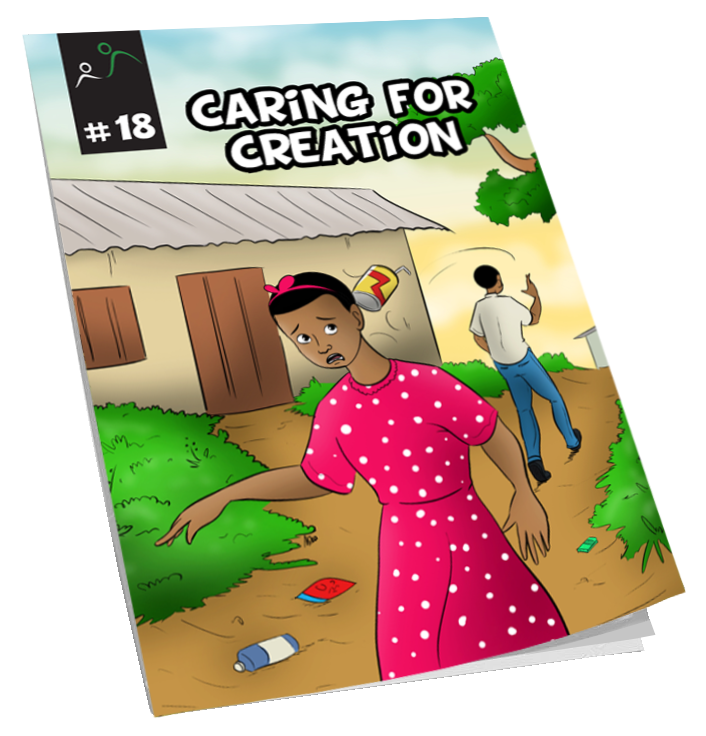
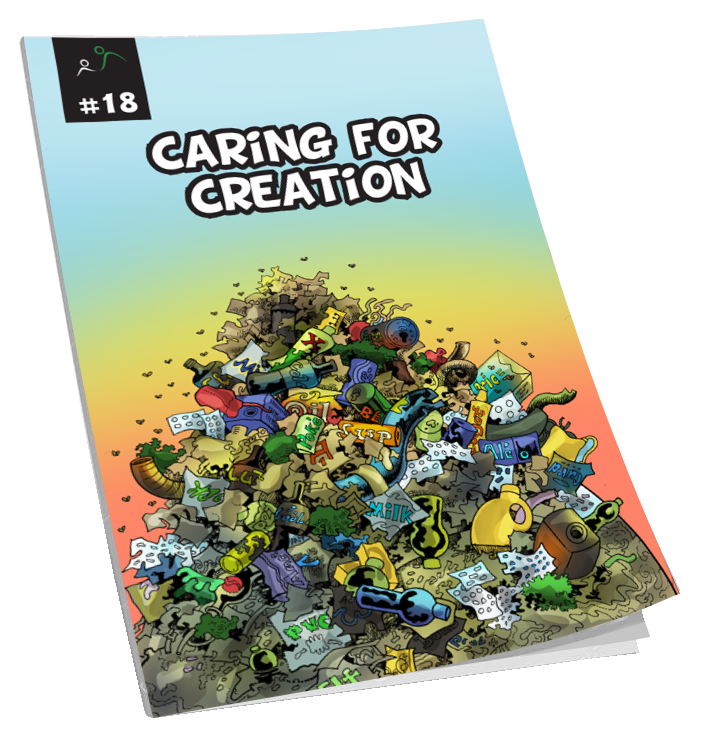
We didn't make the world, but we live in it and that means we have a responsible to care for it well. Alongsiders and their little brothers and sisters discover what faithful care for the environment looks like and why it matters to God.
What would you give up for someone you loved? This story asks that question at its deepest level and through a story of profound sacrifice, draws Alongsiders and their little brothers and sisters toward the cross and the sacrifice Jesus made.
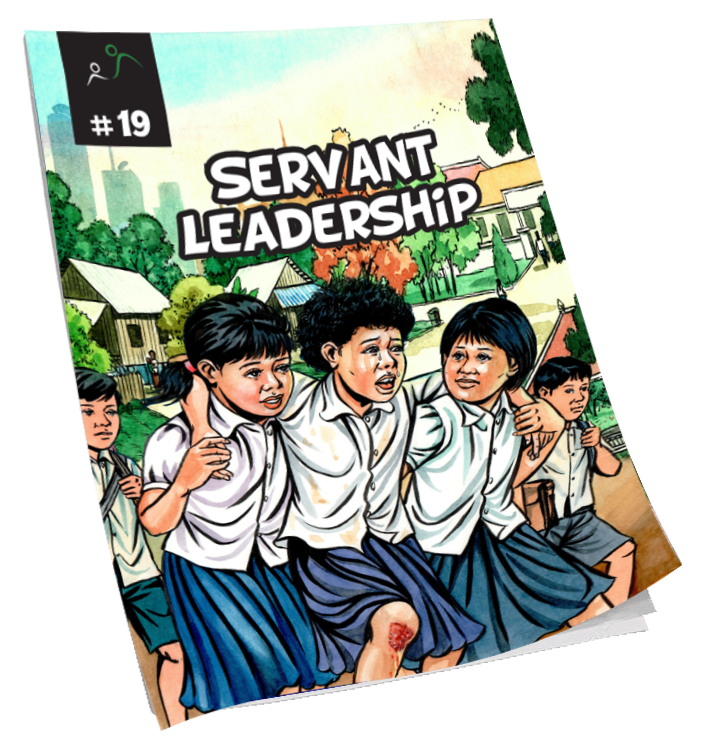
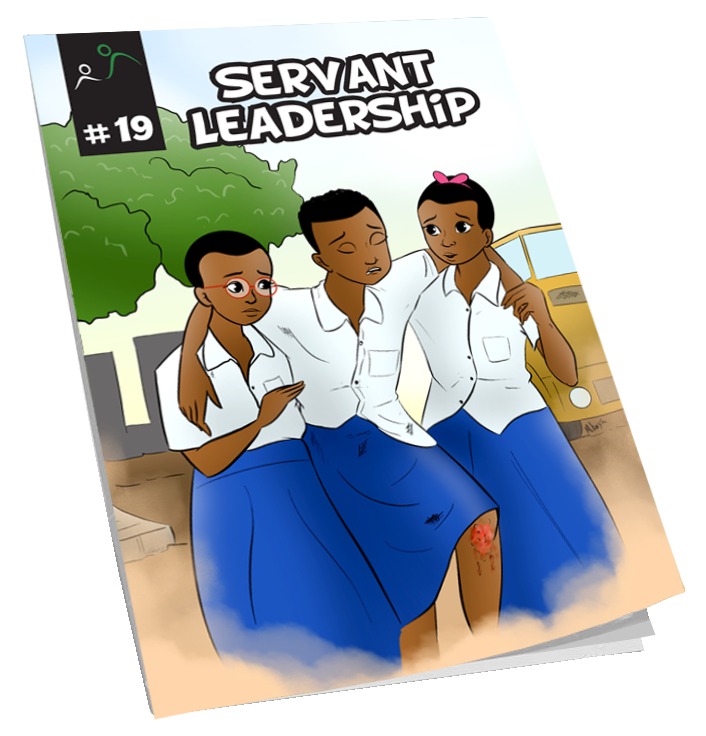
Nobody wants to follow a person who only takes. Discover that the most powerful leaders in history are the ones who kneel down to serve and learn what that looks like in your own life right now.
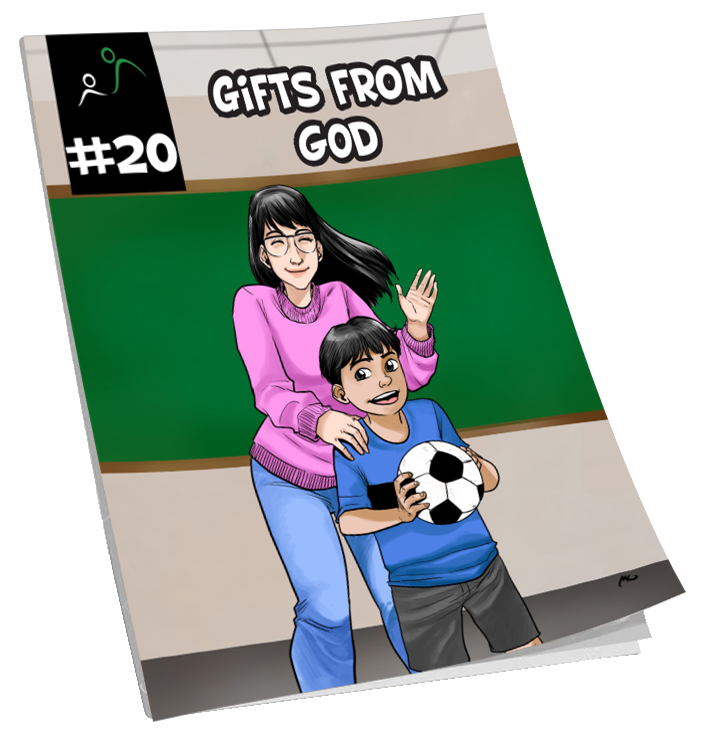
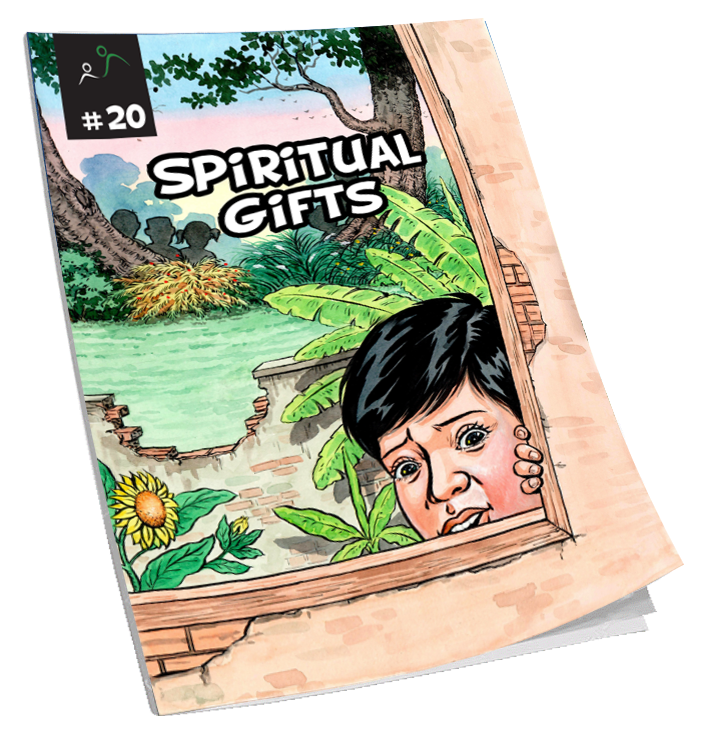
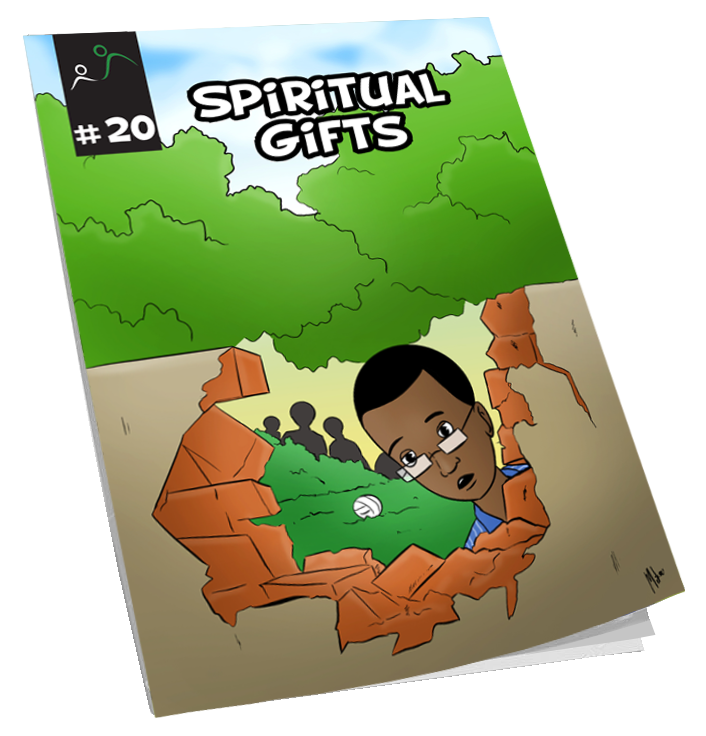
You are not interchangeable with anyone else. Alongsiders and their little brothers and sisters explore the truth that God wired each person with specific gifts, and that those gifts exist for a reason bigger than themselves.
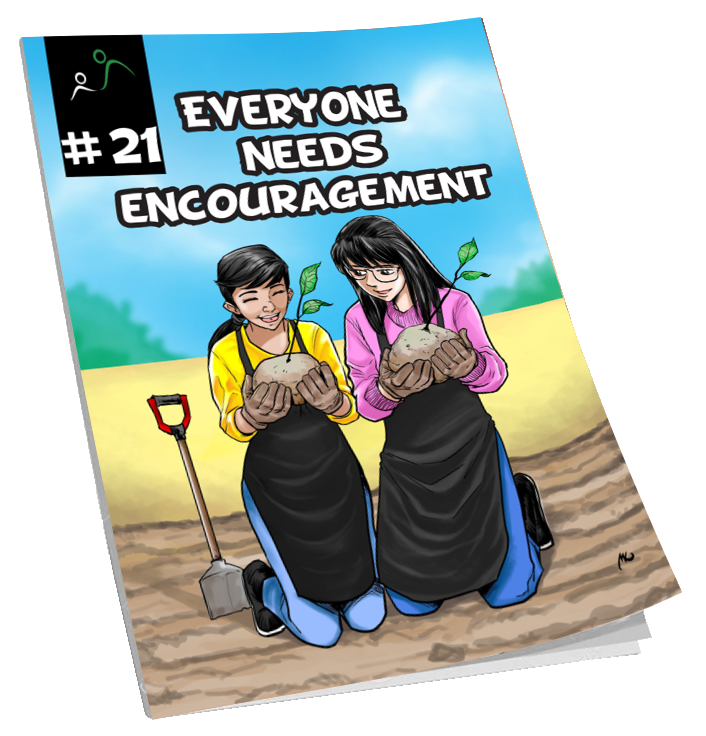
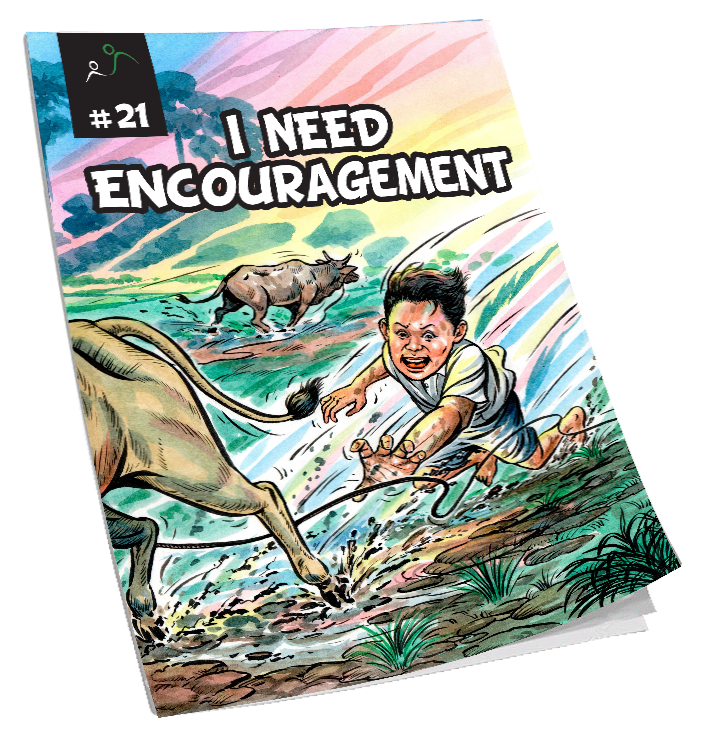
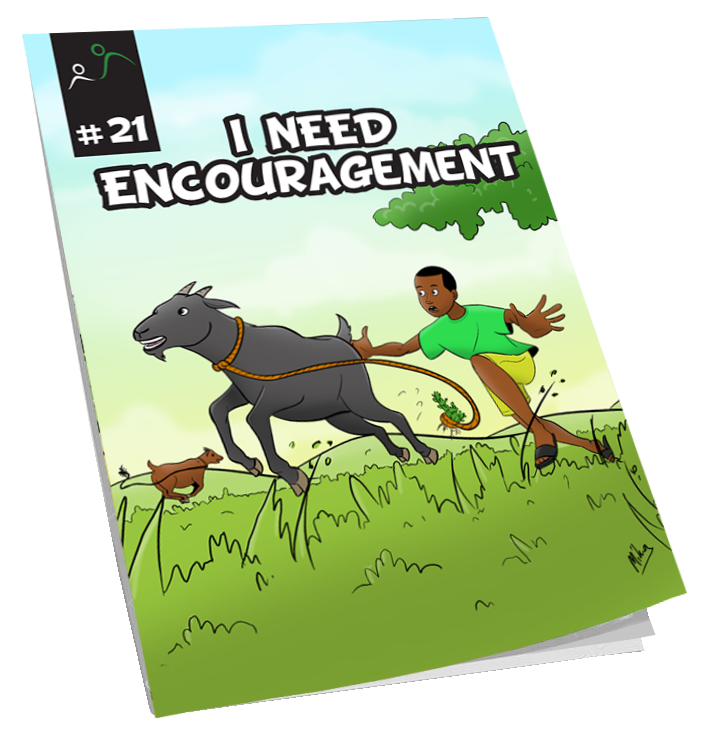
Criticism can stop a person cold. Encouragement can unlock them. Take a look at the real effect our words have on the people around us and learn why choosing to build someone up is never a small thing.
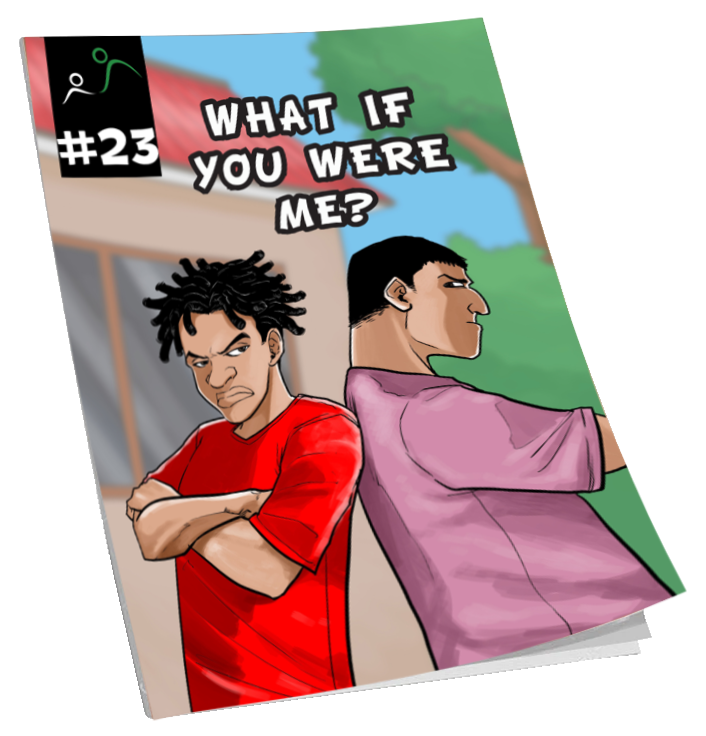
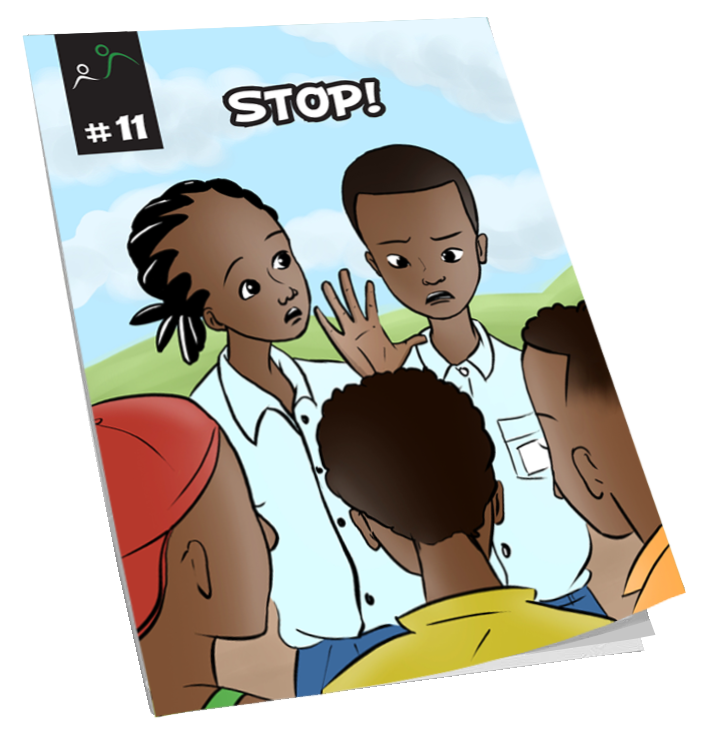
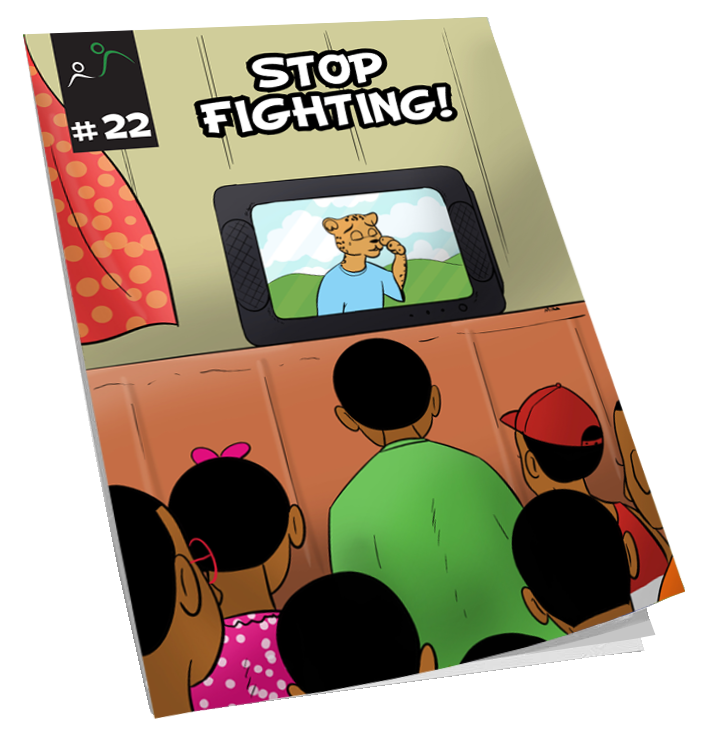
Every act of violence teaches the people watching that violence is normal and okay. Alongsiders and their little brothers and sisters explore how the cycle sustains itself and what it takes for one person to decide they will be the one who ends it.
Alongsiders and their little brothers and sisters return to the harm racism causes in communities and relationships, and to the irreplaceable dignity God placed in every single person He made.
Not everyone in your life will cheer for your faith. Some will push back hard. Alongsiders and their little brothers and sisters work through what it looks like to stay rooted when the people closest to you don't understand, or won't accept, your walk with God.
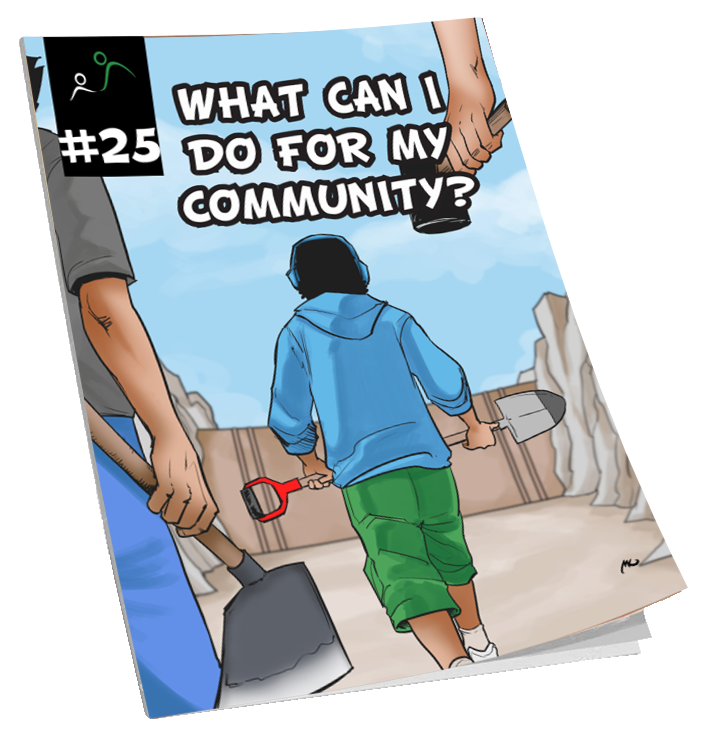
The answer to your community's biggest problem might already exist in the hands of the people living there. Learn how to look for it and how to become part of the solution yourself.
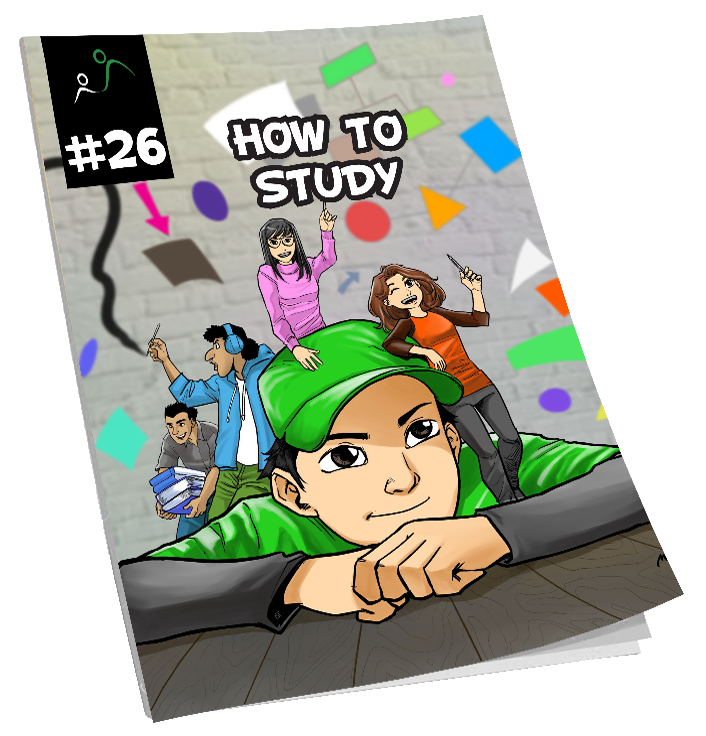
A cluttered mind makes it hard to move forward. Alongsiders and their little brothers and sisters learn mind-mapping as a concrete tool for organizing what they know, clarifying what they want, and building a path toward their goals.
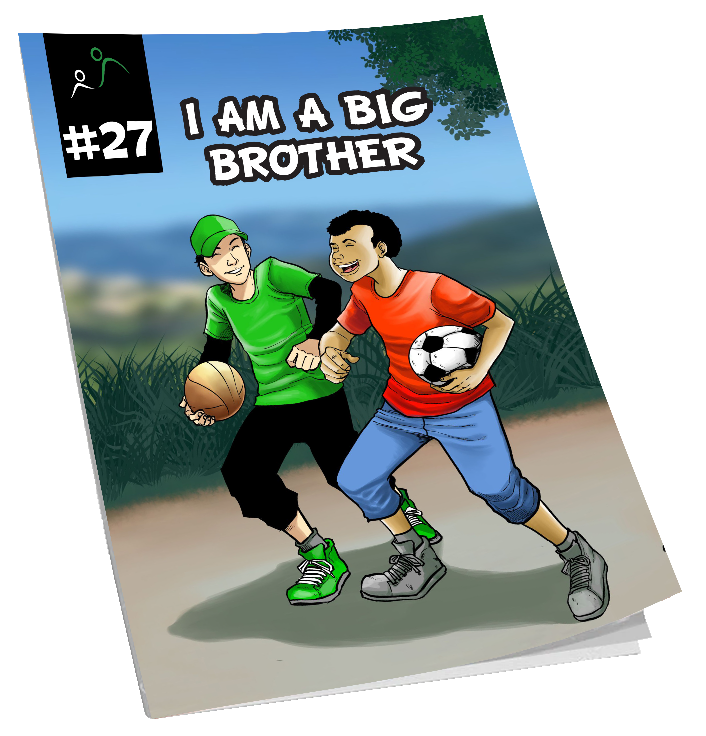
What does it look like to become an Alongsider? Learn what next steps could look like, and how you just might become the big brother or sister to someone else in your community.
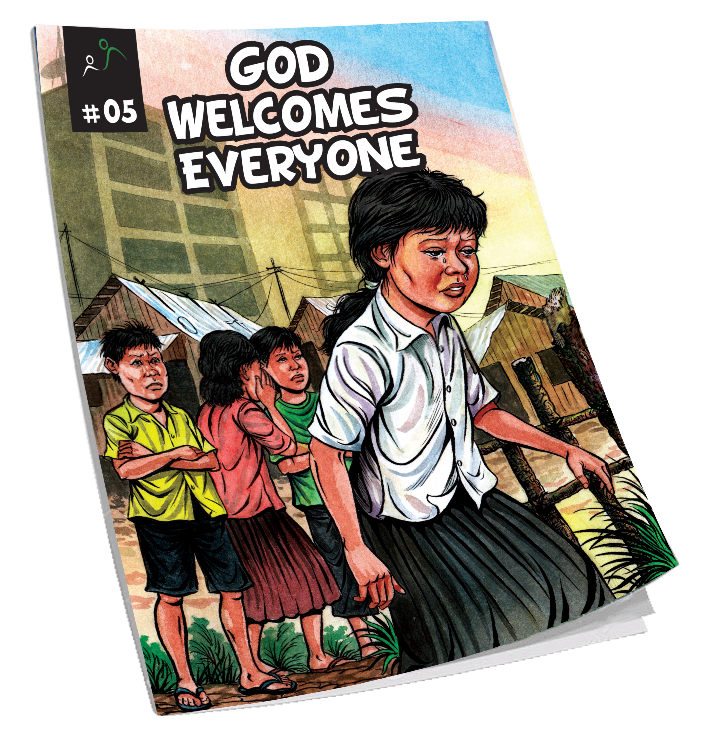
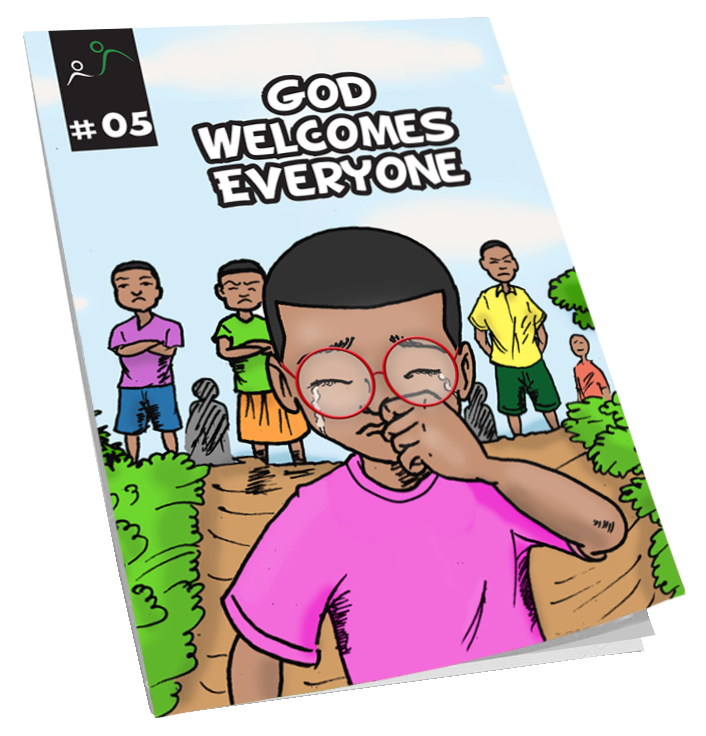
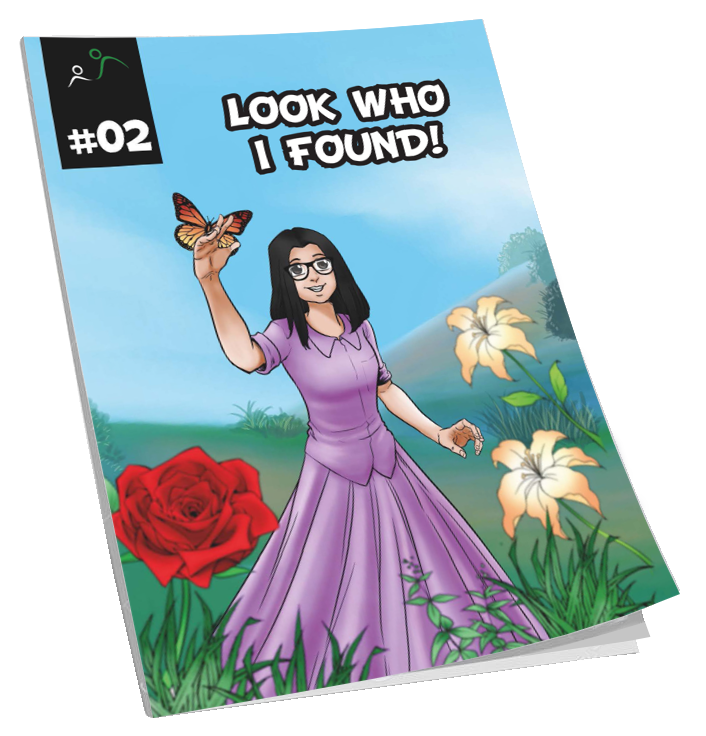
In this story, Alongsiders and their little brothers and sisters will learn that God loves them unconditionally, no matter who they are or what they have done. God loves everybody: rich or poor, girl or boy, naughty or well-behaved.
What would it look like to actually know God, not just know about Him? He invites us into real relationship and why, out of love, He keeps reaching out even when we are not paying attention.
Every child has the right to be safe, and knowing that right is only the beginning. The lesson walks through what protection from abuse looks like in practice, what should raise alarm, and what to do when something does not feel right.
Someone helped you get where you are. Maybe more than one person. Seeing those people clearly and offering something back, a genuine thank you, carries more weight than most of us realize, and this lesson makes that case.
God does not miss the people the rest of the world walks past. The rejected, the abandoned, the lonely: He sees them. And caring for those people is not optional. It is part of the call.
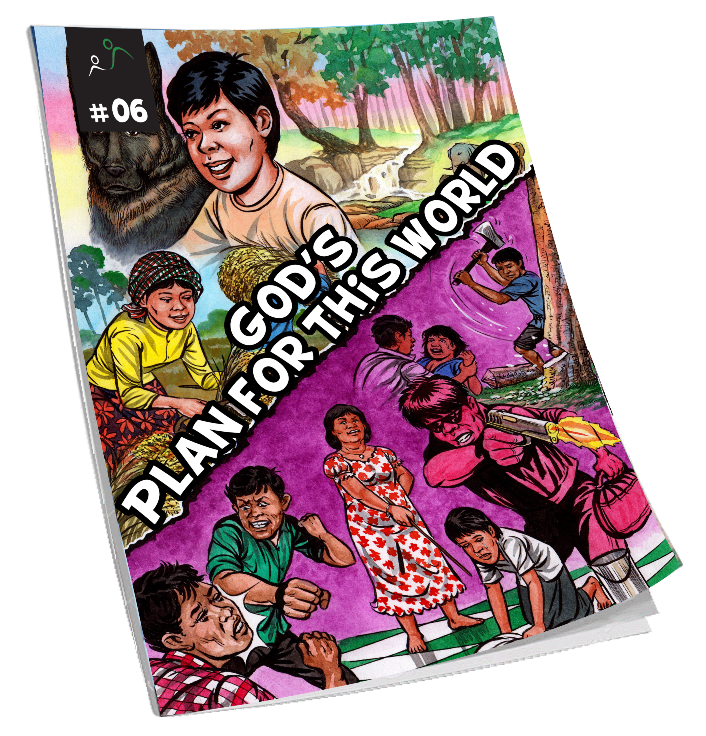
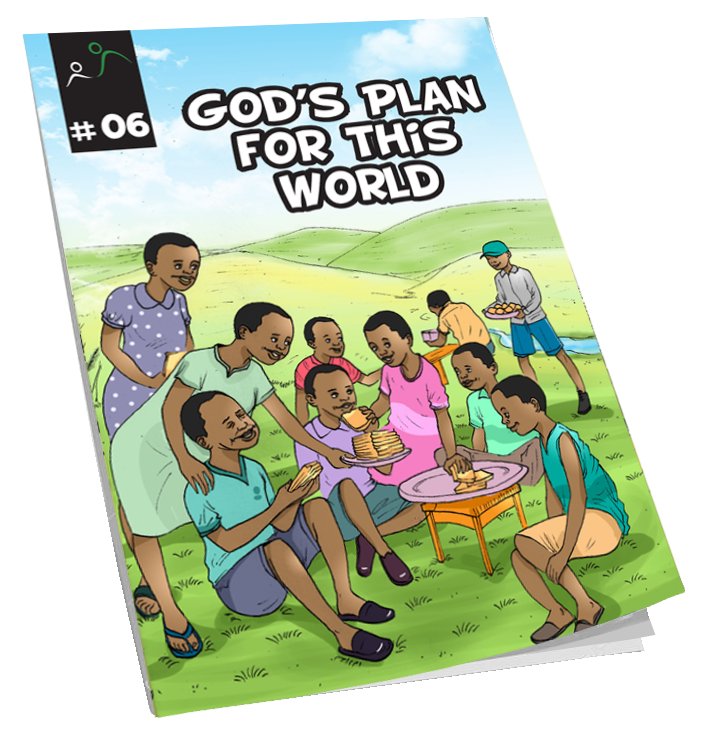
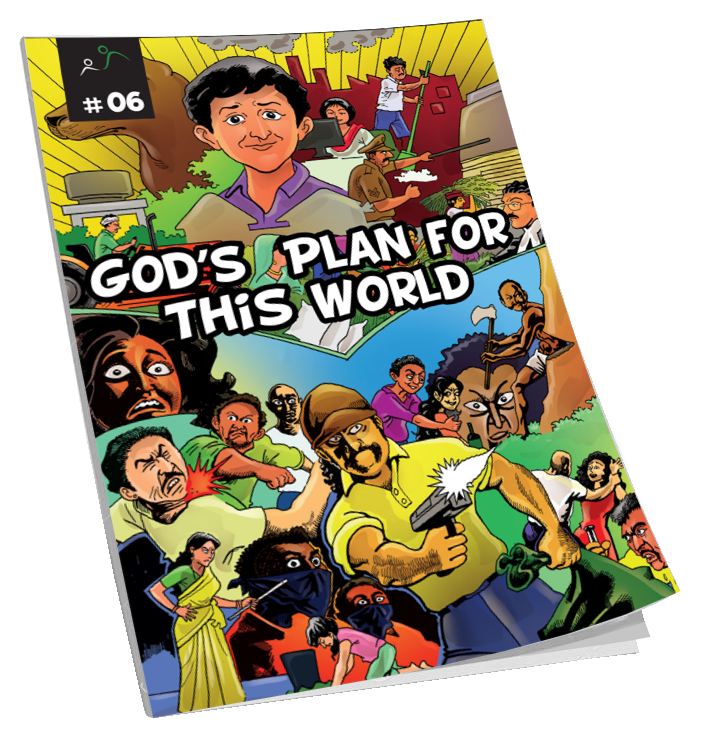
When a child is treated unjustly, one question arises: does God see this? In this lesson the Kingdom of God is addressed: what it actually is, what it asks of us, and what does God’s plan look like in a broken world.
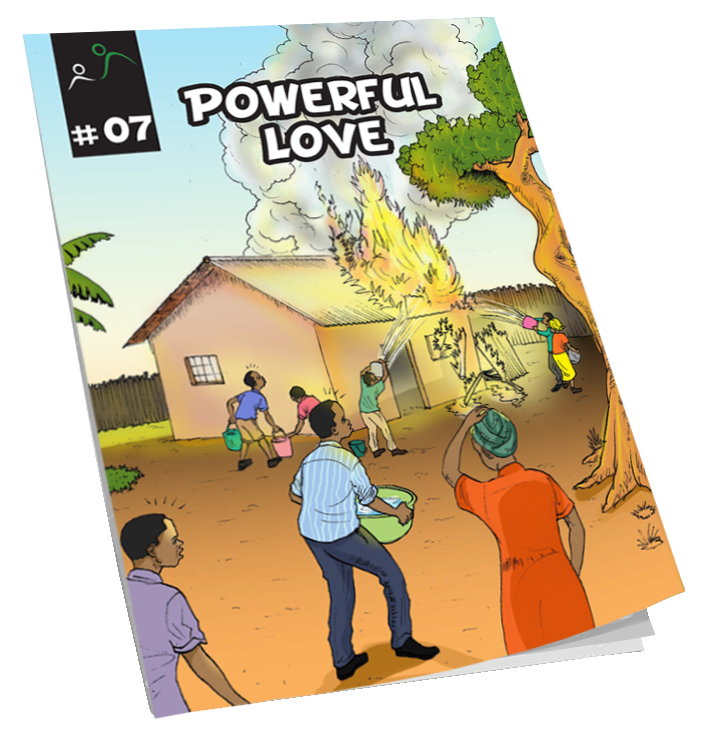
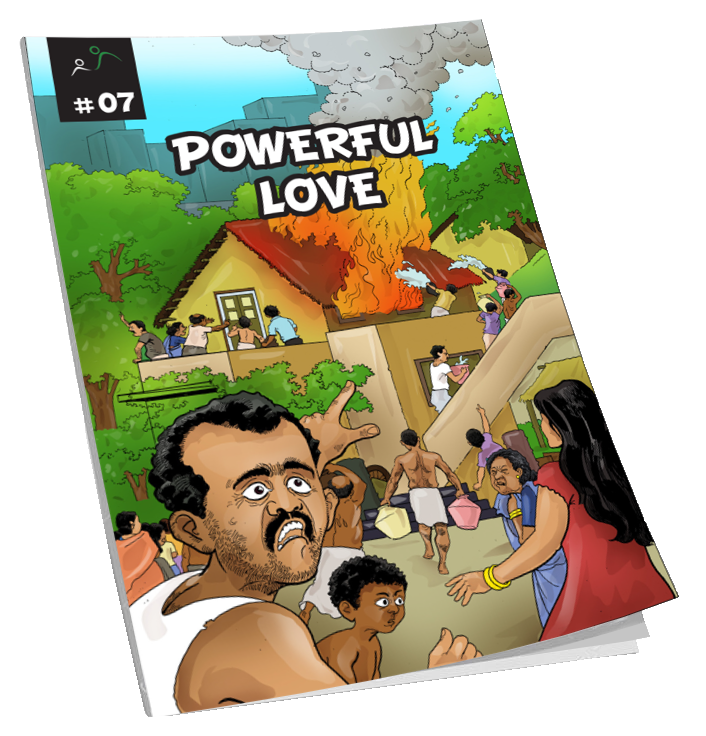
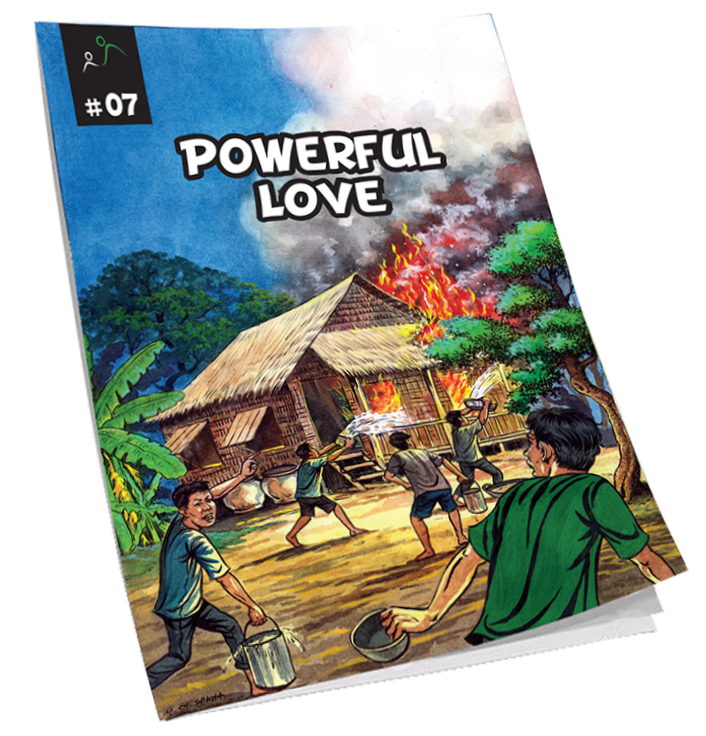
Some sacrifices are so total they point beyond themselves. A story of someone giving everything for the sake of another draws a line straight to the cross and to what Jesus gave because of his powerful love for us.
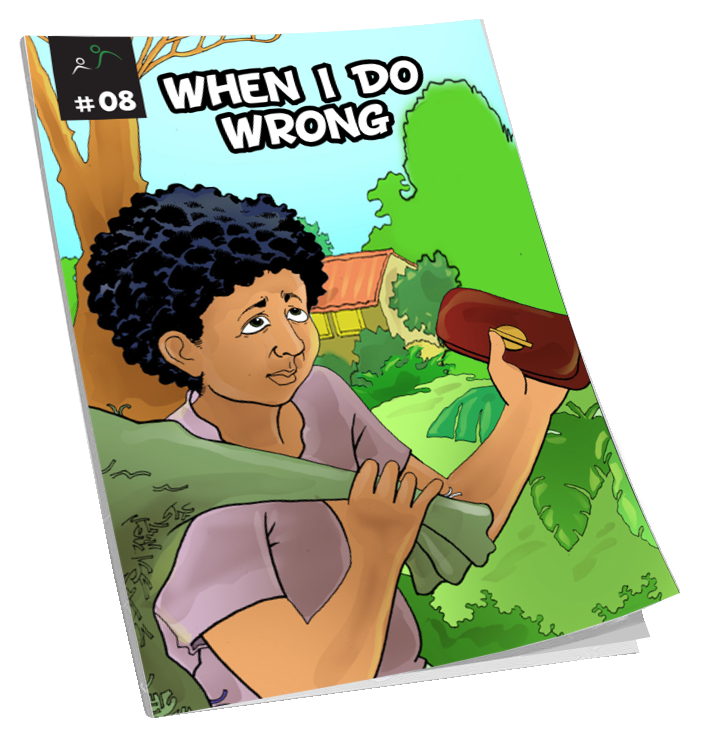
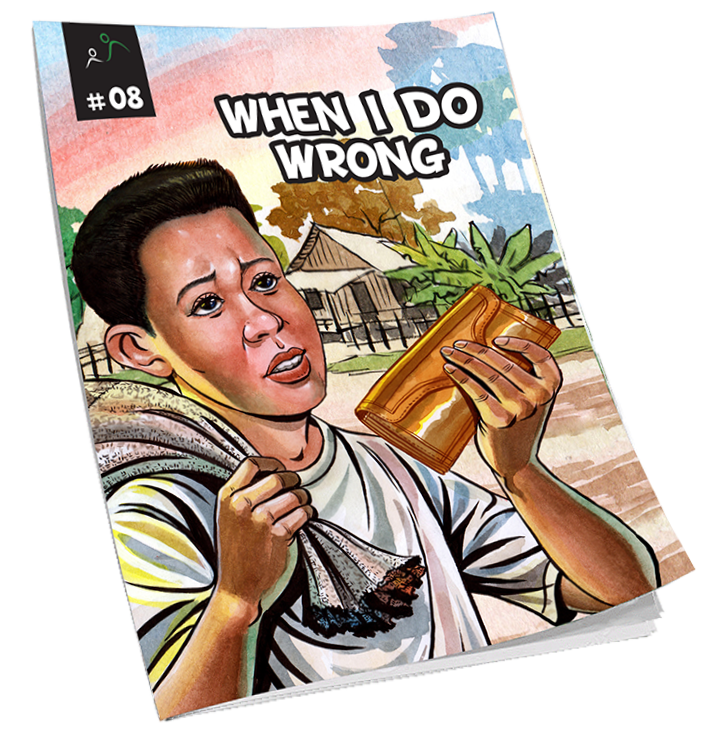
Feeling bad about what you did is not the same as repentance. The lesson works through the difference and shows what it actually looks like to bring your failures to God, ask for forgiveness, and invite Him into what comes next.
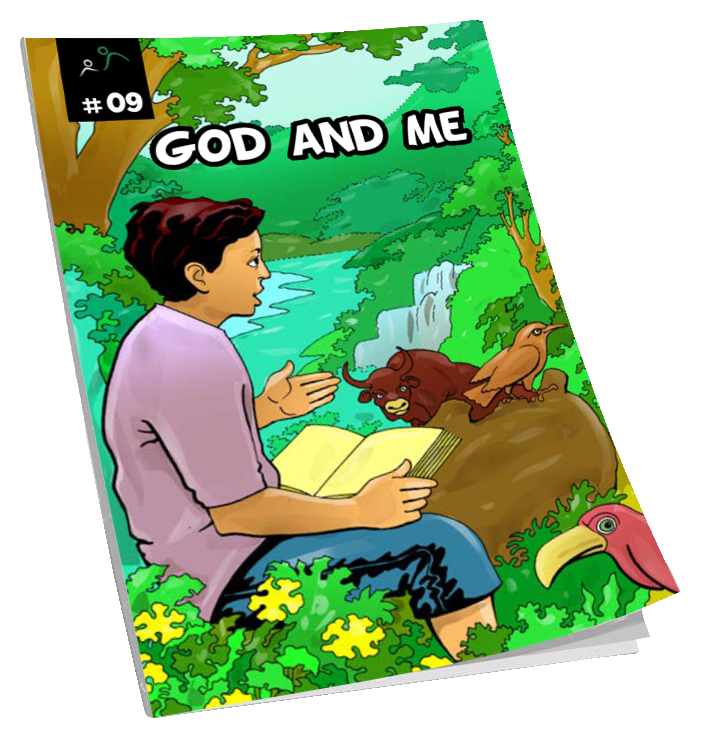
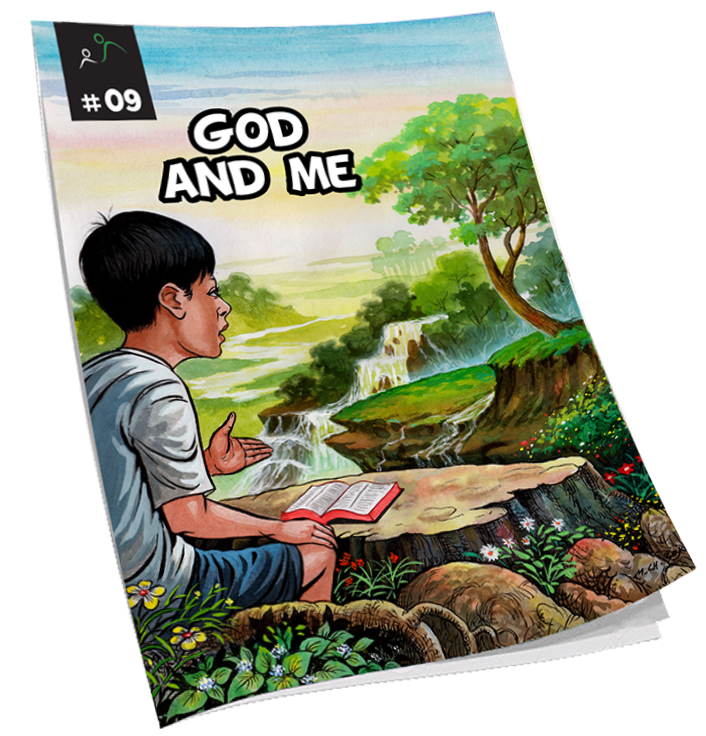
Relationship with God is not supposed to be distant or formal. The practical, real, and sometimes unexpected ways we can communicate with Him are an incredible gift. He desires to be in relationship with us far more than we tend to realize.
Hardship is not a signal to stop. Made for the moment when everything feels too heavy and quitting seems reasonable, the lesson reminds us that perseverance through difficulty is usually the path forward, not a detour away from it.
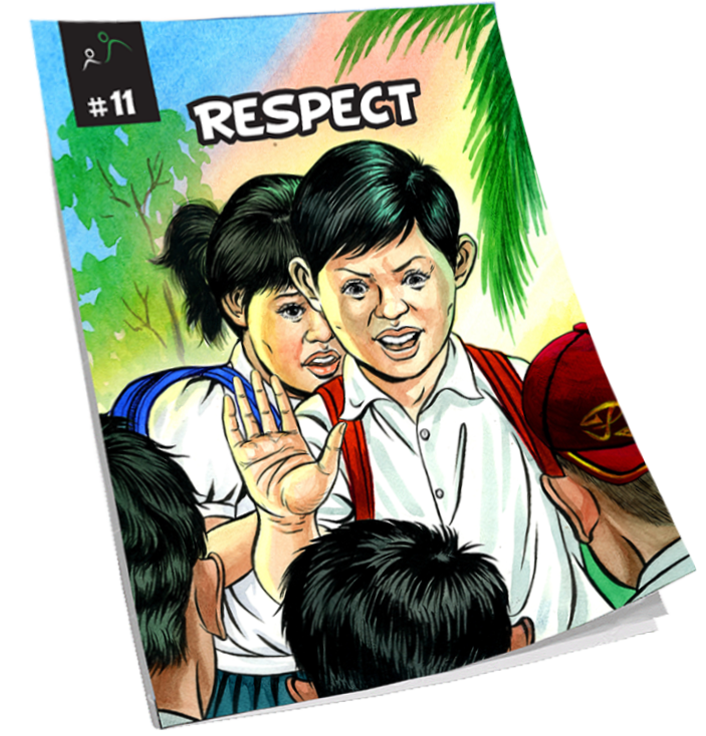
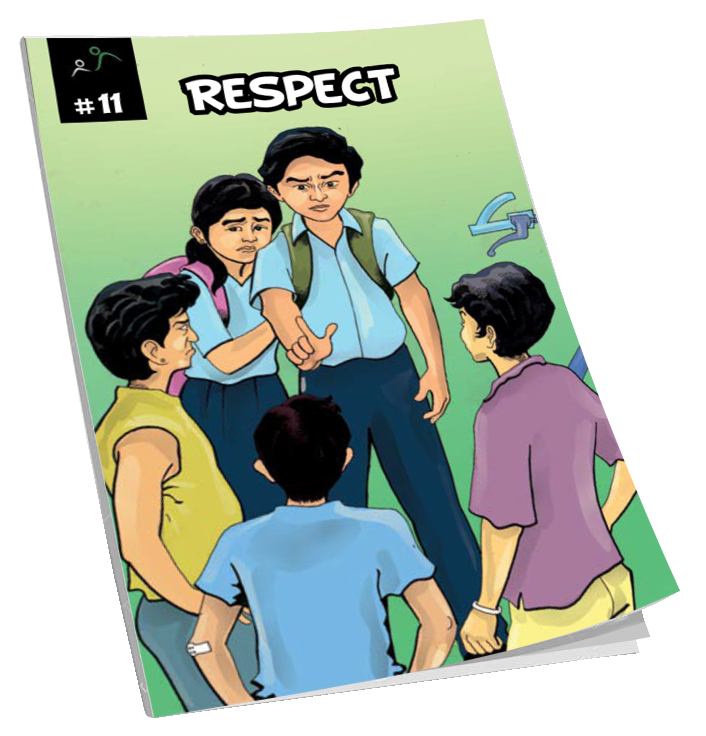
Society has a script for what girls can do and what boys are supposed to care about. When boys choose to stand up for girls, something gets unlocked. How do we build a community where everyone gets the respect they deserve? This comic creates an conversation for older children to address pornography
Addiction begins as relief and ends as a cage. The arc gets traced from beginning to end in this lesson. The pull, the cost, the wreckage, and then shows what genuine freedom looks like when God enters the picture.
Fear does not wait for a convenient moment. It just shows up. Rather than offering a distant comfort, the lesson points toward Jesus as someone who can actually be trusted with the things that frighten us most.
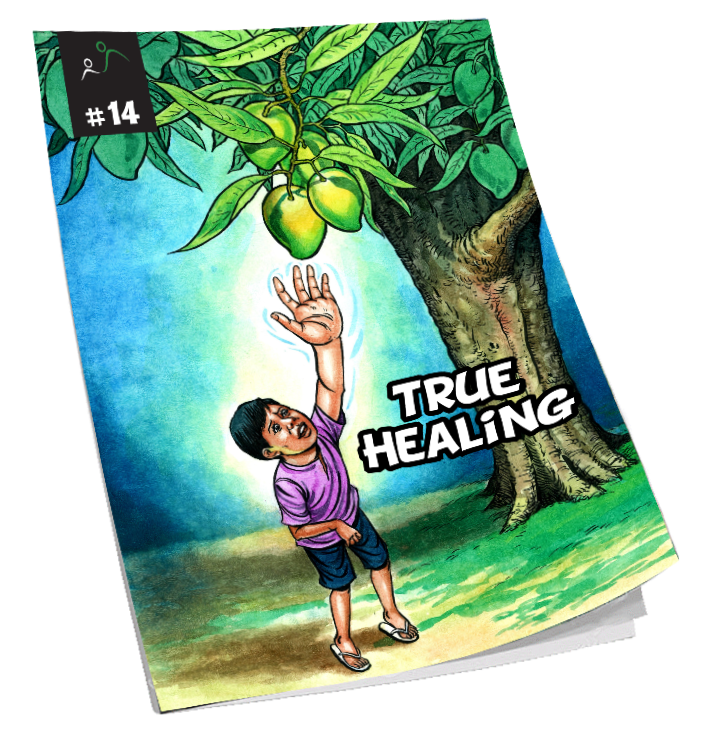
God heals. And sometimes He does not heal the way we asked. Both of those truths get held at the same time, and what emerges is that His presence, strength, and comfort are available in either outcome.
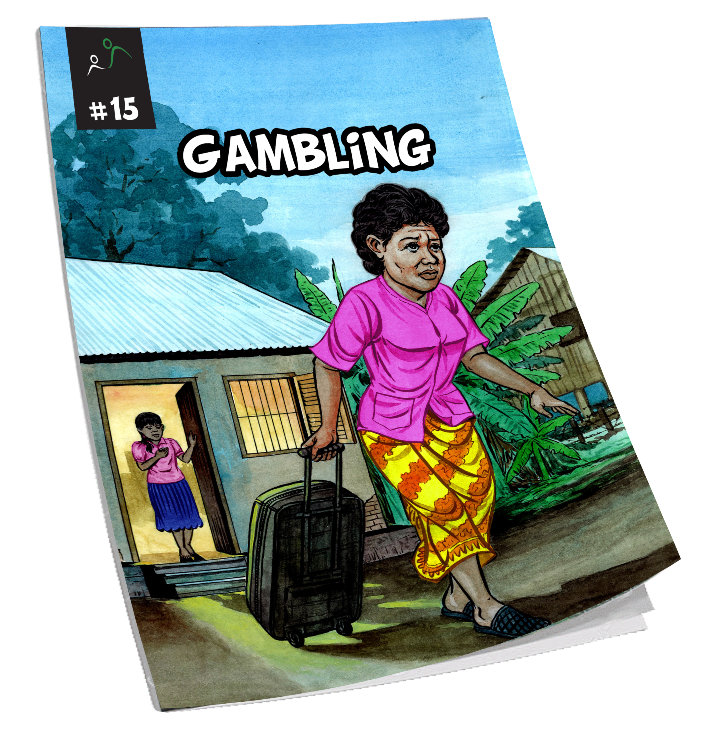
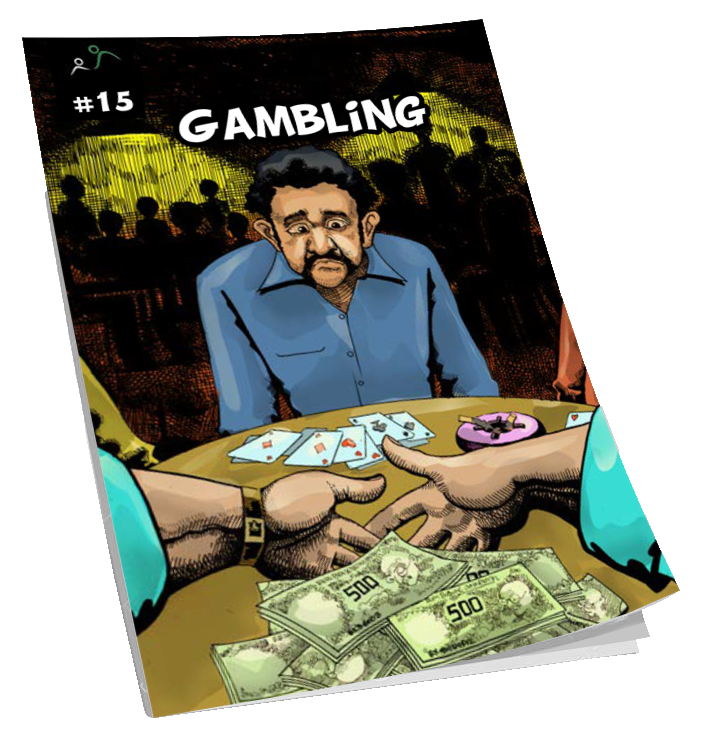
Gambling rarely announces itself as a problem. It creeps. Following the damage it leaves through a family reveals that no destructive pattern passed down through generations is beyond what God can break.
Integrity is not tested in the dramatic moments. It is tested in the quiet ones, when no one would know the difference. What honesty really costs in relationships and before God gets examined here: and why it is worth every bit of that cost.
Most decisions do not feel significant while you are making them. The lesson slows that moment down and explores what it means to pursue wisdom before reaching for the first available answer in the ordinary moments of everyday life.
The land, the air, the community around us, none of it was given to us to use up and discard. A compelling case gets made for creation care and what taking responsibility for the world we live in can look like in practice.
The leaders who leave the deepest marks are rarely the ones demanding the most. The usual picture of power gets turned upside down here, showing what happens when someone chooses to lead by getting down and serving.
You are not interchangeable with anyone else, and that is intentional. God built each person with something specific to offer, a gift. Learning how to use this gift to serve God may be the most important work any of us ever does.
Words are not neutral. A single critical comment can halt someone's growth for months. A single word of encouragement can shift the whole trajectory. The lesson puts that power on display and asks what we will do with it.
Violence is contagious. Every act of it teaches everyone watching that this is simply how the world works. The cycle gets traced and the harder question gets raised: what does it take for one person to decide they will be the one who stops it?
The belief that some people are worth less than others has left destruction everywhere it has gone. The real cost of racism in communities and relationships gets looked at directly, and something that cannot be argued away keeps coming back to the surface: every person carries the image of God.
Staying committed to Jesus becomes complicated when people closest to you are the ones who do not understand it. The real tension of holding onto faith when pushback comes from family and friends gets worked through in this lesson, along with what it looks like to stay rooted anyway.
The resources needed to solve a community's most pressing problems are probably already there. The lesson teaches how to look for them, how to think about what already exists nearby, and how to step into the work rather than waiting for someone else to start it.
A dream with no structure is easy to postpone indefinitely. Mind-mapping gets introduced as a tool for getting ideas out of your head and onto something real, a practical first step toward turning goals into a path you can actually follow.
It all comes back around. Everything from across the series gets pulled into a new situation, and for the first time the little brother or sister is the one reaching a hand out to someone else. What does it look like to become an Alongsider?
God's love is not a reward for good behavior. It does not check your background, your income, or your track record. Rich or poor, naughty or well-behaved, every girl and every boy is loved without condition, and nothing changes that.
What would it look like to actually know God, not just know about Him? He invites us into real relationship and why, out of love, He keeps reaching out even when we are not paying attention.
Every child has the right to be safe, and knowing that right is only the beginning. The lesson walks through what protection from abuse looks like in practice, what should raise alarm, and what to do when something does not feel right.
Someone helped you get where you are. Maybe more than one person. Seeing those people clearly and offering something back, a genuine thank you, carries more weight than most of us realize, and this lesson makes that case.
God does not miss the people the rest of the world walks past. The rejected, the abandoned, the lonely, He sees them. And caring for those people is not optional. It is part of the call.
When a child is treated unjustly, one question arises: does God see this? In this lesson the Kingdom of God is addressed: what it actually is, what it asks of us, and what does God’s plan look like in a broken world.
Some sacrifices are so total they point beyond themselves. A story of someone giving everything for the sake of another draws a line straight to the cross, to what Jesus gave and the sacrifice he made out of love.
Feeling bad about what you did is not the same as repentance. The lesson works through the difference and shows what it actually looks like to bring your failures to God, ask for forgiveness, and invite Him into what comes next.
Relationship with God is not supposed to be distant or formal. The practical, real, and sometimes unexpected ways we can communicate with Him are an incredible gift. He desires to be in a relationship with us far more than we tend to realize.
Hardship is not a signal to stop. Made for the moment when everything feels too heavy and quitting seems reasonable, the lesson reminds us that perseverance through difficulty is usually the path forward, not a detour away from it.
Society has a script for what girls can do and what boys are supposed to care about. When boys choose to stand up for girls, something gets unlocked. How do we build a community where everyone gets the respect they deserve? This comic creates an conversation for older children to address pornography.
Addiction begins as relief and ends as a cage. The arc gets traced from beginning to end in this lesson. The pull, the cost, the wreckage, and then shows what genuine freedom looks like when God enters the picture.
Fear does not wait for a convenient moment. It just shows up. Rather than offering a distant comfort, the lesson points toward Jesus as someone who can actually be trusted with the things that frighten us most.
God heals. And sometimes He does not heal the way we asked. Both of those truths get held at the same time, and what emerges is that His presence, strength, and comfort are available in either outcome.
Gambling rarely announces itself as a problem. It creeps. Following the damage it leaves through a family reveals that no destructive pattern passed down through generations is beyond what God can break.
Integrity is not tested in the dramatic moments. It is tested in the quiet ones, when no one would know the difference. What honesty really costs in relationships and before God gets examined here, and why it is worth every bit of that cost.
Most decisions do not feel significant while you are making them. The lesson slows that moment down and explores what it means to pursue wisdom before reaching for the first available answer in the ordinary moments of everyday life.
The land, the air, the community around us: none of it was given to us to use up and discard. This lesson gives a compelling case for creation care and what taking responsibility for the world we live in can look like in practice.
The leaders who leave the deepest marks are rarely the ones demanding the most. The usual picture of power gets turned upside down here, showing what happens when someone chooses to lead by getting down and serving.
You are not interchangeable with anyone else, and that is intentional. God built each person with something specific to offer, a gift. Learning how to use this gift to serve God may be the most important work any of us ever does.
Words are not neutral. A single critical comment can halt someone's growth for months. A single word of encouragement can shift the whole trajectory. The lesson puts that power on display and asks what we will do with it.
Violence is contagious. Every act of it teaches everyone watching that this is simply how the world works. The cycle gets traced and the harder question gets raised: what does it take for one person to decide they will be the one who stops it?
This story addresses brokenness and forgiveness in the context of ethnic tensions. Written by Rwandan survivors of the genocide, this story will resonate in any situation where there is racism or conflict.
Staying committed to Jesus becomes complicated when people closest to you are the ones who do not understand it. The real tension of holding onto faith when pushback comes from family and friends gets worked through in this lesson, along with what it looks like to stay rooted anyway.
The resources needed to solve a community's most pressing problems are probably already there. The lesson teaches how to look for them, how to think about what already exists nearby, and how to step into the work rather than waiting for someone else to start it.
God's love is not a reward for good behavior. It does not check your background, your income, or your track record. Rich or poor, naughty or well-behaved, every girl and every boy is loved without condition — and nothing changes that.
What would it look like to actually know God, not just know about Him? He invites us into real relationship and why, out of love, He keeps reaching out even when we are not paying attention
Every child has the right to be safe, and knowing that right is only the beginning. The lesson walks through what protection from abuse looks like in practice, what should raise alarm, and what to do when something does not feel right.
Someone helped you get where you are. Maybe more than one person. Seeing those people clearly and offering something back, a genuine thank you, carries more weight than most of us realize, and this lesson makes that case.
God does not miss the people the rest of the world walks past. The rejected, the abandoned, the lonely: He sees them. And caring for those people is not optional. It is part of the call.
When a child is treated unjustly, one question arises: does God see this? In this lesson the Kingdom of God is addressed: what it actually is, what it asks of us, and what does God’s plan look like in a broken world.
Some sacrifices are so total they point beyond themselves. A story of someone giving everything for the sake of another draws a line straight to the cross — to what Jesus gave and exactly why He did it.
Feeling bad about what you did is not the same as repentance. The lesson works through the difference and shows what it actually looks like to bring your failures to God, ask for forgiveness, and invite Him into what comes next.
Relationship with God is not supposed to be distant or formal. The practical, real, and sometimes unexpected ways we can communicate with Him are an incredible gift. He desires to be in a relationship with us far more than we tend to realize.
Hardship is not a signal to stop. Made for the moment when everything feels too heavy and quitting seems reasonable, the lesson reminds us that perseverance through difficulty is usually the path forward, not a detour away from it.
Society has a script for what girls can do and what boys are supposed to care about. When boys choose to stand up for girls, something gets unlocked. How do we build a community where everyone gets the respect they deserve. This comic creates a conversation for older children to address pornography.
Addiction begins as relief and ends as a cage. The arc gets traced from beginning to end in this lesson. The pull, the cost, the wreckage, and then shows what genuine freedom looks like when God enters the picture.
Fear does not wait for a convenient moment. It just shows up. Rather than offering a distant comfort, the lesson points toward Jesus as someone who can actually be trusted with the things that frighten us most.
God heals. And sometimes He does not heal the way we asked. Both of those truths get held at the same time, and what emerges is that His presence, strength, and comfort are available in either outcome.
Gambling rarely announces itself as a problem. It creeps. Following the damage it leaves through a family reveals that no destructive pattern passed down through generations is beyond what God can break.
Integrity is not tested in the dramatic moments. It is tested in the quiet ones, when no one would know the difference. What honesty really costs in relationships and before God gets examined here — and why it is worth every bit of that cost.
The land, the air, the community around us: none of it was given to us to use up and discard. A compelling case gets made for creation care and what taking responsibility for the world we live in can look like in practice.
One Alongsider.
Equipped to change a child's life.
The curriculum transforms volunteers into Alongsiders — and that is what makes the movement grow. Want it in your language, or in your country?
Connect With Us
God's love is not a reward for good behavior. It does not check your background, your income, or your track record. Rich or poor, naughty or well-behaved, every girl and every boy is loved without condition, and nothing changes that.