
How it started.
In a slum in southern Phnom Penh, something unlikely began.
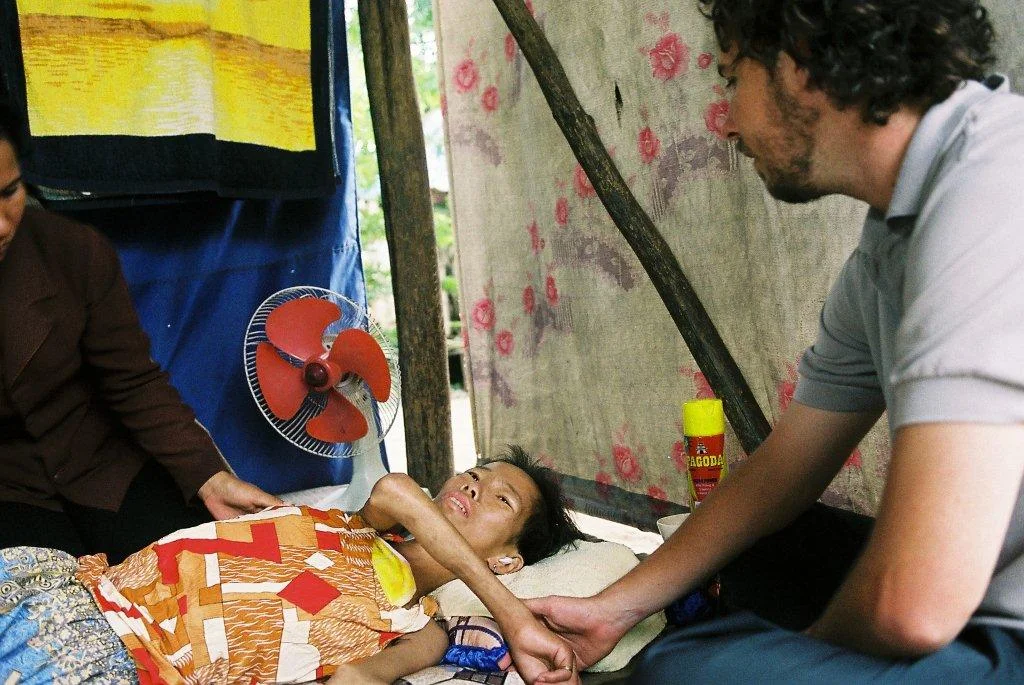
Craig Greenfield had walked away from a corporate technology career. He and his wife Nay moved into the slum - not to run a program - but to be neighbours. What they found there changed everything.
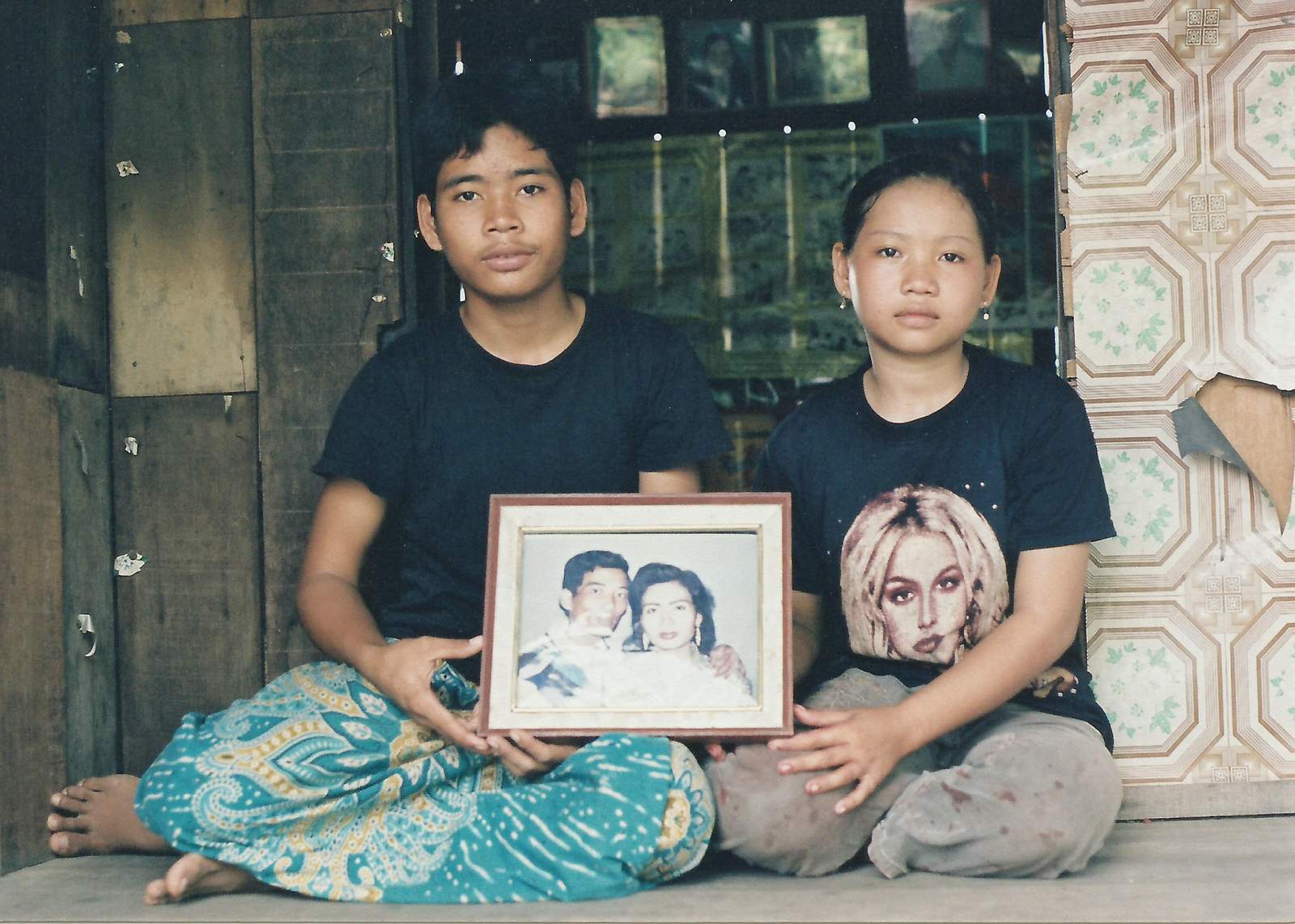
Families devastated by AIDS. Children who had already lost their parents - now at risk of losing their communities too. Craig and Nay began working alongside these families so that orphaned children could stay rooted in the places and people they knew and loved.
It worked. A community-based movement for orphans took hold, spread across the slums of Phnom Penh, and eventually reached hundreds of children. But something nagged at Craig.
You cannot scale love.
He and Nay could pour themselves into a handful of children. Maybe even a few dozen. But tens of thousands of vulnerable kids across Cambodia had no one. So Craig began to pray for something different: a grassroots volunteer movement rising from within the Cambodian church itself. Young Christians, already embedded in their communities, choosing to walk alongside one child. True discipleship.
It started with ten young people. And they made plenty of mistakes. But slowly, by grace and grit, they found what made a movement like this take hold - and last.
In 2003, Alongsiders Cambodia was officially born.
Today, hundreds of young Cambodians faithfully walk alongside one vulnerable child each - in their own streets, their own heart language, and their own communities. The movement has spread into a dozen provinces.
And those first children — the original "little brothers and sisters"? Most are now in their twenties. Many have become leaders in their churches. Many have become Alongsiders themselves.
Then the invitations started arriving. From Indonesia. From India. From Rwanda, Pakistan, the Philippines, Kenya. Church networks on different continents asking the same question: Could this work here?
It could. It did.
What began in one slum now spans more than 30 countries. Not because of a headquarters or a massive budget, but because the idea is simple enough to travel and deep enough to last.
The first generation is equipping the next. And the next after that.
The best is yet to come.