
4 ways our new Discipleship Training Manuals will be a game-changer
There is a lot of excitement this month in the Alongsiders International office as we launch the brand new Discipleship Training Manuals
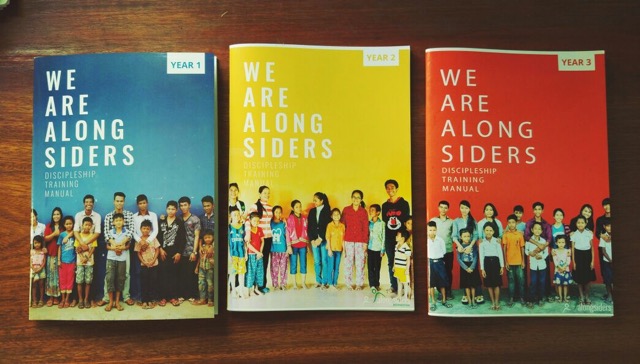
There is a lot of excitement this month in the Alongsiders International office as we launch the brand new Discipleship Training Manuals (DTM).
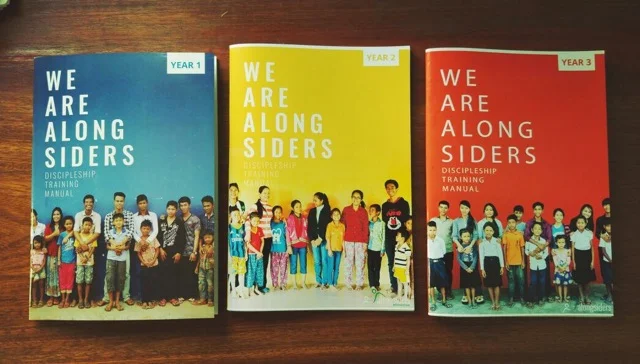
These 3 manuals (one per year) will accompany our 3 year comic book curriculum.
Each DTM is designed to help the Alongsiders grow in their relationship with Jesus and become better at not only discipling their own Little Brothers and Sisters (LBS), but also creating change in their communities. The Alongsiders will work through the manual during their regular meetings together.
These manuals take them deeper into the theme covered in that month’s comic book. They help the Alongsiders grow in the areas they are learning about, and help them gain a thorough understanding of the topic before they teach their Little Brother or Sister using the comic.
This tool will help them grow as followers of Jesus and as Alongsiders. Here are four ways we see the DTM as a game-changer in the Alongsiders movement...
1. The DTM is empowering
Rather than an outsider coming into a community, and telling them what needs to change, this resource helps Alongsiders and their Little Brothers and Sisters identify issues in their own lives, families and communities. It helps them come up with their own solutions and empowers them to act.
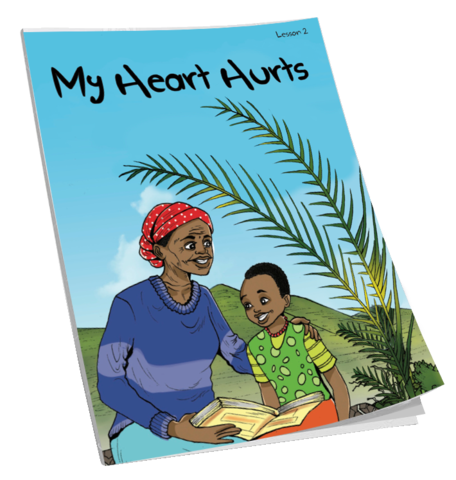
This is the Rwanda-made comic on dealing with emotions.
For example, in the Year 1 DTM manual, there is a lesson called “My Heart Hurts,” which explores different feelings that people experience. At the end of the chapter, it includes advice on how to walk alongside people who are grieving, and the Alongsiders are asked to come up with one way they can care for “hurting hearts” in their family or community.
The lesson on abuse asks the Alongsiders to come up with 3 ways they can help children in their family or community protect themselves from abuse and stay safe.
In the Year 3 DTM manual, one lesson walks the Alongsiders and their Little Brothers and Sisters through creating their own community project - choosing areas that they think require change, identifying resources within their community, and coming up with ways that they can work together to bring transformation.
The DTM empowers Alongsiders and their Little Brothers and Sisters to make a difference in their own communities.
2. The DTM is practical
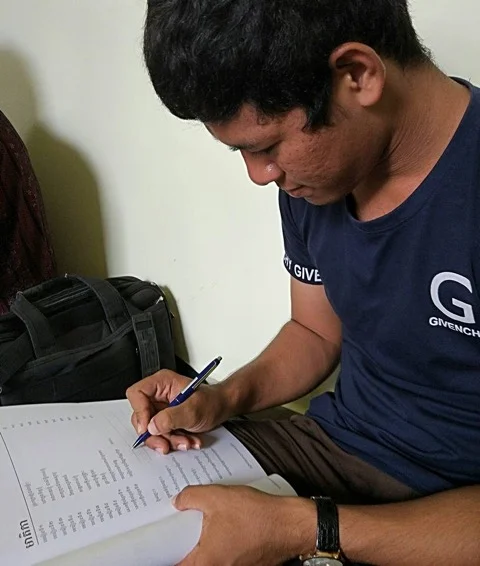
The new DTM manuals provide the Alongsiders with accountability and help them achieve their goals. Each lesson has a “monthly check up” which helps the Alongsiders hold each other accountable about how often they met up with their Little Brother or Sister, how their Little Brother or Sister is going and how they walked alongside them.
The manual also has a section for annual goals, and an opportunity to review those goals and reflect on the year.
Every lesson also has an application section - the Alongsiders not only learn about Jesus, but also how to put what they learn into practice.
3. The DTM is accredited
The DTM is also practical in another way. If the Alongsiders complete all 3 years, they can receive a Bachelor Degree in Professonal Studies. This qualification is being offered by our UK-based partner, The Global University of Lifelong Learning.
For young Christians in poorer countries, many of whom may not have an opportunity to attend a local university - this is a helpful qualification.
It is also a recognition of all their hard work over several years in learning, and walkng alongside their Little Brother or Sister.
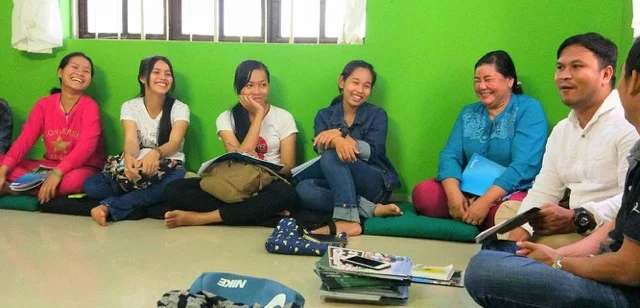
Group Leaders learn about the DTM, in order to bring the curriculum back to their own groups.
4. The DTM goes deep
This is no ordinary bible study tool. It doesn’t just have a bible passage and a list of comprehension questions. The study encourages the Alongsiders to think and pray deeply about what the Bible says about everyday issues, how they can make changes in their own life, how they can help their Little Brother or Sister deal with those issues, and how they can help their community towards change.
For example, one of the lessons asks the Alongsiders to read a bible passage and then think about what they learnt about themselves, what they learnt about God’s love for them, and what they learnt about the world we live in.
Another lesson on having a relationship with Jesus and spending time with Him, walks the Alongsiders through having time with Jesus and experiencing His presence in different ways.
We are excited to see how the Alongsiders use this resource to enhance their relationship with Jesus, the lives of their little brothers and sisters and their community!
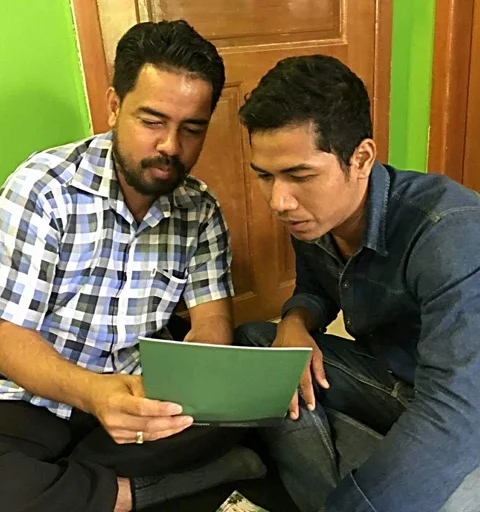
Pray with us as we roll out this new curriculum in Cambodia, Indonesia, Rwanda and Kenya, this month. More countries will follow soon after.
[Written by Sarita Hales a community development graduate interning in our Phnom Penh office for six months.]
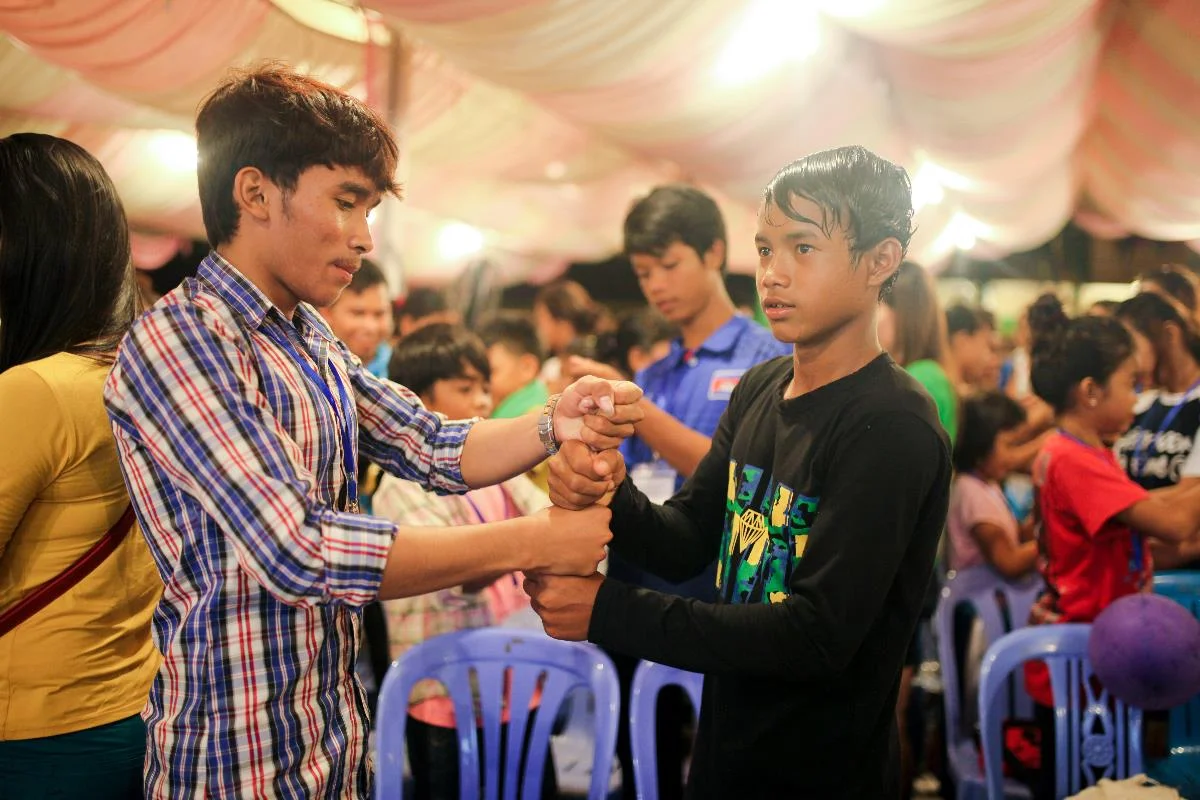
Change starts with you. This is how simple empowerment can be.
"I felt at first like only smart people, older people, or leaders could be Alongsiders. Not just any member of the church...."
“A LOT of young people want to do something. They want to grow their local church. They want to change their community.”
Is this how you perceive the youth in your local church?
This is what one of the Alongsider coordinators in Cambodia says to local pastors when he shares the Alongsiders vision with them for the first time. Many of them say, "Where did you get this idea? It's such a great idea to educate young people and to change the community. Can you come back next week?"
Of course, not every pastor responds this way, and not all young Christians fit his description. But again and again, we are seeing people of all ages who know something needs to change. And they see in Alongsiders an opening.
When this coordinator, whose name is Phearom, shares the same vision with a group of youth, he always starts with a story. Then he says: "Change starts with you."
They know something needs to change. Next they need to decide what to do about it.
Is telling them "it starts with you" an impossible burden or an opportunity? We think it's an opportunity, and because God leads us by example in Jesus and by his Spirit, it's possible!
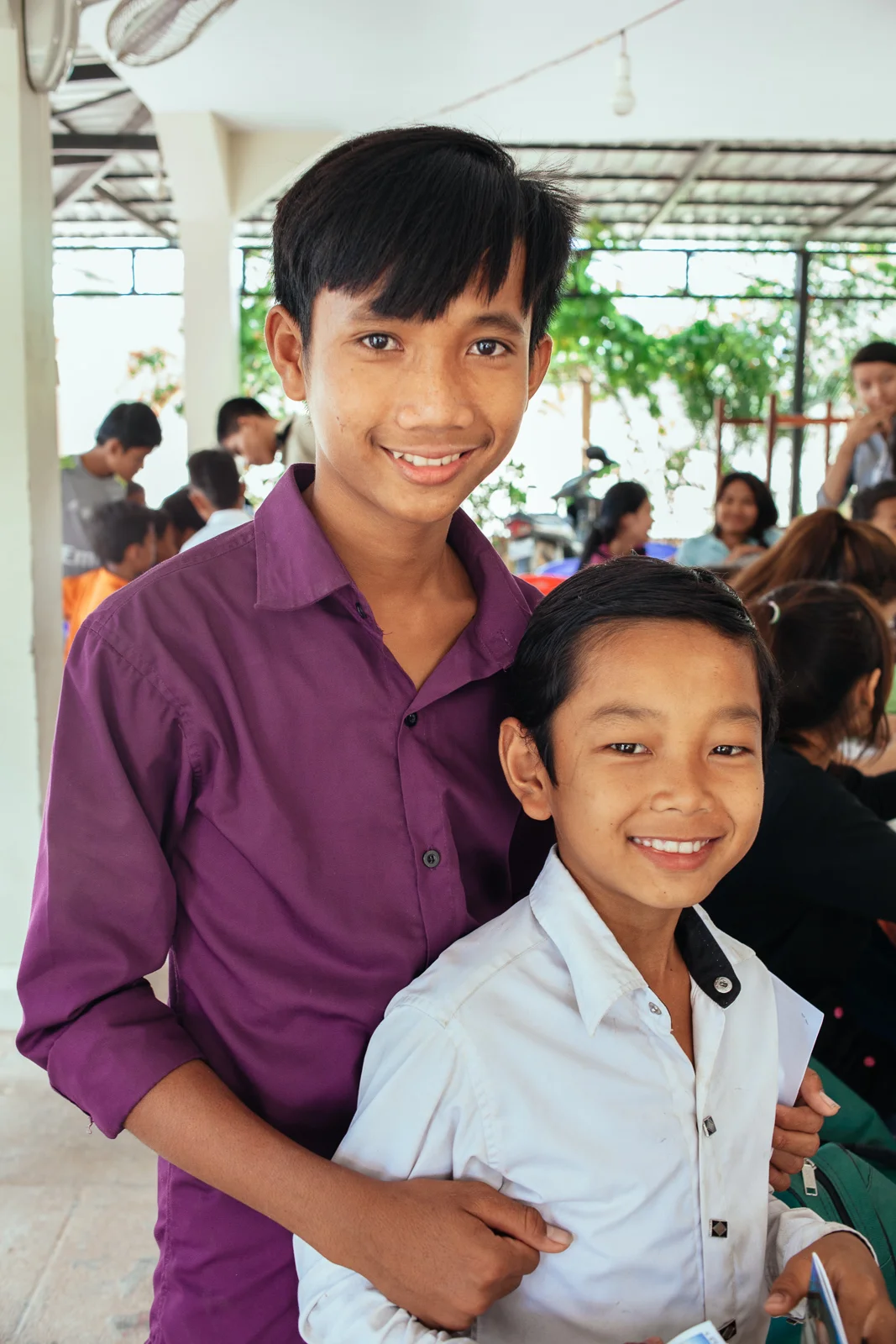
If the youth decide to respond, it's easy to start the process to become Alongsiders.
Recently, a new Alongsider named Nisai said, "I felt at first like only smart people, older people, or leaders could be Alongsiders. Not just any member of the church. Then I heard that I could do it, too! I chose my little brother because I felt he wasn't feeling secure or loved in his family. His father drinks every day and hits him. I want to protect him. I also want to help him with his school work and keep him from gambling or drinking.
The danger facing any movement is the temptation to turn it into a performance based program that leaders try to manage and control. This is what happens whenever we doubt that the Spirit can (or will) lead people to act in love.
Recognizing this danger, we emphasize and remind ourselves that the role of leaders in Alongsider movements is to inspire and empower, not to manage and control others.
That doesn't mean we can't be intentional or organized. A great example of a brilliantly organized movement that avoids managing or controlling its members is Alcoholics Anonymous. The structure and requirements of Alcoholics Anonymous are so simple that anyone can understand them and carry them out. Even so, they ask MUCH of their members, and their members give it gladly. They don't need or care about rewards and obligations because their lives are being transformed!
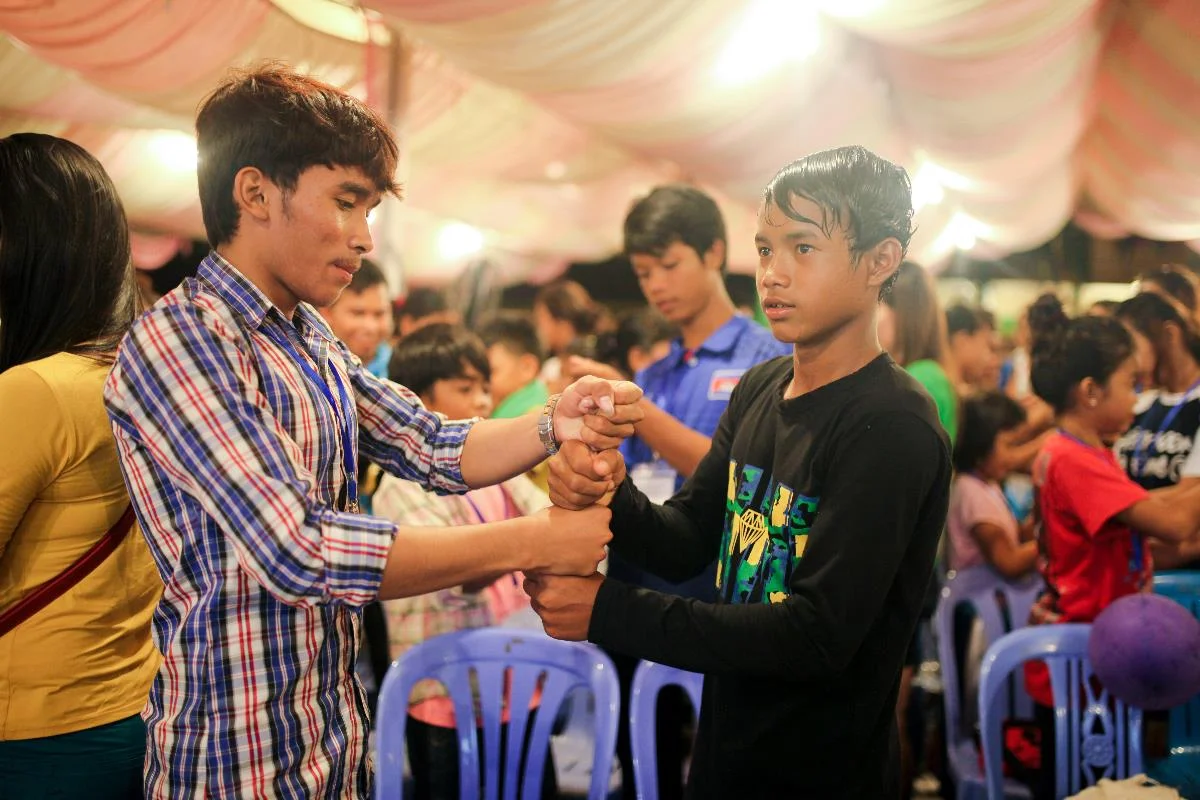
That's what we want to see. We share the vision so that when it takes hold, groups of Alongsiders will be led by the Spirit to serve and love their neighbors -- starting with the most vulnerable ones.
Paul understood the importance of keeping the movement of Christ simple. He wrote to the Galatians, "For the whole law is fulfilled in one word: 'You shall love your neighbor as yourself.'" (Gal. 5:14).
Nisai, the Alongsider quoted above, felt insecure in his faith and role in God's Kingdom. But now he and the other Alongsiders in his group are sending out a ripple effect through their village. They're inspired and empowered. They've decided what they want to do.
What they're doing, loving their neighbors as themselves, is not an add-on to the gospel. It's the core work of walking in the Spirit and being the church together.
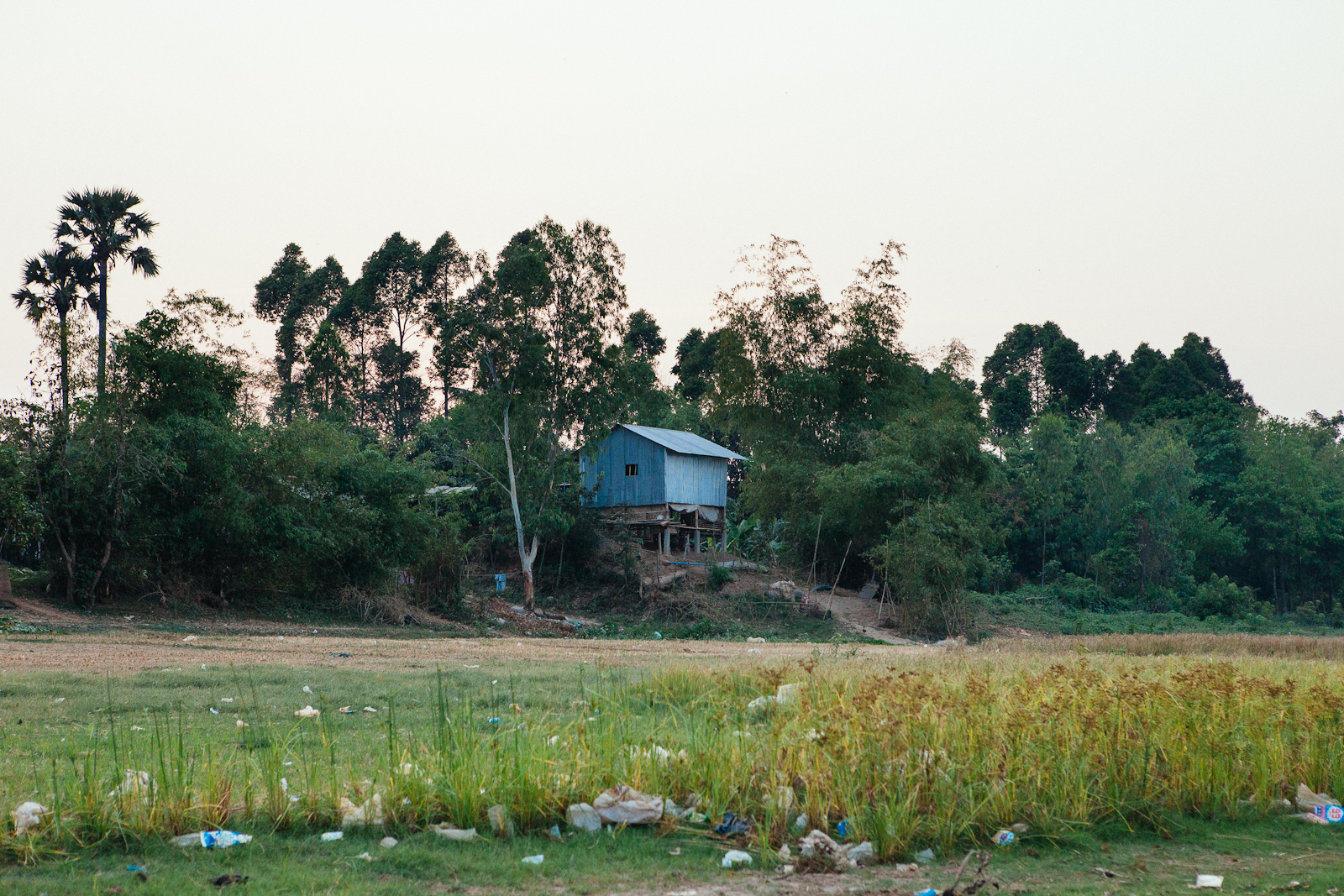
Why work with local churches?
I went to a rural church to follow-up with a group of Alongsiders, and I asked them how they chose their little brothers and sisters from all the children in the community. One of the young women started to cry as she answered...
I went to a rural church to follow-up with a group of Alongsiders, and I asked them how they chose their little brothers and sisters out of all the children in the community. One of the young women started to cry as she answered, and she said:
“I saw that one of the families in our community was suffering. The mother died, and the father went to Thailand to work and save money. Now the grandmother is raising all six children. I really wanted to help them, but I didn’t know what to do. After I heard about Alongsiders, I went and talked to the grandmother. I told her that I wanted to choose one of the girls to be my little sister, and she immediately said, ‘Yes!’”
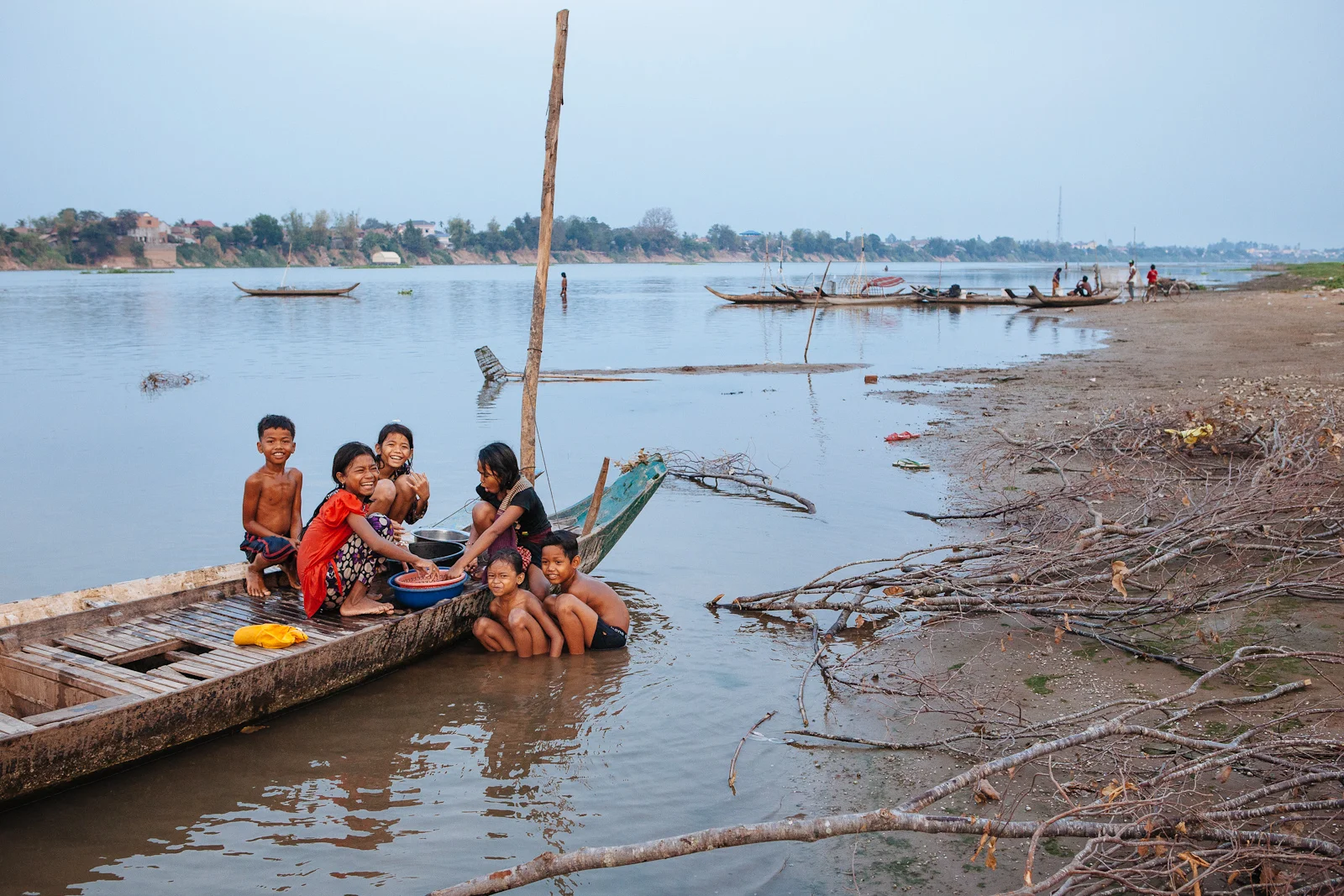
Community children in a riverside village play and do chores at dusk.
Phearom relates this story. He's one of the national coordinators for Alongsiders Cambodia, and he's constantly networking with pastors and visiting churches to invite the youth to join the movement.
His story is an illustration of why we work with local churches.
The young woman had a heart of compassion, and she was already connected in her own village and aware of people in need there. She was poised to act, but she was waiting for an opening.
There are others like her, and there are many, many remote villages in Cambodia. How can an organization based in the capital reach and mobilize them?
The answer that makes the most sense, especially for a Christian organization, is to work through local churches. Local churches are already in place in hundreds of remote villages, and their members already have relationships and local knowledge that organizations coming from outside dream of having. And the local churches come with leaders and structures included.
They are resources hidden in plain site, often overlooked because they are - like their communities - small and seemingly isolated.
Local churches aren't just gateways to villages, they provide critical backup for the Alongsiders. The little brothers and sisters don't just get the support and attention of one person, but they gain access to a community with varied gifts, wisdom, and resources.
When we work with a local church, the local church benefits.
Local churches are people, the Body of Christ with faces and names. Partnering with Alongsiders helps them practice evangelism in the truest sense: by embodying and proclaiming good news for people who are struggling and alone in their own communities.
Alongsiders is also discipleship in action, starting with the youth and young adults who participate (who are the majority in their churches). The young woman in the story above just needed encouragement to do something. As regular people like her take risks in faith and love, they will grow in Christ - and local churches will grow in healthy ways.
Finally, the communities benefit. Strengthening ties, building trust, and helping local people to face local problems together are all good development practices. Local churches can play a key role in serving their whole communities.
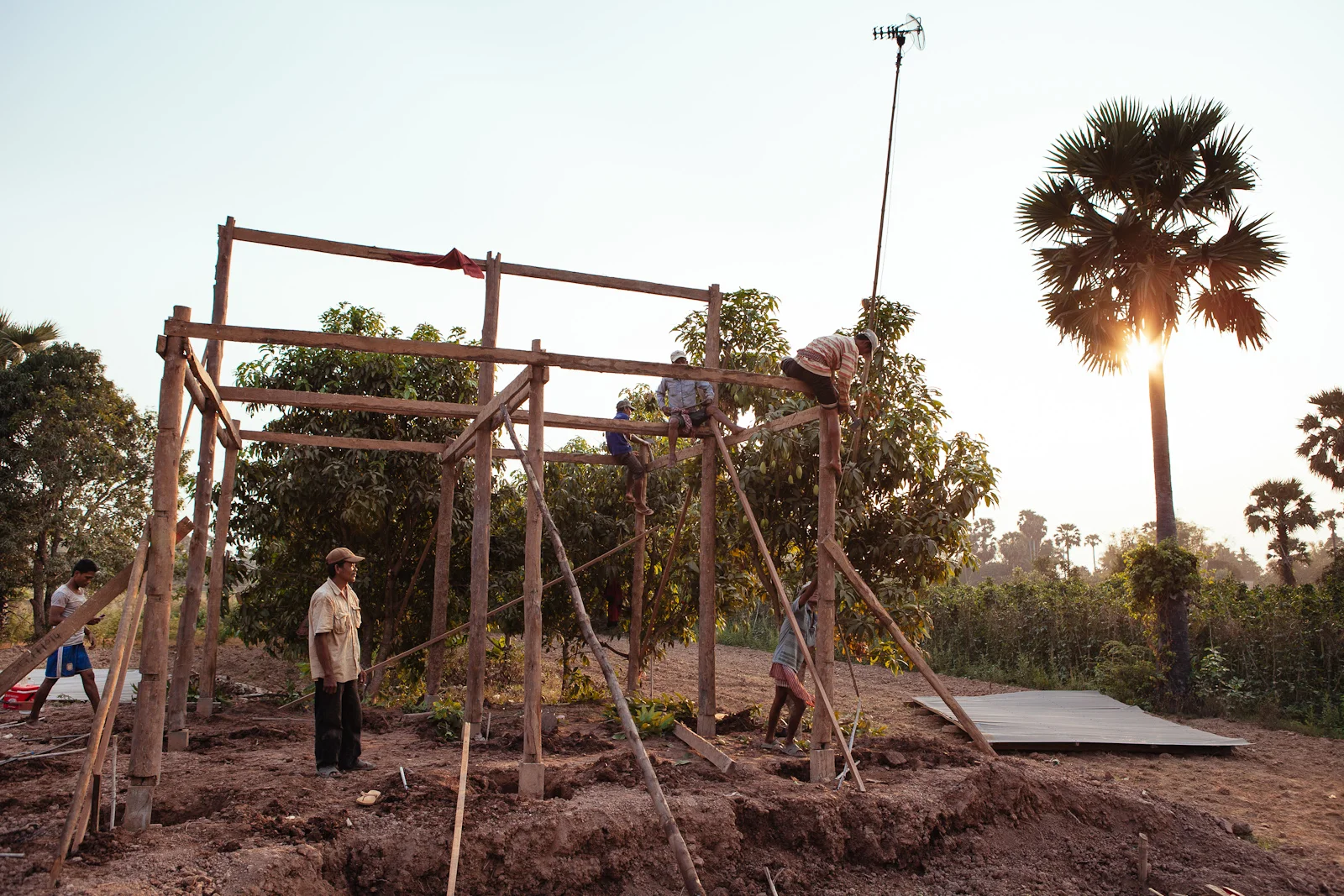
Local men in a remote village work together to build a simple house.
Despite all of the big words, what Alongsiders actually do for their little brothers and sisters is simple, and simply transforming.
And...you can do it, too.
Does your Christian community divide evangelism, discipleship, justice, and compassion into separate categories? Neglect one or more of them? Or put them off by calling them specialized roles?
Put them all together in love by coming alongside someone isolated and in need of a friend or mentor. You can be a light at the margins of your community, and no need to go alone. Invite others to join in!
There are also challenges in working with local churches. That sticky topic will be addressed in the next post!
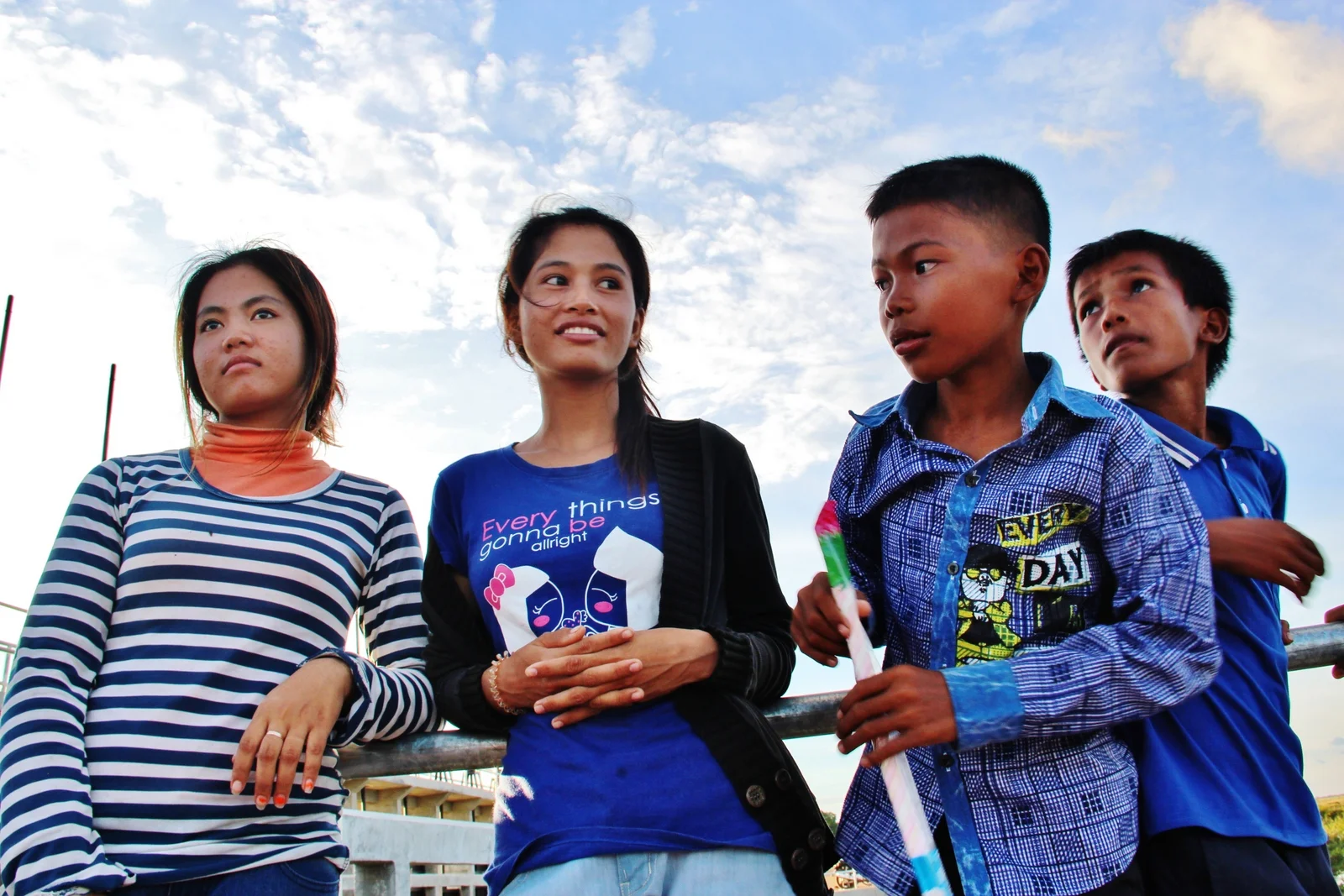
Why young people leave the church...it's not what you think.
Sure, young Americans are leaving the church, but young people in the developing world face very different pressures and challenges to their faith.
Statistics from North America suggest that large numbers of young people leave the church once they go to university. Some researchers estimate that between 61 and 88% of Christian youth in the United States leave the church in their early 20's.
(eg. "Barna study in 2006 -- "Most Twentysomethings Put Christianity on the Shelf...")
But young people in the developing world face very different pressures and challenges to their faith.
For many, those pressures are economic. They need to move far away from family and friends, and their church home, in order to seek work to support their impoverished families. Usually, that work will be low-paid with long hours - often 7 days a week - leaving no opportunity for fellowship with other believers.
One of our Cambodian Alongsiders, Bunhak, moved from his home town to Phnom Penh in search of work and study opportunities. Bunhak eventually found work at a fastfood restaurant. Long hours and a salary of around USD$80 a month, meant that Bunhak spent almost every waking hour either working or studying. There was little opportunity even to find local Christians in this big unfamiliar city, let alone join a church.
Urbanization is impacting developing nations all over the world, as young people - with fewer ties or responsibilities - move to the cities seeking economic opportunities. For many, this is a positive experience. But for others it can be disorienting, discouraging and even dangerous.
Alongsiders is seeking to learn more about their experiences and find ways to connect them into local churches on arrival in the city. With our wide network of partner churches - both rural and urban - we are uniquely placed to connect rural youth with local churches once they move to an urban center.
Spiritual transformation starts here
Bob Goff, author of Love Does, likes to say, "No one really gets discipled, they get loved; we learn what we see, not what we only hear about."
Bob Goff, author of Love Does, likes to say, "No one really gets discipled, they get loved; we learn what we see, not what we only hear about."
That's why we're reluctant to reduce the Alongsiders relationship to a study program or a curriculum. Truly it is love. And this love inevitably bears spiritual fruit. For if we experience another person loving us, then we are better able to understand that there is a God who loves us too.
‘My Alongsider showed me so much love when she comforted me when my parents were angry with me’. - Little Sister, Takeo Province
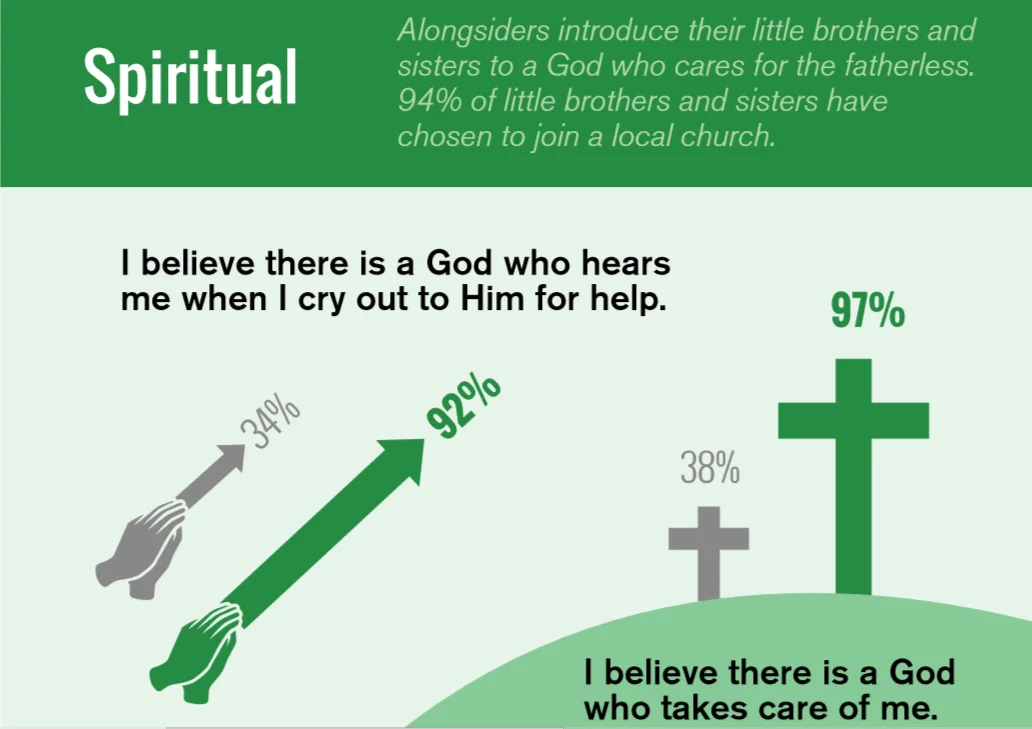
Recently, we asked our little brothers and sisters a few questions about their faith, and we asked questions of a control group as well. All up - we interviewed over 330 young people.
The study results show that something encouraging is stirring within the hearts of hundreds of little brothers and sisters across Cambodia. There is not only emotional, social and educational impact. There is spiritual growth too:

So how does it work? How does spiritual transformation begin?
Alongsider mentors are especially motivated to reach out to children who are neglected, orphaned and struggling. Such children typically experience feelings of hopelessness, abandonment and rejection.
As a relationship with their mentor develops, they are welcomed into the church family. In fact, 94% of our little brothers and sisters freely choose to become part of the local church. Through that loving community they gain a crucial support network and sense of belonging.
They learn that God loves them. And they begin to experience spiritual transformation.
Jesus taught us to welcome children into our midst. And he showed us the way to disciple and mentor others - by spending lots of time together, walking, talking and eating together. His methods of discipleship were not merely dry academic study. Instead, Jesus shared life with his disciples. They laughed, cried and ministered together.
Through the example of their Alongsider mentors, hundreds of children are experiencing that radical welcome and responding with joy. They understand that they are cared for and loved by God, both day-to-day and forever. They know that they are not alone. Because someone walks alongside them, Jesus-style.
[Research results mentioned above come from the Alongsiders Impact Assessment 2013. ]