

It would be so easy to use money to solve this problem, but we won't. Here's why.
We want to be very clear about how God has called us to serve.
Sometimes all it takes to solve a problem, with the possibility of changing a child's life, is just a little bit of money. If you've got it, why not give it?
But we want to be very clear about how God has called us to serve, as a discipleship movement. And not try to be all things to all people - or to try to solve every problem that a community faces. This is why we need the wider body of Christ.
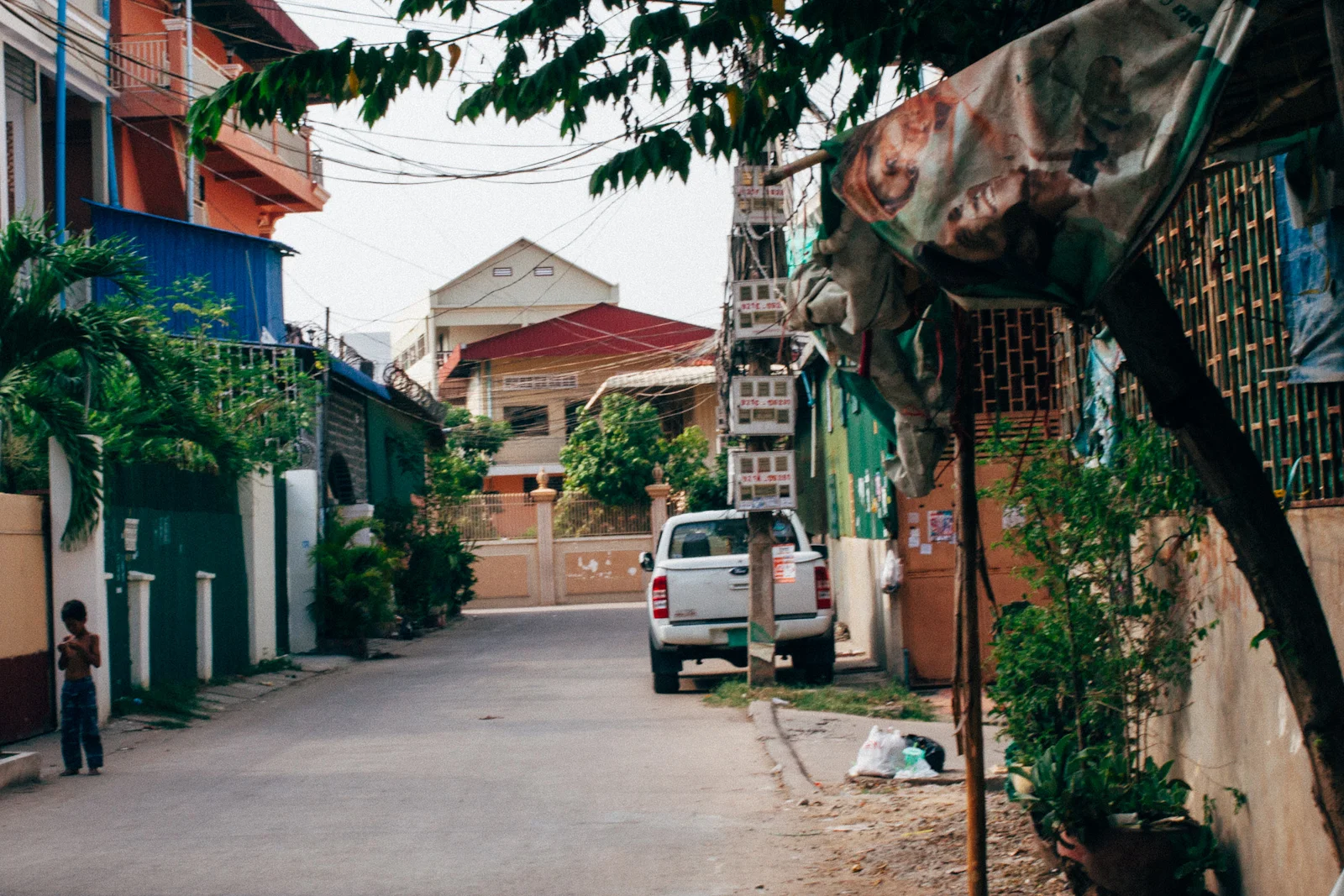
Not long ago, I was following a small group of Alongsiders and their little sisters on the backroads of a popular tourist city here in Cambodia. We walked along a dirt road, dodging sections flooded by a flurry of rain, and we came to a community of the working poor.
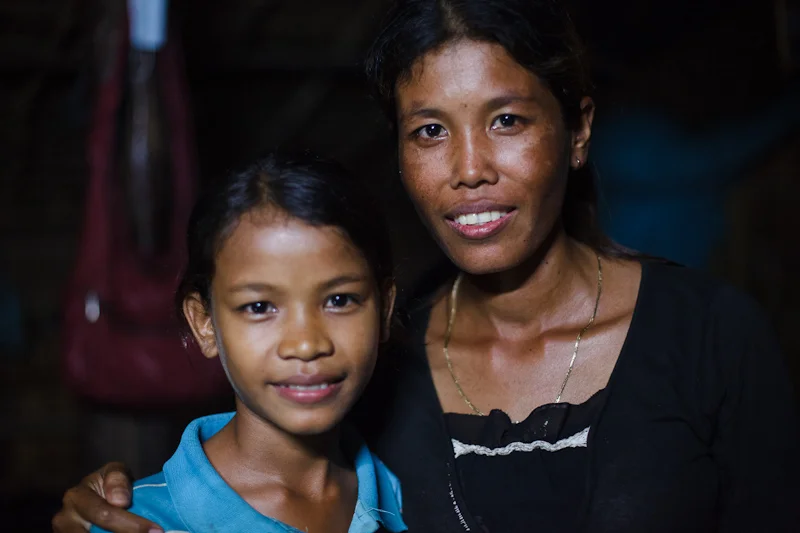
The group stopped and two little sisters pointed out the places where they live. One of the girls, Bourmey (13), beckoned me to her home a few feet off the road and introduced me to her grandmother, who was sitting outside. Theary (19), who is Bourmey's Alongsider, then took a moment to tell me Bourmey's story...
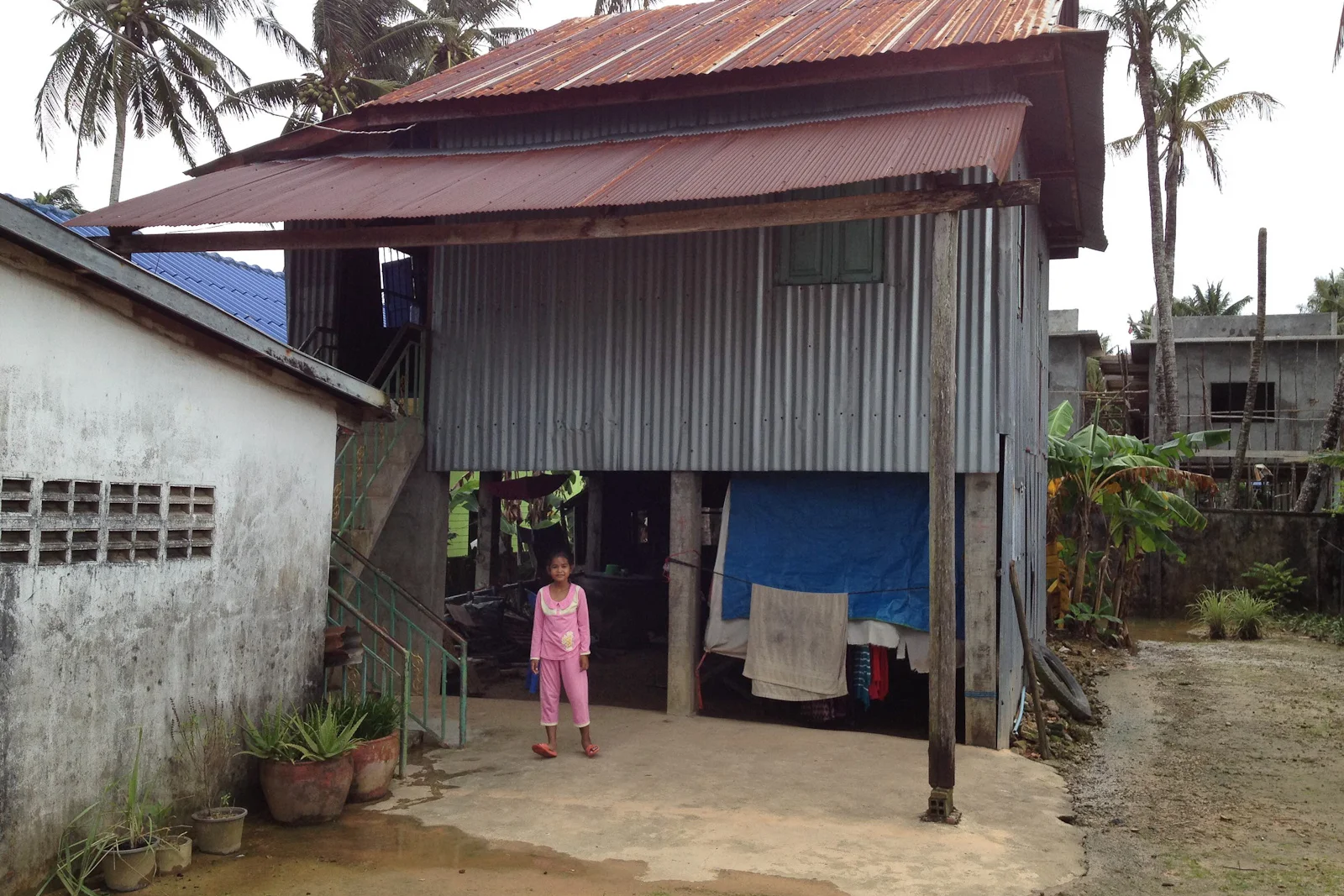
Bourmey standing in front of her house
Bourmey lives with her mother, grandmother, and two sisters. Her father divorced her mother and left the family three years ago, when Bourmey was ten. Bourmey's mother works at a hotel where she earns about $150 per month. Her older sister is also working, but her ailing grandmother can't work anymore. The five of them live on less than $2 per day each. That amount might be sufficient for rice farmers in the countryside, but they live in an urban tourist center with a higher cost of living and no way to raise their own food.
Theary finished by stating, matter-of-factly, that soon Bourmey will have to drop out of school. The family simply can't afford the cost, and they would like her to go to work somehow.
So there it was, the unspoken question: Can Alongsiders (as an organization) help Bourmey?
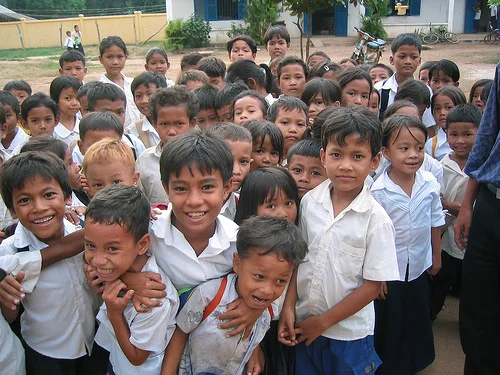
This photo of Cambodian school children was posted online with a request for $10 donations to a respected organization in order to "send a child to school."
It wouldn't take much to make a difference, just a few dollars (or a few kilograms of rice) every month to take the pressure off the family. That's all it would take for Bourmey to stay in school and on track for a better life. If only it were that simple.
In the Alongsiders movement, many little brothers and sisters are among the poorest of the poor economically. Many of their lives seem to hang in the balance for lack of a few dollars a month. I've written here on the blog about Piya who is ashamed to attend school because she can't afford a uniform, and more recently about Saron, a compassionate Alongsider who feels like her future is in jeopardy if she can't get into a free nurse training program.
Surely we could raise money for children and Alongsiders in need, and many people would gladly contribute. Why not?
Here are three important reasons we have decided not to use funds in this way:
1. The most important reason that we are cautious about bringing in outside funds is that many young people who serve as Alongsiders would no longer see any need to give from their own, seemingly meager, resources to support their little brothers and sisters. They would lose the opportunity to be generous and part of the solution, not to mention the chance to grow in faith (hint: think about what Jesus did with 5 barley loaves and 2 small fish). Generosity is an important aspect of discipleship that we want to nurture - but outside funds usually overpower rather than empower.
2. Future Alongsiders would be under pressure to pick relatives and friends as their little brothers and sisters, rather than being motivated primarily by love and choosing the most vulnerable children. It's simply expected, when you come from a family that is struggling with poverty themselves, that you share lucrative connections and opportunities with family and friends first.
3. The majority of little brothers and sisters come from very poor families, so many of them have clear and pressing needs. Once the word got out that Alongsiders was helping financially, the Alongsiders staff would be flooded with requests. And if requests were not met, or if some families received more than others, there would be jealousy and anger. To meet the requests fairly, each situation would have to be investigated, analyzed, and administrated. Soon Alongsiders as an organization would be running a centralized program based on distributing money. It would no longer be a grassroots discipleship movement with nearly unlimited growth potential.
It's not hard to read the list above and agree with the reasoning in principle. Though the Alongsiders movement is having a widespread impact, it should still be clear that Alongsiders is not a "magic bullet" that solves every problem under the sun. We don't drill wells where there is a lack of water. We don't build houses or schools or factories. And we don't give school fees. There are many good NGO's who do those things - and together we make up the body of Christ.
Still, it's another thing to face Bourmey knowing that the organization could help financially, but it won't.
But understand the story doesn't end there. We must give credit for what people even in hard circumstances can do to help each other. And we need to have faith.
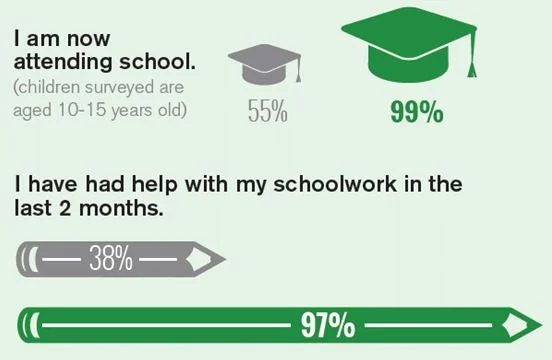
In 2013, Alongsiders International worked with an independent research team to measure the impact that Cambodian Alongsiders were having in the lives of their little brothers and sisters.
One of the most surprising findings was that 99 percent of the little brothers and sisters reported they were attending school. That was much higher than the percentage of their peers in the same communities attending school. It shows the power of the relationships that Alongsiders have with their little brothers and sisters and their families.
Alongsiders is an exciting, growing movement that empowers people at the margins. It is raising up disciples of Jesus who act in love and faith. And they are making a significant impact on hundreds of children and families in Cambodia - and now in other countries, too.
Can you see why we would want to protect this movement by not getting into the money distrubution and management business? (For the record, there ARE admirable organizations working with Cambodian families and providing school uniforms and other subsidies to help keep children in school. The intent here is not to say we should never give money.)
It may seem unsatisfying to not know how Bourmey's story will end. Often blog posts like this one finish on a happy note. Know this: Bourmey is well loved and her story is far from over.
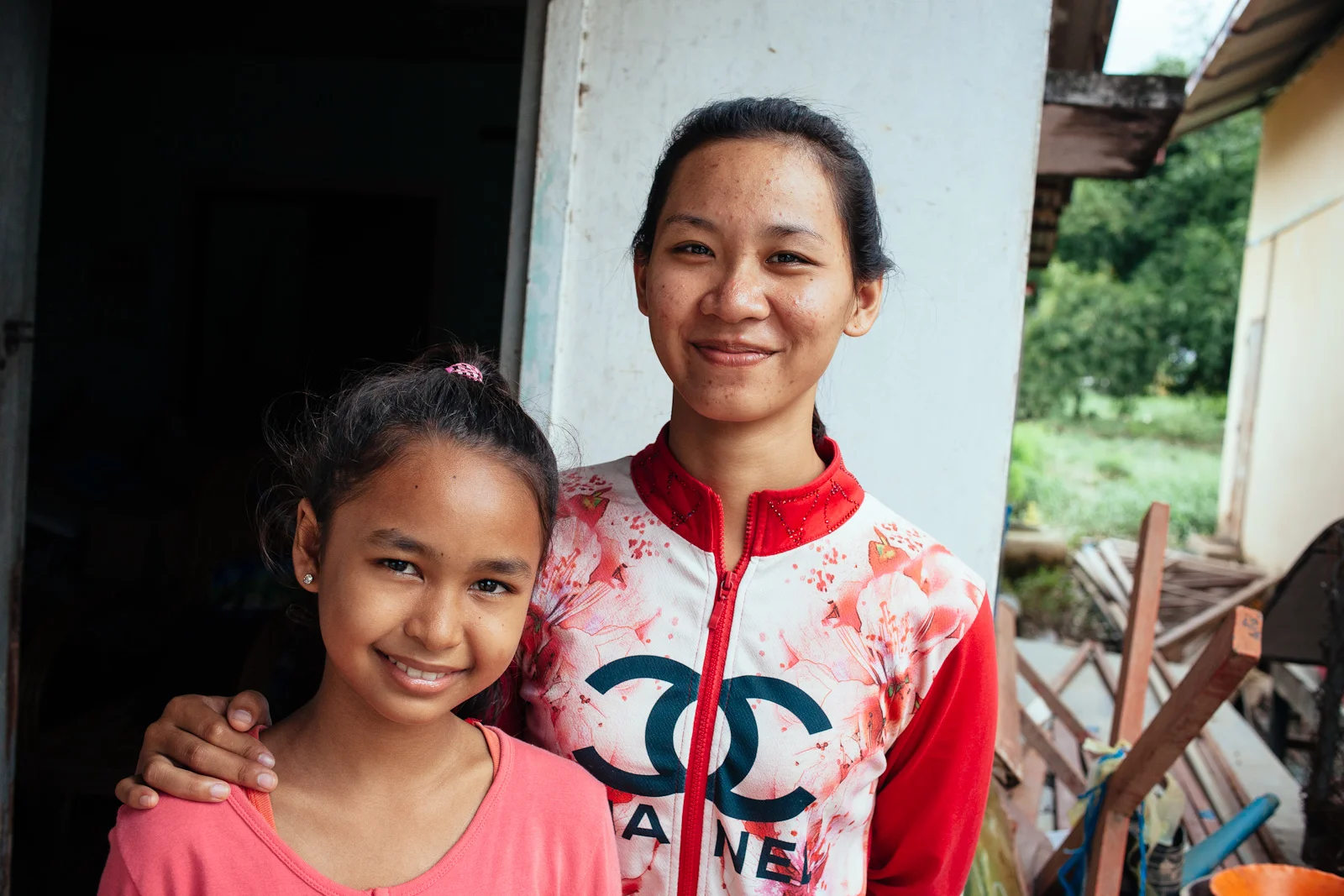
Theary and Bourmey
I want to end with a final word about money and how it's given.
It's been said here before that many Alongsiders use their own money to help support their little brothers and sisters in amazing acts of faith and generosity. We have MUCH to learn from them. As I was writing this post, I heard the following story, and I want to finish with it.
Phearom is one of the coordinators of Alongsiders Cambodia, and he is an Alongsider himself. When I asked about giving money to others, he used himself as an example. I know he earns a modest salary, and I know most of it goes to support his parents and siblings. But he started by simply saying he never gives money to anyone unless he has a relationship with the person first. I wish that more organizations and ministries could say the same. Then he gave this example:
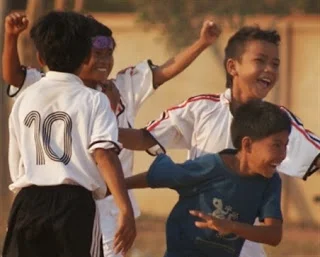
My little brother joined a soccer team and so he wanted to get a soccer uniform, but he didn't have enough money. I said that I would help him buy a uniform, but first he had to go to school, study hard, and rise to number one in his class. He has been going to school every day, and he has been studying hard. It's been nearly a year already, and he is almost number one in his class. I think he'll get the uniform soon.
As you think about this very simple story, ask yourself: How much money is he talking about, and is it "a lot" or "a little"? What will be the results of giving it? What is his sense of urgency? What can you learn from this?

How This Khmer Word Shapes The Alongsiders Movement
Encouragement starts with a relationship.
“He understands my heart,” Somnang explained with a huge smile as he looked at his new Alongsider, “and he always encourages me.”
Somnang and his Alongsider Chantrea are some of Kampong Leng’s newest Alongsiders. Alongsiders began in this part of Cambodia a little over a year ago, and last week a dozen new pairs registered, excited to begin a mentor relationship. When asked why they wanted to be Alongsiders, the older brothers and sisters replied that they wanted to encourage their younger brothers and sisters.
In Khmer, the word for encourage is leuk tuk chet—three smaller words put together which literally translate to lift, water, and heart. To encourage another person in Khmer culture means to lift up and refresh their heart.
Many of the children where Alongsiders works are downtrodden and downcast. Society has marginalized them, leaving them vulnerable and discouraged.
That's why leuktukchet is at the heart of the Alongsiders movement. Encouragement is the blessing that poor communities can offer their orphans and vulnerable children. It doesn’t require money, expertise, or a particularly winning personality. It’s the choice to build another person up (1 Thessalonians 5:11).
From the start, Chantrea has lifted his little brother’s spirits. They met when he found Somnang crying outside the village. “What’s wrong?” he asked.
Somnang shyly explained that he was angry with his mother, who had beaten him. Chantrea sat with Somnang, advising and encouraging him. Somnang was comforted by Chantrea’s understanding presence, and was thrilled when Chantrea gave him a ride home on his bicycle. It was the first of many bicycle rides for these new friends.
Chantrea hasn’t rescued Somnang from the situation, but he’s given him the confidence to cope with it by walking alongside him even when he is downcast. Somnang can count on Chantrea’s support to lift him up and refresh his heart, and that changes everything.
Another little brother in Kampong Leng, Udom, also shared how encouraging his older brother was. “My favorite thing about Buntern is his kindness and gentleness,” Udom said.
Like the other Alongsiders in Kampong Leng, Buntern encourages his little brother to stay in school. Many families rely on their children to tend the cows and help in the rice fields. Udom’s family complains when he goes to school, since education will not put food on their table that night.
But Buntern makes sure that Udom attends school whenever possible, because he knows that education will bear fruit in the long run. He answers Udom’s questions and helps him study his lessons. It’s good practice for the future, when Buntern hopes to be a teacher.
Chantrea & Somnang
Other days Buntern and Udom help their families plant rice. The rice is planted as a seed in a dry place until it reaches about thirty centimeters. Then it is transplanted to the rice paddies to reach its final height of about one meter. Buntern waits for the end of the rainy season, when his family will harvest the rice.
As he watches the rice grow strong in the watery paddy, he hopes that he can likewise nourish his little brother. Buntern repeats the word leuktukchet. “I want to encourage Udom.” The middle word, tuk, means water, life-blood in the oppressive June heat.
The rice will be ready around October, but Udom’s education will take many more years. Buntern takes it one day at a time, walking beside his little brother as they tend their cows and study their lessons.
For encouragement isn’t about one miracle or intervention. Encouragement starts with an uplifting relationship: Buntern and Chantrea walking beside their little brothers from the village to the rice fields, and refreshing their hearts.

How the Alongsiders movement emerged from an orphan crisis...
An ancient Chinese proverb teaches us that, “A crisis is an opportunity riding the dangerous wind.”
An ancient Chinese proverb teaches us that, “A crisis is an opportunity riding the dangerous wind.”
This is the story of how the first Alongsiders movement grew out of the orphan crisis in Cambodia...
It was 2001.
An estimated 220,000 Cambodians were "living" with HIV/AIDS. Since no treatment was available in Cambodia at the time, they were dying at an estimated rate of 15,000 people per year. More than 150,000 had died since the epidemic began in 1991, and they would continue to die at high rates for another five years.
Many Cambodian children lost one or both parents to AIDS, and worldwide there was a mad scramble to open new orphanages, urged on by statistics predicting millions of AIDS orphans. (An orphan in most countries, including Cambodia, is defined as a child who has lost at least one parent.)
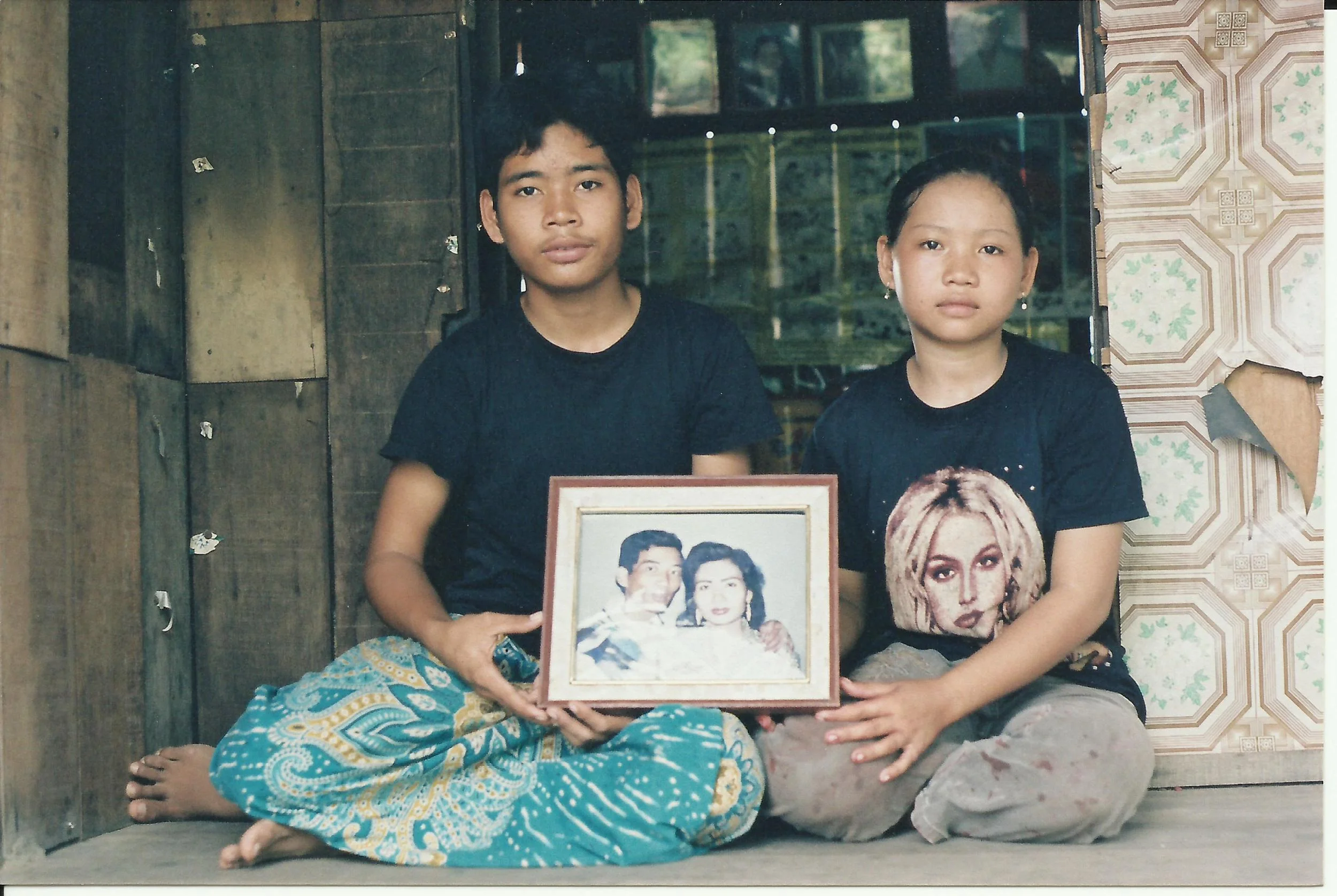
Even so the vast majority of AIDS orphans were cared for by surviving parents and relatives.
At that time, Craig Greenfield was overseeing a community-based health program in a Phnom Penh slum. As the number of orphans grew, rather than starting an orphanage, the program came alongside surviving family members and relatives to help them care for the orphaned children themselves. (You can read about this story, including why they didn't start an orphanage, in Craig's book, The Urban Halo.)
The community-based care program was successful, but there was a noticeable gap. As Craig saw it, the children and families needed "love, discipleship, coaching and mentoring - but only a movement of people would meet that need."
One day while wrestling with this challenge he had an "a-ha" moment. The local churches, he thought, had many young people who could do the work - they just needed to be mobilized.
The first Alongsiders were young adults recruited from relatively well-off churches and communities in Phnom Penh and assigned as big brothers and big sisters for slum children orphaned by AIDS (or at risk of being orphaned).
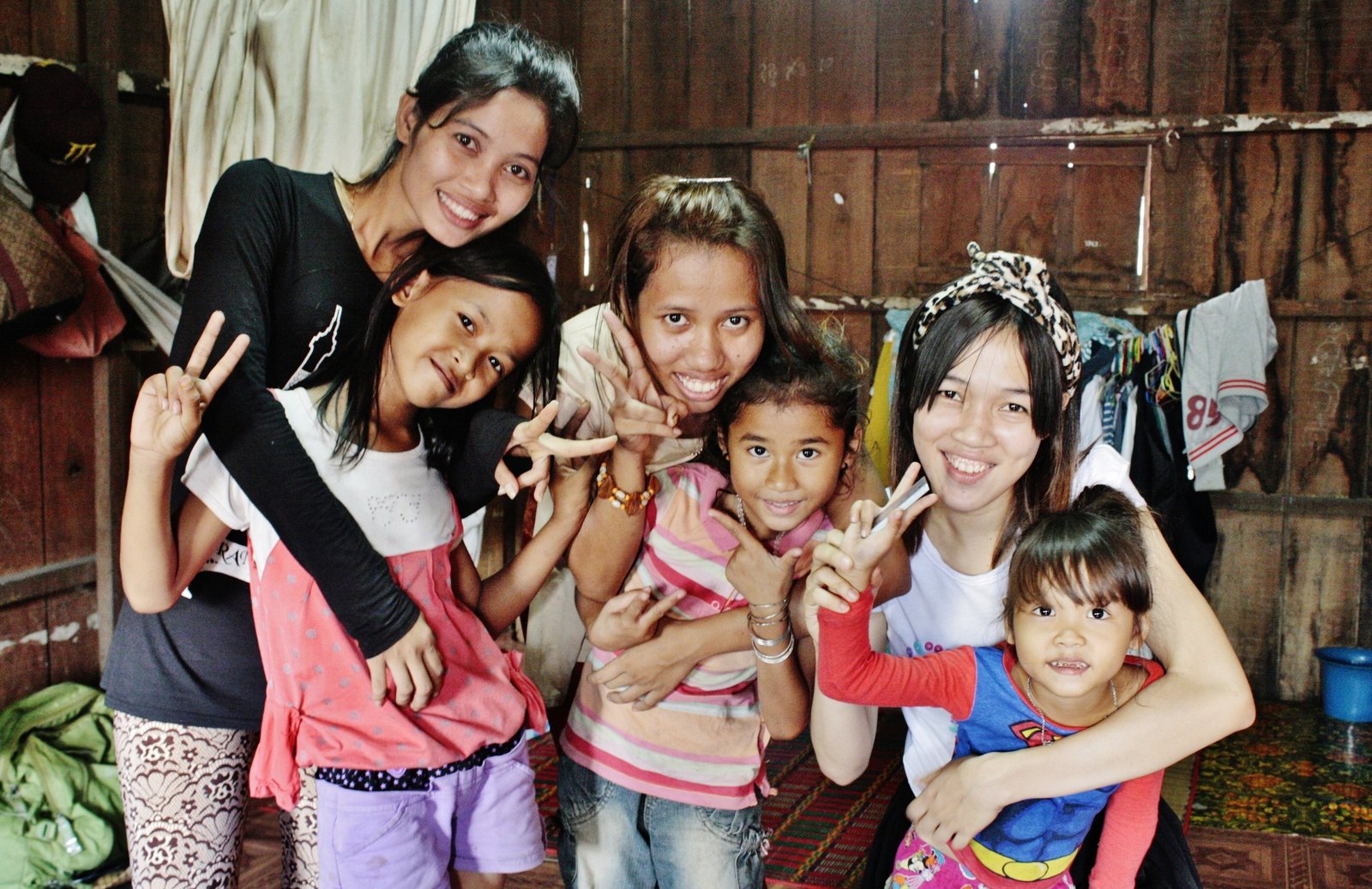
It worked to a degree, but some changes had to be made. Two of the most important changes were:
1) the decision to recruit Alongsiders from churches located WITHIN slums and marginalized communities, and
2) giving Alongsiders the responsibility to prayerfully choose little brothers and sisters themselves from the most vulnerable children in their own neighborhoods. The result has been a growing movement of young people at the margins.
Now it's 2015 and we continue to hear about the orphan crisis in Cambodia, even though the number of orphans has dramatically decreased. What we don't hear enough is:
- that 90 - 95 percent of orphans are being cared for by their surviving parents and relatives
- that studies have shown poverty, not a lack of parents or any other single issue, is the most significant indicator for whether a child will be put in an orphanage.
The good news - perhaps surprising - is that so many orphans and vulnerable children are being cared for by parents and relatives.
The challenge is that many single parents and grandparents in economically poor communities need support.
It's often a very tenuous thread that prevents orphans and the most vulnerable children from being sent to orphanages or put at risk in other ways (ranging from abuse and neglect to human trafficking). What breaks the thread? A crisis without any means to fall back on, the ongoing stresses of poverty, the burdens of discouragement and isolation, and a lack of resources to provide for a child's education.
That's where Alongsiders comes in.
Alongsiders is an orphan care movement, but not in any "top-down" sense that orphan care may imply. Alongsiders, as an organization, empowers young Cambodians, via local churches, to provide practical support for orphans in their own communities. Simple as their actions may be, this helps parents and relatives, who are often stretched to the extremes, care for their own orphaned and vulnerable children.
Forty-one percent of the little brothers and sisters in Alongsiders Cambodia are orphans. Many of the remaining fifty-nine percent have parents, but they are in the care of their grandparents or relatives for various reasons.
Here is how one Alongsider (himself orphaned) describes the impact Alongsiders can have on orphans who become their little brothers and sisters:
“I think the most important thing is that they see someone cares for them and that they’re not alone... Sometimes the Alongsider was an orphan too and understands... When you don’t have family you’re so hurting inside, and scared...
When they see they’re not alone they have happiness, and they aren’t as angry. Maybe they help around the house more... They know their own value and so they become stronger.
If they start to know Jesus they are even more happy because they have more friends at church. They are not alone any more.”
The Alongsiders movement grew out of a major crisis facing the nation of Cambodia - the crisis of neglected and impoverished children. It is the same crisis that so many developing nations face in the world today.
The seeds of hope and faith are always there. But sometimes it takes a crisis to nourish and encourage their growth.
Join us in praying for life to come from death, good to emerge from tragedy, and young Christians to rise up all over the world in response to the crisis facing their orphaned children.

The incredible lightness of being small
Can we put aside the burden and distraction of being big and living large?
We're obsessed with size, scale and numbers. On Facebook we connect with hundreds or even thousands. We count our likes and comments. We share pictures; we discuss global problems with friends and Tweet them to our followers. We get round-the-clock news via television and Internet: another earthquake in Nepal, more Saudi airstrikes, an ISIS leader killed, another bizarre story from North Korea, murders and mysteries, crashes and corruption, and it's election season again.
Need a distraction? How about the summer movie everyone is talking about: The Avengers: Age of Ultron. (Say it in a loud voice.) In this movie, humanity is saved from near certain annihilation.

Sounds familiar, and it's BIG!
Think about it though. A band of heroes with special powers and abilities face an evil menace. These heroes do all the best thinking and fighting while the rest of humanity and their inept leaders blunder about helplessly. Meanwhile, off-screen regular people (like us) are dying by the tens of thousands.
So how is that a relief?
We watch these movies and let our minds drift through feelings approximating courage, fear, relief, and hope. Maybe even love. Of course, we identify with the heroes, not with the nameless masses dodging falling buildings far below.
Then we walk out of the theater feeling bigger, a little lighter in the step and ready for action. But soon, like Walter Mitty (a character in another kind of movie), we get mired in the ordinary again.
What can we do?
Seriously, here's a thought. We can, each of us, embrace being small and let go of the illusion that we could (or should) be in control despite all the information and tools we seem to have.
And then we can release the burden of making ourselves any more significant than we already are.
Truth is, you will never in your life be more significant than you are right now. The life of God has breathed in you; the God who fills the universe has loved you and died for you. What could you possibly to do to make yourself more significant than that?
Jesus had a huge vision that would change the world, but it belonged to the Father. Jesus' burden was light; it was not to be in control. He did what the Father was doing here and now with the people in front of him.
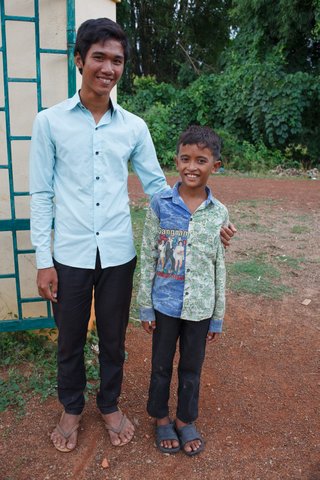
Talking or writing about Alongsiders International as a movement comes perilously close to a line we don't want to cross. It's not our job to make ourselves big. People are inspired by movements, no doubt, but here is the movement that thrills us most.
Today, an Alongsider rode his bicycle to the home of his little brother, a boy hardly anyone deems significant, and helped him with his homework.
Today, another Alongsider visited her little sister's house and helped her wash herself and wash her clothes.
They know the most important thing: what the Father is doing.
What they do in step with the Father, though hardly anyone may notice, changes the world.
Can we put aside the burden and distraction of being big and living large - of size, scale and numbers - and just see the love of the Father and do the same?

Why you might need to think smaller
We all love the part where Jesus says, "Let the children come to me." It's a comforting line, and a good passage for a devotional, but do you ever wonder what it has to do with getting things done in mission/ministry?
We all love the part where Jesus says, "Let the children come to me."
It's a comforting line, and a good passage for a devotional, but do you ever wonder what it has to do with getting things done in mission/ministry?
Because we're busy with many things, and one of them (the most important, said Jesus) is seeking the Kingdom of God.
When we talk about the Kingdom of God, we're talking about the world changing: every relationship set right, broken people healed, and a new community born in Christ - way beyond what words like justice, healing, and morality individually express.
It's a lot to hope for, and work for, given the state of the world.
What does Jesus allowing kids to sit on his lap have to do with that?
Jesus often let himself to be interrupted while doing "more important" things. He stopped an entire procession for a blind beggar crying out to him, who his own disciples tried to quiet down. When he was on the way to save the life of a little girl (with a very well-connected father), he inexplicably stopped for an anonymous woman who had a chronic menstrual disorder. While having dinner with prominent religious leaders, he paused while a prostitute "washed his feet with her tears." And once when crowds of people had turned out to see him enter their town, he saw that a tax collector had climbed a tree to see him. In front of all those people, who must have despised the man, Jesus stopped and invited himself to dinner at his house.
These are just a few recorded moments that made it into the gospels. Judging by the number and pattern of them, we have to conclude that Jesus acted this way all the time!
And it wasn't just a case of Jesus relaxing after hours, or taking some time out on the side. This was Jesus when he was focused.
Think about it. When Jesus was most focused he saw the child being turned away, the beggar at the side of the road, the quietly desperate woman trying not to be noticed, and the hated man.
So people tried to help him refocus: Peter, the pharisees, the crowds. They prompted him for a vision promising success, for signs and assurances, or a movement of change.
But Jesus held onto the "foolish" vision of the Cross, where he sealed his fate alongside the least and the rejected.
And back to that moment when Jesus let the children interrupt him, he didn't leave it there. He said, "The Kingdom of God belongs to such as these" and "anyone who will not receive the Kingdom of God like a little child will never enter it." And...
We have to think small.
We can't be distracted so much by the big things.
This is, after all, the same Jesus who said the greatest in the Kingdom of God will be the servant of all. Who said those who know him will give attention to people who are marginalized: hungry and thirsty people, strangers, people without clothes, and prisoners.
Jesus had a huge vision set before him, but it belonged to the Father. He was neither anxious about it nor obsessed by it. He did what he saw his Father doing.
And it led him down, down, down.
Last week I wrote about how Alongsiders can change thousands of lives and impact societies. That vision and movement are in the Father's hands. We take a risk each time we TALK about VISION.
What we can best serve and celebrate right now is each individual Alongsider who will stop what he or she is doing this week to love and spend time with a boy or girl who others deem unimportant.
That is focus worthy of the Kingdom.
When we talk of vision and movement we would well learn from them and do the same.
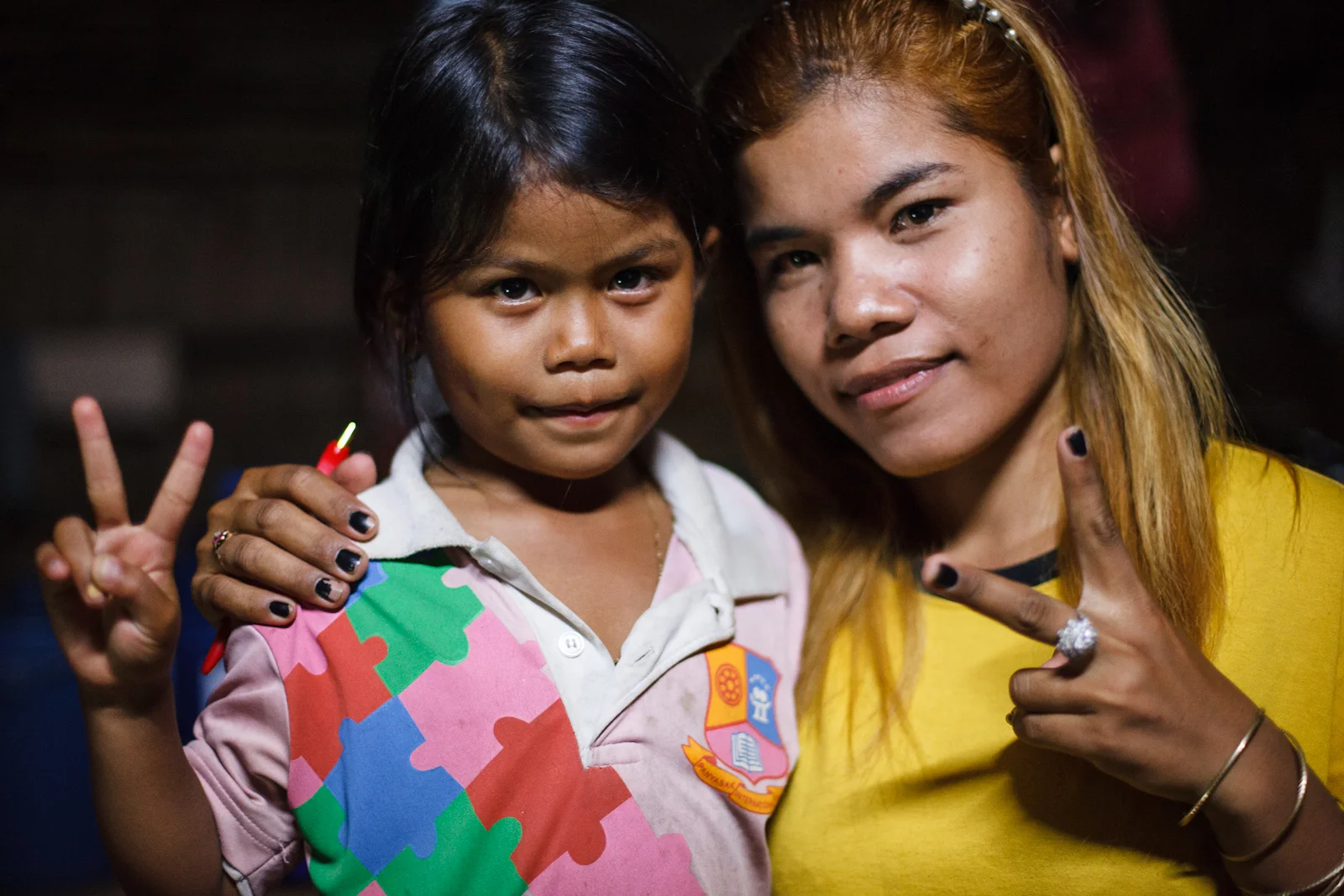

Why work with local churches?
I went to a rural church to follow-up with a group of Alongsiders, and I asked them how they chose their little brothers and sisters from all the children in the community. One of the young women started to cry as she answered...
I went to a rural church to follow-up with a group of Alongsiders, and I asked them how they chose their little brothers and sisters out of all the children in the community. One of the young women started to cry as she answered, and she said:
“I saw that one of the families in our community was suffering. The mother died, and the father went to Thailand to work and save money. Now the grandmother is raising all six children. I really wanted to help them, but I didn’t know what to do. After I heard about Alongsiders, I went and talked to the grandmother. I told her that I wanted to choose one of the girls to be my little sister, and she immediately said, ‘Yes!’”
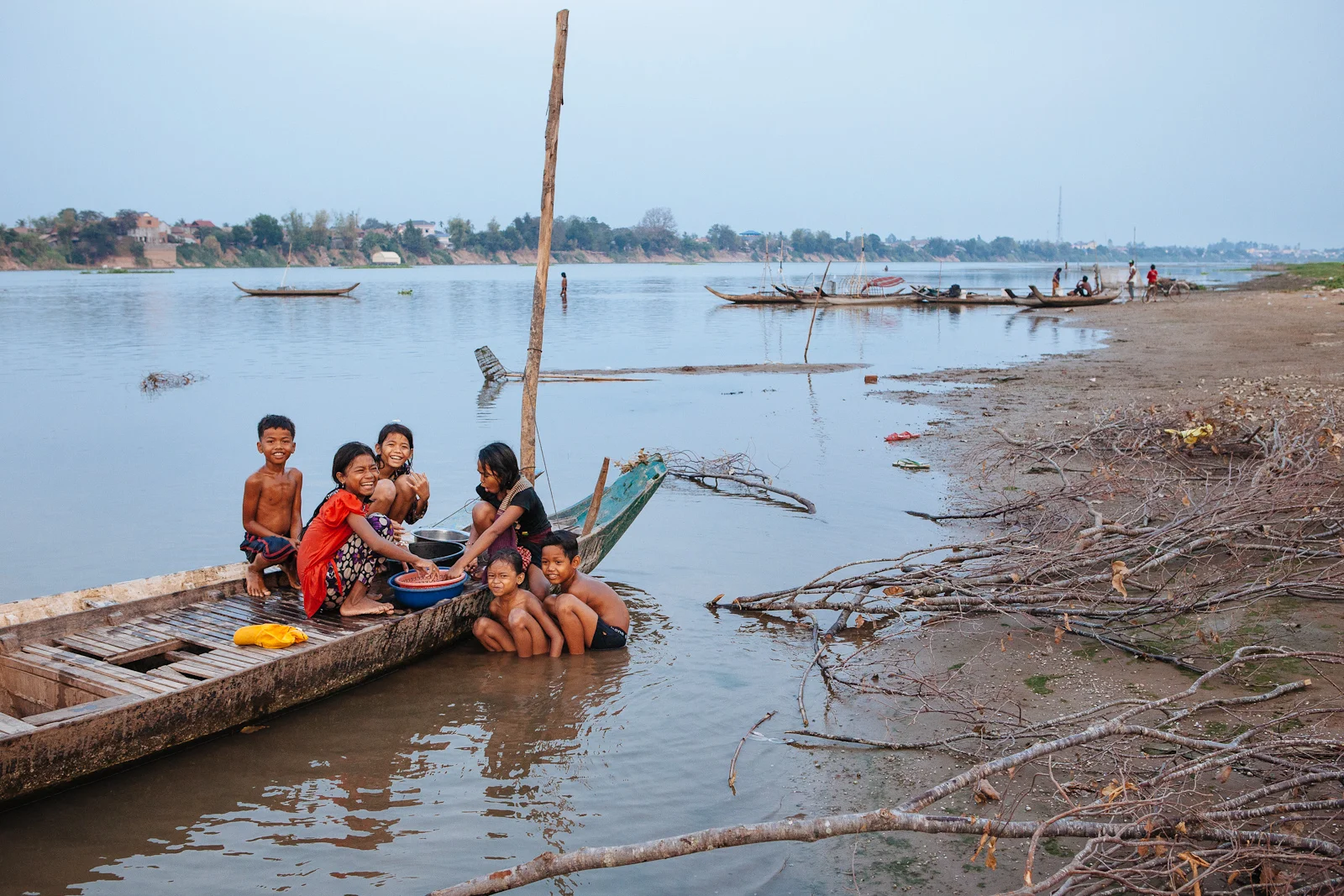
Community children in a riverside village play and do chores at dusk.
Phearom relates this story. He's one of the national coordinators for Alongsiders Cambodia, and he's constantly networking with pastors and visiting churches to invite the youth to join the movement.
His story is an illustration of why we work with local churches.
The young woman had a heart of compassion, and she was already connected in her own village and aware of people in need there. She was poised to act, but she was waiting for an opening.
There are others like her, and there are many, many remote villages in Cambodia. How can an organization based in the capital reach and mobilize them?
The answer that makes the most sense, especially for a Christian organization, is to work through local churches. Local churches are already in place in hundreds of remote villages, and their members already have relationships and local knowledge that organizations coming from outside dream of having. And the local churches come with leaders and structures included.
They are resources hidden in plain site, often overlooked because they are - like their communities - small and seemingly isolated.
Local churches aren't just gateways to villages, they provide critical backup for the Alongsiders. The little brothers and sisters don't just get the support and attention of one person, but they gain access to a community with varied gifts, wisdom, and resources.
When we work with a local church, the local church benefits.
Local churches are people, the Body of Christ with faces and names. Partnering with Alongsiders helps them practice evangelism in the truest sense: by embodying and proclaiming good news for people who are struggling and alone in their own communities.
Alongsiders is also discipleship in action, starting with the youth and young adults who participate (who are the majority in their churches). The young woman in the story above just needed encouragement to do something. As regular people like her take risks in faith and love, they will grow in Christ - and local churches will grow in healthy ways.
Finally, the communities benefit. Strengthening ties, building trust, and helping local people to face local problems together are all good development practices. Local churches can play a key role in serving their whole communities.
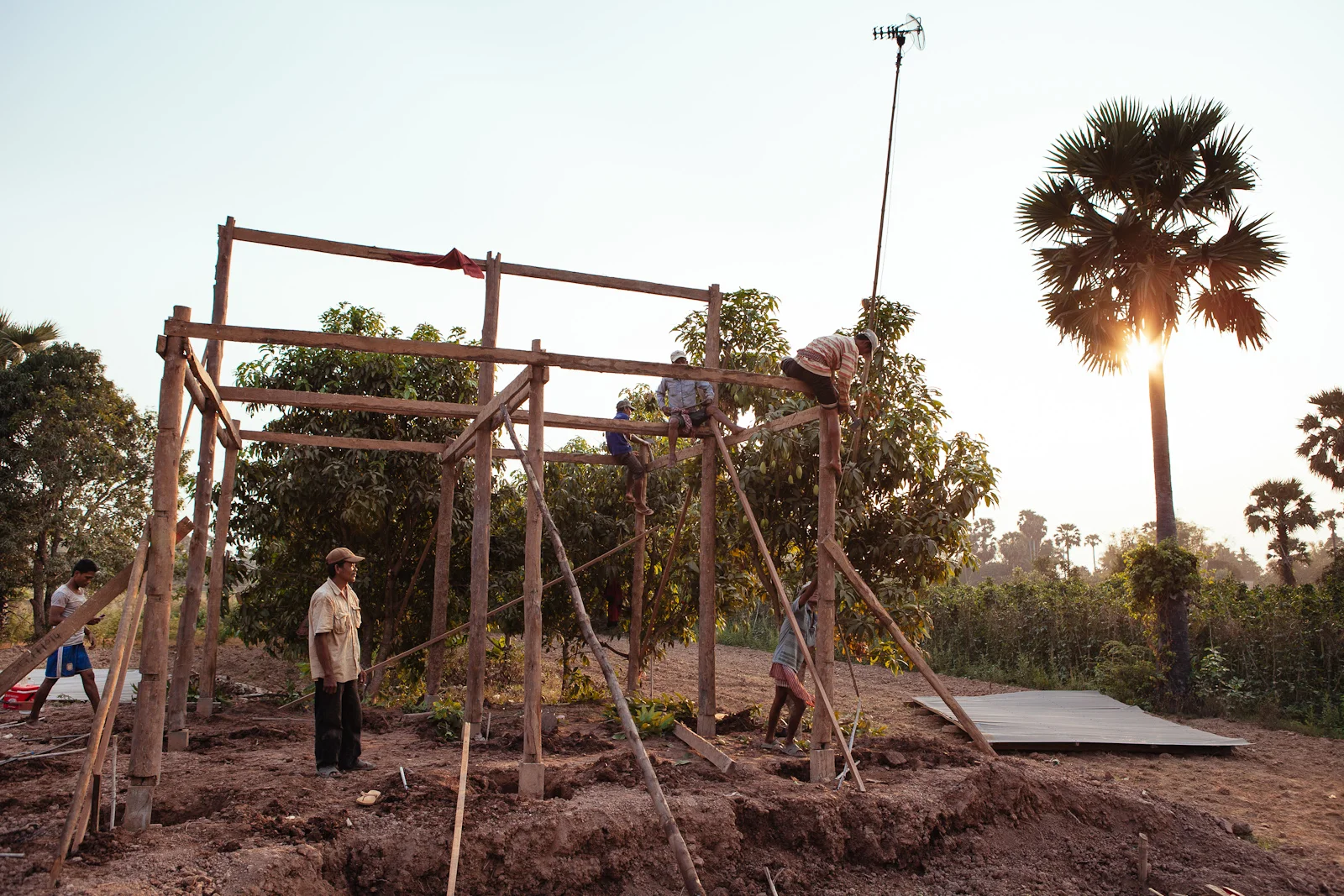
Local men in a remote village work together to build a simple house.
Despite all of the big words, what Alongsiders actually do for their little brothers and sisters is simple, and simply transforming.
And...you can do it, too.
Does your Christian community divide evangelism, discipleship, justice, and compassion into separate categories? Neglect one or more of them? Or put them off by calling them specialized roles?
Put them all together in love by coming alongside someone isolated and in need of a friend or mentor. You can be a light at the margins of your community, and no need to go alone. Invite others to join in!
There are also challenges in working with local churches. That sticky topic will be addressed in the next post!