
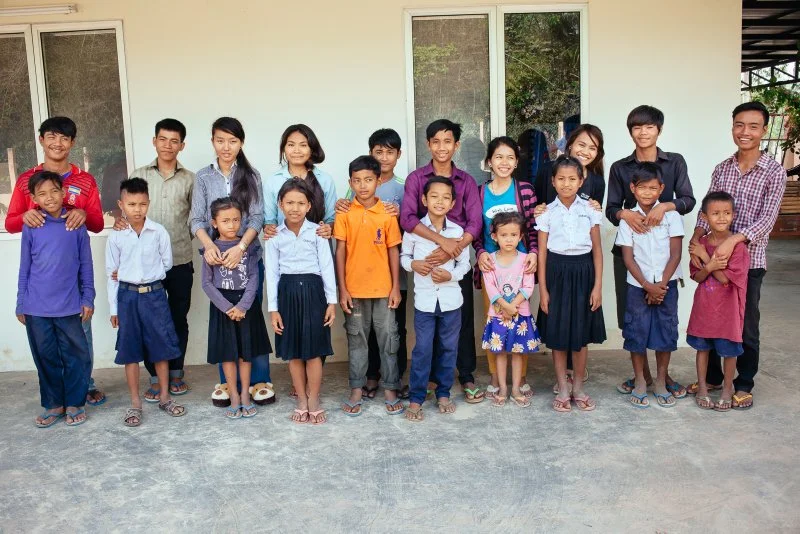
They make the most important decisions in any Alongsiders movement
The most important decisions in the Alongsiders movement aren't made in a North American headquarters, but under a hot tin roof in the rural villages and urban slums of Asia and Africa
The most important decisions in the Alongsiders movement aren't made in a North American headquarters, but under a hot tin roof in the rural villages and urban slums of Asia and Africa.
They're made every time an Alongsiders coordinator shares the vision with youth in a local church, and they decide to become Alongsiders.
These young Christians pray and decide for themselves who they should choose as their "little brother" or "little sister". Then they form a group, and decide who should be their group leader.
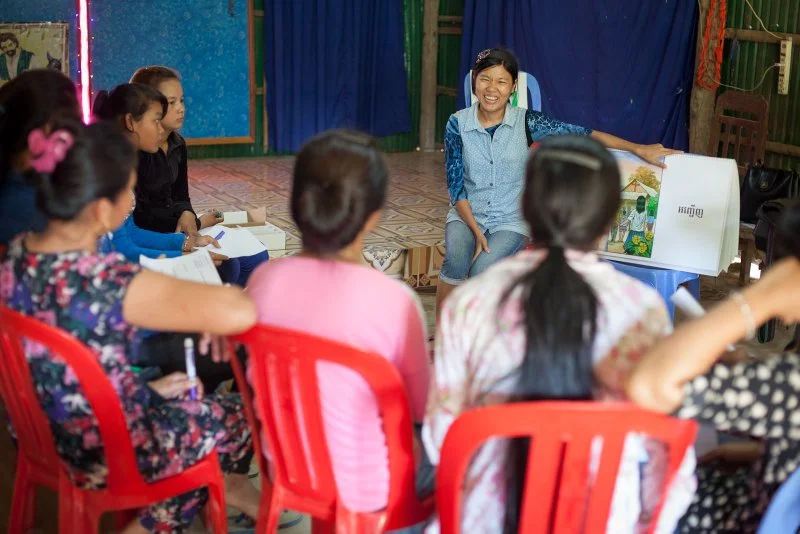
Before these most important decisions are made, or even considered, coordinators have gone out and connected with pastors one at a time. And as you may guess, that's easy to say and hard to do. To connect with many local churches, coordinators have to bridge gaps and adapt to diverse styles, structures, rules, and personalities. Then they persevere and do it again and again.
What we've found over time is that the churches that respond most positively to the Alongsiders movement aren't the most "successful" mega-churches. They're more often small local churches in economically poor, rural communities off the beaten track. And the youth who make the best Alongsiders are the ones who can say, "I chose him, because he was like me."
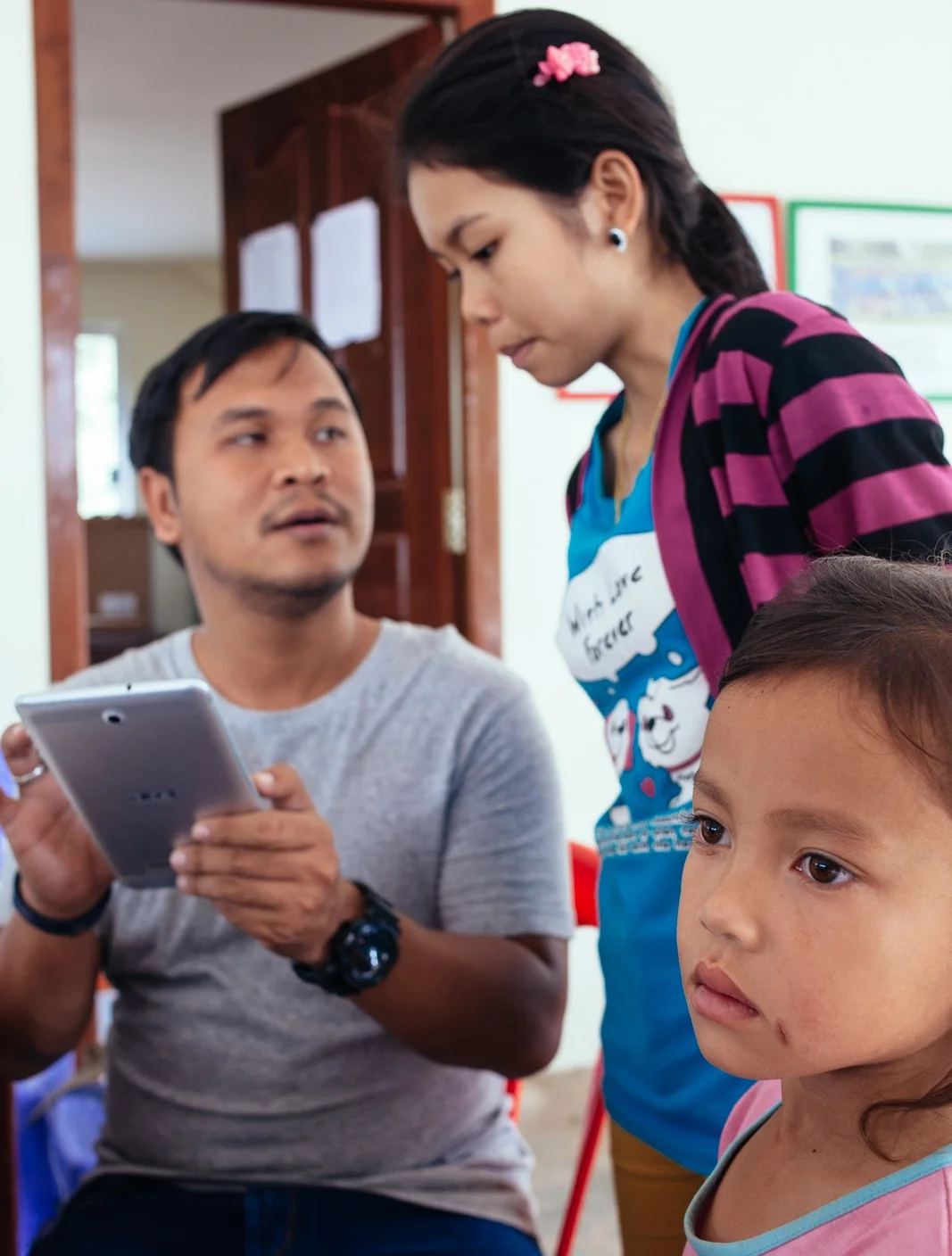
If I can connect with a rural church, most of the time they will want start an Alongsiders group there." - Phearom Mark, Alongsiders Cambodia Coordinator
The big urban churches in the towns and cities are often more distracted. The pastors and members tend to busy with other programs and events. Certain programs are supported by foreign donors. Once pastors have been exposed to donor money, some will look for programs that keep it coming. And the Alongsiders movement doesn't do that.
Last week I went with Phearom, one of the two coordinators in Cambodia, to visit an Anglican church in a rural village almost three hours from Phnom Penh. It was like countless villages, an anonymous turn off the highway and down a narrow dirt road lined with wooden homes of farmers. When we arrived, we found eleven youth waiting to sign up as Alongsiders.
They had each made the choice to become Alongsider mentors after Phearom visited and shared the vision in November. What a sight it was to see them all and hear their stories!
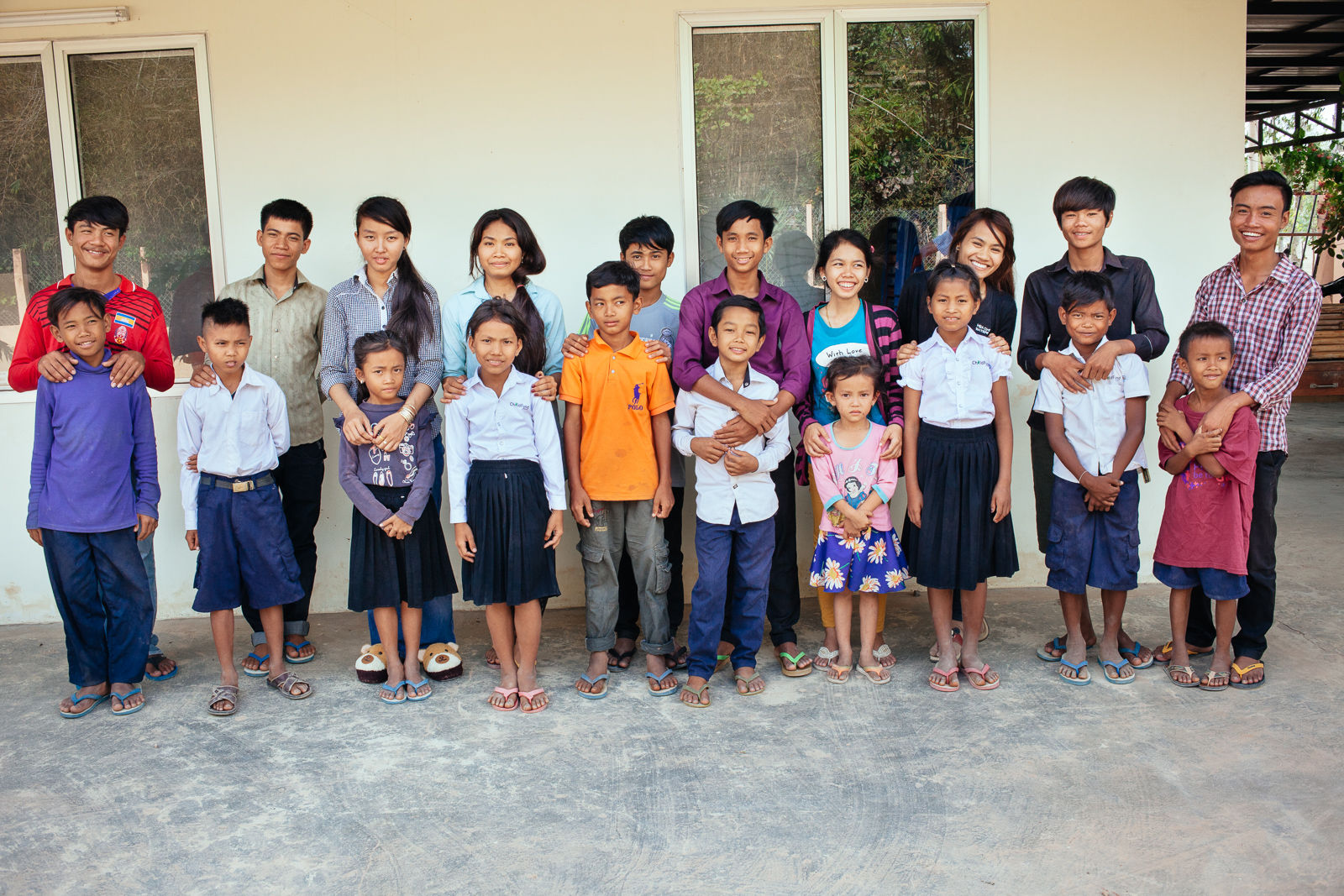
One said he was so excited when he heard they could become an Alongsider. He immediately chose his little brother, a boy who has lived with his uncle ever since his parents abandoned him. His new Alongsider says, "I chose him because I knew I could help him."
The village is literally being left behind. The youth are growing up and going to the cities work or study. Even Cambodians might say this is a "failing" community and view it with distaste. So is a local church in a "failing" community also "failing"? What would that say about the youth who stay there?
The truth is, we saw the Kingdom of God visible in these eleven youth who aren't too busy to walk (or ride a motorbike) with a vulnerable child.
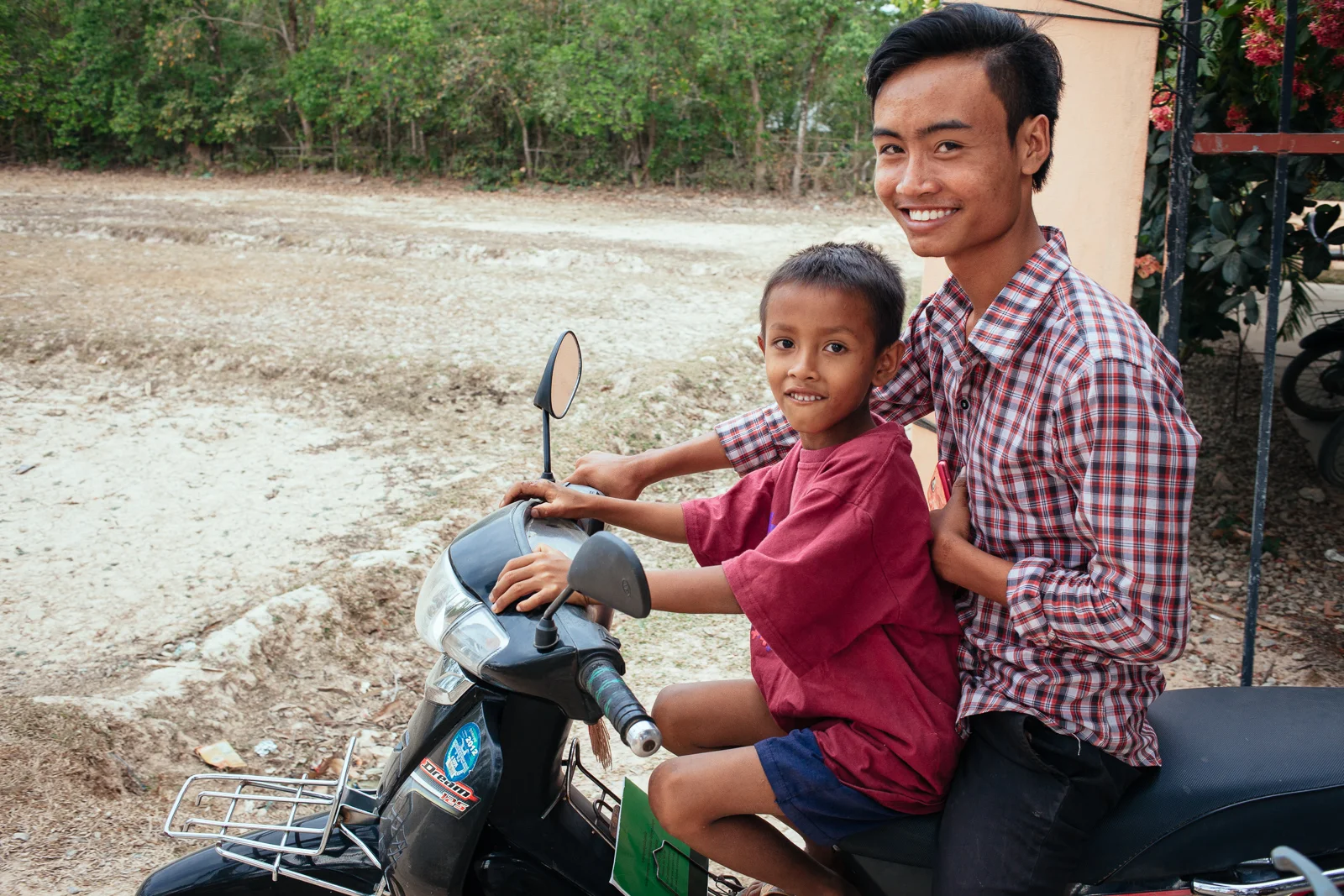
He was excited when Alongsiders came to his church and immediately went out and found this boy to be his little brother.
This is the kind of success we get excited about. Local churches like this one, whose pastors and members identify with being vulnerable themselves, are the leading edges of Alongsider movements.
They resonate with these words Paul used to describe himself and his coworkers:
But we have this treasure in jars of clay, to show that the surpassing power belongs to God and not to us. We are afflicted in every way, but not crushed; perplexed, but not driven to despair; persecuted, but not forsaken; struck down, but not destroyed; always carrying in the body the death of Jesus, so that the life of Jesus may also be manifested in our bodies. (2 Cor 4:7-10, ESV)
The most important decisions in the Alongsiders movement are made by those at a grassroots level who live and learn these lessons every day.
The most important decisions are made by those willing to pay the cost of walking alongside those who walk alone. They are the poor, the marginalized, the young and the overlooked.
Glory be to God for this treasure in jars of clay.
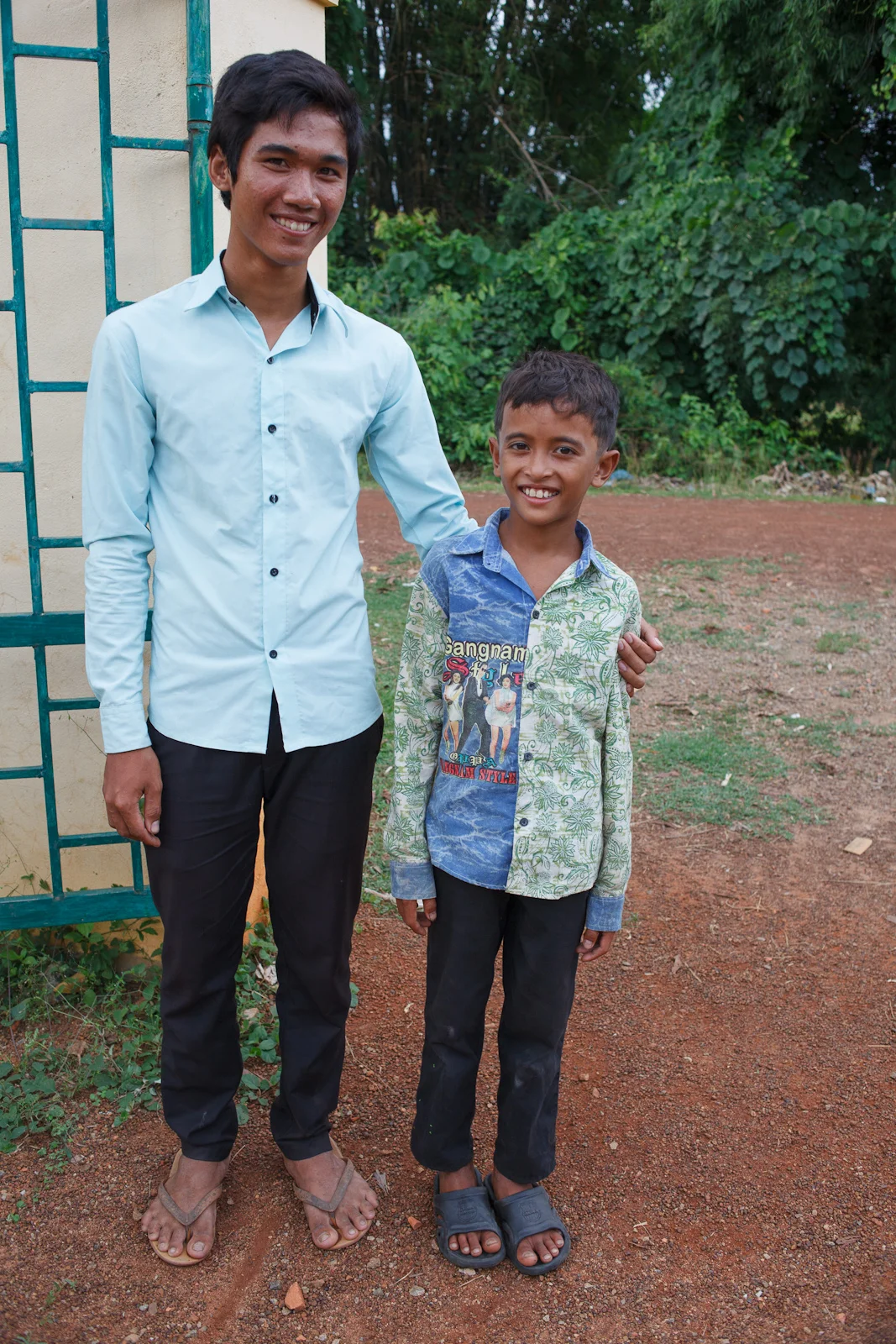
The incredible lightness of being small
Can we put aside the burden and distraction of being big and living large?
We're obsessed with size, scale and numbers. On Facebook we connect with hundreds or even thousands. We count our likes and comments. We share pictures; we discuss global problems with friends and Tweet them to our followers. We get round-the-clock news via television and Internet: another earthquake in Nepal, more Saudi airstrikes, an ISIS leader killed, another bizarre story from North Korea, murders and mysteries, crashes and corruption, and it's election season again.
Need a distraction? How about the summer movie everyone is talking about: The Avengers: Age of Ultron. (Say it in a loud voice.) In this movie, humanity is saved from near certain annihilation.

Sounds familiar, and it's BIG!
Think about it though. A band of heroes with special powers and abilities face an evil menace. These heroes do all the best thinking and fighting while the rest of humanity and their inept leaders blunder about helplessly. Meanwhile, off-screen regular people (like us) are dying by the tens of thousands.
So how is that a relief?
We watch these movies and let our minds drift through feelings approximating courage, fear, relief, and hope. Maybe even love. Of course, we identify with the heroes, not with the nameless masses dodging falling buildings far below.
Then we walk out of the theater feeling bigger, a little lighter in the step and ready for action. But soon, like Walter Mitty (a character in another kind of movie), we get mired in the ordinary again.
What can we do?
Seriously, here's a thought. We can, each of us, embrace being small and let go of the illusion that we could (or should) be in control despite all the information and tools we seem to have.
And then we can release the burden of making ourselves any more significant than we already are.
Truth is, you will never in your life be more significant than you are right now. The life of God has breathed in you; the God who fills the universe has loved you and died for you. What could you possibly to do to make yourself more significant than that?
Jesus had a huge vision that would change the world, but it belonged to the Father. Jesus' burden was light; it was not to be in control. He did what the Father was doing here and now with the people in front of him.
Talking or writing about Alongsiders International as a movement comes perilously close to a line we don't want to cross. It's not our job to make ourselves big. People are inspired by movements, no doubt, but here is the movement that thrills us most.
Today, an Alongsider rode his bicycle to the home of his little brother, a boy hardly anyone deems significant, and helped him with his homework.
Today, another Alongsider visited her little sister's house and helped her wash herself and wash her clothes.
They know the most important thing: what the Father is doing.
What they do in step with the Father, though hardly anyone may notice, changes the world.
Can we put aside the burden and distraction of being big and living large - of size, scale and numbers - and just see the love of the Father and do the same?
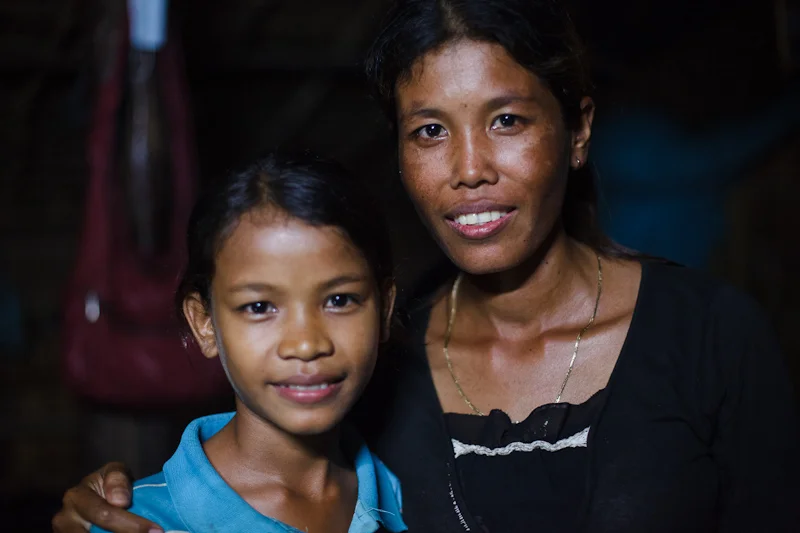
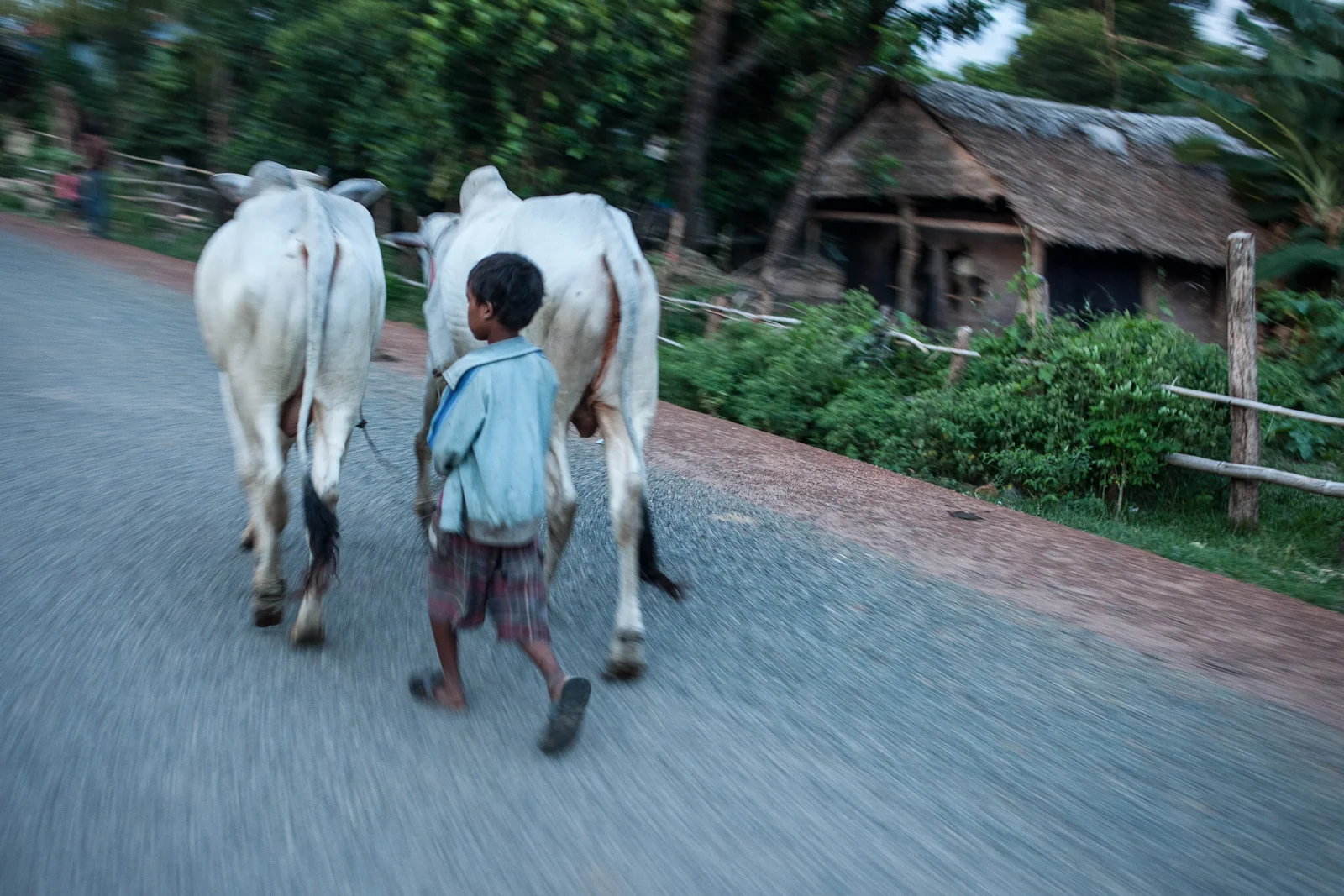
Was Jesus vulnerable?
Was Jesus vulnerable? Not merely in the cute, helpless way that every baby is vulnerable, but vulnerable in the way that children in Allepo, Syria are vulnerable to violence?
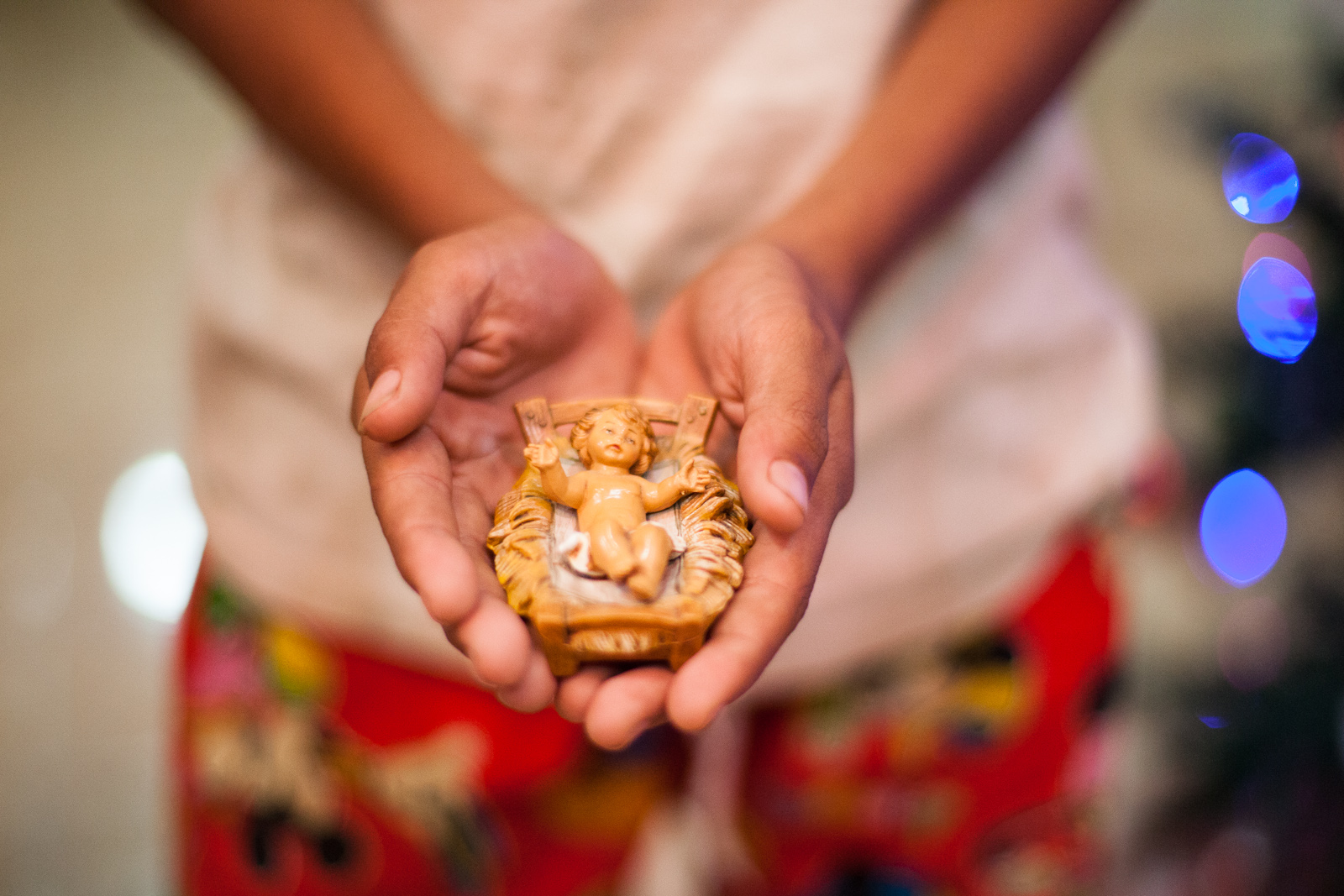
Was Jesus a vulnerable child?
Not merely in the cute, helpless way that every baby is vulnerable, but vulnerable in the way that children in Allepo, Syria are vulnerable to violence?
Vulnerable to prejudice and exclusion like children of immigrants?
Vulnerable to hunger and illness like children of the homeless?
The simple answer is Yes.
We know that Jesus was vulnerable in these ways, but most of our songs and traditions gloss over those parts of the Christmas story.
True confession:
I love The Christmas Song...
Chestnuts roasting on an open fire,
Jack Frost nipping at your nose.
It's about being warm even when it's cold outside, good food and happy children, and being merry all-around. Christmas for many people really is a most wonderful time of the year.
But it's not that way for everyone, and it doesn't match the whole story.
Just take a couple of minutes to review what happened.
Matthew begins the story of Christmas by intentionally pointing out that Jesus' lineage includes a prostitute (Rahab) and a homeless immigrant (Ruth), and neither of them was Jewish. Although Jesus descended from David, Matthew clarifies that it was from David's adulterous and murderous affair with Bathsheba. Finally, Jesus' family tree ends with his mother, not with Joseph, because she was pregnant before she married him.
Sure, Mary was with child by the Holy Spirit, as we read now, but that's not how the neighbors saw it. More likely they said Joseph was a kind and gentle man for enduring the shame rather than leaving her.
This was, to say the least, a blended family.
Next consider the characters who gathered around "yon virgin and child." The shepherds were dirty, unwashed, poor men who slept in the fields, apart from their wives if they were married. The wise men were foreigners who practiced astrology. Pagans.
If a nativity scene had been set up at the time, it would have looked like a vicious parody: the King of the Jews welcomed by nobodies and pagans.
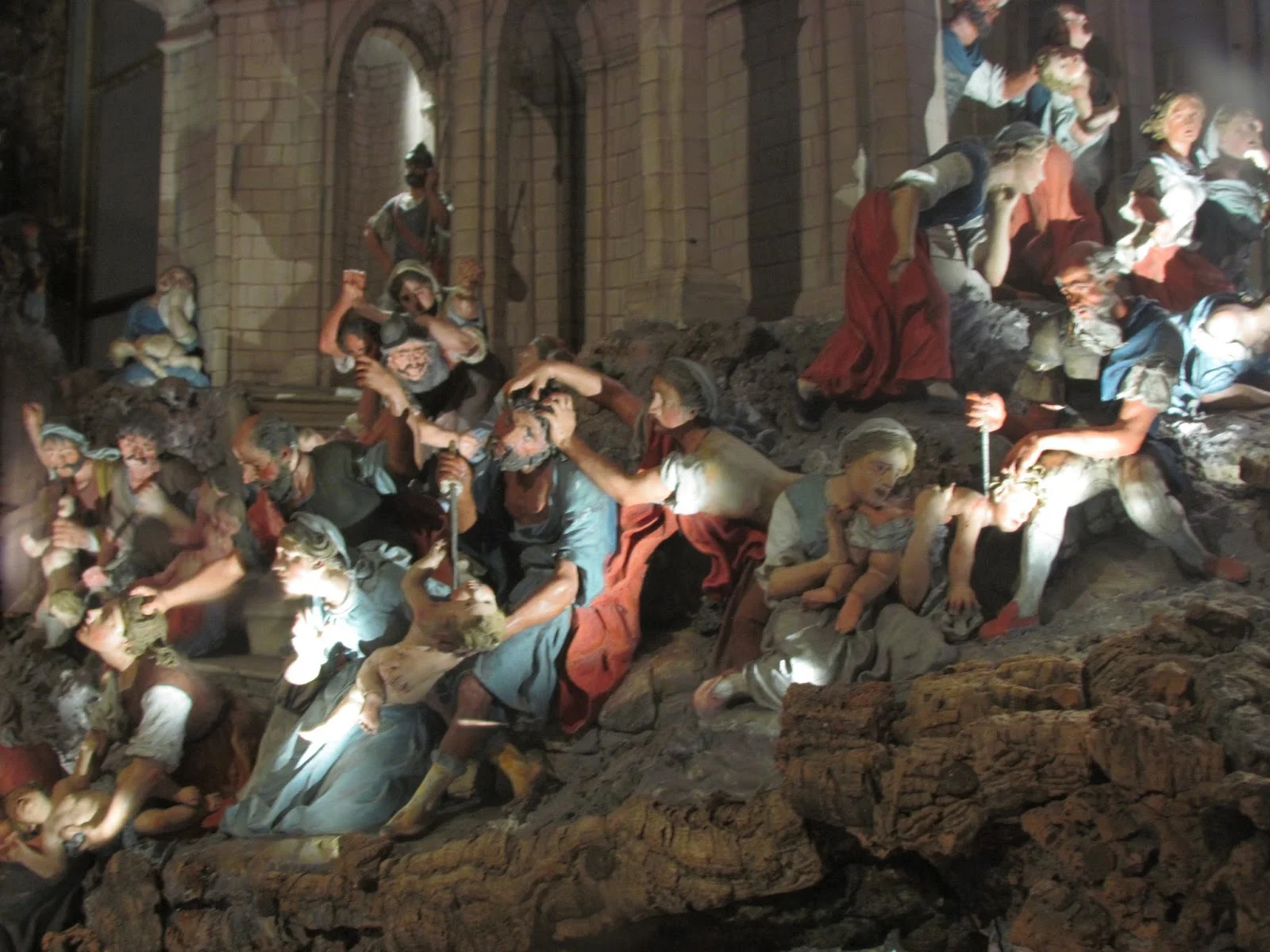
An 18th Century nativity in Portugal depicts the slaughter of the innocents.
And faster than you can say, "Holy infant so tender and mild" the story jumps from the baby in a manger to a power hungry man ordering the slaughter of innocent children and Jesus' family fleeing for their lives to Egypt.
Can you imagine that verse inserted into a carol, or that scene in a nativity play?
What became of the family in Egypt? They were immigrants who couldn't speak the language, unwanted refugees, homeless and poor, or cheap labor.
The purpose here is not to spoil the warm glow of Christmas - if that's how you experience it. Be thankful for family and safety and simple comforts if you have those blessings.
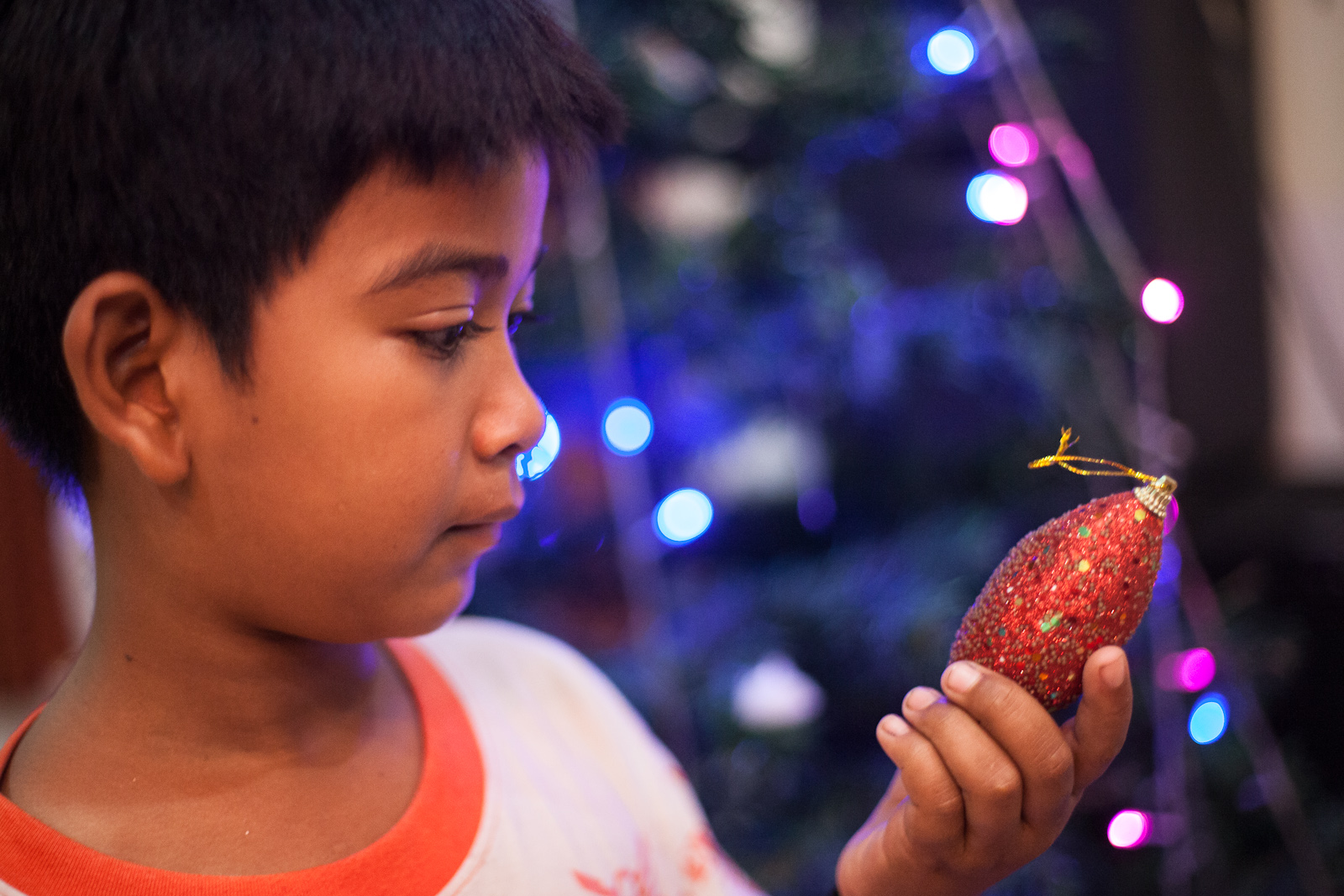
But let's also open our eyes and see the whole story, including the parts that don't make it into most carols and nativity scenes.
Consider that the story we celebrate is still unfolding even now.
To be alive in the story of Christmas today, look and see the vulnerable children and families in the world around us and, as we are able, welcome them. They are both far and near, and they have more to do with the original Christmas than feasts and silver bells.
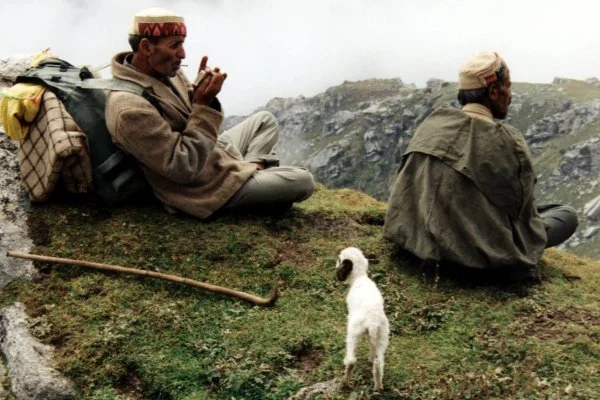
Let the shepherds and wise men be our examples.
What we all have in common - whether in vulnerability or comfort - is God's gift to us all in Christ, born into a world of poverty, politics, and violence. Born into an imperfect but loving family.
Young and old, foreigners and locals, citizens and immigrants, happily married men and women and prostitutes and adulterers: the gift of Christ draws us together.
Merry Christmas! Christ is born.
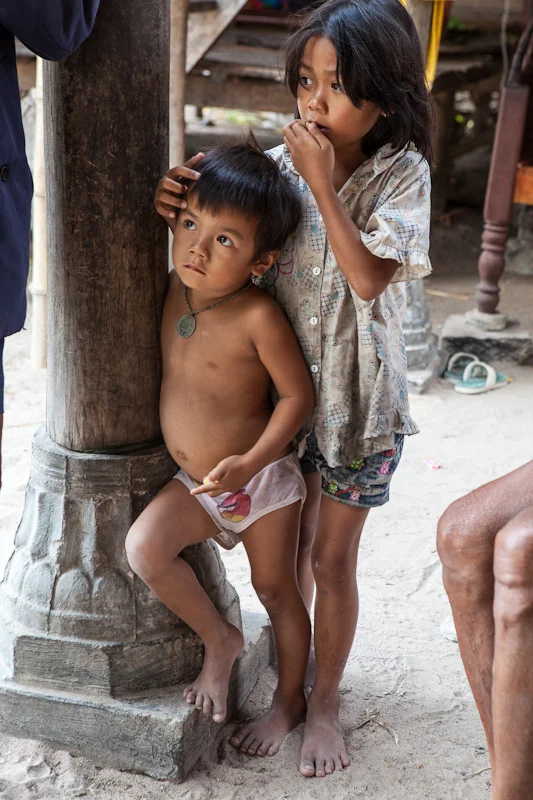
The ONE thing everyone overlooks about poverty
After hearing so many stories of children experiencing poverty, a recurring theme began to emerge - something most people overlook about poverty...
We listen to stories.
In particular, we listen to the stories of vulnerable children.
And after hearing so many stories of children in difficult circumstances, a recurring theme began to emerge - something most people overlook about poverty.
You may be thinking children's main experience of poverty, the thing that impacted them most, would be:
- a lack of money for basic necessities
- only a single set of clothes to wear
- skipped meals and feeling hungry, or
- having to work from a very young age
All these answers are true in given cases, but they only tell part of the story.
Poverty is bigger and deeper than what we see. It affects family and community relationships, and it can threaten to derail the most basic needs of children. The needs that, when met, help them grow into healthy adults. In particular, a sense of belonging and personal significance.
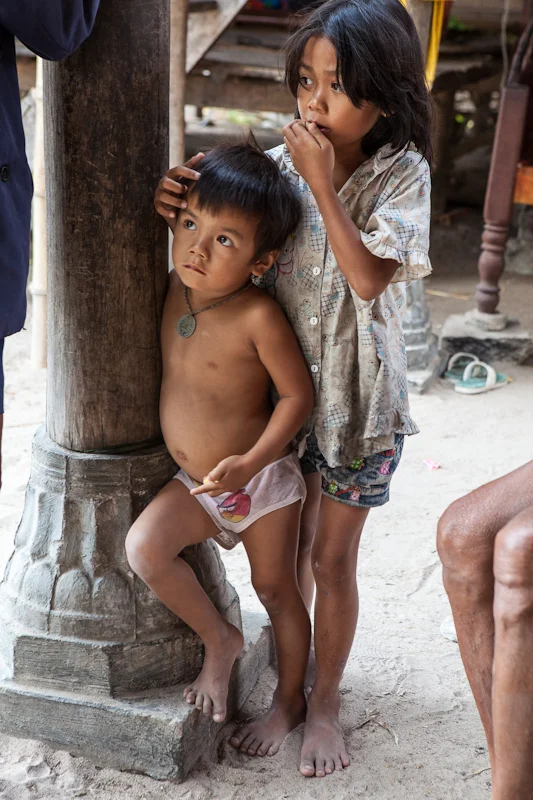
Isolation.
Rejection.
Exclusion.
These themes come up again and again in the stories we hear from young people who have grown up in poverty.
“I was alone.”
"I had no one I could trust."
“Nobody cared for me.”
“People looked down on me and treated me badly.”
The most hidden and misunderstood aspect of poverty is how it breaks and weakens relationships, leaving children (and adults) alone, rejected, fearful and emotionally wounded.
That's why the approach that Alongsiders takes to poverty is relational. The work that the Alongsider mentors are doing is transforming children and their families and communities on every level, including the level of emotional health, and it’s exciting to see in action.
Alongsider mentors are young adults who have themselves grown up in poor communities. They choose “little brothers and sisters” from their own communities - unrelated kids who are in vulnerable situations - and set out to love and mentor them as if they were family.
“The most important thing I learned from my Alongsider was love.
I know God loves me, because she loved me.”
--a former little sister, now an Alongsider mentor
We hear many stories about the impacts made by Alongsiders, and so many of them revolve around love and friendship overcoming isolation and rejection. But stories, even inspiring ones, are not hard to gather. We wanted to dig deeper and better understand how Alongsiders are changing the lives of little brothers and sisters.
Last year, we decided to survey a large group of little brothers and sisters from several provinces across Cambodia. The questions were carefully chosen and worded.
The same survey was given to an equal number of similar children in the same communities who are not being mentored by Alongsiders (a control group). All of this was done using objective research methods by an independent team.
What we learned was very encouraging. Having an Alongsider makes a significant difference in the lives of the little brothers and sisters. You can see the full report here.
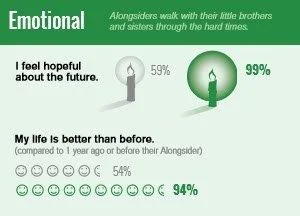
The little brothers and sisters clearly perceive a positive effect on their emotional wellbeing. We hoped so, since the work of Alongsiders is founded on loving relationships, and it was a welcome confirmation. This is just one snapshot of what is happening. Again, you can see all the numbers in our 2013 impact assessment here.
How encouraging that Cambodian youth are the ones changing the lives of Cambodian children! And it's not just children who are changing. Families, communities, churches, and the Alongsiders themselves are being transformed in the process. It's all the more encouraging that these youth, who have grown up in poverty, have become mentors empowered to serve out of their own experience of marginalization.