
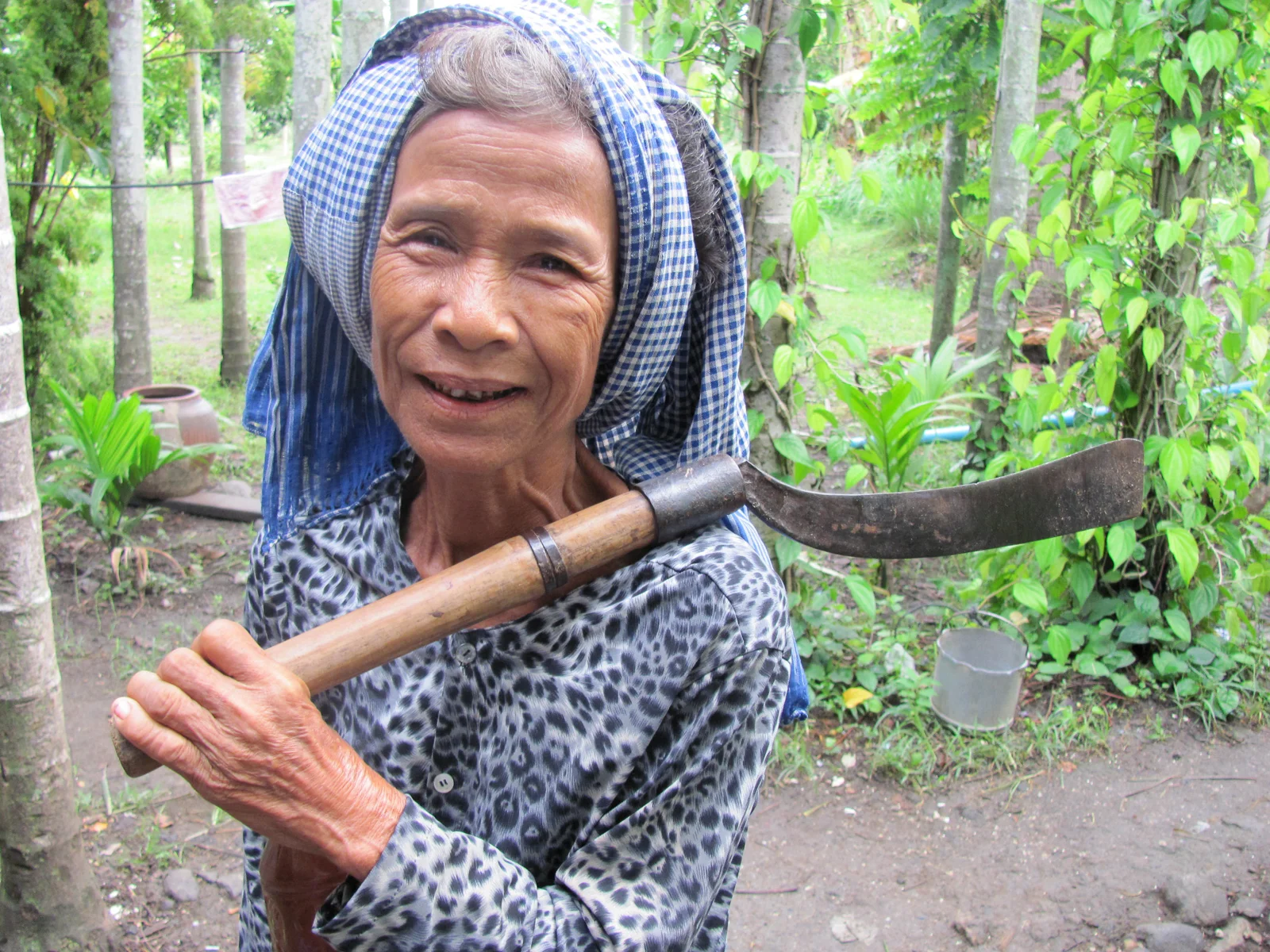
A tribute to widows and grandmothers
Statistics on orphans can be misleading. Let's take a look at one of the most overlooked aspects of orphan care.
Alongsiders walk with the most vulnerable children in their own communities. Many of the children are orphans, so the Alongsiders movement is also an orphan care movement. Today let's look at one of the most overlooked factors in orphan care.
They say there are about 150 million orphans worldwide. The website for SOS Children's Villages puts the number at 153 million. Other orphanage providers and international adoption agencies give similar numbers. What they rarely say is that the vast majority of orphans, at least 95 percent, are cared for by their own relatives.
Most are cared for by their widowed mothers. If that's confusing, keep in mind that the international definition of an "orphan" is a child who has lost at least one parent.
Most double-orphans (who have lost both parents) are cared for by grandparents and relatives. In developing countries, we've seen this role falls primarily on the grandmothers.
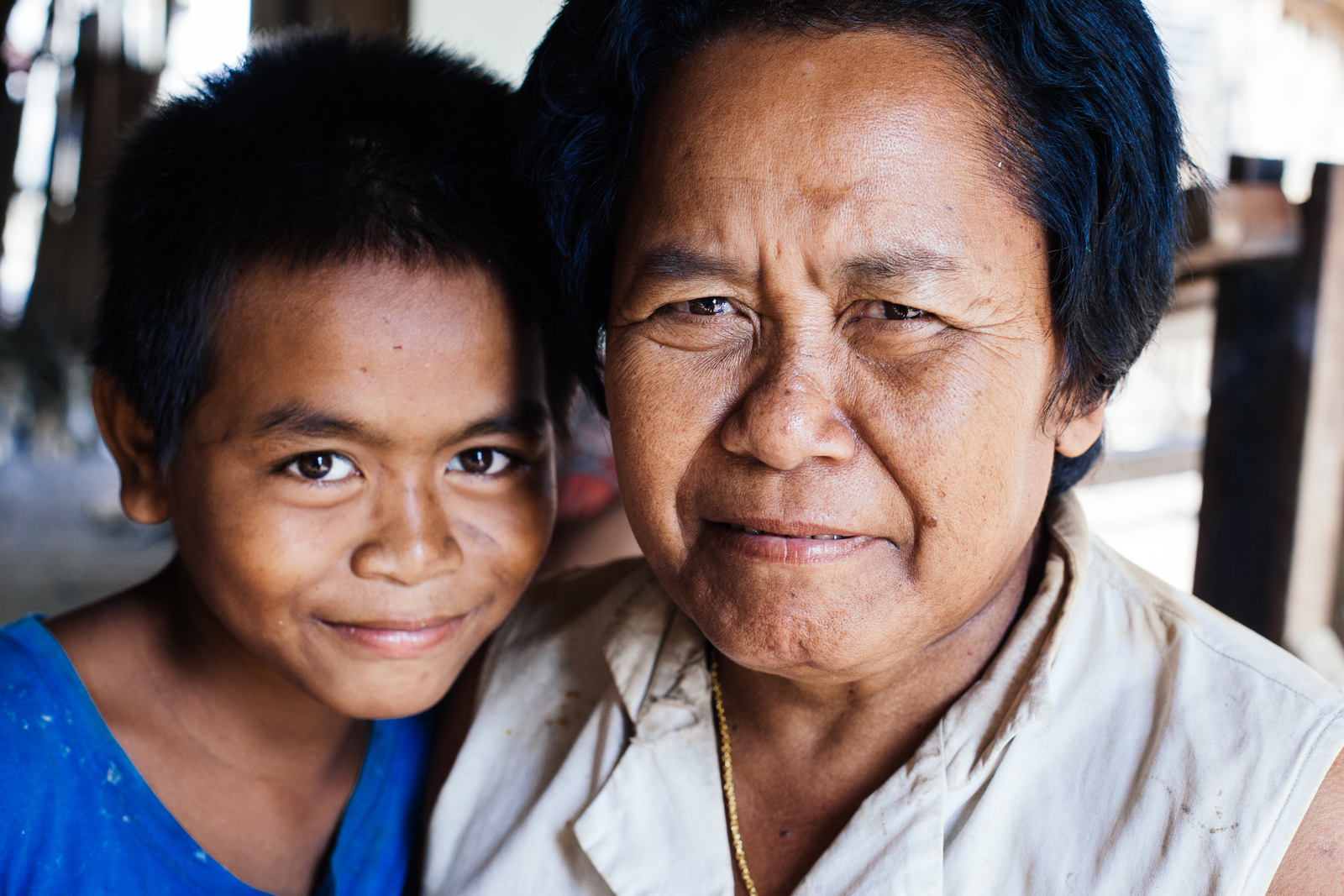
That is to say, in the developing world, widows and grandmothers are the unspoken heroes of orphan care.
Of course, this shouldn't be a big surprise. Most of us, if we have or imagine having children, assume that our spouse or parents would step in and raise them if something happened to us. Naturally, people around the world, rich and poor alike, feel the same way. They want their children to stay in the family.
But there's a catch. In those countries where the orphan crisis is most severe, there are very few organizations or ministries supporting widows and grandmothers caring for orphans. Immense amounts of money are invested in orphanages, and relatively little is spent on widows and grandmothers who care for the majority of orphans.
How can this be?
The good news is that organizations, churches, and donors are beginning to transition away from the old orphanage (shelter, center, children's village) model toward real family-based care, and we're seeing more efforts to support widows and grandmothers.
We believe the Alongsiders movement is part of the change.
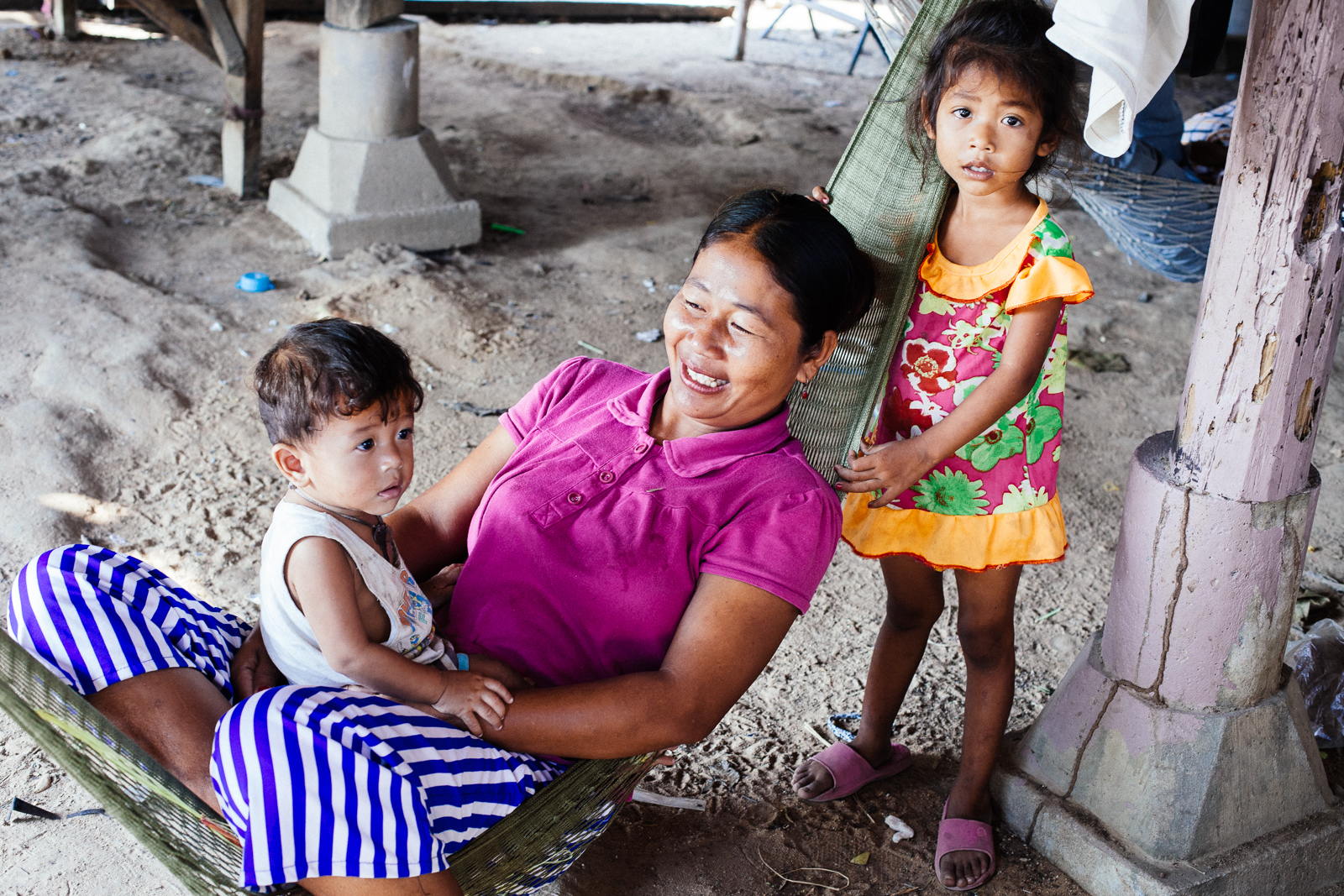
Many young people who become Alongsiders choose orphans as their little brothers and sisters. In so doing, they're giving crucial support to hardworking widows and grandmothers who have so much riding on their shoulders.
Sophy is a young girl living with her grandmother in rural Cambodia. Her grandmother is tough as nails. Not only is she raising Sophy, but during the day she helps care for her nephew, a young man who was paralyzed from the waist down in a motorcycle accident.
Recently, Sophy was on her way to school when an older girl she knew named Chenda fell in beside her. As they walked down the road, Chenda asked Sophy to become her "little sister." Sophy was overjoyed, and later her grandmother gladly gave permission.
Sophy's grandmother loves her, but Sophy has always felt lonely. Many of her peers skip school, gamble, and drink. Her grandmother has kept Sophy in school and focused on her studies, but she can't meet all her needs.
Chenda can help Sophy in ways her grandmother can't.
She can help with homework, visit the school and talk to the teacher, relate more closely to Sophy's problems and temptations, connect her to leaders and friends in the community, intervene when when other problems arise, and disciple her.
Right now Alongsiders in Cambodia, Indonesia, India and Pakistan are walking with hundreds of orphans and abandoned children, giving support and comfort to hundreds of widows and grandmothers.
Sometimes having an Alongsider shifts the balance so that a widow or a grandmother can raise a beloved child on her own, rather than sending the child away to an institution.
So hats off to widows and grandmothers! To their toughness and tenacity in love, and the difference they make in the lives of the most vulnerable children. May they get all the support they need.
2 life lessons and a powerful challenge from a surprising source - but there's a catch
His story doesn't have a Hollywood ending, but you'll be surprised what you learn from this young man.
His story doesn't have a Hollywood ending, but you'll be surprised what you learn from this young man.
His name is Ni. People who are like him, living at the margins in extreme poverty, rarely fit into a clickable narrative. They're slogging along in process, unresolved, longing for a good surprise and hoping to avoid disaster. Actually, most of us can relate.

But here's the difference. Somebody chose Ni.
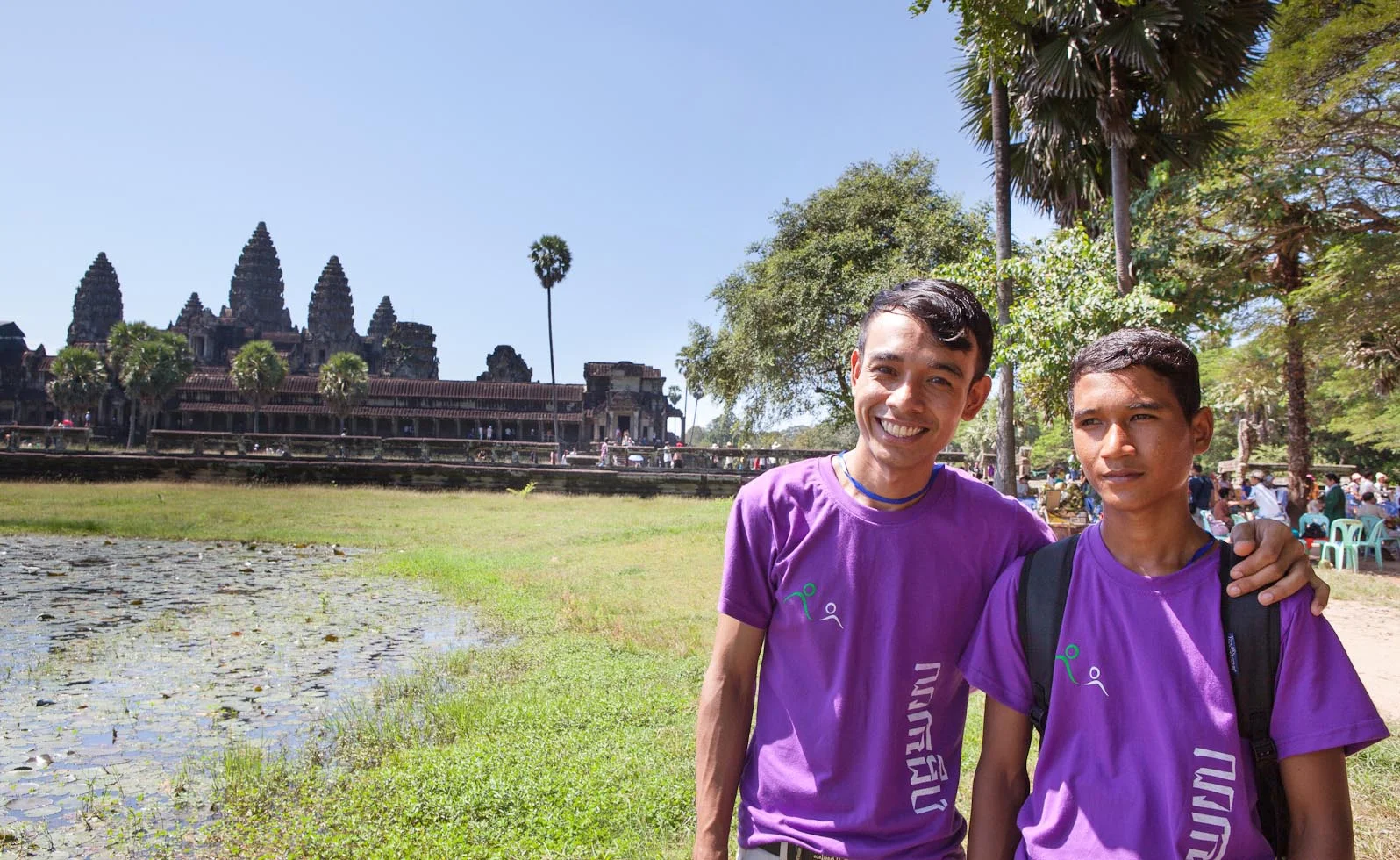
Four years ago, a 19 year old named Sothana signed up to be an Alongsider. He was living in Takeo, a rural province south of Phnom Penh.
Looking around his community he saw Ni, a 12 year old boy in one of the poorest families in the village.
Ni had dropped out of school, and his prospects were dim. So Sothana chose him, to be his "little brother".
One year later, Ni's father died. He drank himself to death, dying slowly of ulcers that ravaged his gut. The family spent what money they had on treatment. Perhaps he was drinking cheap rice wine made in the villages, laced with methanol. At any rate, it was a hard way to go, and the family was left without their main provider.
"He was a good father," says Sothana. Not perfect, obviously, but Ni felt loved.
In fact, Sothana adds, he wasn't Ni's biological father. These stories seldom unfold all at once; they are like peeling the rings of an onion. When Ni was young, his birth mother left him with her sister and her husband, and they raised Ni as one of their own.
Ni was the oldest child, so after his adoptive father died he went to work to earn money for the family. They don't own land of their own (which is why they have been among the poorest of the poor in that farming community).
For the past three years, Ni has been hiring himself out to work for other farmers, taking any and every job he can get.
Did having an Alongsider change anything?
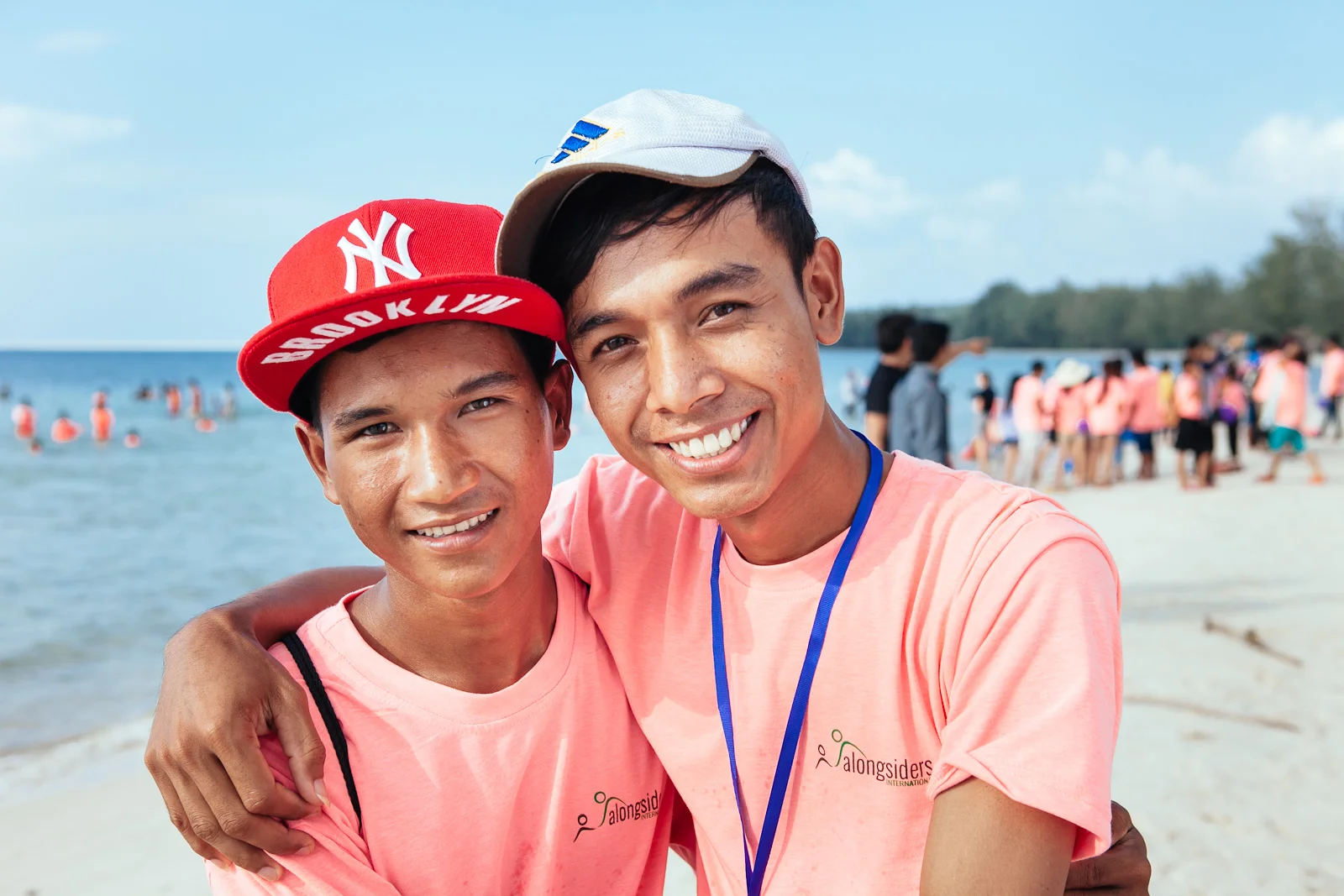
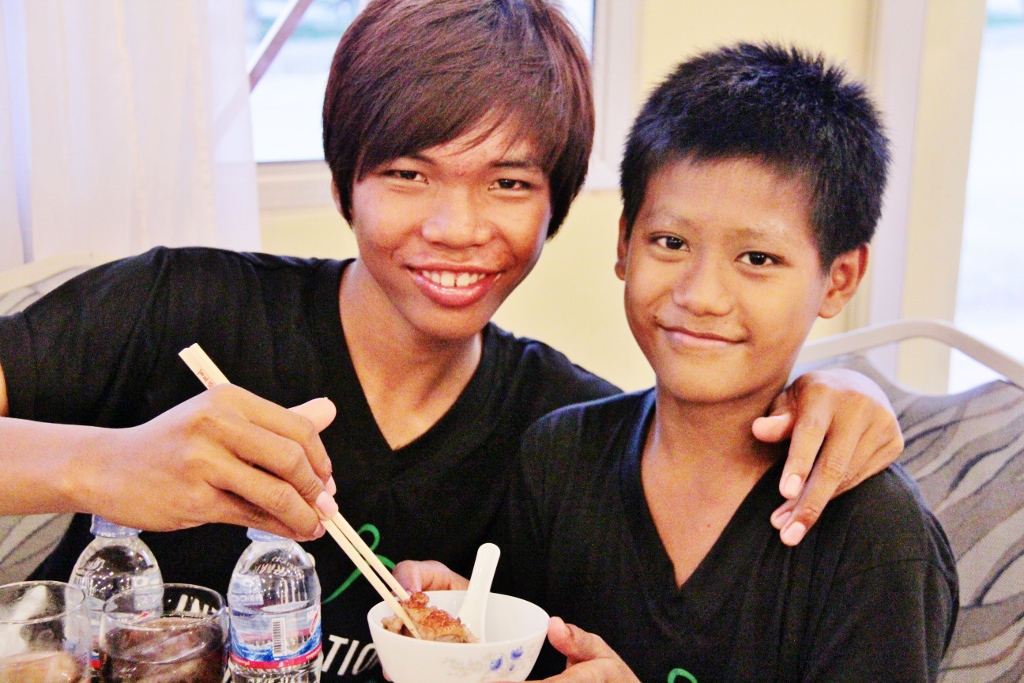
Ni (left) and Sothana (right) at the annual camp this month
Somehow, with encouragement from Sothana, Ni began attending school in his spare time. He's studying at the ninth grade level, but he can't afford any of the after-school classes that most students take. Those classes are important because the quality of teaching during school hours is low, and the students all have to pass exams eventually to graduate.
He's conscious of the fact that he doesn't have specialized skills that might help him find better work in the future. Even if an organization covered the cost of training, he would still have to consider how his family would get by without him. The trickle of money he makes is their lifeline right now, until his siblings get older.
Yet Ni says having an Alongsider and being part of Sothana's church has made a difference. It's kakadao (warm and loving), he says. It's a word rich in emotion, a word little brothers and sisters often use to describe their relationships with their Alongsiders.
"Before I didn't spend time with others," he says, "because in my heart I felt that I was poor. I was afraid and lonely."
One time when the roof of Ni's house collapsed during a torrential rain and ensuing flood, the church members came and helped repair it. All they could offer was a blue tarp roof, but it kept the family dry and helped them get through the crisis.
Last year Ni attended the Alongsiders annual camp for the first time. Previously he hadn't gone to camp because he worried about what would happen to his family if he was away for three days. "But when I went to camp," he says, "I saw lots of other kids like me. I got to know them, and I felt happy, so I wanted to come back again." This year was his second time to go.
Through it all he finds himself making more connections with others: with his Alongsider, with church members, with neighbors, and with other little brothers. It's a significant change for him, considering that he was so isolated before. Now he is sixteen, so he has started thinking about choosing his own little brother next year. But he worries about that, because he's still poor and lacking in viable skills. He feels like others still look down on him, and he questions whether he has anything valuable to offer a little brother.
At the top of this post, I started by saying you'd be surprised at what Ni could teach you. Have you learned anything surprising yet from Ni's story? Here are two lessons we at Alongsiders take from it.
- We know that real and lasting change is a process that plays out in the context of relationships. Those inspiring stories on Facebook often gloss over key details like: careers set aside, years of perseverance, untold hours in prayer, conflicts, emotional stress, and much more. If you want the fruit, you may have to plant the tree and care for it as it grows. (See this previous post about why we don't emphasize the speed of change: 3 Practical ways 'slow and steady' changes the world.)
- Ni has a list of reasons to doubt his capacity, but we believe strongly that he's qualified to serve as an Alongsider. You may doubt yourself; you may even doubt God. Admitting you don't have all the resources and answers is a great way to begin serving someone who is at the end of his or her rope: in a hospital, in a prison or juvenile hall, at a homeless shelter, or in a program for refugees.
You'd be surprised what you could learn from Ni if you walked alongside him and shared his journey.
But there's a catch...
You'd be surprised, inspired, shocked, amazed, confused, bothered, overwhelmed, and transformed, all these things! - IF - and possibly only if - you stuck with it.
Sothana, Ni's Alongsider, says that through sharing his own journey over the long haul with Ni, he knows "true love" in a way he never knew it just by attending church or even in his own family.
If you want all of that - ALL of it, the good and the bad - look around. God has a "Ni" already chosen for you, even as you breathe a prayer asking who it is.
You'll be surprised.
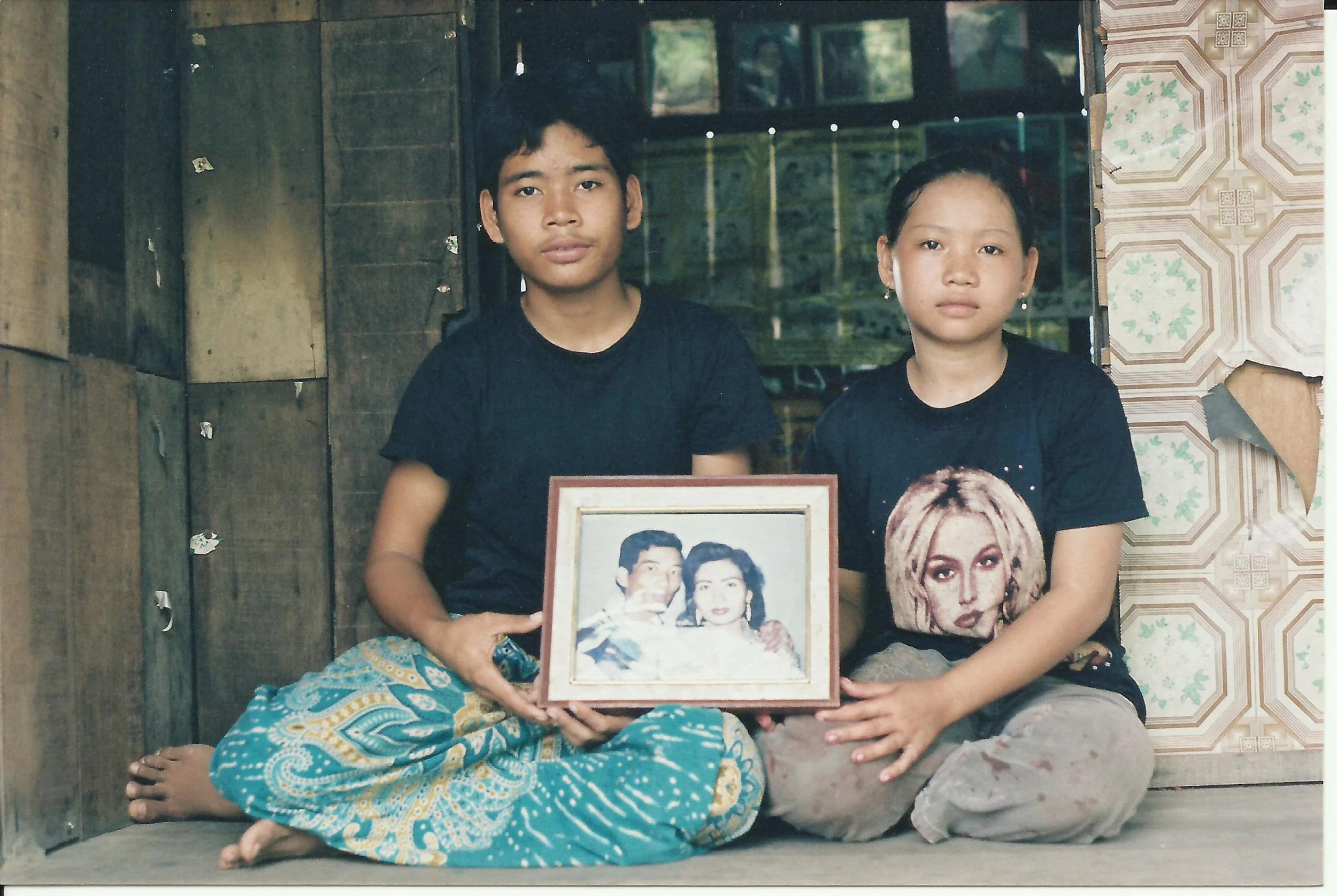
How the Alongsiders movement emerged from an orphan crisis...
An ancient Chinese proverb teaches us that, “A crisis is an opportunity riding the dangerous wind.”
An ancient Chinese proverb teaches us that, “A crisis is an opportunity riding the dangerous wind.”
This is the story of how the first Alongsiders movement grew out of the orphan crisis in Cambodia...
It was 2001.
An estimated 220,000 Cambodians were "living" with HIV/AIDS. Since no treatment was available in Cambodia at the time, they were dying at an estimated rate of 15,000 people per year. More than 150,000 had died since the epidemic began in 1991, and they would continue to die at high rates for another five years.
Many Cambodian children lost one or both parents to AIDS, and worldwide there was a mad scramble to open new orphanages, urged on by statistics predicting millions of AIDS orphans. (An orphan in most countries, including Cambodia, is defined as a child who has lost at least one parent.)
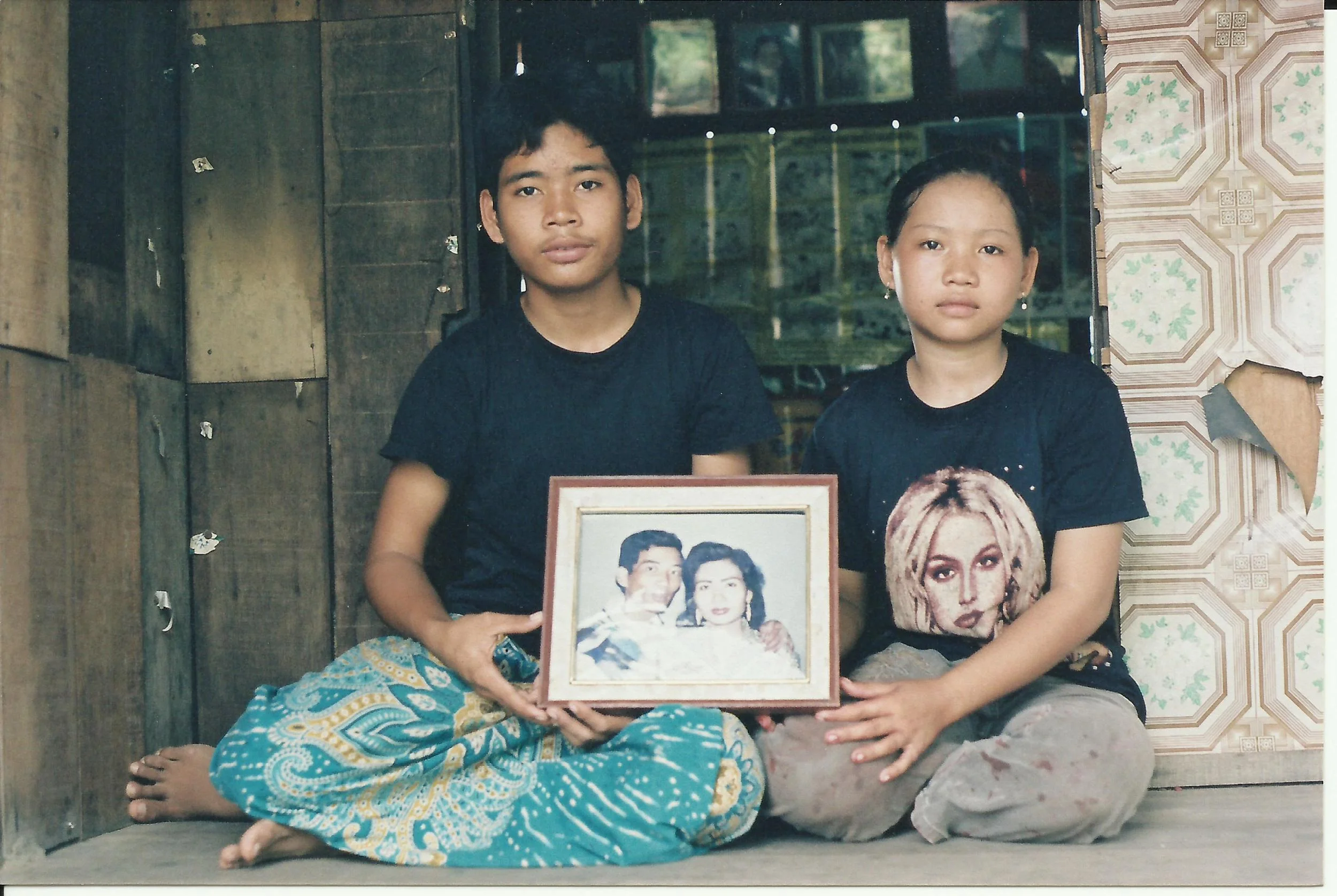
Even so the vast majority of AIDS orphans were cared for by surviving parents and relatives.
At that time, Craig Greenfield was overseeing a community-based health program in a Phnom Penh slum. As the number of orphans grew, rather than starting an orphanage, the program came alongside surviving family members and relatives to help them care for the orphaned children themselves. (You can read about this story, including why they didn't start an orphanage, in Craig's book, The Urban Halo.)
The community-based care program was successful, but there was a noticeable gap. As Craig saw it, the children and families needed "love, discipleship, coaching and mentoring - but only a movement of people would meet that need."
One day while wrestling with this challenge he had an "a-ha" moment. The local churches, he thought, had many young people who could do the work - they just needed to be mobilized.
The first Alongsiders were young adults recruited from relatively well-off churches and communities in Phnom Penh and assigned as big brothers and big sisters for slum children orphaned by AIDS (or at risk of being orphaned).
It worked to a degree, but some changes had to be made. Two of the most important changes were:
1) the decision to recruit Alongsiders from churches located WITHIN slums and marginalized communities, and
2) giving Alongsiders the responsibility to prayerfully choose little brothers and sisters themselves from the most vulnerable children in their own neighborhoods. The result has been a growing movement of young people at the margins.
Now it's 2015 and we continue to hear about the orphan crisis in Cambodia, even though the number of orphans has dramatically decreased. What we don't hear enough is:
- that 90 - 95 percent of orphans are being cared for by their surviving parents and relatives
- that studies have shown poverty, not a lack of parents or any other single issue, is the most significant indicator for whether a child will be put in an orphanage.
The good news - perhaps surprising - is that so many orphans and vulnerable children are being cared for by parents and relatives.
The challenge is that many single parents and grandparents in economically poor communities need support.
It's often a very tenuous thread that prevents orphans and the most vulnerable children from being sent to orphanages or put at risk in other ways (ranging from abuse and neglect to human trafficking). What breaks the thread? A crisis without any means to fall back on, the ongoing stresses of poverty, the burdens of discouragement and isolation, and a lack of resources to provide for a child's education.
That's where Alongsiders comes in.
Alongsiders is an orphan care movement, but not in any "top-down" sense that orphan care may imply. Alongsiders, as an organization, empowers young Cambodians, via local churches, to provide practical support for orphans in their own communities. Simple as their actions may be, this helps parents and relatives, who are often stretched to the extremes, care for their own orphaned and vulnerable children.
Forty-one percent of the little brothers and sisters in Alongsiders Cambodia are orphans. Many of the remaining fifty-nine percent have parents, but they are in the care of their grandparents or relatives for various reasons.
Here is how one Alongsider (himself orphaned) describes the impact Alongsiders can have on orphans who become their little brothers and sisters:
“I think the most important thing is that they see someone cares for them and that they’re not alone... Sometimes the Alongsider was an orphan too and understands... When you don’t have family you’re so hurting inside, and scared...
When they see they’re not alone they have happiness, and they aren’t as angry. Maybe they help around the house more... They know their own value and so they become stronger.
If they start to know Jesus they are even more happy because they have more friends at church. They are not alone any more.”
The Alongsiders movement grew out of a major crisis facing the nation of Cambodia - the crisis of neglected and impoverished children. It is the same crisis that so many developing nations face in the world today.
The seeds of hope and faith are always there. But sometimes it takes a crisis to nourish and encourage their growth.
Join us in praying for life to come from death, good to emerge from tragedy, and young Christians to rise up all over the world in response to the crisis facing their orphaned children.
Who REALLY connects with the poorest of the poor? You'll be surprised by the answer...
Here at Alongsiders we say, "It takes a spider to repair it's own web." Here's the secret.
Discarded himself. Phea knows the value of things others see fit to discard.
Every day he took to the streets with a rice sack slung over his shoulder looking for rubbish that he could sell: plastic bottles, cardboard, cans, scrap metal, or broken items that could be repaired.
Some called him names as he made his rounds. Others physically accosted him. They didn't see value of a kid in tattered clothes sifting through the garbage.
One day as he worked he came across a group of excited children and youth. They were Alongsider mentors with their little brothers and sisters waiting for transportation to the annual Alongsiders camp. Phea saw that some were neighbors, not unlike himself, and he asked if he could go with them. They said he had to have an Alongsider mentor, and it was too late for that. But someone invited him to the local church to learn more.
Phea went to the church. He says, "I never got my own Alongsider - I was too old. But instead I found faith." So, he kept attending the church, and when he turned 18 he applied to become an Alongsider mentor himself.
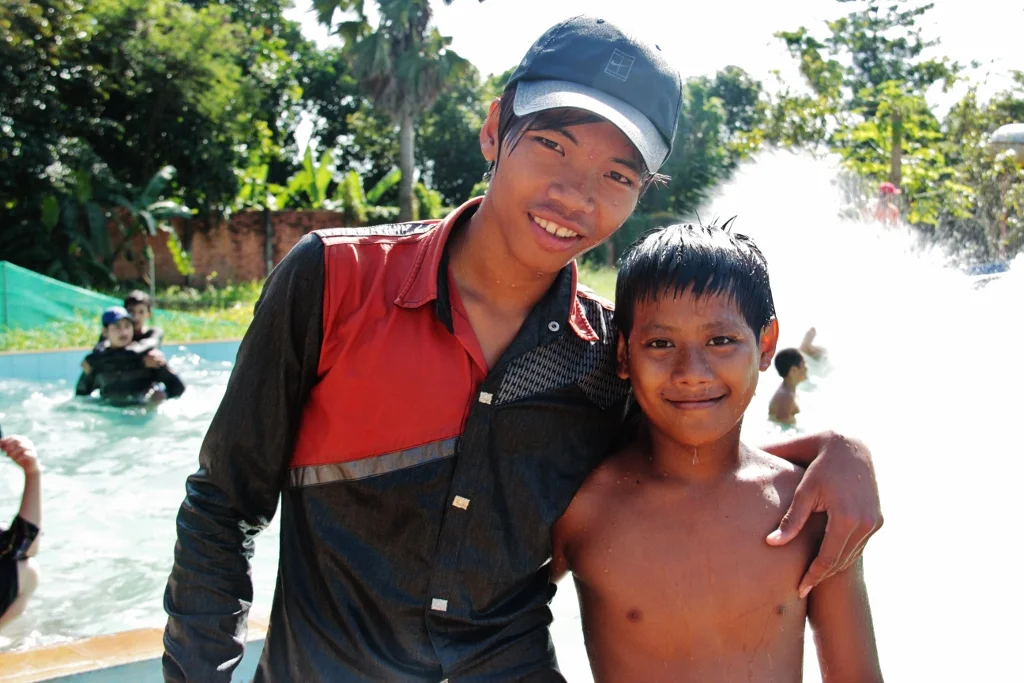
Phea and Virek swimming at a local water park.
As his little brother, Phea chose a boy named Virek who had sometimes accompanied him collecting rubbish to sell. Virek's father died years ago, and his mother is living with a terminal illness. In addition to being very poor, even compared to other families in the slum, her sickness casts a stigma over her and her children. They stay with Virek's grandmother just up the alley from where Phea lives.
Having faced rejection, Phea knew Virek needed encouragement. Just around the corner from Virek's home is an Internet cafe where some boys gather who have dropped out of school. They work the streets a few hours each day and spend what money they earn or steal on video games, alcohol, and other diversions.
Life is hard in the slum, but it's most dangerous when youth lose hope and stop trying.
Through Phea's friendship and support, Virek returned to school. Now he is studying in the eighth grade. Though it's uncomfortable for him to talk about the future, he thinks about becoming a teacher.
So who really connects with the poorest of the poor?
Foreign workers, volunteers, and organizations are almost always on the outside looking in. Even local organizations are located, funded, and led from outside the places where the poorest of the poor live.
Virek is sensitive and reserved. His emotions are hidden. He's vulnerable and knows it. His story comes out slowly in two or three word phrases. I can imagine a foreign worker or volunteer being drawn to Virek, trying to unearth his mysteries, and coaxing out a smile or two.
Phea knows what goes on behind the smile. He knows the hurt. He connects deeply with Virek because he is alongside of Virek in every way.
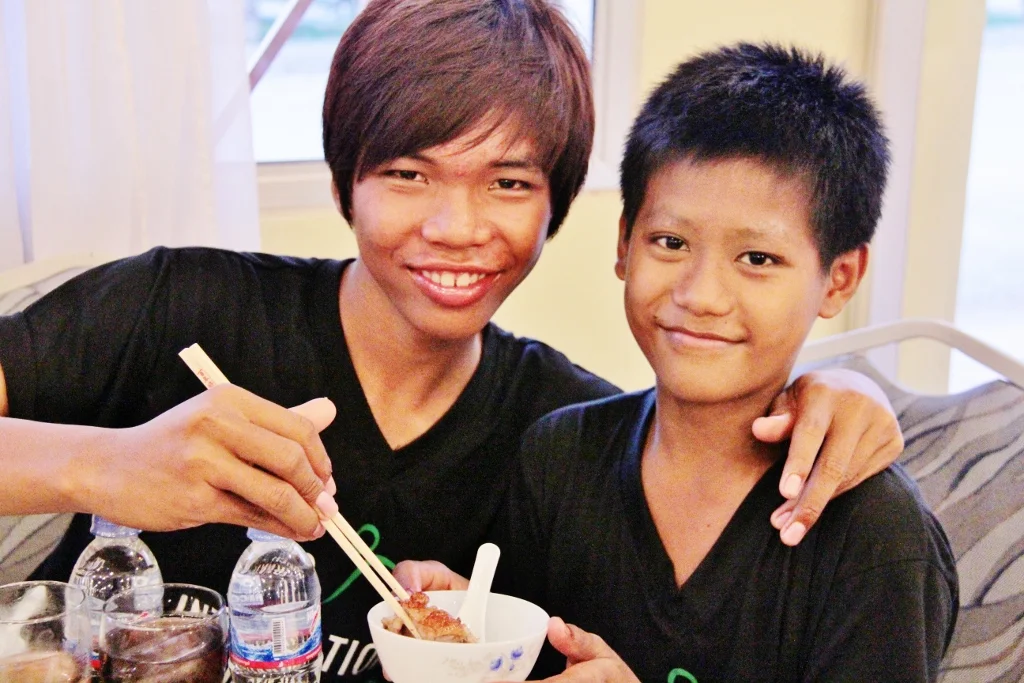
Phea and Virek enjoying a meal together.
Here at Alongsiders we say, "It takes a spider to repair it's own web."
The poorest of the poor are uniquely situated to connect with and support each other. They "get it" where others don't.
Sadly, there are divisions among the poor themselves: fault lines of mistrust, power, and fear. So the poor often feel alone and isolated even in their own communities.
Alongsider mentors like Phea are crossing those lines.
They connect with the poorest of the poor.
And they are not just connecting with their little brothers and sisters. They are connecting with families and building bridges of trust within their communities so that others can follow.
Six months in a slum – an intern’s perspective
In the days following her mother’s death, I remember longing to know how Dai, my 8 year old neighbor in this Phnom Penh slum, was doing.
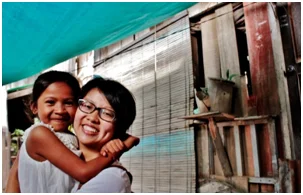
In the days following her mother’s death, I remember longing to know how Dai, my 8 year old neighbor in this Phnom Penh slum, was doing.
You can only imagine how I felt, when after the death, I heard a familiar voice cry my name, “Han-NA”!
Turning around quickly, I received the emphatic hug of a small friend, whose presence perhaps provided as much comfort to me as it might have provided to her.
When I think about Dai’s future, I cannot help but wish that someone would guide her in the coming years—someone who shares the language and background, someone committed to her in the difficult time ahead without a mother, someone who will point her to an ever-present hope in God.
Dai is one of a significant number of children, in my community alone, that could use such a person in their life... someone to walk alongside.
As children face the brunt of neglect and injustice in most of the world, the Church is called to respond. Perhaps then, rather than fighting the wrong battles, the Church can be the kind of people who live like Jesus, in coming alongside the forgotten— communicating to the world, thus, that the ones the world has rejected… are loved, valuable, and absolutely worthwhile.
I am still not quite sure how I got connected with Alongsiders exactly, but the connection was a God-send, undoubtedly. My deep-seated desire to see local churches actively engaging in the reconciliation and redemption of lives in their community, particularly through discipleship and education, is exactly what I found happening in Cambodia, through Alongsiders.
As a fourth year student at Wheaton College, Illinois, getting to be a part of what is happening in Cambodia through a six-month internship, is an absolute privilege. These crucial six months are an opportunity to glimpse of what God is doing in the world, in the heart of marginalized communities, and a time to experience the difficult tension between the “Developed” and “Developing” Worlds.
The experience provides a platform to
question, what it means to live, responsibly, as a Christian in a divided
world, and further, to think through principles that I will carry with me for the
rest of my life.
Every so often, one gets the opportunity to witness something in life that
makes the heart come alive, that is so obviously steeped in God’s presence that
it brings us to our knees, that is so extraordinary that it can only be the
Kingdom of God.
Within the last two months in Cambodia, I have experienced a few of these moments, in places, perhaps, least expected. Some of these have been with my Cambodian family in our urban slum—moments of deep grace when I had nothing to offer, but a throbbing head, a lingering fever, and a few Khmer words.
I have also had the privilege to bear witness to an extraordinary group of local young people committed to the life of one vulnerable child each, at the epicenter of the system’s injustices.
I have been able to see a Church alive and active, in the discipleship of their community’s at-risk children.
Quite frankly, the Life—in every sense of the word— that is being shared, is nothing short of remarkable.
It is that Life that I wish for my friend, Dai
[Written by Hanna Tzou, currently interning with Alongsiders in Cambodia. Contact us for more information about internship opportunities in 2014.]