
The gift of Christmas you'll want to bring with you into the New Year
The inspiring story of one who was overlooked.
Most of us make a quick switch between Christmas and New Year's Day. From celebrating God's invasion of our world as a baby, we turn to making New Year's plans and resolutions. It's not that there's anything wrong with deciding to exercise, eat better, and pay off the bills. But as we pack away the lights and think about what's next, let's take care not put away God's own gift for us.
In a minute, I want to tell you a short story about an Alongsider and her little sister that will shine a fresh light on the gospel of Christmas.
First, let's think about Christmas in a down-to-earth way.
God was born as a human child in a dark corner of the Roman Empire, in a dirty stable, and his first recorded visitors were not kings or priests, but shepherds and foreign astrologers. Then, threatened with murder by a violent man, the child and his family fled to Egypt, where they were refugees.
What a God-among-men was supposed to look like
No God (or god) in the history of religion ever became human, or even appeared to be human, in this way: helpless, victimized, poor, and disgraced. The gospel of Christmas is not just that God was born as a human, but how God was born among us.
In the words of one of the first Christian hymns, "He made himself nothing" (Phil. 2:7). God identified with the least, the rejected ones, and the victims of human scapegoating and violence. God didn't just identify with "us sinners" - God actually became one of our rejected and outcast victims.
Now read this story from Jesus' perspective.
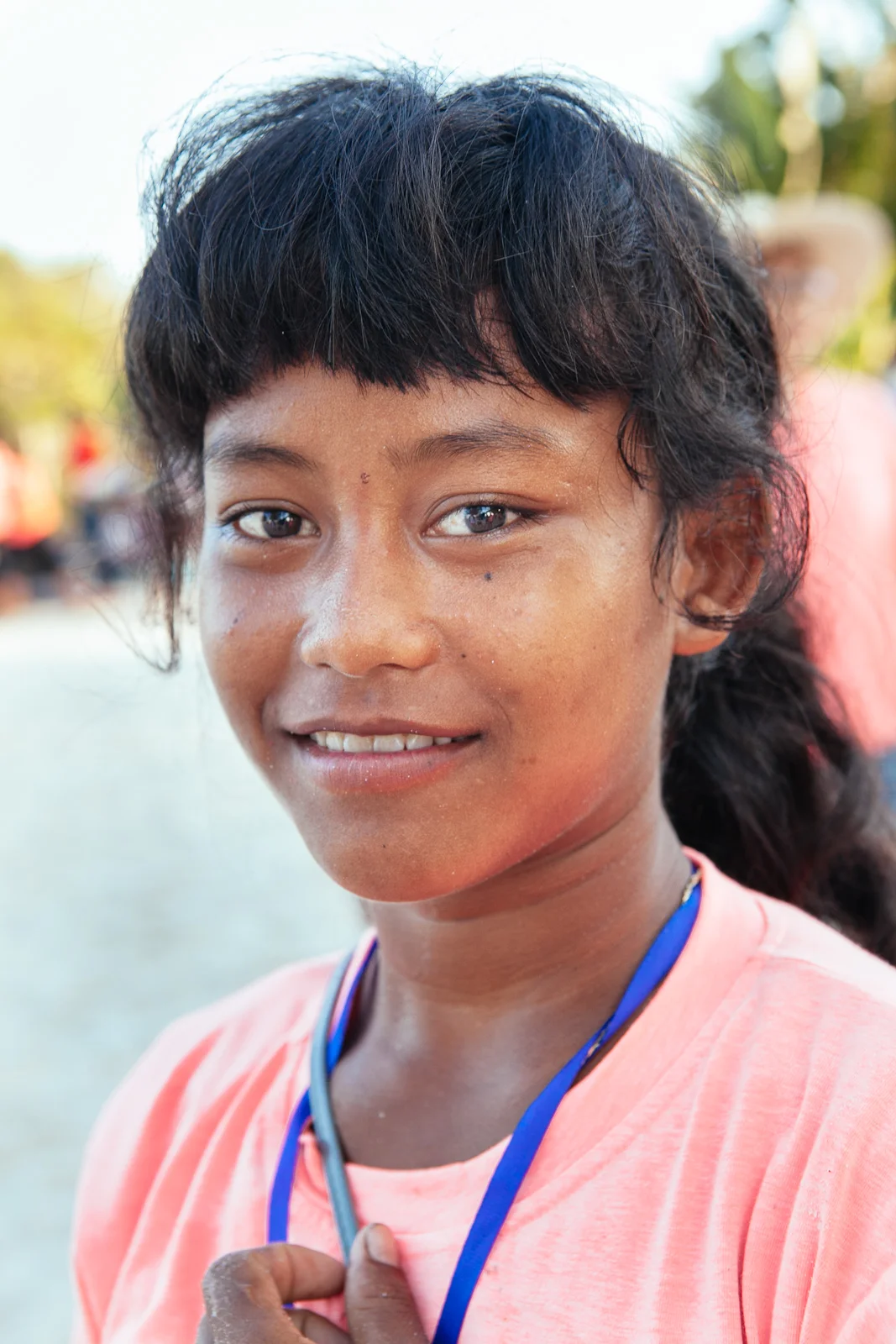
Soklei is from a rural village in Cambodia that you won't find on the map. Her family, it's said, doesn't have much care or love for each other. Maybe that's true, or maybe her father is under too much stress to show it. He makes a living gathering wood in the forest, cutting and bundling the pieces, and selling it as kindling. Since his wife passed away, he has been raising Soklei on his own. They're among the poorest in the village. One of Soklei's siblings is in prison; another works as a housekeeper in Phnom Penh and sometimes sends money.
Though she's fifteen years old, Soklei is just now starting the fifth grade. It's not uncommon for students to fall behind when family life is disrupted, like when a parent dies, but there's another issue in this case. It's not immediately obvious, but Soklei has a mental disability. "She's slow," is the common explanation.
Even in a poor community, those who are "poorest" (economically and in other perceived ways) are rejected. Soklei has a history of being left out and left behind. When the local church formed a group of Alongsiders, the pattern seemed to repeat itself. None of the church youth who became Alongsiders wanted Soklei as a little sister.
It's always a risk choosing to walk alongside a little brother or sister who the community already looks down on. You may come under the same judgement. Plus, tying yourself to someone "slow" might slow you down and make it difficult to reach your own goals. You may even be rejected as well.
Every Alongsider is still growing and maturing. Fortunately, when the Alongsiders group leader, Chantan, saw that Soklei had been passed over, she chose Soklei for herself. She saw something the others had missed.
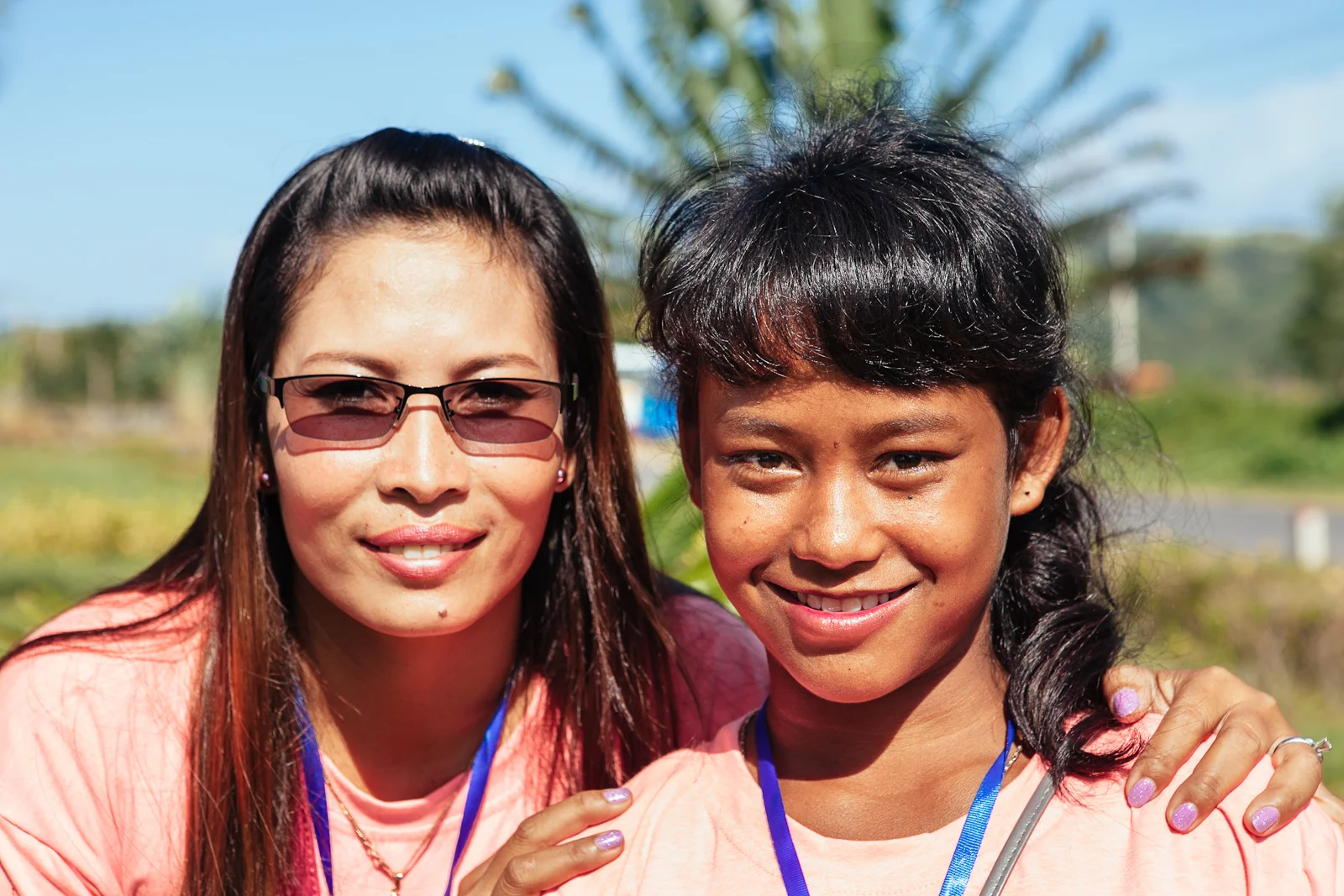
At the Alongsiders camp this year, Soklei, sitting beside Chantan, said she didn't feel alone like she did last year. Chantan was smiling, too. She didn't just "do a good thing." She took a risk, and there are costs as a result, but it's changing both of their lives.
In becoming human, God tied himself to us. Slowed down for us. He was disgraced, rejected, and victimized alongside us - and by us.
The good news is that God knows us full well as we are, both our weakness and our violence. Jesus didn't come only to set right our relationships with God. In absorbing our worst and yet forgiving us, he created an opening for us to change the way we relate as humans together: by forgiving and restoring one another.
We can go through that opening now.
When we love and care for our neighbors who are at the ends of their ropes, and cast aside, we get to know Jesus and what he is about.
Jesus said as much in Matthew 25:31-46: those of us who welcome and care for the least (the poor, the outsiders, the disgraced and rejected ones) will know him and be known by him.
Chantan gets it. Please pray for Chantan and Soklei and others like them in the Alongsiders movement, in Cambodia and in a growing list of countries. As you remember them, remember to take this gospel with you into the coming year and act on it.

There is someone who is "least" or "rejected" or "scapegoated" who God has placed as a gift before each of us, probably not far away. He or she could show us who God is and teach us what it means to be human with one another.
Will you open that gift? If you have someone in mind, why not put on your shoes or pick up your phone and take a step right now?
How the parents of this "little sister" came to faith
Saron says, "I saw her situation..."
“I saw her situation, and she was the same as me.”
Minea is thirteen years old. She has a gentle smile and doesn't shy away from my questions. Looking into her eyes, nothing appears to be seriously wrong with them. One eye is too red, that's all. Years ago her little sister was playing with a knife. She threw it, and Minea has only seen from her good eye since then.
Minea's family has often been a place of turmoil and violence. That's why it's so exciting that things are beginning to change...
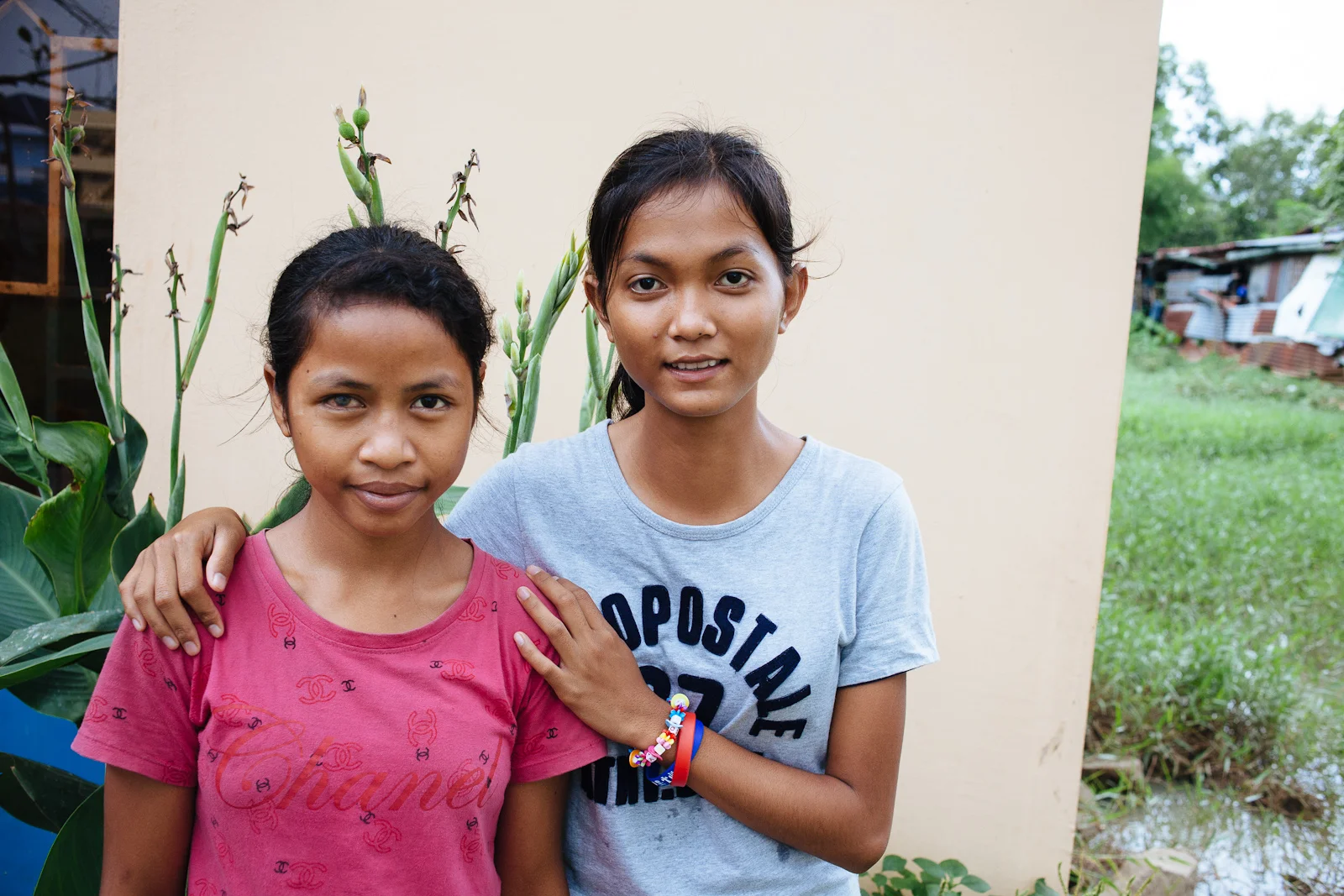
Saron is eighteen. She asked Minea to be her little sister just over a year ago. They were neighbors at the time, but then Minea's family moved to a new home thirty minutes outside the city. It's hard for Saron to go there, because she doesn't feel safe traveling that far alone, but she visits Minea as often as she can.
Usually they read the latest Alongsiders comic and talk about it. Minea says it helps her to learn more about Jesus, and she likes the practical lessons. She feels stronger now than she did a year ago and more aware of Jesus' love. In the future she hopes to work in a bank.
Saron says she chose Minea because, "I saw her situation, and she was the same as me."
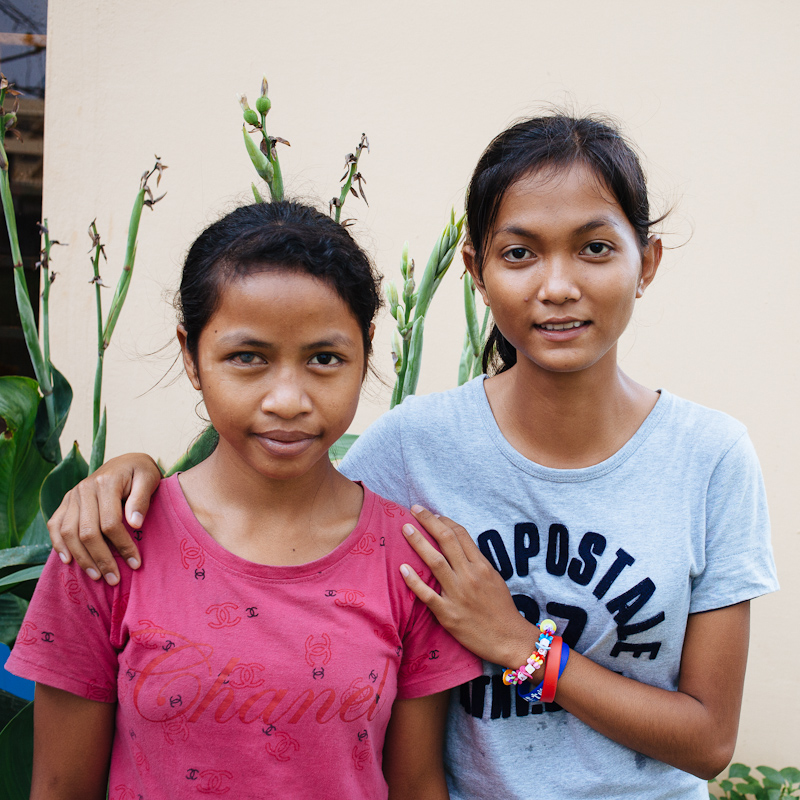
It's a common thing for Alongsiders to say, and it's a powerful statement. Think about it. There are tens of thousands of vulnerable children in Cambodia, and each one is different. Every child has a unique story and individual challenges, and they live in thousands of local communities. How can we help them personally, wholistically and effectively?
That's a lot to hope for. There are some good organizations making a difference, but they can't work face-to-face with hundreds or thousands of children. But Alongsiders can, because Alongsiders live in the same local communities that the most vulnerable children call home - and most Alongsiders have faced similar challenges and vulnerabilities.
You may be asking, why did Saron identify with Minea?
Saron saw that Minea's parents were constantly fighting, hurling abuse at each other and also at Minea and her siblings. That's the same situation Saron grew up in, so she knew what Minea was enduring and wanted to walk through it with her.
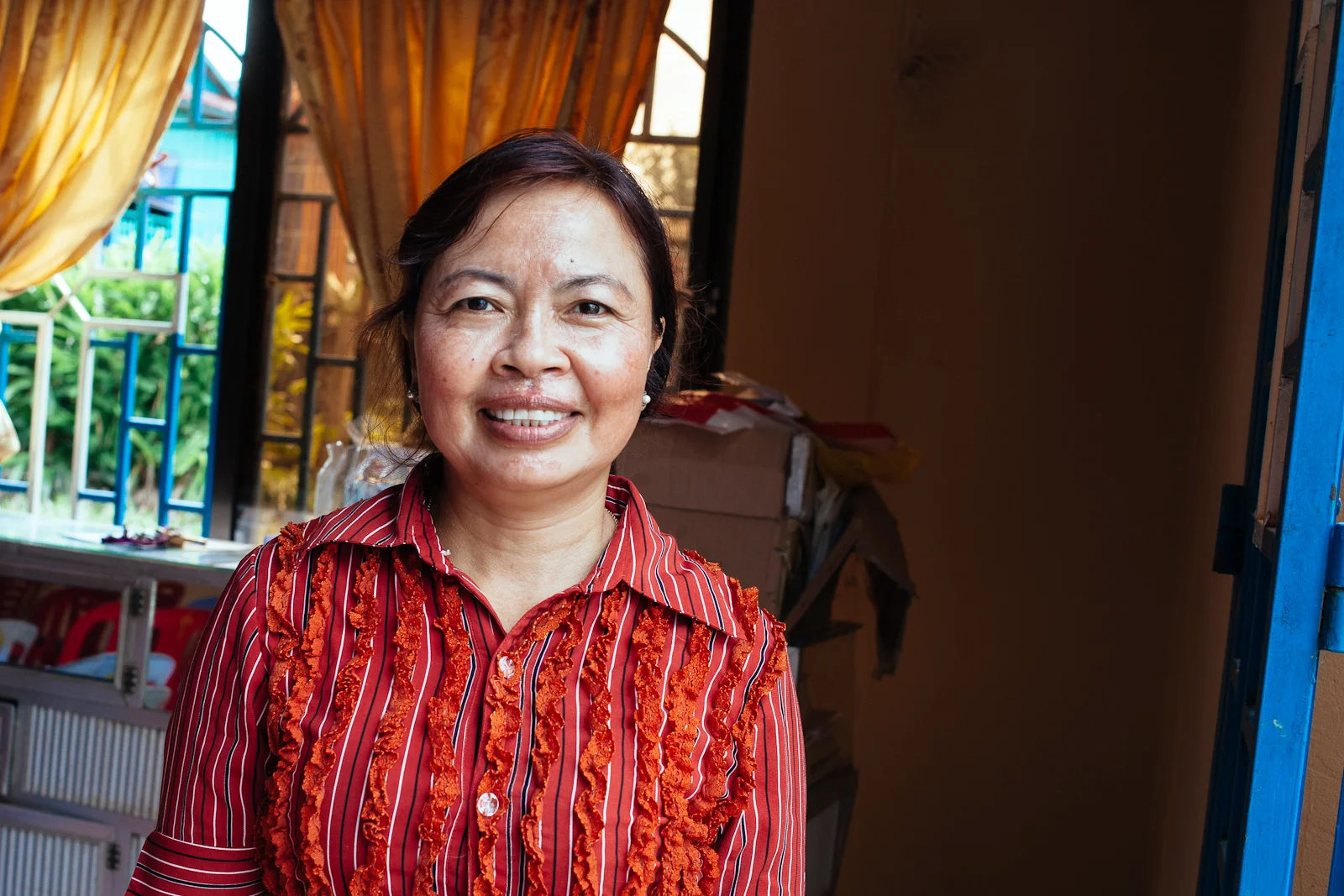
Saron's pastor is a gifted and compassionate leader
And here is the good news: Minea's parents have been changing. This year they came to faith in Jesus. In the past few months, they have been fighting less and less, and they treat Minea much better than before.
This isn't something Saron brought about alone. Members of the church had begun reaching out to Minea's parents before Saron ever became an Alongsider. In fact, Saron's pastor was the one who suggested that Saron consider asking Minea to be her little sister.For the past few months, Saron has been able to visit Minea by catching rides with her pastor - who has been going faithfully to visit the family.
Change and healing come through relationships. When a church community - and a family and neighbors and an Alongsider - come together in love, the results can be transforming!
Of course, some situations resist change.
On the day I met Saron, she had received the results of her high school final examination earlier that morning. The high school exam is extremely important, and she had passed! It's a big deal, so I congratulated her, but she was sad. Her grade was low, and she was afraid to go home and face her parents. They haven't come to faith, and her home is still an angry and abusive environment.
Saron hopes her passing grade will be enough to qualify her for a government sponsored nurse training program that educates tens of thousands of young Cambodian women each year.
I'm sure she would welcome your prayers, and Minea as well.
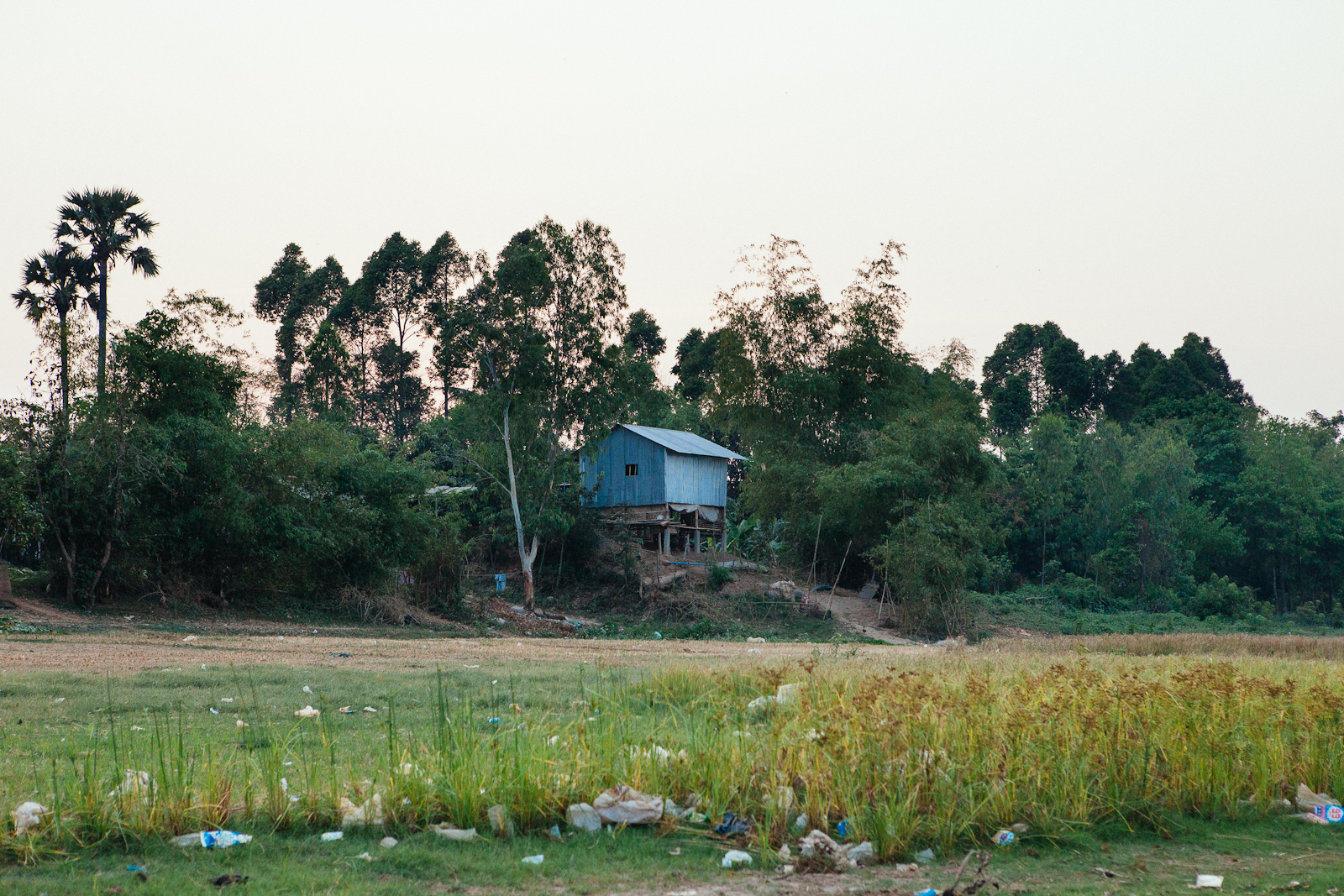
Why work with local churches?
I went to a rural church to follow-up with a group of Alongsiders, and I asked them how they chose their little brothers and sisters from all the children in the community. One of the young women started to cry as she answered...
I went to a rural church to follow-up with a group of Alongsiders, and I asked them how they chose their little brothers and sisters out of all the children in the community. One of the young women started to cry as she answered, and she said:
“I saw that one of the families in our community was suffering. The mother died, and the father went to Thailand to work and save money. Now the grandmother is raising all six children. I really wanted to help them, but I didn’t know what to do. After I heard about Alongsiders, I went and talked to the grandmother. I told her that I wanted to choose one of the girls to be my little sister, and she immediately said, ‘Yes!’”
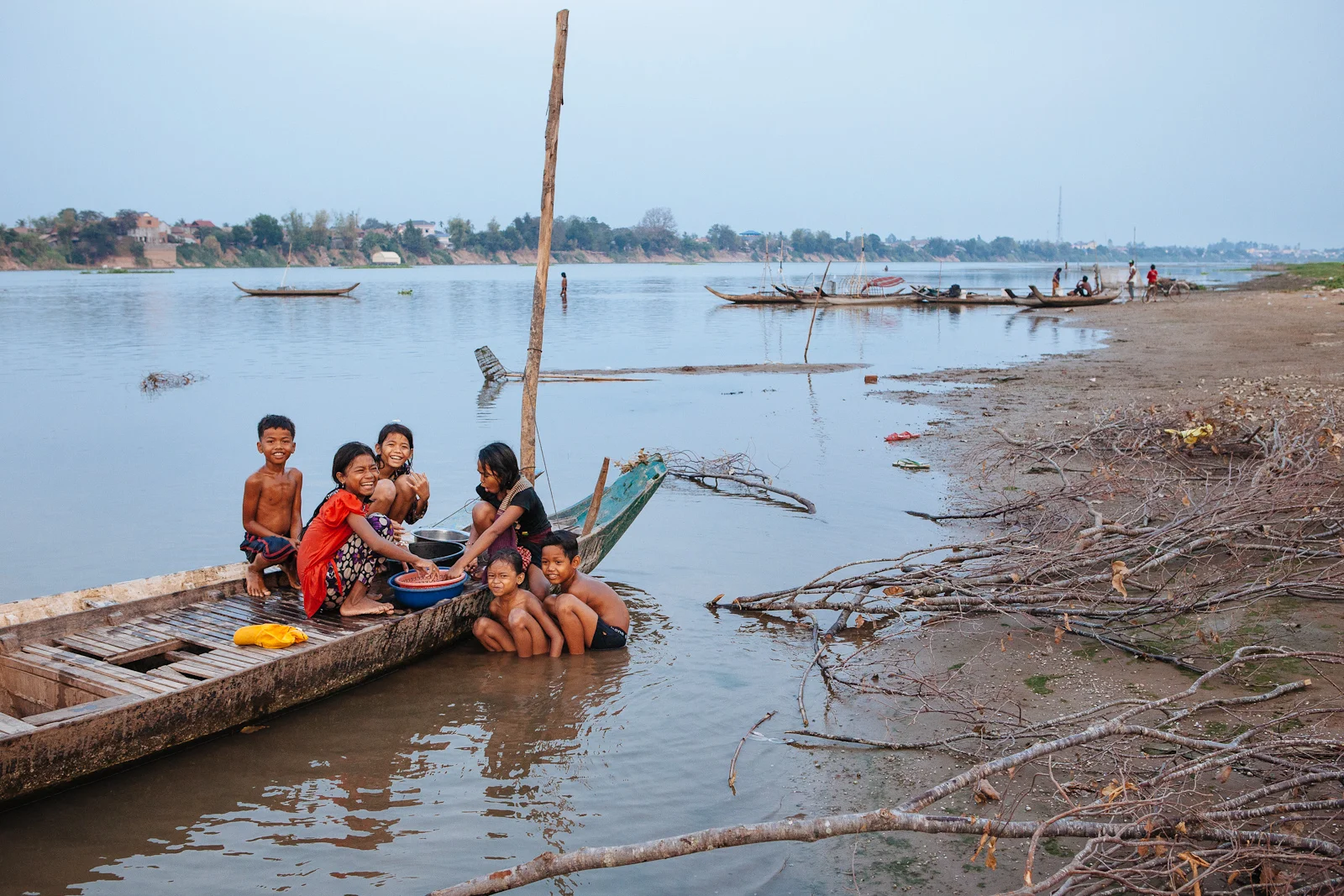
Community children in a riverside village play and do chores at dusk.
Phearom relates this story. He's one of the national coordinators for Alongsiders Cambodia, and he's constantly networking with pastors and visiting churches to invite the youth to join the movement.
His story is an illustration of why we work with local churches.
The young woman had a heart of compassion, and she was already connected in her own village and aware of people in need there. She was poised to act, but she was waiting for an opening.
There are others like her, and there are many, many remote villages in Cambodia. How can an organization based in the capital reach and mobilize them?
The answer that makes the most sense, especially for a Christian organization, is to work through local churches. Local churches are already in place in hundreds of remote villages, and their members already have relationships and local knowledge that organizations coming from outside dream of having. And the local churches come with leaders and structures included.
They are resources hidden in plain site, often overlooked because they are - like their communities - small and seemingly isolated.
Local churches aren't just gateways to villages, they provide critical backup for the Alongsiders. The little brothers and sisters don't just get the support and attention of one person, but they gain access to a community with varied gifts, wisdom, and resources.
When we work with a local church, the local church benefits.
Local churches are people, the Body of Christ with faces and names. Partnering with Alongsiders helps them practice evangelism in the truest sense: by embodying and proclaiming good news for people who are struggling and alone in their own communities.
Alongsiders is also discipleship in action, starting with the youth and young adults who participate (who are the majority in their churches). The young woman in the story above just needed encouragement to do something. As regular people like her take risks in faith and love, they will grow in Christ - and local churches will grow in healthy ways.
Finally, the communities benefit. Strengthening ties, building trust, and helping local people to face local problems together are all good development practices. Local churches can play a key role in serving their whole communities.
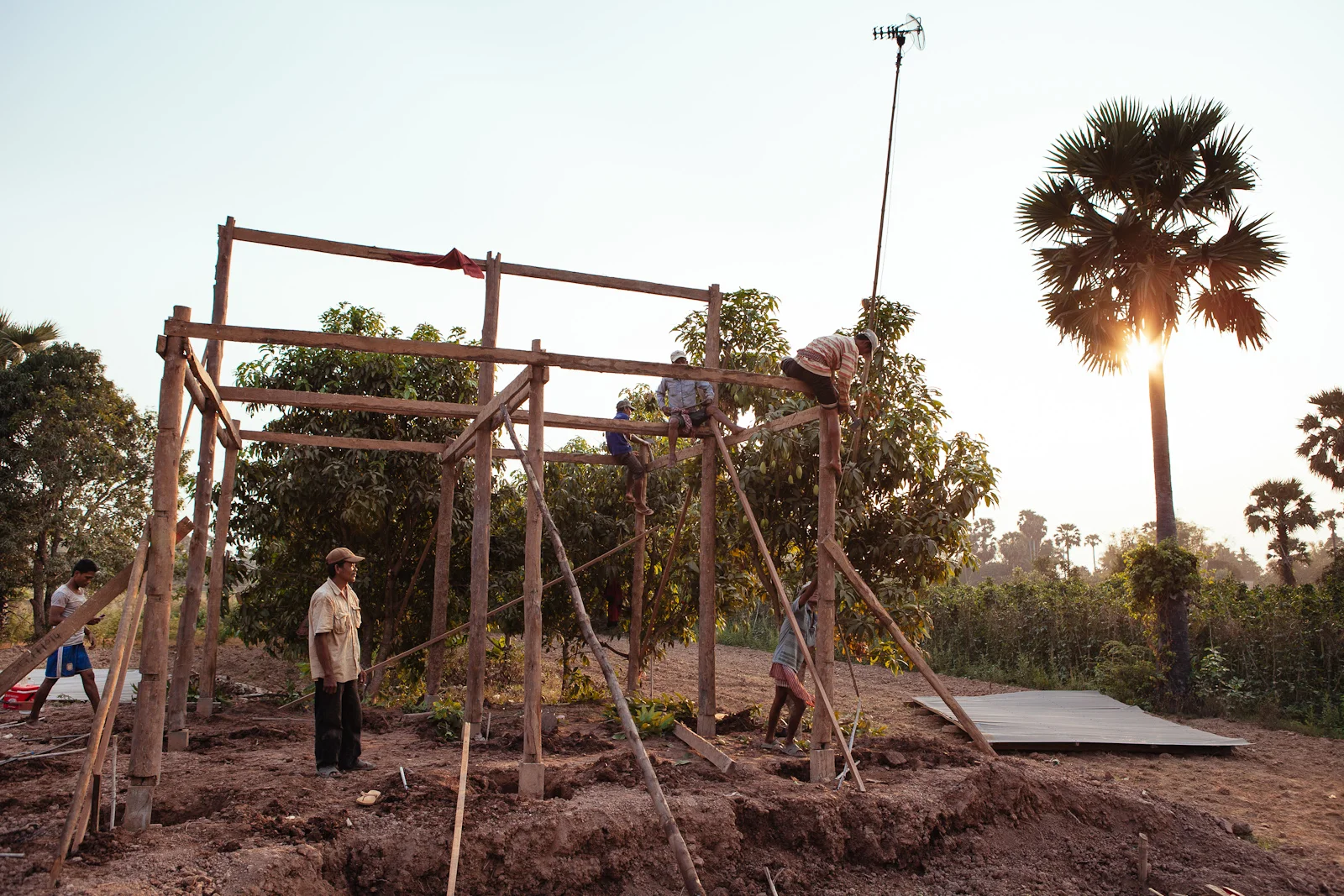
Local men in a remote village work together to build a simple house.
Despite all of the big words, what Alongsiders actually do for their little brothers and sisters is simple, and simply transforming.
And...you can do it, too.
Does your Christian community divide evangelism, discipleship, justice, and compassion into separate categories? Neglect one or more of them? Or put them off by calling them specialized roles?
Put them all together in love by coming alongside someone isolated and in need of a friend or mentor. You can be a light at the margins of your community, and no need to go alone. Invite others to join in!
There are also challenges in working with local churches. That sticky topic will be addressed in the next post!
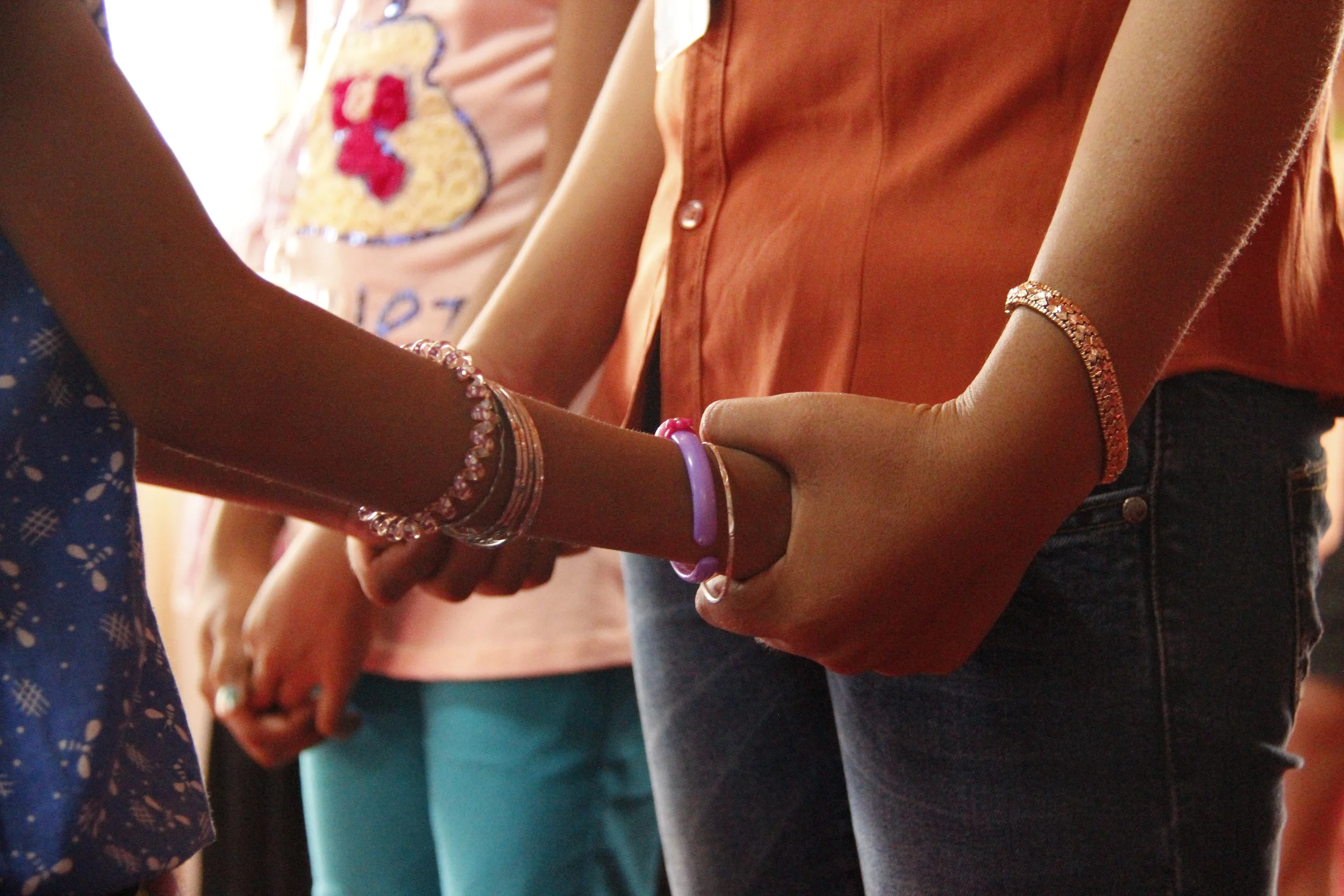
The gospel expressed in love looks like this
What happens when an Alongsider mentor begins to live out the gospel?
Lijieng is twelve years old, a daughter of farmers in Kampong Chhnang province, two hours drive from Phnom Penh. Recently her entire family came to faith in Jesus.
That is not typical in rural Cambodia, where villages are steeped in the culture of Buddhism and indigenous beliefs about spirits and nature. And farmers, who don't want to upset the delicate balance of things - nature, community relationships, and religious traditions - are the most conservative about change.
"What happened?" is a fair question.
Chanoo came to faith in Jesus herself three years ago, and she recently became an Alongsider mentor. She looked around in her immediate area and chose her neighbor, Lijieng, to be her little sister.
Lijieng's parents recognized their daughter's need and gave their approval. They both work many hours a day, and they rely on Lijieng to cook and care for her two year-old sister and handle numerous other chores. Lijieng needed the support.
Chanoo has been a Christian long enough to be familiar with the call to share her faith with others. But Alongsiders didn't send her out with any evangelism program or method, just an admonition to love and encourage her little sister.
Here's what she says.
“I see Lijieng every day. Sometimes I help her with school work. I want her to learn and to eventually have a good job.”
Such a simple summary may not sound spiritual, but it goes to the heart of Lijieng's undeniable needs. She explains herself in similar fashion, "I have hope for the future, because I want to be educated."
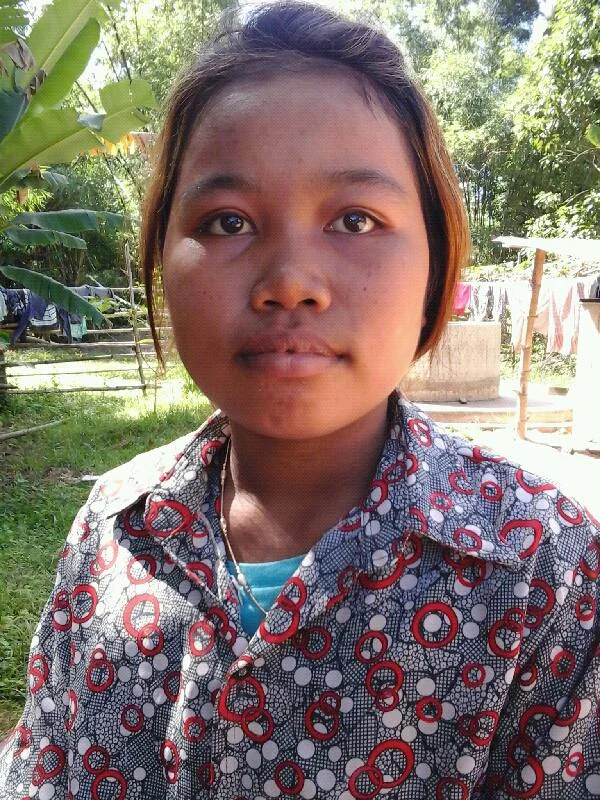
Alongsider mentor: Meth Chanoo
Lijieng's parents saw how Chanoo related with their daughter, and they watched how Lijieng responded. Another neighbor had previously come to faith, and they listened to her testimony as well. And somewhere on the way, between these relationships and visiting the local church, they came to faith along with their daughter.
No grand strategy was realized; this was just faith working itself out in love.
Chanoo felt happy for them, and it encouraged her. "I have to be ready," she says, "and confident about what I believe." She started by putting her faith in action, and now she is more willing and able to express her faith in words.
This is an essential part of what Alongsiders is about: the gospel expressed in love, shared between neighbors, starting with vulnerable children and impacting families and communities.