
It would be so easy to use money to solve this problem, but we won't. Here's why.
We want to be very clear about how God has called us to serve.
Sometimes all it takes to solve a problem, with the possibility of changing a child's life, is just a little bit of money. If you've got it, why not give it?
But we want to be very clear about how God has called us to serve, as a discipleship movement. And not try to be all things to all people - or to try to solve every problem that a community faces. This is why we need the wider body of Christ.
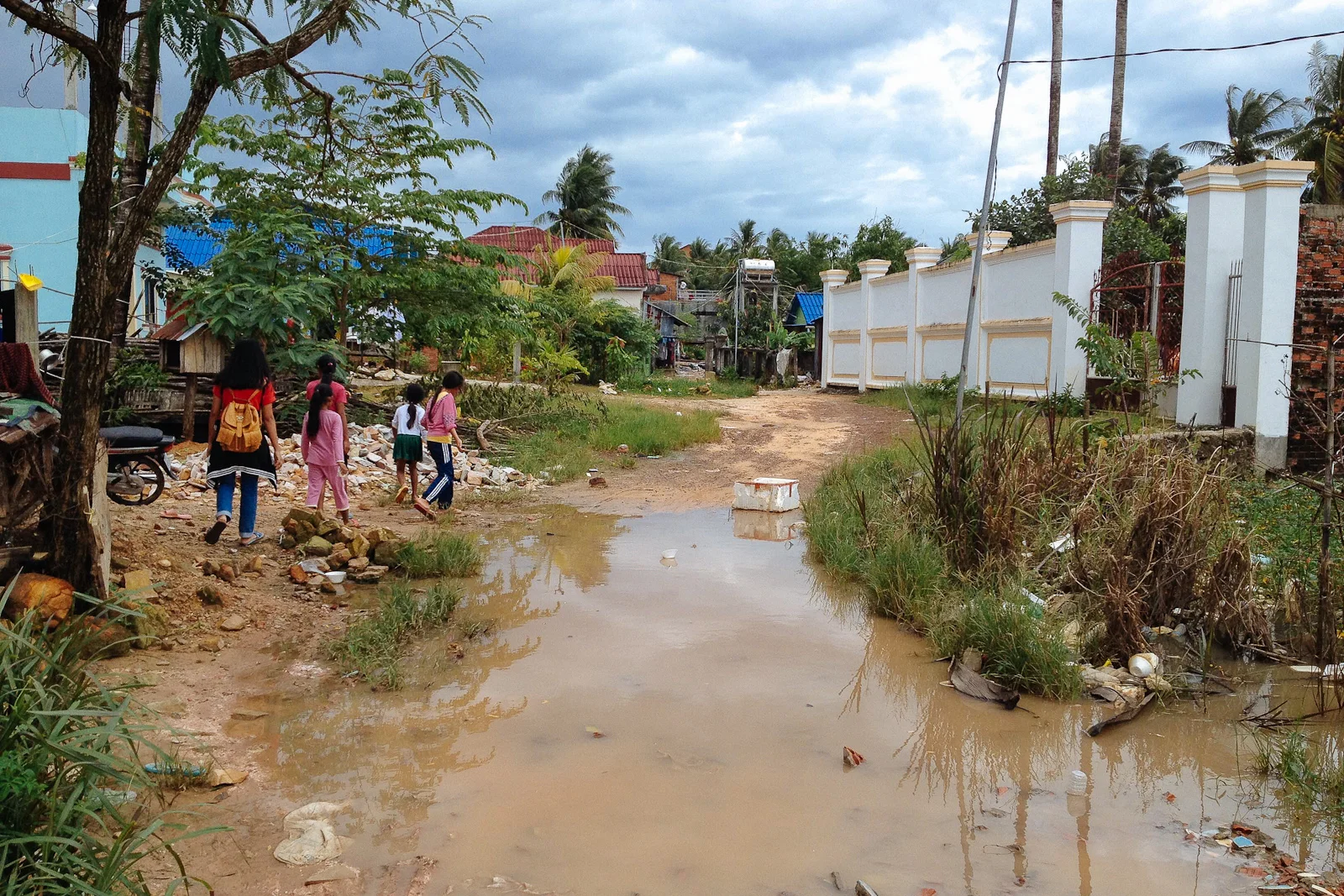
Not long ago, I was following a small group of Alongsiders and their little sisters on the backroads of a popular tourist city here in Cambodia. We walked along a dirt road, dodging sections flooded by a flurry of rain, and we came to a community of the working poor.
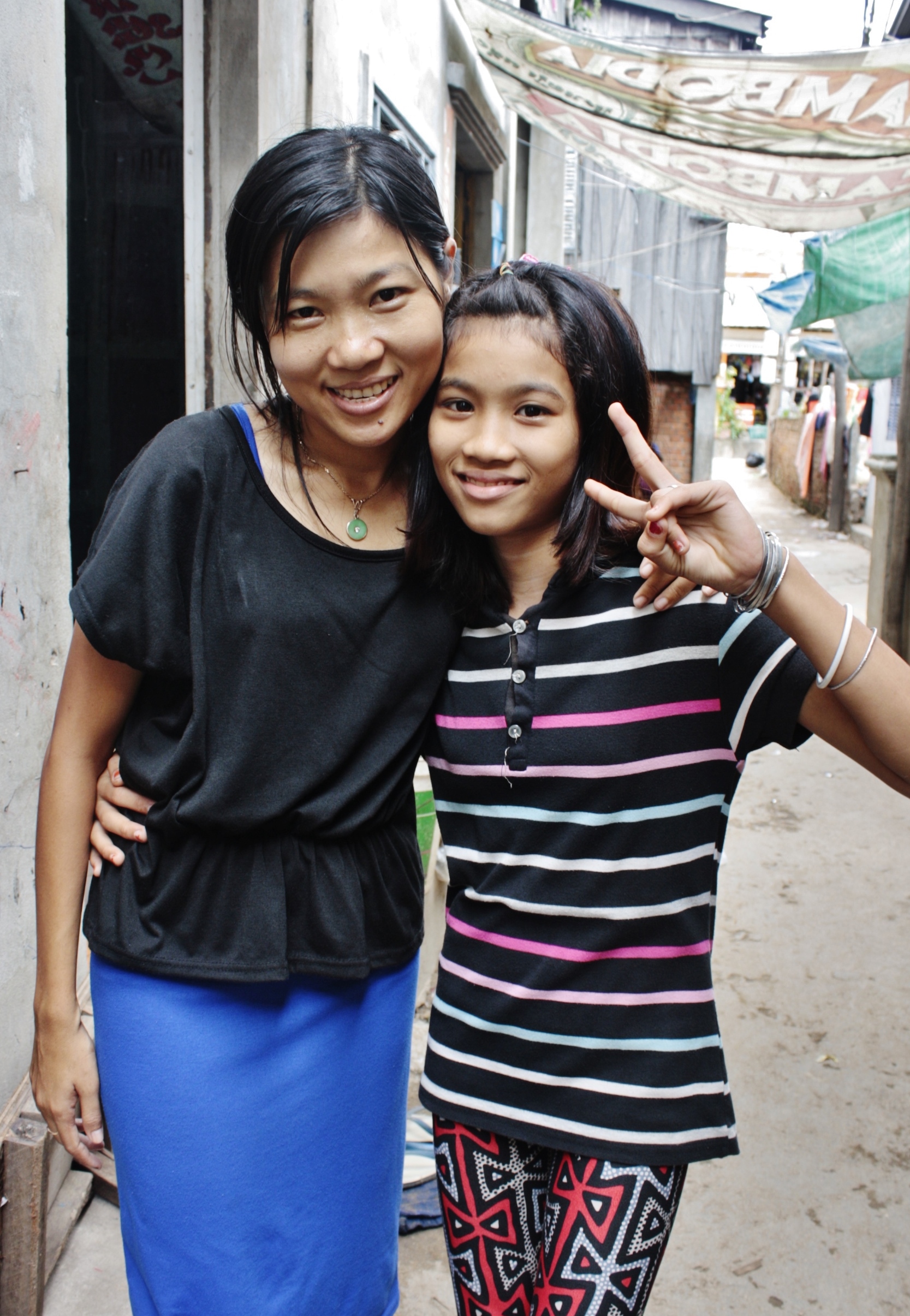
The group stopped and two little sisters pointed out the places where they live. One of the girls, Bourmey (13), beckoned me to her home a few feet off the road and introduced me to her grandmother, who was sitting outside. Theary (19), who is Bourmey's Alongsider, then took a moment to tell me Bourmey's story...
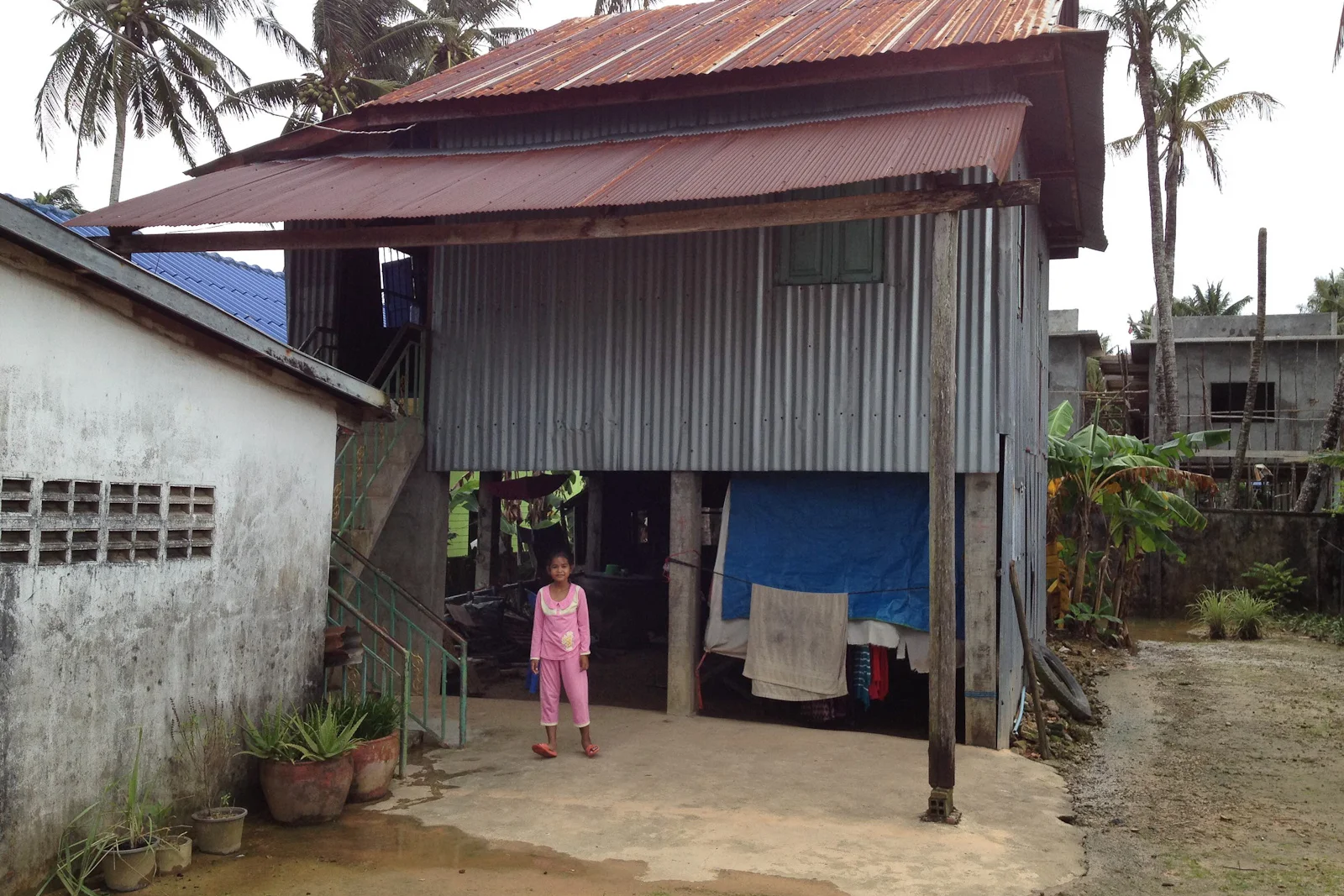
Bourmey standing in front of her house
Bourmey lives with her mother, grandmother, and two sisters. Her father divorced her mother and left the family three years ago, when Bourmey was ten. Bourmey's mother works at a hotel where she earns about $150 per month. Her older sister is also working, but her ailing grandmother can't work anymore. The five of them live on less than $2 per day each. That amount might be sufficient for rice farmers in the countryside, but they live in an urban tourist center with a higher cost of living and no way to raise their own food.
Theary finished by stating, matter-of-factly, that soon Bourmey will have to drop out of school. The family simply can't afford the cost, and they would like her to go to work somehow.
So there it was, the unspoken question: Can Alongsiders (as an organization) help Bourmey?
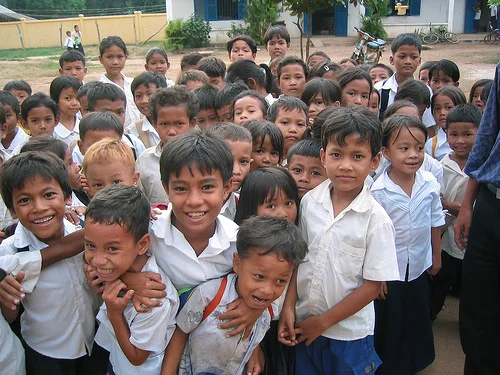
This photo of Cambodian school children was posted online with a request for $10 donations to a respected organization in order to "send a child to school."
It wouldn't take much to make a difference, just a few dollars (or a few kilograms of rice) every month to take the pressure off the family. That's all it would take for Bourmey to stay in school and on track for a better life. If only it were that simple.
In the Alongsiders movement, many little brothers and sisters are among the poorest of the poor economically. Many of their lives seem to hang in the balance for lack of a few dollars a month. I've written here on the blog about Piya who is ashamed to attend school because she can't afford a uniform, and more recently about Saron, a compassionate Alongsider who feels like her future is in jeopardy if she can't get into a free nurse training program.
Surely we could raise money for children and Alongsiders in need, and many people would gladly contribute. Why not?
Here are three important reasons we have decided not to use funds in this way:
1. The most important reason that we are cautious about bringing in outside funds is that many young people who serve as Alongsiders would no longer see any need to give from their own, seemingly meager, resources to support their little brothers and sisters. They would lose the opportunity to be generous and part of the solution, not to mention the chance to grow in faith (hint: think about what Jesus did with 5 barley loaves and 2 small fish). Generosity is an important aspect of discipleship that we want to nurture - but outside funds usually overpower rather than empower.
2. Future Alongsiders would be under pressure to pick relatives and friends as their little brothers and sisters, rather than being motivated primarily by love and choosing the most vulnerable children. It's simply expected, when you come from a family that is struggling with poverty themselves, that you share lucrative connections and opportunities with family and friends first.
3. The majority of little brothers and sisters come from very poor families, so many of them have clear and pressing needs. Once the word got out that Alongsiders was helping financially, the Alongsiders staff would be flooded with requests. And if requests were not met, or if some families received more than others, there would be jealousy and anger. To meet the requests fairly, each situation would have to be investigated, analyzed, and administrated. Soon Alongsiders as an organization would be running a centralized program based on distributing money. It would no longer be a grassroots discipleship movement with nearly unlimited growth potential.
It's not hard to read the list above and agree with the reasoning in principle. Though the Alongsiders movement is having a widespread impact, it should still be clear that Alongsiders is not a "magic bullet" that solves every problem under the sun. We don't drill wells where there is a lack of water. We don't build houses or schools or factories. And we don't give school fees. There are many good NGO's who do those things - and together we make up the body of Christ.
Still, it's another thing to face Bourmey knowing that the organization could help financially, but it won't.
But understand the story doesn't end there. We must give credit for what people even in hard circumstances can do to help each other. And we need to have faith.
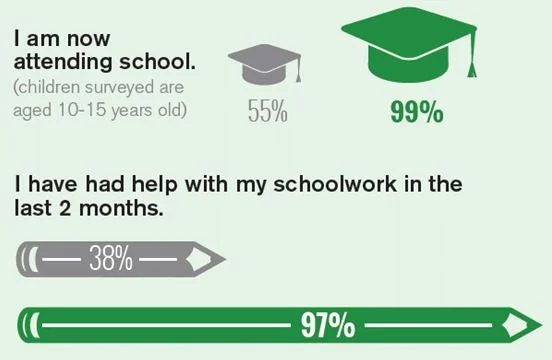
In 2013, Alongsiders International worked with an independent research team to measure the impact that Cambodian Alongsiders were having in the lives of their little brothers and sisters.
One of the most surprising findings was that 99 percent of the little brothers and sisters reported they were attending school. That was much higher than the percentage of their peers in the same communities attending school. It shows the power of the relationships that Alongsiders have with their little brothers and sisters and their families.
Alongsiders is an exciting, growing movement that empowers people at the margins. It is raising up disciples of Jesus who act in love and faith. And they are making a significant impact on hundreds of children and families in Cambodia - and now in other countries, too.
Can you see why we would want to protect this movement by not getting into the money distrubution and management business? (For the record, there ARE admirable organizations working with Cambodian families and providing school uniforms and other subsidies to help keep children in school. The intent here is not to say we should never give money.)
It may seem unsatisfying to not know how Bourmey's story will end. Often blog posts like this one finish on a happy note. Know this: Bourmey is well loved and her story is far from over.
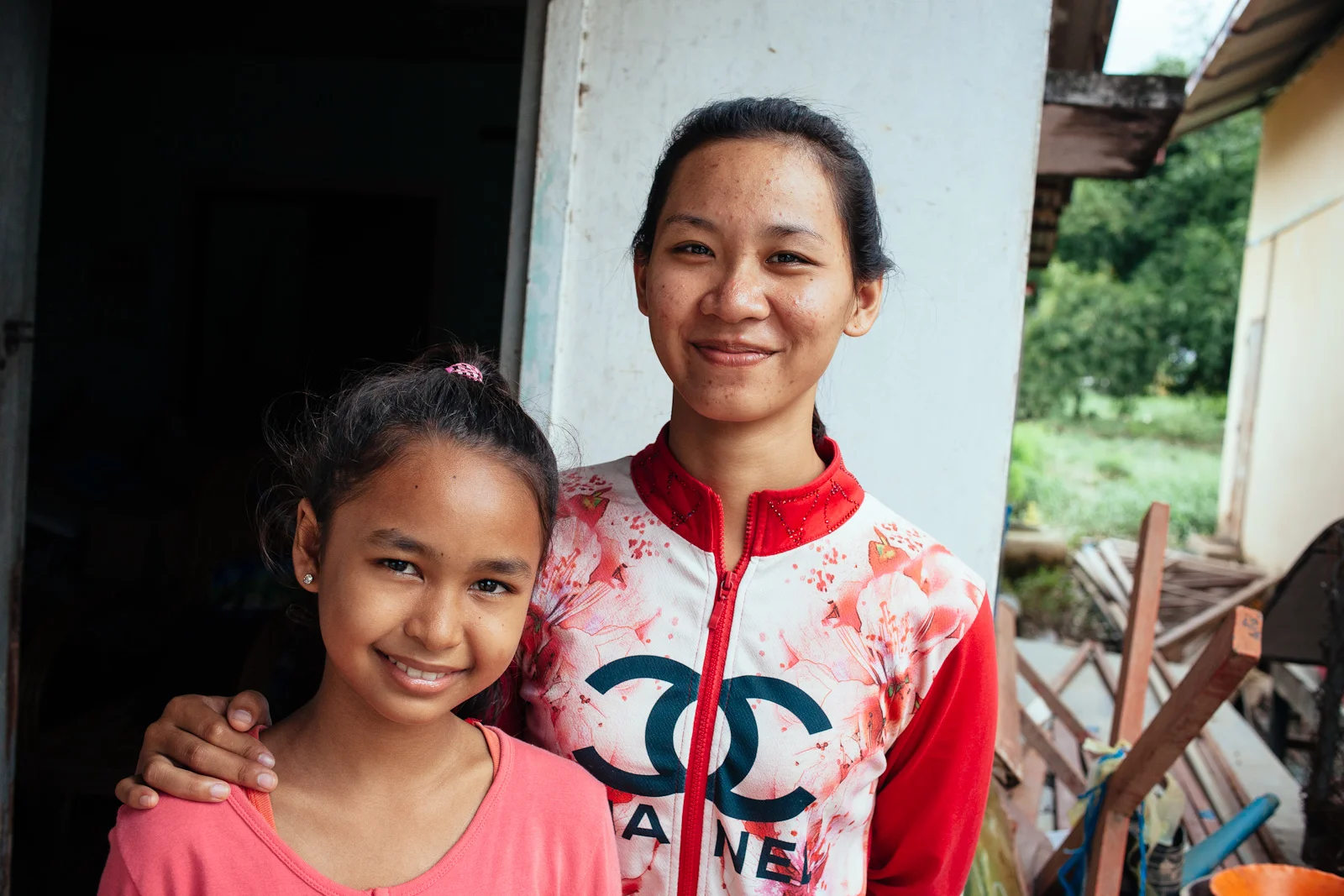
Theary and Bourmey
I want to end with a final word about money and how it's given.
It's been said here before that many Alongsiders use their own money to help support their little brothers and sisters in amazing acts of faith and generosity. We have MUCH to learn from them. As I was writing this post, I heard the following story, and I want to finish with it.
Phearom is one of the coordinators of Alongsiders Cambodia, and he is an Alongsider himself. When I asked about giving money to others, he used himself as an example. I know he earns a modest salary, and I know most of it goes to support his parents and siblings. But he started by simply saying he never gives money to anyone unless he has a relationship with the person first. I wish that more organizations and ministries could say the same. Then he gave this example:
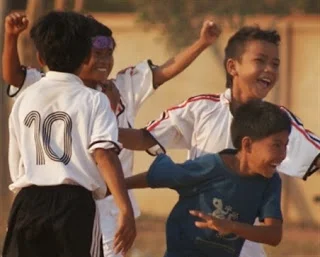
My little brother joined a soccer team and so he wanted to get a soccer uniform, but he didn't have enough money. I said that I would help him buy a uniform, but first he had to go to school, study hard, and rise to number one in his class. He has been going to school every day, and he has been studying hard. It's been nearly a year already, and he is almost number one in his class. I think he'll get the uniform soon.
As you think about this very simple story, ask yourself: How much money is he talking about, and is it "a lot" or "a little"? What will be the results of giving it? What is his sense of urgency? What can you learn from this?
4 lessons about vulnerability from an unlikely source
A disabled girl and her struggle for education teaches us some important lessons about vulnerability.
Sreymao pressed forward. Step-by-step. Hardly stopping to rest. The road stretched out ahead, full of challenges: hard clay ridges and rain-slickened ruts that might catch the foot of her crutch or send her sliding.
Two hundred meters to go. It had been a long morning at school and she just wanted to be home.
Suddenly a group of boys came running up the road behind her, shouting and swinging their school bags around their heads like helicopter blades. She didn’t have time to brace herself. The first one shouldered her as he went by, and then the swinging bag of the third one crashed down on her arm just as her weight shifted.
The crutch slipped sideways and she fell off the side of the road into a muddy hole.
A farmer, unfortunately, had started digging a pond on that spot. It was empty except for two or three inches of rainwater and mud at the bottom. At least it was a soft landing. She found her crutch and shook it free of water and muck.
As she picked herself up and attempted to wipe clay off her navy blue skirt and white school shirt, she realized with a sickening dread that the lip of the pond was nearly eye-level.
She couldn’t pull herself out.
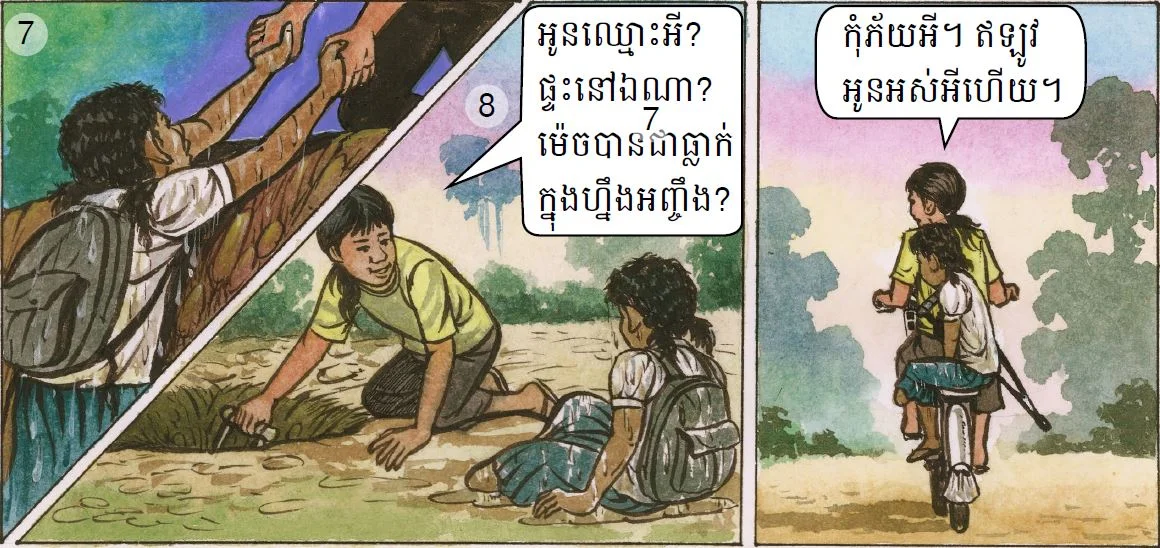
In that moment she heard a bicycle approaching. She called out for help and braced herself for the shame of discovery. But her eyes lit up as the rider appeared. It was Karuna, her ally – her Alongsider “big sister!”
Karuna took Sreymao’s hands, pulled her up, and gave her a ride home on the back of her bicycle. At the house Karuna explained to Sreymao’s mother what had happened. From inside the house they heard a crash. When Karuna entered she found a muddy school bag in a heap.
And then, Sreymao finally let the tears come out.
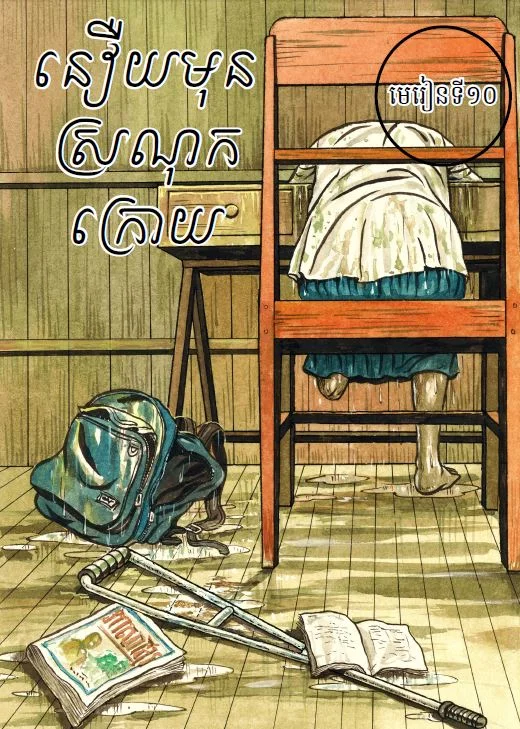
The cover image: Sreymao after returning home
This isn’t a true story in the historical sense, but it will be very “real” for many young Cambodians who read it. It’s the first couple of pages of the story told in our latest comic book, which has already been delivered to the printer.
We are creating culturally aware comic books with engaging stories and simple, practical lessons. They form the core of our curriculum.
Every month Alongsiders group leaders distribute copies of the newest comic to the Alongsider mentors who in turn read through them interactively with their little brothers and sisters.
Alongsiders Cambodia is empowering a movement of mentors at the social and economic margins. These comic books provide a simple structure and an effective means to communicate vision, equip leaders, and enable learning together.
Comic books don't transform people, but Alongsider mentors reading them interactively with their little brothers and sisters in growing relationships is transforming.
Now let’s return to the story. What will the Alongsider mentors and their little brothers and sisters take away from it? Following are four lessons this comic directly and indirectly conveys.
1. We choose to see the most vulnerable people in our midst.
There are many poor and vulnerable children in Cambodia. In this comic the team deliberately set out to tell a story about someone who is more vulnerable than most. Most of us are pretty good at spotting people in need from a distance, but in some insidious way, we (many of us) are adept at filtering out the most vulnerable people in our own neighborhoods and communities. The same thing happens in Cambodia.
When Alongsider mentors read this comic with their little brothers and sisters, it’s a reminder of the vision and calling they responded to. When young adults sign up to become mentors, they agree to: 1) choose a little brother or sister who lives in their own community, 2) choose someone of the same gender, 3) choose someone who is most vulnerable, 4) choose someone who is NOT a relative, family friend, or church member, and 5) pray about the decision.
Alongsider mentors are learning to see and value people who most others overlook!
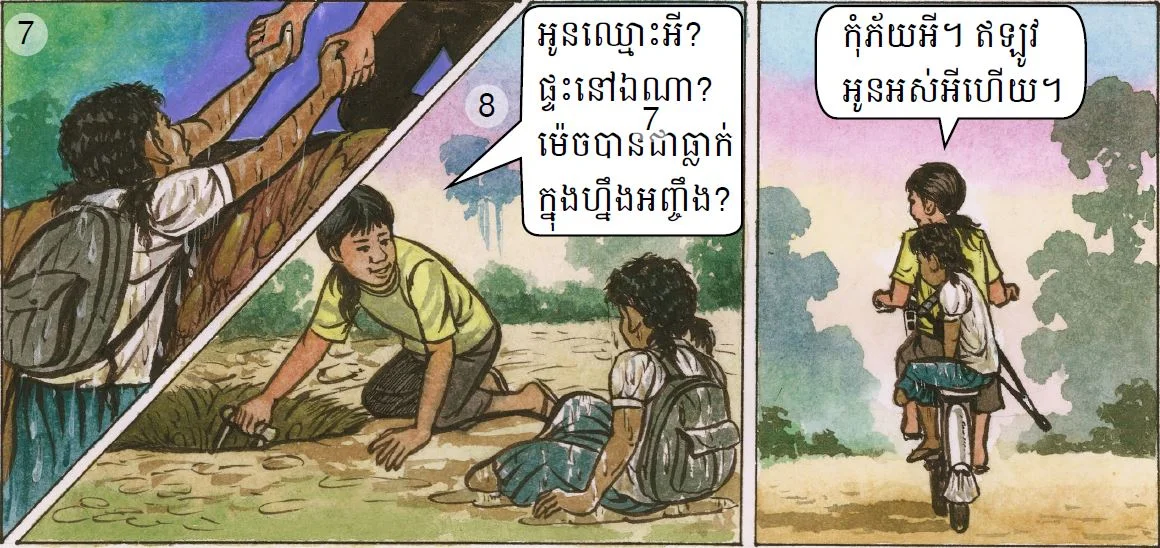
2. It takes discipline and perseverance to succeed.
This is the direct message in the story. It's not really a story about disability; it's about a girl developing the kind of character it takes to succeed in education and life.
Sreymao is ready to give up, but Karuna encourages her to stick with it. They study together and work hard, and as a result Sreymao's grades and attitude improve. It's a simple message, but it's part of a series of lessons that build on one another, and this one can make a difference in a child's life - especially if the Alongsider mentor follows Karuna's example!
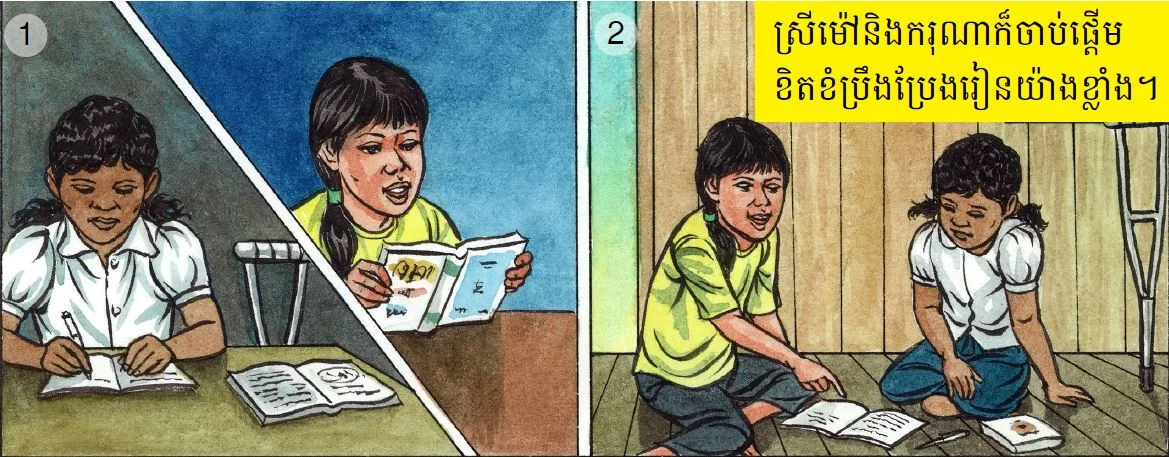
Sreymao and Karuna each study hard for school independently and together
3. We are defined by our choices, not by our weaknesses.
We are all vulnerable, but we don't want to be defined by what we lack.
This story doesn't treat Sreymao like a condition to be solved, and her fall does not warrant a full scale rescue operation. She just needs some help to get back on the road, and with thanks to Karuna, her dignity emerges intact.
Too often helping organizations send out the message, “We will solve your problems (on our terms).” The message of Alongsiders is, “You have what it takes to succeed already and we'll find it together."
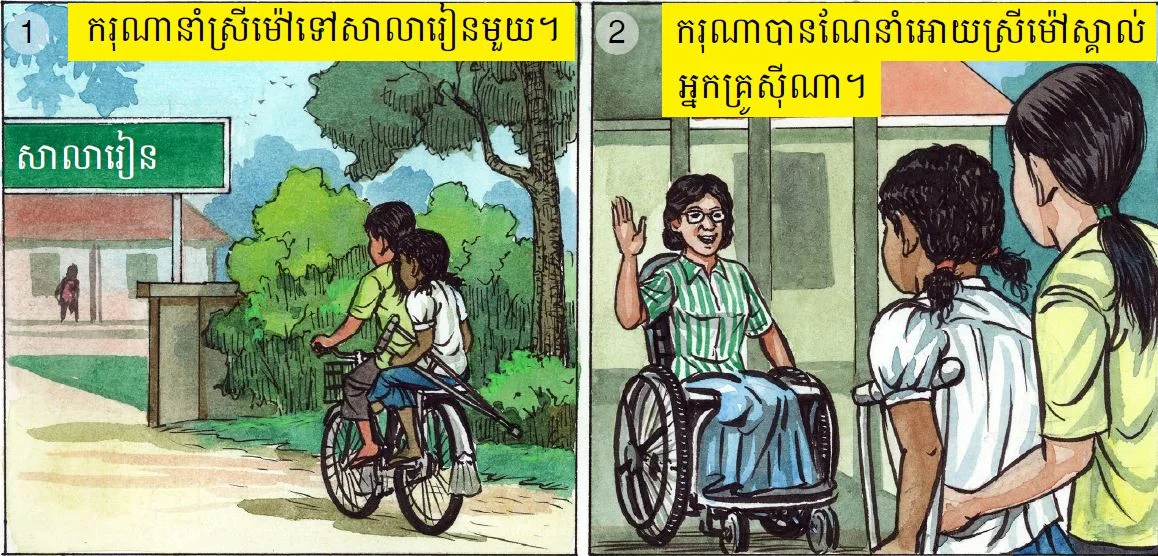
Karuna takes Sreymao to visit an older woman who has become a teacher despite being confined to a wheelchair, so Sreymao begins to see that she has choices about her future.
4. Prayer and engagement in life go naturally together.
When confronted with suffering, many people react with the "fight or flight" reflex. "Fighting" may mean trying to fill in for God (in his apparent absence) in order to solve the problem. "Flight" may mean escaping into distraction or a safer place. The alternative, being present in a relationship without easy answers, requires trust in God.

The theme of the story above is the need for discipline and perseverance, but there's a moment when Karuna and Sreymao stop to pray in the midst of all their activity. Such prayer is natural; it's not forced ritual, nor passive resignation, nor an after-thought. It stems from faithful engagement in the realities of life.
In the face of poverty and vulnerabilities and an unknown future, Alongsider mentors don't have many answers. They often have their own daunting problems. If they want to stay on the journey with their little brothers and sisters, they need to trust God, and so they will pray.
One teenage girl's audacious idea
When Serey heard about Neang’s announcement, she went to ask some questions... What would she truly love to do that she felt she might be good at?
No one seemed to care about Neang*. Overlooked by everyone, she was the youngest child of a single mother whose father died when she was just three months old.
But one day, a young woman from the same community noticed Neang.
Serey was a 23 year-old Alongsider mentor prayerfully choosing a "little sister". She herself was searching for a way forward in life after growing up in poverty, so she knew the challenges facing Neang and wanted to serve. Serey says,
“Neang didn’t speak much, and she looked lonely. I loved her and wanted to help. There were other girls from poor families who I thought about as well, but her situation seemed more difficult. So I chose her.”
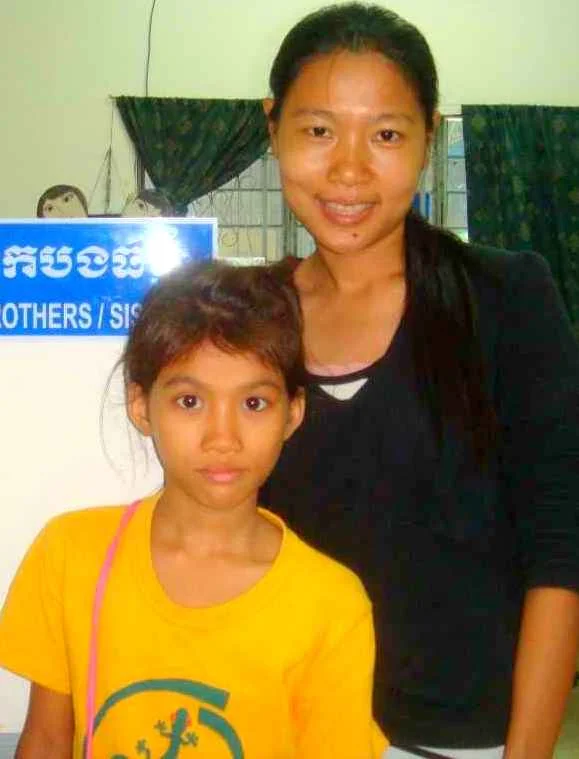
Serey and Neang early in their relationship
Today Serey is still a "big sister" to Neang. Serey has been walking alongside Neang for the past eight years.
“I became her friend. I encouraged her and met with her almost every day. I visited her house, and I talked with her family. She trusted me, and we had a good relationship. When she was eleven, she came to have faith in Jesus. ”
Neang is now 14 years old, and Serey still meets with her regularly. They are part of the same church family. But the challenges of growing up in a slum continue for Neang.
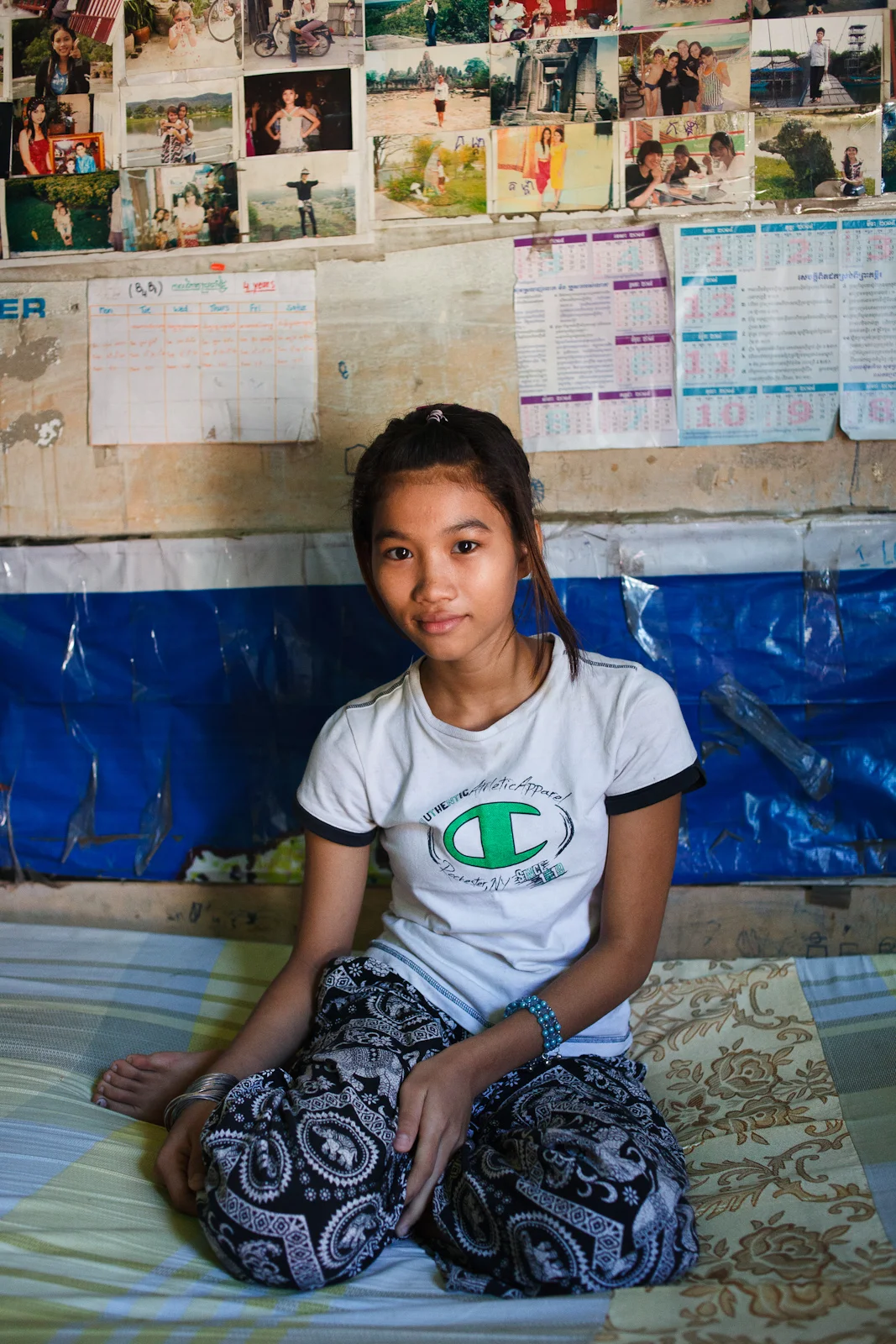
A few months ago Neang announced to her family that she would drop out of school after the 9th grade. The family needed money and she had a plan to attend classes to become a beautician and then open her own little beautician booth. She had heard about a government scholarship for vocational training. Besides, she liked make-up and hair-styling. She and her friends often practiced on each other. They like feeling beautiful.
For teenage girls living in the slum, some version of this story is the norm, not an exception. Among the poorest of the poor in Cambodia, just over half of the children attend primary school. Only a tiny percentage of students continue through high school.
And like students her age everywhere, Neang felt like she had been in school for a LONG time with no end in sight. Unlike students in many other places, the majority of her older role models have dropped out of school and taken jobs in local factories, and most of her peers will do the same. The money is very tempting, even $120 per month earned by working ten hour days, six days a week in a factory.
Neang’s grandmother, who runs the household, also liked the idea of Neang earning money to help with expenses. Neither Neang’s mother nor her grandmother finished high school, but they understand hard work. The sooner Neang gets a job or starts a small business, the sooner she can help support the family - and they can use the money.
Four years of high school (with significant costs in school supplies and fees) is a long time to wait. Besides, Neang's grades are average, and her family is poorer than most.
When Serey heard about Neang’s announcement, she went to meet with her and ask some questions. How would Neang get the money to open her own business? She didn't know. Serey probed further and asked Neang about her personal vision. She asked her to think about the long term. What would she truly love to do that she felt she might be good at?
"I would like to be a teacher," Neang answered softly.
Serey smiled her encouragement. "A teacher? What will it take to become a teacher?"
After discussing the options with Serey and her family, Neang decided to finish high school first, and then decide whether to go to beautician classes or university. Either way would present challenges, but having a high school diploma will be a tangible asset and possibly a way out of poverty.
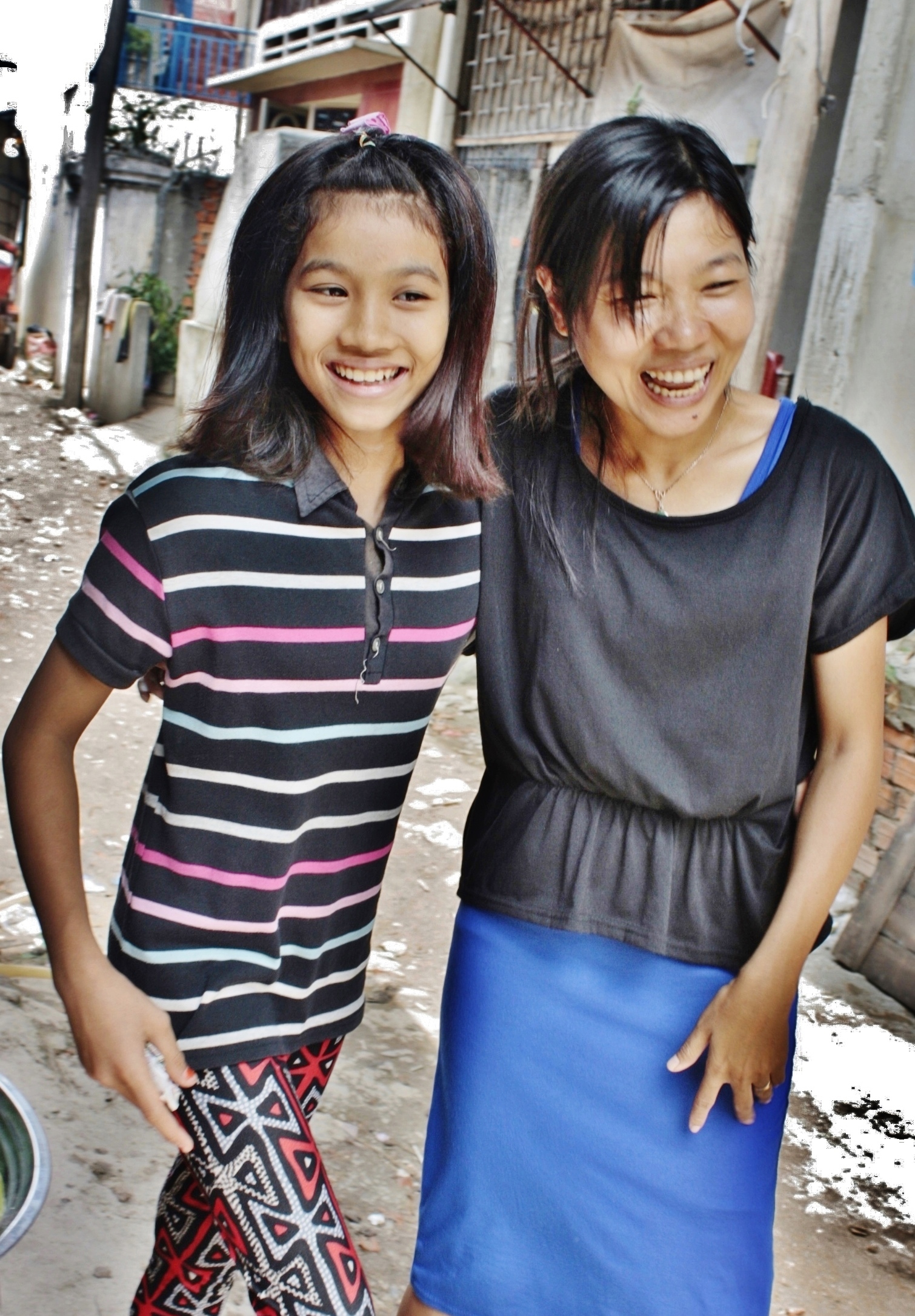
Serey and Neang are firm friends today
Becoming a teacher is an audacious idea. Kids who grow up in the slum rarely become high school graduates; they rarely attend university; and they very rarely become teachers.
Having your own business is also a worthy goal.
Whatever direction Neang takes will require courage and dedication, and someone to walk alongside her as she makes big decisions.
You need someone standing with you to help you voice a vision. You need someone walking alongside to help you stick with that vision. Serey wants to be that person for Neang.
Neang says of her Alongsider mentor, "She encourages me. She helps me stay on a good path."
Neang is no longer overlooked. And with Serey's help, she might just see some of her audacious dreams come true.
Serey offers this insight, "When Neang was young she had a lot of shame, and she felt afraid. But she became brave."
* Neang's full name is Srey Neang
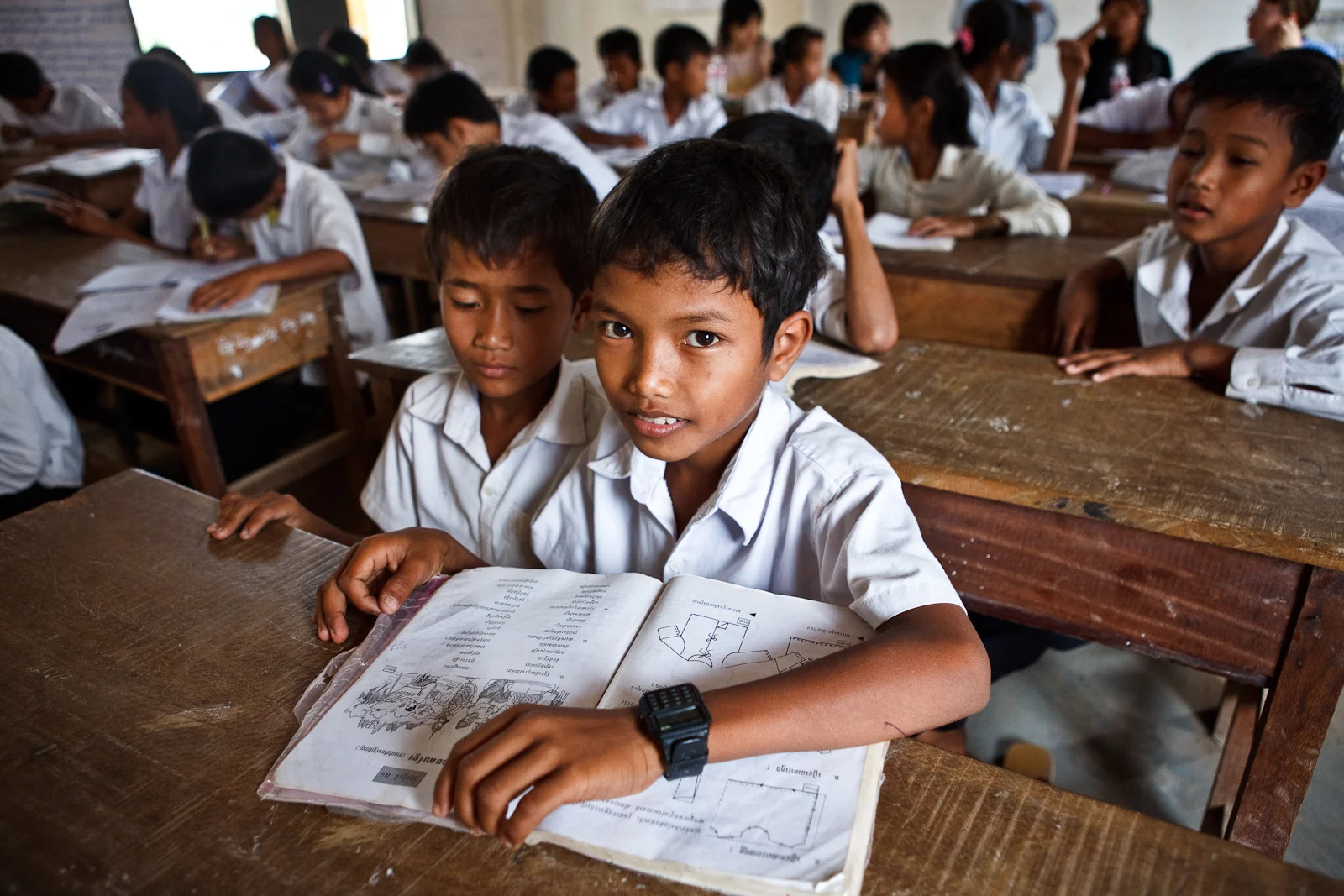
This action seems insignificant at first, but look at the impact on a child's education
What can Alongsiders do to ensure that EVERY child has a chance to learn?
The face of a courageous young girl named Malala is burned forever in our minds.
These are her words:
“I don’t mind if I have to sit on the floor at school, I want an education, and I am afraid of no one.”
Malala took a bullet in the head for her resolve, and even that couldn’t stop her.
Malala’s courage is extraordinary; but her desire to learn shouldn’t be so surprising. Across the developing world children are hungry for an education. Their hunger is evident to anyone who has ever visited a functioning school classroom or after-school program.
Last week, a story in the Cambodian papers ended with an ironic twist.
A young athlete, Sorn Seavmey, won Cambodia’s first ever gold medal in the Asian Games. She was naturally showered with praise and gifts on her return – plus one more thing...
It turns out she was one of many high school seniors this year who failed their graduation exams, so she was slated to take them again like all the rest who didn't pass. But Prime Minister Hun Sen declared that she will be granted an automatic passing grade.
This story captures one of the dilemmas with education in much of the developing world: the system favors some people over others. It’s not just about studying hard or ability; it’s also about power, money, and connections. People at the margins are on their own, and it's not a level playing field.
We know that getting educated is a proven way out of poverty. Improving schools and increasing access to them are staples of poverty reduction programs.
Most of the "little brothers and little sisters" in the Alongsiders movement come from the poorest families. Some simply cannot attend school due to lack of finances or, in some cases, because they must stay home to work or look after siblings.
What can Alongsiders do to ensure EVERY child has a chance to learn?
It may seem small - insignificant even - but simple ongoing acts of one-on-one coaching can significantly impact the education of a boy or girl in poverty.
In practice it looks like this: Alongsider mentors regularly help their little brothers and sisters with their homework, encouraging them to stay in school, and continuing to walk alongside them over the long haul. Sometimes they reach into their own pockets to buy a little brother or sister a notebook or pen that's needed.
In the words of one Alongsider mentor:
“My little brother goes to a school in the countryside where the teachers don’t require extra payments, because most of the families are too poor. The teachers have private classes after school, but he doesn’t attend those because he can’t afford them. But I encourage him, and he studies on his own every day. He can’t study a lot, because he has responsibilities like taking care of the cow and watching his brothers and sisters. But he studies enough.”
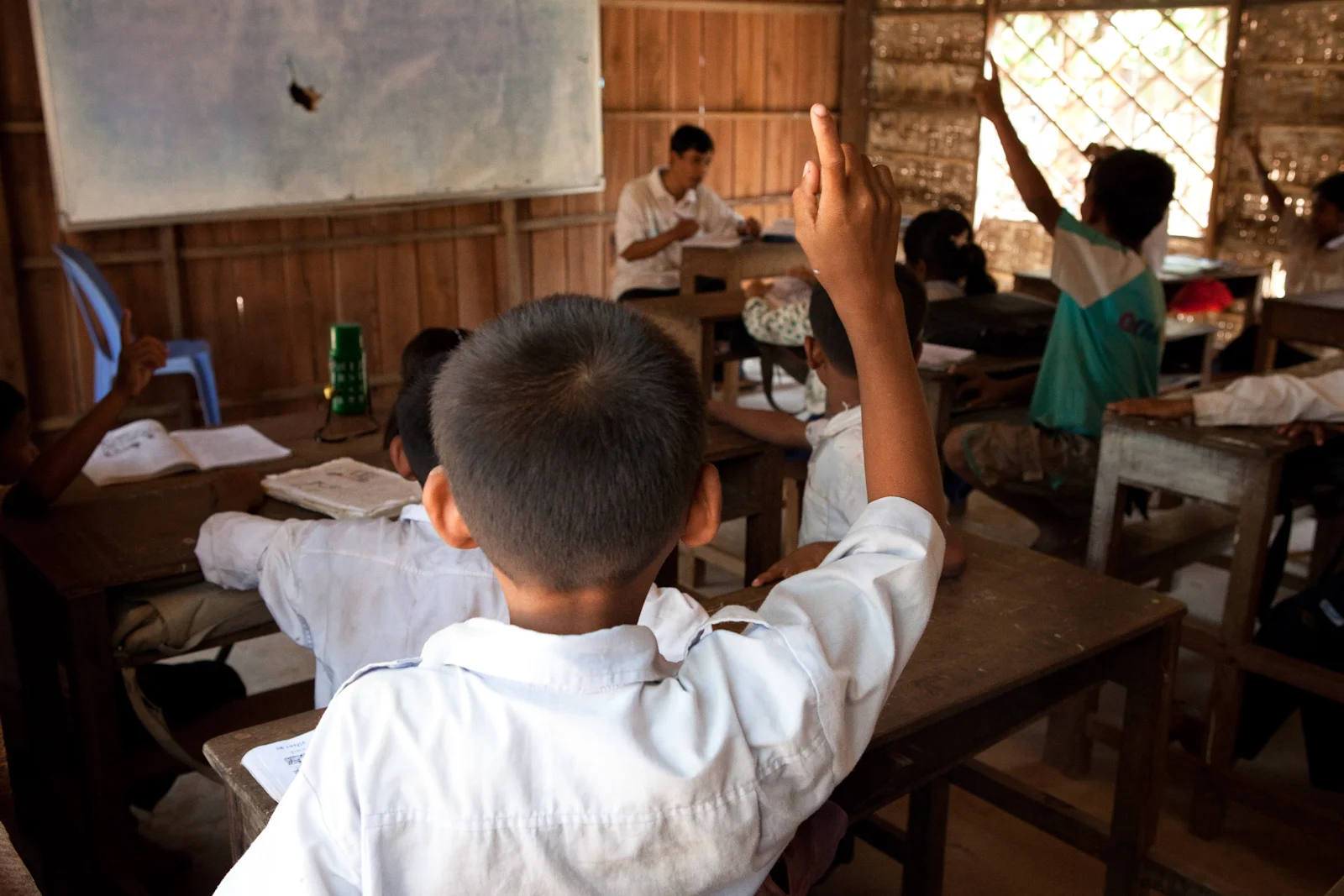
In our impact assessment, 97% of the "little brothers and sisters" in the Alongsiders movement reported that they receive help with their studies. Around half of them said that their Alongsider mentor was the MAIN person who helped them with their homework. Many also reported that their mentors had bought them school supplies or paid school fees at their own expense.
And look at the results:
“99% of little brothers and sisters surveyed are attending school, versus 55% of children of a similar demographic in the same neighborhoods. ”
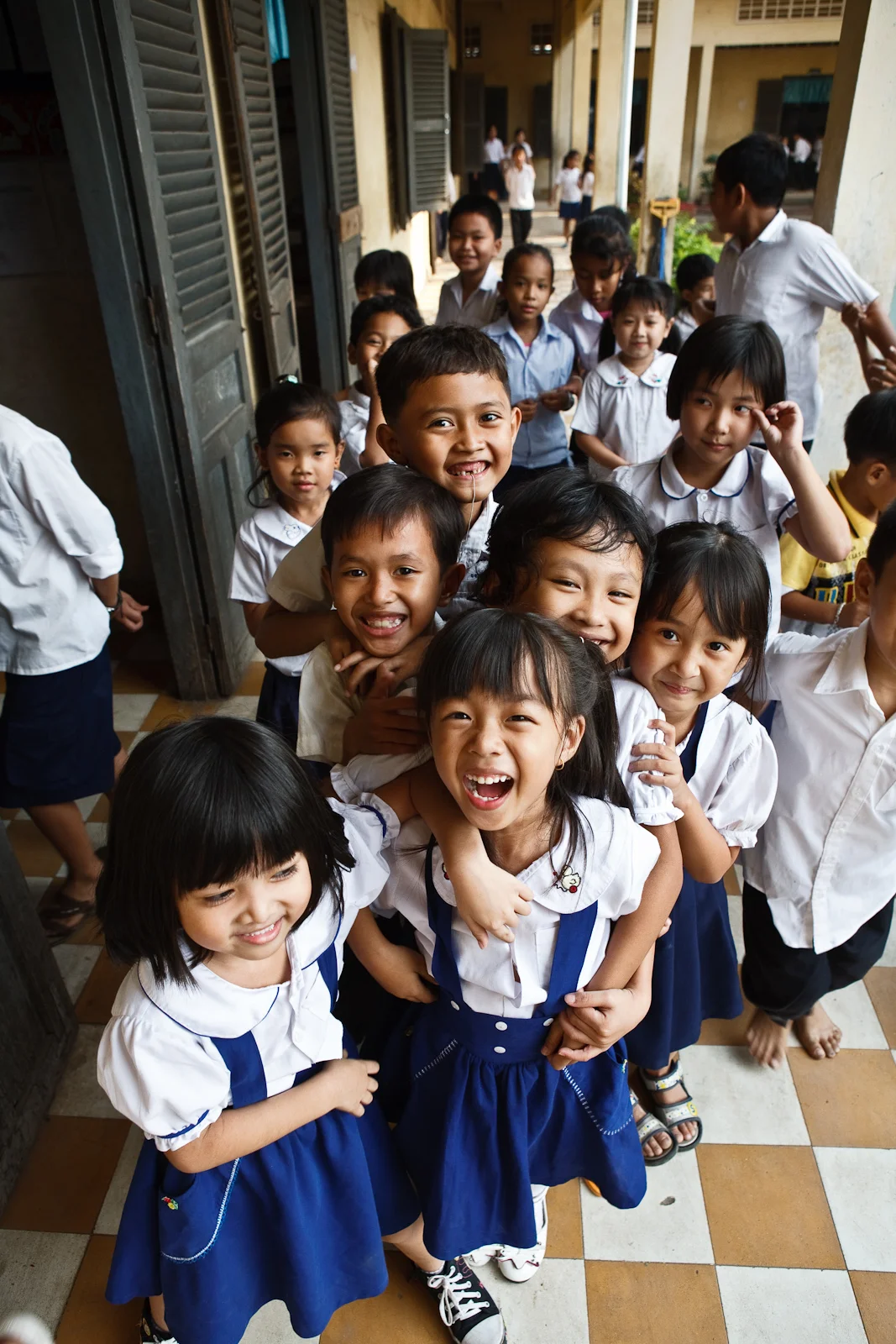
Impoverished students want to learn. It takes great determination to persevere, but it can be done. Every bit of encouragement and support and prayer from an Alongsider mentor helps them to find the strength inside themselves.
In the words of Malala, “One child, one teacher, one book, one pen can change the world.”