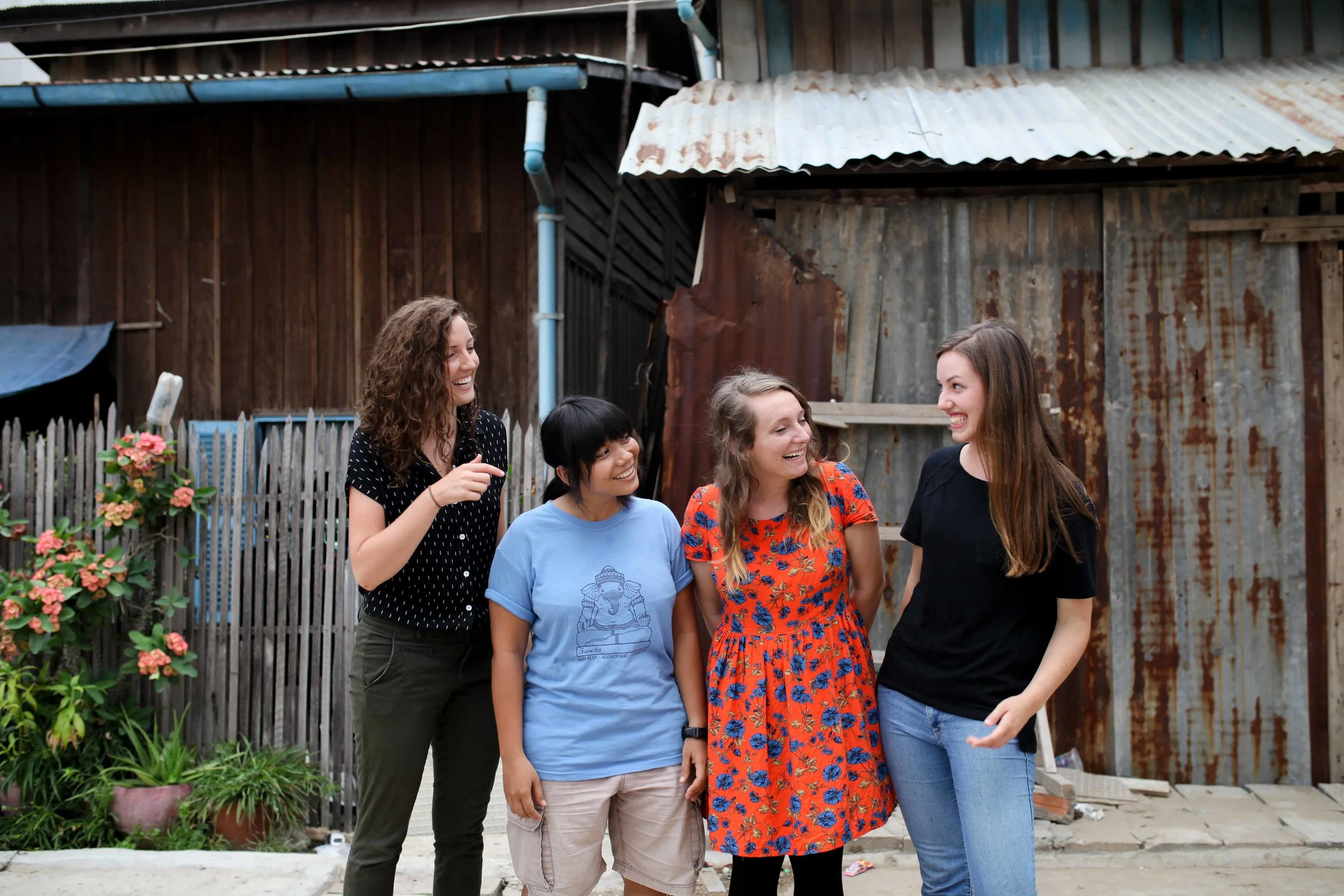
How your understanding of poverty impacts the way you respond.
When we have a simplistic understanding of poverty, we respond in a simplistic way.
When you hear the word “poverty”, what do you think of? Often, poverty is painted as financial need. Pictures of hungry children or homeless people might come to mind. These are real pictures of poverty. However, poverty is so much more than a lack of money.
In their book, When Helping Hurts, Steve Corbett and Brian Fikkert discuss our tendency to “reduce human beings to being simply physical.”
The truth is, people need more than just money in order to lead a fulfilling life. In Corbett and Fikkert’s words, “humans are spiritual, social, psychological, and physical beings” (p. 57).
Our understanding of poverty impacts the way we respond. When we have a simplistic understanding of poverty, we respond in a simplistic way. If we think poverty is just a lack of money, then we will respond by simply giving money.
However, it is clear that just throwing money at an issue does not solve the problem.
This is because the problem of poverty is much deeper.
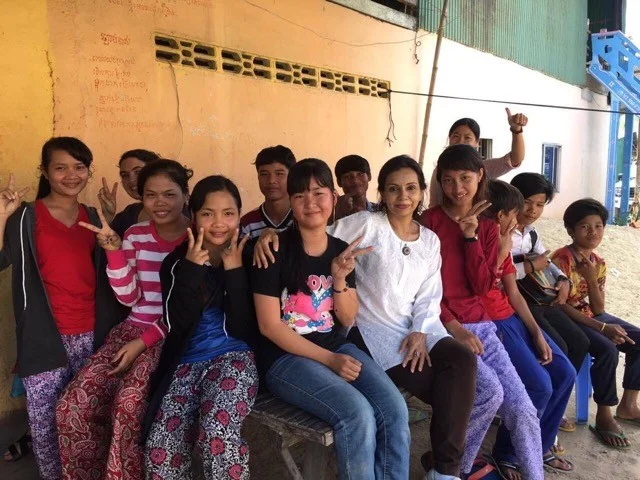
In the gospels, Jesus responds to human needs holistically. He doesn’t reduce a human to someone who has only one or two needs. He sees the complex person in their entirety, and responds to their needs in a holistic way. He heals the sick, eats with the outcast, forgives sins, and offers hope for both now and the future. Jesus recognises and cares for people’s physical, relational, emotional and spiritual needs.
Last week I got to visit some Alongsiders and Little Brothers and Sisters in a community in the Kandal province of Cambodia. I got to see holistic transformation taking place in the lives of the Little Brothers and Sisters. In this particular community, drugs and gambling are major issues. Many children do not live with their parents, and some do not go to school. Children and their families are living in poverty.
I met Alongsiders who have chosen children in their community to be their little brothers and sisters. They have chosen children who are experiencing poverty, do not live with their parents, are unable to go to school due to lack of money to support study and a need to earn money for the family. They chose children who struggle with gambling, who have broken relationships with their families, who don’t know Jesus. They have chosen children whose parents have HIV/AIDS, who have lost their parents, who are shy and are scared to explore and display their talents.
These are complex issues - the children in this community are not simply lacking money. They are facing physical, spiritual, relational and emotional issues. The answer to the problems they are facing is not just to give them money. Instead, it is to walk alongside them.
This is what the Alongsiders are doing and it is making a difference. As I listened to the Alongsiders and their Little Brothers and Sisters speak, I heard story after story of holistic transformation. Let me share some of these stories with you…
Stories of Physical Transformation
Alongsiders are mentoring and advising their Little Brothers and Sisters, helping them make wise decisions which affect them physically. One Alongsider shared that her little sister, although only 10 years old at the time, used to gamble. This is extremely dangerous and leads to further poverty. However, through the support and advice of her Alongsider, this Little Sister eventually stopped gambling.
A Little Brother also shared that his Alongsider helped him resist peer-pressure in relation to drug-abuse, and encouraged him to spend time with people who will be a positive influence instead. Alongsiders are preventing drug abuse and gambling, and are therefore transforming the physical and financial lives of their Little Brothers and Sisters.
Stories of Spiritual Transformation
Children are understanding and experiencing God’s love, and they are becoming passionate followers of Jesus. Eighty percent of the Little Brothers and Sisters in this community who did not know God before they had an Alongsider, are now followers of Jesus. I heard story after story of Little Brothers and Sisters who came to know Jesus through their Alongsider. Not only do they now experience God’s love for themselves, but they are passionate followers of Jesus who desire to become Alongsiders when they are old enough, and help other children experience that love. As one 16-year-old Little Sister and aspiring- Alongsider explained to me, “I want to lead the children who don’t see the light, I want them to see the light like I do.”
Stories of Relational Transformation
Relationships are being restored. Little Brothers and Sisters shared that they used to disobey their guardians, that they had broken relationships with their family, that they used to get angry easily. They shared how, through having someone walk alongside them, they have changed and relationships have been restored. The Alongsiders are also noticing this in the lives of their little brothers and sisters, as are others! One mother told her son, “You are a good person because you have an Alongsider to advise you.”
Stories of Emotional Transformation
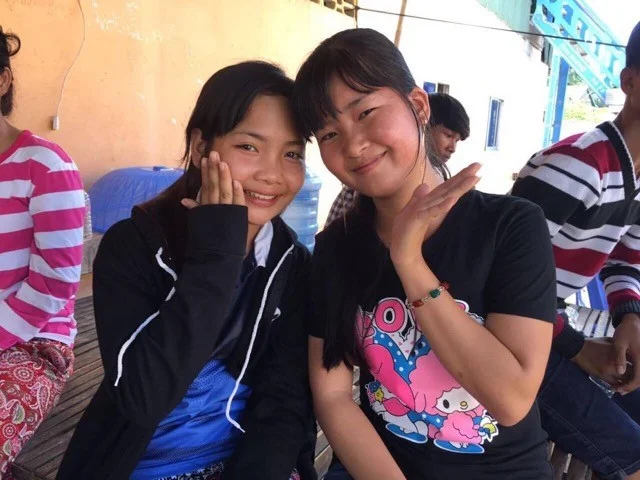
Alongsiders are helping Little Brothers and Sisters grow in confidence. I had the pleasure of meeting Romdoul and Srey Neth. Romdoul is 19 years old and 4 years ago she chose Srey Neth to be her little sister as both her parents are sick. Srey Neth was quite shy four years ago, but Romdoul recognised that she was good at singing. Romdoul encouraged Srey Neth, helped her recognise her ability and instilled confidence within her. Srey Neth is now a worship leader at church! In her words, she is “braver than before.”
Holistic transformation is happening in the Kandal province, and all around the world through the Alongsiders movement. Lets continue to look at the whole person, recognise all their needs, and walk alongside them, working towards holistic transformation.
[written by Sarita Hales, currently interning with Alongsiders]

Meet these world-changers
What if world-changers don't look like we've imagined them?
The Alongsiders movement is growing. The leaders are young people aged 16-30 who love Jesus and have a heart for their vulnerable neighbours. They're making a difference in their local churches and communities.
They are passionate. They are loving. And they deeply care about the children with whom they are walking alongside. They want them to be loved and cared for, and they want them to know the love of God. I am so inspired by these young Alongsiders, and I want to introduce some of them to you…
Here is Kim Hong (16) and her little sister Mey Mey.
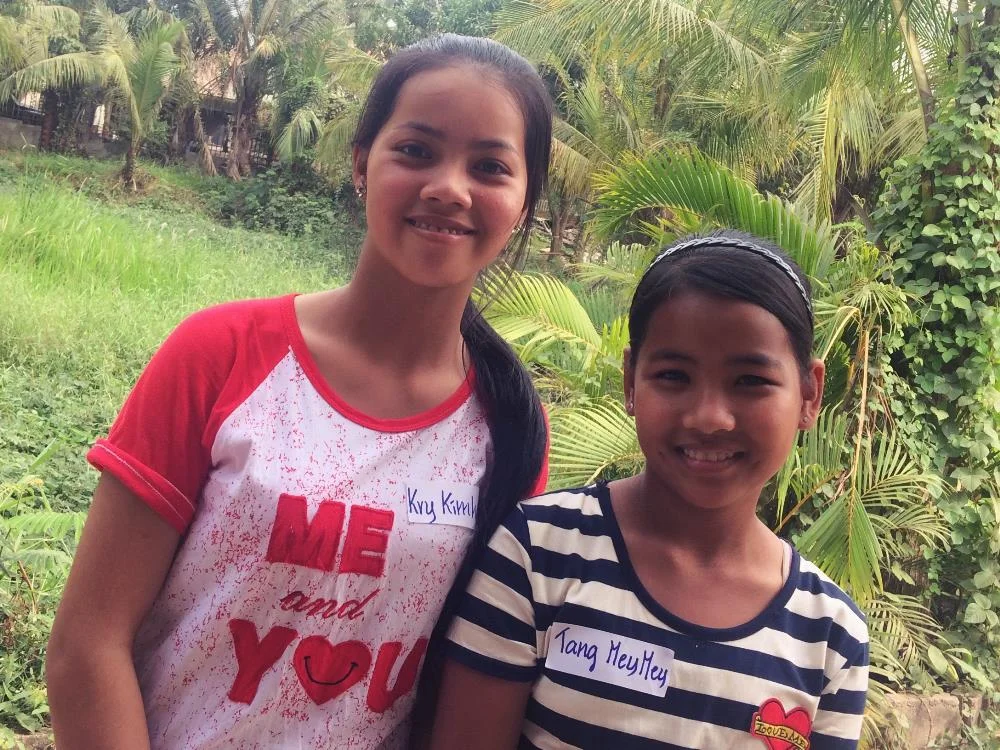
"I want to be a leader."
This is what Kim Hong told me when we met. She had just signed up to be an Alongsider for Mey Mey, a 12 year old girl in her village. Mey Mey’s family is economically poor. She can’t always afford to go to school, as the fees are expensive for her, and sometimes she needs to stay home to help her mother. Kimhong chose to be Mey Mey’s Alongsider so that she can help her with her study, give her time to relax and have fun, and introduce her to the love of Jesus. She plans to visit Mey Mey four times a week and help her with her homework. What an inspiring leader she is going to become!
Here is Sokhom (18) and her little sister, Nita.
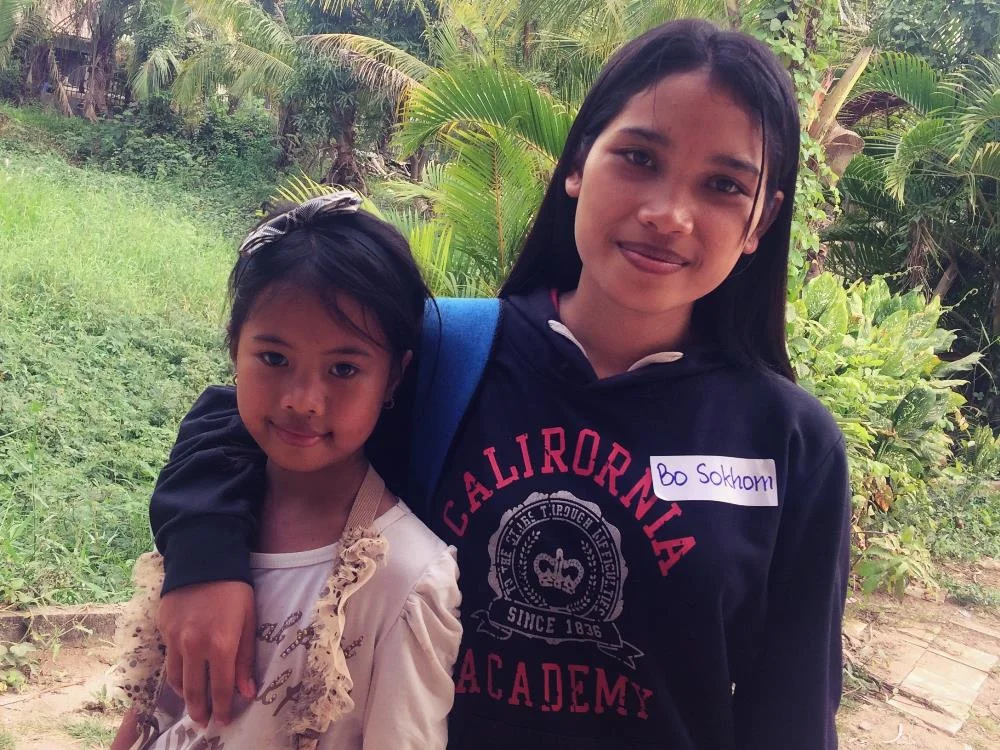
“I can be her role-model.”
Sokhom committed to be an Alongsider for Nita. Sokhom loves Nita. When describing her, Sokhom says, “She is so lovely!” Sokhom plans to meet with Nita every week, and she hopes to teach Nita about things that she doesn’t learn at school - such as hygiene. As we've seen many times before, helping a child at the margins to feel clean and healthy is a sure way to communicate love and care for him or her.
Here is Sophanna (17) and his little brother, Suytri.
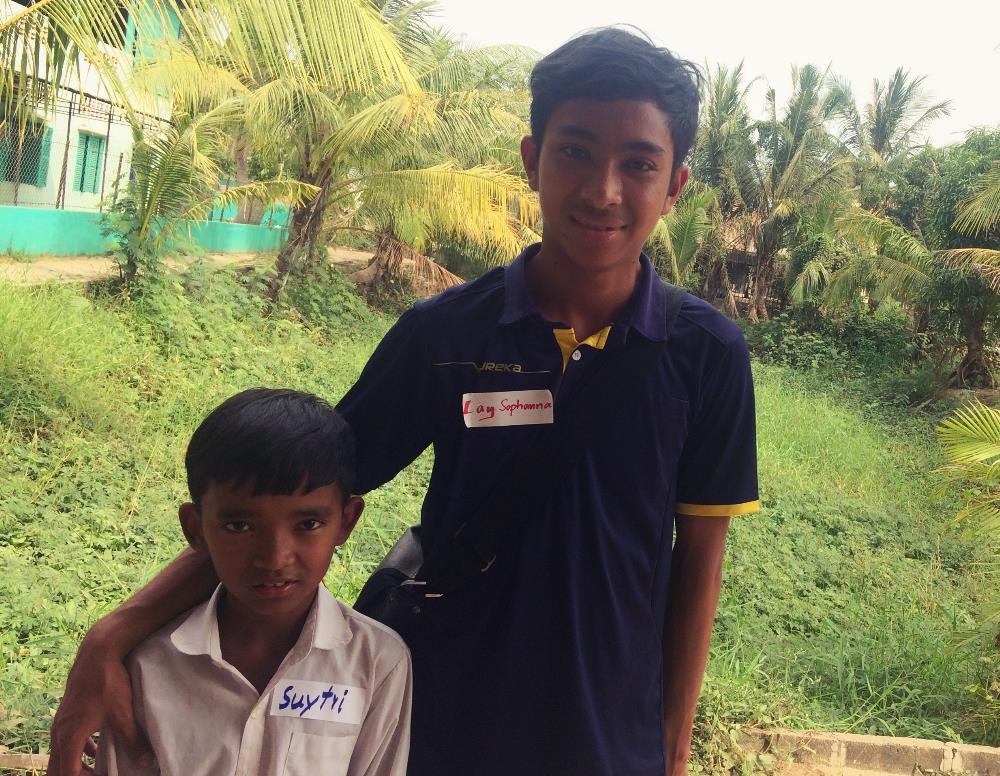
"I have some, so I will share with him."
Sophanna chose 9-year-old Suytri to be his little brother. Suytri’s family has very little income, and he can't afford to buy school supplies. Sophanna says, “I have some, so I will share with him.” Alongsiders don't receive any payments or subsidies, but they often give generously out of what they have. Such acts reveal the Kingdom of God more than silver or gold. Sophanna says, “I am so happy when he smiles, so I smile too. When he is unhappy, I am unhappy, too.”
This is Sreynin (26) and her fellow Alongsider and friend Phirum.
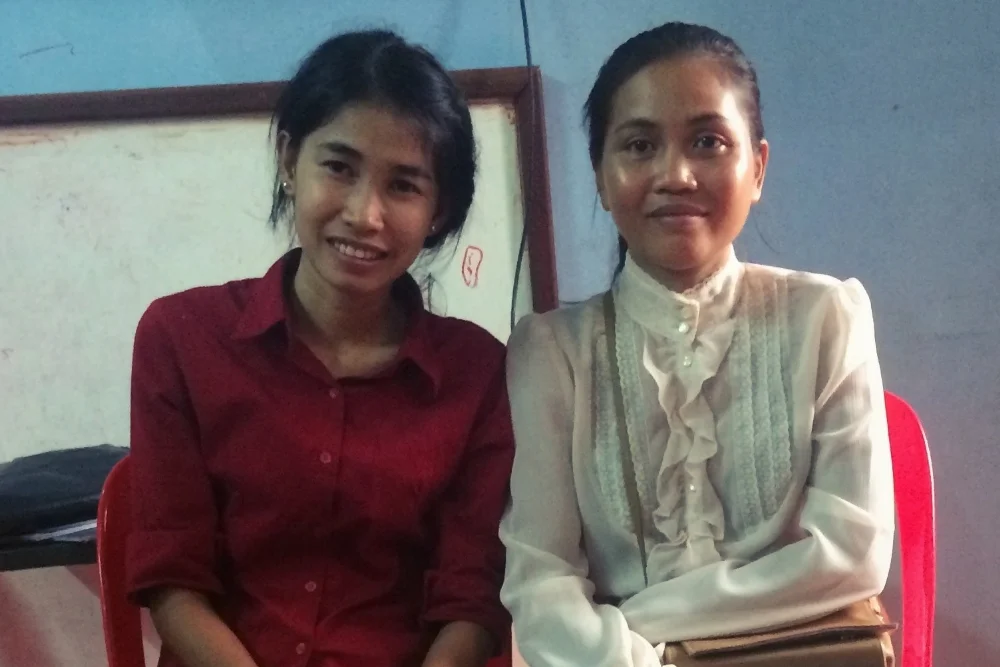
“I love children. I like to help.
I like to share everything
with children.”
Sreynin has been an Alongsider to 13-year-old Sreyla for two months now. Sreynin chose Sreyla because she was lonely and often seemed sad. Sreynin meets up with her every week to ask how she is doing and to read the Alongsider comics with her. Because of Sreynin’s encouragement, Sreyla has been going to school more often and has more friends.
(Phirom)
“I want to help and share
love with children.”
I don't have a picture for Phirom's little sister, but she has been an Alongsider to her 9 year old little sister for six months now. Phirom chose her little sister because she comes from a violent home. She's lonely and has no one to look out for her. Phirom meets with her little sister 5 days a week, and she cares for many of her basic needs. Some days this means finding clean clothes for her to wear. Other days it means tying her hair. Phirom likes to do little things to show her little sister that she is loved. Before having Phirom as her Alongsider, Phirom’s little sister did not go to school often. Now, with Phirom’s encouragement, she goes almost every day and tries to be on time. “I can be a part of her life. I walk with her and help with her needs.”
Let’s be inspired by these incredible young people and follow their lead by loving our own vulnerable neighbours.
- Written by Sarita Hales, an intern at Alongsiders International

The Sunday School Movement transformed the lives of poor kids. It's time for another movement...
Sunday School wasn't always a thing...
Sunday Schools were not always a thing.
The very first Sunday Schools were established in England in 1780 to reach out to poor, illiterate children working under brutal conditions in factories. These classes taught basic reading and writing, as well as Biblical principles. Millions of children were reached.
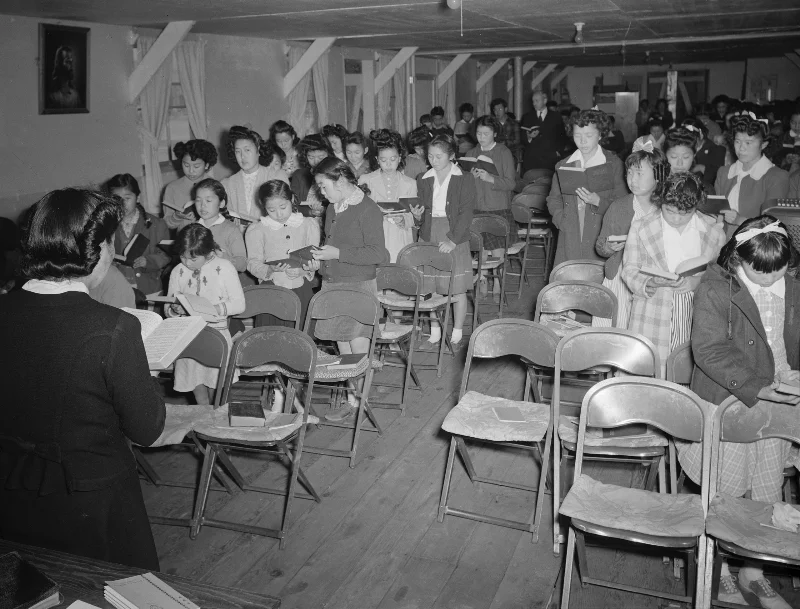
The Industrial Revolution was in full swing. So most lower class children spent all week toiling in factories. Working hours were long and it wasn't until 1802 that a law was passed restricting the amount of time a child could work each day to just 12 hours!
Saturday was part of the regular work week, so Sunday was the only available time for poor children to gain some education. At this time there was no public school system.
Out of this desperate need, came something beautiful.
Two Christian men, William King and Robert Raikes, wanted to help these kids, and so they started the first Sunday Schools in their own home towns, Dursley and Gloucester.
As they spread the word, more churches caught the vision and energetically began to create Sunday schools. Within a short space of time, the movement had become extremely popular. The movement reached 250,000 children across England within 5 years, and over the next 50 years more than 2 million kids attended Sunday School as the movement spread to the US and beyond.
Sunday Schools quickly became a core part of almost every church program. By the mid-19th century, Sunday school attendance was a near universal aspect of childhood. Even parents who did not regularly attend church themselves generally insisted that their children go to Sunday school.
Impoverished families were grateful for an opportunity to receive an education. They also enjoyed annual highlights such as prize days, parades, and picnics, which came to mark the calendars of their lives as much as the traditional seasonal holidays.
This was truly a movement that arose within the church to bless and serve vulnerable children.
Its legacy continues today, though the universal expectation that children would attend Sunday School has faded over the past few decades.
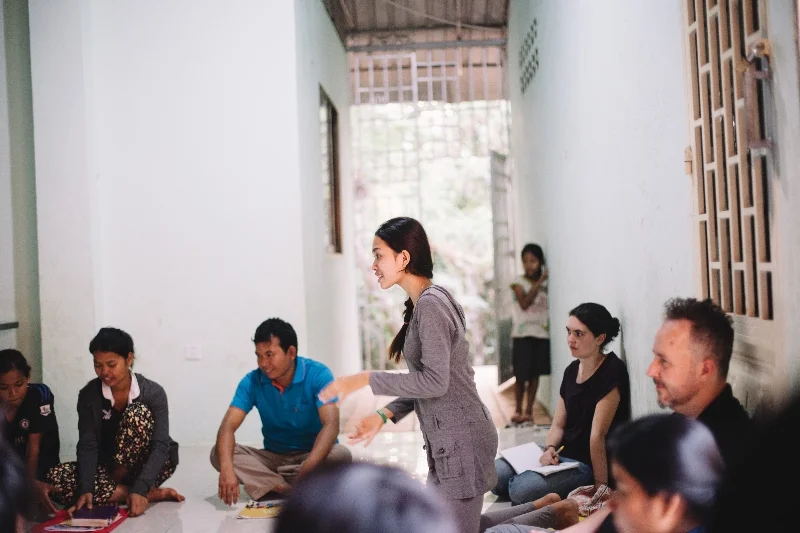
An Alongsiders meeting in Cambodia - a fast growing new movement to equip youth to reach out to vulnerable children.
As I've studied the history of the Sunday School movement, it strikes me that the world desperately needs another church-led movement for children.
The church desperately needs a new strategy and simple tools to reach its neighbours.
And that's where the Alongsiders movement comes in...
With the simple, yet powerful idea that EVERY young Christian could walk alongside a vulnerable child in their own community...
That these young Christians would form themselves into groups and call themselves "Alongsiders"...
What we need today is another movement of the Spirit for our most vulnerable kids.
A movement that might just change the world.
As the Alongsiders discipleship movement spreads through Asia and Africa, and now into Central America and the Middle East, join us in praying that more children would be reached.
The time is now.

4 ways our new Discipleship Training Manuals will be a game-changer
There is a lot of excitement this month in the Alongsiders International office as we launch the brand new Discipleship Training Manuals
There is a lot of excitement this month in the Alongsiders International office as we launch the brand new Discipleship Training Manuals (DTM).
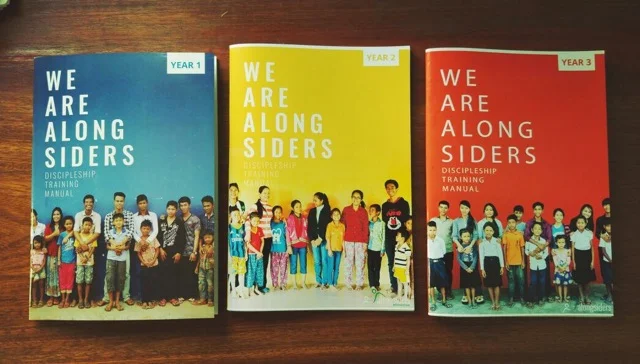
These 3 manuals (one per year) will accompany our 3 year comic book curriculum.
Each DTM is designed to help the Alongsiders grow in their relationship with Jesus and become better at not only discipling their own Little Brothers and Sisters (LBS), but also creating change in their communities. The Alongsiders will work through the manual during their regular meetings together.
These manuals take them deeper into the theme covered in that month’s comic book. They help the Alongsiders grow in the areas they are learning about, and help them gain a thorough understanding of the topic before they teach their Little Brother or Sister using the comic.
This tool will help them grow as followers of Jesus and as Alongsiders. Here are four ways we see the DTM as a game-changer in the Alongsiders movement...
1. The DTM is empowering
Rather than an outsider coming into a community, and telling them what needs to change, this resource helps Alongsiders and their Little Brothers and Sisters identify issues in their own lives, families and communities. It helps them come up with their own solutions and empowers them to act.
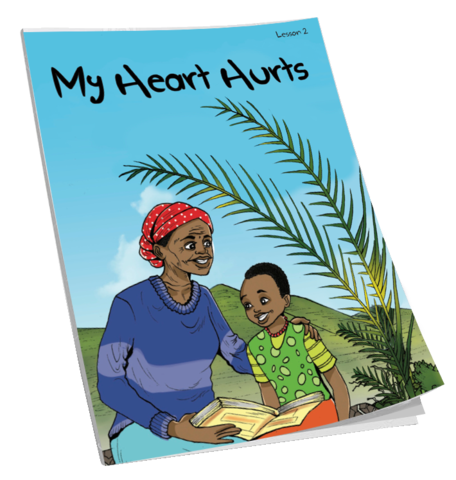
This is the Rwanda-made comic on dealing with emotions.
For example, in the Year 1 DTM manual, there is a lesson called “My Heart Hurts,” which explores different feelings that people experience. At the end of the chapter, it includes advice on how to walk alongside people who are grieving, and the Alongsiders are asked to come up with one way they can care for “hurting hearts” in their family or community.
The lesson on abuse asks the Alongsiders to come up with 3 ways they can help children in their family or community protect themselves from abuse and stay safe.
In the Year 3 DTM manual, one lesson walks the Alongsiders and their Little Brothers and Sisters through creating their own community project - choosing areas that they think require change, identifying resources within their community, and coming up with ways that they can work together to bring transformation.
The DTM empowers Alongsiders and their Little Brothers and Sisters to make a difference in their own communities.
2. The DTM is practical
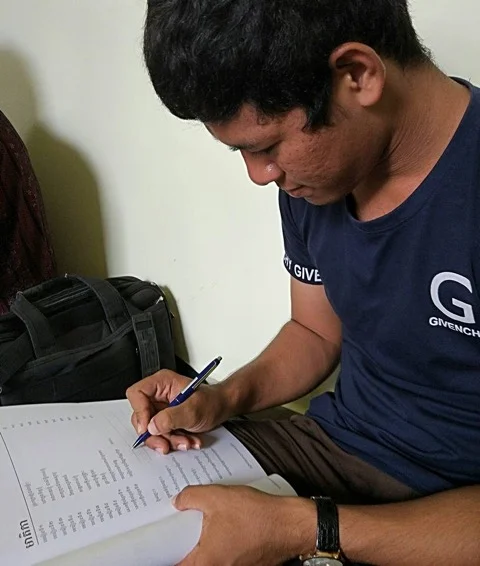
The new DTM manuals provide the Alongsiders with accountability and help them achieve their goals. Each lesson has a “monthly check up” which helps the Alongsiders hold each other accountable about how often they met up with their Little Brother or Sister, how their Little Brother or Sister is going and how they walked alongside them.
The manual also has a section for annual goals, and an opportunity to review those goals and reflect on the year.
Every lesson also has an application section - the Alongsiders not only learn about Jesus, but also how to put what they learn into practice.
3. The DTM is accredited
The DTM is also practical in another way. If the Alongsiders complete all 3 years, they can receive a Bachelor Degree in Professonal Studies. This qualification is being offered by our UK-based partner, The Global University of Lifelong Learning.
For young Christians in poorer countries, many of whom may not have an opportunity to attend a local university - this is a helpful qualification.
It is also a recognition of all their hard work over several years in learning, and walkng alongside their Little Brother or Sister.
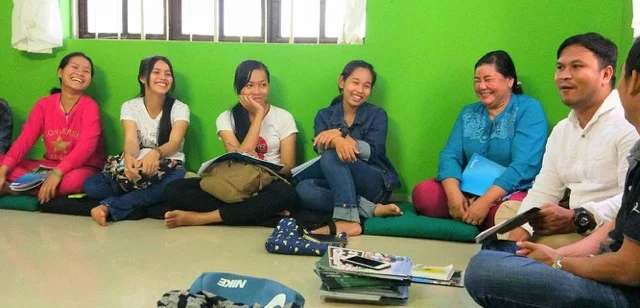
Group Leaders learn about the DTM, in order to bring the curriculum back to their own groups.
4. The DTM goes deep
This is no ordinary bible study tool. It doesn’t just have a bible passage and a list of comprehension questions. The study encourages the Alongsiders to think and pray deeply about what the Bible says about everyday issues, how they can make changes in their own life, how they can help their Little Brother or Sister deal with those issues, and how they can help their community towards change.
For example, one of the lessons asks the Alongsiders to read a bible passage and then think about what they learnt about themselves, what they learnt about God’s love for them, and what they learnt about the world we live in.
Another lesson on having a relationship with Jesus and spending time with Him, walks the Alongsiders through having time with Jesus and experiencing His presence in different ways.
We are excited to see how the Alongsiders use this resource to enhance their relationship with Jesus, the lives of their little brothers and sisters and their community!
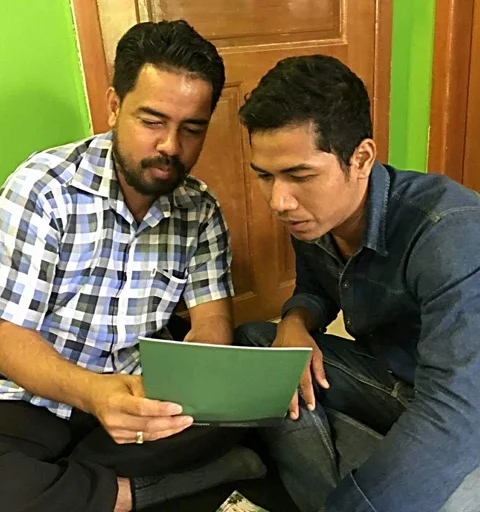
Pray with us as we roll out this new curriculum in Cambodia, Indonesia, Rwanda and Kenya, this month. More countries will follow soon after.
[Written by Sarita Hales a community development graduate interning in our Phnom Penh office for six months.]

Shalom Valley: a place of peace for the children of Cambodia
Imagine...
In Cambodia, too many children living in poverty never have the opportunity to visit the ocean, to play in the sand or to experience God in his beautiful green creation.
The idea of going away on a holiday - let alone a camp that is specifically set up and designed for them - would be far outside the imagination of many of the "little brothers and sisters" in the Alongsiders movement.
Yes there are resorts and hotels aplenty - good only for those who can afford them. For years, NGO's, churches and schools have longed for a place to hold camps and retreats that would be affordable and suitable for larger groups who need a meeting space.
Now, all that is about to change.
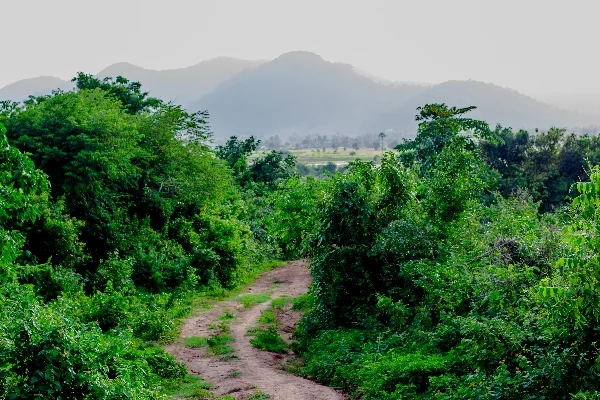
"Shalom Valley", Kep, Cambodia
For the first time in Cambodian history, a purpose-built Christian camp and retreat center will be established to provide space for up to 500 people on 12 acres of beautiful land. Situated near the coastal resort town of Kep, the land is nestled on the side of Lieu Mountain, just 900 metres from the seaside.
It will be called "Shalom Valley".
The vision of Shalom Valley is to strengthen Cambodian children, families, churches and society by providing an affordable place for groups to experience a retreat or training. It will be a place of God's healing, nourishment and rest.
This will not only be a hub for the Alongsiders movement to offer training and camps throughout the year. But also for churches, organizations and schools across the country.
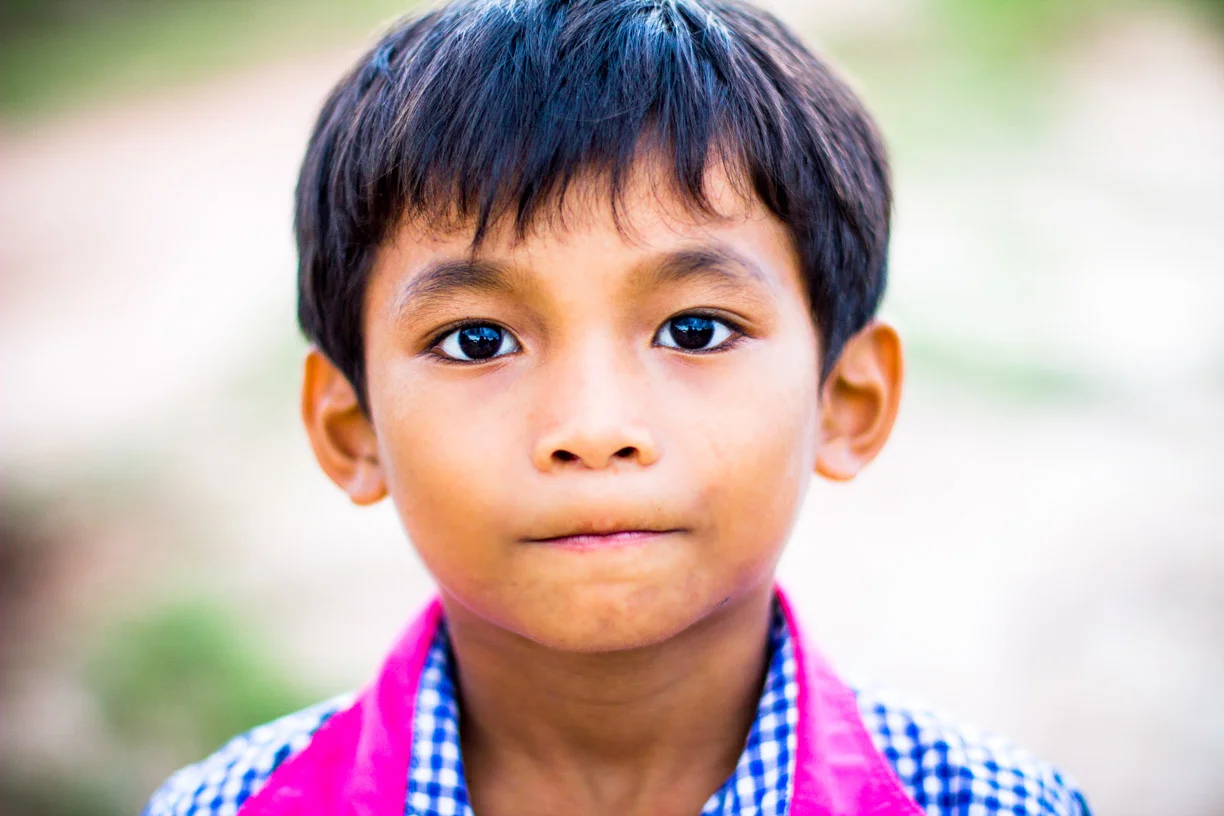
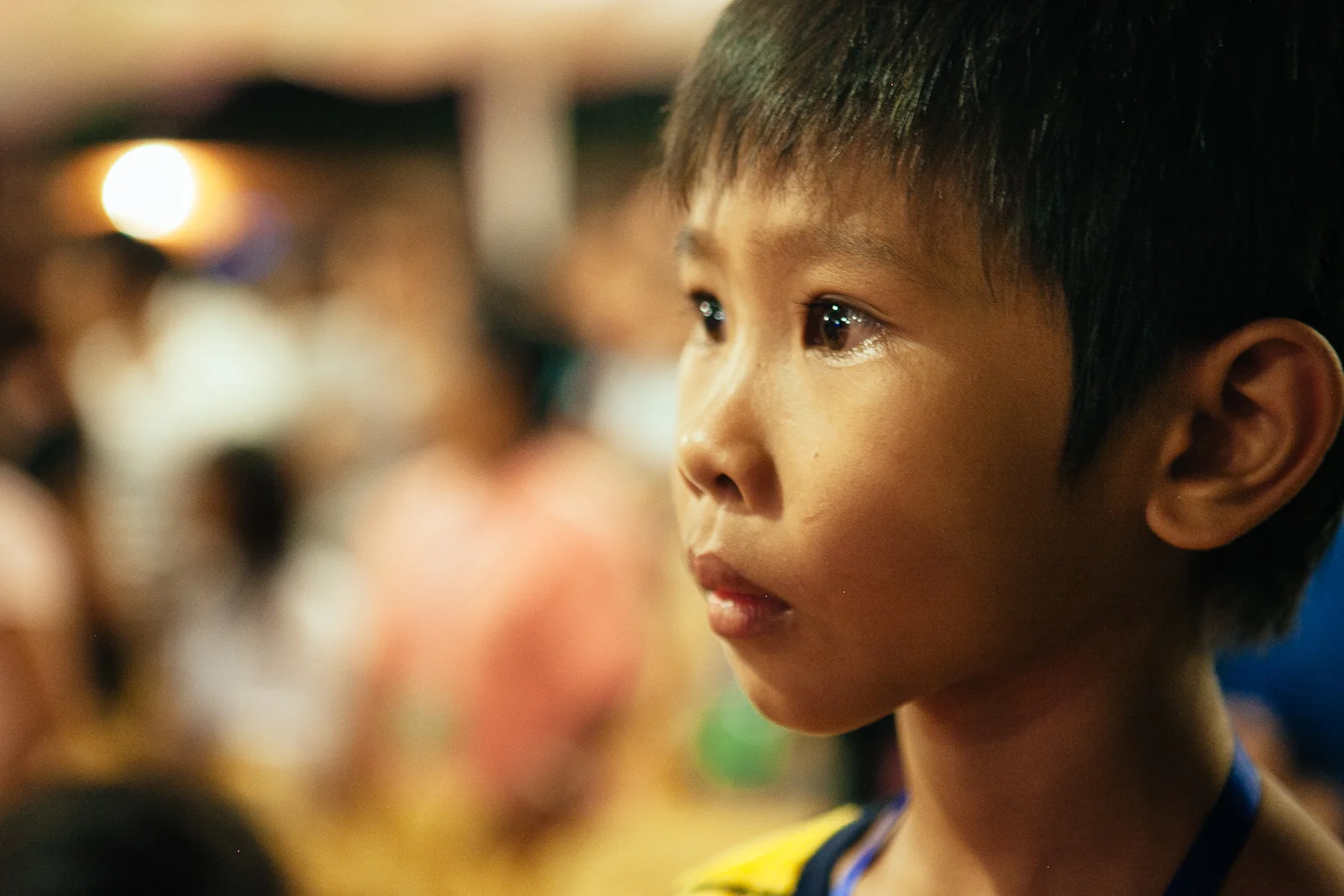
This "little brother" came to our Shalom Valley groundbreaking ceremony and saw the ocean for the first time.
Shalom Valley is being designed to be environmentally sustainable within local natural resources and to minimize harm to the environment.
For those who come to receive training, Shalom Valley will be full of outdoor learning and experiences that will inspire everyone who visits. For example, we're designing facilities that will strengthen Cambodian youth through sports and outdoor education, including:
- A high quality football and volleyball field
- A natural Swimming Pool
- A zipline, climbing wall and other fun outdoor activities for team building
- Learning gardens and animal care stations
- Meeting spaces for workshops and training sessions
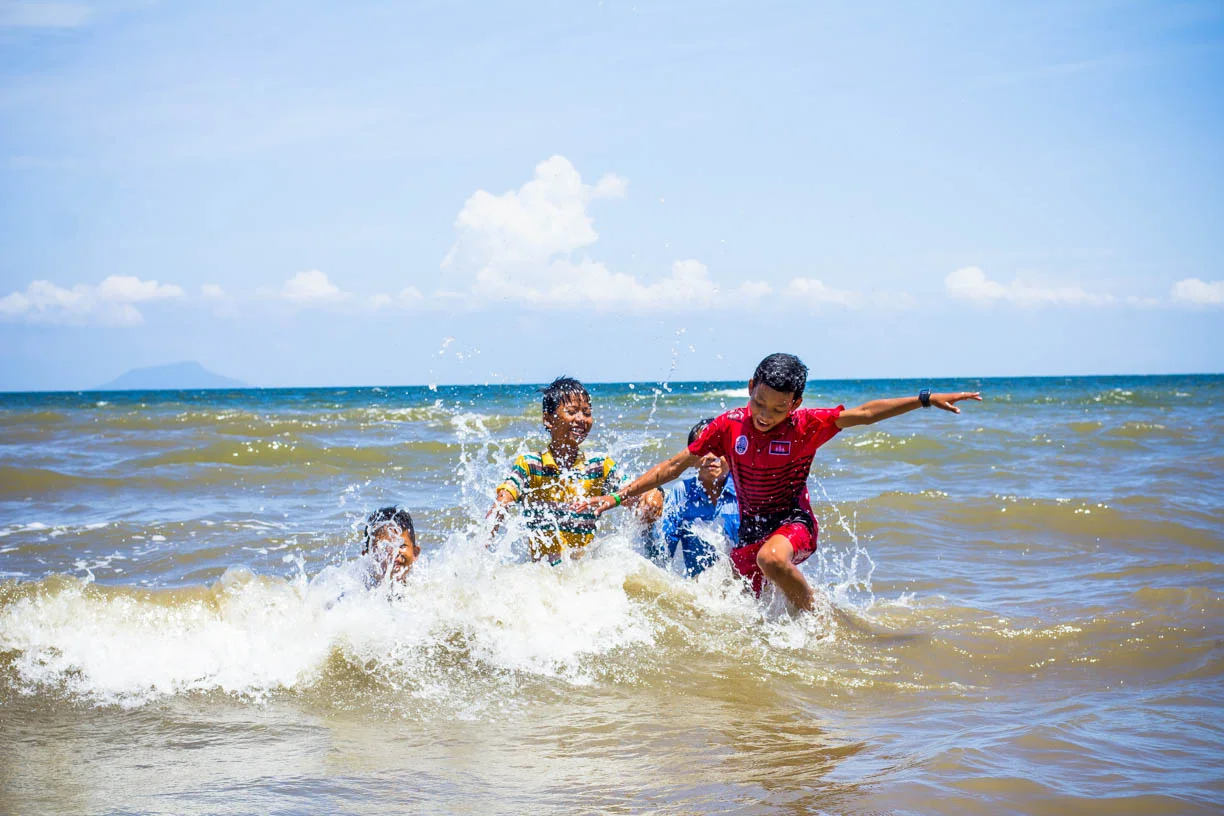
In the years to come, thousands of children, their Alongsiders, their families and churches, will have the opportunity to gather together outside of their everyday lives for training, rest and healing.
Shalom Valley will be a place the people of Cambodia experience new depths of God's love, joy, and most of all peace.
Shalom.
[Contact us via info@alongsiders.org if you'd like to receive a full proposal with architectural designs and opportunities for financial partnership.]
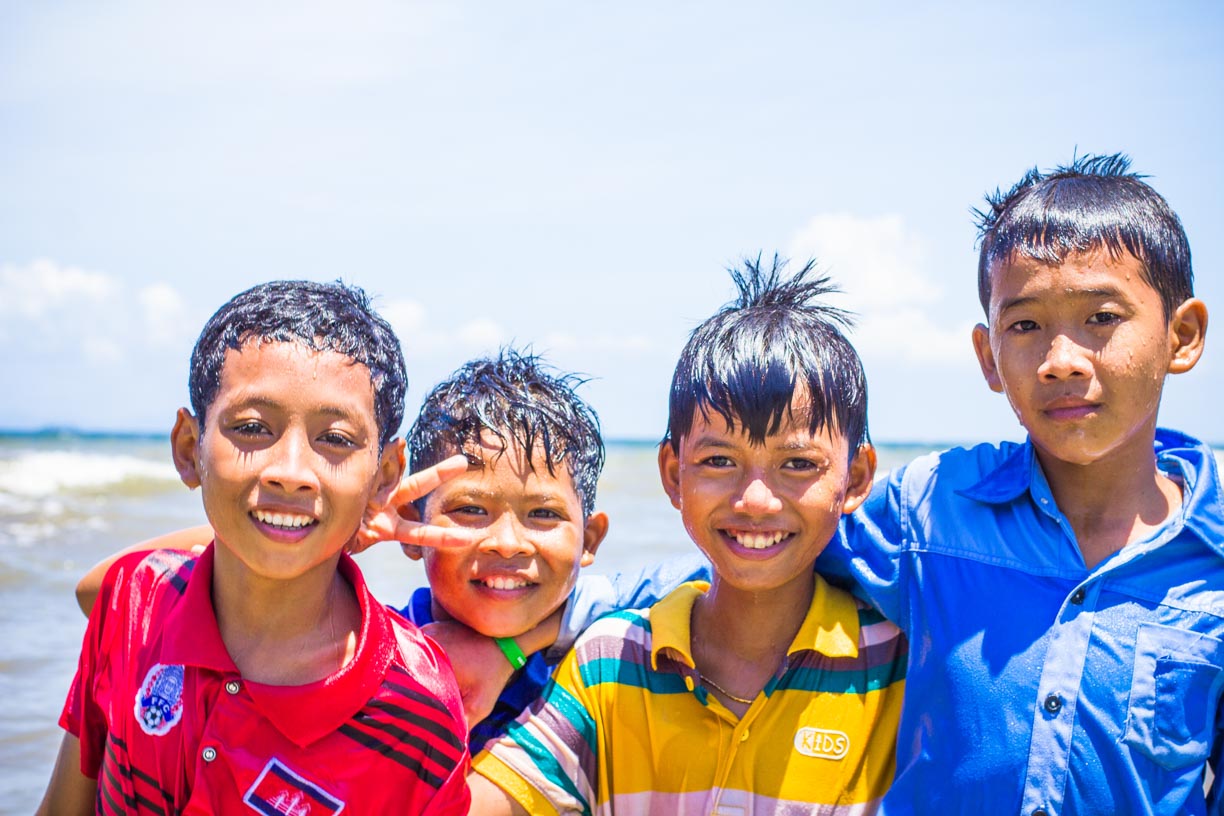
"Little brothers" enjoying the ocean at the Groundbreaking Ceremony.

Change starts with you. This is how simple empowerment can be.
"I felt at first like only smart people, older people, or leaders could be Alongsiders. Not just any member of the church...."
“A LOT of young people want to do something. They want to grow their local church. They want to change their community.”
Is this how you perceive the youth in your local church?
This is what one of the Alongsider coordinators in Cambodia says to local pastors when he shares the Alongsiders vision with them for the first time. Many of them say, "Where did you get this idea? It's such a great idea to educate young people and to change the community. Can you come back next week?"
Of course, not every pastor responds this way, and not all young Christians fit his description. But again and again, we are seeing people of all ages who know something needs to change. And they see in Alongsiders an opening.
When this coordinator, whose name is Phearom, shares the same vision with a group of youth, he always starts with a story. Then he says: "Change starts with you."
They know something needs to change. Next they need to decide what to do about it.
Is telling them "it starts with you" an impossible burden or an opportunity? We think it's an opportunity, and because God leads us by example in Jesus and by his Spirit, it's possible!
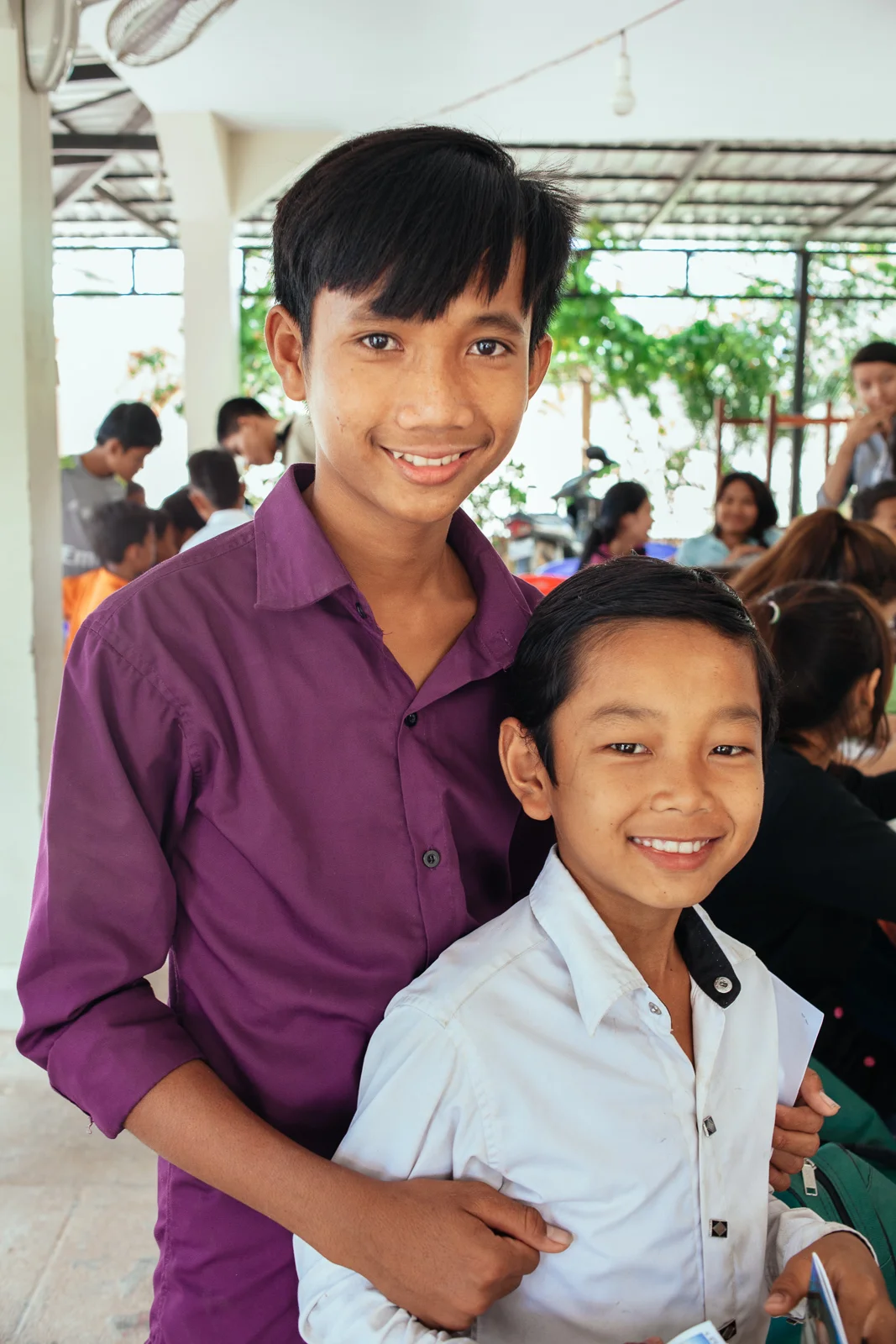
If the youth decide to respond, it's easy to start the process to become Alongsiders.
Recently, a new Alongsider named Nisai said, "I felt at first like only smart people, older people, or leaders could be Alongsiders. Not just any member of the church. Then I heard that I could do it, too! I chose my little brother because I felt he wasn't feeling secure or loved in his family. His father drinks every day and hits him. I want to protect him. I also want to help him with his school work and keep him from gambling or drinking.
The danger facing any movement is the temptation to turn it into a performance based program that leaders try to manage and control. This is what happens whenever we doubt that the Spirit can (or will) lead people to act in love.
Recognizing this danger, we emphasize and remind ourselves that the role of leaders in Alongsider movements is to inspire and empower, not to manage and control others.
That doesn't mean we can't be intentional or organized. A great example of a brilliantly organized movement that avoids managing or controlling its members is Alcoholics Anonymous. The structure and requirements of Alcoholics Anonymous are so simple that anyone can understand them and carry them out. Even so, they ask MUCH of their members, and their members give it gladly. They don't need or care about rewards and obligations because their lives are being transformed!
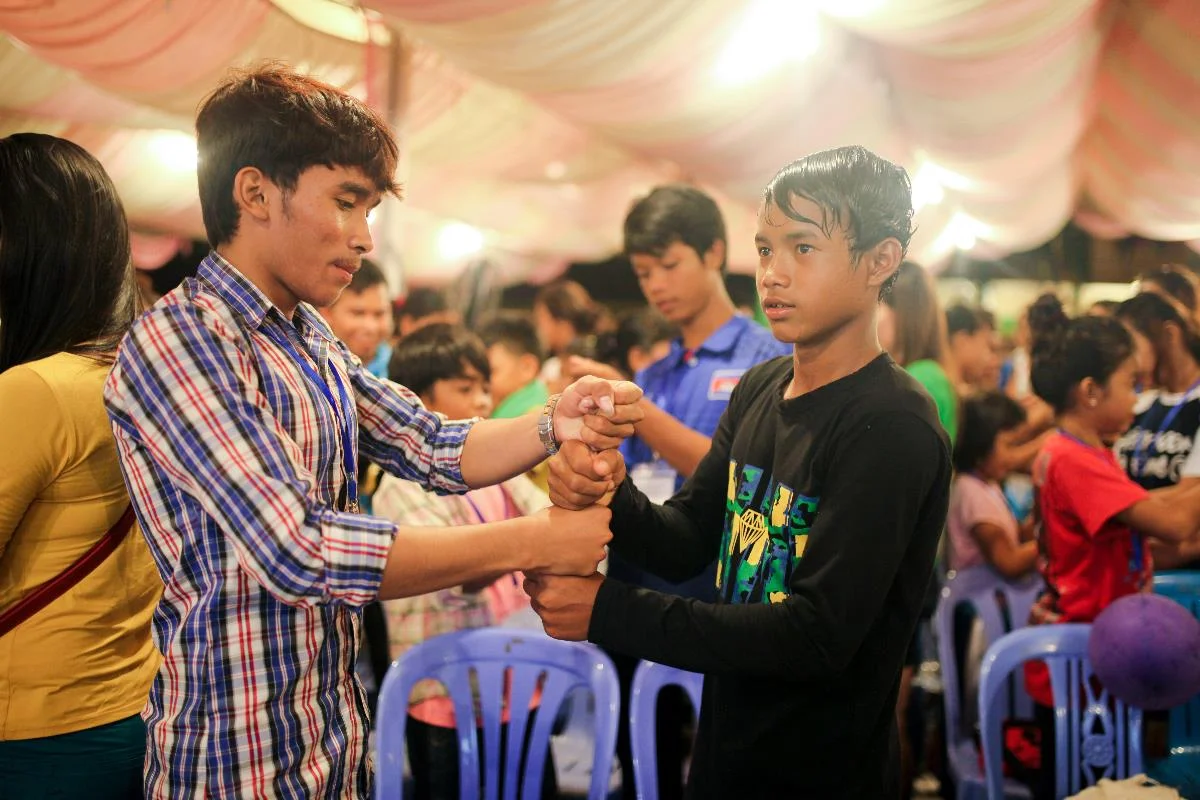
That's what we want to see. We share the vision so that when it takes hold, groups of Alongsiders will be led by the Spirit to serve and love their neighbors -- starting with the most vulnerable ones.
Paul understood the importance of keeping the movement of Christ simple. He wrote to the Galatians, "For the whole law is fulfilled in one word: 'You shall love your neighbor as yourself.'" (Gal. 5:14).
Nisai, the Alongsider quoted above, felt insecure in his faith and role in God's Kingdom. But now he and the other Alongsiders in his group are sending out a ripple effect through their village. They're inspired and empowered. They've decided what they want to do.
What they're doing, loving their neighbors as themselves, is not an add-on to the gospel. It's the core work of walking in the Spirit and being the church together.

A tribute to widows and grandmothers
Statistics on orphans can be misleading. Let's take a look at one of the most overlooked aspects of orphan care.
Alongsiders walk with the most vulnerable children in their own communities. Many of the children are orphans, so the Alongsiders movement is also an orphan care movement. Today let's look at one of the most overlooked factors in orphan care.
They say there are about 150 million orphans worldwide. The website for SOS Children's Villages puts the number at 153 million. Other orphanage providers and international adoption agencies give similar numbers. What they rarely say is that the vast majority of orphans, at least 95 percent, are cared for by their own relatives.
Most are cared for by their widowed mothers. If that's confusing, keep in mind that the international definition of an "orphan" is a child who has lost at least one parent.
Most double-orphans (who have lost both parents) are cared for by grandparents and relatives. In developing countries, we've seen this role falls primarily on the grandmothers.
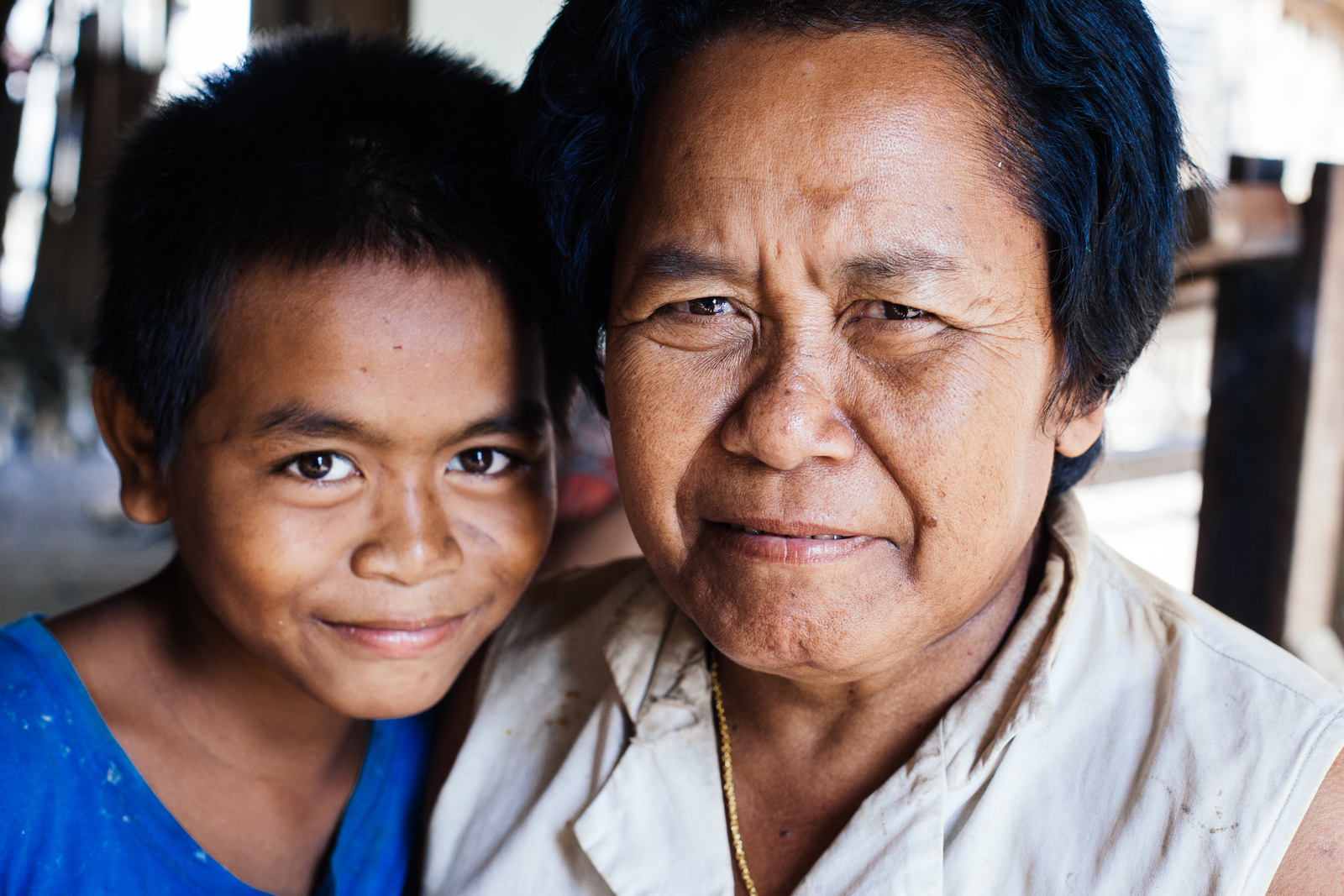
That is to say, in the developing world, widows and grandmothers are the unspoken heroes of orphan care.
Of course, this shouldn't be a big surprise. Most of us, if we have or imagine having children, assume that our spouse or parents would step in and raise them if something happened to us. Naturally, people around the world, rich and poor alike, feel the same way. They want their children to stay in the family.
But there's a catch. In those countries where the orphan crisis is most severe, there are very few organizations or ministries supporting widows and grandmothers caring for orphans. Immense amounts of money are invested in orphanages, and relatively little is spent on widows and grandmothers who care for the majority of orphans.
How can this be?
The good news is that organizations, churches, and donors are beginning to transition away from the old orphanage (shelter, center, children's village) model toward real family-based care, and we're seeing more efforts to support widows and grandmothers.
We believe the Alongsiders movement is part of the change.
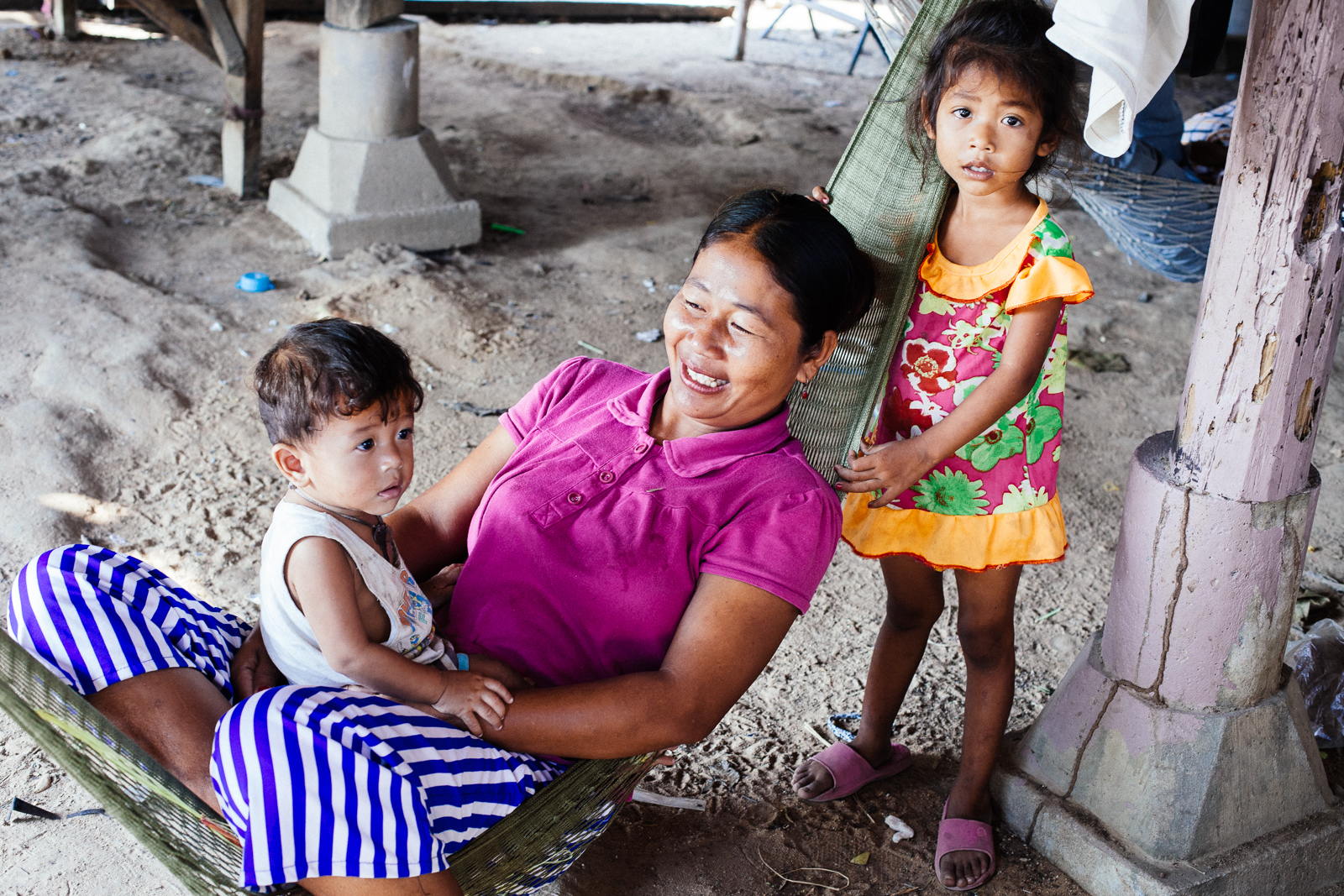
Many young people who become Alongsiders choose orphans as their little brothers and sisters. In so doing, they're giving crucial support to hardworking widows and grandmothers who have so much riding on their shoulders.
Sophy is a young girl living with her grandmother in rural Cambodia. Her grandmother is tough as nails. Not only is she raising Sophy, but during the day she helps care for her nephew, a young man who was paralyzed from the waist down in a motorcycle accident.
Recently, Sophy was on her way to school when an older girl she knew named Chenda fell in beside her. As they walked down the road, Chenda asked Sophy to become her "little sister." Sophy was overjoyed, and later her grandmother gladly gave permission.
Sophy's grandmother loves her, but Sophy has always felt lonely. Many of her peers skip school, gamble, and drink. Her grandmother has kept Sophy in school and focused on her studies, but she can't meet all her needs.
Chenda can help Sophy in ways her grandmother can't.
She can help with homework, visit the school and talk to the teacher, relate more closely to Sophy's problems and temptations, connect her to leaders and friends in the community, intervene when when other problems arise, and disciple her.
Right now Alongsiders in Cambodia, Indonesia, India and Pakistan are walking with hundreds of orphans and abandoned children, giving support and comfort to hundreds of widows and grandmothers.
Sometimes having an Alongsider shifts the balance so that a widow or a grandmother can raise a beloved child on her own, rather than sending the child away to an institution.
So hats off to widows and grandmothers! To their toughness and tenacity in love, and the difference they make in the lives of the most vulnerable children. May they get all the support they need.

They make the most important decisions in any Alongsiders movement
The most important decisions in the Alongsiders movement aren't made in a North American headquarters, but under a hot tin roof in the rural villages and urban slums of Asia and Africa
The most important decisions in the Alongsiders movement aren't made in a North American headquarters, but under a hot tin roof in the rural villages and urban slums of Asia and Africa.
They're made every time an Alongsiders coordinator shares the vision with youth in a local church, and they decide to become Alongsiders.
These young Christians pray and decide for themselves who they should choose as their "little brother" or "little sister". Then they form a group, and decide who should be their group leader.
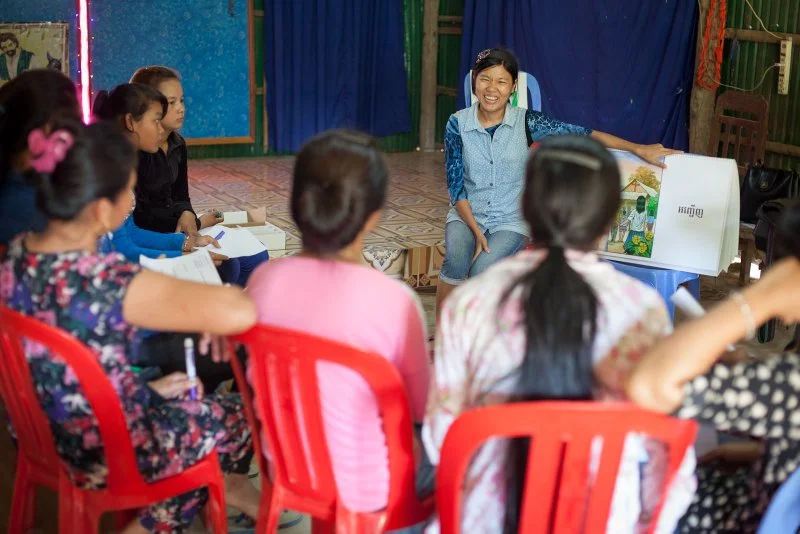
Before these most important decisions are made, or even considered, coordinators have gone out and connected with pastors one at a time. And as you may guess, that's easy to say and hard to do. To connect with many local churches, coordinators have to bridge gaps and adapt to diverse styles, structures, rules, and personalities. Then they persevere and do it again and again.
What we've found over time is that the churches that respond most positively to the Alongsiders movement aren't the most "successful" mega-churches. They're more often small local churches in economically poor, rural communities off the beaten track. And the youth who make the best Alongsiders are the ones who can say, "I chose him, because he was like me."
If I can connect with a rural church, most of the time they will want start an Alongsiders group there." - Phearom Mark, Alongsiders Cambodia Coordinator
The big urban churches in the towns and cities are often more distracted. The pastors and members tend to busy with other programs and events. Certain programs are supported by foreign donors. Once pastors have been exposed to donor money, some will look for programs that keep it coming. And the Alongsiders movement doesn't do that.
Last week I went with Phearom, one of the two coordinators in Cambodia, to visit an Anglican church in a rural village almost three hours from Phnom Penh. It was like countless villages, an anonymous turn off the highway and down a narrow dirt road lined with wooden homes of farmers. When we arrived, we found eleven youth waiting to sign up as Alongsiders.
They had each made the choice to become Alongsider mentors after Phearom visited and shared the vision in November. What a sight it was to see them all and hear their stories!
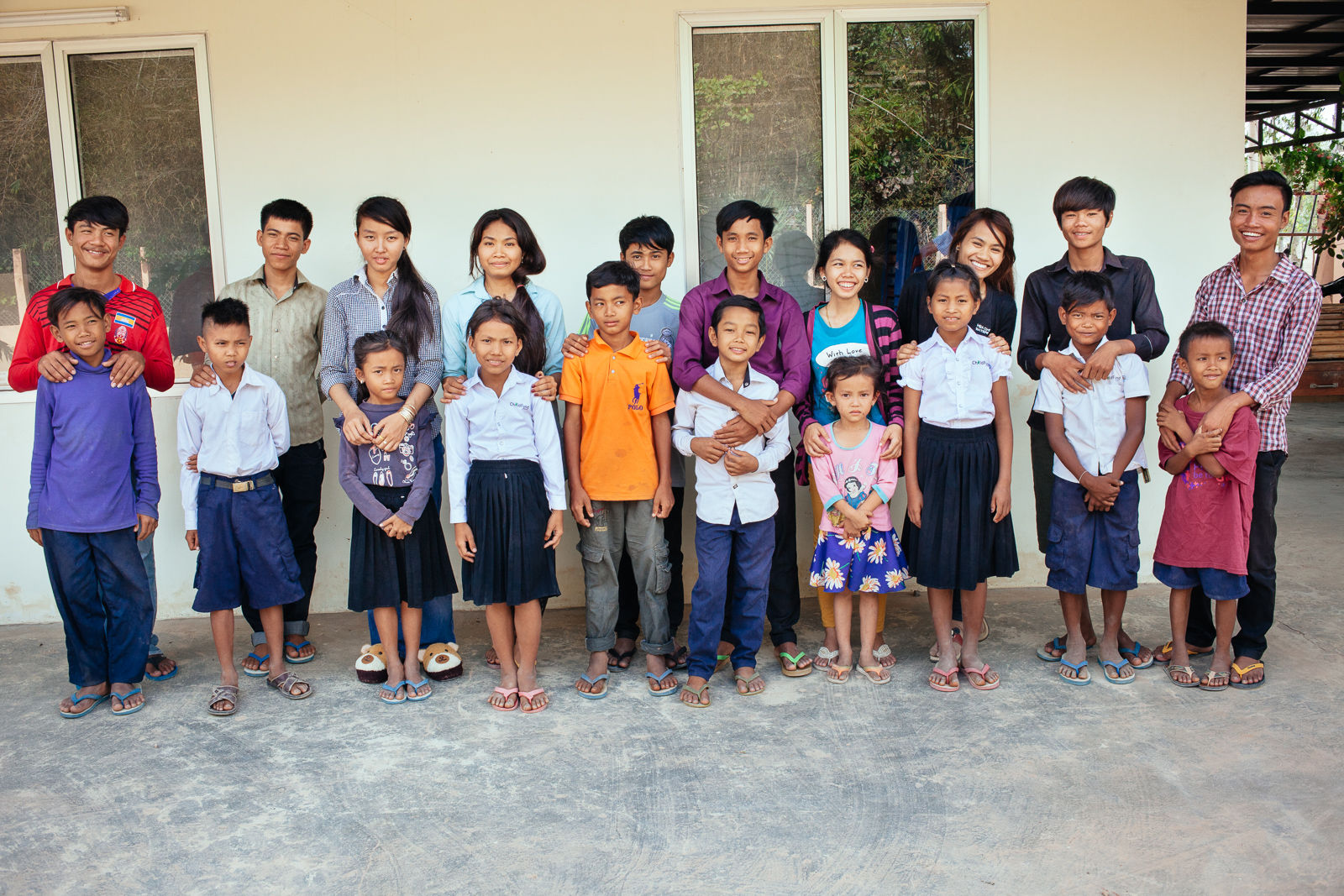
One said he was so excited when he heard they could become an Alongsider. He immediately chose his little brother, a boy who has lived with his uncle ever since his parents abandoned him. His new Alongsider says, "I chose him because I knew I could help him."
The village is literally being left behind. The youth are growing up and going to the cities work or study. Even Cambodians might say this is a "failing" community and view it with distaste. So is a local church in a "failing" community also "failing"? What would that say about the youth who stay there?
The truth is, we saw the Kingdom of God visible in these eleven youth who aren't too busy to walk (or ride a motorbike) with a vulnerable child.
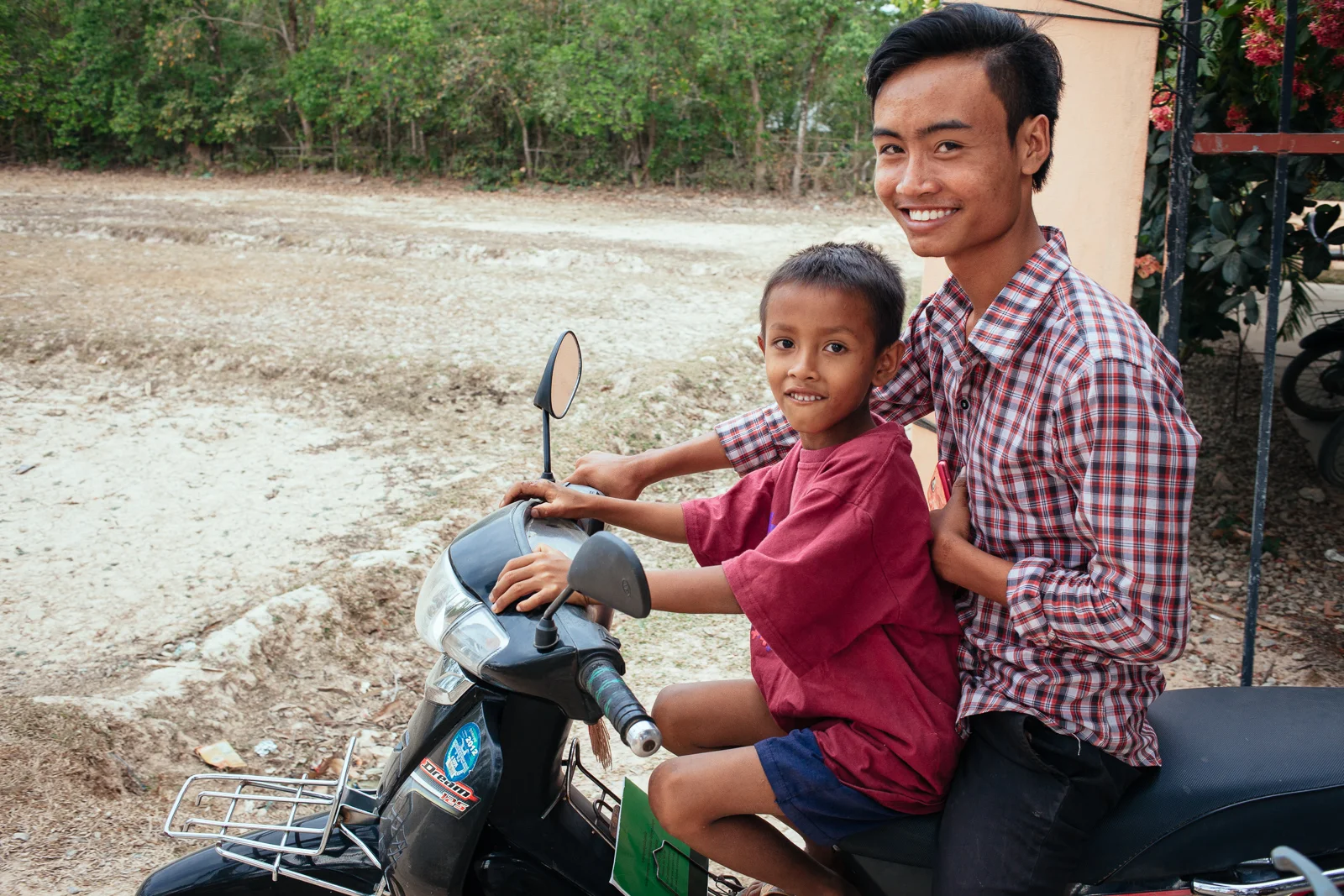
He was excited when Alongsiders came to his church and immediately went out and found this boy to be his little brother.
This is the kind of success we get excited about. Local churches like this one, whose pastors and members identify with being vulnerable themselves, are the leading edges of Alongsider movements.
They resonate with these words Paul used to describe himself and his coworkers:
But we have this treasure in jars of clay, to show that the surpassing power belongs to God and not to us. We are afflicted in every way, but not crushed; perplexed, but not driven to despair; persecuted, but not forsaken; struck down, but not destroyed; always carrying in the body the death of Jesus, so that the life of Jesus may also be manifested in our bodies. (2 Cor 4:7-10, ESV)
The most important decisions in the Alongsiders movement are made by those at a grassroots level who live and learn these lessons every day.
The most important decisions are made by those willing to pay the cost of walking alongside those who walk alone. They are the poor, the marginalized, the young and the overlooked.
Glory be to God for this treasure in jars of clay.

3 keys for longevity in a discipleship movement
The story of Serey Choeng, one of the earliest leaders of Alongsiders in Cambodia, embodies many of the lessons we have learned.
The Alongsiders discipleship movement in Cambodia has been growing for more than 12 years. During that time we have learnt a number of lessons about what it takes to grow and sustain such a movement.
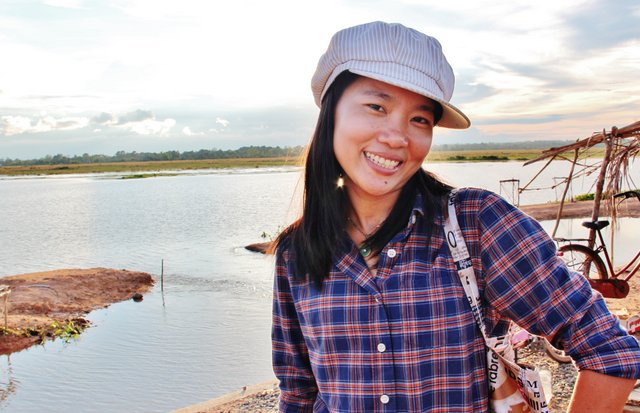
Serey Choeng, leader of the Alongsiders Cambodia movement
One of the earliest leaders in the movement, Serey Choeng, has embodied many of those lessons in her own journey. So, let's examine her life growing up in a Phnom Penh slum community and from there, share some lessons learned along the way.
The community where Serey grew up shares a narrow alley with houses packed tightly on either side. When she was a child, the floodwater during the rainy season mixed with sewage from an open channel just behind the last houses. The fouled water would rise above her head and flow into the homes from below. The neighbors would build rickety walkways over it, but you couldn't avoid it. You waded in it; some children swam in it.
Life in the slum was messy.
![Serey's community [Photo taken in 2005]](https://images.squarespace-cdn.com/content/v1/6a28e0eeb1734d7d91985b22/1781064623060-SAXDD1R7DBPA4D2NIGSV/image-asset.jpeg)
Serey's community [Photo taken in 2005]
Drugs were bought and sold in the shadows, and neighbors drank and gambled outside in the evenings. The pathway forked at a point near Serey's home, and one way led to a row of brothels, of which one or two remain today. Most of the people were simply working hard to feed their families, trying to get ahead if they could. They worked construction, ran micro-businesses, or labored in factories.
Three days a week, during the hours when she wasn't in school, Serey would throw an empty rice sack over her shoulder and walk the streets, gathering items from the trash that she could sell to the recyclers: mainly cardboard, plastic bottles, and cans. Her mother went house-to-house every day, pulling a cart that got heavier by the kilometer. She bought old and broken appliances, housewares, and anything else that she could sell, including whatever the recyclers were buying.
Serey's auntie, who lived a few houses away, worked as a housekeeper for a foreign family. She was unmarried, had a reliable income, and owned her house. She saw the plight of her sister's family and decided to help, so she took Serey into her home. She was very strict and critical, and Serey felt like it was a hard life living there. She went with her auntie to work sometimes, and she learned how to clean houses and cook. When she was sixteen, she got her own job as a housekeeper, and she impressed the foreign lady who employed her with her hard work.
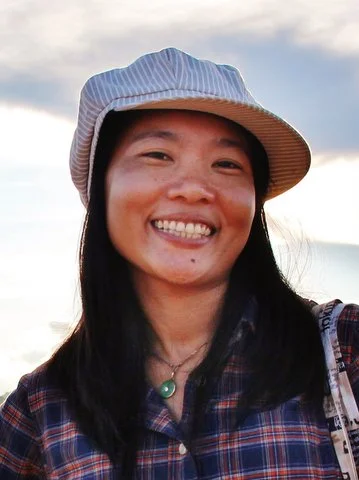
Serey was the first one in her family to come to faith. She began attending a church that only had five or six members. They met in one small room of a home along the alley. That's where she first heard of Project HALO.
The letters stood for Hope, Assistance, and Love for Orphans. It was a ground-breaking program that tried to keep children orphaned by AIDS together with their remaining families (with a surviving parent, grandparents, or other relatives). They also had one of the first foster care programs in Cambodia.
When the representative came to Serey's church, he said they were looking for Christian youth to serve as mentors, to be like “big brothers and sisters” for orphaned children. By that time, the little church had about ten youth, and most of them signed up. “At first I joined to have fun,” Serey says. “But later it was because I wanted to help, because I knew how the kids felt.”
Serey was one of the first Alongsiders, and part of the second wave of youth who joined the movement. Previously, the leaders had asked youth living outside the slum to become mentors, but those mentors had really struggled. For one thing, they were afraid that their motorcycles would be stolen while parked in the alley. They were essentially middle class Cambodians, and the slum was a foreign place to them.
But for Serey, the slum was her home, and she had a better idea what the kids in Project HALO were going through.
When Serey first became a mentor, she was assigned to a girl whose mother had AIDS. “I tried to get to know her,” she says, “but she was withdrawn and didn't speak much. One time we went to camp, and I felt like I got to know her better through that. She really suffered at home, because her mother was sick and they had so little support.” Serey never formed a strong bond with this first little sister, and then the girl and her mother moved away.
This was another lesson the leaders of Alongsiders learned in those days. It was better if youth joining the movement chose their own little brothers and sisters. The Alongsiders needed more freedom to find a child they could relate to, and it was important for them to own the relationship.
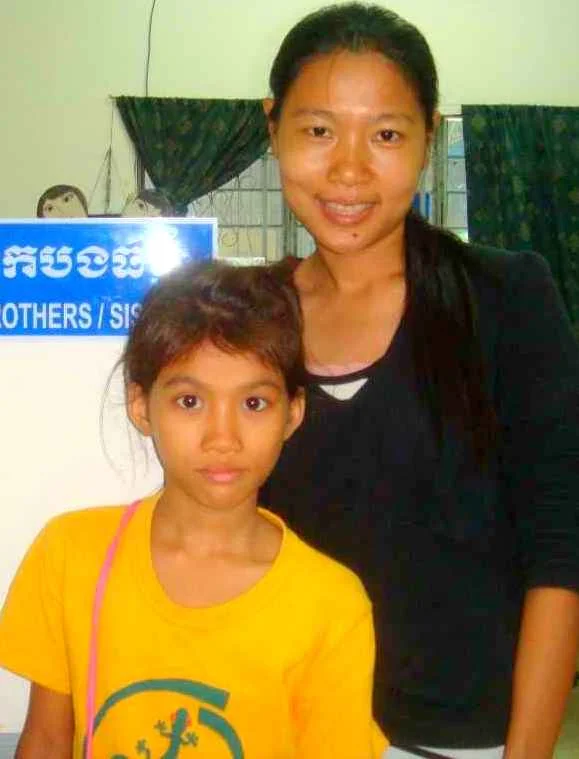
Serey and Neang early in their relationship
Serey wanted to continue being an Alongsider, so she prayed about who to choose next. She saw many needy children, but she finally picked the one who was “most like me.” Neang was six years old. She lived with her mother and grandmother just a few houses down. They were very poor, as were most of the local children. What caught Serey's attention was that Neang didn't have any friends. She was very quiet and lonely.
Serey naturally saw Neang every day, and two or three times per week, she would sit down and talk with her. When she was eleven, Neang came to faith. By that time, Serey's parents and auntie had all come to faith, and they had all joined the local church. Neang's older sister, who had an Alongsider mentor as well, became a Christian, too.
In July of 2006, Serey was invited to became the third leader of the Alongsiders Cambodia movement. She was still working as a housekeeper with proven integrity, and she had become a faithful and capable leader in her church. Most importantly, she personally understood what Alongsiders was about. She prayed for three weeks before accepting the position. A co-worker was hired at the same time, and the two worked well together. The movement started to grow, and within two years they had mobilized nearly three hundred Alongsiders plus an equal number of little brothers and sisters.
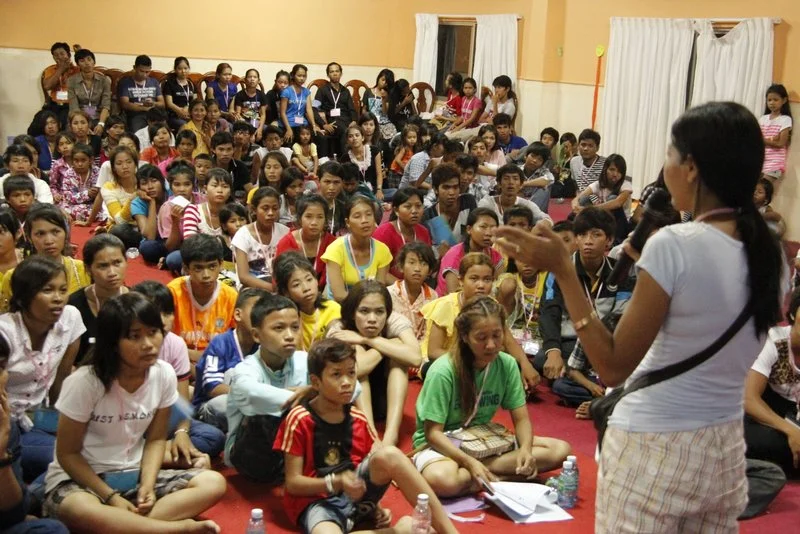
Serey training Alongsiders and their little brothers and sisters at an Alongsiders camp
It's good to reflect on our history. We're grateful to celebrate leaders like Serey, and it helps us remember why we do things the way we do. Reflecting on where we have come from also allows us to distill lessons learned along the way so that others can avoid making the same mistakes. So, here are 3 key lessons from Serey's story...
1. The Principle of Prayer
In Matthew 9, it says Jesus went out into the towns and villages, and crowds of people showed up, but they were "like sheep without a shepherd." So he told the disciples to pray for workers, because the harvest was plentiful. Where do the workers come from? We believe the workers are there, in the towns and villages and slums, and we're praying that God will raise them up because that is how He commanded us to approach the task. And God is doing that as we mobilize, equip, and release Alongsiders.
From early on, Serey recognized the power of prayer, first in her own life as she prayed for God to show her who to choose as her little sister, and then later as she rose to lead the movement, as she prayed for guidance and more Alongsiders.
2. The Principle of Proximity
A major turning point came when the early leaders chose to mobilize Alongsiders from local churches inside the communities, rather than recruiting mentors from outside the community who would travel in. If we want to see young people who know how to follow Jesus in everyday life, we need to disciple them in everyday life. That's why proximity is a key. Little brothers and sisters need to see their Alongsiders in action, in every day situations - not just parachuting into the community for a classroom discipleship experience.
Serey herself was part of the new wave of Alongsiders recruited to serve within their own communities. She saw firsthand the fruit of that approach and has applied that lesson to help the movement grow.
3. The Principle of Empowerment
Likewise, it made all the difference when Alongsiders were allowed to choose their own little brothers and sisters. Besides allowing them to own the relationships, we've recognized that young people becoming mentors need to make choices and take responsibility. This is good for the movement, and it's part of their own growth and development as humans and disciples. Like Serey, many have embraced this process. We've often heard about new Alongsiders praying for days or even weeks before choosing a little brother or sister.
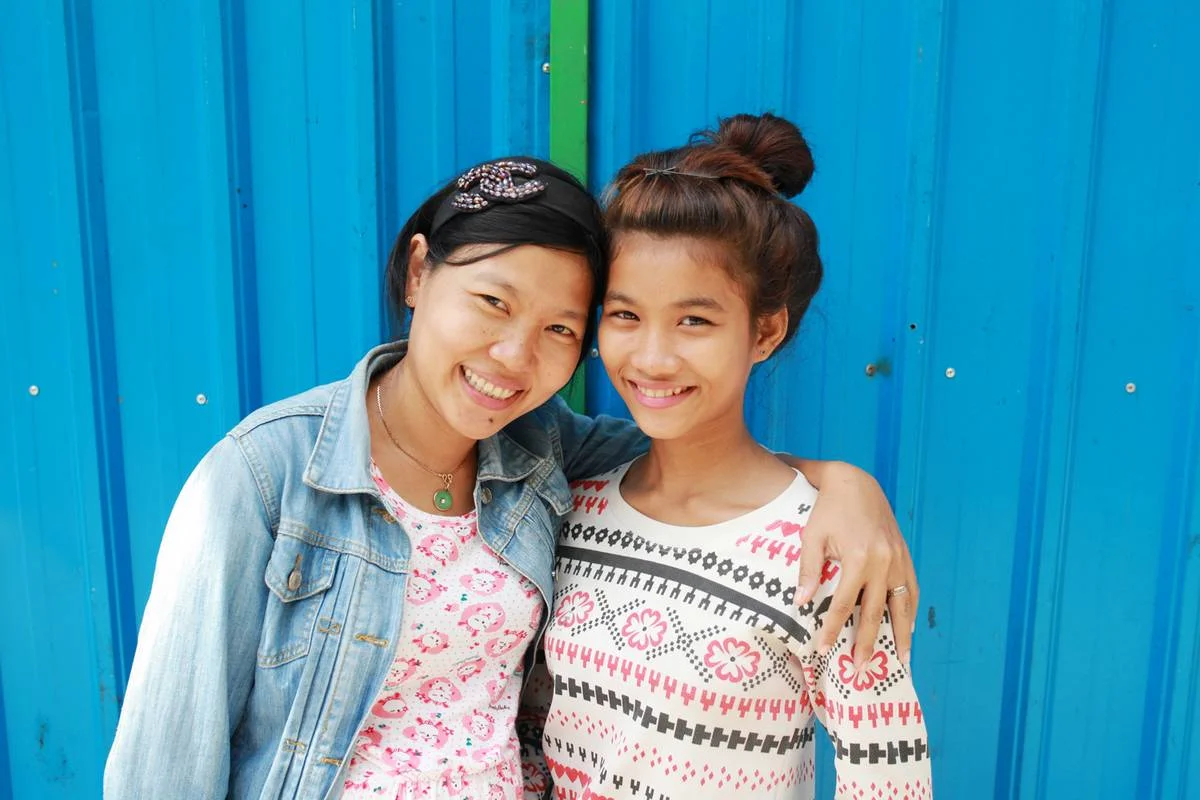
Serey and Neang today
Taken together, these keys to longevity were essential for Alongsiders to change from being a centrally planned, managed, and scripted project to being a movement owned, powered, and initiated by leaders and disciples at the margins.
How might these lessons inform the discipleship movement you are part of?

This poem beautifully explains the power of a story
Jesus was a master of this form of communication, and His teachings have stood the test of time partly because He wrapped them in compelling parables and sayings.
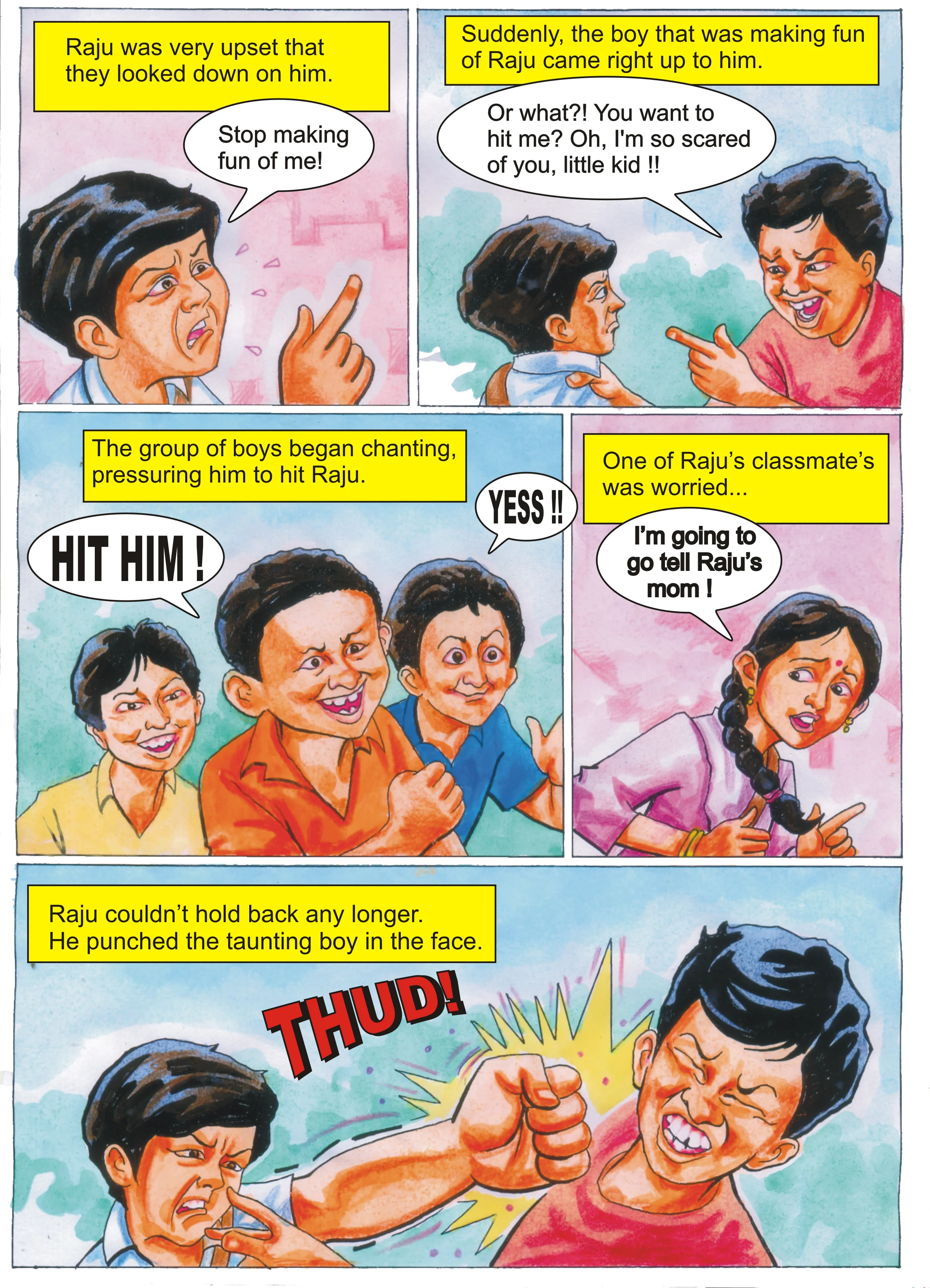
This is a sample of one of our Indian comic book lessons. English is used in this sample, but Hindi, Punjabi, Urdu and Telegu versions are currently in progress.
The Alongsiders movement continues to spread through different countries in Asia and Africa. These are cultures where values and beliefs are passed orally from one generation to another.
In the countries we work, important messages are taught in proverbs or songs, folktales, sayings, ballads, or chants.
So, our discipleship material must be presented in a form that will be well received and easily understood by young people and children who are used to these oral forms of communication.
Long lists of doctrine, 3-point sermons and abstract principles will simply not do in this context.
Jesus was a master of this form of communication, and His teachings have stood the test of time partly because He wrapped them in compelling parables and sayings.
So, to help communicate the importance of stories and word pictures to you our readers, enjoy this poem which is based on a famous story told by Jacob Kranz, an 18th century rabbi based in eastern Europe.
The poem beautifully captures the essence of what we are doing through our comic book curriculum...
Naked Truth
Naked Truth walked down the street one day.
People turned their eyes away.
Parable arrived, draped in decoration.
People greeted Parable with celebration.
Naked Truth sat alone, sad and unattired,
“Why are you so miserable?” Parable inquired.
Naked Truth replied, “I’m not welcome anymore.
No one wants to see me. They chase me from the door.”
“It is hard to look at Naked Truth,”Parable explained.
“Let me dress you up a bit. Your welcome will be gained.”
Parable dressed Naked Truth in story’s fine attire, with metaphor, poignant prose, and plots to inspire.
With laughter and tears and adventure to unveil,
Together they went forth to spin a tale.
People opened their doors and served them their best.
Naked Truth dressed in story was a welcome guest.
(A Jewish tale retold as a poem by Heather Forest)

The gift of Christmas you'll want to bring with you into the New Year
The inspiring story of one who was overlooked.
Most of us make a quick switch between Christmas and New Year's Day. From celebrating God's invasion of our world as a baby, we turn to making New Year's plans and resolutions. It's not that there's anything wrong with deciding to exercise, eat better, and pay off the bills. But as we pack away the lights and think about what's next, let's take care not put away God's own gift for us.
In a minute, I want to tell you a short story about an Alongsider and her little sister that will shine a fresh light on the gospel of Christmas.
First, let's think about Christmas in a down-to-earth way.
God was born as a human child in a dark corner of the Roman Empire, in a dirty stable, and his first recorded visitors were not kings or priests, but shepherds and foreign astrologers. Then, threatened with murder by a violent man, the child and his family fled to Egypt, where they were refugees.
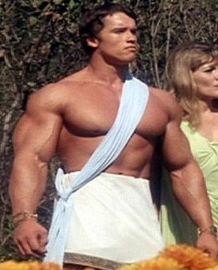
What a God-among-men was supposed to look like
No God (or god) in the history of religion ever became human, or even appeared to be human, in this way: helpless, victimized, poor, and disgraced. The gospel of Christmas is not just that God was born as a human, but how God was born among us.
In the words of one of the first Christian hymns, "He made himself nothing" (Phil. 2:7). God identified with the least, the rejected ones, and the victims of human scapegoating and violence. God didn't just identify with "us sinners" - God actually became one of our rejected and outcast victims.
Now read this story from Jesus' perspective.
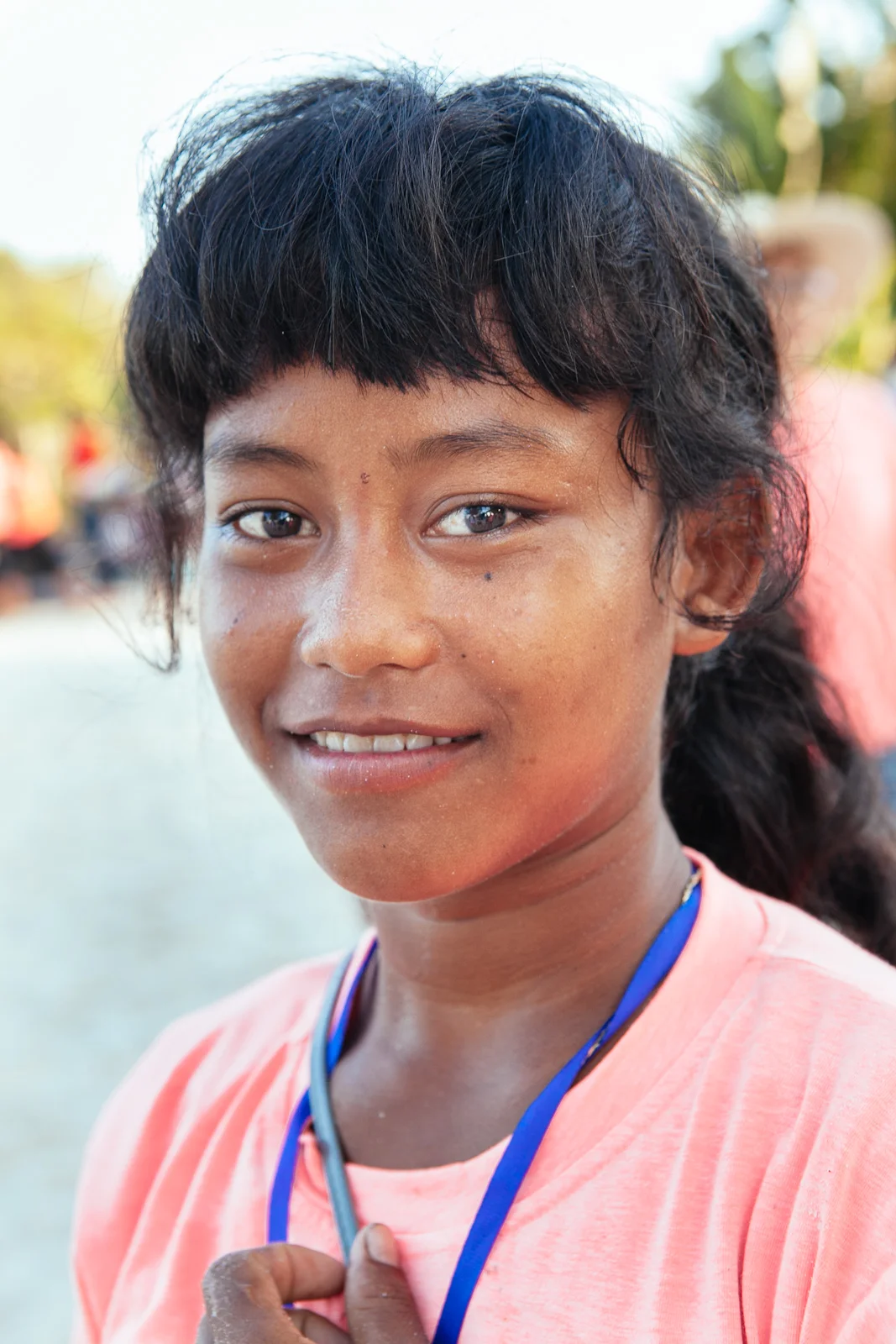
Soklei is from a rural village in Cambodia that you won't find on the map. Her family, it's said, doesn't have much care or love for each other. Maybe that's true, or maybe her father is under too much stress to show it. He makes a living gathering wood in the forest, cutting and bundling the pieces, and selling it as kindling. Since his wife passed away, he has been raising Soklei on his own. They're among the poorest in the village. One of Soklei's siblings is in prison; another works as a housekeeper in Phnom Penh and sometimes sends money.
Though she's fifteen years old, Soklei is just now starting the fifth grade. It's not uncommon for students to fall behind when family life is disrupted, like when a parent dies, but there's another issue in this case. It's not immediately obvious, but Soklei has a mental disability. "She's slow," is the common explanation.
Even in a poor community, those who are "poorest" (economically and in other perceived ways) are rejected. Soklei has a history of being left out and left behind. When the local church formed a group of Alongsiders, the pattern seemed to repeat itself. None of the church youth who became Alongsiders wanted Soklei as a little sister.
It's always a risk choosing to walk alongside a little brother or sister who the community already looks down on. You may come under the same judgement. Plus, tying yourself to someone "slow" might slow you down and make it difficult to reach your own goals. You may even be rejected as well.
Every Alongsider is still growing and maturing. Fortunately, when the Alongsiders group leader, Chantan, saw that Soklei had been passed over, she chose Soklei for herself. She saw something the others had missed.
At the Alongsiders camp this year, Soklei, sitting beside Chantan, said she didn't feel alone like she did last year. Chantan was smiling, too. She didn't just "do a good thing." She took a risk, and there are costs as a result, but it's changing both of their lives.
In becoming human, God tied himself to us. Slowed down for us. He was disgraced, rejected, and victimized alongside us - and by us.
The good news is that God knows us full well as we are, both our weakness and our violence. Jesus didn't come only to set right our relationships with God. In absorbing our worst and yet forgiving us, he created an opening for us to change the way we relate as humans together: by forgiving and restoring one another.
We can go through that opening now.
When we love and care for our neighbors who are at the ends of their ropes, and cast aside, we get to know Jesus and what he is about.
Jesus said as much in Matthew 25:31-46: those of us who welcome and care for the least (the poor, the outsiders, the disgraced and rejected ones) will know him and be known by him.
Chantan gets it. Please pray for Chantan and Soklei and others like them in the Alongsiders movement, in Cambodia and in a growing list of countries. As you remember them, remember to take this gospel with you into the coming year and act on it.

There is someone who is "least" or "rejected" or "scapegoated" who God has placed as a gift before each of us, probably not far away. He or she could show us who God is and teach us what it means to be human with one another.
Will you open that gift? If you have someone in mind, why not put on your shoes or pick up your phone and take a step right now?

How to find intimacy with God this Christmas - a lesson from an Alongsider
Learning the one thing that never fails to bring us closer to God.
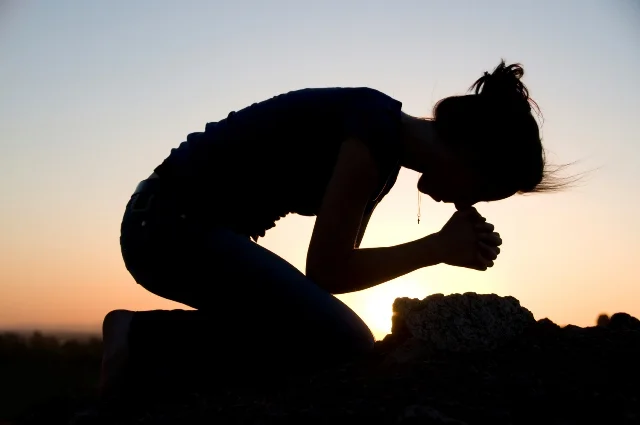
Most Christians I know want a more intimate relationship with God, but most of us, when we strive to have a closer relationship with God, struggle to find it.
Again and again it seems the things we do to draw closer to God fall short. It's as though the intimate relationship we seek is a mirage that recedes before us.
Or we experience intimacy with God in a wonderful moment, but then it passes. So we throw ourselves back into prayer, worship, Bible study, or the next big event longing for a breakthrough.
What we don't appreciate is that God has already closed the gap and is with us. We don't see this, because we're focused on ourselves or off in the distance where we think Jesus is.
No one has known the heart of the Father better than Jesus. He said that he always did what his "Abba" (Papa) was doing. How we long for that kind of relationship, and yet it's right in front of us. We can talk about how Jesus woke up early to pray, or about signs and wonders he did, but we can never say Jesus was searching somewhere "out there" for intimacy with God. He didn't go looking for spiritual experiences, because he was constantly running into real people and loving them with the gifts and resources he had.
That's what his Papa was doing.
Consider the words of Paul to a group of believers in Corinth who seemed to have it ALL (knowledge, spiritual gifts, and powerful signs and wonders). He said all of that was useless noise without love. It was falling short.
The only thing that will NEVER fail you, he wrote, is love.
Now how about some spiritual wisdom from a farmer's son in Cambodia.
“I want to have compassion for people. I was really glad when Alongsiders came and I had a chance to choose a little brother.”
What an amazing desire this is: to have compassion. He recognized in Alongsiders an opportunity he didn't want to miss.
Sarath, the son of farmers, is a four year university student. His goal, when he graduates, is to start a business raising pigs. If you were to imagine a person of spiritual insight, you might not picture an aspiring pig farmer in rural Cambodia. But what Sarath desires - to have compassion for others - is great in the eyes of God, and it will not fail.
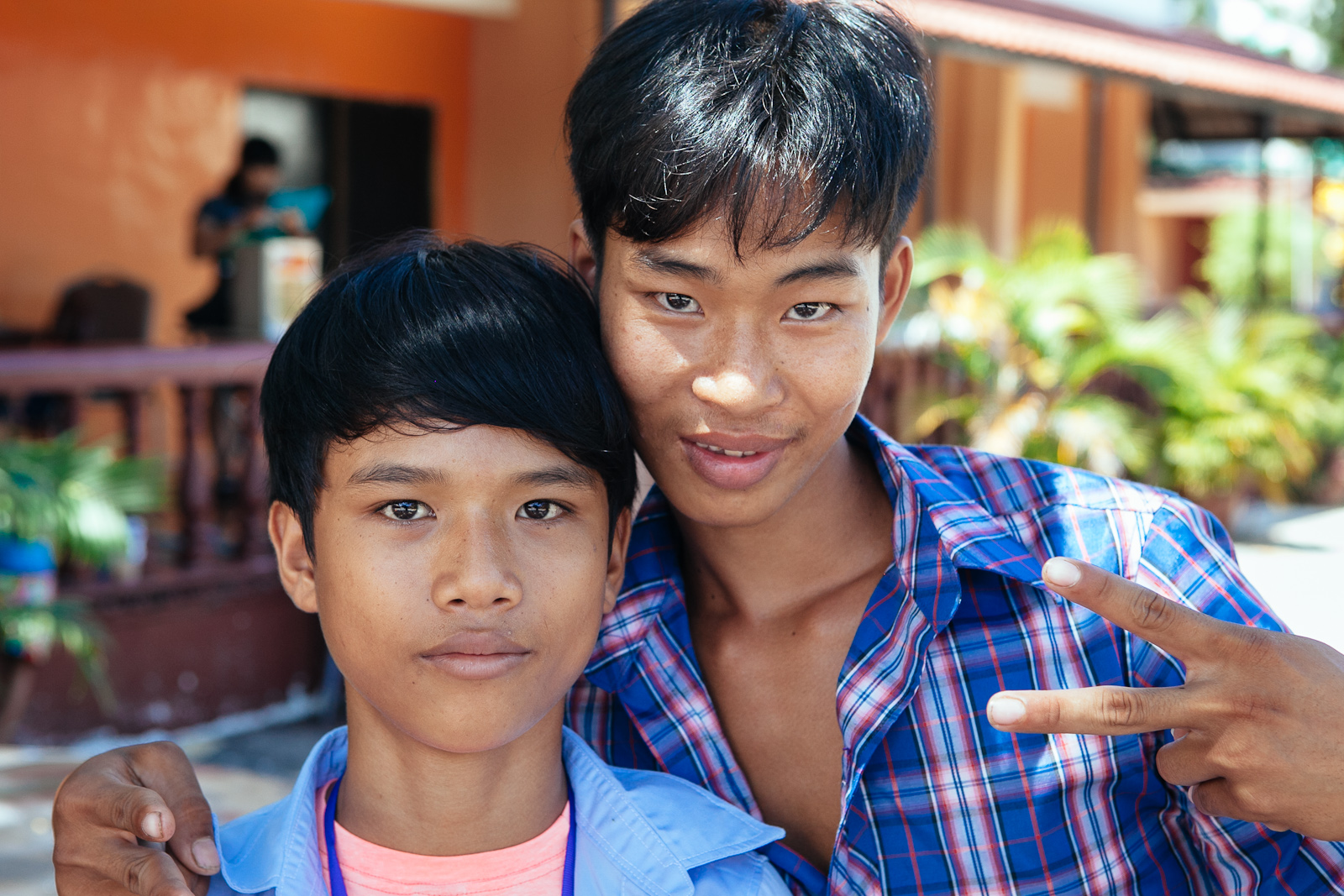
Jesus called himself the Son of Man, which simply means "the human." At Christmas we celebrate that Jesus was born as a baby. In that way, God became fully human among us. A mark of those who follow Jesus - here and now in this world where we live - is that they embrace being human; they plunge into human relationships; and they love people as the Father is doing. This is the way to the Father's heart.
As for Sarath, he became an Alongsider for a boy named Sokty. "He was different from the boys in the village," says Sarath. "He was really hungry for education, but his family had no money to support him. I spend time helping him with his homework. He doesn't have money to pay his teacher, but sometimes the church helps."
In Cambodia most teachers expect their students to bring a little money to school every day to "pay for the paper handouts." In this way, the teachers supplement their very low salaries. Teachers aren't supposed to require these payments, but it's very hard for students to refuse. Recently, Sarath went to speak with Sokty's teacher, and then the teacher agreed to visit Sokty's family to see for himself how poor they are. Sarath hopes the teacher will give Sokty an exception after this.
Besides school, Sokty has many chores at home, so he doesn't have much free time. He meets with Sarath two or three times per week. Then they read the lessons that Alongsiders provides, and they often pray together. Sokty says the support and encouragement he's received from Sarath have changed his life. He comes from a Buddhist family, but now he believes there is a God who loves him.
When Christ became fully human, he didn't move away from his Papa's heart physically or relationally. He walked on human feet on dusty ground right into the center of it. I'm pretty sure Sarath, who sees that loving this one vulnerable neighbor is an opportunity, is on to something big. That many of us long for. Now may we have eyes to see it.

2 life lessons and a powerful challenge from a surprising source - but there's a catch
His story doesn't have a Hollywood ending, but you'll be surprised what you learn from this young man.
His story doesn't have a Hollywood ending, but you'll be surprised what you learn from this young man.
His name is Ni. People who are like him, living at the margins in extreme poverty, rarely fit into a clickable narrative. They're slogging along in process, unresolved, longing for a good surprise and hoping to avoid disaster. Actually, most of us can relate.

But here's the difference. Somebody chose Ni.
Four years ago, a 19 year old named Sothana signed up to be an Alongsider. He was living in Takeo, a rural province south of Phnom Penh.
Looking around his community he saw Ni, a 12 year old boy in one of the poorest families in the village.
Ni had dropped out of school, and his prospects were dim. So Sothana chose him, to be his "little brother".
One year later, Ni's father died. He drank himself to death, dying slowly of ulcers that ravaged his gut. The family spent what money they had on treatment. Perhaps he was drinking cheap rice wine made in the villages, laced with methanol. At any rate, it was a hard way to go, and the family was left without their main provider.
"He was a good father," says Sothana. Not perfect, obviously, but Ni felt loved.
In fact, Sothana adds, he wasn't Ni's biological father. These stories seldom unfold all at once; they are like peeling the rings of an onion. When Ni was young, his birth mother left him with her sister and her husband, and they raised Ni as one of their own.
Ni was the oldest child, so after his adoptive father died he went to work to earn money for the family. They don't own land of their own (which is why they have been among the poorest of the poor in that farming community).
For the past three years, Ni has been hiring himself out to work for other farmers, taking any and every job he can get.
Did having an Alongsider change anything?
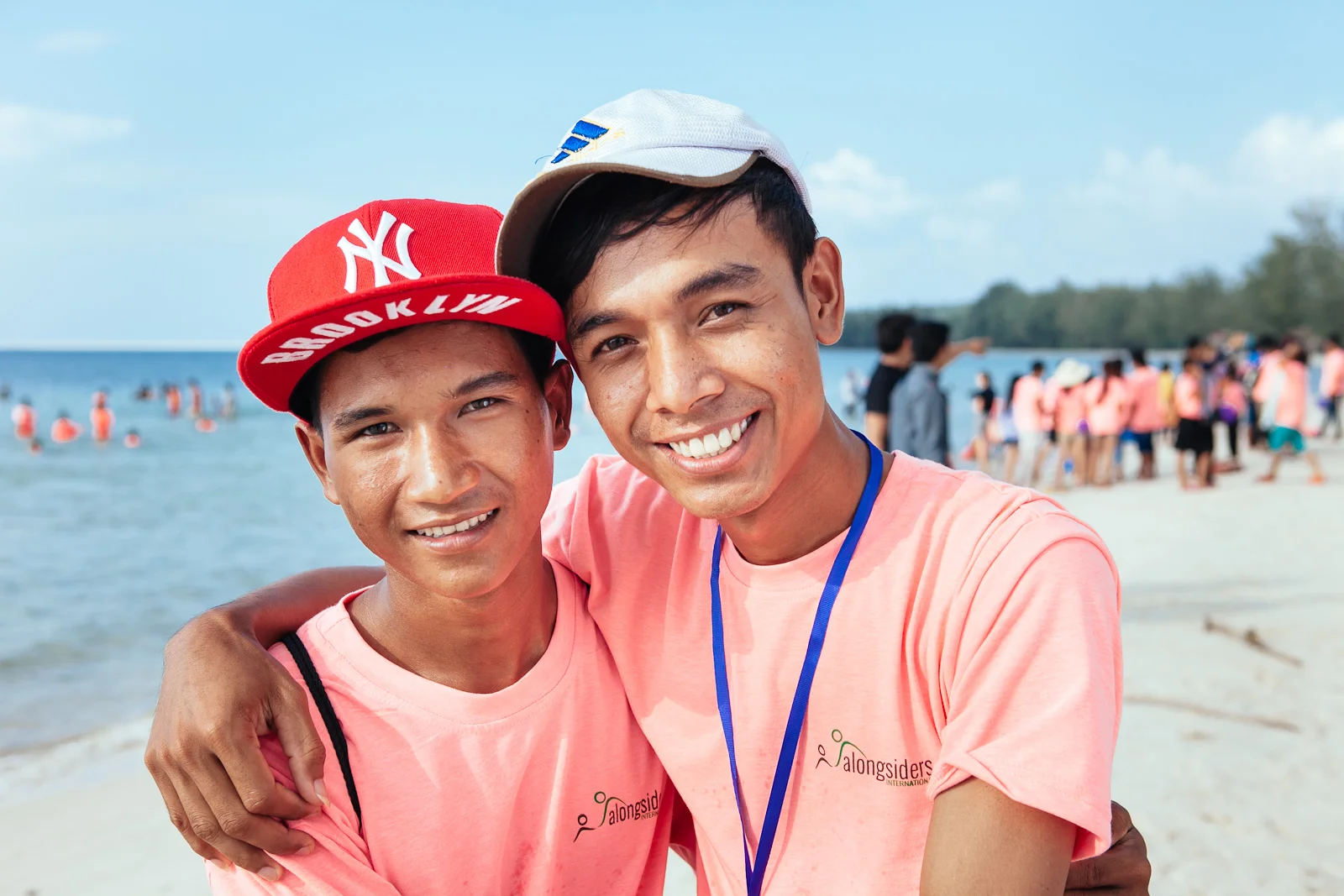
Ni (left) and Sothana (right) at the annual camp this month
Somehow, with encouragement from Sothana, Ni began attending school in his spare time. He's studying at the ninth grade level, but he can't afford any of the after-school classes that most students take. Those classes are important because the quality of teaching during school hours is low, and the students all have to pass exams eventually to graduate.
He's conscious of the fact that he doesn't have specialized skills that might help him find better work in the future. Even if an organization covered the cost of training, he would still have to consider how his family would get by without him. The trickle of money he makes is their lifeline right now, until his siblings get older.
Yet Ni says having an Alongsider and being part of Sothana's church has made a difference. It's kakadao (warm and loving), he says. It's a word rich in emotion, a word little brothers and sisters often use to describe their relationships with their Alongsiders.
"Before I didn't spend time with others," he says, "because in my heart I felt that I was poor. I was afraid and lonely."
One time when the roof of Ni's house collapsed during a torrential rain and ensuing flood, the church members came and helped repair it. All they could offer was a blue tarp roof, but it kept the family dry and helped them get through the crisis.
Last year Ni attended the Alongsiders annual camp for the first time. Previously he hadn't gone to camp because he worried about what would happen to his family if he was away for three days. "But when I went to camp," he says, "I saw lots of other kids like me. I got to know them, and I felt happy, so I wanted to come back again." This year was his second time to go.
Through it all he finds himself making more connections with others: with his Alongsider, with church members, with neighbors, and with other little brothers. It's a significant change for him, considering that he was so isolated before. Now he is sixteen, so he has started thinking about choosing his own little brother next year. But he worries about that, because he's still poor and lacking in viable skills. He feels like others still look down on him, and he questions whether he has anything valuable to offer a little brother.
At the top of this post, I started by saying you'd be surprised at what Ni could teach you. Have you learned anything surprising yet from Ni's story? Here are two lessons we at Alongsiders take from it.
- We know that real and lasting change is a process that plays out in the context of relationships. Those inspiring stories on Facebook often gloss over key details like: careers set aside, years of perseverance, untold hours in prayer, conflicts, emotional stress, and much more. If you want the fruit, you may have to plant the tree and care for it as it grows. (See this previous post about why we don't emphasize the speed of change: 3 Practical ways 'slow and steady' changes the world.)
- Ni has a list of reasons to doubt his capacity, but we believe strongly that he's qualified to serve as an Alongsider. You may doubt yourself; you may even doubt God. Admitting you don't have all the resources and answers is a great way to begin serving someone who is at the end of his or her rope: in a hospital, in a prison or juvenile hall, at a homeless shelter, or in a program for refugees.
You'd be surprised what you could learn from Ni if you walked alongside him and shared his journey.
But there's a catch...
You'd be surprised, inspired, shocked, amazed, confused, bothered, overwhelmed, and transformed, all these things! - IF - and possibly only if - you stuck with it.
Sothana, Ni's Alongsider, says that through sharing his own journey over the long haul with Ni, he knows "true love" in a way he never knew it just by attending church or even in his own family.
If you want all of that - ALL of it, the good and the bad - look around. God has a "Ni" already chosen for you, even as you breathe a prayer asking who it is.
You'll be surprised.

How disciples are formed and NOT formed at camp (with photos that will make you smile)
This is what happens when 400 young Cambodians gather to fellowship, train, play games and worship God. Plus glitter.
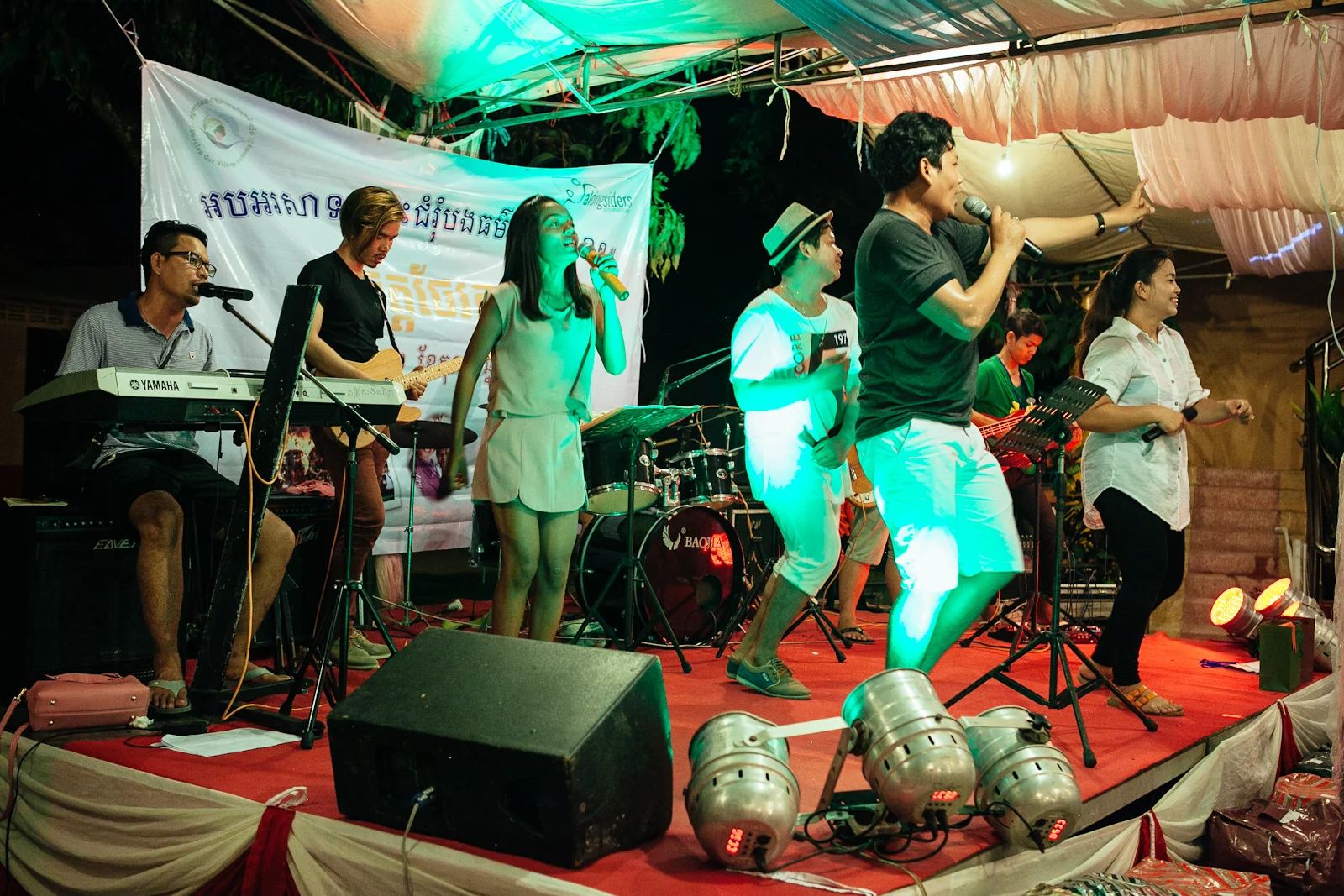
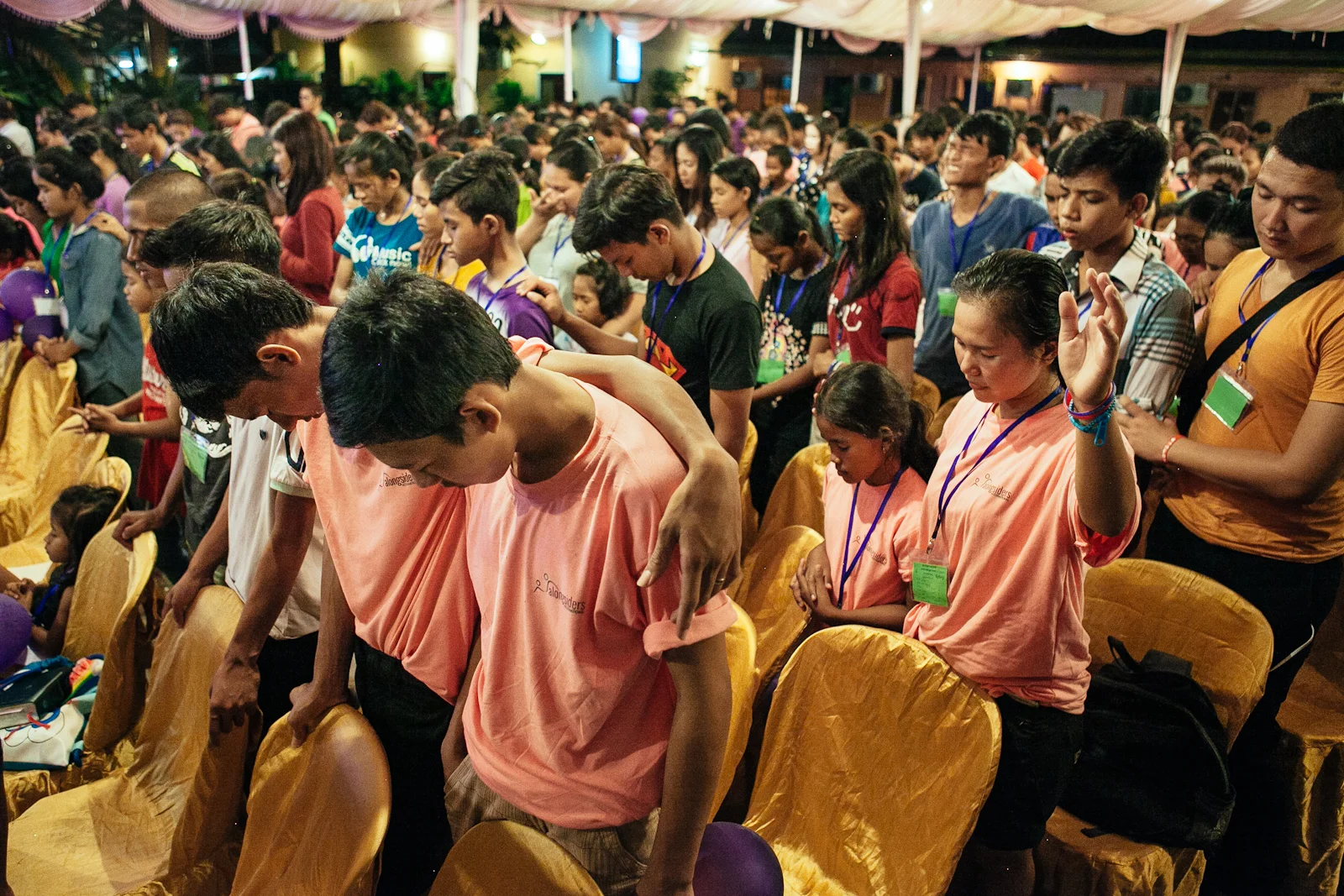
The band was on fire. Around 200 Alongsiders, with their 200 little brothers and sisters standing next to them, sang out praises together, eyes shining and faces glistening in the lamplight, as industrial-size fans at the corners beat back the heat. With a sudden POP a glitter bomb burst over the heads of everyone on the front row, filling the air with flecks of light wafted on streams of air, and the crowd cheered.
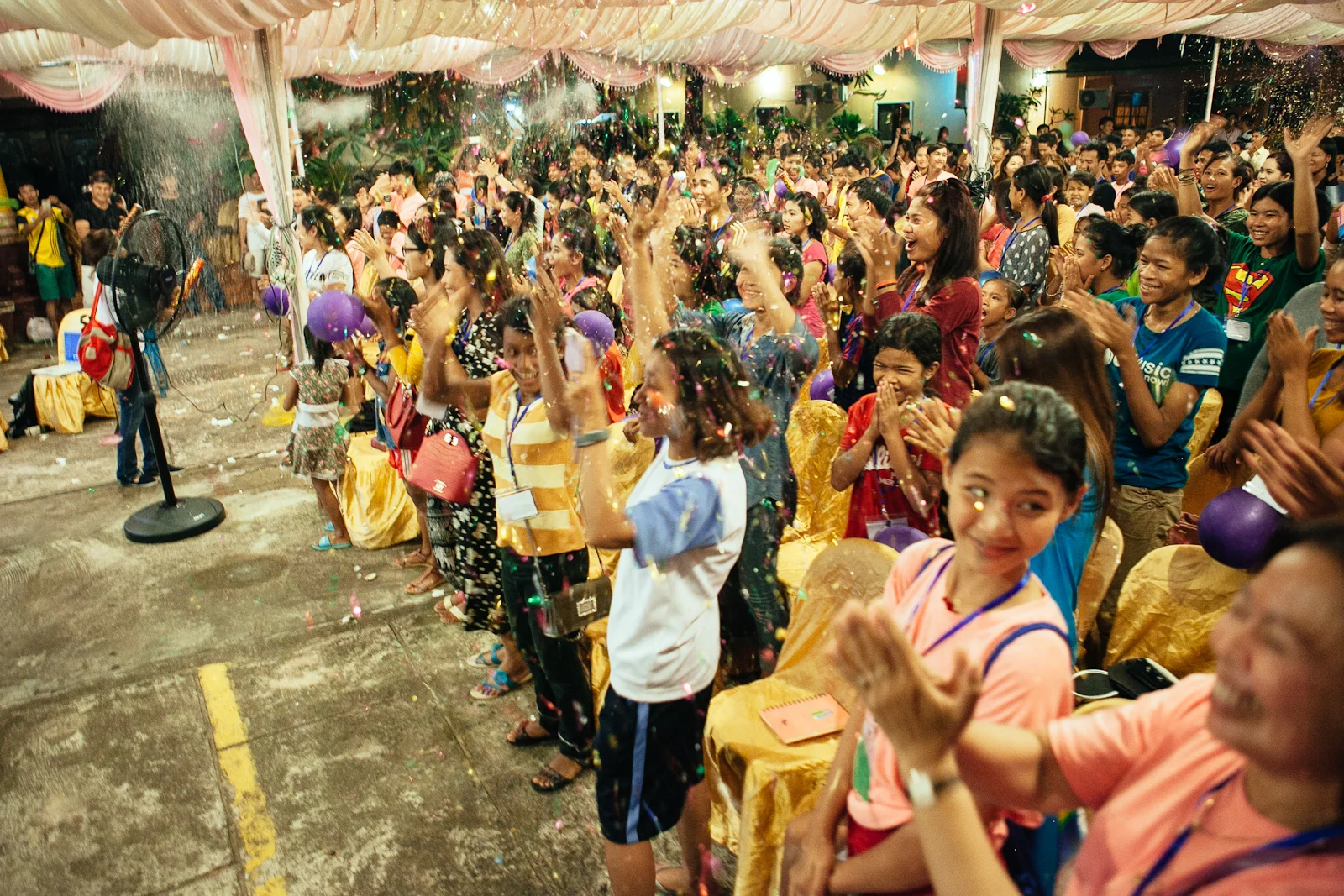
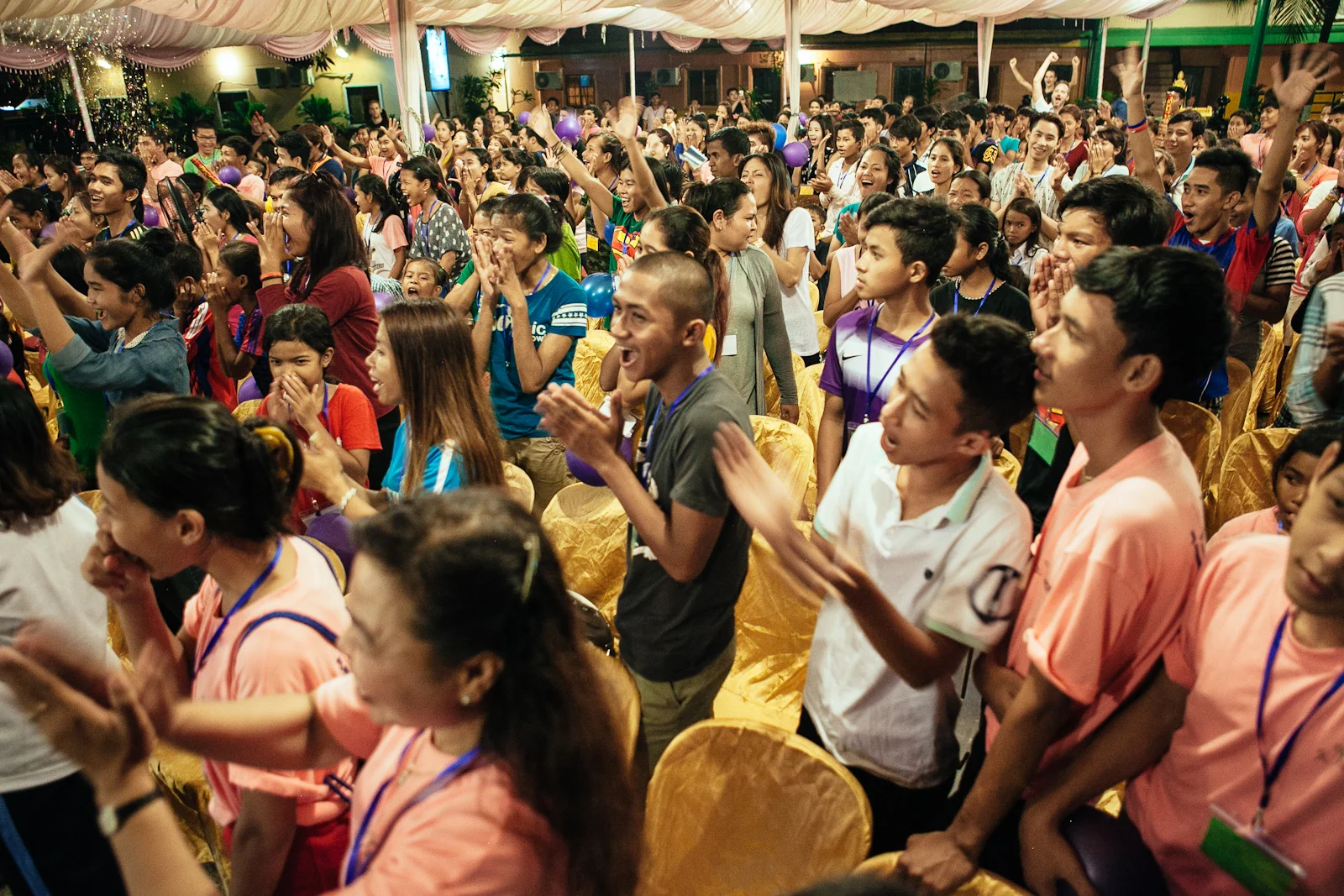
That was the scene unfolding last Friday evening at the Alongsiders Cambodia annual camp. Most attendees had travelled many hours, on multiple vans and buses—even by boat—on Thursday to the seaside resort town of Kampong Som. We had less than 48 hours together, so they wasted no time jumping in.
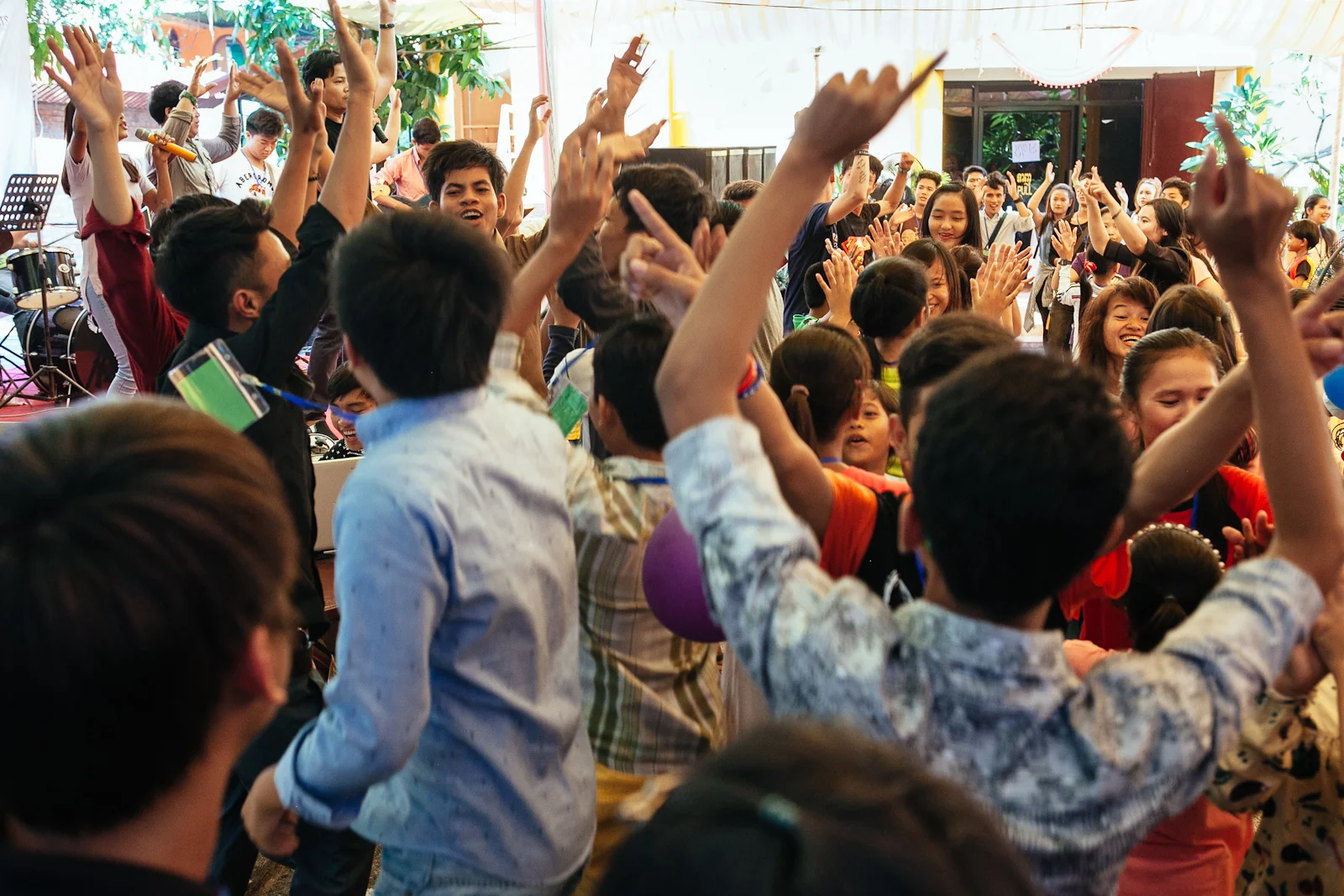
Alongsiders is a discipleship movement. Every structure and activity is intended to support the making of disciples as Alongsiders love and serve their little brothers and sisters. Camp is a big event, but it's not an end in itself. It plays an important role though.
It's a time to gather together in numbers, share meals and stories, receive and give training, see and celebrate growth, worship and pray, and have some serious fun.
Those 48 hours were packed with teaching, testimonies, workshops, more singing, prayer, meals together, trips to the beach, games, and even some time to sleep. Every activity had a purpose, generally focused on strengthening relationships and trust.
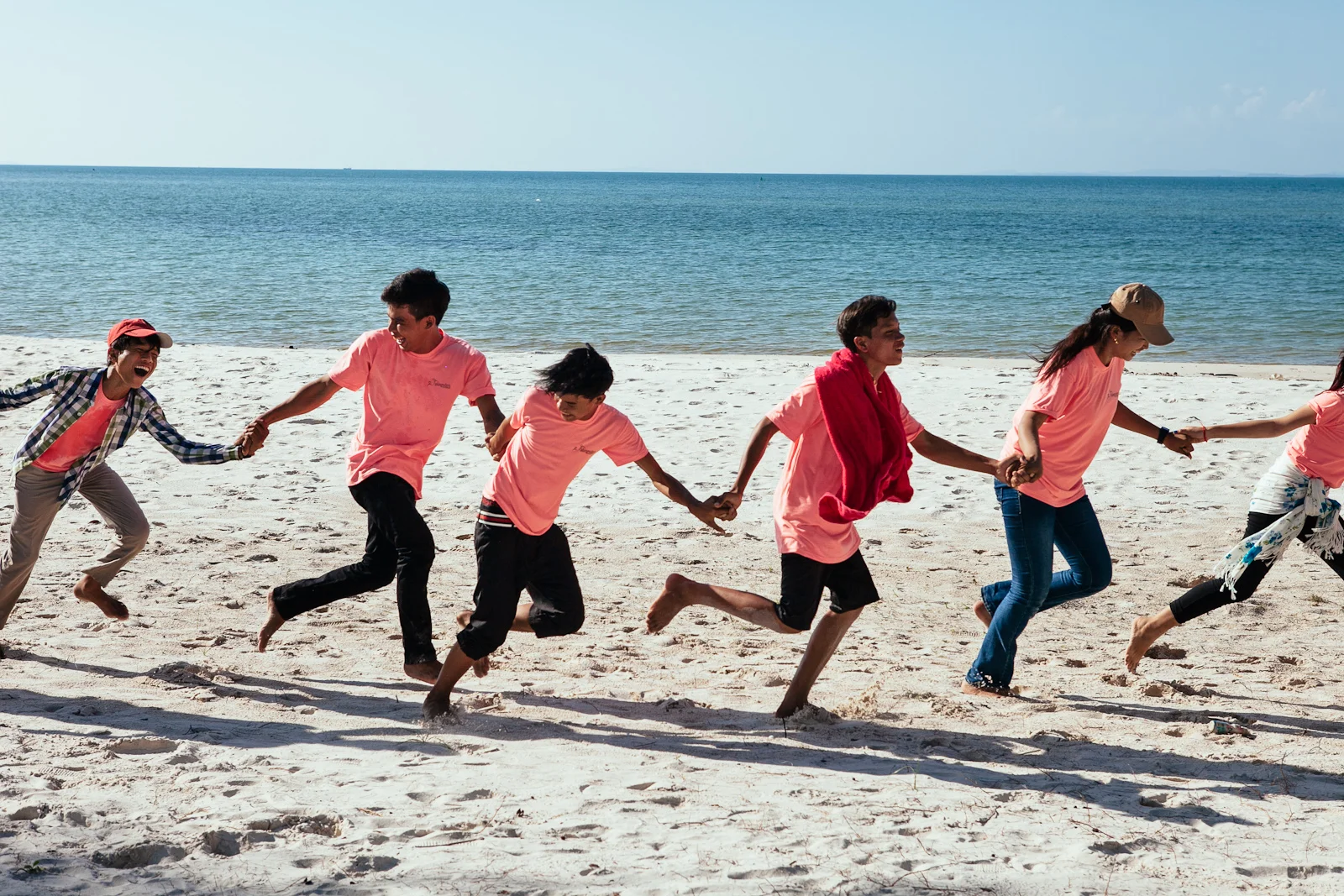
All of this set the stage for some wonderful moments. One of the joys of community in Christ is gathering with a sense of calling and enjoying one another in love. That happened.
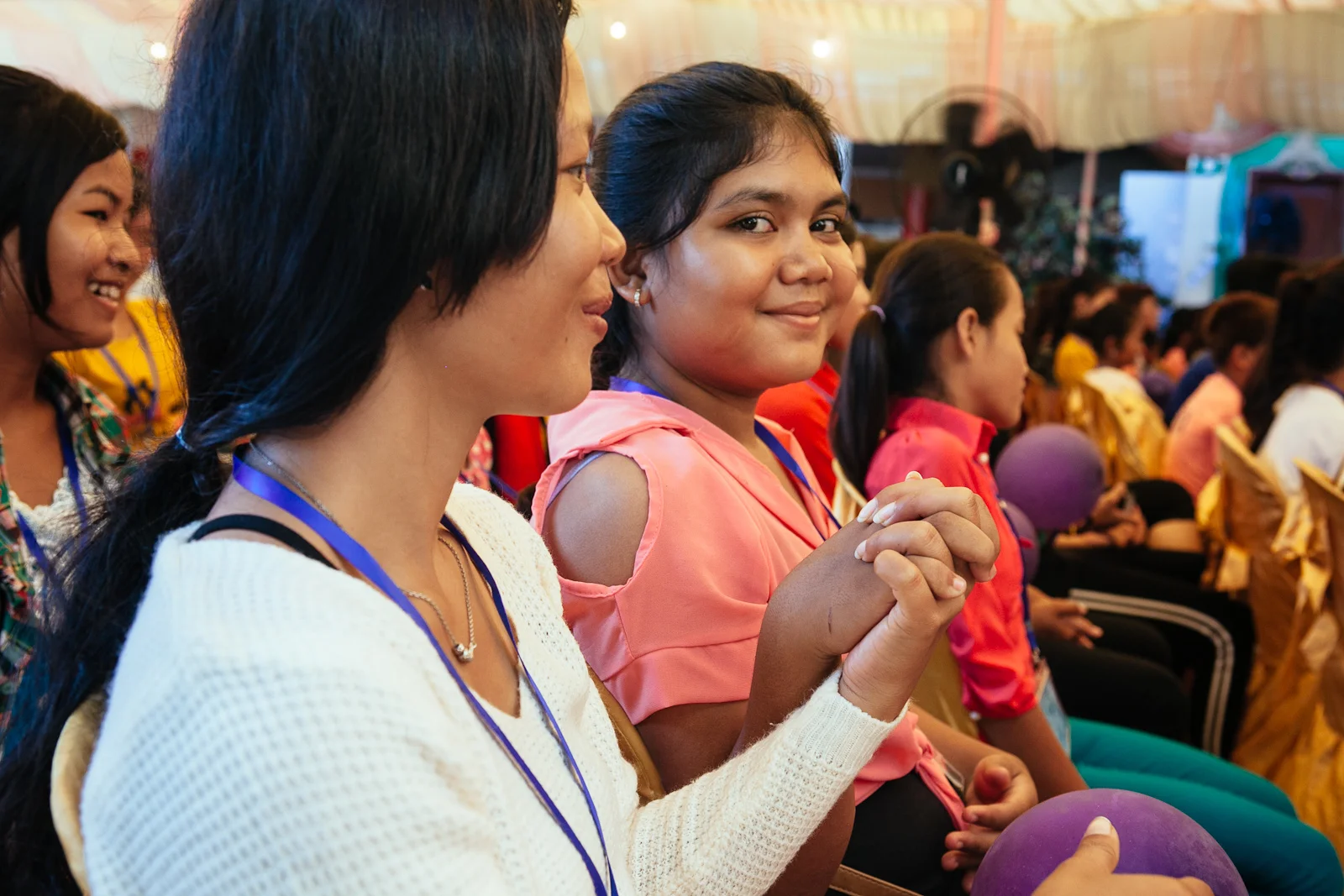
But it wasn’t all perfect. Let's be honest. Some Alongsiders found it hard to disconnect from their smart phones; and as a result they didn’t always focus on their little brothers and sisters as much as they should have. That’s another thing about any community; it’s full of human beings in process. It's a mixed bag of nuts, so to speak!
We don't expect these disciple-makers to appear fully formed and 100% ready for the task.
The essence of a disciple-making movement is that the members are in a process of being formed into disciples of Jesus, and some are naturally further along in their willingness and understanding than others. Most Alongsiders have not been discipled at this depth of love and trust, because, frankly, few churches know how to make disciples this way.
They have mistaken growing in knowledge and attendance at meetings with discipleship, but real discipleship is far more than that.
Bill Hull, in a very short (and free) ebook, has written that discipleship is about knowing the love of the Father, who has already drawn close to us. We don't have to climb ladders to get closer to the Father and receive his love, but we know the Father's love as we love and serve others in the same way He loves us, that he showed us through Jesus!
“God’s mission for us, in short, is to become like Him, which means learning to love and serve others with the same heart of authentic mercy, compassion, and love that He has….The end point of a disciple-making movement, simply, is disciples who have reoriented their lives around loving and serving others.”
Does that sound familiar? This inspiring and affirming description of discipleship is what the Alongsiders movement is all about!
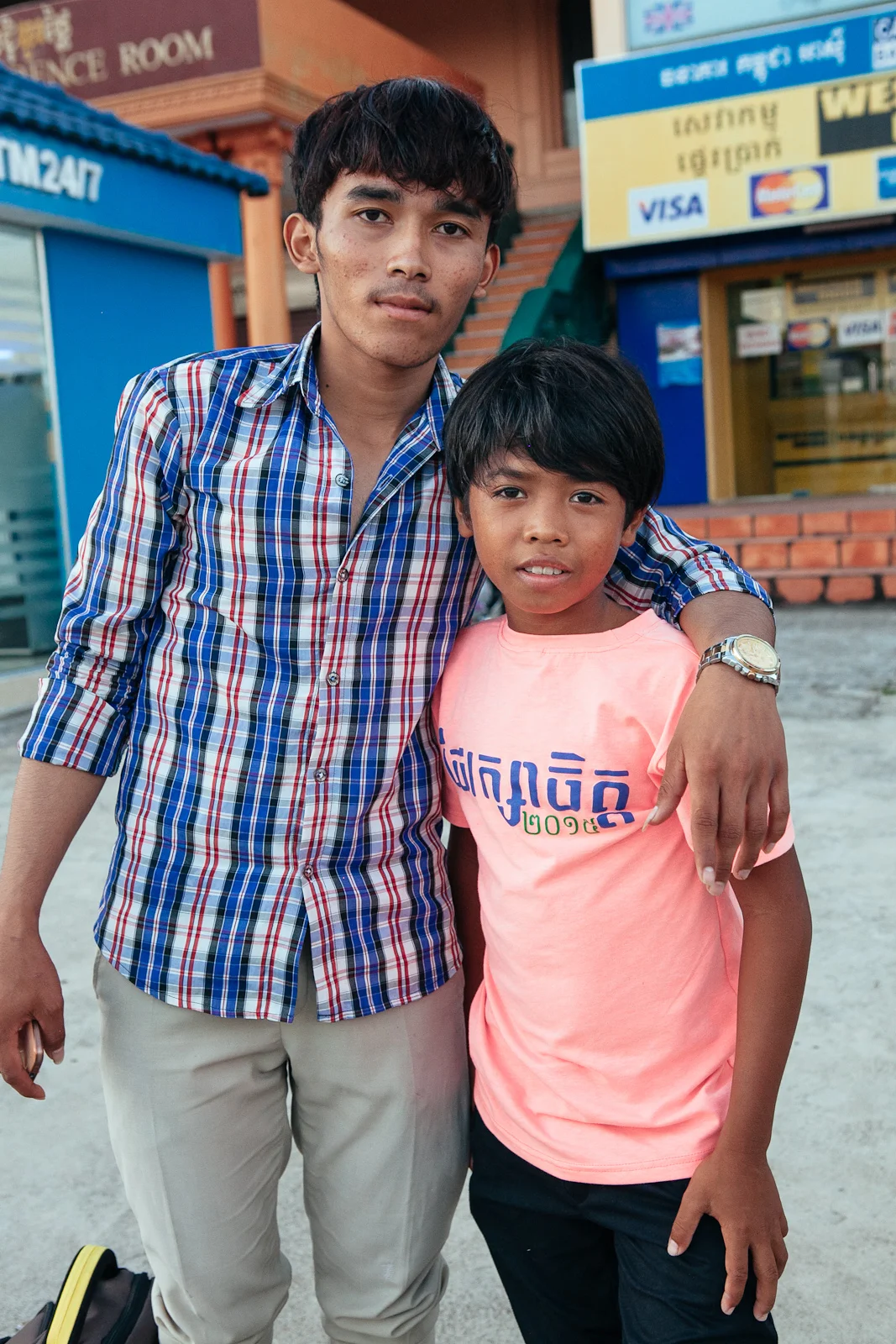
On the last day of camp, one of the little brothers went up to the microphone and shared how much his Alongsider has meant to him. Later, one of the coordinators told me the following backstory.
That little brother’s Alongsider showed up at camp last year just wanting to have fun, but something happened that changed his thinking. He started to consider his little brother and how he was living with his aunt in poverty, having lost his parents. He was moved, and he committed to spending more time with his little brother. He had relocated to Phnom Penh to find work, so it took an extra effort to return home on weekends to see his little brother, but he began to do it faithfully.
This year he signed up to attend camp, but at the last minute he almost cancelled. The problem was that he had made separate plans to go on a fun beach trip with friends his own age. He didn’t know if he could afford both trips. But then he thought about how much this trip would mean to his little brother. Plus, he really wanted to see his little brother’s life change, so he made his decision.
This Alongsider is becoming more like Jesus. He is loving another with Jesus’ love, and he himself knows the love of Jesus better than before. That’s discipleship. It’s a process. It's a relationship. The fun and challenge of camp merely (or importantly) facilitated as he worked that out.
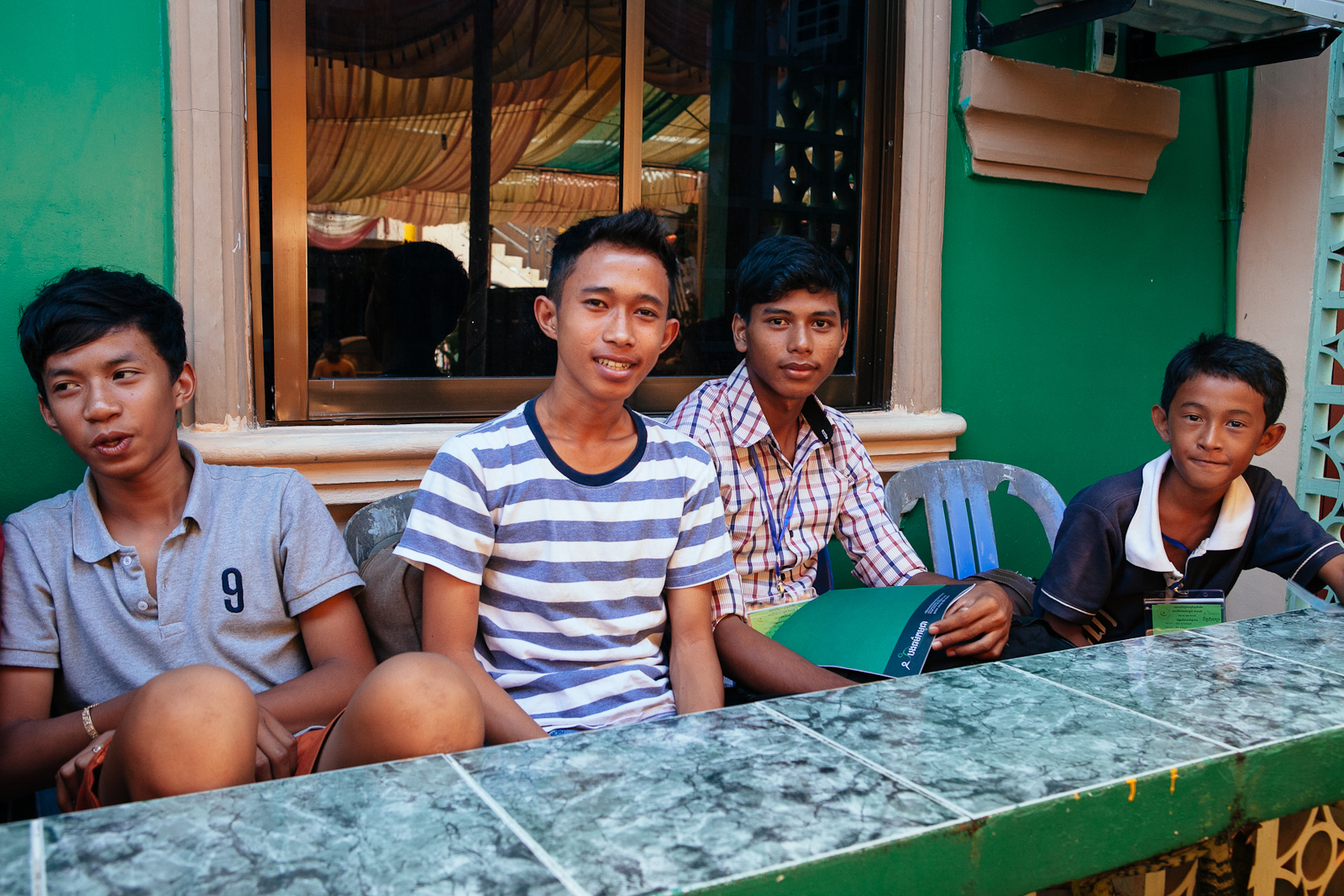
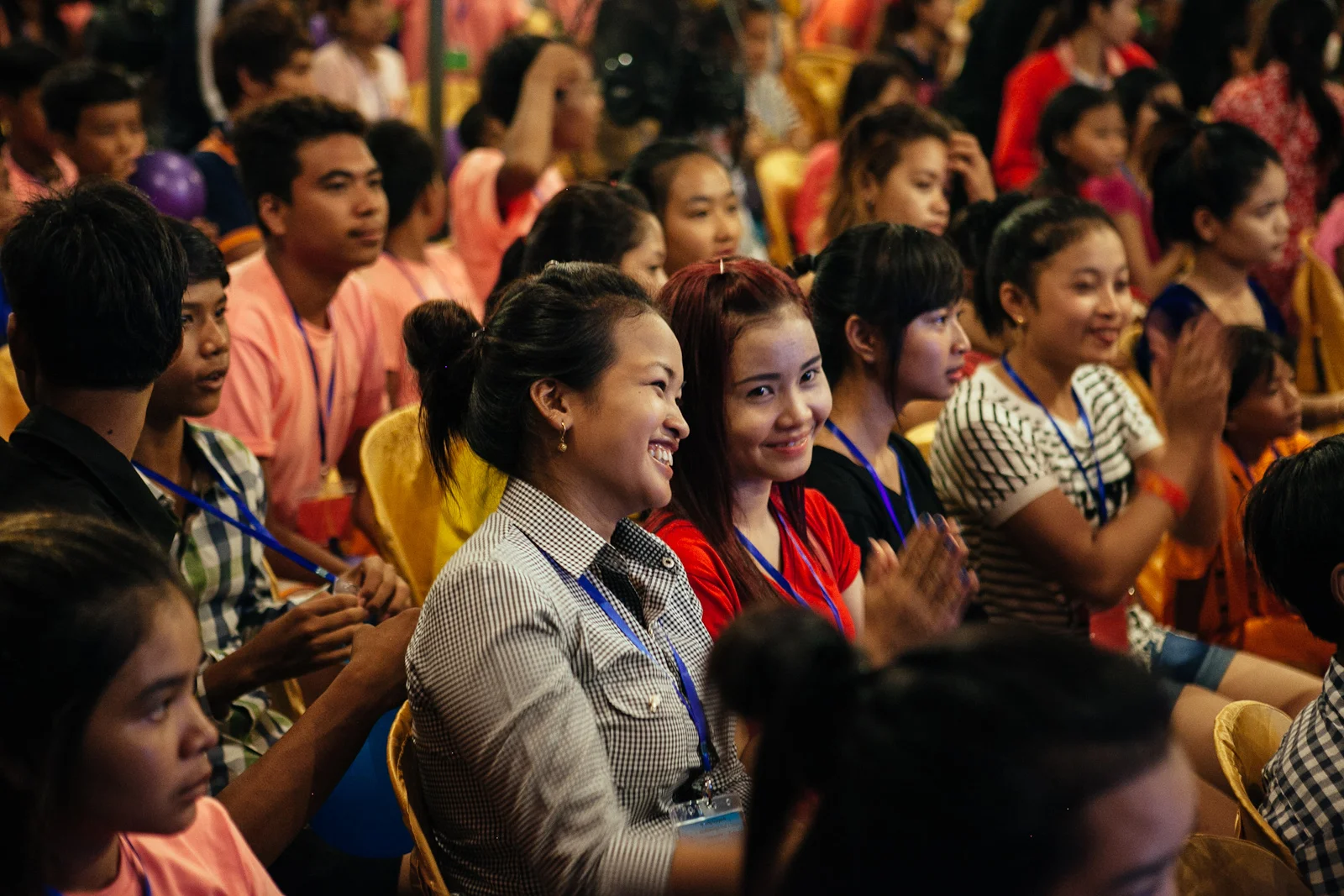
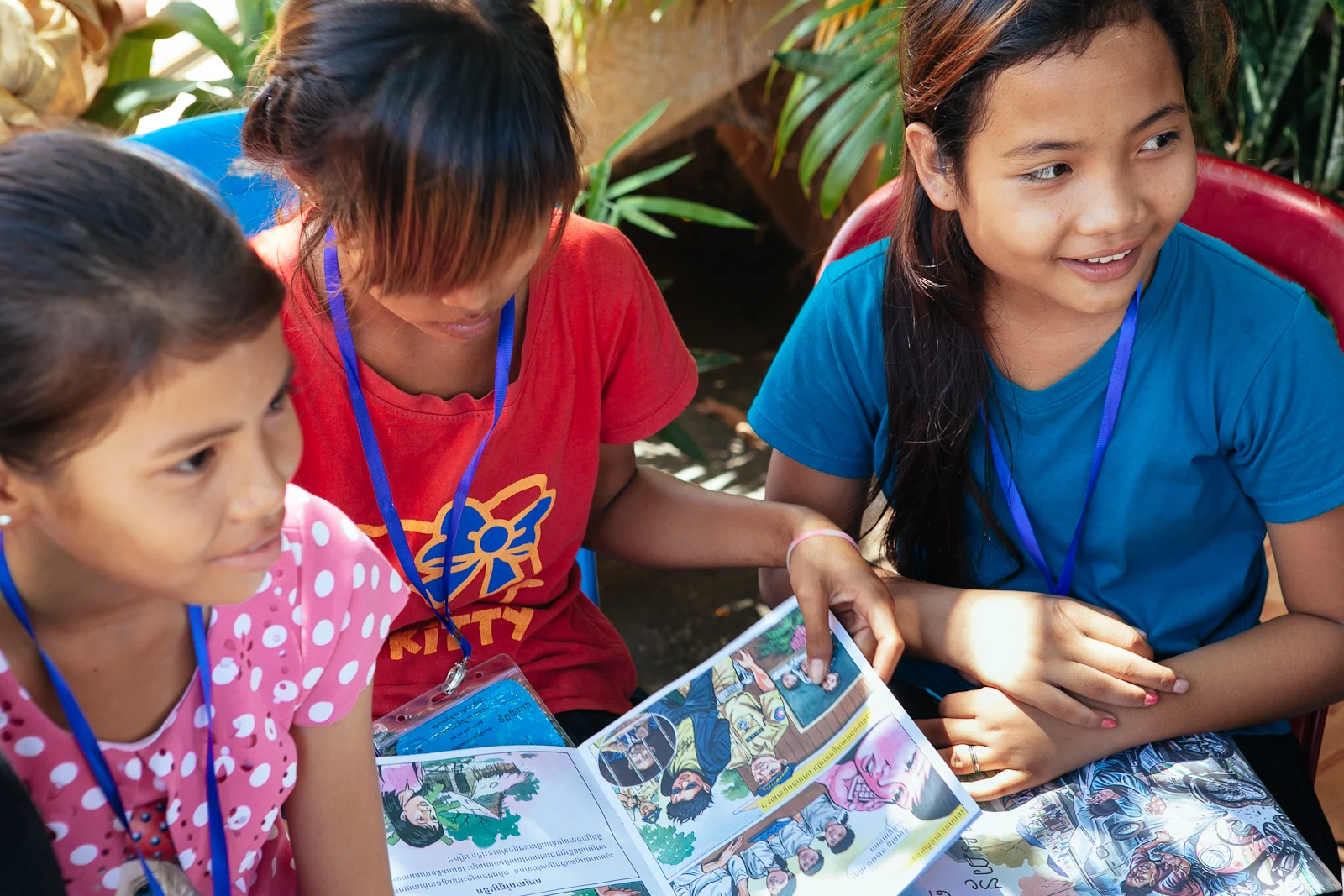
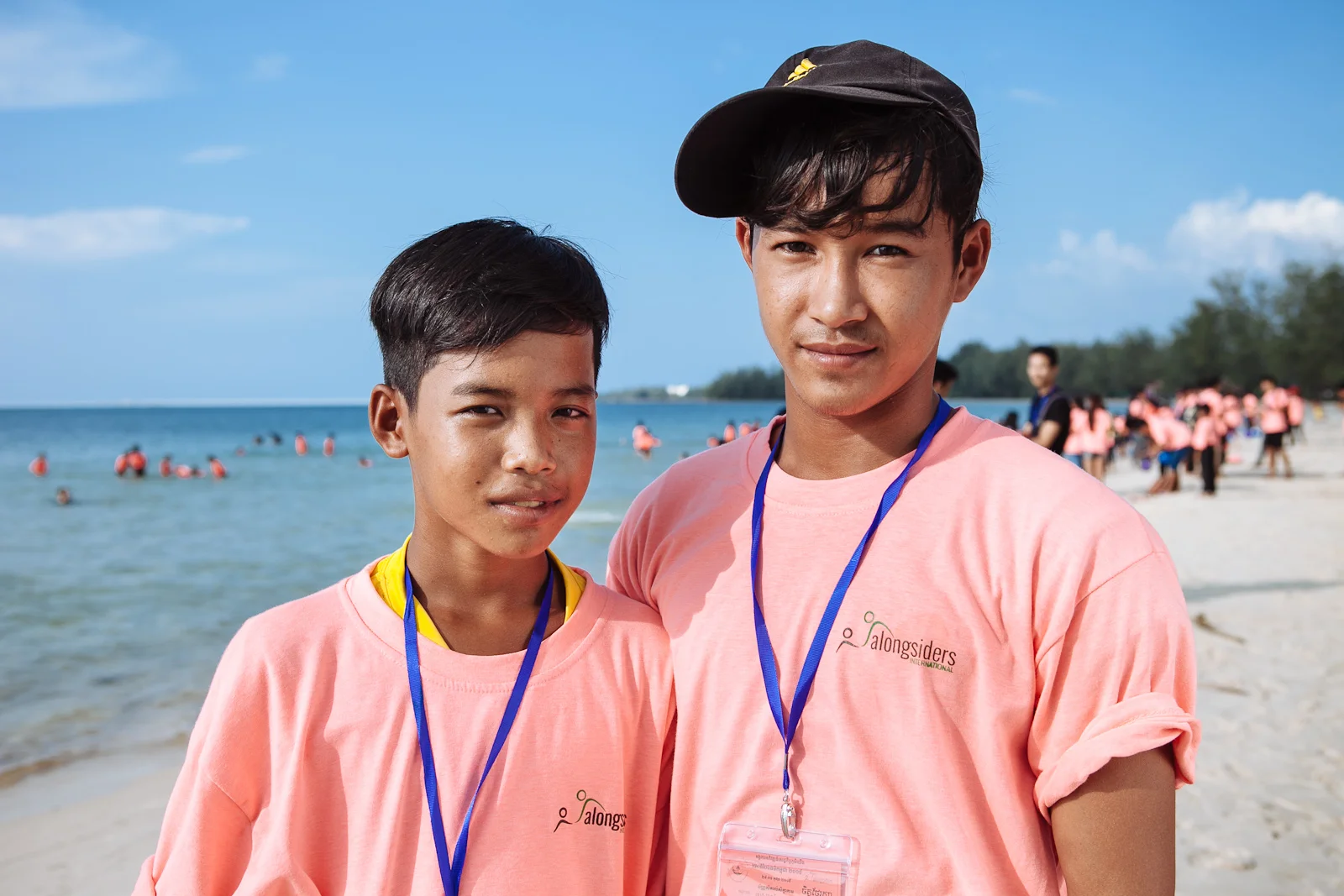
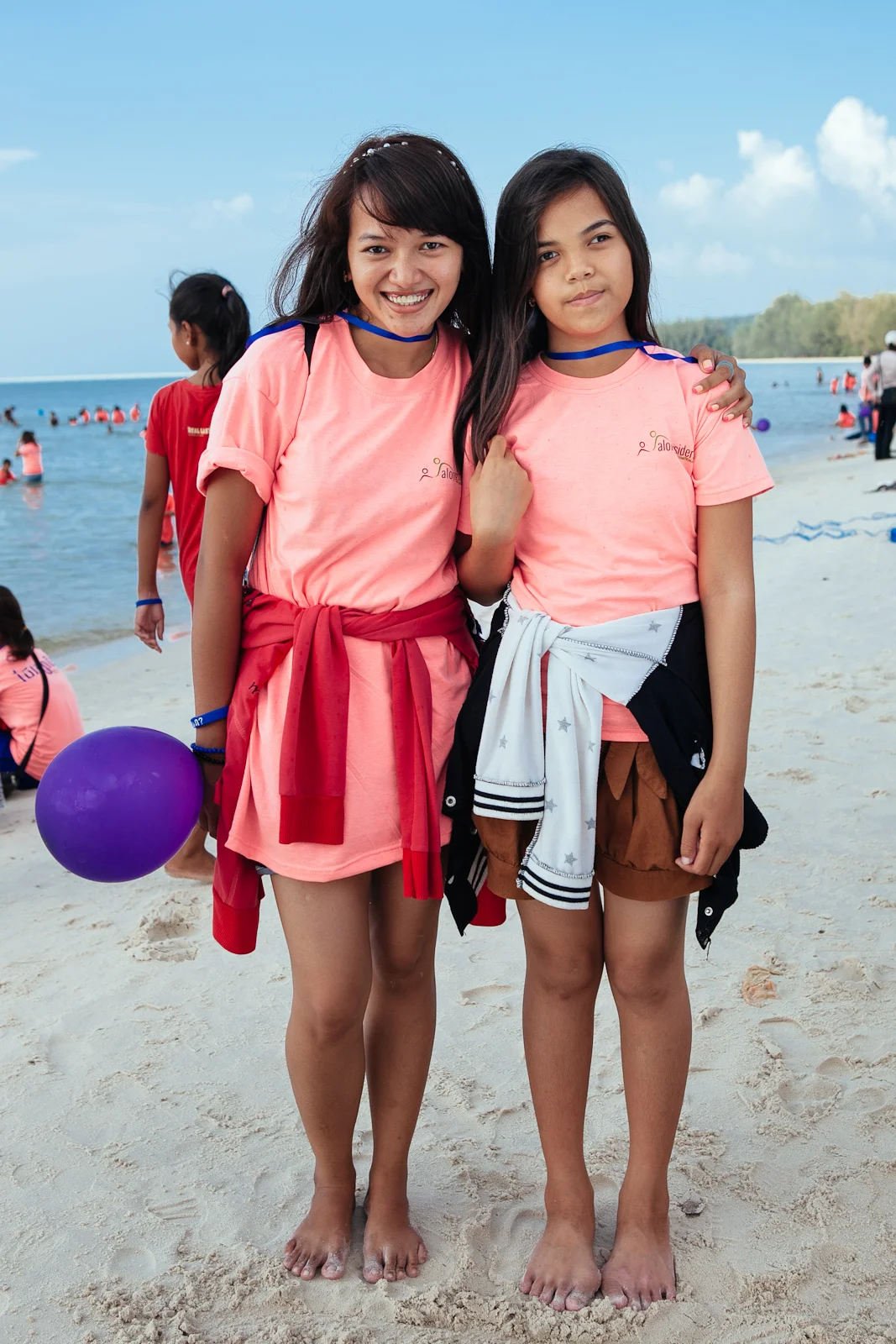
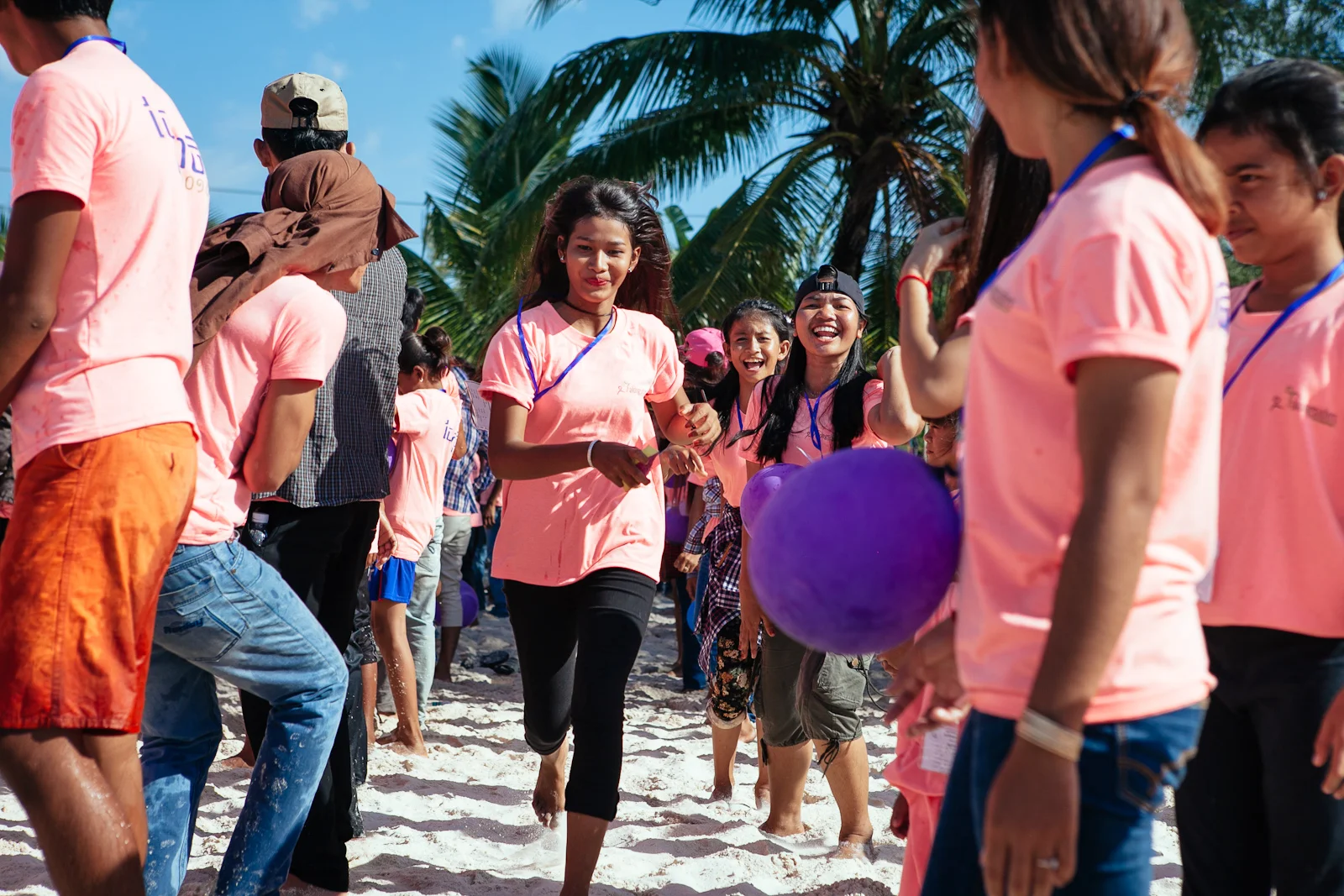
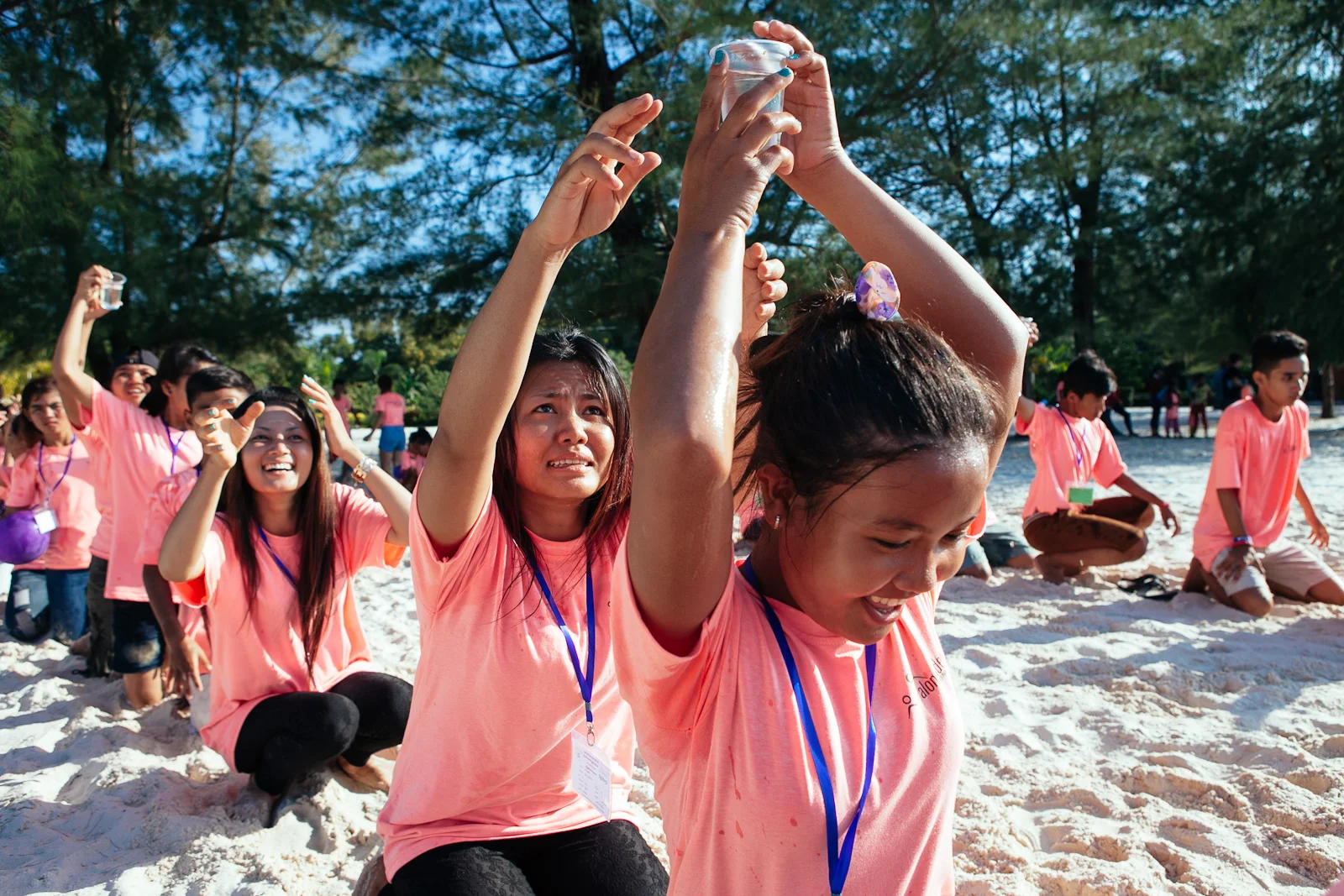
Following are a few more photos from the Alongsiders Cambodia Camp (October 29-31, 2015). I will let them tell their own stories from here.
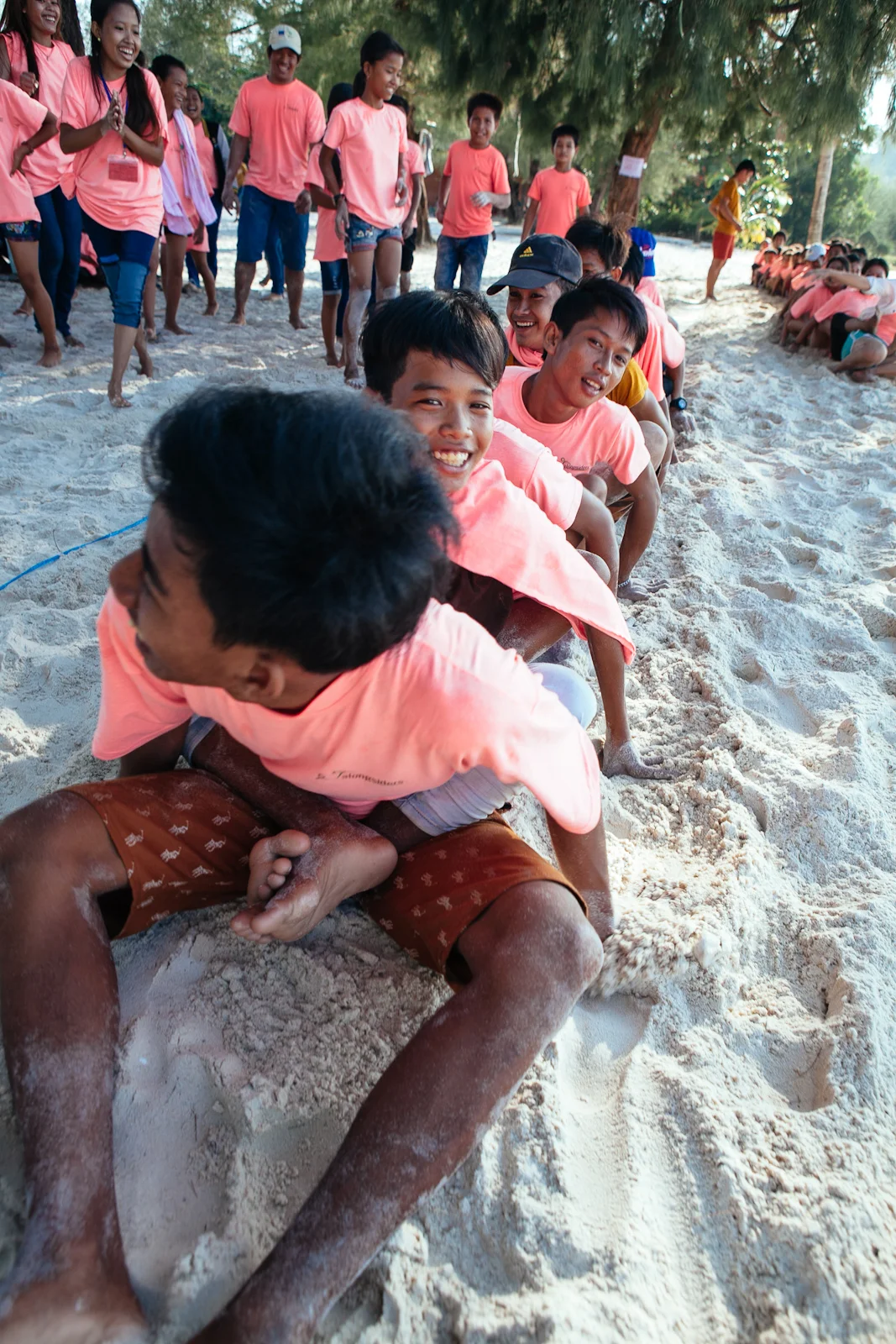

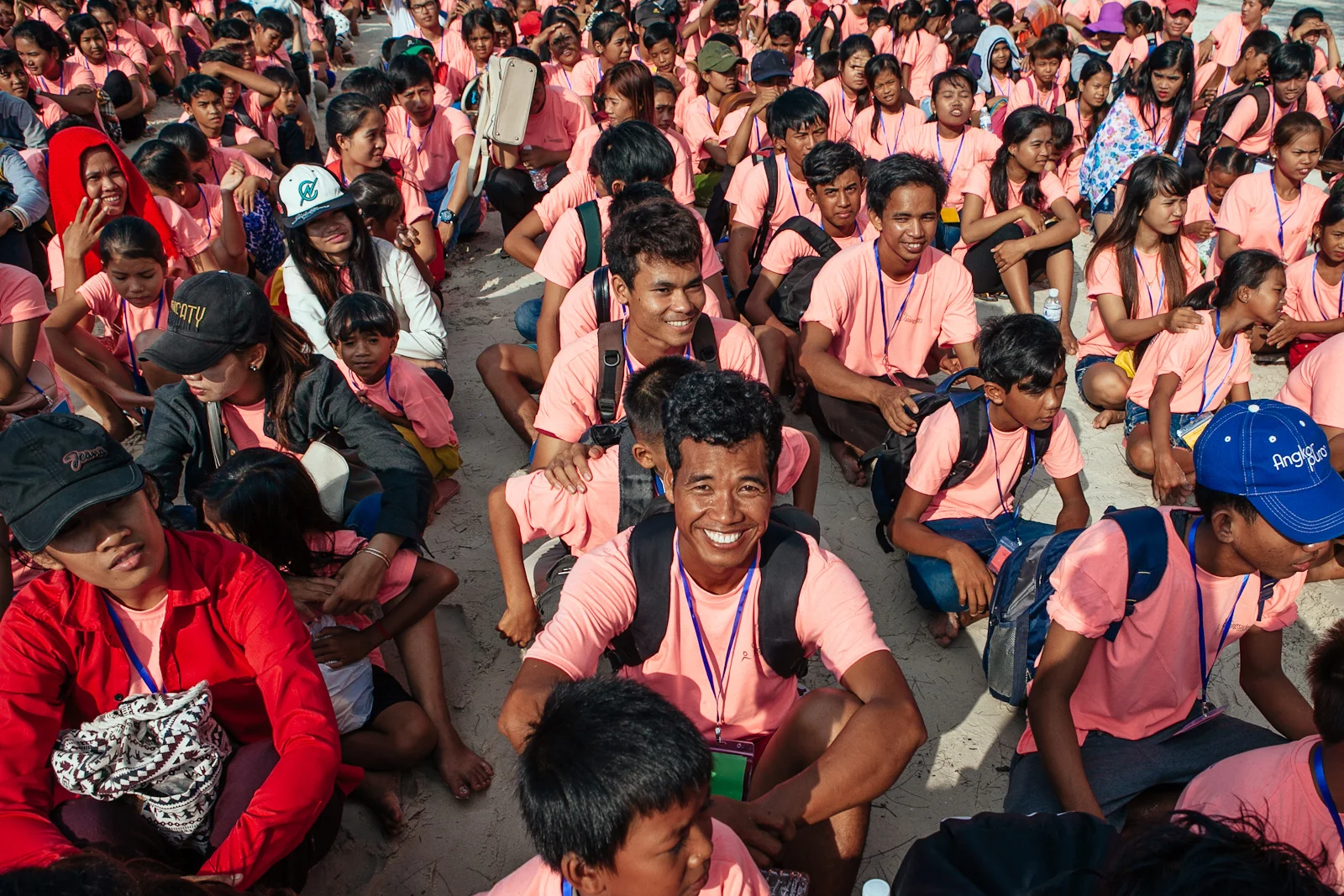
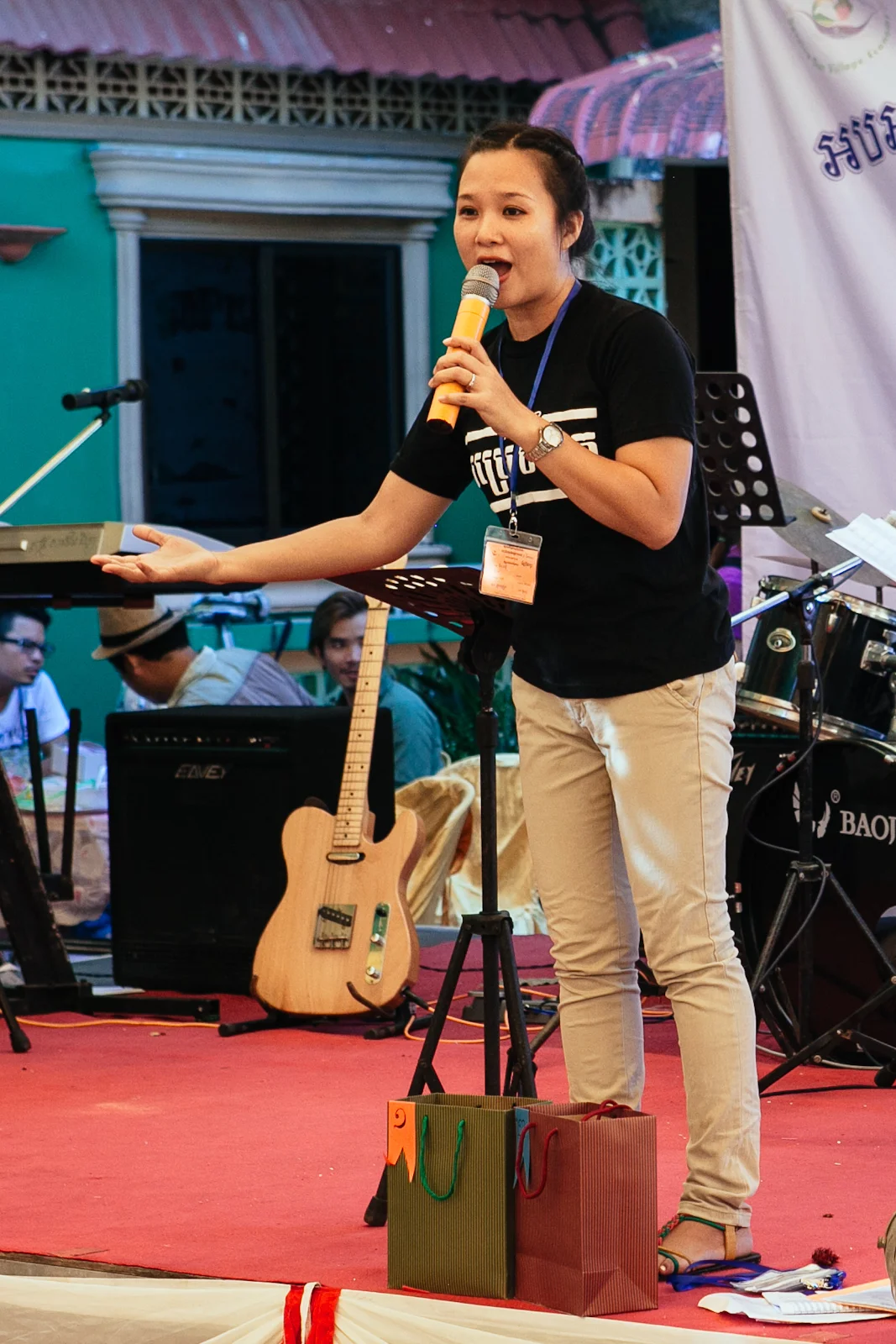
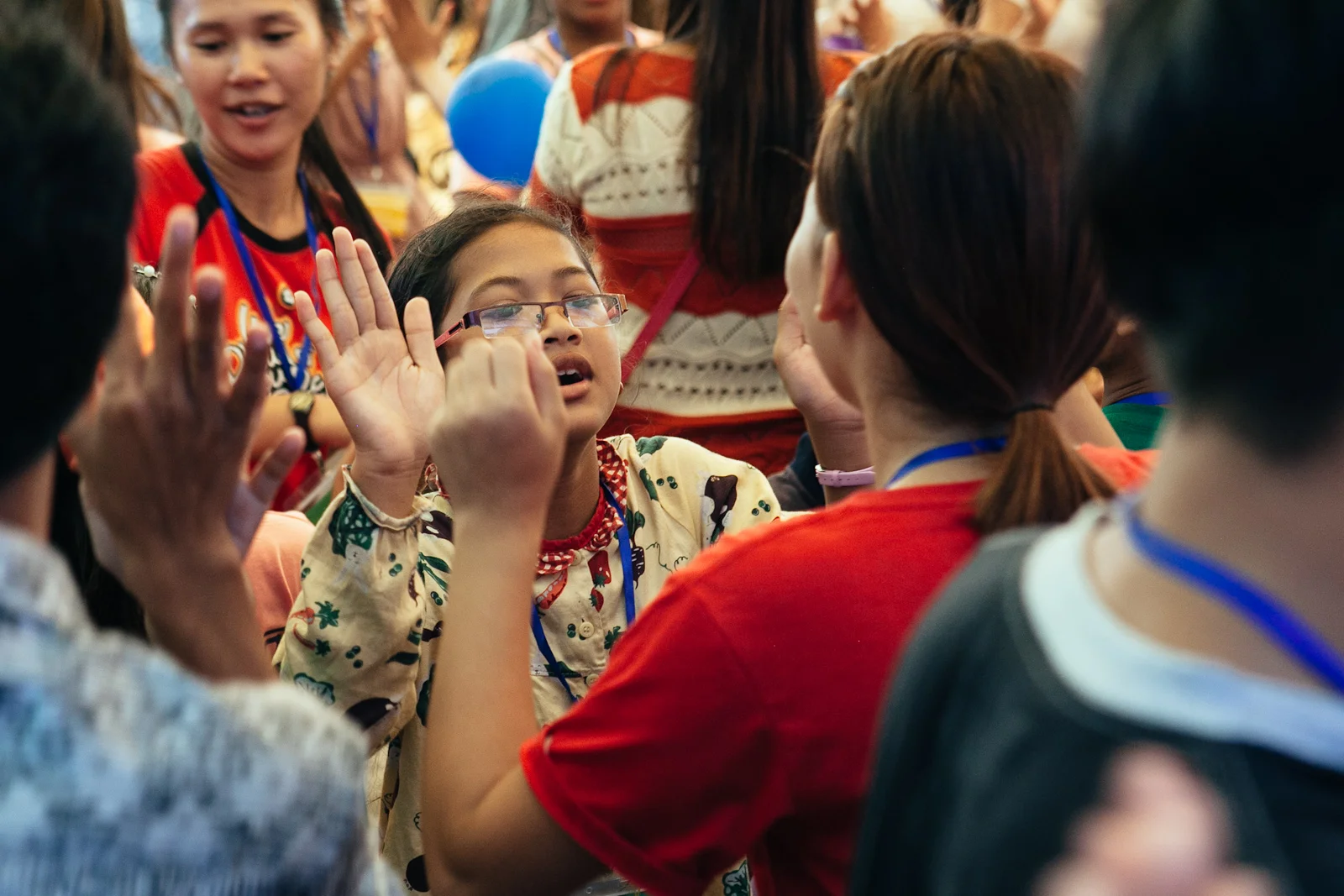

It would be so easy to use money to solve this problem, but we won't. Here's why.
We want to be very clear about how God has called us to serve.
Sometimes all it takes to solve a problem, with the possibility of changing a child's life, is just a little bit of money. If you've got it, why not give it?
But we want to be very clear about how God has called us to serve, as a discipleship movement. And not try to be all things to all people - or to try to solve every problem that a community faces. This is why we need the wider body of Christ.
Not long ago, I was following a small group of Alongsiders and their little sisters on the backroads of a popular tourist city here in Cambodia. We walked along a dirt road, dodging sections flooded by a flurry of rain, and we came to a community of the working poor.
The group stopped and two little sisters pointed out the places where they live. One of the girls, Bourmey (13), beckoned me to her home a few feet off the road and introduced me to her grandmother, who was sitting outside. Theary (19), who is Bourmey's Alongsider, then took a moment to tell me Bourmey's story...
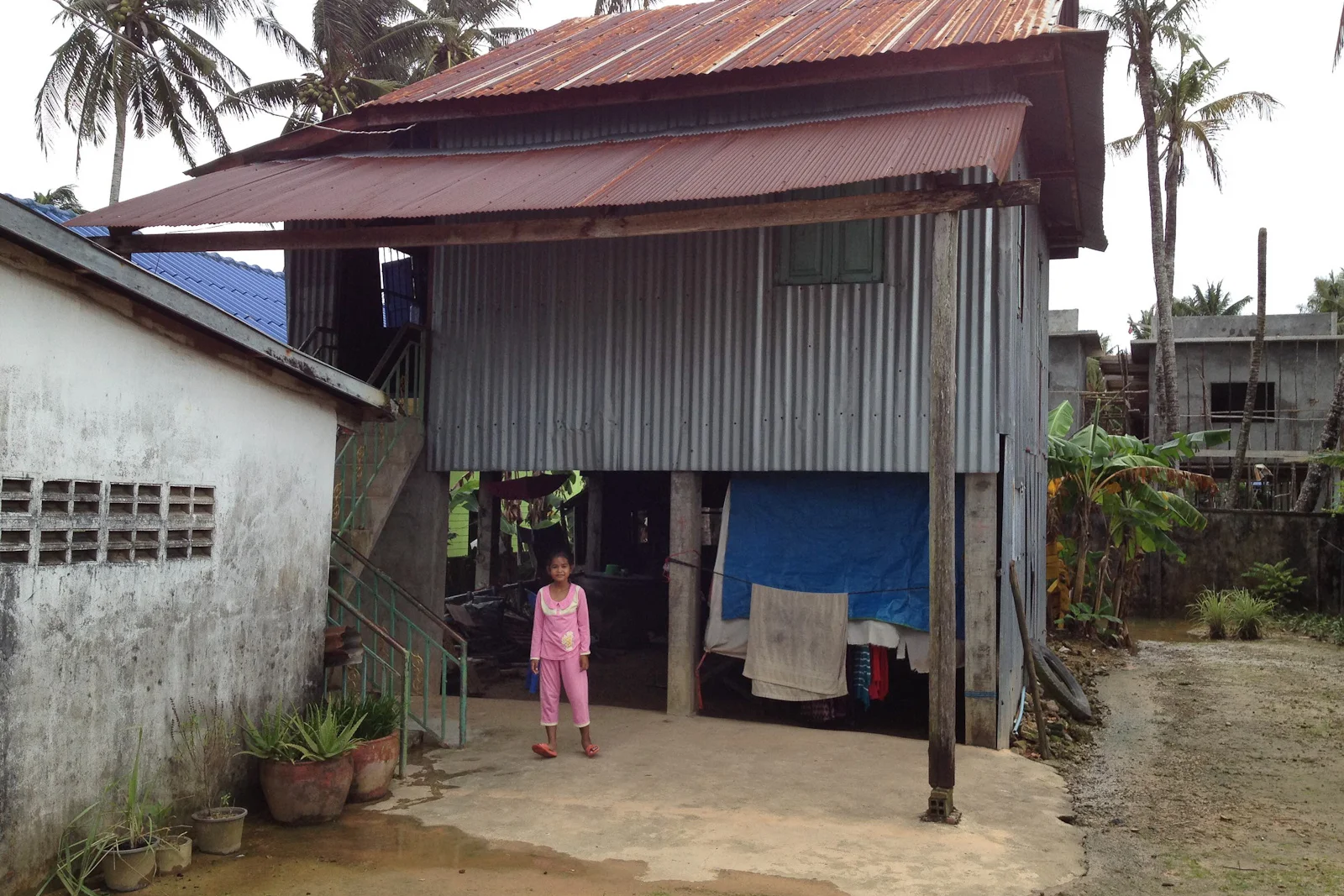
Bourmey standing in front of her house
Bourmey lives with her mother, grandmother, and two sisters. Her father divorced her mother and left the family three years ago, when Bourmey was ten. Bourmey's mother works at a hotel where she earns about $150 per month. Her older sister is also working, but her ailing grandmother can't work anymore. The five of them live on less than $2 per day each. That amount might be sufficient for rice farmers in the countryside, but they live in an urban tourist center with a higher cost of living and no way to raise their own food.
Theary finished by stating, matter-of-factly, that soon Bourmey will have to drop out of school. The family simply can't afford the cost, and they would like her to go to work somehow.
So there it was, the unspoken question: Can Alongsiders (as an organization) help Bourmey?
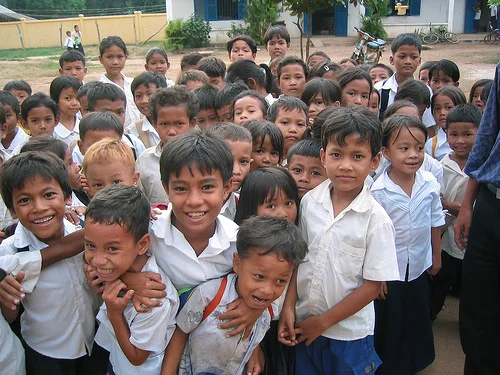
This photo of Cambodian school children was posted online with a request for $10 donations to a respected organization in order to "send a child to school."
It wouldn't take much to make a difference, just a few dollars (or a few kilograms of rice) every month to take the pressure off the family. That's all it would take for Bourmey to stay in school and on track for a better life. If only it were that simple.
In the Alongsiders movement, many little brothers and sisters are among the poorest of the poor economically. Many of their lives seem to hang in the balance for lack of a few dollars a month. I've written here on the blog about Piya who is ashamed to attend school because she can't afford a uniform, and more recently about Saron, a compassionate Alongsider who feels like her future is in jeopardy if she can't get into a free nurse training program.
Surely we could raise money for children and Alongsiders in need, and many people would gladly contribute. Why not?
Here are three important reasons we have decided not to use funds in this way:
1. The most important reason that we are cautious about bringing in outside funds is that many young people who serve as Alongsiders would no longer see any need to give from their own, seemingly meager, resources to support their little brothers and sisters. They would lose the opportunity to be generous and part of the solution, not to mention the chance to grow in faith (hint: think about what Jesus did with 5 barley loaves and 2 small fish). Generosity is an important aspect of discipleship that we want to nurture - but outside funds usually overpower rather than empower.
2. Future Alongsiders would be under pressure to pick relatives and friends as their little brothers and sisters, rather than being motivated primarily by love and choosing the most vulnerable children. It's simply expected, when you come from a family that is struggling with poverty themselves, that you share lucrative connections and opportunities with family and friends first.
3. The majority of little brothers and sisters come from very poor families, so many of them have clear and pressing needs. Once the word got out that Alongsiders was helping financially, the Alongsiders staff would be flooded with requests. And if requests were not met, or if some families received more than others, there would be jealousy and anger. To meet the requests fairly, each situation would have to be investigated, analyzed, and administrated. Soon Alongsiders as an organization would be running a centralized program based on distributing money. It would no longer be a grassroots discipleship movement with nearly unlimited growth potential.
It's not hard to read the list above and agree with the reasoning in principle. Though the Alongsiders movement is having a widespread impact, it should still be clear that Alongsiders is not a "magic bullet" that solves every problem under the sun. We don't drill wells where there is a lack of water. We don't build houses or schools or factories. And we don't give school fees. There are many good NGO's who do those things - and together we make up the body of Christ.
Still, it's another thing to face Bourmey knowing that the organization could help financially, but it won't.
But understand the story doesn't end there. We must give credit for what people even in hard circumstances can do to help each other. And we need to have faith.
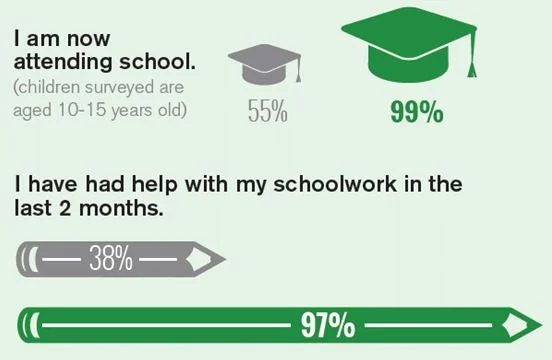
In 2013, Alongsiders International worked with an independent research team to measure the impact that Cambodian Alongsiders were having in the lives of their little brothers and sisters.
One of the most surprising findings was that 99 percent of the little brothers and sisters reported they were attending school. That was much higher than the percentage of their peers in the same communities attending school. It shows the power of the relationships that Alongsiders have with their little brothers and sisters and their families.
Alongsiders is an exciting, growing movement that empowers people at the margins. It is raising up disciples of Jesus who act in love and faith. And they are making a significant impact on hundreds of children and families in Cambodia - and now in other countries, too.
Can you see why we would want to protect this movement by not getting into the money distrubution and management business? (For the record, there ARE admirable organizations working with Cambodian families and providing school uniforms and other subsidies to help keep children in school. The intent here is not to say we should never give money.)
It may seem unsatisfying to not know how Bourmey's story will end. Often blog posts like this one finish on a happy note. Know this: Bourmey is well loved and her story is far from over.
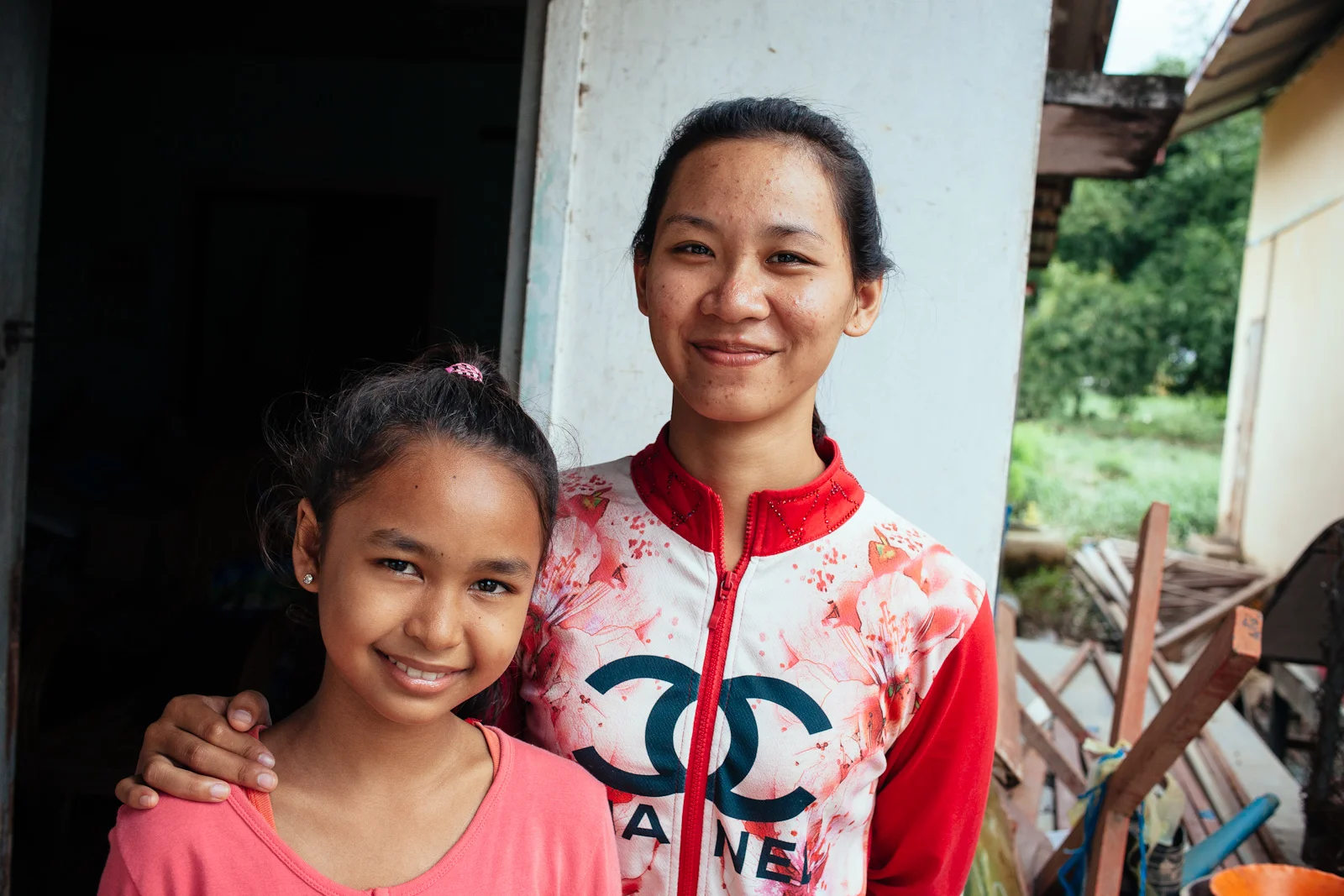
Theary and Bourmey
I want to end with a final word about money and how it's given.
It's been said here before that many Alongsiders use their own money to help support their little brothers and sisters in amazing acts of faith and generosity. We have MUCH to learn from them. As I was writing this post, I heard the following story, and I want to finish with it.
Phearom is one of the coordinators of Alongsiders Cambodia, and he is an Alongsider himself. When I asked about giving money to others, he used himself as an example. I know he earns a modest salary, and I know most of it goes to support his parents and siblings. But he started by simply saying he never gives money to anyone unless he has a relationship with the person first. I wish that more organizations and ministries could say the same. Then he gave this example:
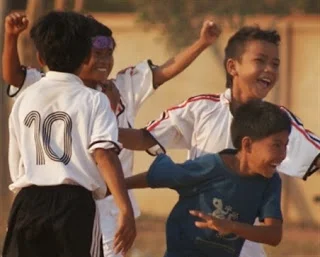
My little brother joined a soccer team and so he wanted to get a soccer uniform, but he didn't have enough money. I said that I would help him buy a uniform, but first he had to go to school, study hard, and rise to number one in his class. He has been going to school every day, and he has been studying hard. It's been nearly a year already, and he is almost number one in his class. I think he'll get the uniform soon.
As you think about this very simple story, ask yourself: How much money is he talking about, and is it "a lot" or "a little"? What will be the results of giving it? What is his sense of urgency? What can you learn from this?

How the parents of this "little sister" came to faith
Saron says, "I saw her situation..."
“I saw her situation, and she was the same as me.”
Minea is thirteen years old. She has a gentle smile and doesn't shy away from my questions. Looking into her eyes, nothing appears to be seriously wrong with them. One eye is too red, that's all. Years ago her little sister was playing with a knife. She threw it, and Minea has only seen from her good eye since then.
Minea's family has often been a place of turmoil and violence. That's why it's so exciting that things are beginning to change...
Saron is eighteen. She asked Minea to be her little sister just over a year ago. They were neighbors at the time, but then Minea's family moved to a new home thirty minutes outside the city. It's hard for Saron to go there, because she doesn't feel safe traveling that far alone, but she visits Minea as often as she can.
Usually they read the latest Alongsiders comic and talk about it. Minea says it helps her to learn more about Jesus, and she likes the practical lessons. She feels stronger now than she did a year ago and more aware of Jesus' love. In the future she hopes to work in a bank.
Saron says she chose Minea because, "I saw her situation, and she was the same as me."
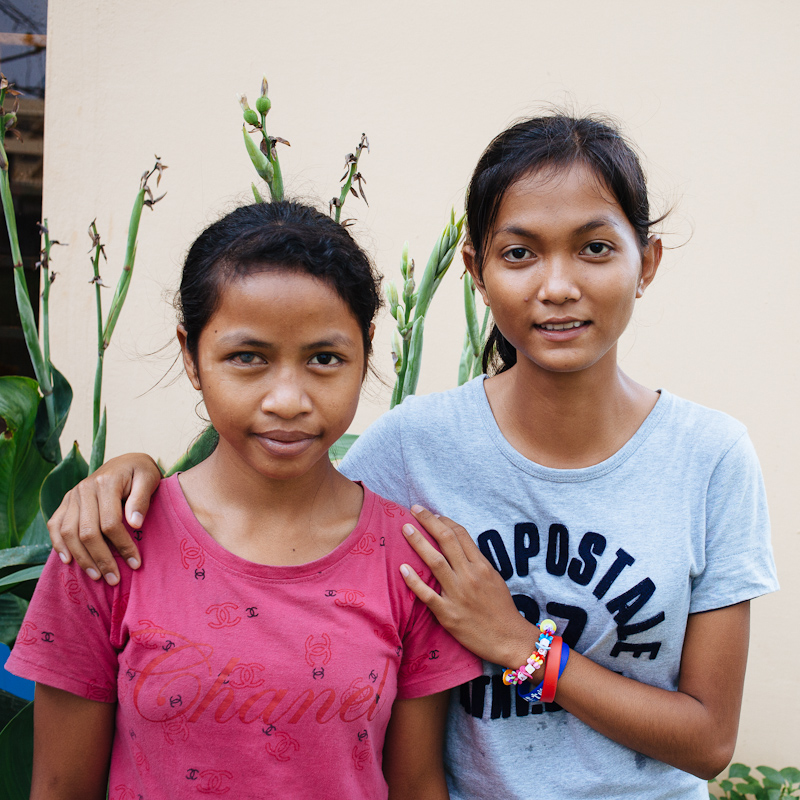
It's a common thing for Alongsiders to say, and it's a powerful statement. Think about it. There are tens of thousands of vulnerable children in Cambodia, and each one is different. Every child has a unique story and individual challenges, and they live in thousands of local communities. How can we help them personally, wholistically and effectively?
That's a lot to hope for. There are some good organizations making a difference, but they can't work face-to-face with hundreds or thousands of children. But Alongsiders can, because Alongsiders live in the same local communities that the most vulnerable children call home - and most Alongsiders have faced similar challenges and vulnerabilities.
You may be asking, why did Saron identify with Minea?
Saron saw that Minea's parents were constantly fighting, hurling abuse at each other and also at Minea and her siblings. That's the same situation Saron grew up in, so she knew what Minea was enduring and wanted to walk through it with her.
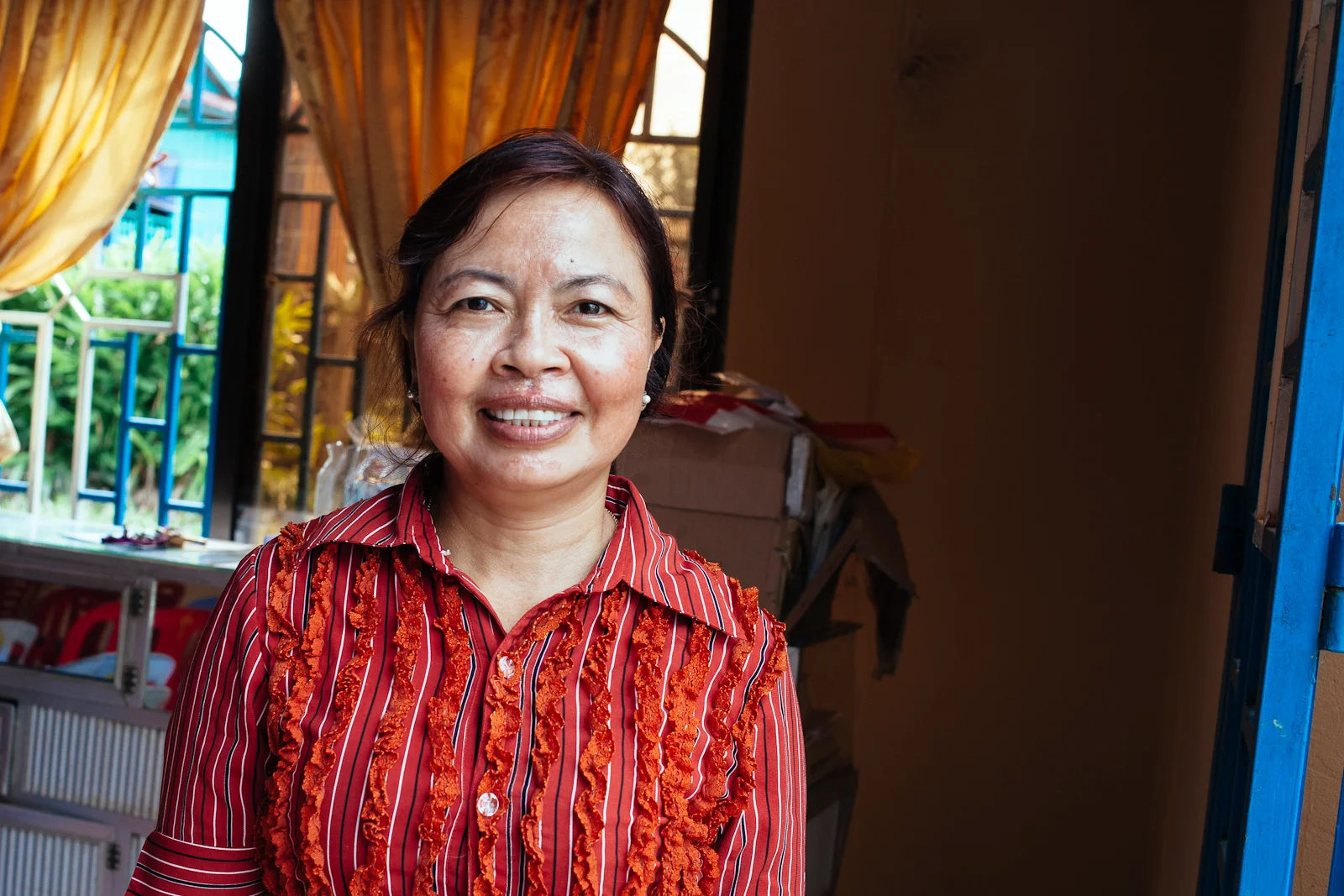
Saron's pastor is a gifted and compassionate leader
And here is the good news: Minea's parents have been changing. This year they came to faith in Jesus. In the past few months, they have been fighting less and less, and they treat Minea much better than before.
This isn't something Saron brought about alone. Members of the church had begun reaching out to Minea's parents before Saron ever became an Alongsider. In fact, Saron's pastor was the one who suggested that Saron consider asking Minea to be her little sister.For the past few months, Saron has been able to visit Minea by catching rides with her pastor - who has been going faithfully to visit the family.
Change and healing come through relationships. When a church community - and a family and neighbors and an Alongsider - come together in love, the results can be transforming!
Of course, some situations resist change.
On the day I met Saron, she had received the results of her high school final examination earlier that morning. The high school exam is extremely important, and she had passed! It's a big deal, so I congratulated her, but she was sad. Her grade was low, and she was afraid to go home and face her parents. They haven't come to faith, and her home is still an angry and abusive environment.
Saron hopes her passing grade will be enough to qualify her for a government sponsored nurse training program that educates tens of thousands of young Cambodian women each year.
I'm sure she would welcome your prayers, and Minea as well.

This Alongsider chose a "little sister" with unique challenges. The results are ordinary...and radical.
There was something I didn't realize about Kheing.
She has a winning smile, but Kheing Ly (13) has dealt with more and heavier challenges than most girls her age.
Being the daughter of a policeman in Cambodia has some advantages, like a stable income and a bit of respect in the community. Locals observing at a distance might even say Kheing is lucky in this way. But Kheing's father and mother fight whenever he is around, which is less and less, and Kheing has absorbed an unhealthy portion of their anger and verbal abuse.
Kheing hurts in other less hidden ways. For one thing, she suffers from exotropia, what many call being cross-eyed. Her eyes don't align properly. The condition affects her focus and depth perception, and it gives her an awkward appearance.
When I met Kheing for the first time, at the Alongsiders annual camp last November, I noticed that she didn't want to be in pictures. Every time I pointed my camera at her she looked upset, so I stopped (except when her friends pulled her into group shots). Later, when I was looking at my photos, I saw that she always posed with a peace sign in front of her face that covered up her wandering eye.
Even so Kheing was always with her Alongsider and her group of friends. Just a normal kid with problems, like all the other kids there.
But there was something I didn't know about Kheing until a few days ago when I visited her group of Alongiders at their church in Kampong Saom.
The church has about ten Alongsiders, and five of them had gathered to meet me. Kheing was surrounded by other little sisters, and her Alongsider, Paektra (21), sat next to her. Kheing was nervous but still smiling when I asked her my first question. Paektra looked straight at her, face-to-face, and repeated my words along with gestures until Kheing understood. And that's when I learned that Kheing is deaf.
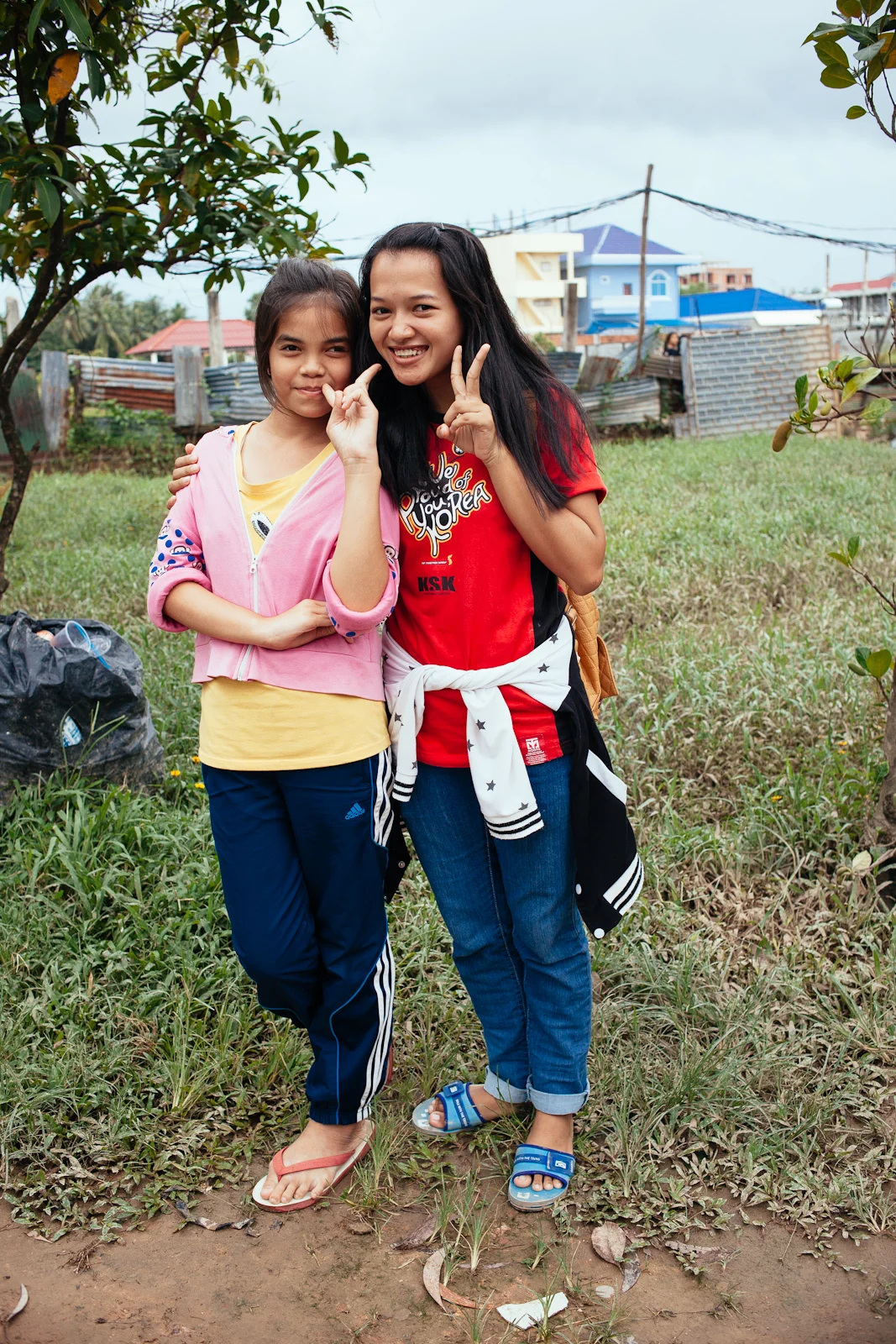
Kheing and Paektra
As you might imagine, there are limited services and resources for a deaf child in Cambodia. Deaf children are likely to be sent away or hidden and isolated. Ordinary Cambodians are not used to relating with them, or with people who have disabilities in general.
But here was Kheing and a crowd of peers talking and miming and doing whatever it took for them to relate.
She can read lips - a little. She's fortunate that there is a school for the deaf in Kampong Saom where she has been learning the lip reading as well as sign language.
Paektra asked Kheing to be her little sister just over a year ago, because she could see that Kheing really needed someone. "The other children would pick on her and call her names when she went down the street," says Paektra, "and she was always alone."
Paektra lives in Kheing's neighborhood, so they see each other almost every day. When they get together they ride bicycles, take walks, read the latest Alongsider comic, or go to the beach. Sometimes they pray, which Kheing acknowledges with her face turning red and a smile.
Later Paektra explains that the neighborhood kids don't pick on Kheing so much anymore. "I taught them how to treat her," she says. "They didn't know." So often the difference between being excluded or included is having a respected person stand up for you.
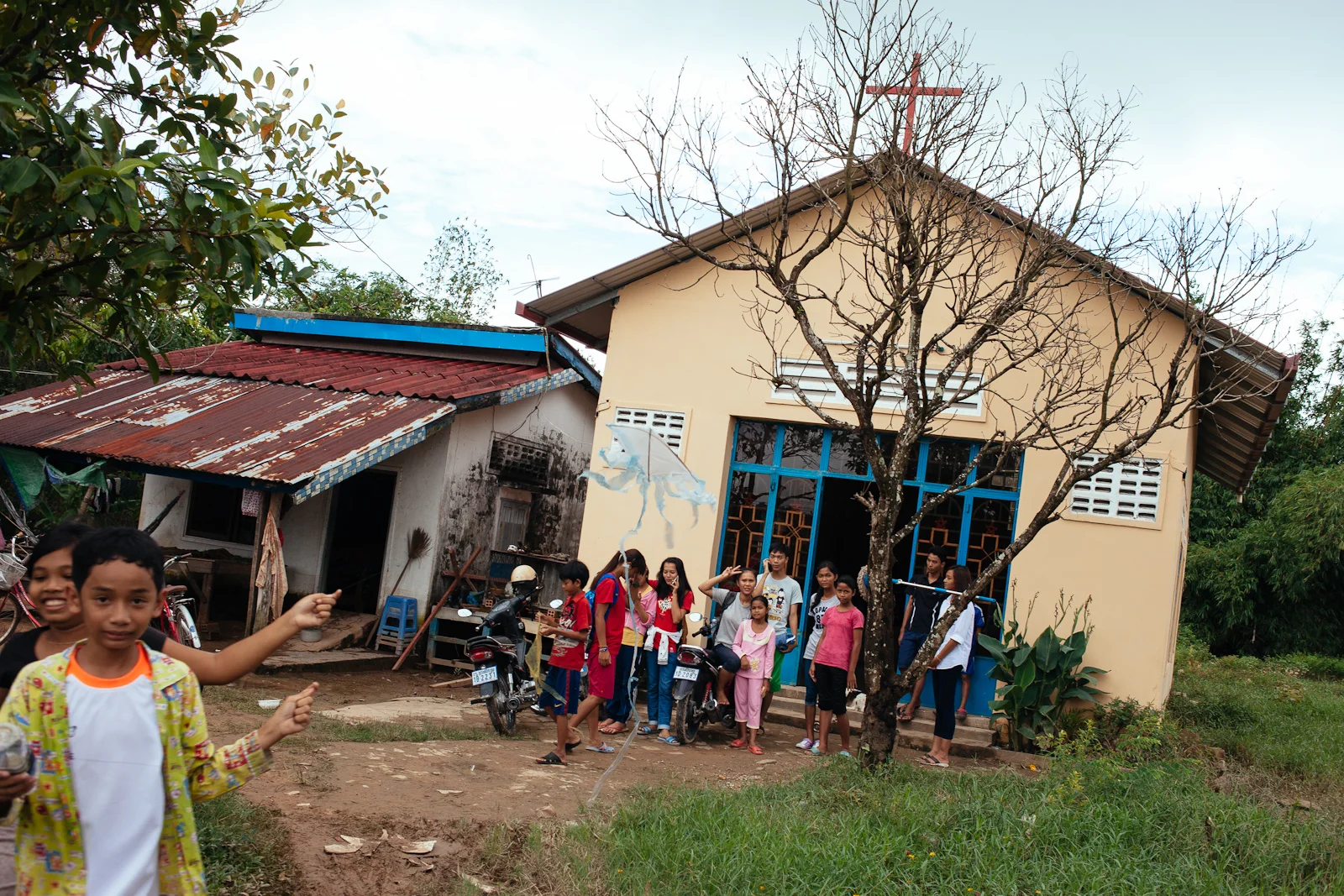
Two boys attempt to fly home made kites as some Alongsiders and their little brothers and sisters gather in front of the church. (Kampong Saom, Cambodia)
Kheing doesn't attend the Sunday church service. She can't understand the sermons, and the church is located in a different community. But Paektra is a living sermon, showing the way of Jesus to Kheing and bringing "church" to Kheing whenever they meet. "For where two or three are gathered in my name," says Jesus, "there am I among them."
The stories here, about Alongsiders and their little brothers and sisters, are beginning to show familiar patterns: loneliness and isolation overcome, encouragement and love given, courage and resilience gained, and the power of relationships in action. Perhaps the stories are becoming more "ordinary" with repetition, but I never get tired of them.
Shane Claiborne is an American Christian activist who challenges us, by word and example, to stand with people who are marginalized in society. He calls out Christians to follow Jesus as "ordinary radicals." To be radical, he says, is the ordinary state of one who is following Jesus. Ordinary people following Jesus change lives and change the world around them through their love in relationships.
“I think that’s what our world is desperately in need of - lovers, people who are building deep, genuine relationships with fellow strugglers along the way, and who actually know the faces of the people behind the issues they are concerned about.”
Paektra and many of the Alongsiders I've met are ordinary radicals.
It doesn't take special people to change the world, just ordinary ones who love others in the way Jesus taught and showed us.
What if that kind of love was the new ordinary for you?

The Circle of Courage
Alongsider relationships nurture four characteristics in children and youth that increase their courage and, therefore, their resiliency.
“I chose her because I want her to be smart, and I want her to be brave.”
That's wisdom from a 17 year old Alongsider in rural Cambodia. Her name is Matha. Her chosen little sister, Esara, is nine, and we're sitting together in the shade of a wooden home.
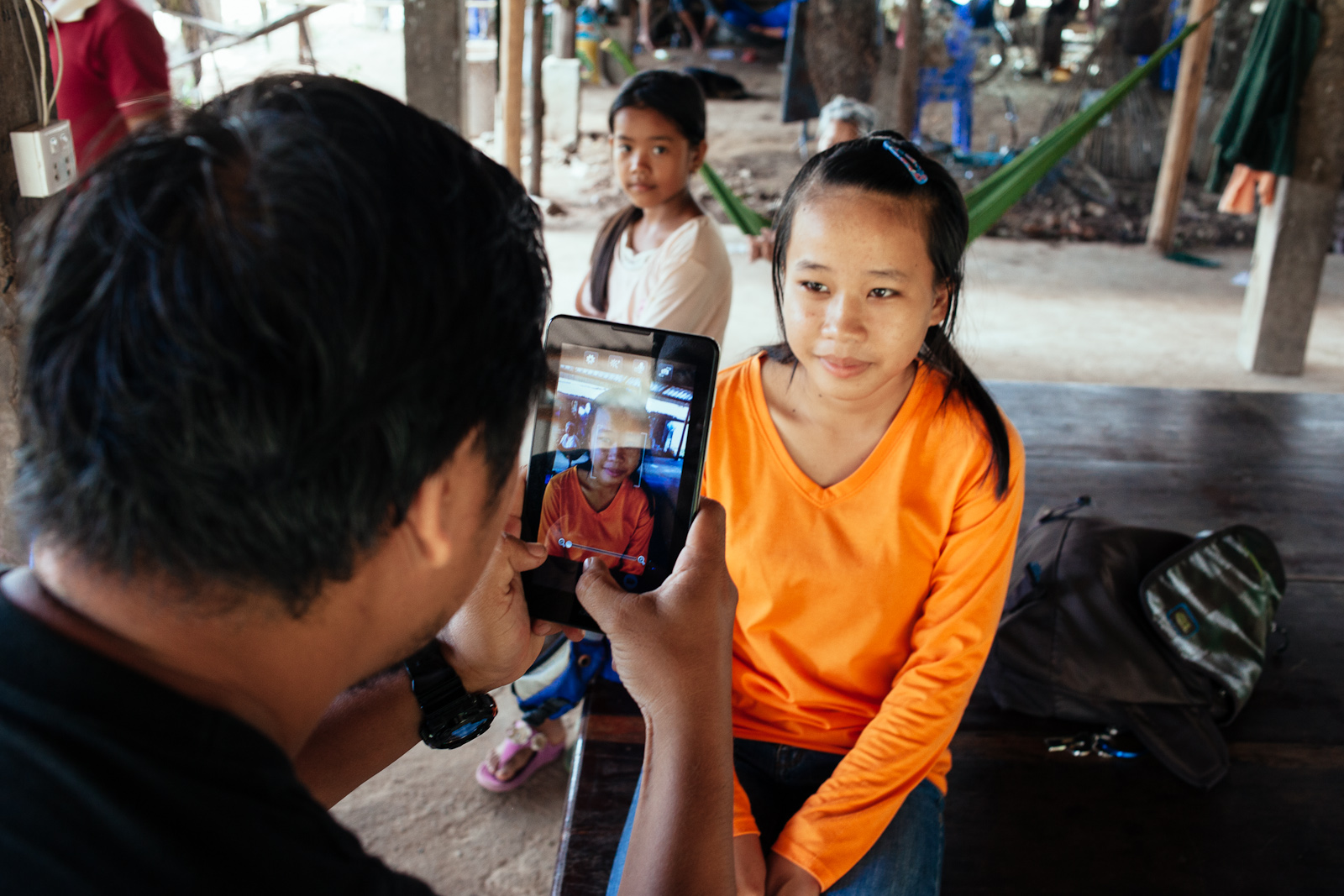
Phearom, an Alongsiders Cambodia staff, takes a photo of Matha while Esara watches.
Matha is not desperately poor, I suppose, because she arrived at our meeting on a small motocycle. But it's safe to say she doesn't have much to offer Esara in the way of money or material resources. Fortunately, this sets Matha free to look beyond what she can provide in order to see the resources Esara has within herself. She believes that - with some support - Esara can solve her own problems. But it's important for her to be smart and brave.
Why smart? Because Esara must choose well.
Going to school will be a choice. Studying at home and learning will be a choice. Having good relationships will be a choice. Many of Esara's peers, will drop out of school and go to work in factories. They will be drawn by a low salary (that looks large to a young person from the countryside), and they will find themselves stuck in a rut that's hard to escape. Some will make compromises and fall into bad marriages; some will be single mothers. Along the way, forces in society will pressure and mislead Esara, and she won't get much help from her teachers. Even so, there will be opportunities for her, if she pushes herself to learn, thinks clearly, and stays on track.
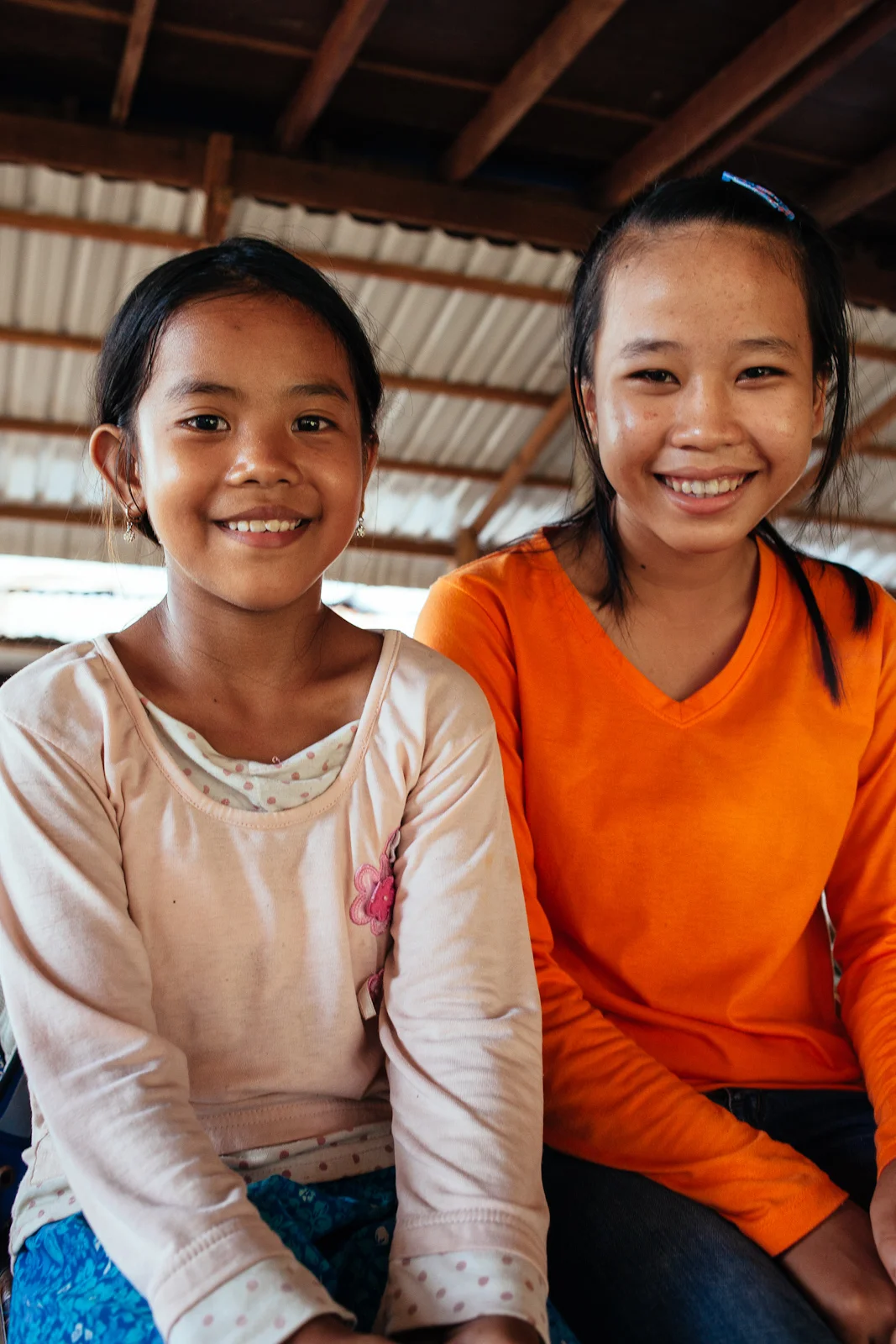
Why brave? Because Esara feels vulnerable, and rightly so.
"I always see her alone," says Matha. "Her family doesn't seem to love her very much. They always go to the market and leave her at home."
Esara has problems relating with her older sisters. Her father, who apparently does care for her, stays away from home working five or six days per week. As Matha explains, Esara's eyes turn red and she begins to wipe away tears. Most families in Esara's community are economically poor, but vulnerability means more than just a lack of material resources.
But Matha is on to something. Increasing courage in children and youth is right at the heart of the vision of Alongsiders.
According to positive psychologists, increasing courage is a key to increasing a child's resilience. Resilience is the God-given ability to overcome adversity. So courage - or to "be brave" - can change the life of a vulnerable child.
Alongsider relationships nurture four characteristics in children and youth that increase their courage and, therefore, their resiliency. (And in case it's not clear below, "being smart" neatly sums up items 2-4.)
- Belonging (through relationship with an Alongsider and improving relationships with God, family, and others in the community)
- Mastery (through discipleship, education, and problem solving)
- Independence (through growing in responsibility and life skills)
- Generosity (through serving and becoming an Alongsider for someone else)
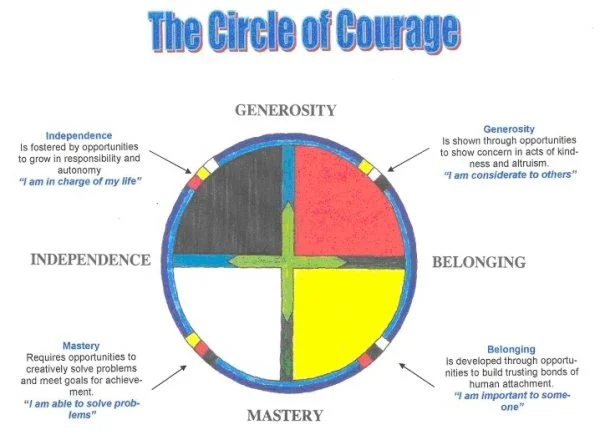
It's worth adding one more note about courage. "Do not be afraid"/"Fear not" is the most repeated phrase in the Bible. In scripture fearful people reject Jesus and his ways, but people with courage follow him and love one another.
"Do you want to be brave?" I ask.
Esara says, "Yes."
"Can she help you?"
"Yes," she replies.
Esara is a small package, but the greatest resources she can count on are already, by God's grace, either within her or accessible to her in relationships.
But she needs courage: to be smart and brave. And love is showing her the way.

After 8 years he's looking for his third "little brother". You'll be surprised how ordinary he is.
Sorn may not seem like much. If you were looking for a leader, or a game changer, a guy like Sorn might not turn your head.
Sorn may not seem like much. If you were in his community looking for a leader, or a game changer, a guy like Sorn might not turn your head.
My guess is that ninety percent of us, if we passed Sorn on some dusty road in the province where he lives, wouldn't look twice - unless it was to dodge his slow moving cart filled with vegetables. It goes to show how much we miss.
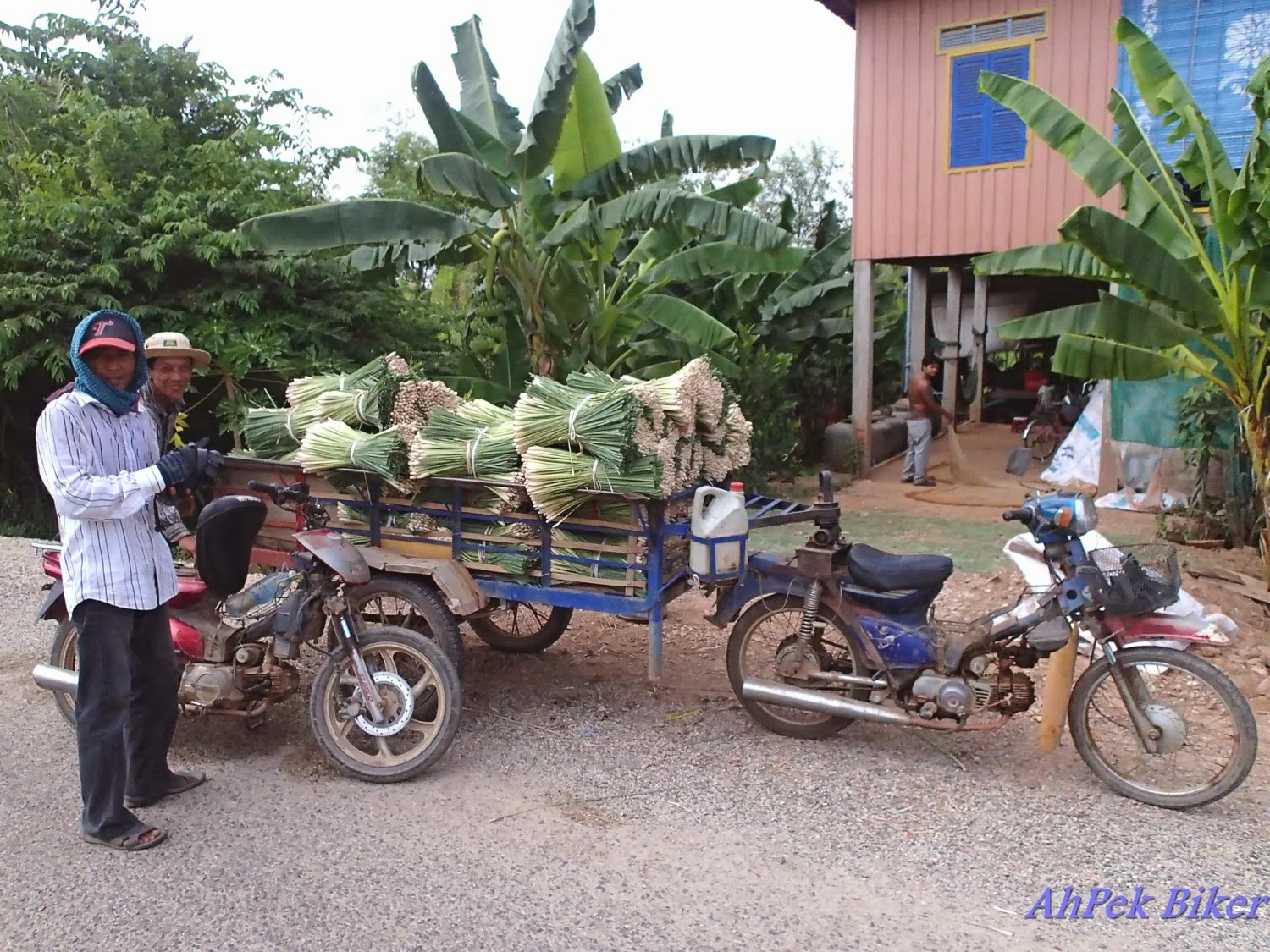
A Cambodian man (not Sorn) transporting produce to market
Every morning at 3:30 or 4:30am Sorn wakes up, hitches his cart to his motorcycle, and goes around to local farmers buying vegtetables. He takes them to one of the nearby village markets and sells them until 2 or 3 in the afternoon. Every day except Sunday.
I say it's hard work. He shrugs and says it's normal. People in rural Cambodia do what it takes to get by.
Unlike many of his peers, Sorn didn't move to one of the country's big cities after high school. He stuck around.
He doesn't give the details, but when he was young his father either left or died. Sorn's mother raised him with support from his grandfather, who is the pastor of their local church. His grandfather wanted Sorn to stick around, and he even helped Sorn find a wife who felt the same way. Two years ago they were married, and their first child was born fourteen days ago.
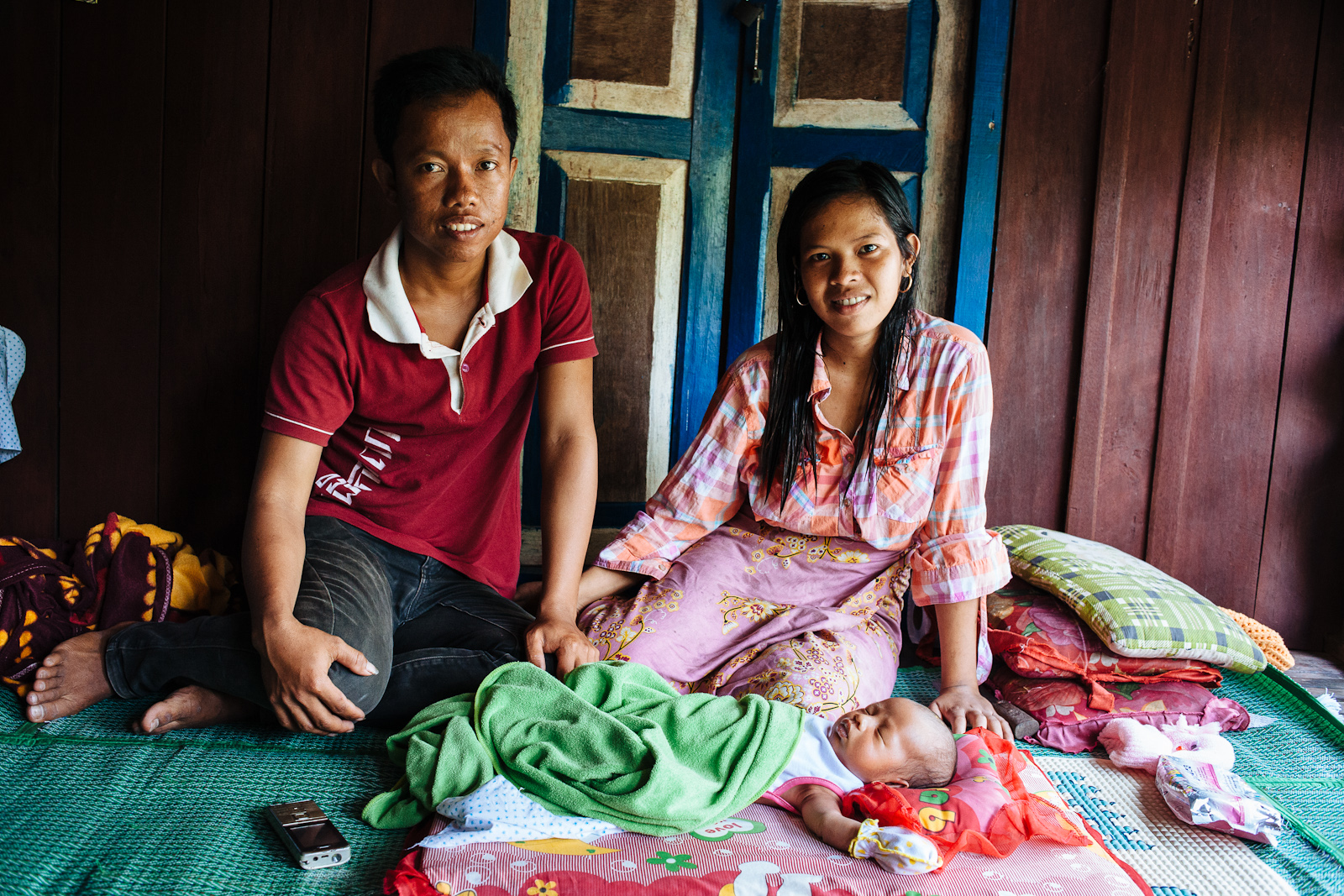
Sorn has been an Alongsider for eight years, since 2007, and he has had two little brothers. Both grew up and became Alongsiders themselves, and both are active in the church now. Sorn says he prayed carefully before choosing each one. He wanted to choose boys who would grow and mature into responsible, faithful adults. Both have done well. One had a brief problem with gambling but stopped after Sorn talked with him about it.
Now Sorn is praying and looking for a third little brother.
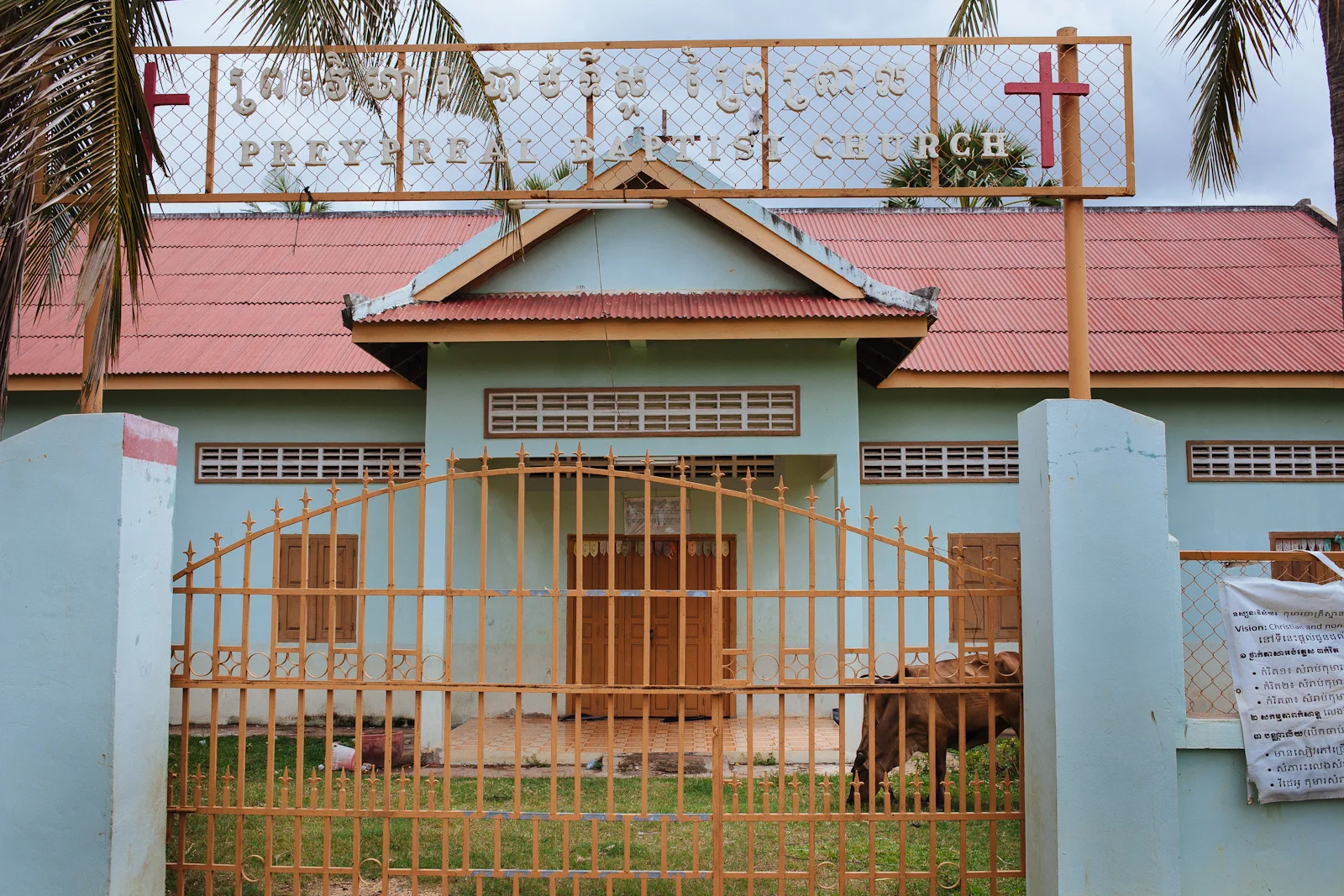
The country church in Kampong Thom that Sorn attends
Sorn has been a leader for the youth in the church for years, and now he is the leader of the Alongsiders group there. It's a challenge, as the majority of the young people grow up and leave for the cities.
It would be easy to tell Sorn's story in a way that depicts him as larger than life, to describe him in poetic terms. Rather, let's just respect him as a human being with a full range of emotions and choices to make in the circumstances of his life. It's because Sorn is an ordinary-extraordinary man in his community that he can bring hope and change starting from within it.
Sorn and others like him and their relationships - not a program or NGO - are making a difference. Our movement and the tools we develop are NOT intended to work through them, or despite them, but to support them, to engage them, and to set them loose.
The secret of Sorn's humanity (and ours) is this: God works through him in love. The key to our movement is this: to respect him, support and equip him, and then get out of the way.

Reflections from an intern: "What the slum taught me about changing the world"
How could I possibly love a family and community so much and still walk away?
Whenever anyone asked me what I wanted to do when I grew up, I answered, "Change the world."
As an intern for Alongsiders International, I was excited to travel to different Cambodian provinces to conduct interviews, write for the blog, and live in a Phnom Penh slum. I was sure I would see God working in incredible ways in my slum community.
I moved into an extended family of eight people, a dog, several pesky rats, and a million mosquitoes. I took bucket showers and slept under a mosquito net. I ate rice three times a day and tried hard not to get food poisoning. I went with Ming to the market to buy live frogs and helped her and her son cut them up and cook them. I biked to work in crazy traffic and learned to ring the bell on my bicycle when turning corners to alert other drivers to my presence.
Most importantly, I fell in love with my host family and neighbors. I'll never forget the night I carried the baby outside the slum to a sand dune to watch the sunset, while she laughed and clapped her hands. Or the night that Theary and I read Alongsiders comic books for hours. Or all the days spent playing Moan, Moan, Tia with the neighbor kids (Cambodian duck, duck, goose). Or rocking in a hammock while eating green mangoes dipped in chili powder and salt, trying to communicate with my host family using my limited Khmer.
But I also can't forget the hard things: the nights I ran to the bathroom with food poisoning. The day a drunk man shook Ming, and her terrified little granddaughter tried to slash him with a wire hanger. The meals when I looked down to see yet another plate of boiled, fatty fish and steeled myself to choke it down again. The neighbor lady who would slap her her little daughter. The food offerings made to ancestors by people who could hardly afford three meals a day. The rubbish and the stench everywhere.
Most of all, I can't forget the way I had to leave. One of the sons had a party, and eight hungover men sprawled in the living room later, my time in the slum came to a screeching halt. I cried to leave, choked back tears when Ming asked if I still respected her family. How could I possibly love a family and community so much and still walk away?
Because I had money and a support network, I could walk away and find new housing. The young granddaughters staying with Ming weren't so fortunate.
I had spent three weeks living beside them, playing with them every day, and now I had nothing to show for it but a broken heart and a lot of memories that were suddenly more bitter than sweet. I had read the story of changing the world, and this wasn't how it was supposed to go-- was it?
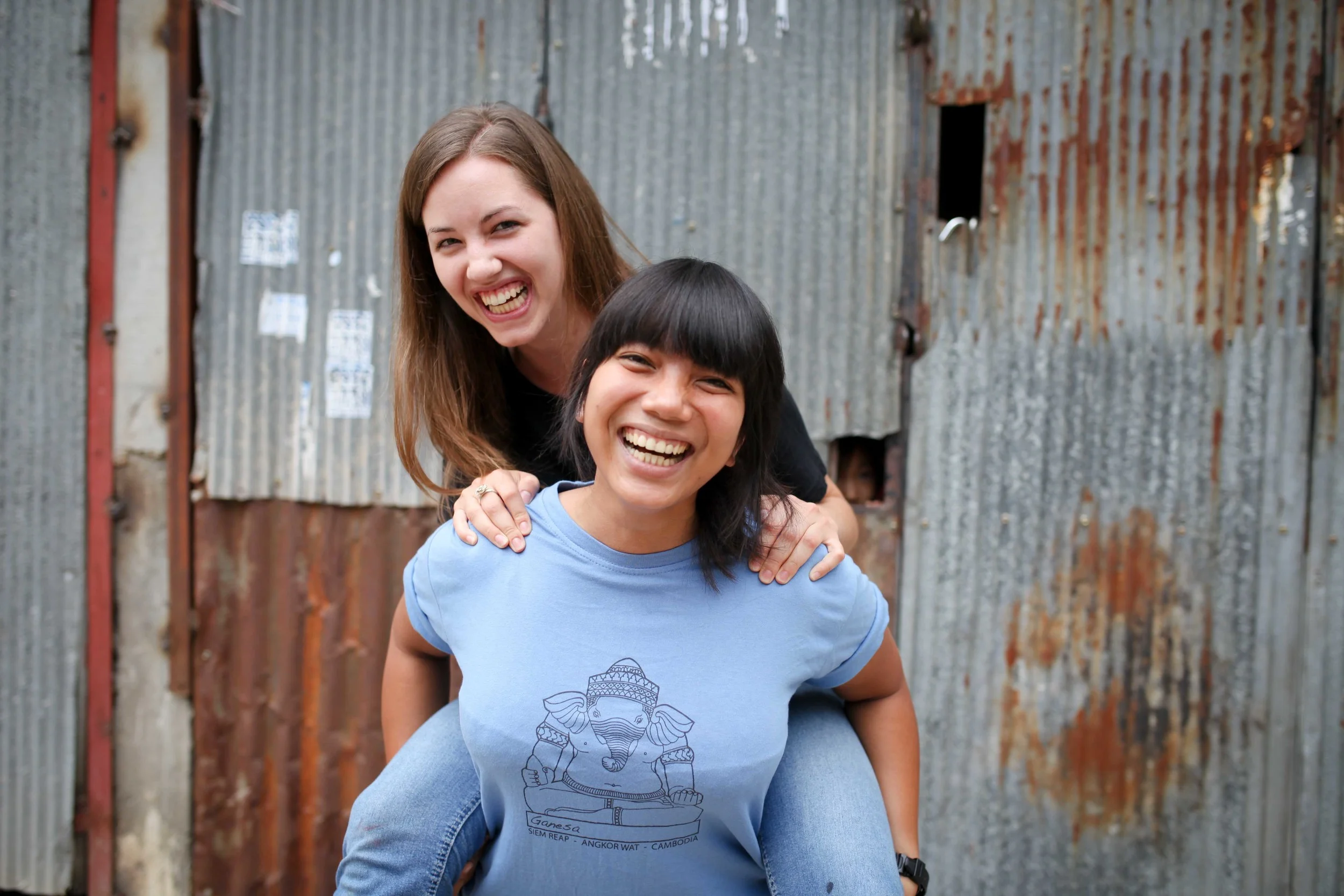
As I tearfully told the story to a friend, she stopped me. "What if living in the slum wasn't about you changing the slum but about the slum changing you?"
During our listening prayer time at Alongsiders the next day, I closed my eyes and told God how much it hurt to have fallen in love with my slum community, invested wholeheartedly in it, and then been forced to leave it unchanged. I poured out my prayer, and waited for His response.
He said simply, Listen.
“You are anxious and troubled about many things, but one thing is necessary. Mary has chosen the good portion, which will not be taken away from her.”
Over the next few weeks, I began to listen to God. At my new house, there was nothing for me to help with, so I found myself with a whole lot of silence and spare time. In the stillness I realized why it had hurt so badly to leave the slum: my identity had gotten wrapped up in making a difference. I was basing my worth as a person on 'changing the world,' at least in my Cambodian slum. Yet I myself had loved the people in the slum for who they were, not for anything they did.
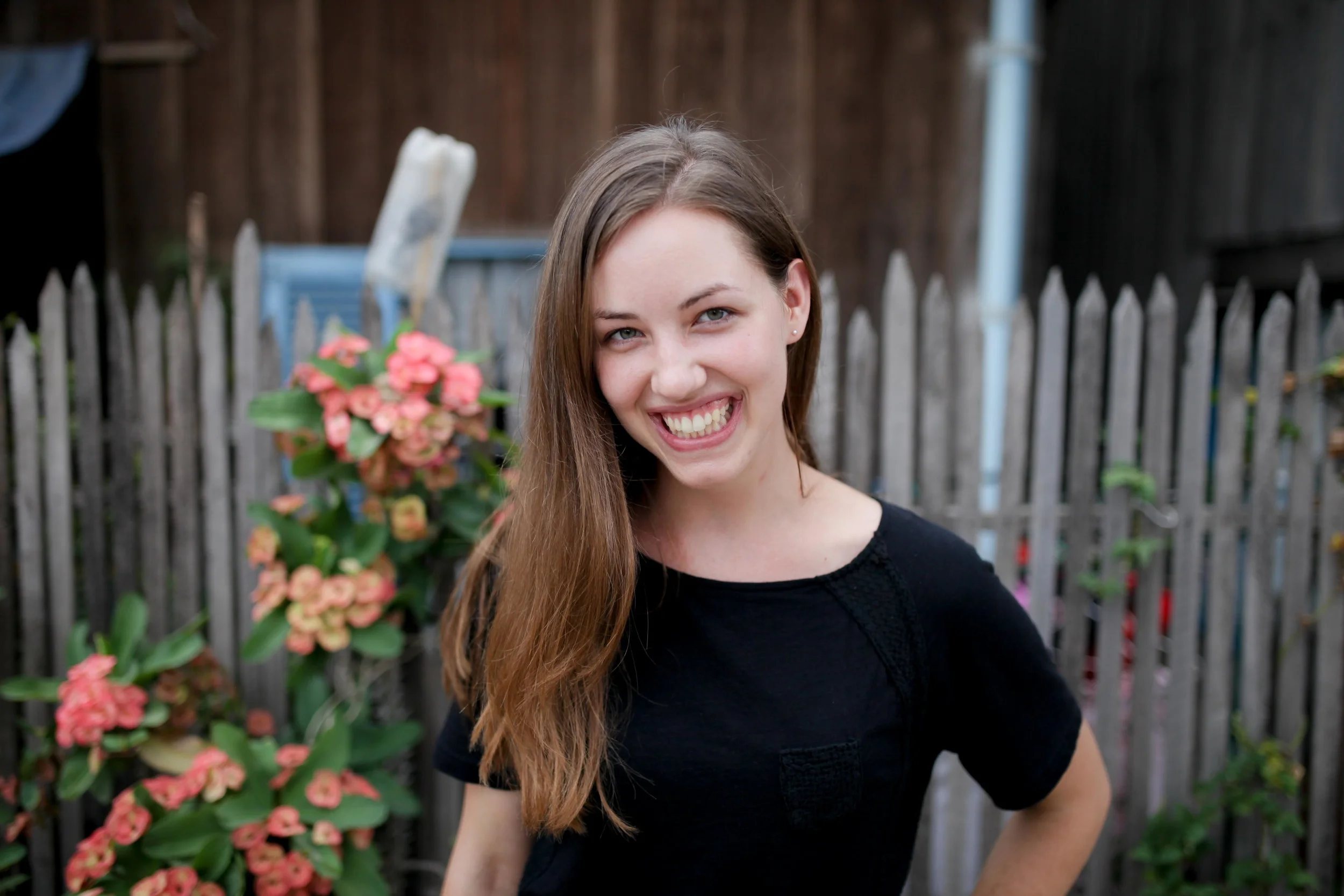
The week I left the slum, I re-learned two important things: I am not the savior and my worth is wholly in the Savior. Ultimately, I learned that changing the world starts with being changed.
Three weeks later I got a text from the son: "I want to know that you feel safe now. I am sorry for the inconvenience. Our family would like to say goodbye before you leave."
So I head back to the slum one last time, to say goodbye to the community I've laughed and cried with, the community that taught me that worth is in being not in doing. As I walk back down my old street, the children come running. "Hello!" they cry. "Hello!" I enter the gate and Ming comes out and gives me a hug. My heart begins to heal as I greet her in Khmer.
It wasn't exactly the incredible summer of changing the world that I'd planned on. But I don't regret it for a second.
“When life is sweet, say thank you and celebrate. And when life is bitter, say thank you and grow.”