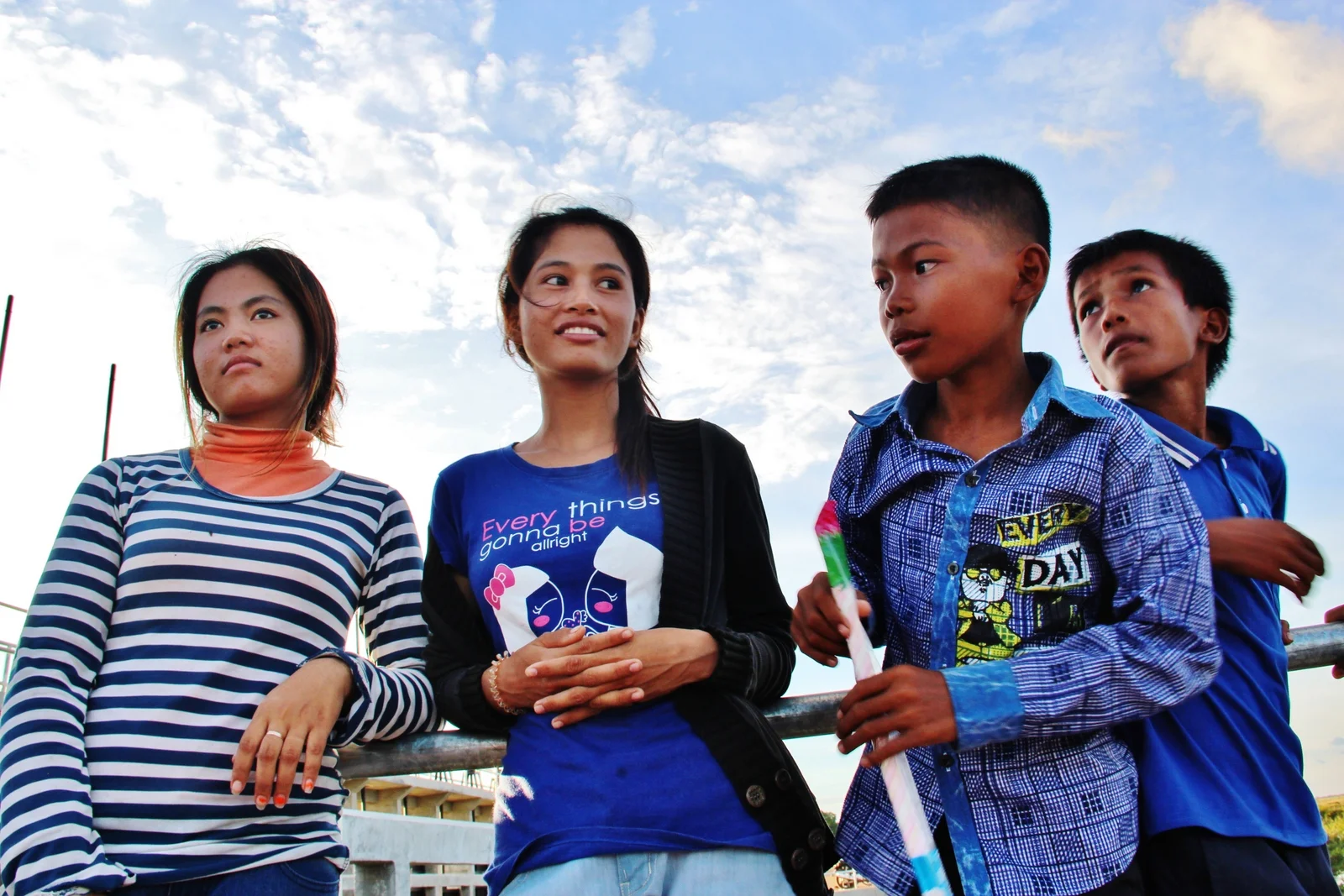
Why young people leave the church...it's not what you think.
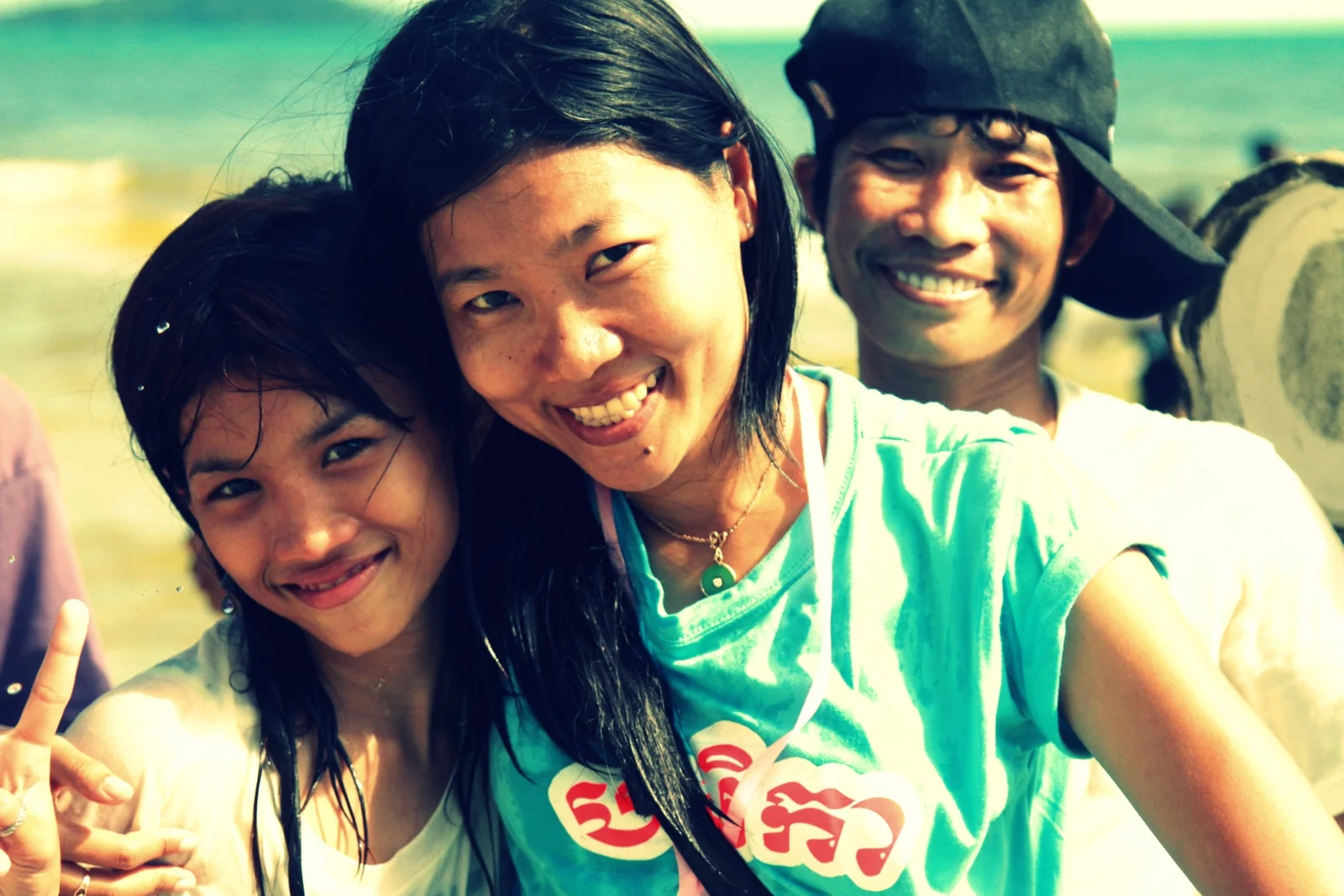
Sure, young Americans are leaving the church, but young people in the developing world face very different pressures and challenges to their faith.
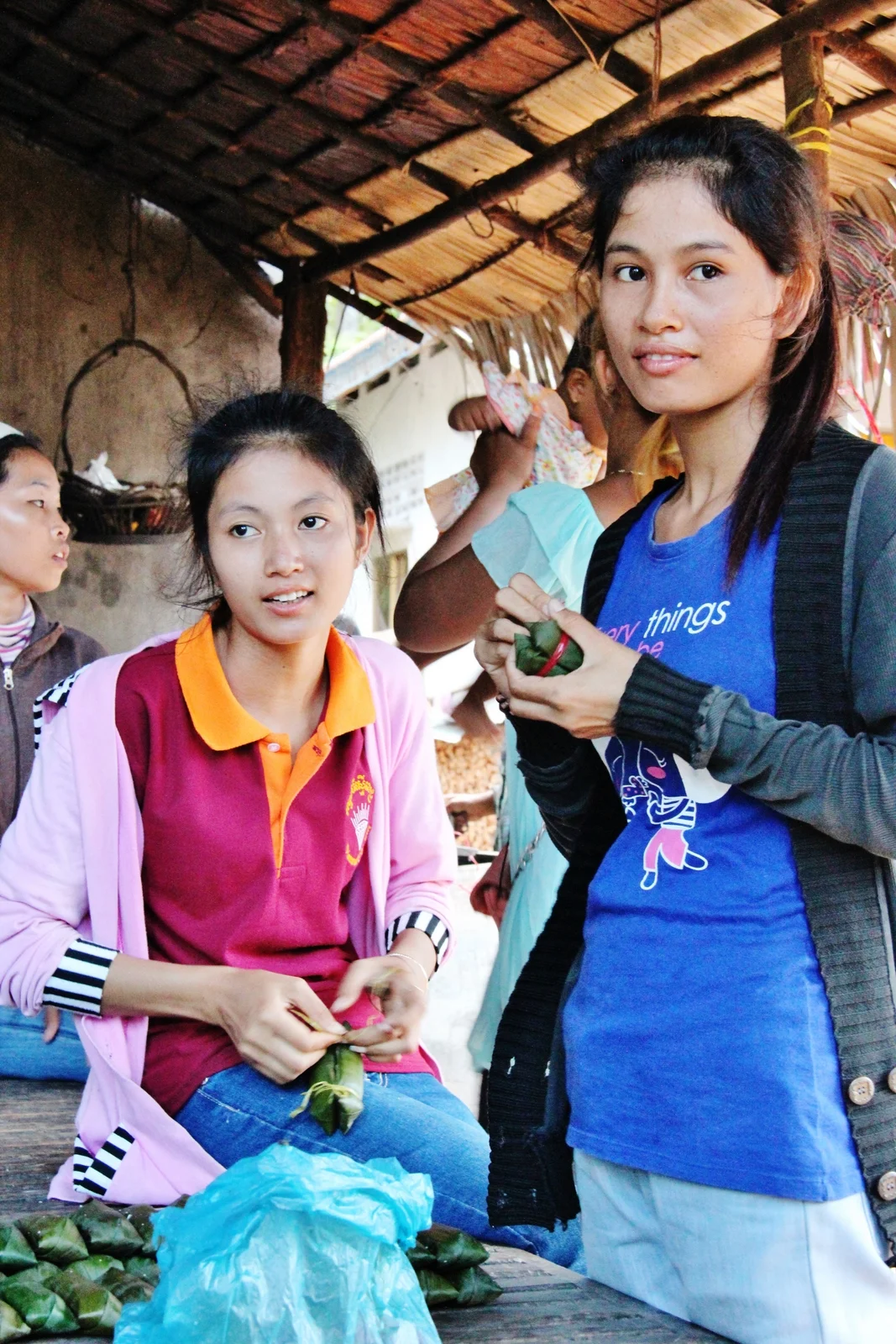
Statistics from North America suggest that large numbers of young people leave the church once they go to university. Some researchers estimate that between 61 and 88% of Christian youth in the United States leave the church in their early 20's.
(eg. "Barna study in 2006 -- "Most Twentysomethings Put Christianity on the Shelf...")
But young people in the developing world face very different pressures and challenges to their faith.
For many, those pressures are economic. They need to move far away from family and friends, and their church home, in order to seek work to support their impoverished families. Usually, that work will be low-paid with long hours - often 7 days a week - leaving no opportunity for fellowship with other believers.
One of our Cambodian Alongsiders, Bunhak, moved from his home town to Phnom Penh in search of work and study opportunities. Bunhak eventually found work at a fastfood restaurant. Long hours and a salary of around USD$80 a month, meant that Bunhak spent almost every waking hour either working or studying. There was little opportunity even to find local Christians in this big unfamiliar city, let alone join a church.
Urbanization is impacting developing nations all over the world, as young people - with fewer ties or responsibilities - move to the cities seeking economic opportunities. For many, this is a positive experience. But for others it can be disorienting, discouraging and even dangerous.
Alongsiders is seeking to learn more about their experiences and find ways to connect them into local churches on arrival in the city. With our wide network of partner churches - both rural and urban - we are uniquely placed to connect rural youth with local churches once they move to an urban center.
Alongsiders: the movement spreads
In the past month, we have signed partnership agreements for two of the largest countries in Asia.
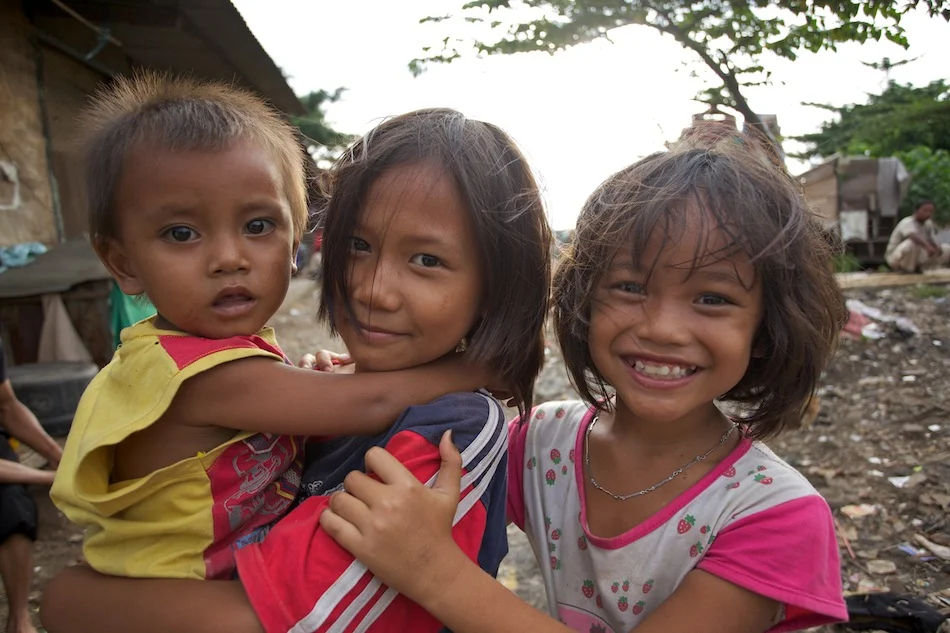
Children in an Indonesian slum.
In the past month, we have signed partnership agreements for two of the largest countries in Asia: Indonesia and India - representing hundreds of millions of vulnerable children that need love, mentoring, discipleship and encouragement.
Our strategy is to partner with large church networks in each country, so that the movement is "owned" and run by local Christian leaders.
So, rather than coming in as a foreign NGO, setting up administrative offices, hiring administrative staff and building an infrastructure from ground up, - we partner and we come in under local leadership.
This is pretty core to our strategy.
You see, it takes a spider to repair its own web.
And it is going to take local Christians to transform these nations.
Our role is to walk alongside those who walk alongside.
Join us in praying for these movements as we begin to lay the foundations to equip one generation to reach the next.
[Photo credit: Christin Gilbert]
No-one ever washes a rental car
Seth Godin points out that no-one ever bothers to wash a rental car. The reason why is of critical importance to Alongsiders.
Seth Godin points out that no-one ever bothers to wash a rental car. Why? Because there's no sense of ownership. And a sense of ownership is required in order for someone to go the extra mile.
In Alongsiders, we are serious about fostering a sense of ownership amongst those in the movement. It's not just lip-service. We build it in from the ground up.
Here is one of the key ways we try to do that:
Alongsider mentors choose their own little brother or little sister.
Rather than matching up mentors with kids that have been previously selected by some outside group or organization, the Alongsider mentors themselves prayerfully discern which child they will personally walk alongside. They select a vulnerable child from nearby their own house, in the same community. For some, this is a several months-long process of discernment.
And the result? Alongsider mentors are more likely to take the relationship seriously, have a sense of ownership of that relationship, and go the extra mile. We have some mentors who have been faithfully walking alongside their little brother or sister for more than a decade.
Cambodians have a proverb - it takes a spider to repair its own web. In other words, it is going to take insiders to transform a society.
In order to be motivated to work for this kind of deep transformation, those insiders need to own the work. They need to lead the charge. They need to have a sense that they are responsible for the change that needs to take place. They need to deeply commit. And that only happens when they are given ownership.
But here's the catch. Empowering young people, giving them ownership, means having less control. And this is the core issue we have to face in our movements and organizations. Sure, we want to empower and give ownership. BUT....
...are we willing to give up control?
No-one ever washes a rental car. No-one pours out their heart and soul for something they don't truly have a sense of ownership or responsibility for.
So which path will you choose?
Control or transformation?
Key appointment in drive to do short term mission differently
Short term mission is broken. Its time for a change, and we know just the person to help.
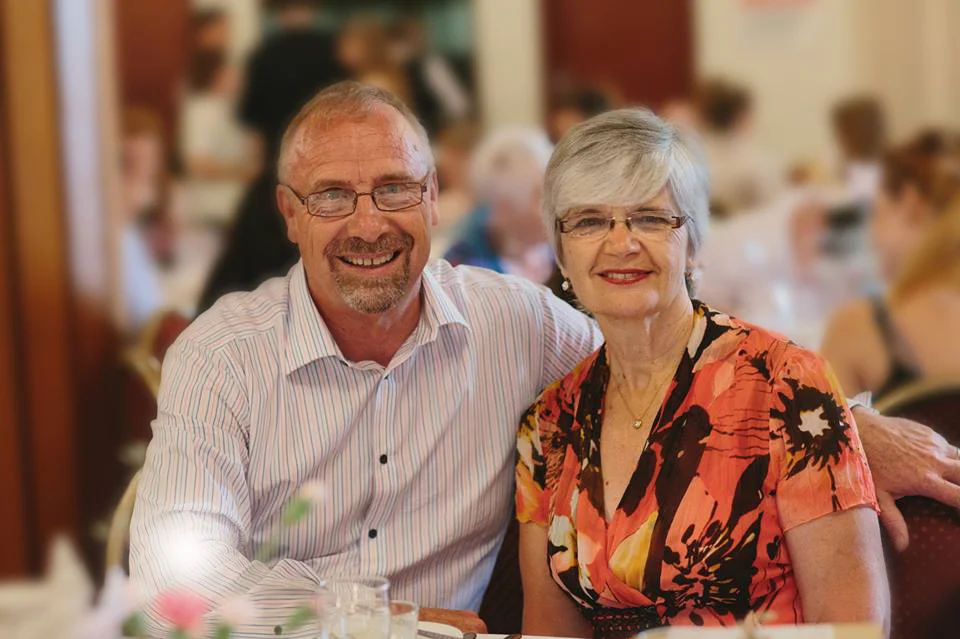
Andrew and Janice Collins
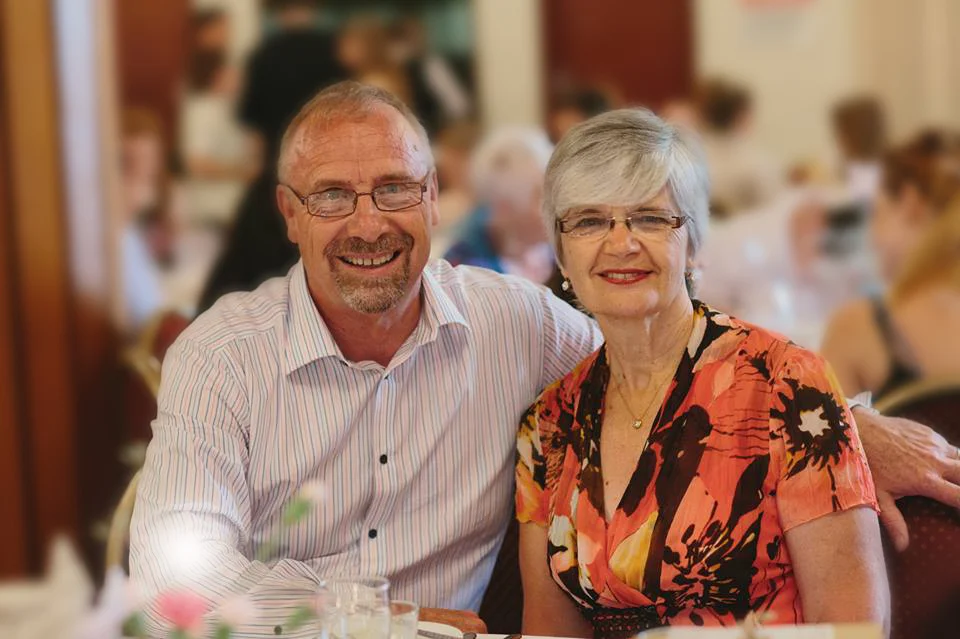
The Alongsiders International team is excited to welcome Andrew and Janice Collins, who will be relocating to Phnom Penh, Cambodia to work from our head office.
Andrew is a sought after trainer of short term mission groups - bringing insight and wisdom from his 17 years of service as the Australian Director of International Teams. He has consulted with churches all over Australia and beyond, helping Christians engage with the poor in more meaningful and sustainable ways.
Andrew will work closely with church partners and supporters from outside the developing world, to help them engage with the Alongsiders movement and journey deeper in their faith and engagement with poverty and justice issues.
An outdoorsman, he is a keen cyclist and walked 800km across Spain in 2008 on El Camino (a world famous pilgrimage). Andrew is also a fine cook, loves blue cheese, and is known for his delicious pancakes.
Janice Collins also brings a great deal of experience and giftedness to the team. A gifted administrator, Janice has served in government, seminary and more recently missions, leading International Teams in Australia after Andrew stepped down.
Janice is known for being efficient and focused, but beneath that is a heart of growing engagement with God's unceasing love. She is a wife, mother and grandmother of three (Harrison, Immanuel and Jemima). Janice enjoys walking, classical music - and a good cup of strong coffee.
We welcome Andrew and Janice to the team in August and look forward to their service to the wider movement.
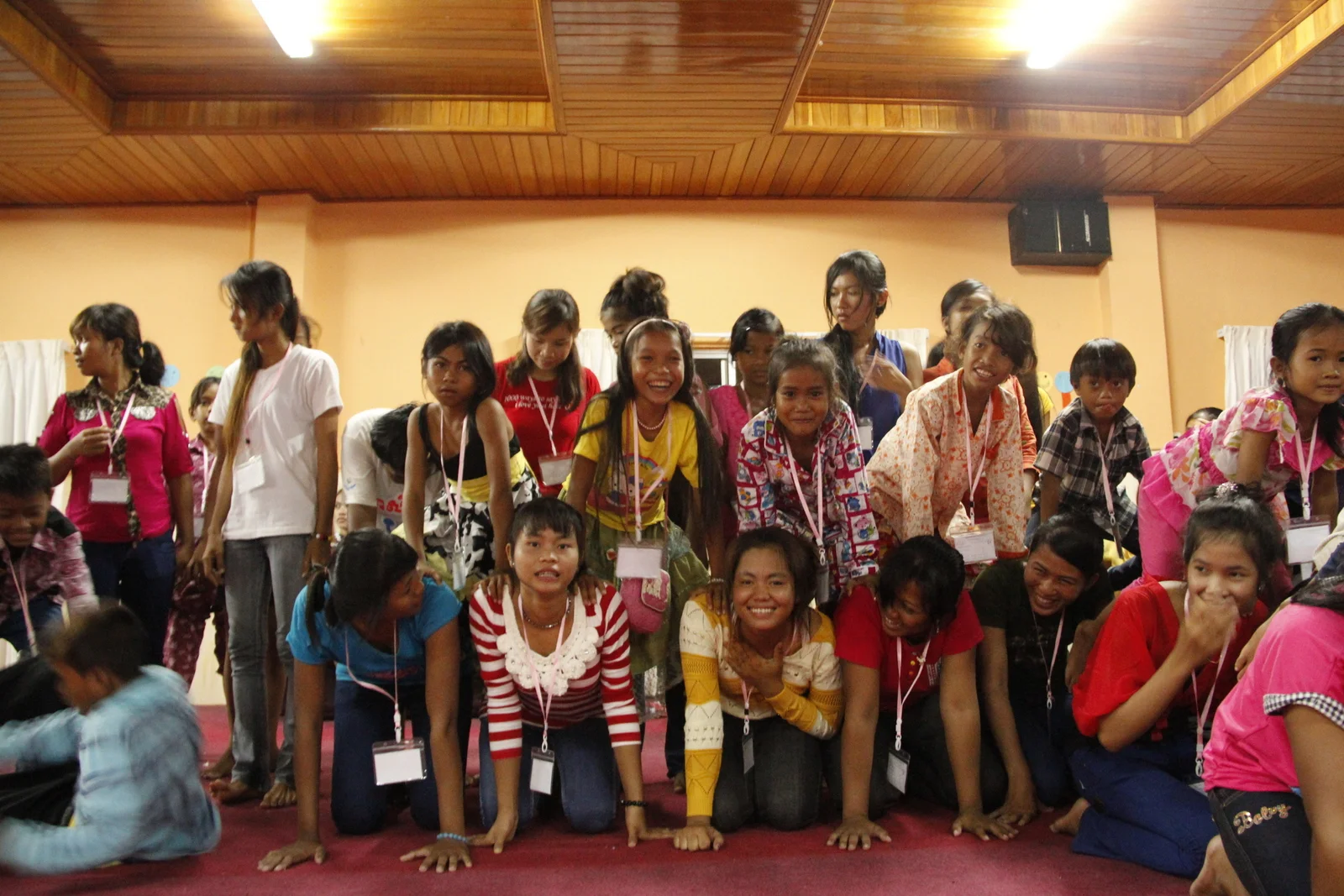
Movement vs Monument - which one are you building?
Alongsiders has a different DNA. That's why we shy away from terms like "charity" or "non-profit" or even "ministry". But what makes us a movement?
Alongsiders has a different DNA. That's why we shy away from terms like "charity" or "non-profit" or even "ministry". Every aspect of what we do is designed to be more Movement than Monument. This is not just clever rhetoric, but impacts everything we do.
Here are a few ways this plays out:
Goal
The goal of a Monument is to entertain a larger audience and pull a bigger crowd. The goal of a Movement is to equip an army of people. The former places the emphasis and spotlight on the organization. The latter places the emphasis on what God is doing in people, especially the poorest.
Influence
A Monument is about more people hearing OUR message. The Alongsiders movement, in contrast, is about more people being heard. It's about vulnerable children having a voice and being listened to, knowing they are loved, cherished and valued by God.
Leadership
A Monument seeks to ordain a select few - the elites, the gifted, the special ones - Leaders! The Alongsiders movement, in contrast, works to ordain and empower the ordinary masses, believing that everyone has something to offer - even the poorest, the least educated, especially the ones who have been labelled "victims".
Growth
A Monument grows through better, more efficient and clever programming. It is primarily organizational growth. A Movement grows organically, because it seeks to inspire better DNA in each person. A Monument grows through steady addition. A Movement grows exponentially through multiplication.
Control
Monuments seek to maintain order and control the outcomes. Movements value order and structure but do not seek to control the outcome. Authority in a Monument is delegated from the top. In a Movement, authority is delegated out toward the margins.
Style
In a Monument, complexity secures the organization's place at the center of things. The organization specializes in order to become indispensable. In contrast, a Movement is simple yet profound. It can be easily understood and easily replicated by anyone - yet the impact is deep and long-lasting.
Training
A Monument relies on inspiring teaching events to train people. The Alongsiders movement seeks to empower everyone to be a trainer in different contexts, learning as they themselves teach others.
Results
The end result of a monument is dependence. The fruit of a true movement is empowerment.
So, which are you investing in? Are you building a monument or a movement?
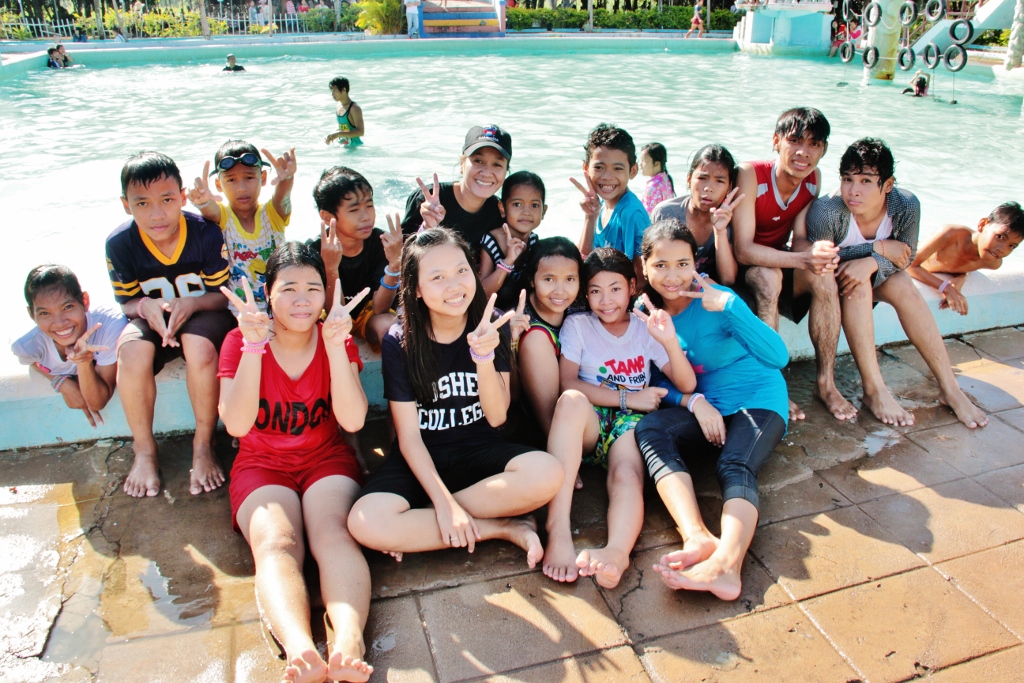
Here comes the Youth Bulge
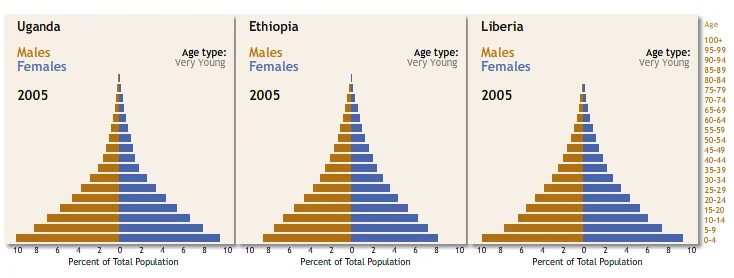
Across the developing world, there is a demographic explosion – a population bulge of children and youth and it's changing the world we live in.
Across the developing world, there is a demographic explosion – a population bulge of children and youth. In fact, 90% of the world’s youth live in developing nations. Meanwhile, the Western world faces declining populations in many places. The Western world's population bulge is edging its way towards retirement – battling a different kind of bulge, of the stomach variety.
Check out this amazing map which shows how the world's population is distributed:
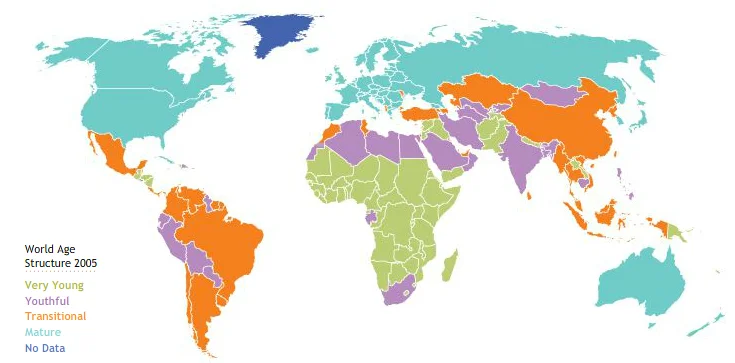
The Baby Boomers of North America and Europe reached young adulthood in the 60’s and 70’s, fomenting an era of societal upheaval and change. Unlike the developing world though, the Boomers came of age in a context of relative affluence and stability. Their youthful angst could be worked out with peace pipes and coffee house philosophy. Now, as the Western world grows older, the developing world gets younger and more fragile.
In Cambodia, more than two-thirds of the population are under thirty. This “Youth-Bulge” presents multiple challenges in a country still rebuilding after a devastating war that few knew firsthand.
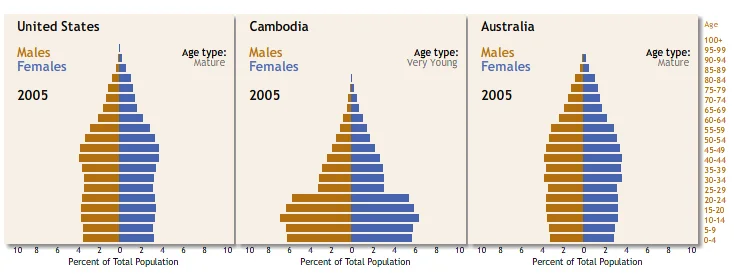
For these young people, there are few jobs, and sociologists link youth bulges in populations to genocides, hotspots of social unrest, war and terrorism. They point out that this tinder-box situation is especially serious in the most fragile nations, where governance is poor and authorities struggle to resolve societal conflicts.
The last few months have seen riots in Thailand, Cambodia and Bangladesh over election fraud and labor issues. These riots and protests are overwhelmingly led by young people.
Across Asia, the poorest countries are the ones with the youngest populations. But, it is sub-Saharan Africa that has youngest populations in the world, coupled with some of the most pressing social issues. 46 countries and territories in the world boast at least 70 percent of the population under the age of thirty. The vast majority of these are found in sub-Saharan Africa.
But what if the very ones at risk also, paradoxically, hold the keys to hope and opportunity?
Cambodians say wisely, “Only a spider can repair his own web.” Perhaps some of the answers to this crisis lie within this generation themselves.
What do the youth of the developing world have that could contribute to the transformation of their own impoverished communities?
Thankfully, young adults in the developing world are blessed with a special set of characteristics that could be essential pieces of the puzzle. Here are a few of the unique factors that place them at the forefront of change:
TRIBES
Firstly, young people move in tribes, or close-knit peer groups. The cultures of Asia and Africa tend to be more group-oriented than the individualistic West anyway. But young people who have not yet established their own families are connected to one another in a special way that creates strong bonds – for good or for ill. Amongst Christian youth especially, this interconnectedness is a powerful force that can be tapped into for mutual support and ongoing motivation.
The Alongsiders model fits perfectly with this commitment to tribes by forming groups of 5-12 young Alongsiders who meet together at least monthly for mutual encouragement, prayer and debriefing. [Read more about How we use Peer Pressure].
TIME
Secondly, young people often have extra time on their hands. Their studies and extracurricular activities take up much of their schedule, but commitments to a wife or husband are still on the horizon. They are not typically up all night with a screaming infant. Their level of obligation to family and work is probably at the lowest level in their life until later when they become too old to work. Less responsibility means that our Alongsiders have more capacity to commit to a vulnerable child. They have more time to offer that child and less pressure to look after others.
TECHNOLOGY
Finally, young people everywhere in the world are on the leading edge of adopting new technology. The internet has revolutionalized connectedness and learning. Cell phones are ubiquitous and social media is rapidly transforming the cultural and political landscape. This level of comfort and embrace of technology has the potential to be used for mobilizing and motivating young people in the developing world in the same way as it has grabbed the attention of young people in the West. Alongsiders has seen some success in leveraging that technological edge through social media such as Facebook and Twitter, as well as videos, comics and other other innovative forms of communication.
Together with the youth population bulge, these three assets: tribes, time and technology, present a unique opportunity. Alongsiders is committed to equipping these young people to be agents of transformation in their own communities.
Alongsiders in Thailand?
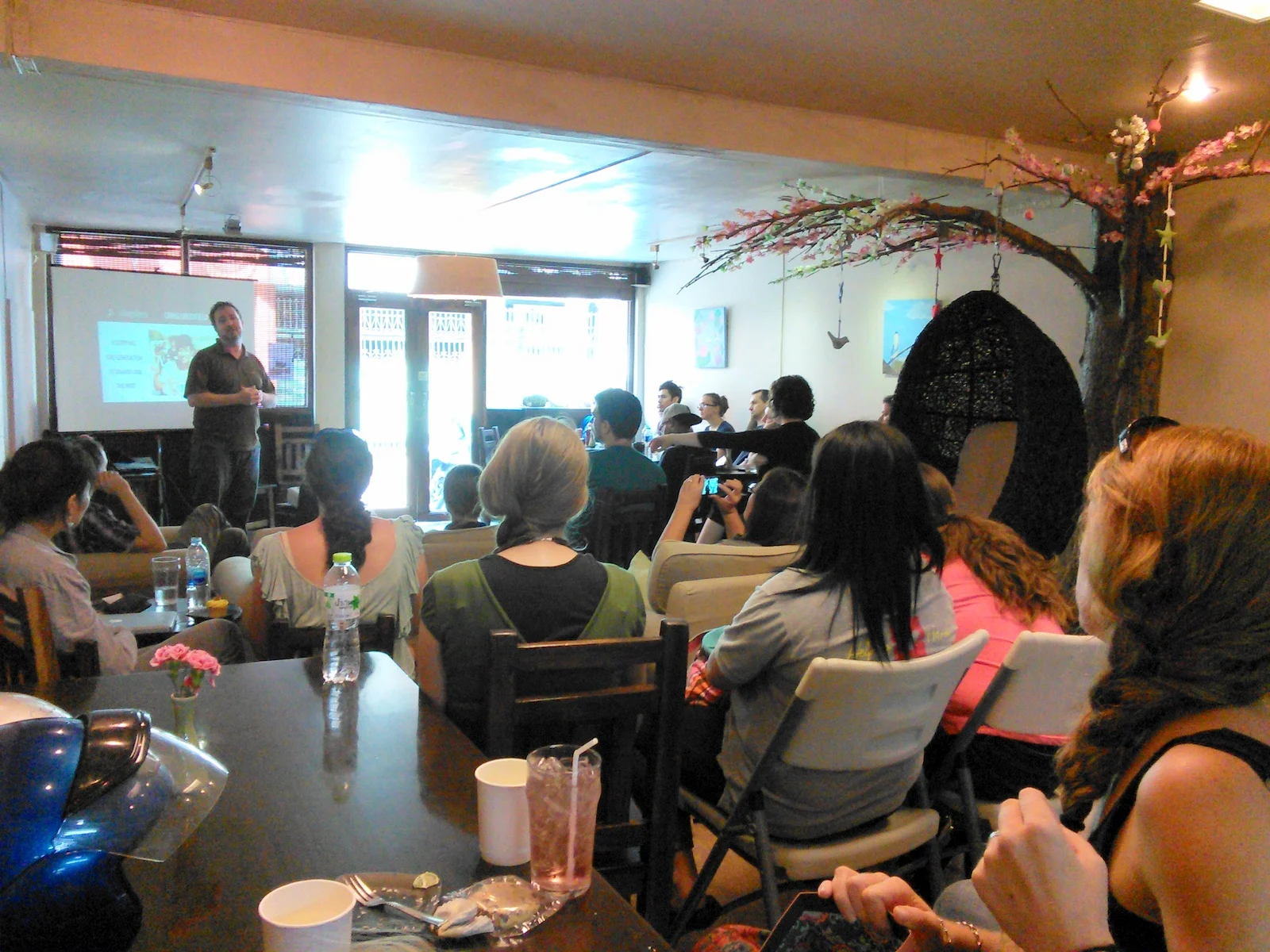
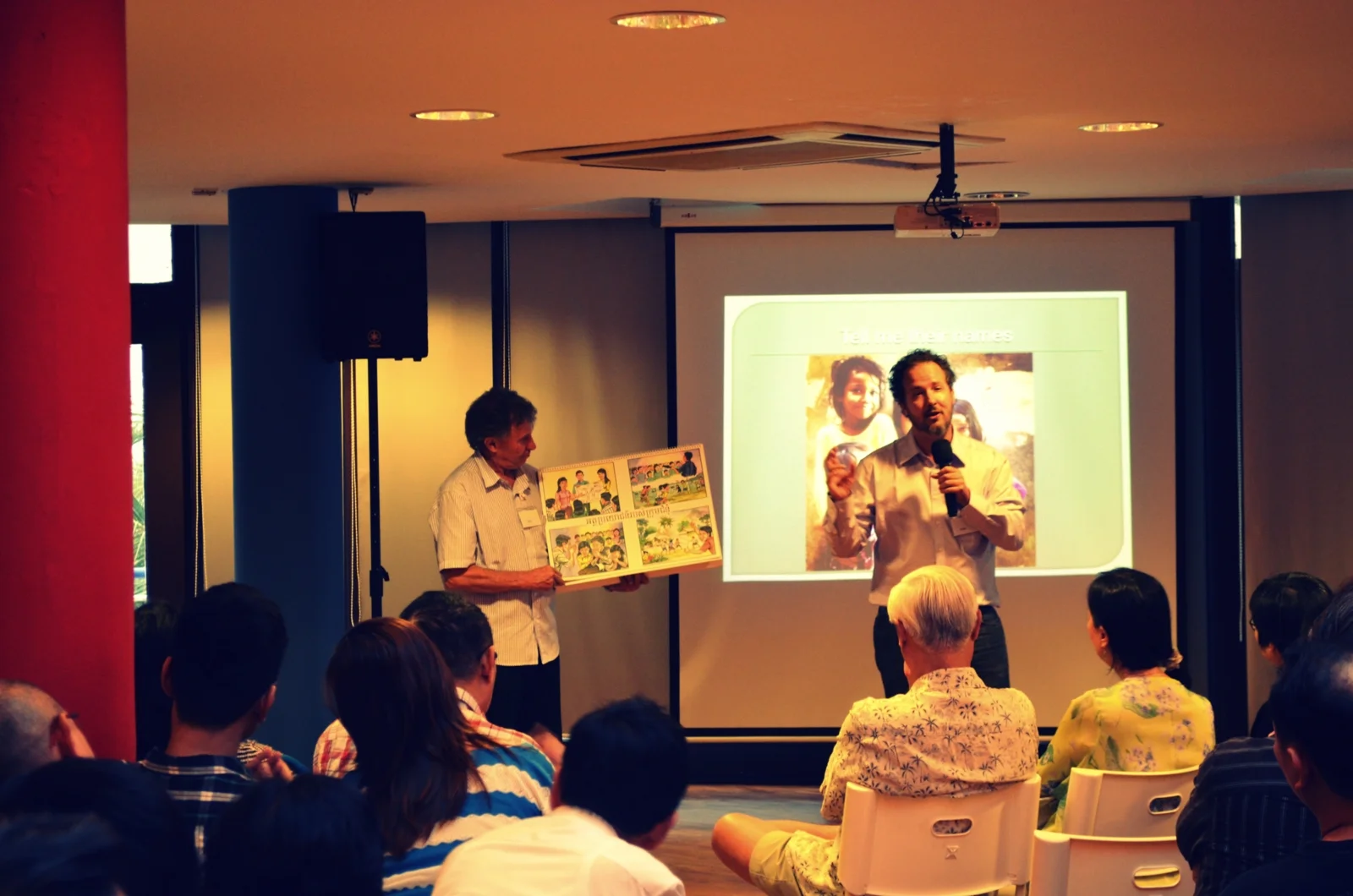
Earlier this week about 30 people gathered in a little cafe down a side street in the center of Thailand's bustling capital city, Bangkok.
Earlier this week about 30 people gathered in a little cafe down a side street in the center of Thailand's bustling capital city, Bangkok.
Alongsiders Founder and International Director, Craig Greenfield, shared statistics and stories about the rising numbers of struggling young people in the developing world. A demographic phenomenon dubbed the Youth Bulge, which is causing unrest all over the world.
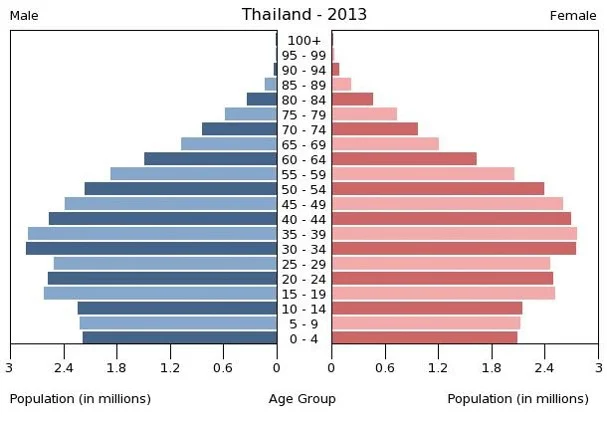
In fact, sociologists contend that countries with a Youth Bulge are FOUR TIMES more likely to erupt in civil war, than countries with an older or more evenly dispersed population.
In recent months, Thailand, like neighboring countries Cambodia and Bangladesh, and other developing countries around the world with young populations, has experienced a great deal of political unrest.
But what others see as a problem, Alongsiders International has long considered an opportunity. Churches in countries like Thailand often have disproportionate numbers of young people. We believe these young Thai Christians will be on the forefront of a movement for transformation in their own communities. But they need training, equipping and empowering.
Alongsiders does not seek to set up an "Alongsiders office" in Thailand, or other countries. But rather to partner with a local denomination or church network and work together with them to train up young people in Thai churches.
The meeting in Thailand was a gathering in advance of our one-day Thai church leaders workshop on May 31st. Our thanks go out to Step Ahead Thailand, for hosting and coordinating these meetings.
Please pray with us for God to guide and open whatever doors are needed, in order to see vulnerable children all over Thailand being welcomed into caring relationships with Alongsider mentors and their churches.
Spiritual transformation starts here
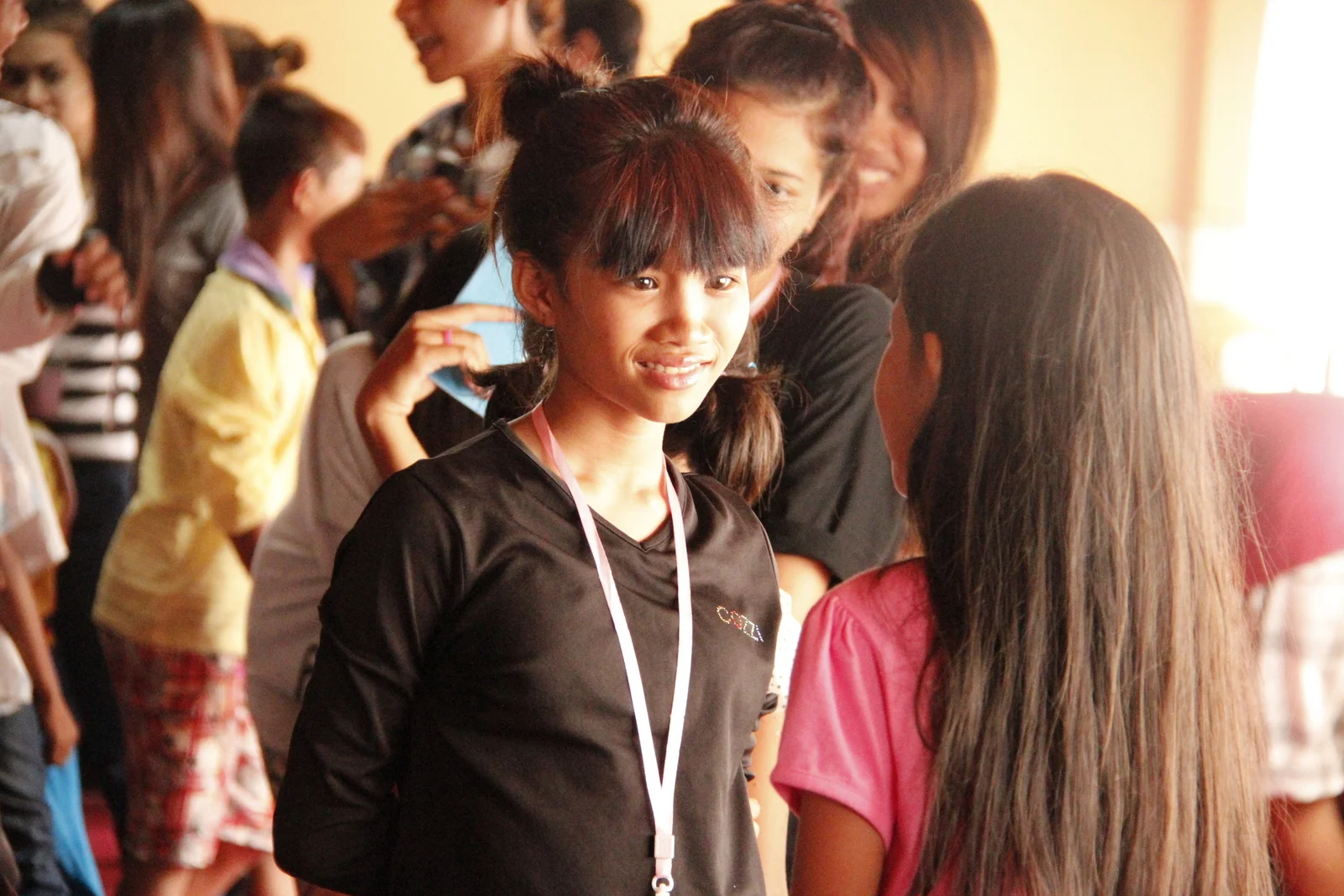
Bob Goff, author of Love Does, likes to say, "No one really gets discipled, they get loved; we learn what we see, not what we only hear about."
Bob Goff, author of Love Does, likes to say, "No one really gets discipled, they get loved; we learn what we see, not what we only hear about."
That's why we're reluctant to reduce the Alongsiders relationship to a study program or a curriculum. Truly it is love. And this love inevitably bears spiritual fruit. For if we experience another person loving us, then we are better able to understand that there is a God who loves us too.
‘My Alongsider showed me so much love when she comforted me when my parents were angry with me’. - Little Sister, Takeo Province
Recently, we asked our little brothers and sisters a few questions about their faith, and we asked questions of a control group as well. All up - we interviewed over 330 young people.
The study results show that something encouraging is stirring within the hearts of hundreds of little brothers and sisters across Cambodia. There is not only emotional, social and educational impact. There is spiritual growth too:
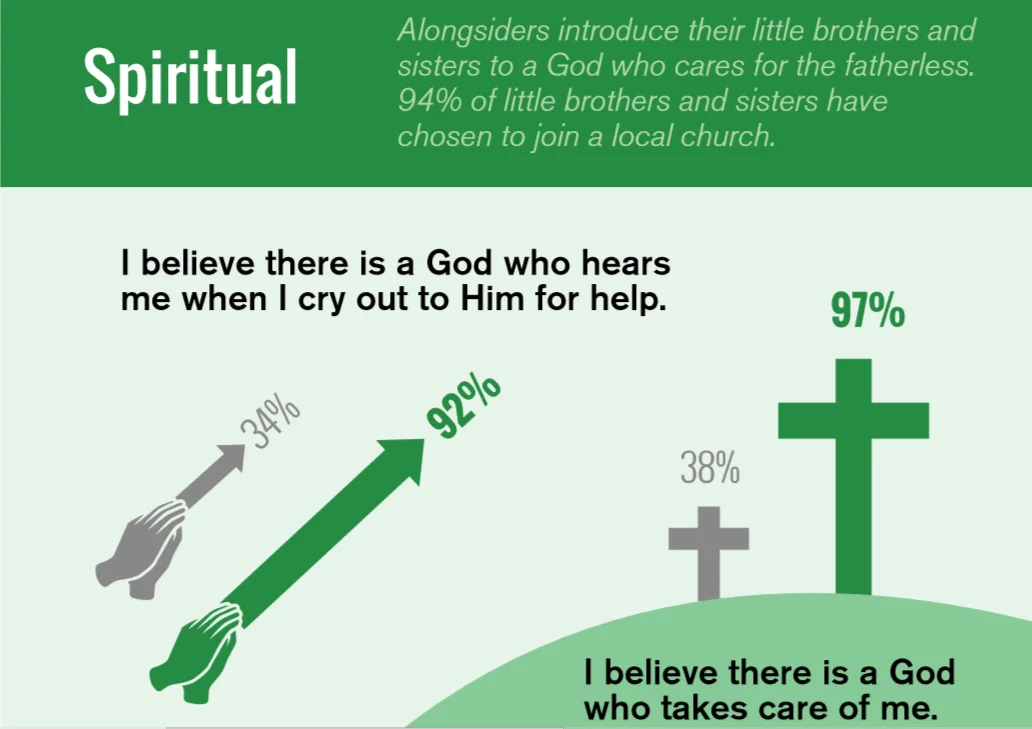

So how does it work? How does spiritual transformation begin?
Alongsider mentors are especially motivated to reach out to children who are neglected, orphaned and struggling. Such children typically experience feelings of hopelessness, abandonment and rejection.
As a relationship with their mentor develops, they are welcomed into the church family. In fact, 94% of our little brothers and sisters freely choose to become part of the local church. Through that loving community they gain a crucial support network and sense of belonging.
They learn that God loves them. And they begin to experience spiritual transformation.
Jesus taught us to welcome children into our midst. And he showed us the way to disciple and mentor others - by spending lots of time together, walking, talking and eating together. His methods of discipleship were not merely dry academic study. Instead, Jesus shared life with his disciples. They laughed, cried and ministered together.
Through the example of their Alongsider mentors, hundreds of children are experiencing that radical welcome and responding with joy. They understand that they are cared for and loved by God, both day-to-day and forever. They know that they are not alone. Because someone walks alongside them, Jesus-style.
[Research results mentioned above come from the Alongsiders Impact Assessment 2013. ]
Headquartered in....Cambodia?
How did an international movement come to be headquartered, not in New York, Sydney, Geneva or London - but on a dusty backstreet in the heart of Asia?
How did an international movement come to be headquartered, not in New York, Sydney, Geneva or London - but on a dusty backstreet in the heart of Asia?
Today's non-profits need to know where their most important resource base is located. And for the majority of non-profits, their resource base is primarily financial.
If you want to dig more wells or build more orphanages, you need money, lots of it. Fundraising becomes a major focus. Boards get stacked with the wealthy and connected. And building a headquarters near Western donors simply makes sense.
But what if your most important resource wasn't money, but the young Christians of the developing world? And what if, rather than using money to motivate them - you appealed to their compassion and concern for their own people? Suddenly money becomes a secondary concern and people come first.
Where would you build a base?
Would you not build a headquarters in a place where leadership decisions could be made in the midst of the action? Would you not build a headquarters in the middle of a continent bursting with energy and passion?
Would you not, as Jesus did, leave behind comfort and go to the people - pitch a tent in their midst, and raise up a movement?
Building schools is not enough...
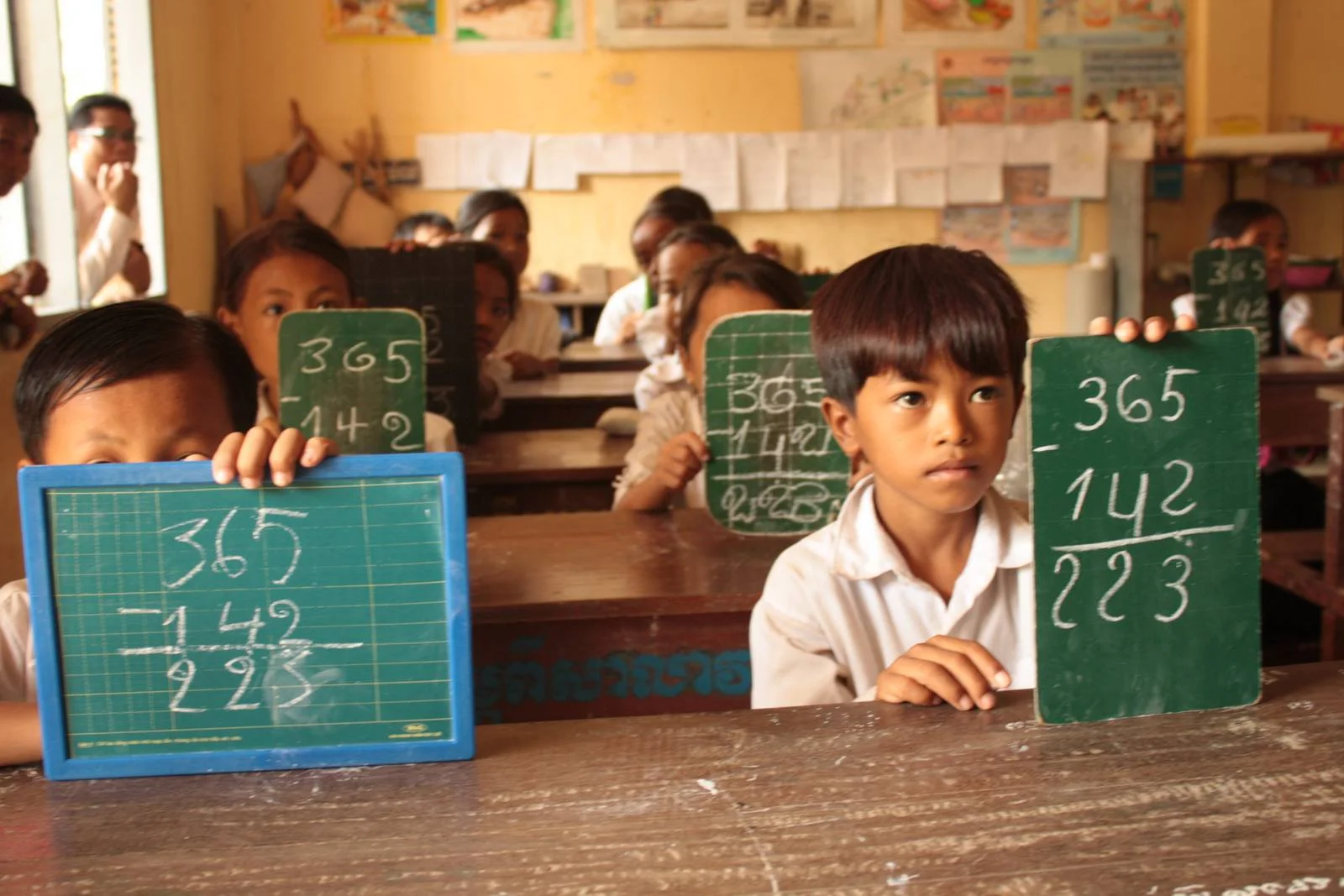
How can vulnerable children escape their circumstances? If education is the key, why is building schools not enough?
How can vulnerable children escape their circumstances?
Education is one of the keys to helping children escape poverty. But if children are not supported, education can’t do anything. Even when schools are built and teachers provided, too many children end up working for their families instead of going to school.
But across Cambodia, we’re seeing something happen - young people called Alongsiders who are choosing to walk with vulnerable children and help them stay in school.
‘My parents cannot read, so I ask my Alongsider for help with my lessons and homework’ - Little brother, Takeo Province
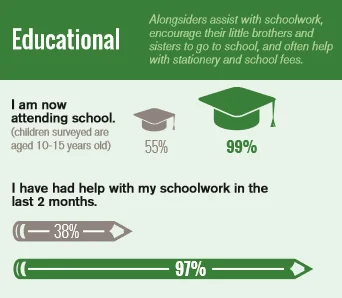
These Alongsiders offer them the help and hope that comes from knowing exactly what it’s like to grow up in such vulnerability - help with homework, encouragement to persevere in school, chatting informally with parents about the importance of education.
It’s a kind of support that an outsider could never offer.
We decided to find out how much of an impact these Alongsiders were having in Cambodia, and the results were exciting.
An independent research group asked several groups of little brothers and sisters about their lives - and asked the same question of children without Alongsiders (the ‘control group’). In total they surveyed 333 young people.
You can see the results for yourself in the accompanying infographic.
It’s not rocket science - it’s just young people in slum communities helping children like them, with their own resources. All we have to do is bring them together and support them while they make a difference.
[Written by David Burton. All these statistics come from the Alongsiders Impact Assessment. You can download the whole report here.]
Christmas - in solidarity with vulnerable children
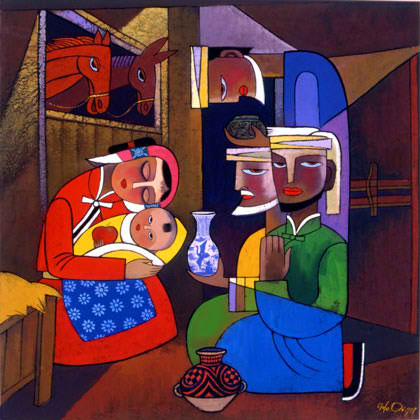
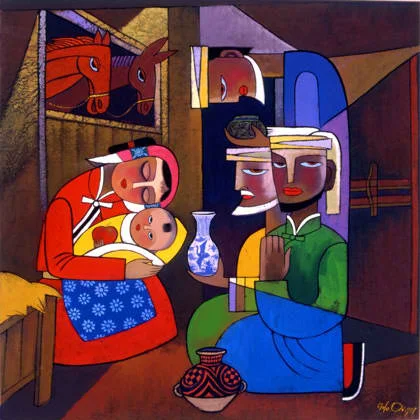
What might it mean that the All-Powerful God chose to become the All-Vulnerable God?
What might it mean that the All-Powerful God chose to become the All-Vulnerable God?
Jesus - a tiny child, born on the margins of society, in a stinking wooden shack, populated by animals, became a refugee, fleeing for his life from an unjust leader.
Jesus - chose to be born in solidarity with the most vulnerable amongst us, children on the edges, fighting for their lives.
This is the Jesus we serve and the one we follow. This is the Jesus who said whatever you do for the least of these, you do for me. Or in other words, whenever you walk alongside the least of these, you walk alongside me.
Across the developing world, vulnerable children will face Christmas day as a day like any other. A day where they live on the edges of society - in slums and rural villages, because there is no room for them in the booming economies of the affluent cities.
As we celebrate the unusual birth of Jesus, let's be challenged again by the surprising nature of who he identified with. Let's welcome those who stand alone, into our Christmas celebrations, into our homes and into our families.
Is Alongsiders an organization or a movement?
Alongsiders is different. We are moving beyond the old paradigms in mission and non-profit work. So is Alongsiders an organization (an NGO, charity or non-profit) or is Alongsiders a movement?
Alongsiders is different.
We are moving beyond the old paradigms in mission and non-profit work.
Alongsiders is about the poor and the marginalized reaching out to help their own people, and transform their own communities.
So is Alongsiders an organization (an NGO, charity or non-profit) or is Alongsiders a movement?
Organizations are great at doing research, making plans and policies, developing resources, implementing projects and evaluating impact. Donors like to fund organizations. They are safe and stable. Well planned. Controlled. Professional.
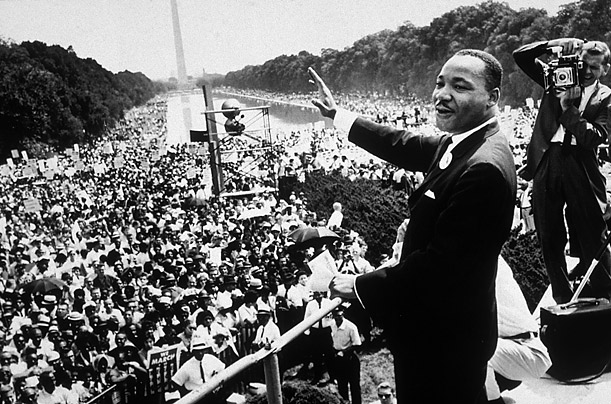
Social movements are messier! They are the tools of those with little power. They are reliant on inspiration, and are transformational rather than transactional. They can be movements that are inspired by the Spirit at work in people's hearts.
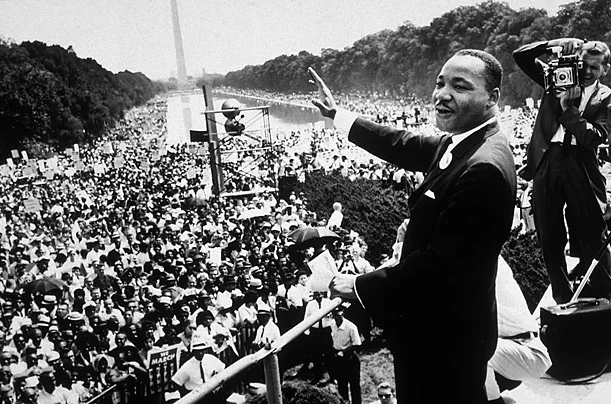
People give their lives for movements. They can spark revolutions (like the civil rights movement) and they can transform nations. They are not safe and they are not easily controlled.
Both organizations and movements are needed.
Both have advantages and disadvantages.
That's why we're pioneering something truly innovative to capture the strengths of each.
In Alongsiders we differentiate between Alongsiders International and the Alongsiders country movements that we are seeing established in each place, such as Alongsiders Cambodia.
Alongsiders International is an organization, registered with the government, with a constitution and bylaws and a bank account. We are grassroots but professional. We research and plan what we do. We exist to support the country movements. We create important resources for them to use. We evaluate impact. We plan and support, equip and train leaders.
We do the important work of helping these movements get started and supporting them as long as they need us.
In contrast, Alongsiders Cambodia is more of a movement (and organizationally separate from Alongsiders International). Every Alongsider is an unpaid volunteer, inspired by God, compassionate, giving up their time and resources to love and walk alongside one vulnerable child. They organize themselves into groups, with a leader they have chosen themselves. They meet together to encourage one another and pray. They spread the word and recruit new Alongsiders themselves.
And the beautiful thing is, if Alongsiders International ceased to exist, the movements would go on. Those amazing relationships between each Alongsider and his or her little brother or sister would continue. Because they are not based on some kind of transactional relationship with an outside organization. They are motivated by love, by the Spirit and by compassion.
This is truly the poor helping the poor, for the Kingdom of God.
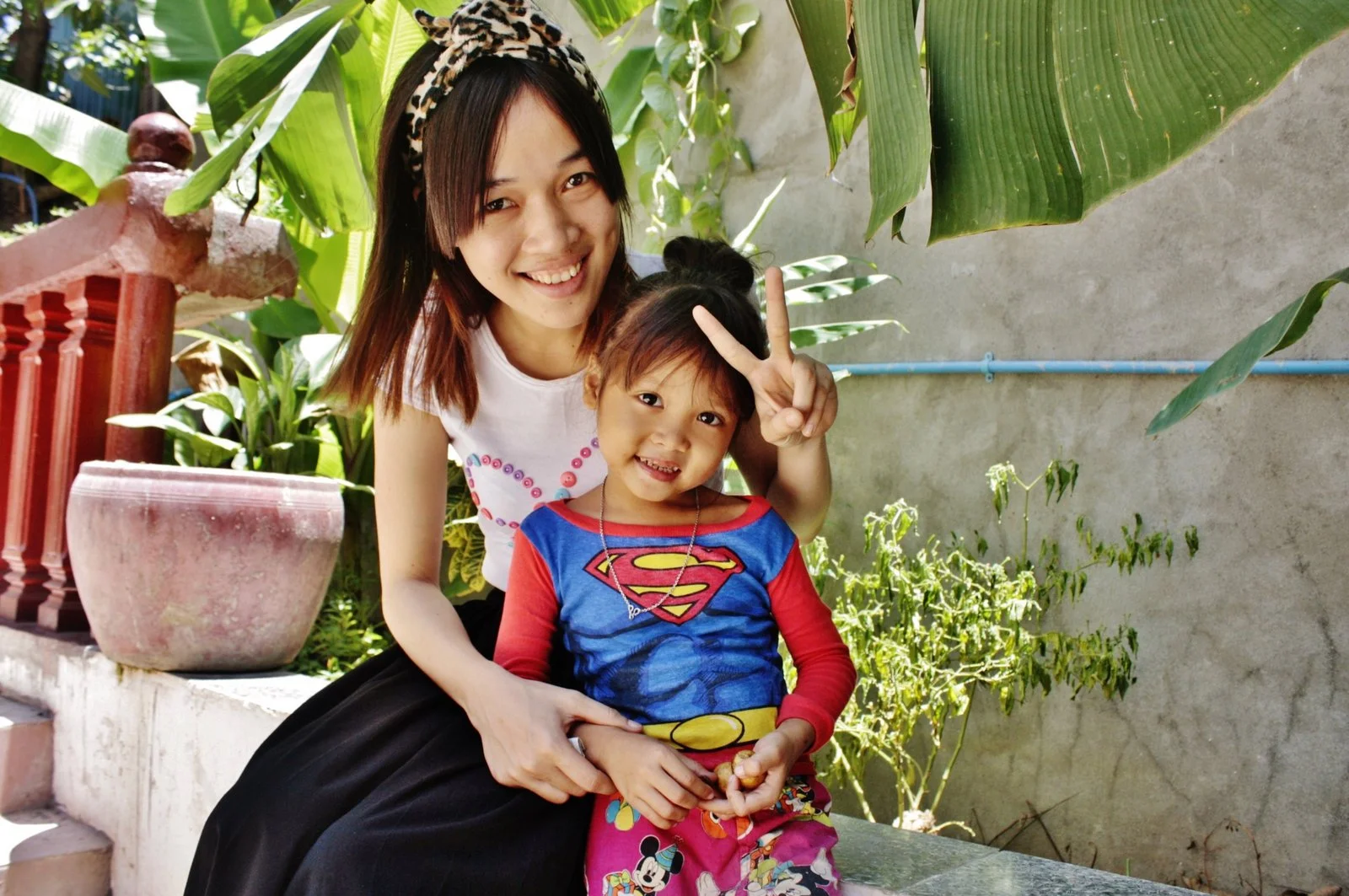
Linda's Story
Even before the invitation was made at church that Sunday, Linda Vang knew she needed to be an Alongsider.
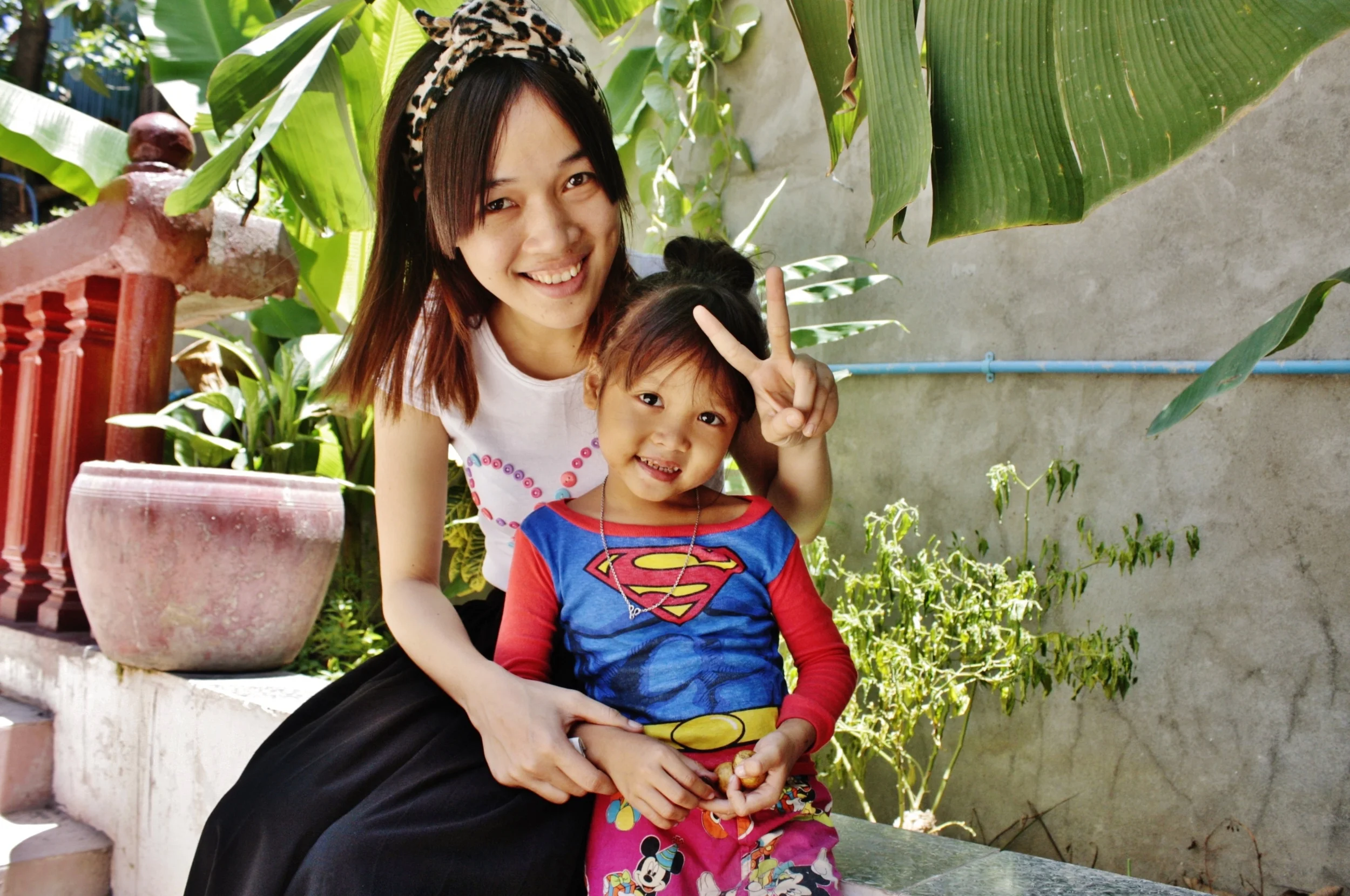
Even before the invitation was made at church that Sunday, Linda Vang knew she needed to be an Alongsider.
For several years, she had watched her older sister, along with other young Christians in the community, mentor younger kids at crucial moments of their lives.
She had also seen the little brothers and sisters slowly learn to trust their Alongsiders over time. Linda longed to be an Alongsider—but she had to wait. She was not yet old enough.
And so wait, Linda did. But not passively. Her heart of compassion led her to teach at the church pre-school, early each morning, which provided a critical option for children in the community to start school, when they could not afford the means to do otherwise.
Now 21, Linda Vang is not only a dependable Alongsider, but also a university student at the nation’s most distinguished Law School.
With an older brother in prison, innocent of the crime for which he has been incarcerated, Linda hopes to play a role in changing Cambodia’s troubled judicial system.
Her brother, Dial, is due to be released this
December. After five years without being together, Dial will come home to a sister that has not simply awaited his
return, but a sister that has actively pursued justice—a sister in training to be
a judge.
I watched as Linda walked down the road, made up of broken crimson bricks,
with 5-year old Gang Ea. Looking at her
little sister as she took her hand, the Alongsider gave Gang Ea a warm smile of
reassurance. Gang Ea— an only child
living with her grandmother and extended family, in a Phnom Penh slum—mimicked
the smile back to Linda. Hand-in-hand, Linda
and Gang Ea walked down the familiar walkway leading out of the church
together.
[Written by Hanna Tzou, interning with Alongsiders in Cambodia.]
3 ways we turned things upside-down at our Singapore launch event
Last Sunday, Alongsiders International held the first of our international launch events in Singapore. Here are 3 key ways we tried to approach the event differently...
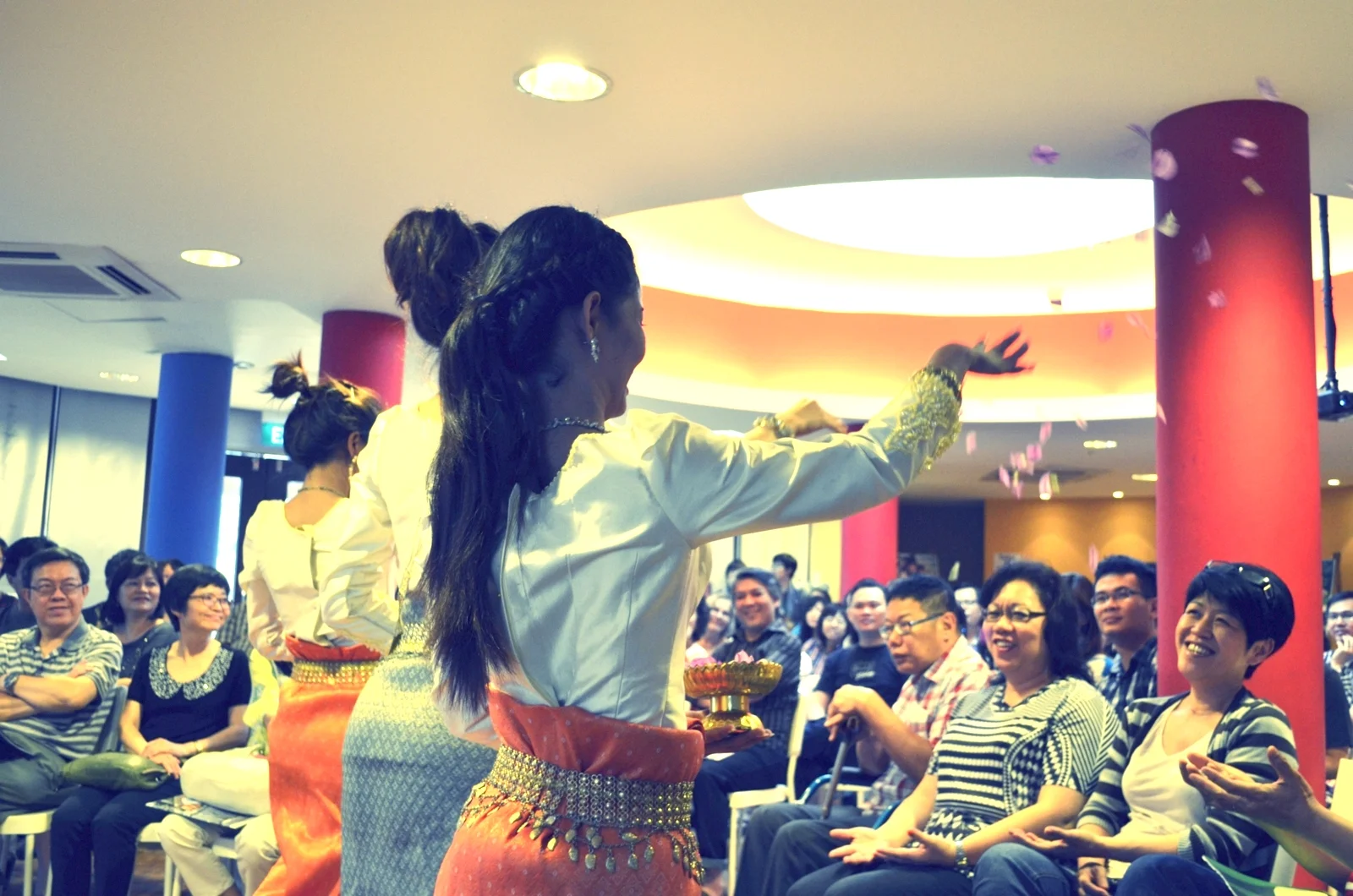
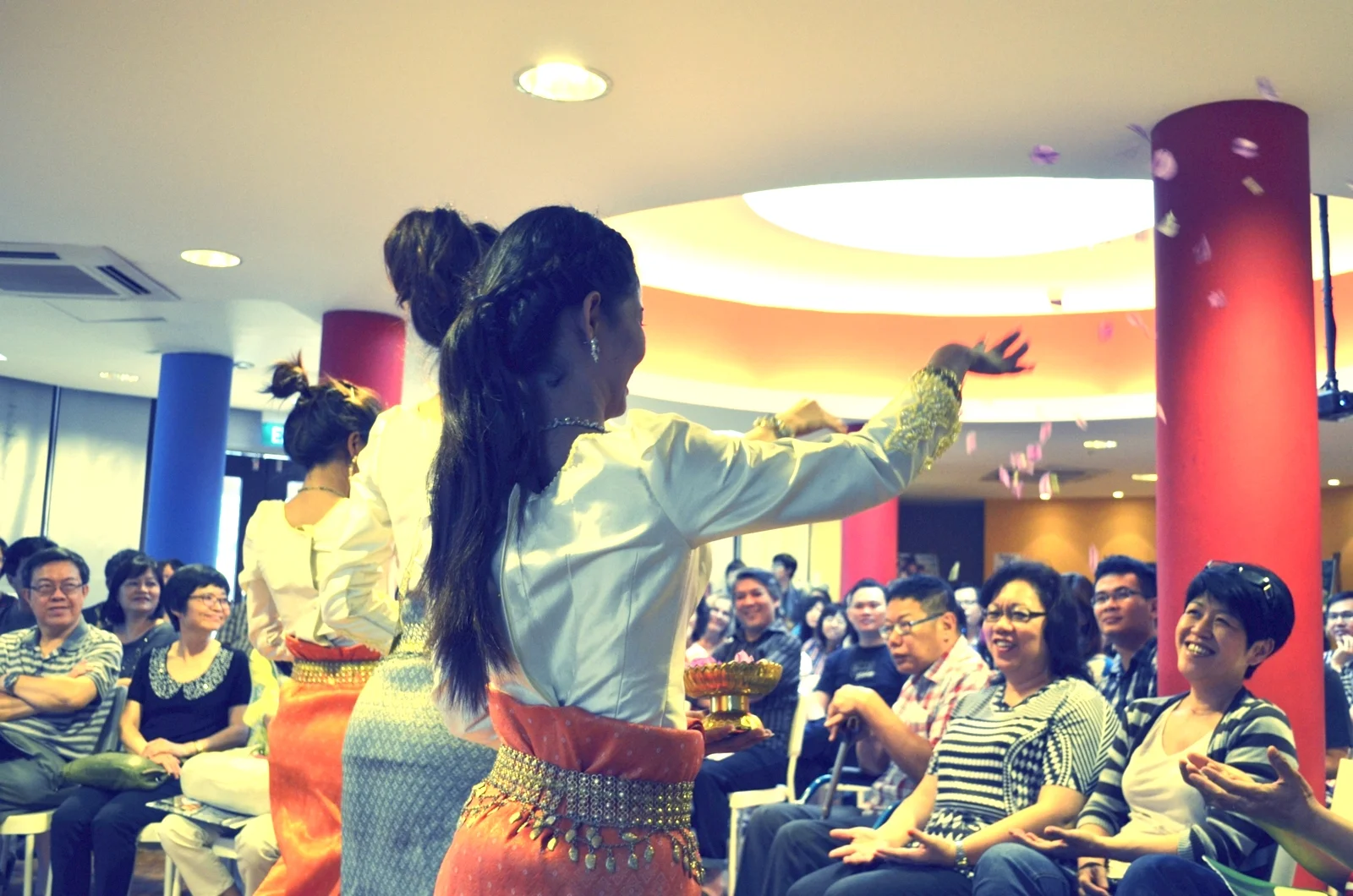
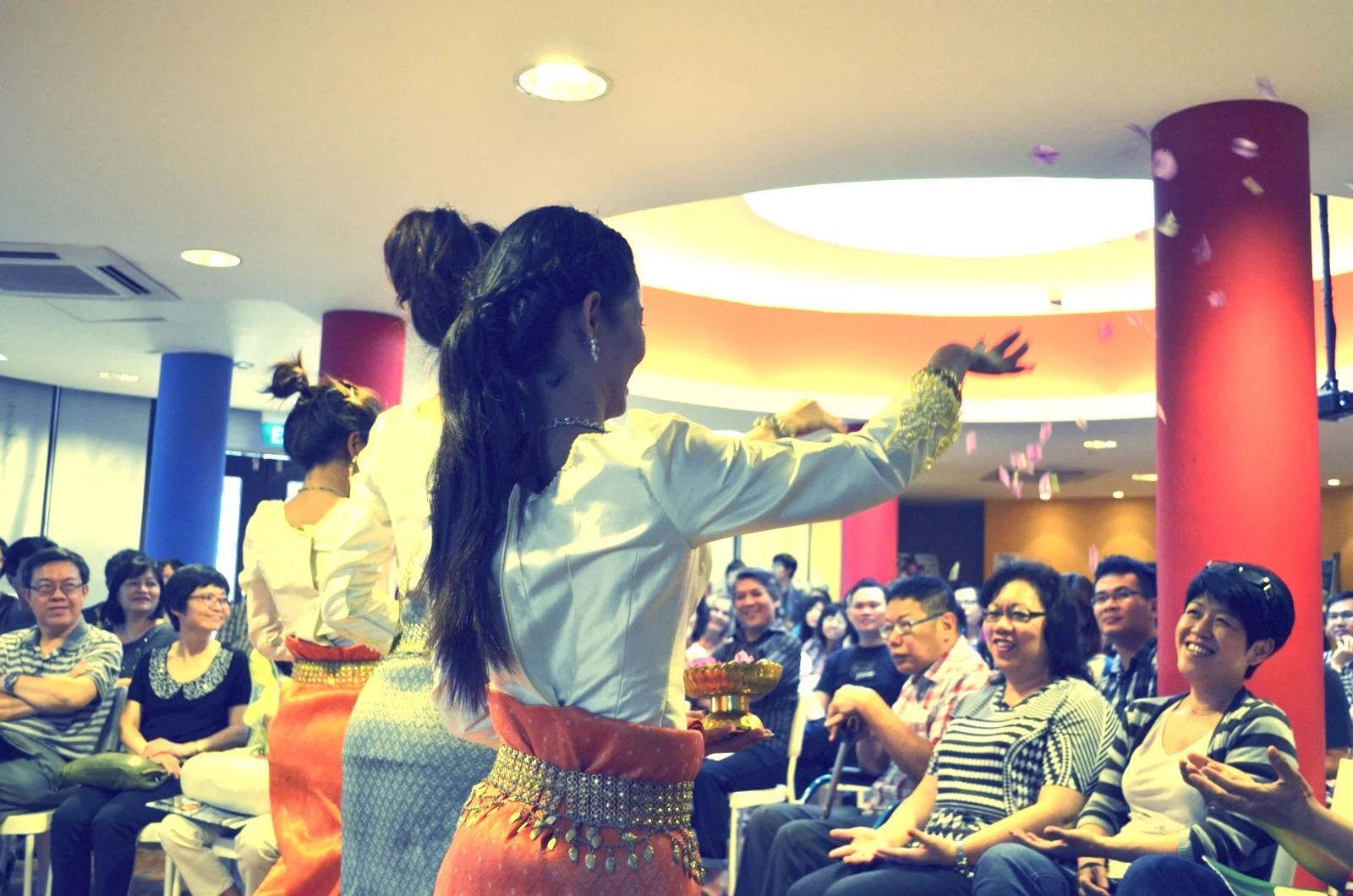
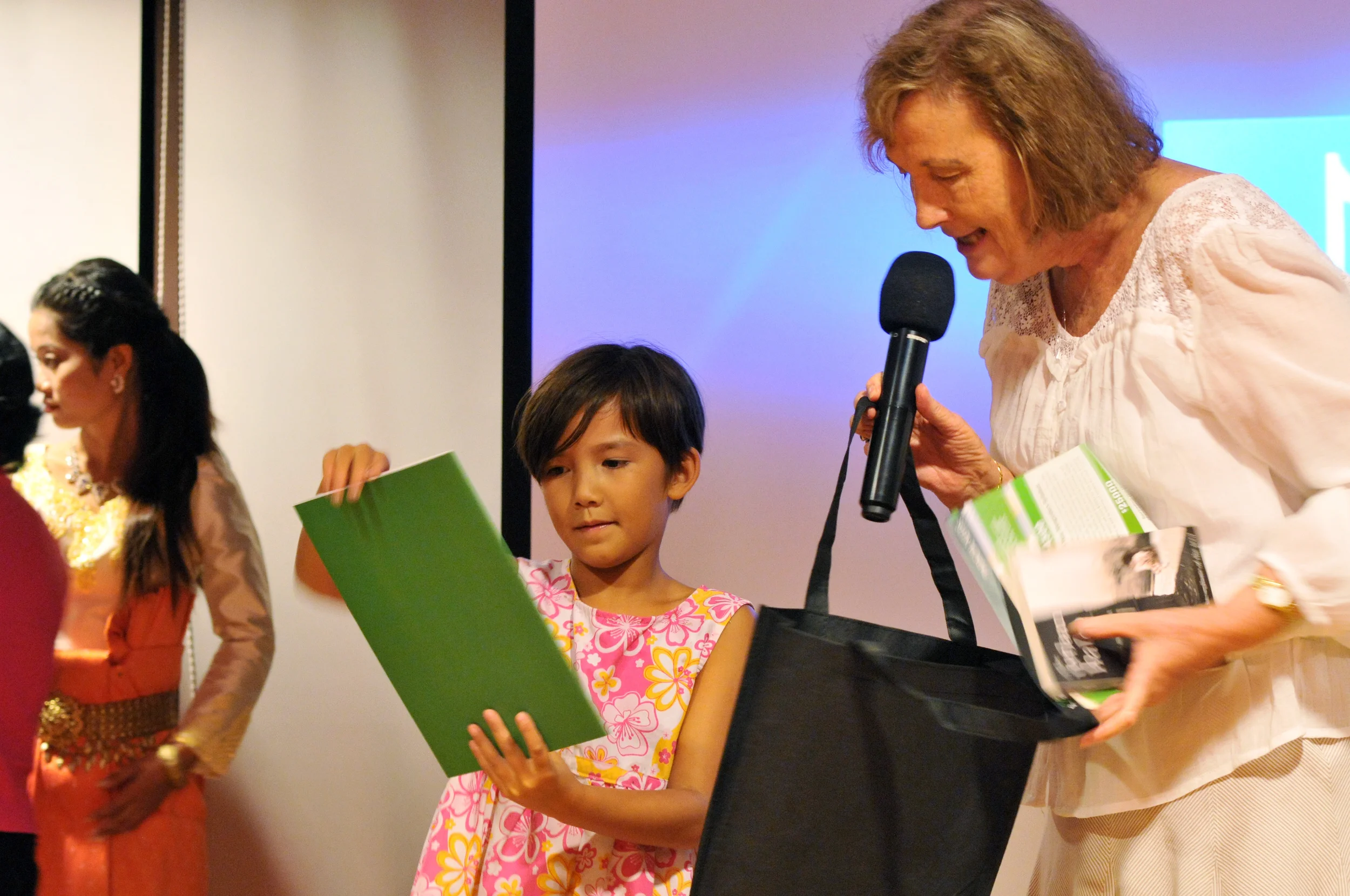
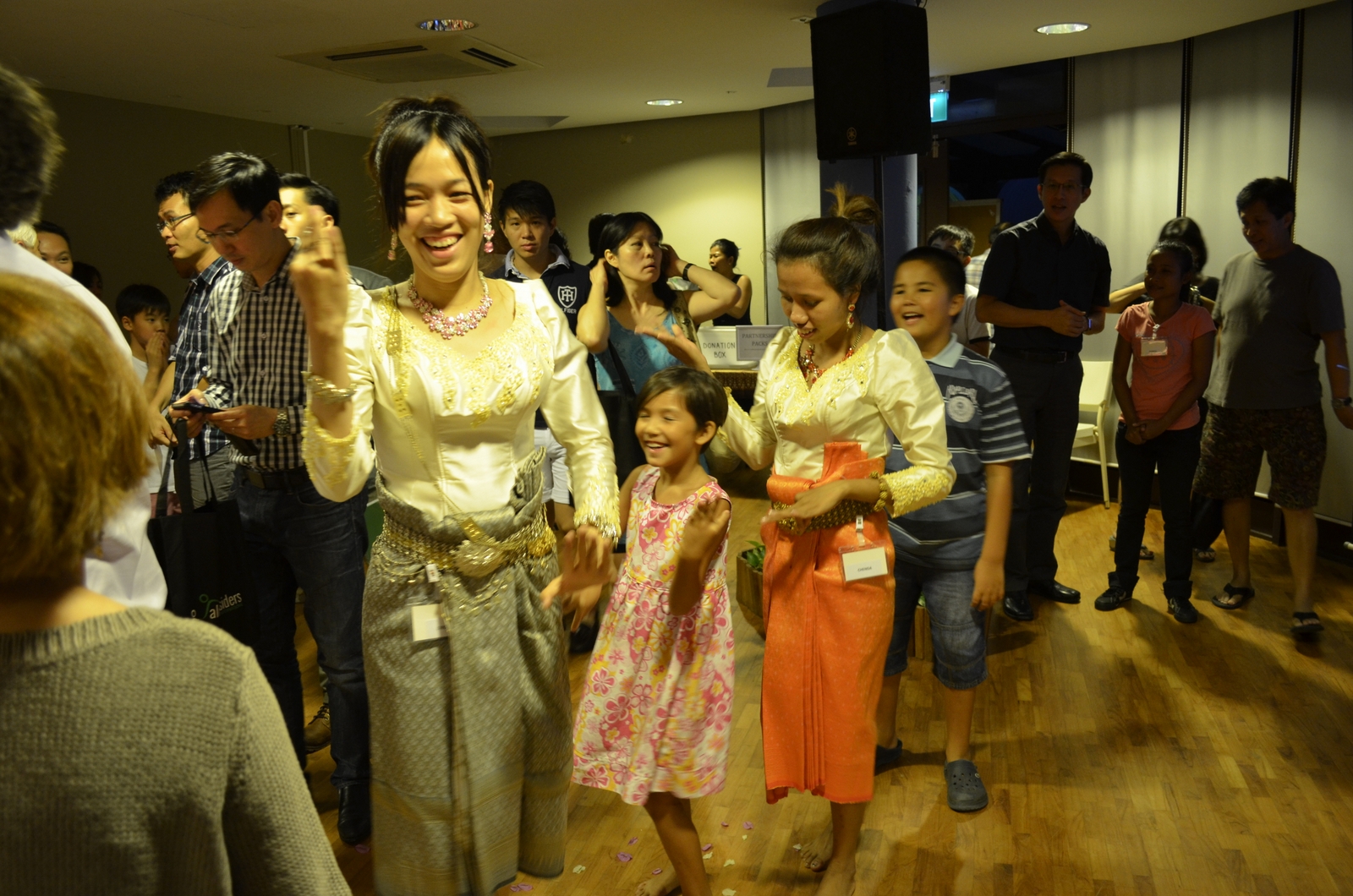
Petals fly in the traditional Khmer blessings dance
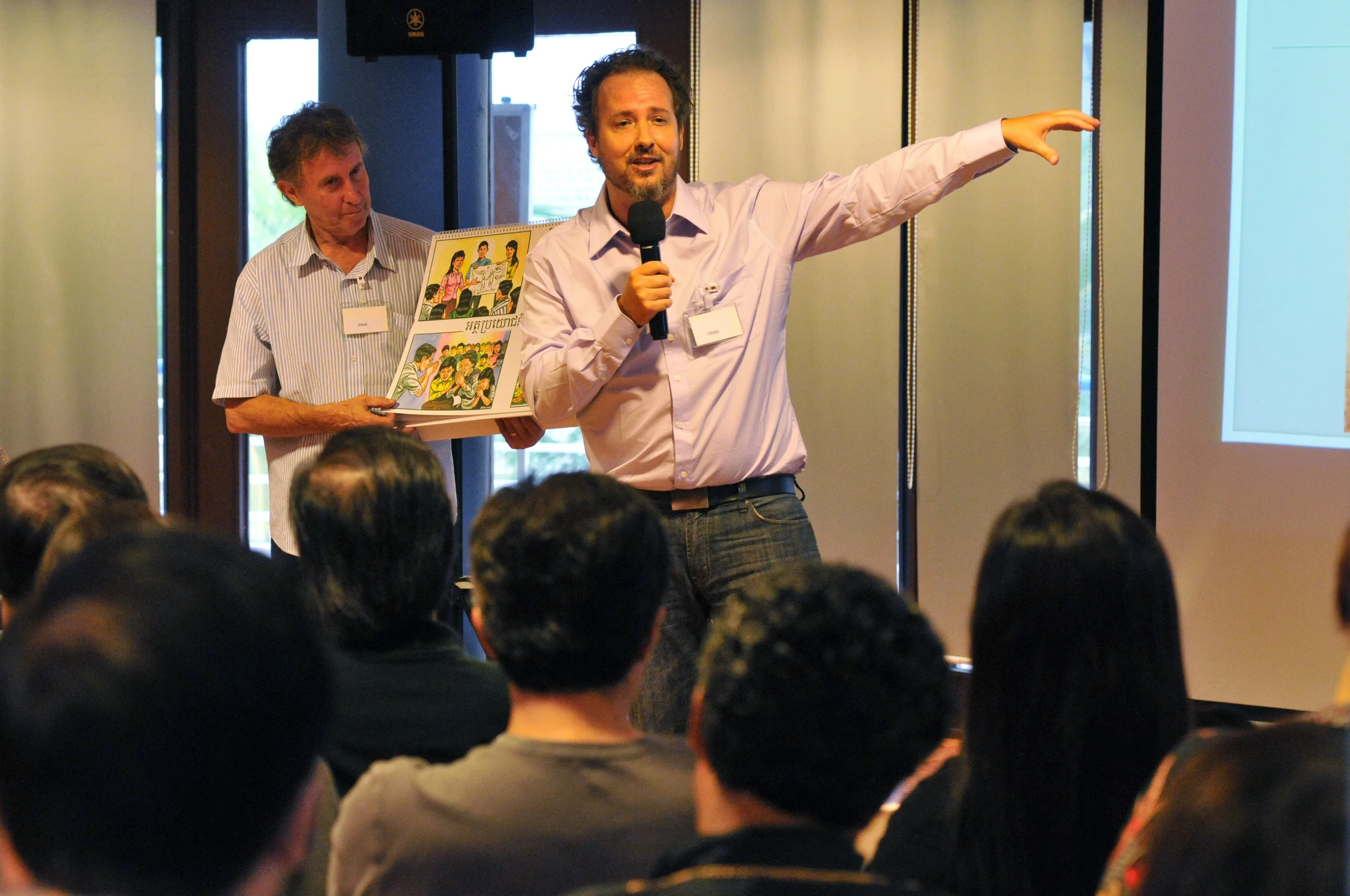
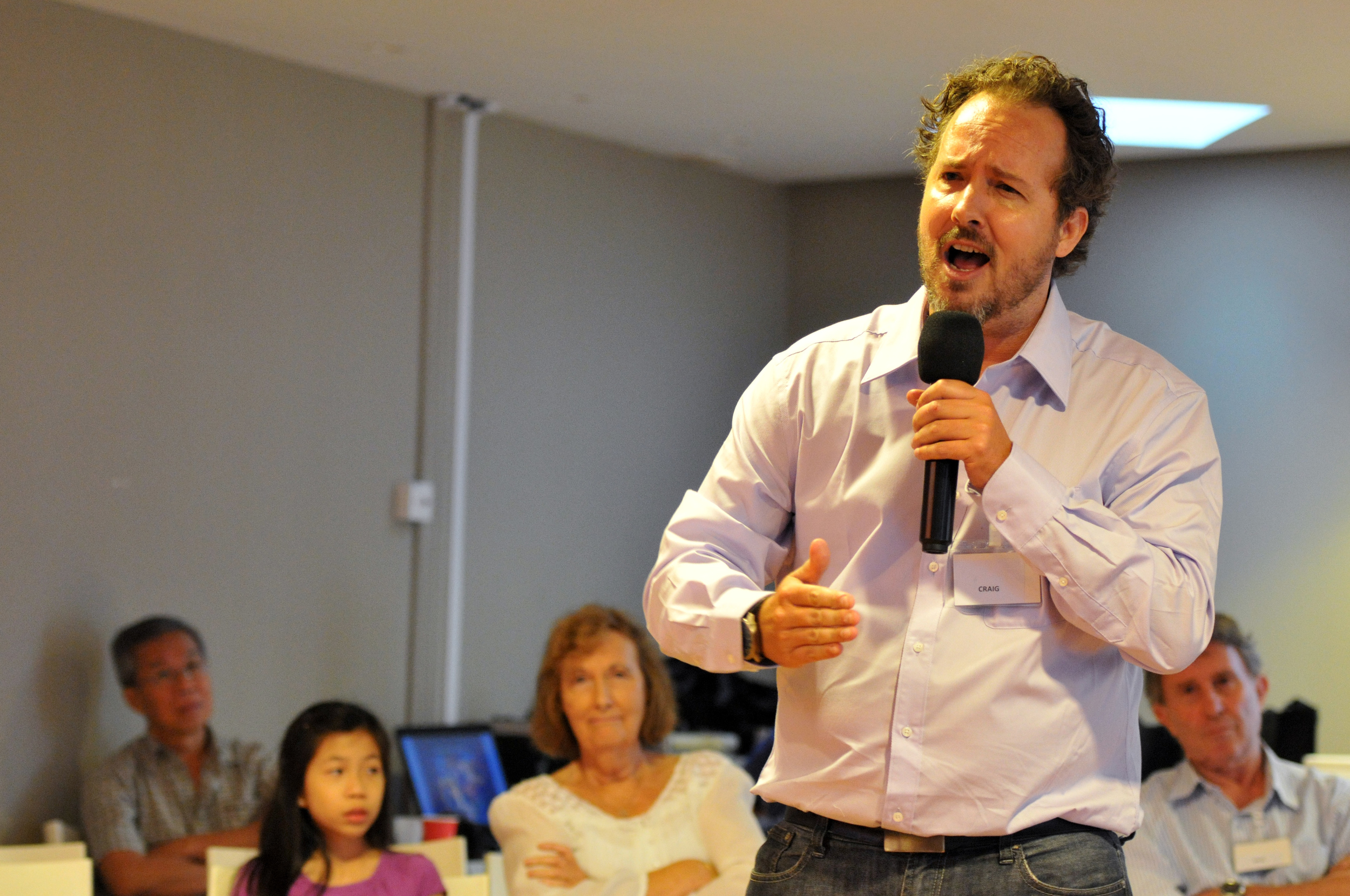
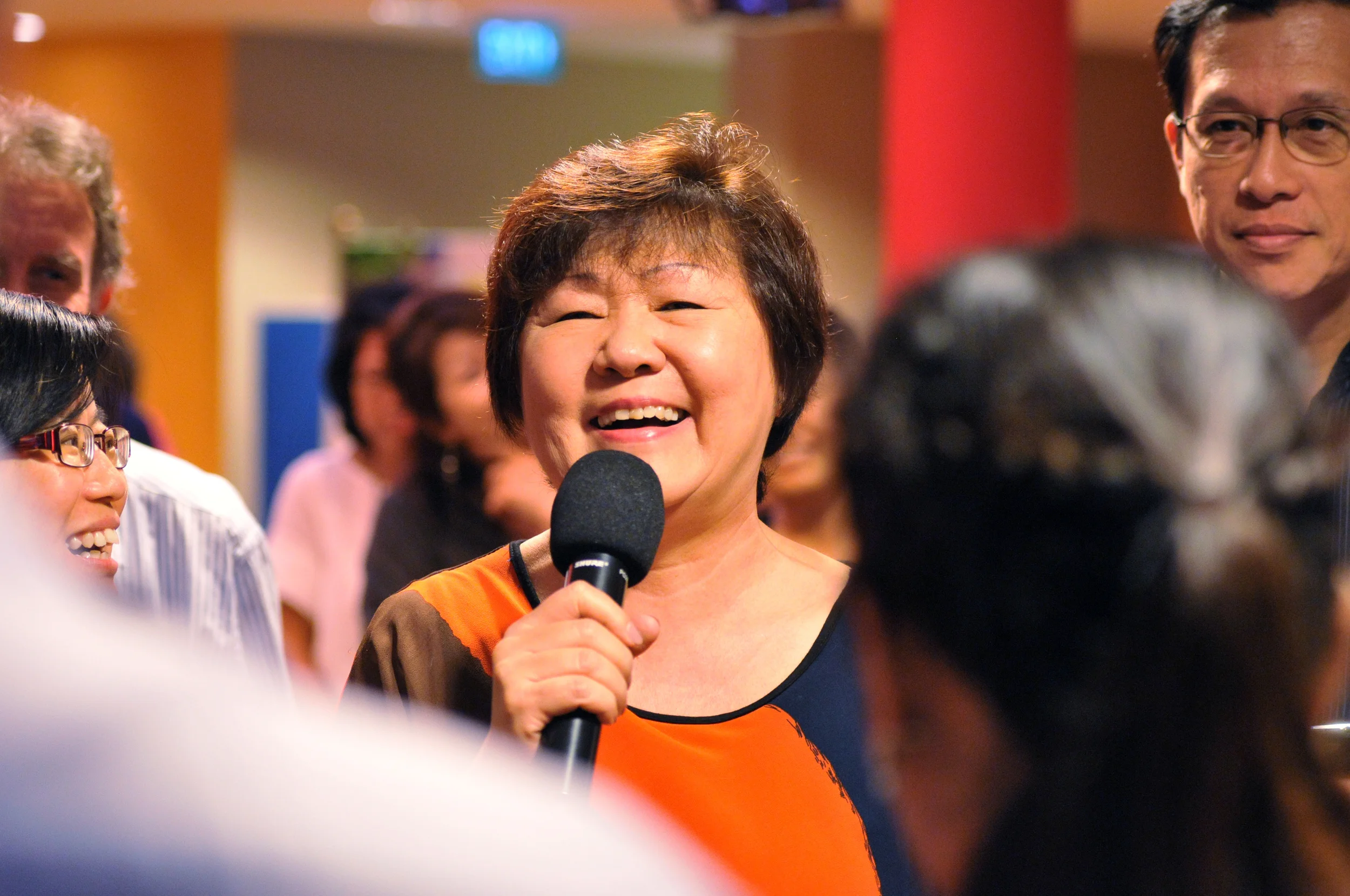
Last Sunday, Alongsiders International held the first of our international launch events, in Singapore. We are marking a new season where we will begin to respond to invitations to establish this movement in partnership with church networks in other countries.
From start to finish it was a different kind of event, reflecting the new paradigm in transformation that Alongsiders is pioneering.
Here are 3 key ways we tried to approach the event differently...
1. We celebrated what the poor are doing for themselves
From start to finish we celebrated what Cambodians call, "the spider repairing its own web." In other words, the Alongsiders movement is a movement rising up from amongst the poor themselves to reach out to the world's most vulnerable children.
Our Alongsiders have grown up in the slums and rural villages in which they minister and this launch event highlighted their stories of courage and perseverance.
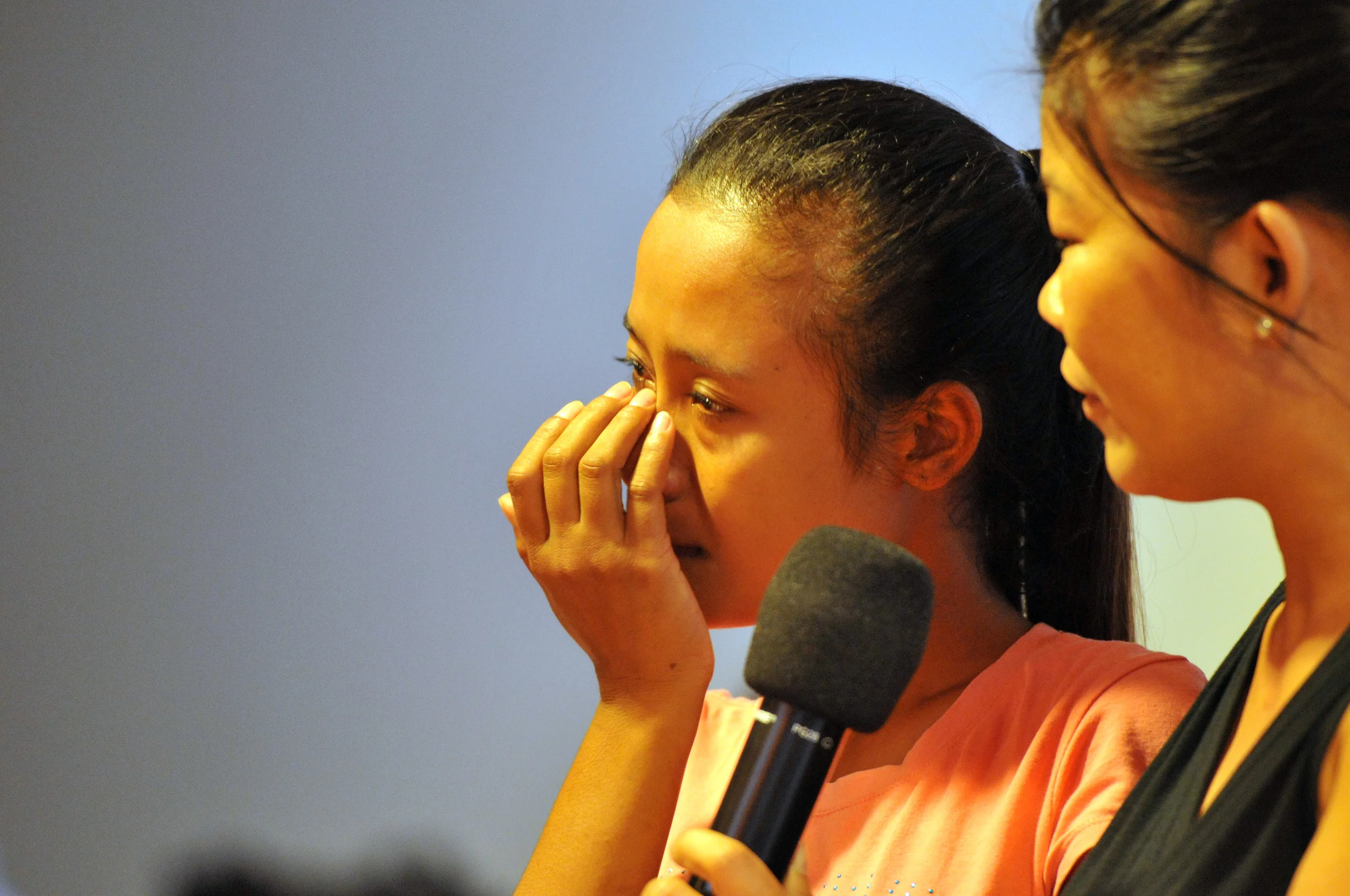
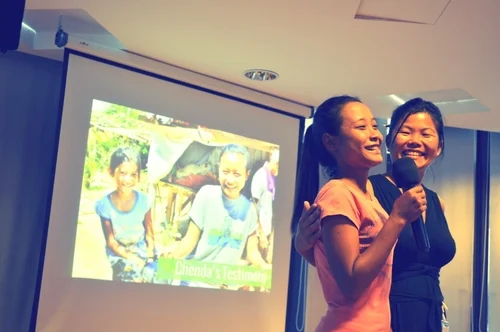
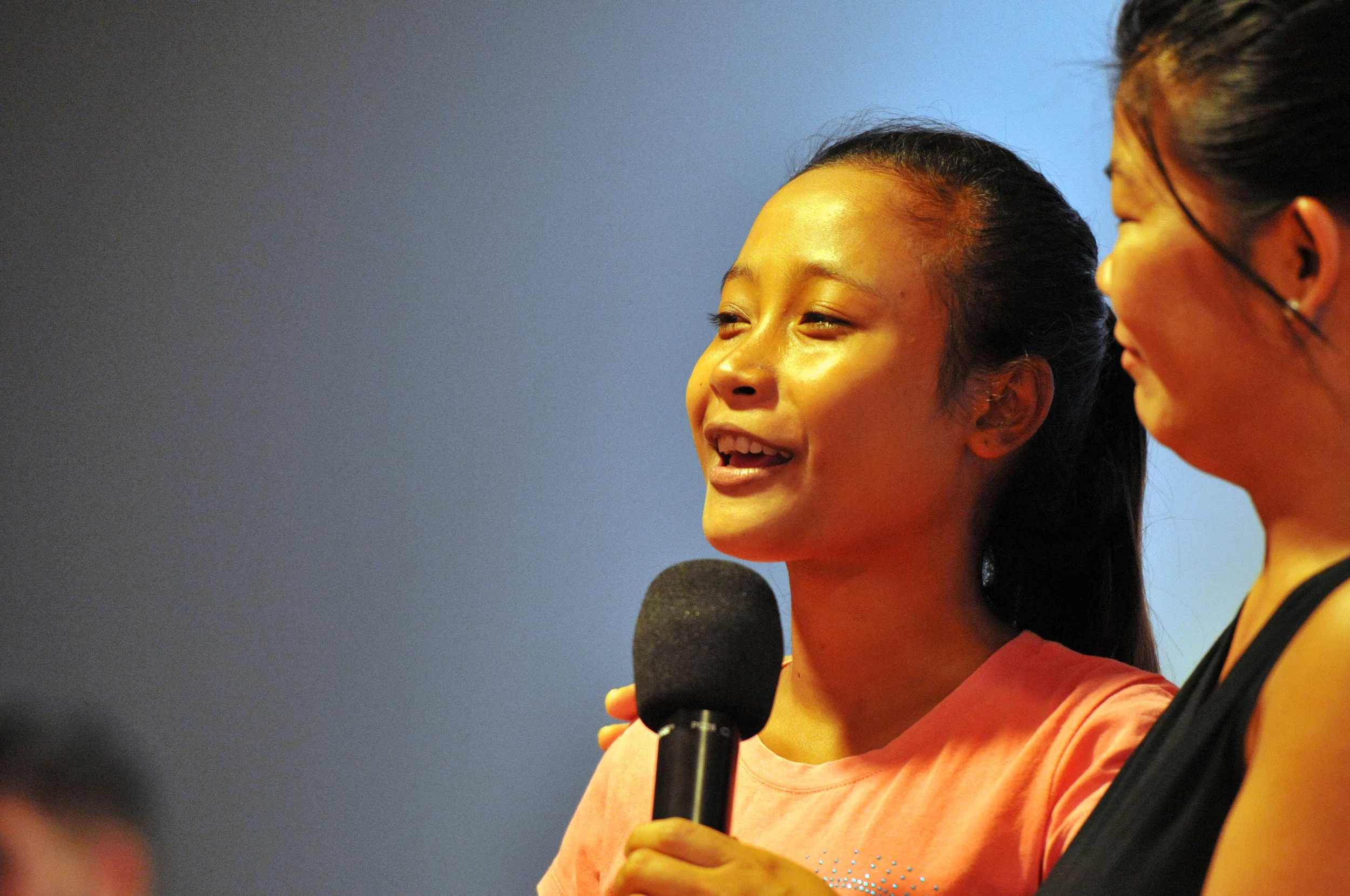
Sreyta's and Chenda's heartfelt stories of overcoming orphanhood with the help of an Alongsider, inspired us all to recognize that God is pleased to use the vulnerable. Each of them is now in turn walking alongside another little girl in a similar position.
We also watched the new short film which artfully highlights the stories of Alongsiders who have been faithful over so many years.
2. We got independent external researchers to measure our impact
Over the past few months an independent team of researchers have tirelessly traveled across Cambodia to measure the impact of Alongsiders in the lives of their little brothers and sisters.
Significantly, they also researched the lives of similar children in the same villages without Alongsiders. This control group allowed us to compare the impact of Alongsiders in a number of areas.
The results are quite stunning and a preliminary report was released at the event describing the depth of impact spiritually, emotionally, socially, physically, and educationally.
For example, the researchers asked the control group whether they felt hopeful about the future. Only 59% said Yes. When they asked the little brothers and sisters, 99% said they felt hopeful about the future.
Similarly, when we looked at school attendance, only 55% of the control group were currently in school compared to 99% of our little brothers and sisters.
3. Alongsiders commissioned the Singaporean church - the poor bless the rich!
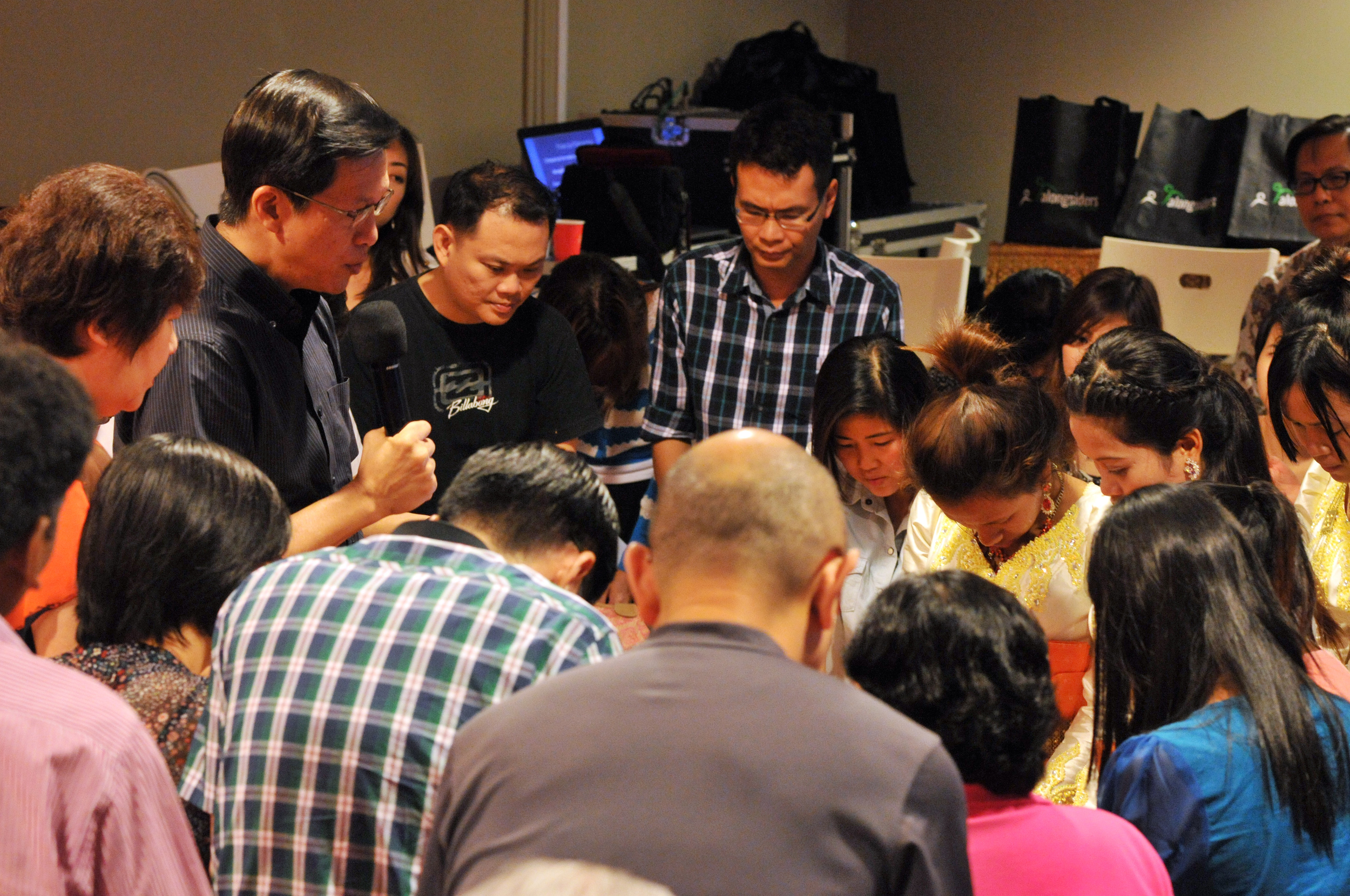
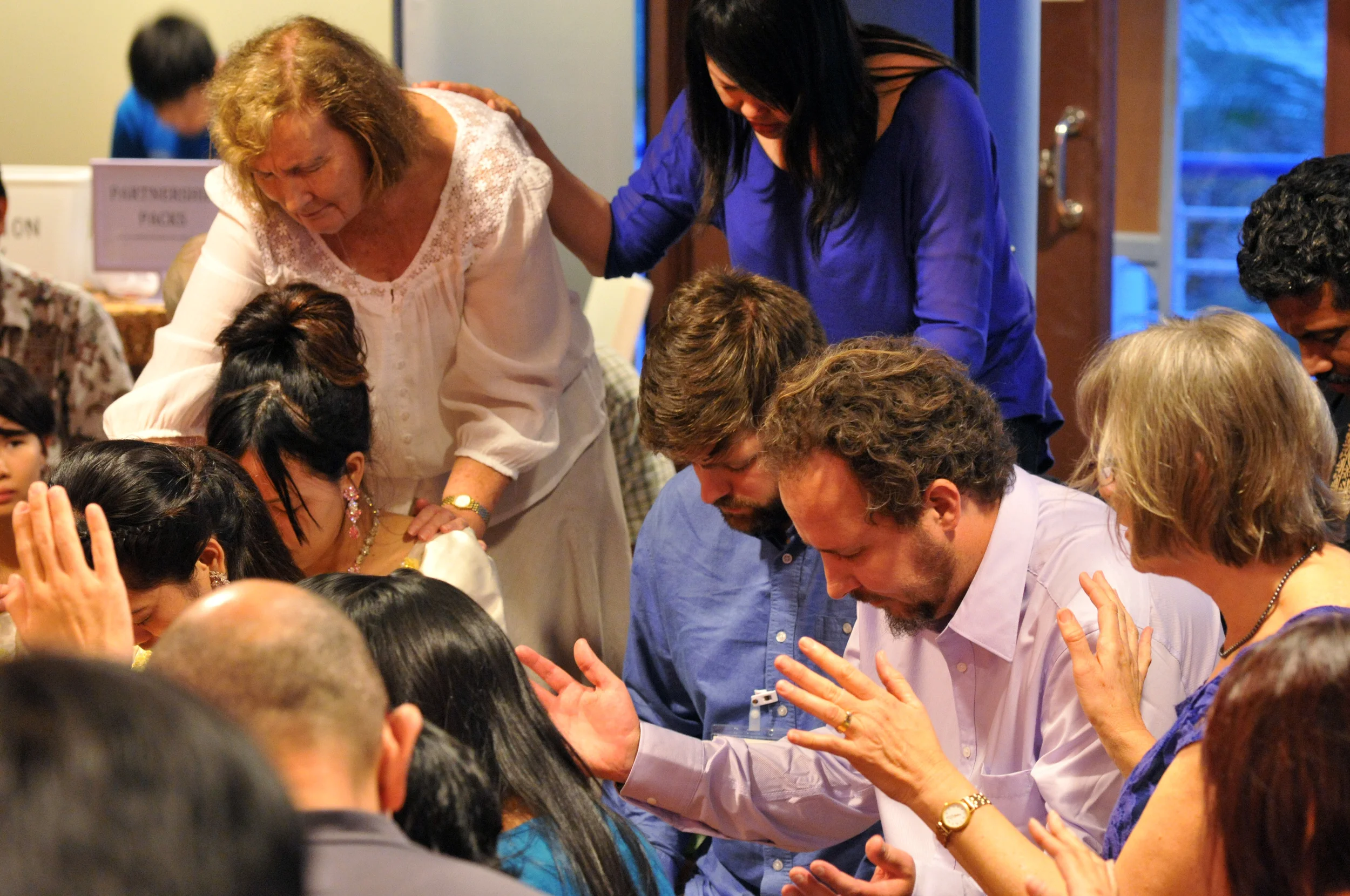
Yes - at the end of the evening young folks from the Alongsiders movement were beautifully and prayerfully commissioned by church leaders from Kingdom Community Church in Singapore. We laid hands on the young women from Cambodia as representatives of the wider movement and asked God to bless the spreading of this movement into Asia, Africa and beyond.
Then, in a beautiful, "upside-down Kingdom" moment, the leaders of the church asked the young Alongsiders to pray and commission them to be Alongsiders themselves!
So, our impoverished neighbors laid hands on their affluent friends and asked God to move in their lives and churches.
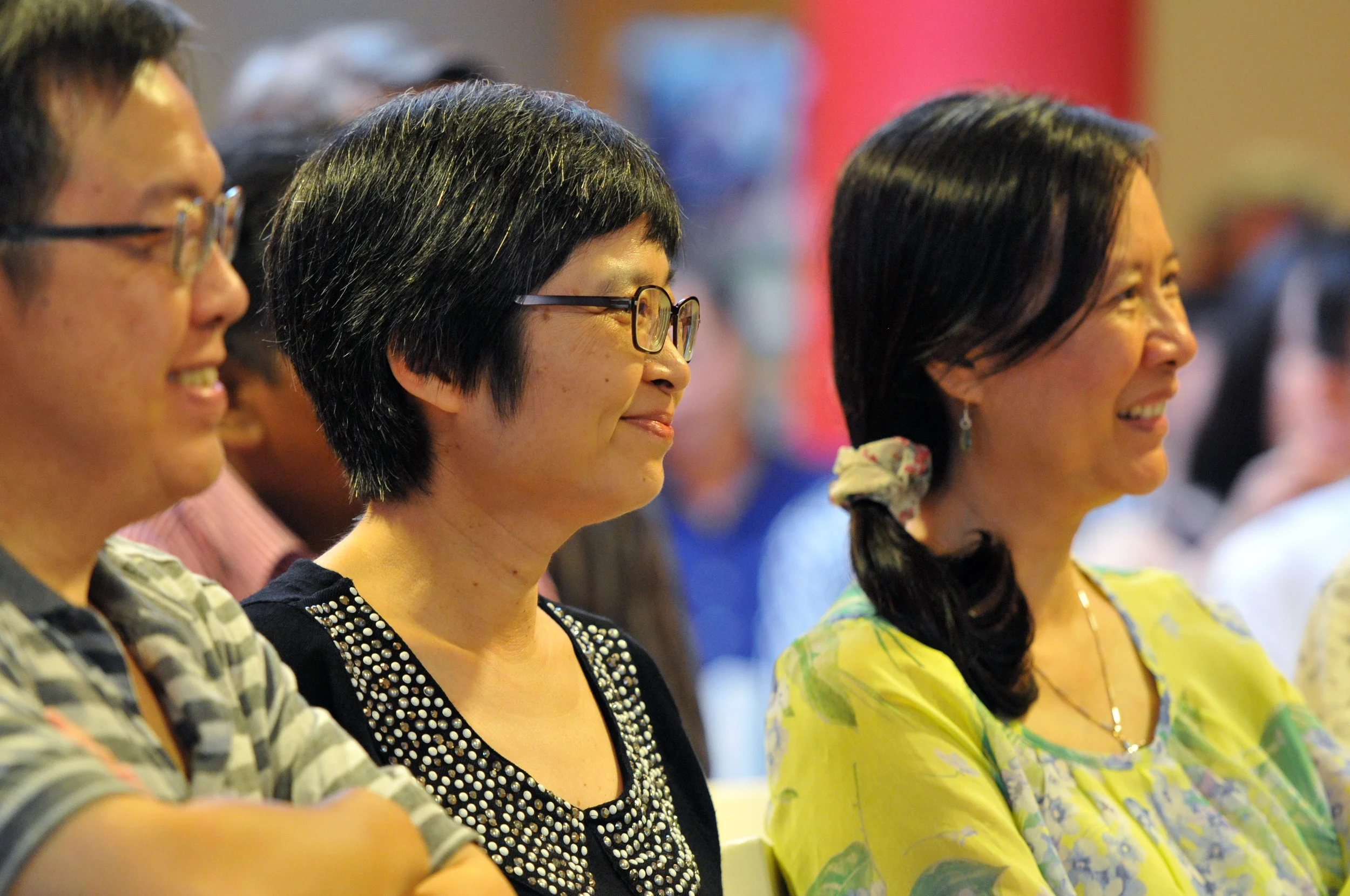
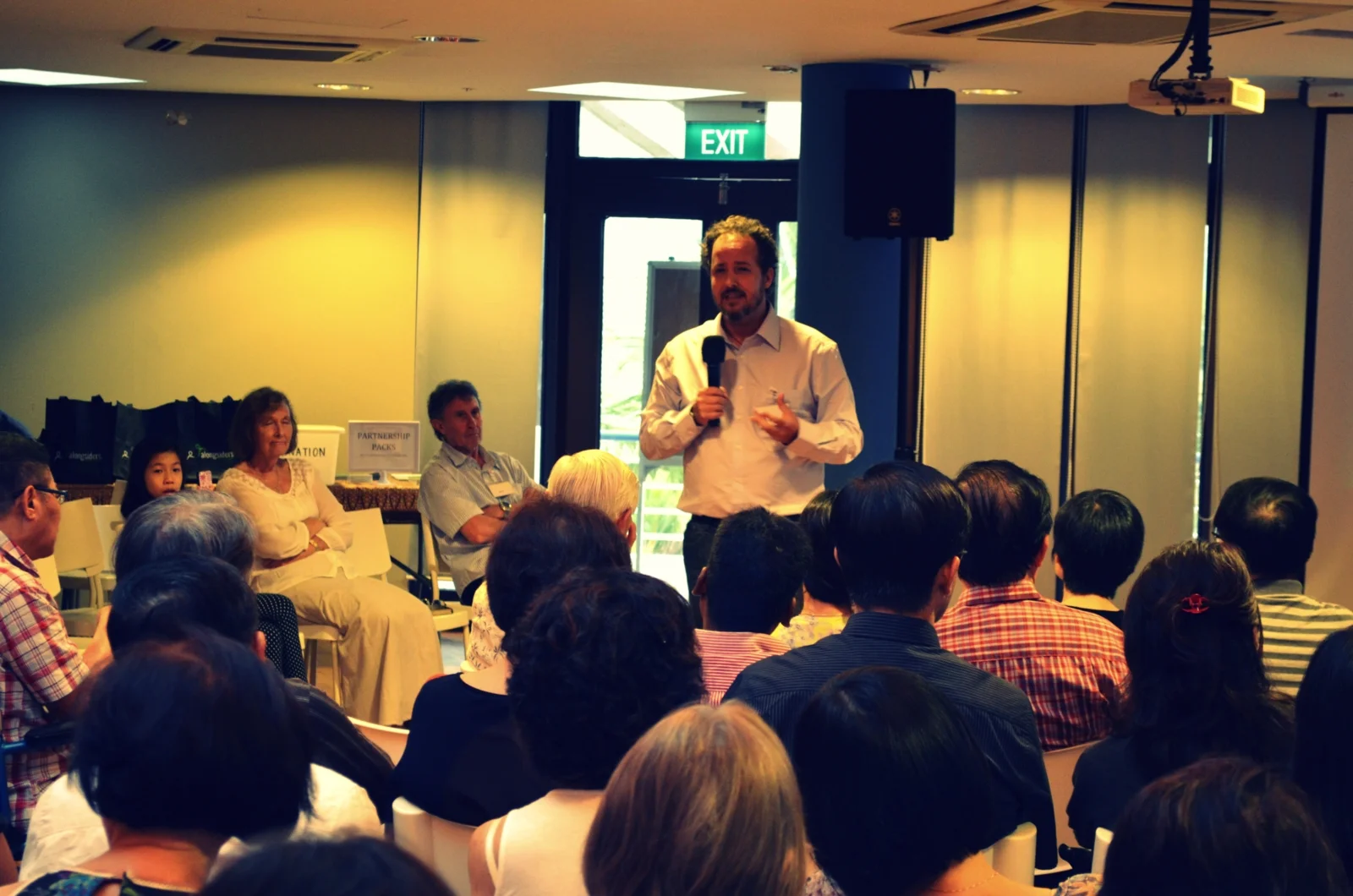
By the end of the evening, we had been blessed by traditional Khmer dancing, testimonies, research results, vision casting and a short video. But more importantly we were inspired by a new way of doing mission - starting at the bottom.
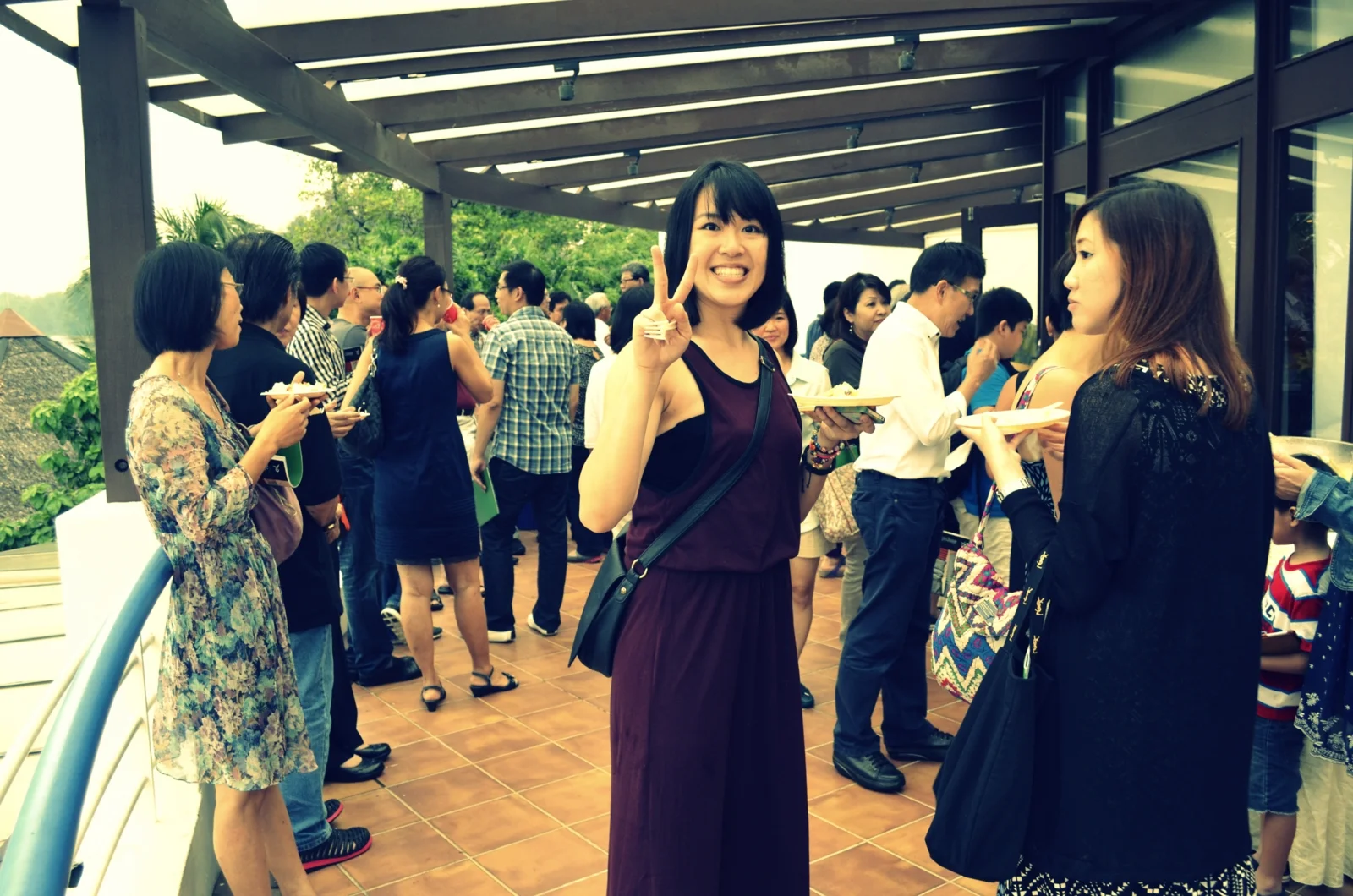
The delicious dessert we ate afterwards was simply the icing on the cake of a feast of good times, tears and laughter.
Thanks to all those who helped pull it together and to each person who came and participated.
The best is yet to come.
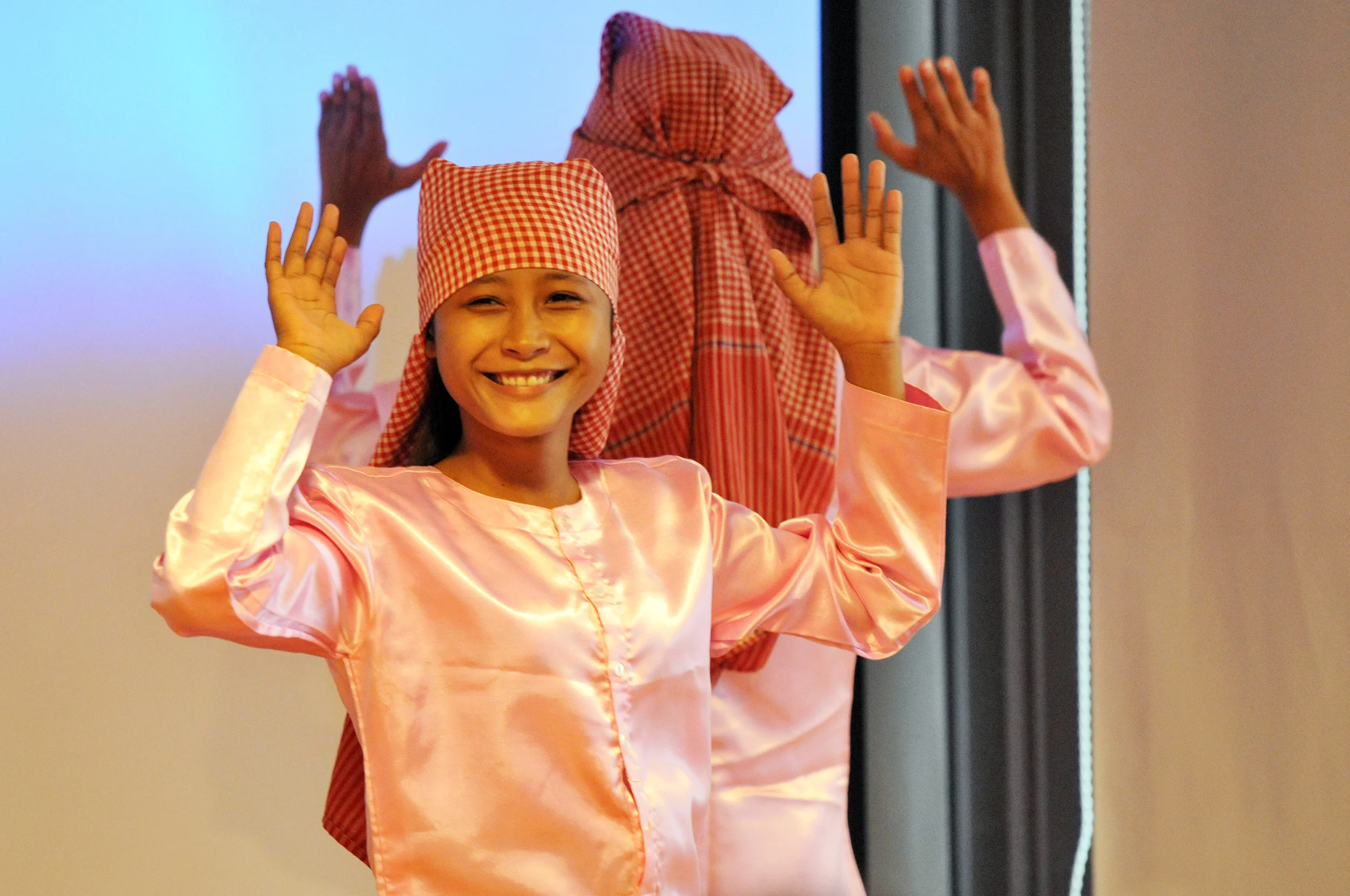
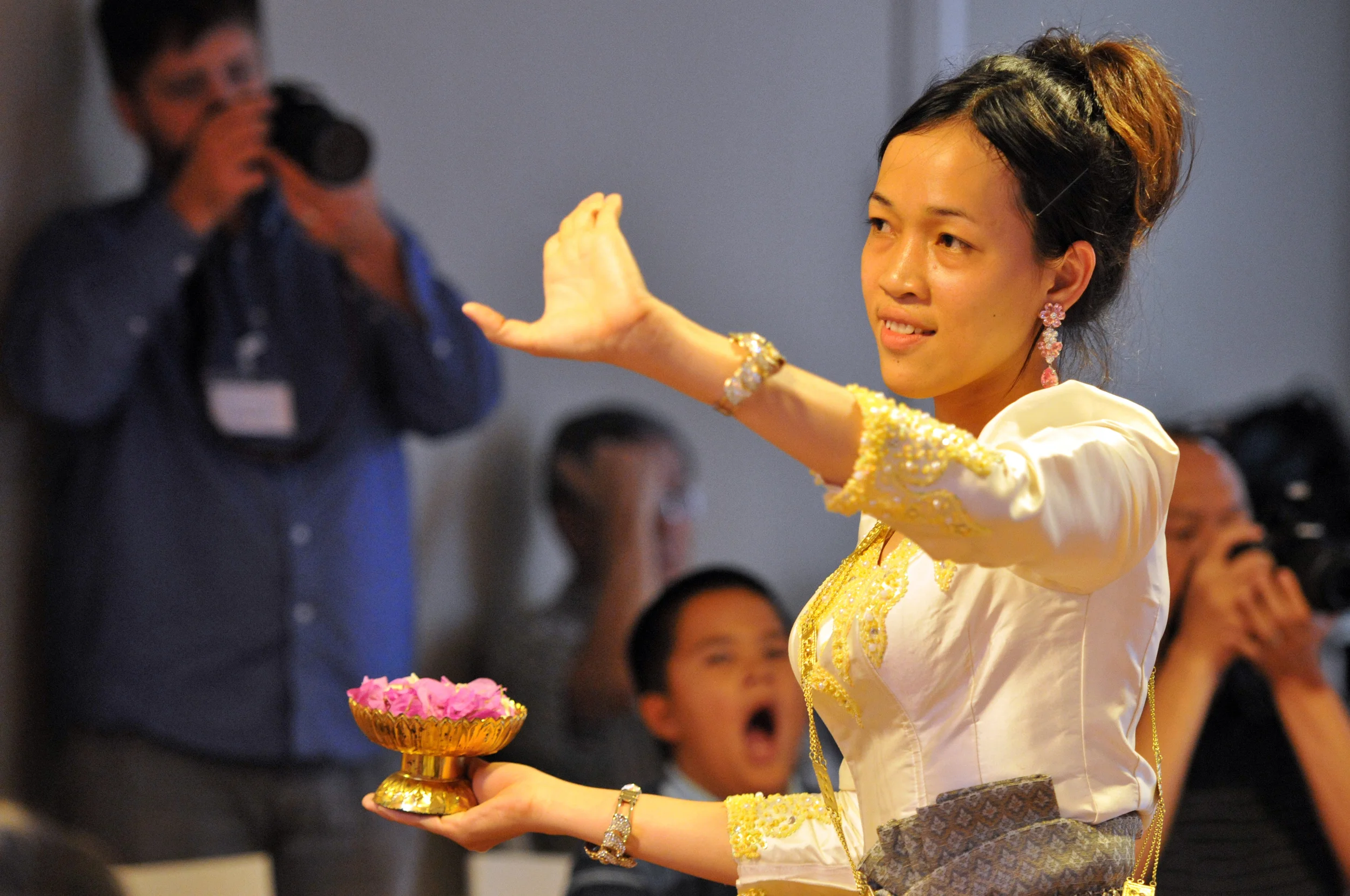
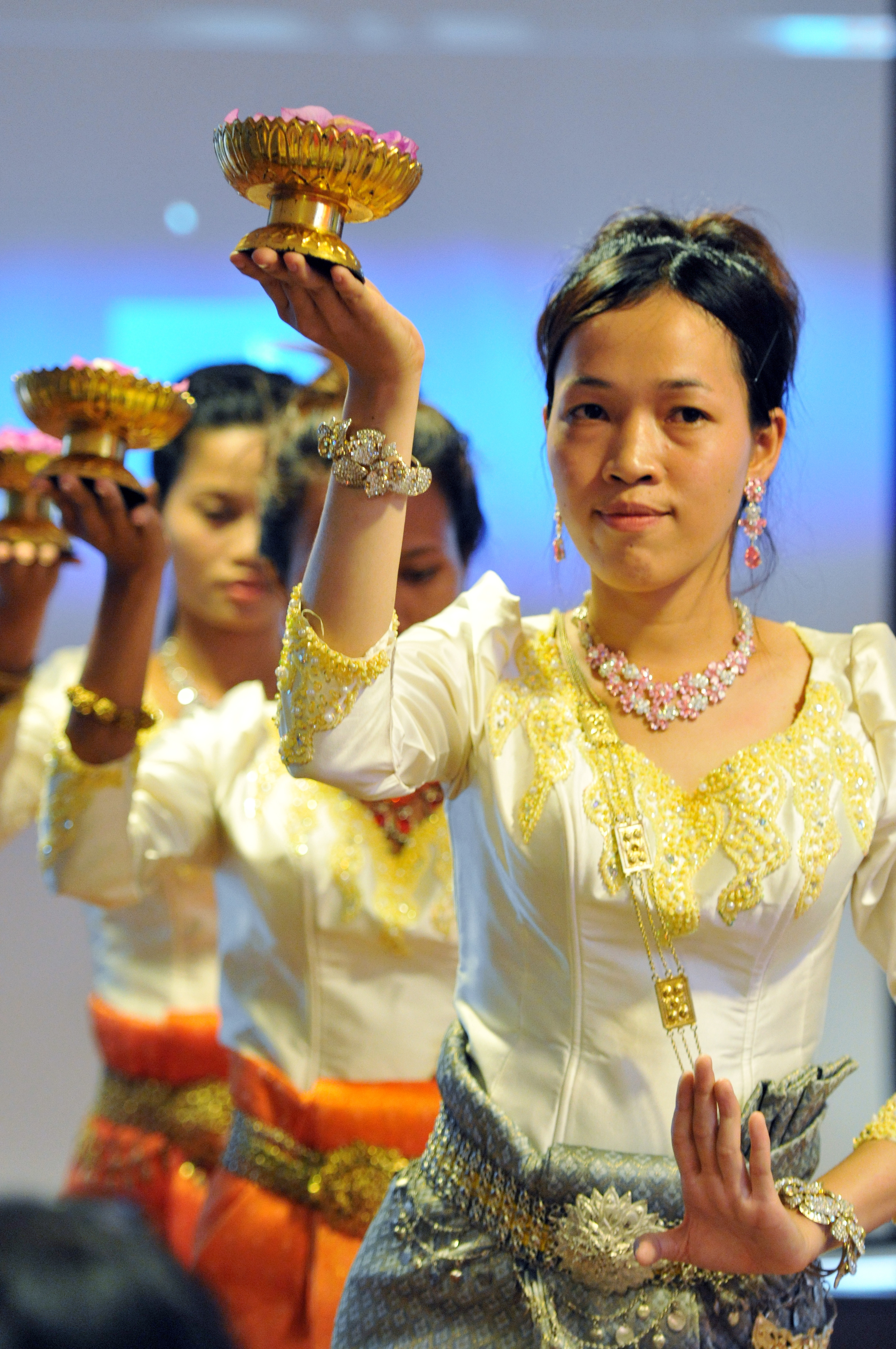
Launch events across the world this month
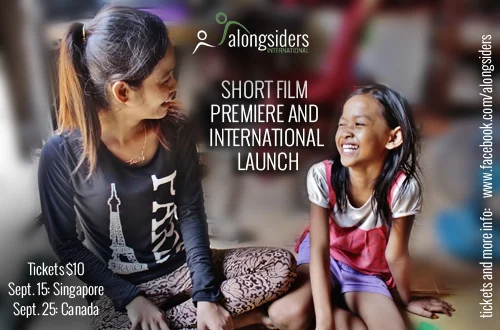
Alongsiders is excited to be officially launching beyond Cambodia this month with the establishment of Alongsiders International.
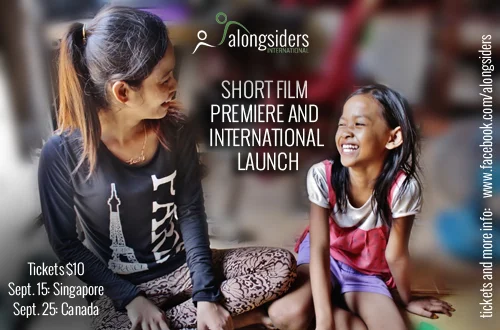
Alongsiders is excited to be officially launching beyond Cambodia this month with the establishment of Alongsiders International.
Join us in Singapore, Cambodia or Canada for one of our launch events.
On Sunday September 15, we will gather at the Centre for Performance Transformation in Singapore at 5pm for an inspiring evening that will include the premiere of our new short film, traditional Khmer dancing and testimonies from Alongsiders, as well as a message by Alongsiders Founder and International Director, Craig Greenfield. There will be an opportunity to partner with Alongsiders financially and in prayer. Tickets are limited and can be purchased online from Eventbrite.
On Wednesday September 25, our Canadian launch event will take place at the Imperial Theatre in Vancouver's Chinatown at 7pm. LA-based spoken word artist Micah Bournes will share some of his inspiring rhymes, we will premiere the new Alongsiders short film and Craig Greenfield will speak. Grab your tickets from Eventbrite and come be part of the celebration.
Originally we planned to hold a celebration in Cambodia on September 7th, however a major political protest was announced for that day and so festivities have been rescheduled for November. We plan to bring together little brothers and sisters and their Alongsiders from all over the country to celebrate what God has been doing.
In New Zealand, Howick Community Church will be supporting the launch of Alongsiders at their Sunday morning service on September 15th.
Six months in a slum – an intern’s perspective
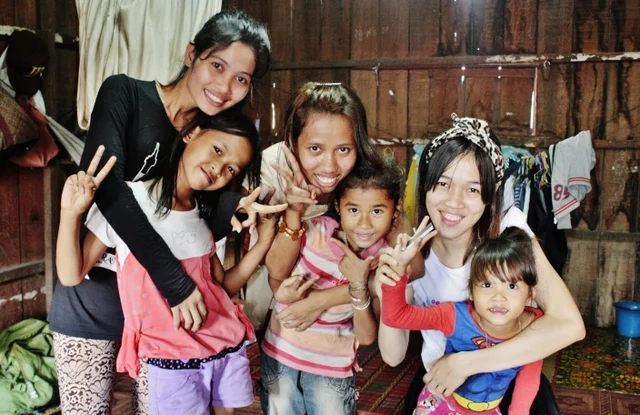
In the days following her mother’s death, I remember longing to know how Dai, my 8 year old neighbor in this Phnom Penh slum, was doing.
In the days following her mother’s death, I remember longing to know how Dai, my 8 year old neighbor in this Phnom Penh slum, was doing.
You can only imagine how I felt, when after the death, I heard a familiar voice cry my name, “Han-NA”!
Turning around quickly, I received the emphatic hug of a small friend, whose presence perhaps provided as much comfort to me as it might have provided to her.
When I think about Dai’s future, I cannot help but wish that someone would guide her in the coming years—someone who shares the language and background, someone committed to her in the difficult time ahead without a mother, someone who will point her to an ever-present hope in God.
Dai is one of a significant number of children, in my community alone, that could use such a person in their life... someone to walk alongside.
As children face the brunt of neglect and injustice in most of the world, the Church is called to respond. Perhaps then, rather than fighting the wrong battles, the Church can be the kind of people who live like Jesus, in coming alongside the forgotten— communicating to the world, thus, that the ones the world has rejected… are loved, valuable, and absolutely worthwhile.
I am still not quite sure how I got connected with Alongsiders exactly, but the connection was a God-send, undoubtedly. My deep-seated desire to see local churches actively engaging in the reconciliation and redemption of lives in their community, particularly through discipleship and education, is exactly what I found happening in Cambodia, through Alongsiders.
As a fourth year student at Wheaton College, Illinois, getting to be a part of what is happening in Cambodia through a six-month internship, is an absolute privilege. These crucial six months are an opportunity to glimpse of what God is doing in the world, in the heart of marginalized communities, and a time to experience the difficult tension between the “Developed” and “Developing” Worlds.
The experience provides a platform to
question, what it means to live, responsibly, as a Christian in a divided
world, and further, to think through principles that I will carry with me for the
rest of my life.
Every so often, one gets the opportunity to witness something in life that
makes the heart come alive, that is so obviously steeped in God’s presence that
it brings us to our knees, that is so extraordinary that it can only be the
Kingdom of God.
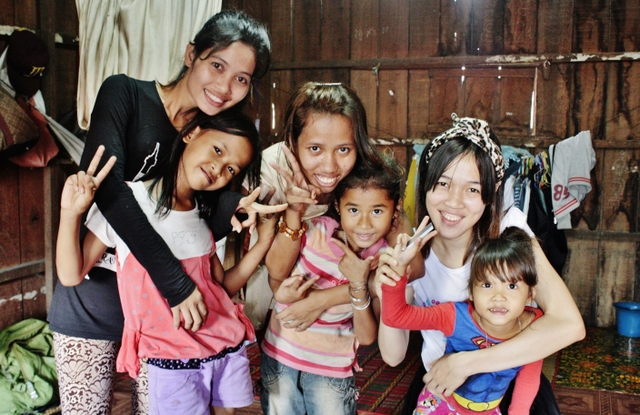
Within the last two months in Cambodia, I have experienced a few of these moments, in places, perhaps, least expected. Some of these have been with my Cambodian family in our urban slum—moments of deep grace when I had nothing to offer, but a throbbing head, a lingering fever, and a few Khmer words.
I have also had the privilege to bear witness to an extraordinary group of local young people committed to the life of one vulnerable child each, at the epicenter of the system’s injustices.
I have been able to see a Church alive and active, in the discipleship of their community’s at-risk children.
Quite frankly, the Life—in every sense of the word— that is being shared, is nothing short of remarkable.
It is that Life that I wish for my friend, Dai
[Written by Hanna Tzou, currently interning with Alongsiders in Cambodia. Contact us for more information about internship opportunities in 2014.]
Visual Story-telling: equipping one generation to reach the next
Because our context is one with low rates of literacy, and because we are working with young children, we needed to develop lessons that could be delivered visually.
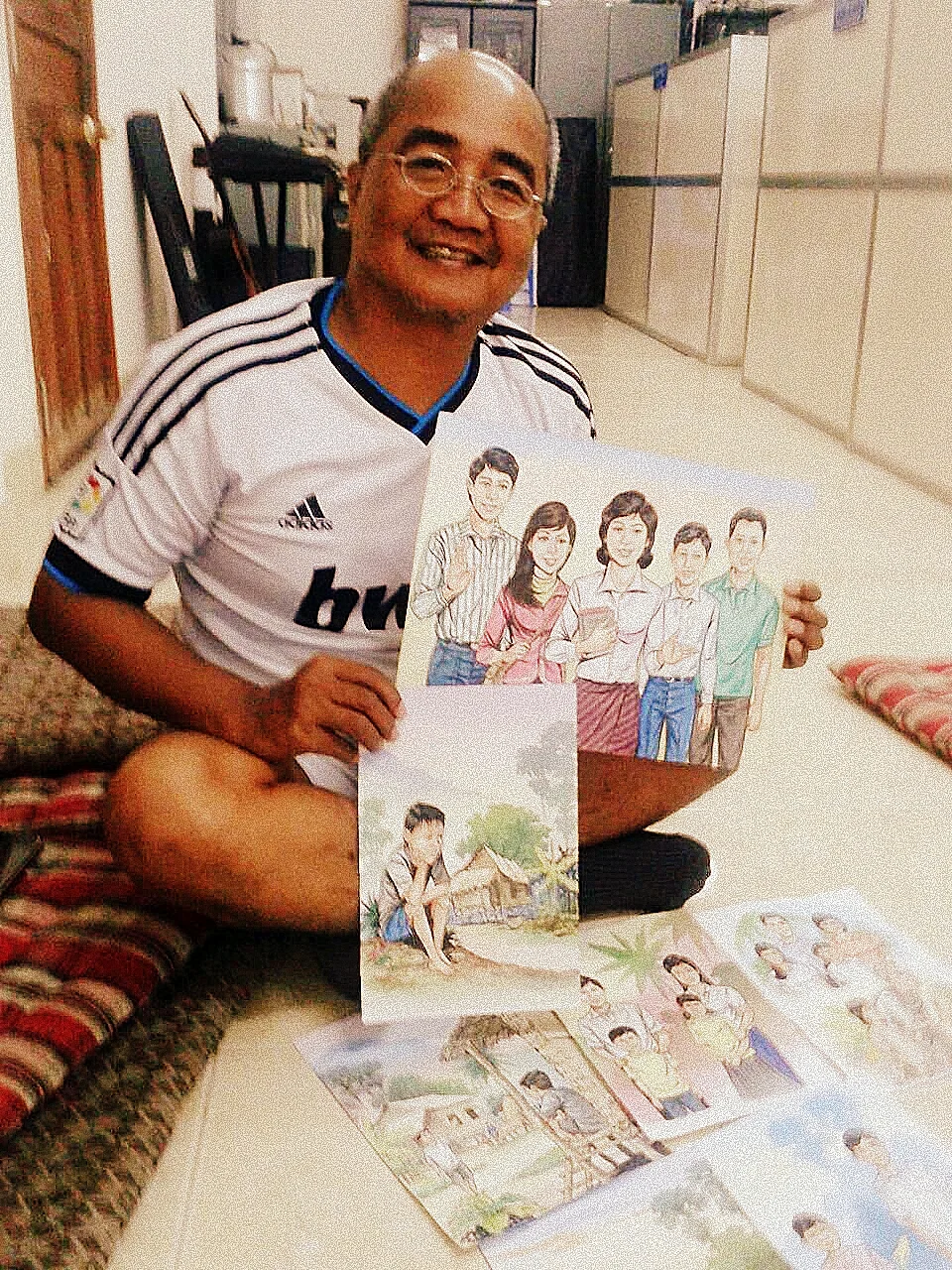
The Alongsiders movement holds the exciting promise of equipping one generation to reach the next.
Built into our model is a powerful strategy of learning - not just for the sake of learning - but learning in order to pass on wisdom to someone else.
Rooted in a relational discipleship model, we believe our training is more likely to be internalized and thus create change in individual lives and communities.
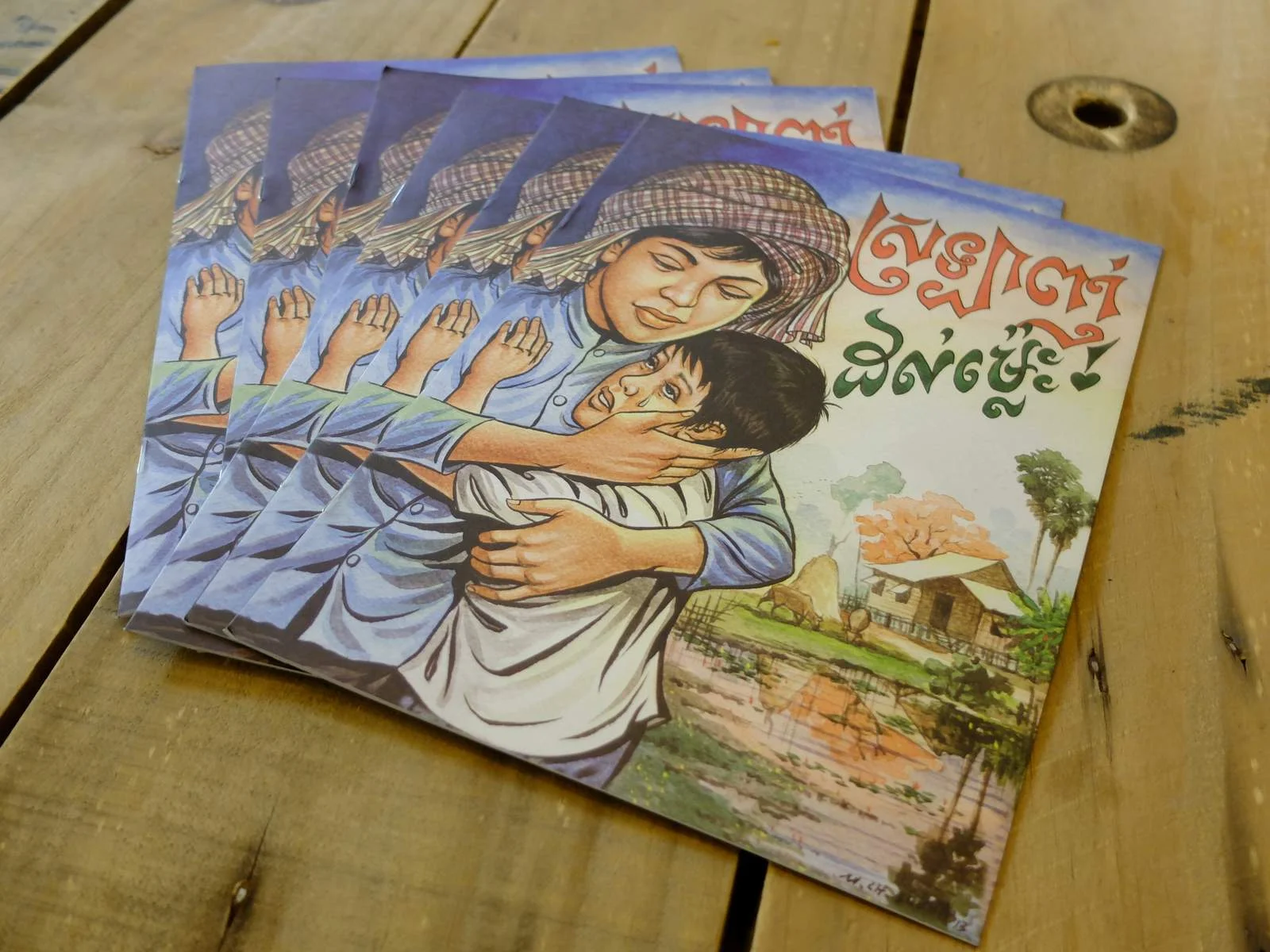
Because our context is one with low rates of literacy, and because we are working with young children, we needed to develop lessons that could be delivered visually, through contextualized story-telling rather than through lists of information or rote learning.
We want to inspire and connect with each vulnerable child at a heart level, while also training our Alongsiders who are eager to learn.
One morning, as we began to develop our thoughts about a new curriculum, we met with Pastor Sokha, a talented Khmer artist. He shared his passion for visually presenting truths and we talked about the idea of creating a comic book for each lesson - encapsulating each lesson in a powerful and easily accessible visual story.
Each comic book would end with a group activity, to ensure the knowledge would be put into practice (the power of peer pressure again!), and a set of questions which each pair could work through to earn a certificate at the end of the year.
At the end of that meeting, I hurried to another meeting with some out of town visitors who wanted to know how they might help Alongsiders. I asked the Canadian visitor what he did in Vancouver. And he shared that he was an artist, an illustrator in fact, for Marvel Comics!
God has a great sense of humor and a beautiful way of providing the resources and people we need to do his work amongst the most vulnerable children in the world.
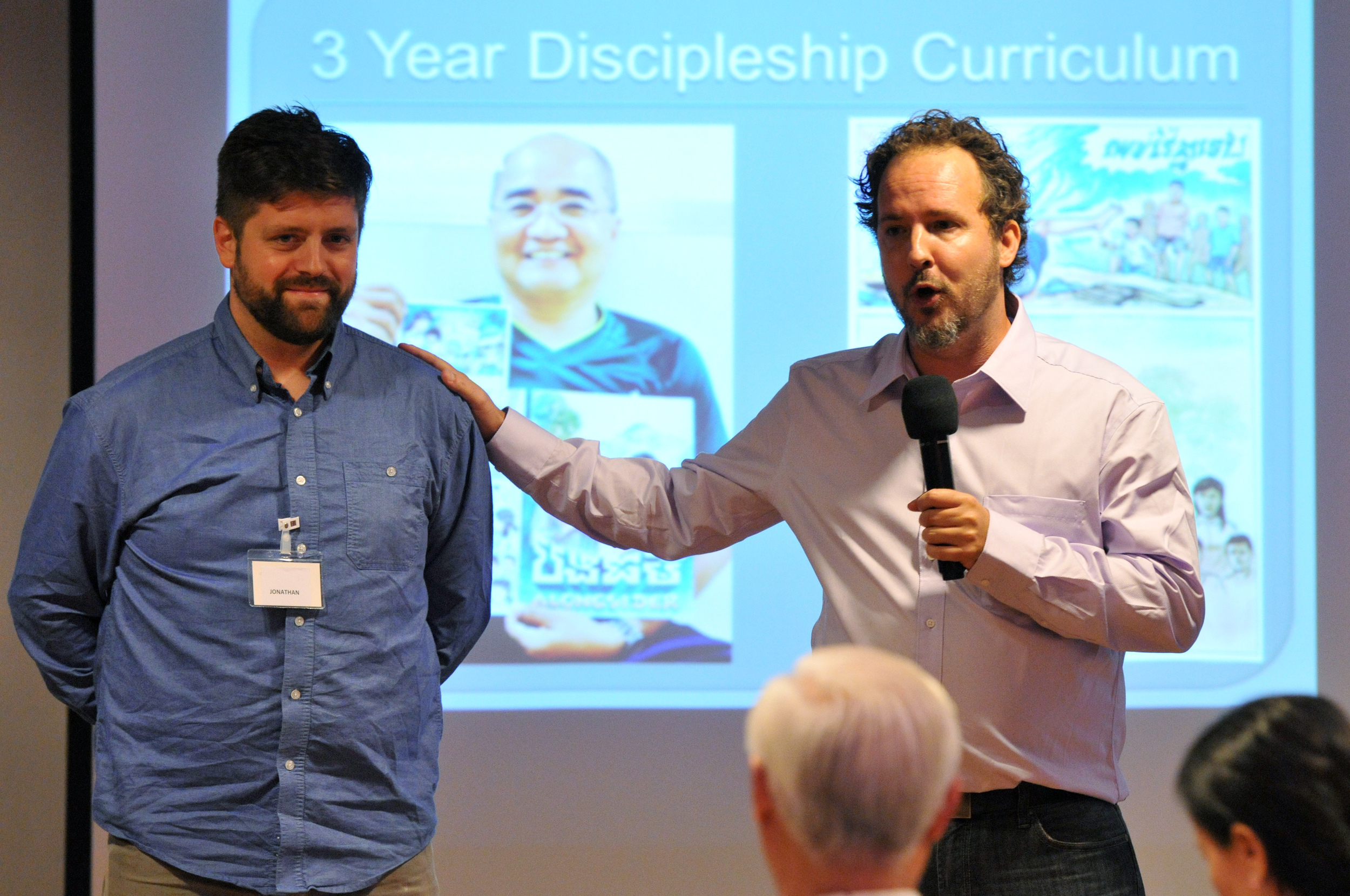
We are in the process of developing a three year curriculum that will see each of our hundreds of Alongsiders work through 27 life-changing lessons with their little brother or sister, in the context of a caring relationship.
Soon we will announce the names of those on the amazing advisory group that is coming together to give input on the curriculum. Just another example of God's provision.
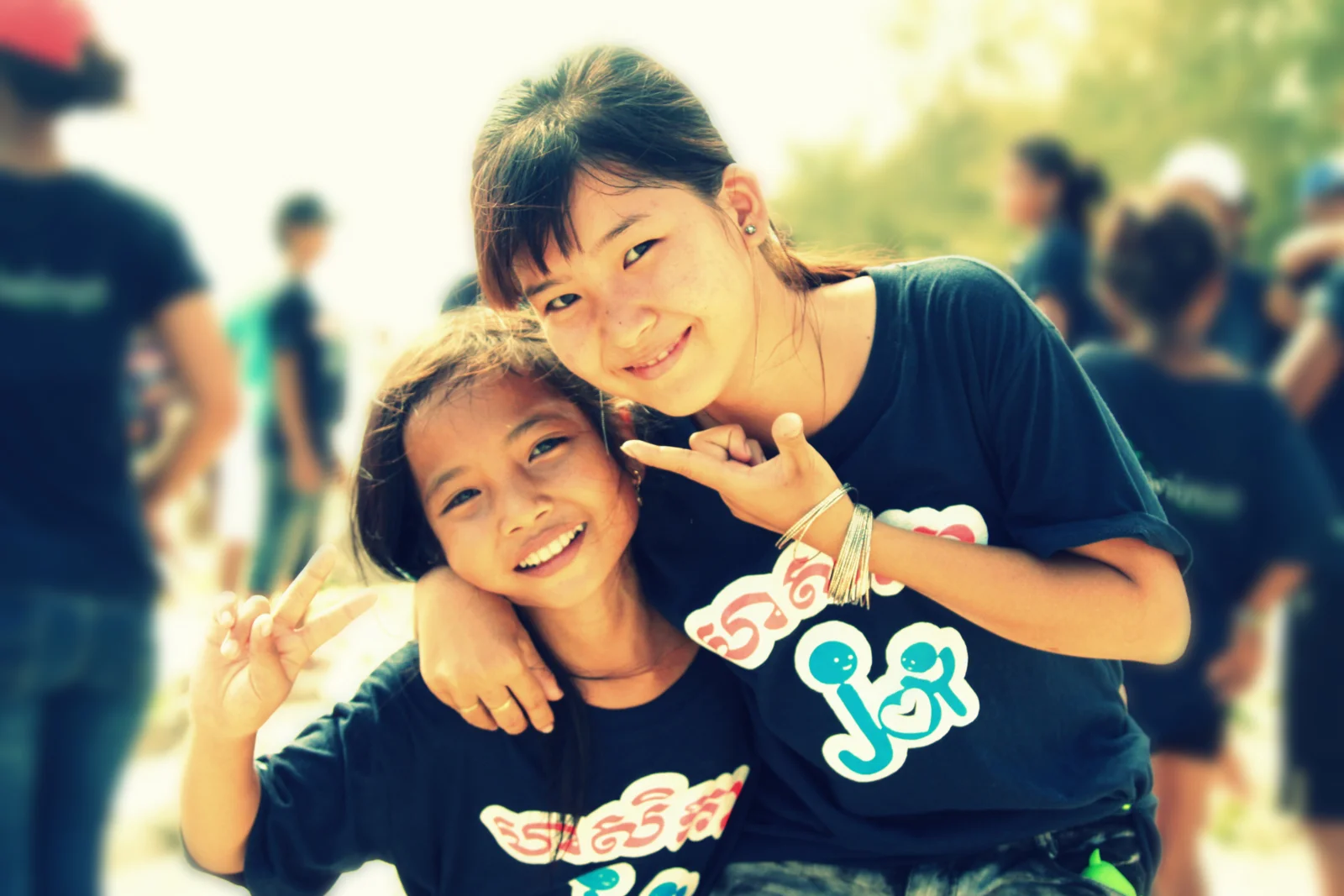
Love is the deepest human need. So how do we meet it?
The poorest child in the world is not the child without an Xbox, or even the child without shoes, but the child without someone who believes in them, loves and walks alongside them.
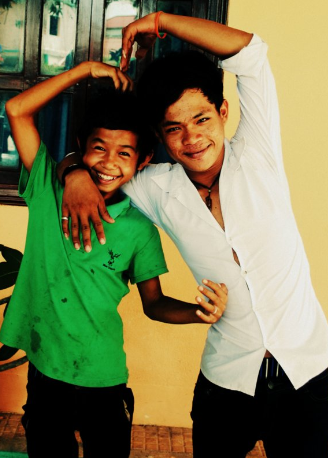
The deepest human need is the need to be loved. As Mother Teresa said over and over again, "Loneliness and the feeling of being unwanted is truly the most terrible poverty."
In the developing world there are
millions of vulnerable and marginalized children. Each of those children is unique, but every single one of them longs to be loved, accepted and welcomed.
The poorest child in the world is not the child without an Xbox, or even the child without shoes, but the child without someone who believes in them, loves and walks alongside them.
Every parent knows that truth deep in our soul.
Yet the need for love is perhaps the hardest need of all to meet. For love cannot be bought or traded, pressured or forced. It can only be offered freely.
So we are faced with a dilemma. The old ways of bringing development and change using money and resources do not work to meet this deepest need of marginalized children.
To build a road or a well we can simply pay workers to accomplish the task.
To provide shoes or school uniforms or school buildings, we can use money to purchase what we need then distribute it to those in need.
But we cannot take such a TRANSACTIONAL approach to meet these children's need to be loved. We cannot hire staff to love them.
So, instead we must take a TRANSFORMATIONAL approach. We must appeal to the deepest stirring within the human heart, the place where the Holy Spirit is at work in each person. We must inspire, we must envision, and we must cast a Kingdom vision.
Alongsiders works with passionate young Christians in the developing world to accompany marginalized children.
Those young Christians are not paid for the hours, days, months, years that they journey alongside these children. They give of themselves, open their families, and welcome the kids into the wider support network of the church.
They do this because they are motivated by a vision, by God and by compassion.
This is the basis of a movement, rather than a development project.
This is what happens when the Holy Spirit flows through one generation to impact the next.
This is what love looks like.
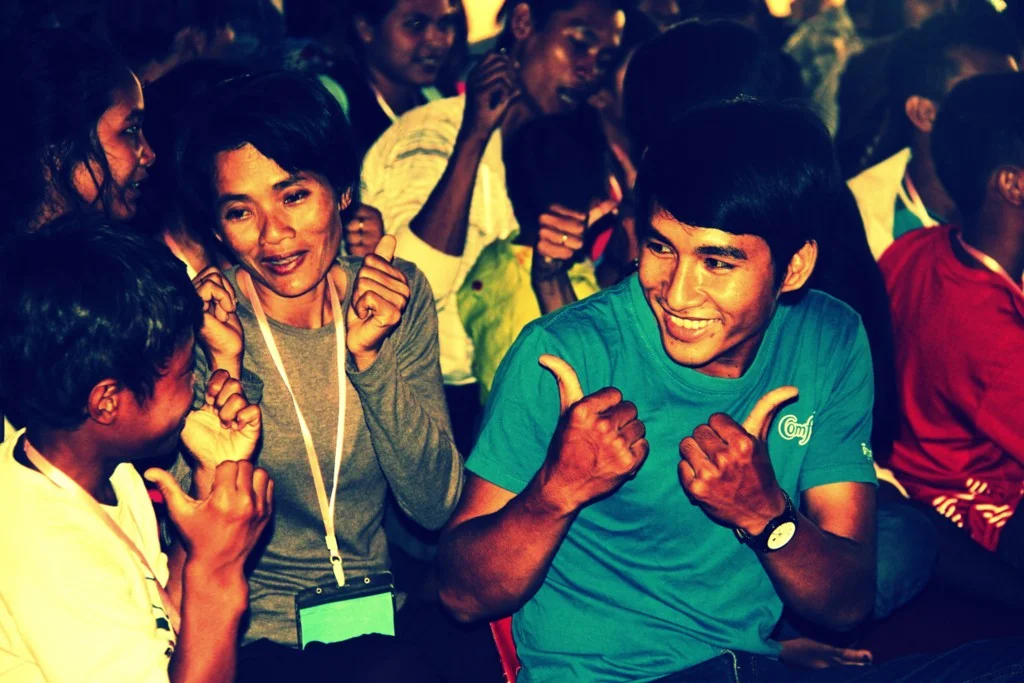
The power of groups
This unique model of working in groups distinguishes Alongsiders from other mentoring programs and reflects the deep commitment we have to building community - a central value for many people in developing world cultures.
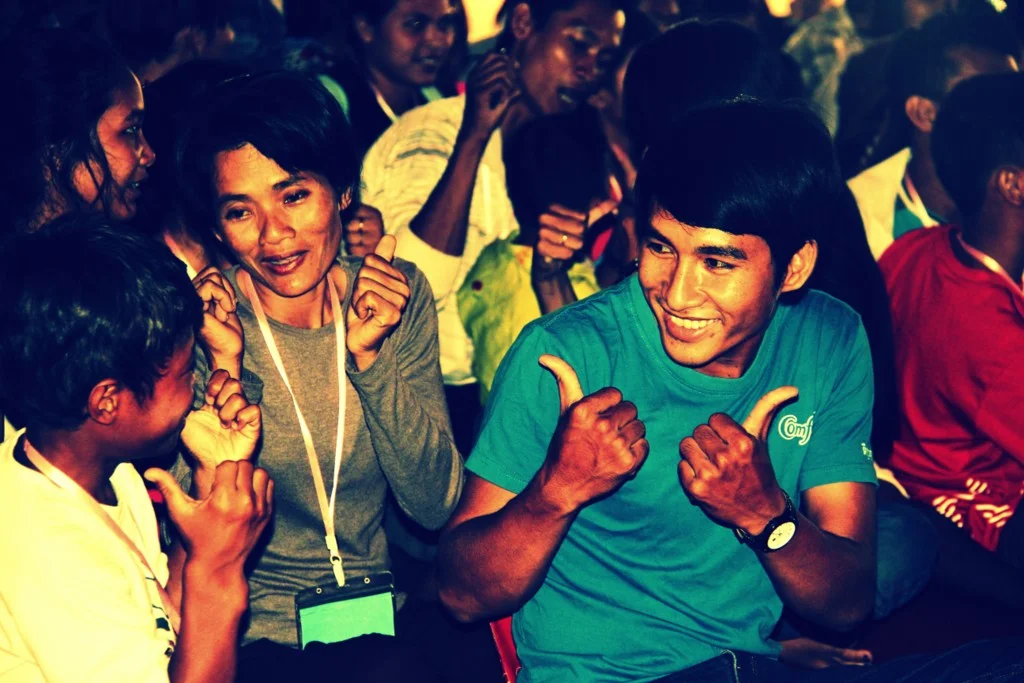
A few days ago we met with Alongsiders group leaders from across Cambodia.
It was an inspiring time of sharing what God is doing in each of their communities.
This unique model of working in groups distinguishes Alongsiders from other mentoring/discipleship programs and reflects the deep commitment we have to building community - a central value for many people in developing world cultures.
This is how it works....
Young Christians from a local church who want to become Alongsiders form themselves into groups of 5-10 people (though some groups are larger).
Each group receives training and orientation from leaders in the wider Alongsiders movement. (Each individual Alongsider is matched with one marginalized child in their own community for a long term transformational relationship.)
As shown in the micro-credit field, working together in solidarity groups provides an ongoing level of peer encouragement and sustainability that brings benefits to everyone involved.
Think of it as positive peer pressure!
But building community goes way beyond just working in groups.
When a marginalized child is matched with an Alongsider, they gain not just a relationship with a loving big brother or sister - but a relationship with the whole local church support network.
That's why we work through churches. Because they are able to offer spiritual, social and emotional support far beyond what any one individual could offer.
Alongsiders is building community, and opening a space for the most marginalized children to participate in that community.
Isn't that what Jesus meant when he said, "Whenever you welcome a little child in my name, you welcome me." (Matthew 18:5).
Surprising highlights from this Alongsiders camp
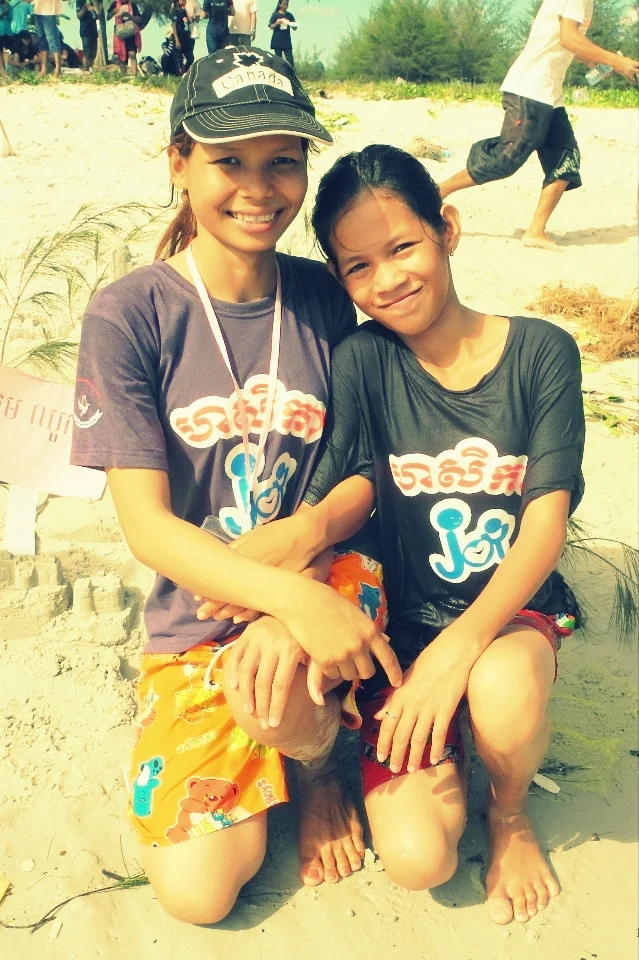
Imagine feeling sand between your toes for the first time in your life. Imagine seeing the vast, vast ocean for the first time in your life...
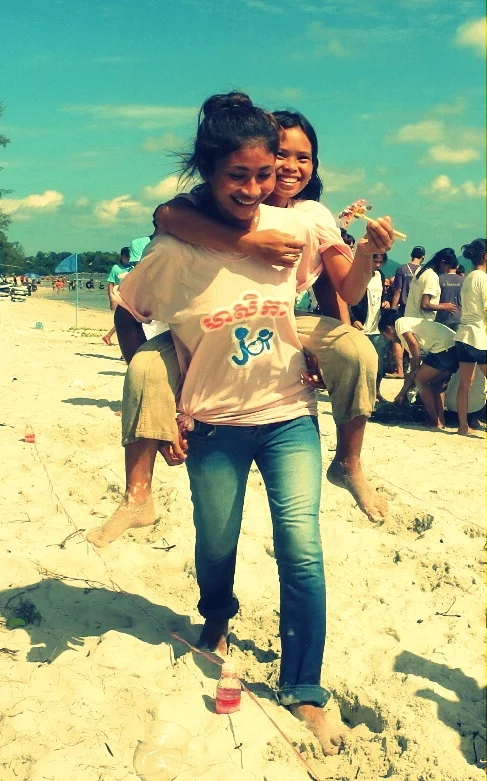
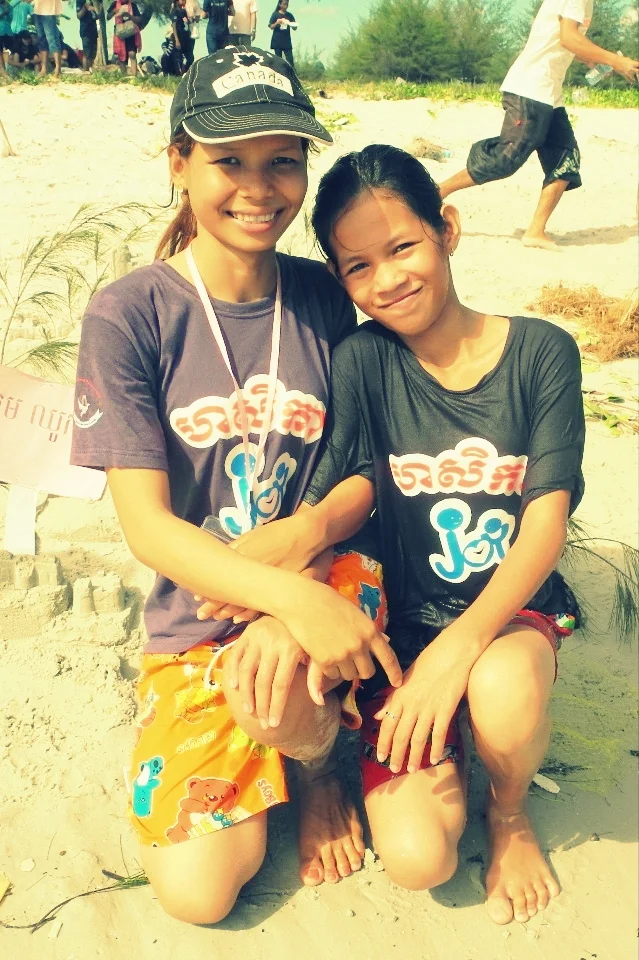
Imagine feeling sand between your toes for the first time in your life.
Imagine seeing the vast, vast ocean for the first time in your life.
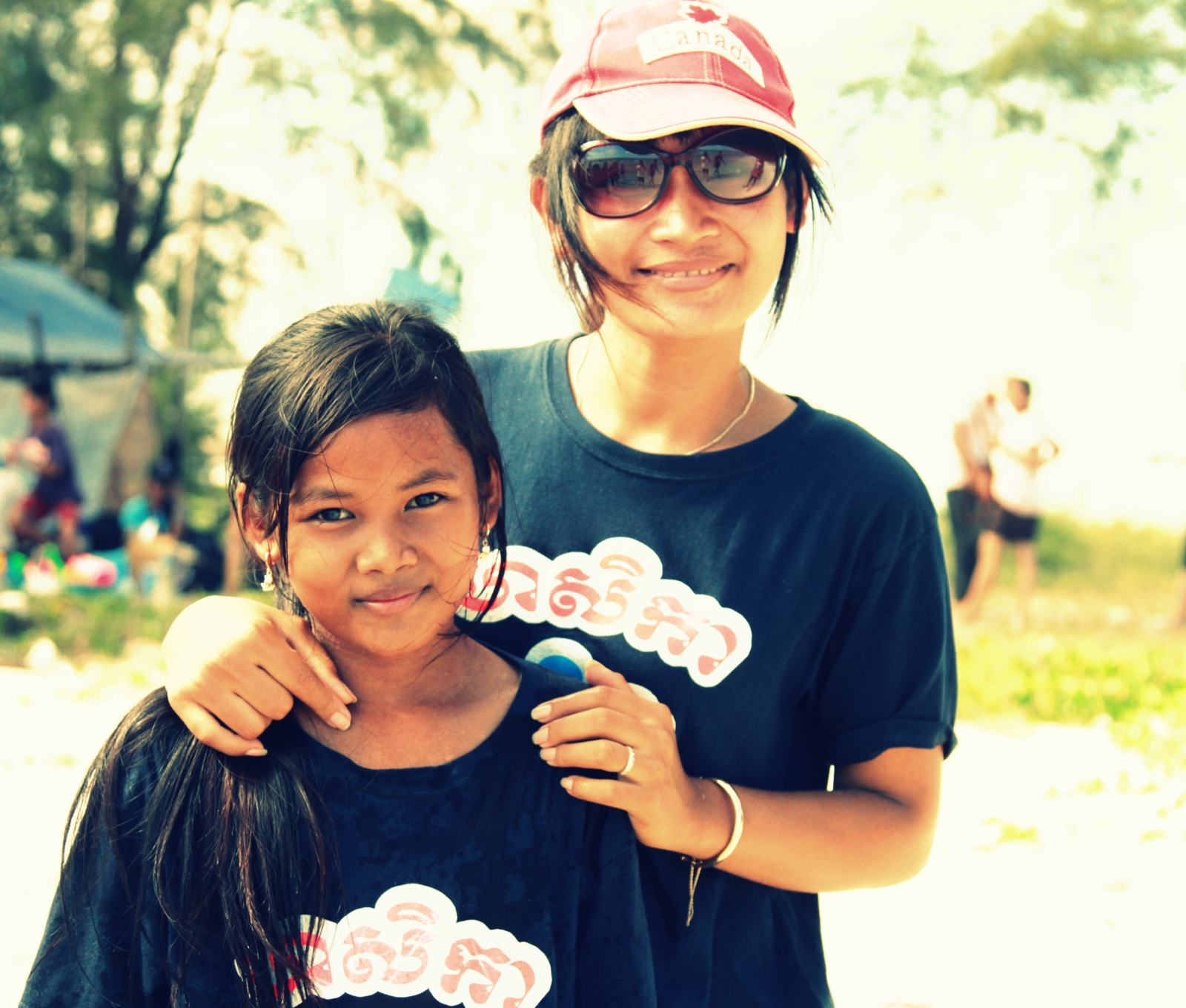
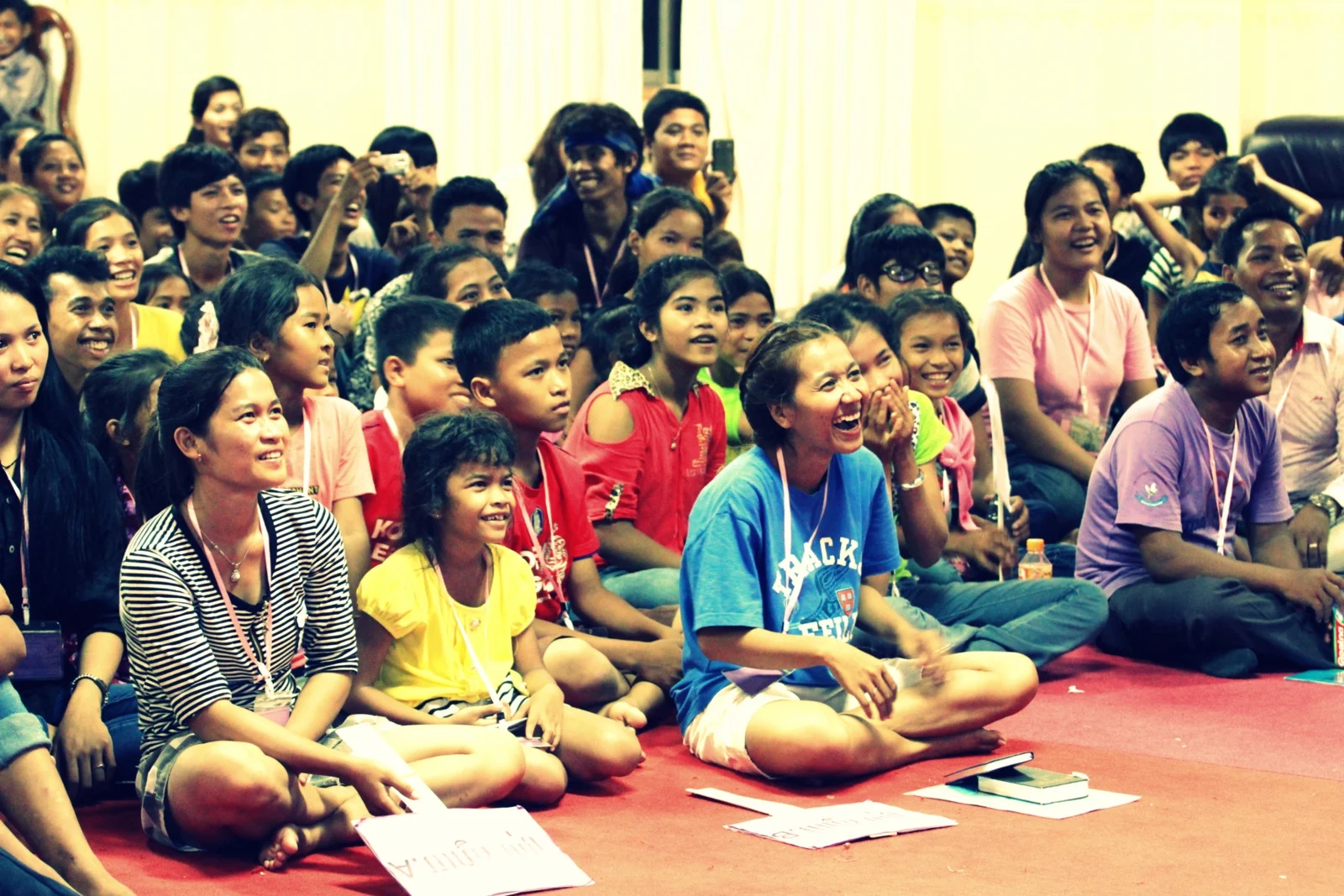
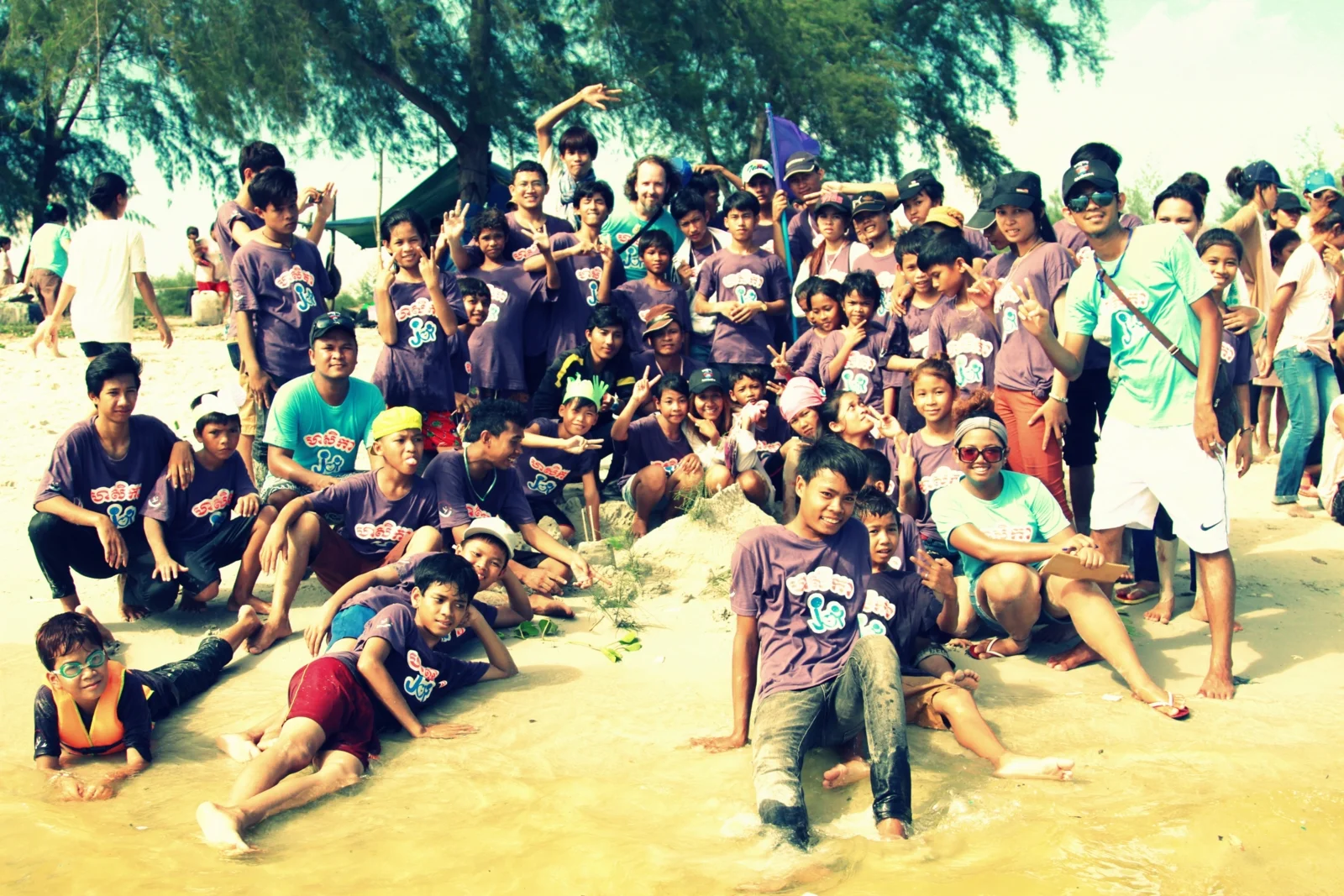
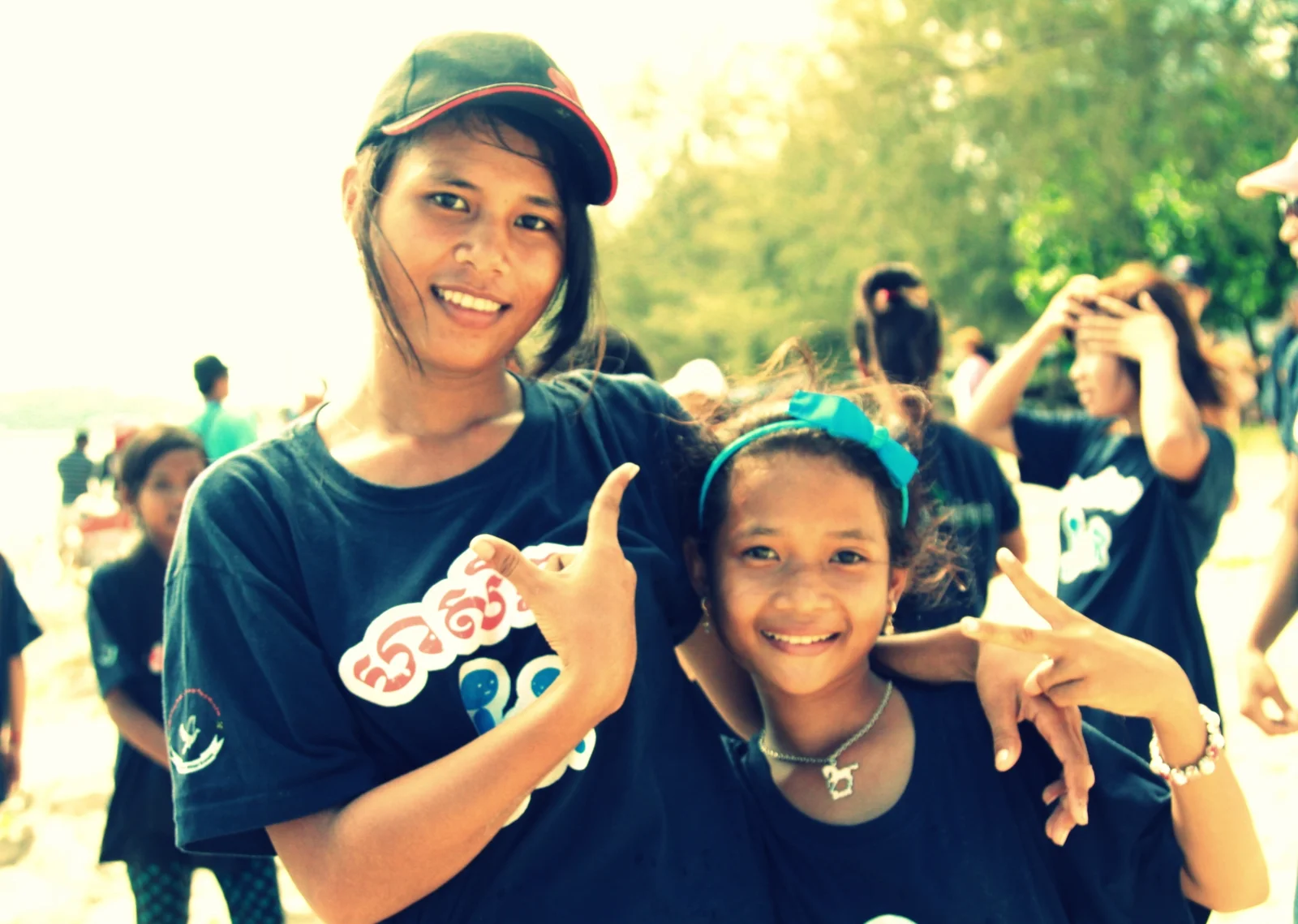
This is the amazing experience of many of the children at the Alongsiders Cambodia 2013 camp.
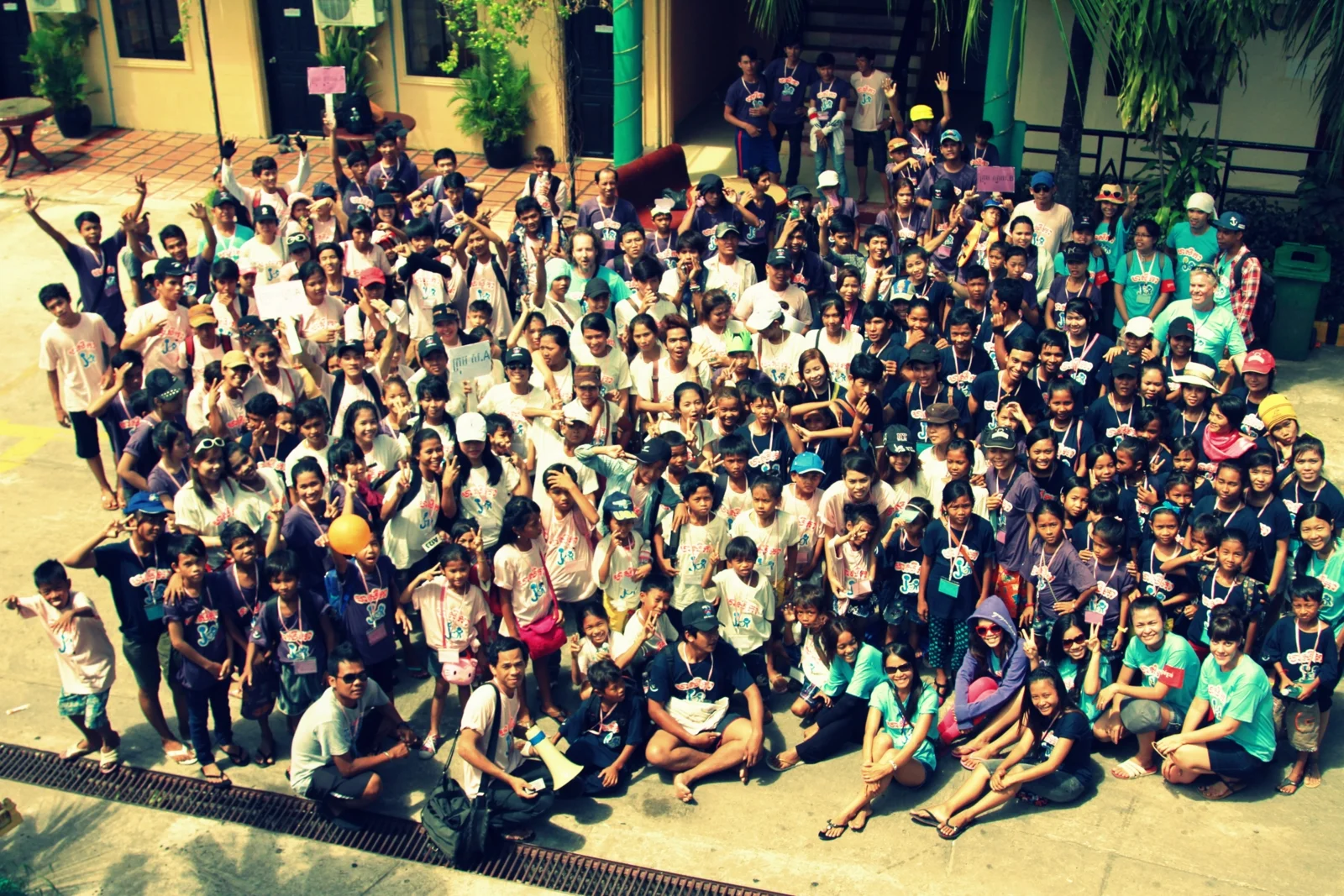
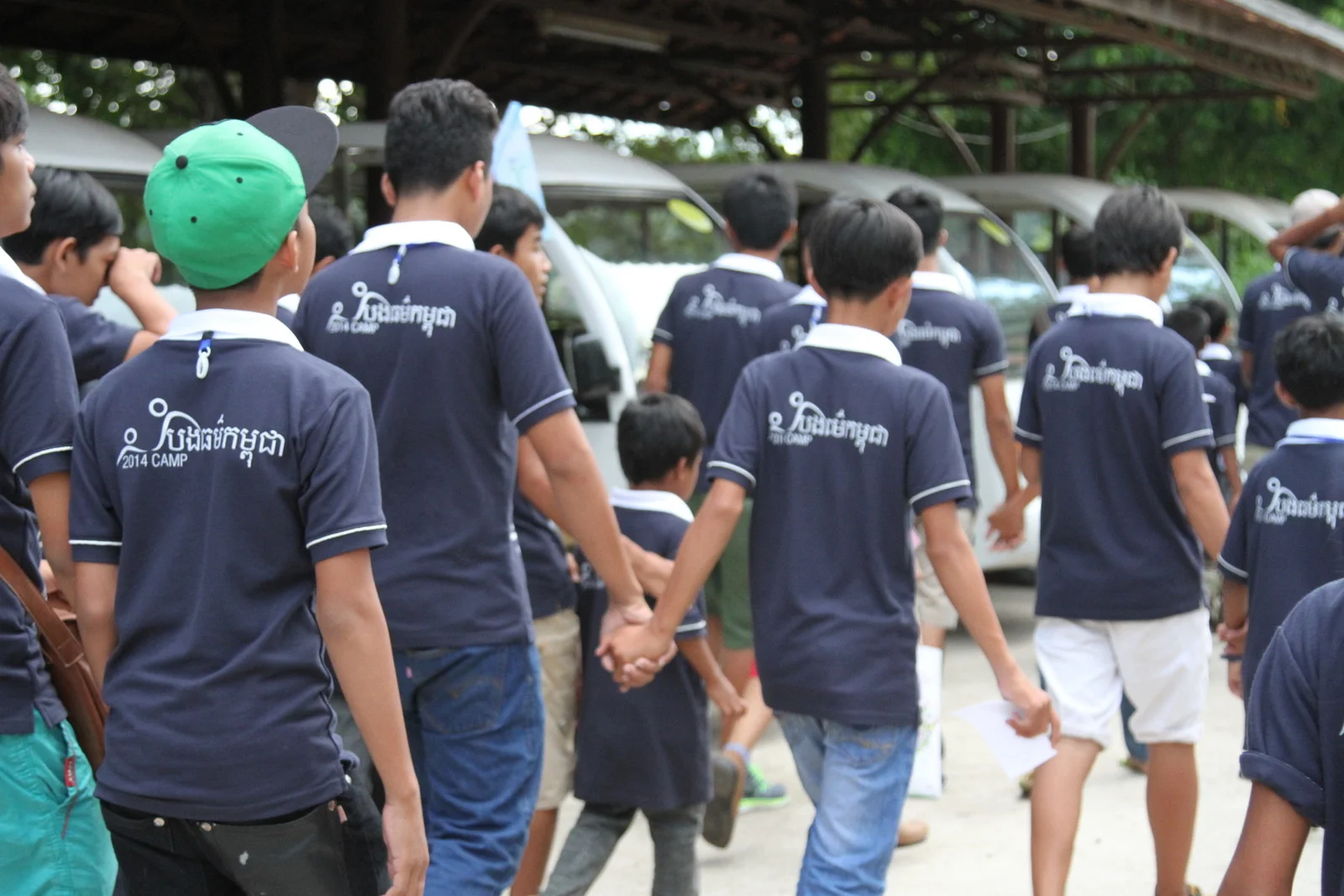
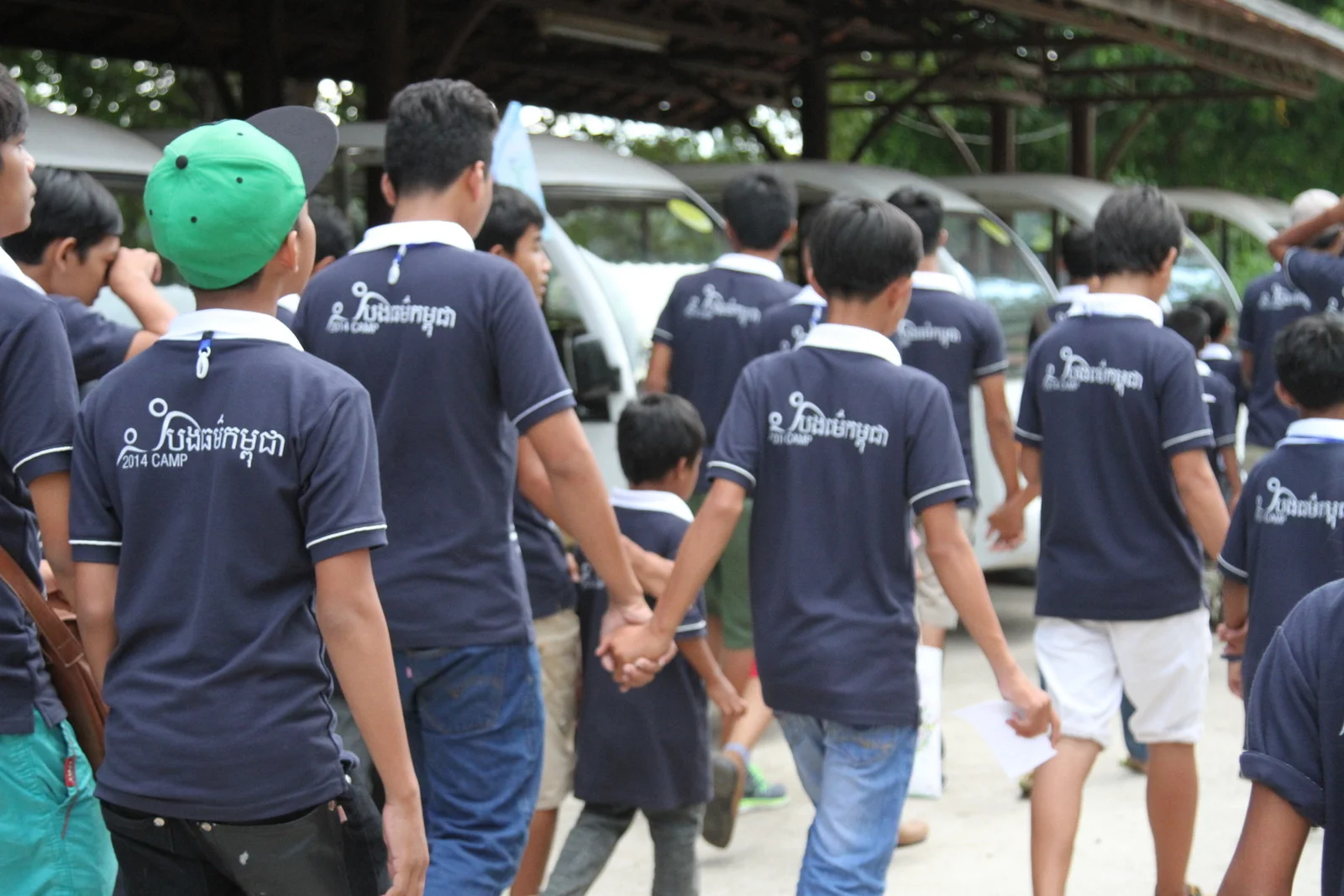
About 250 are gathered, both vulnerable children and the young Christians who have committed to walk alongside them. As usual we reached our maximum capacity and have turned people away. They have come from all over Cambodia.
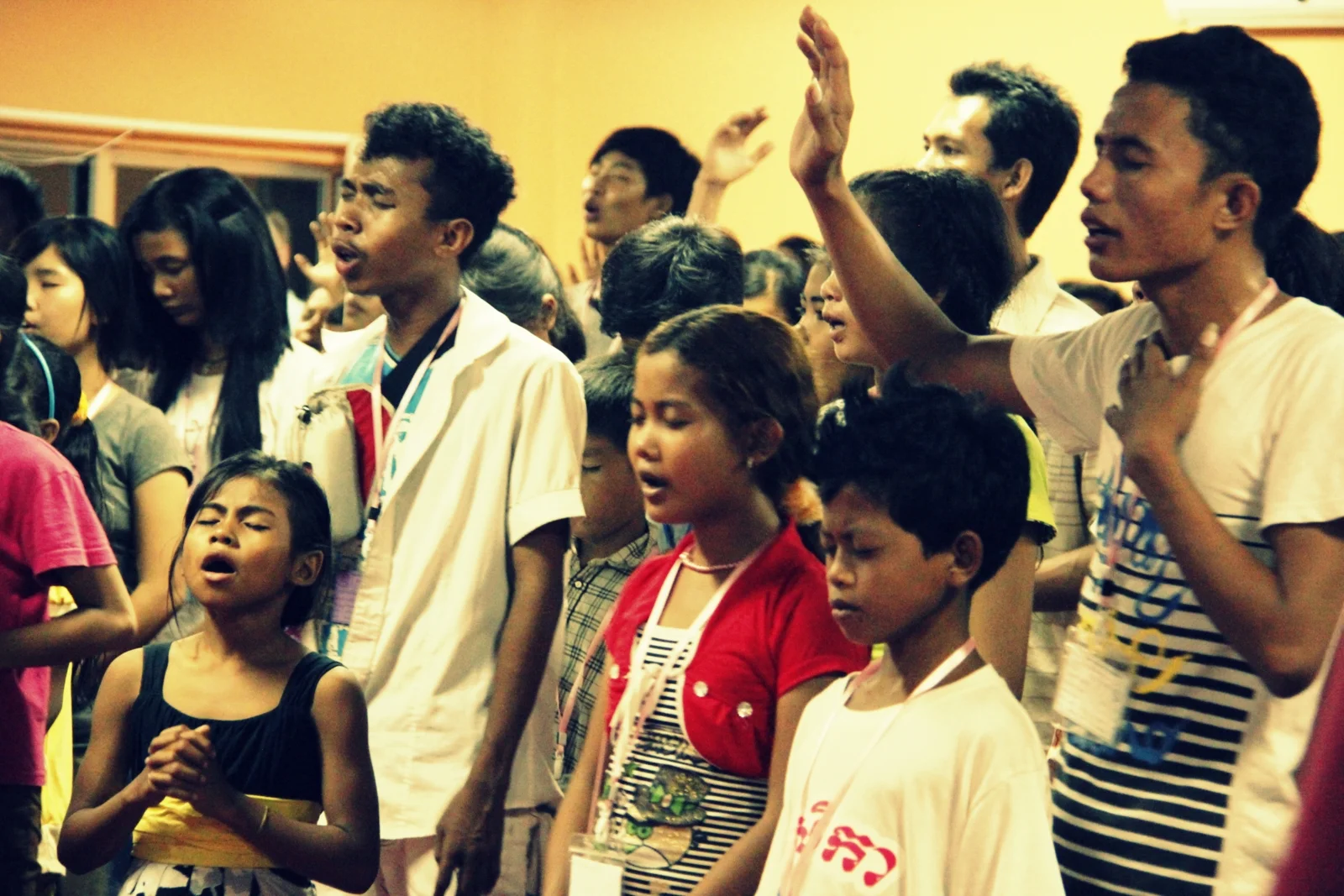
We are gathered to celebrate what God is doing through the Alongsiders discipleship movement, to learn, be inspired, worship, laugh and have LOTS of fun.
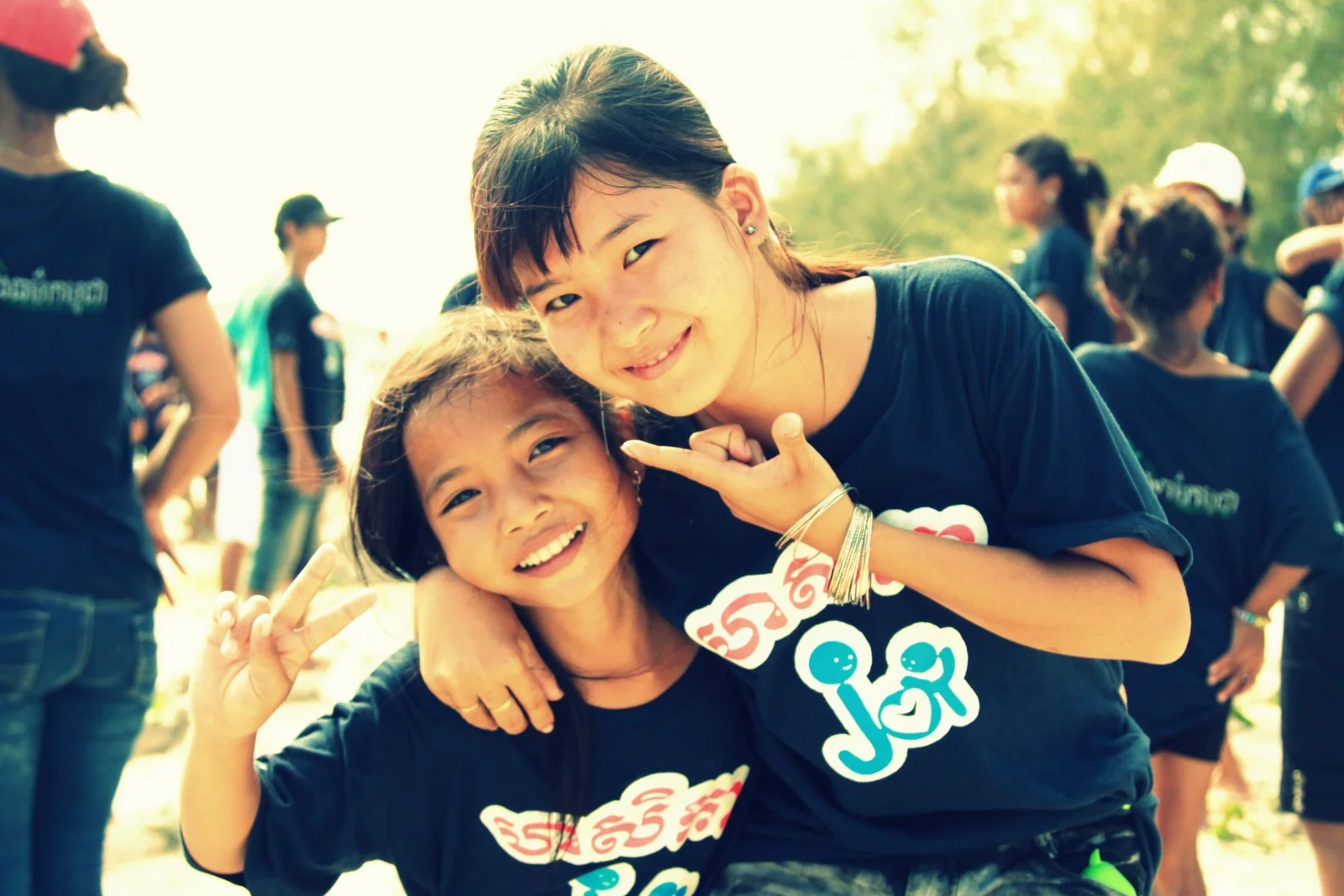
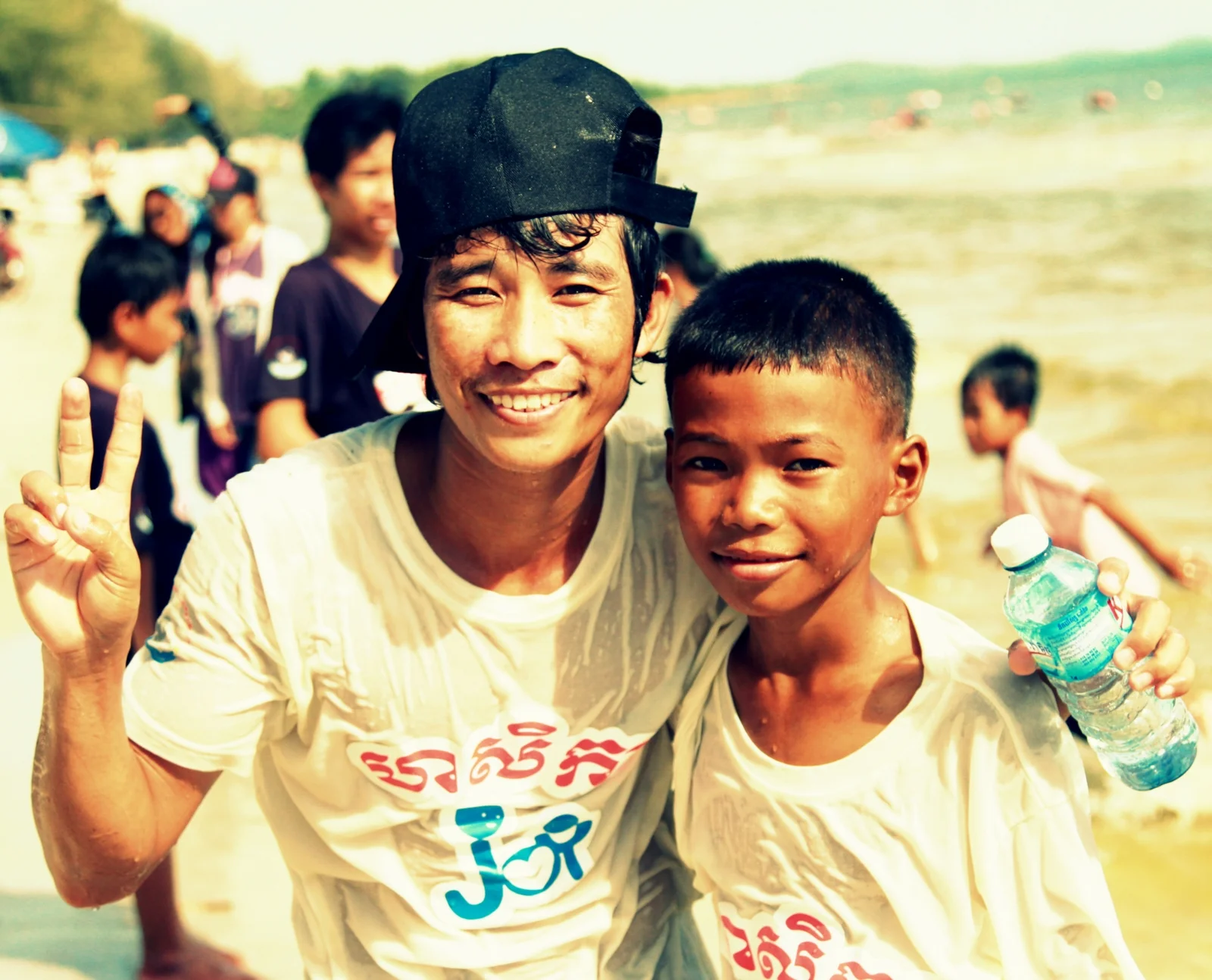
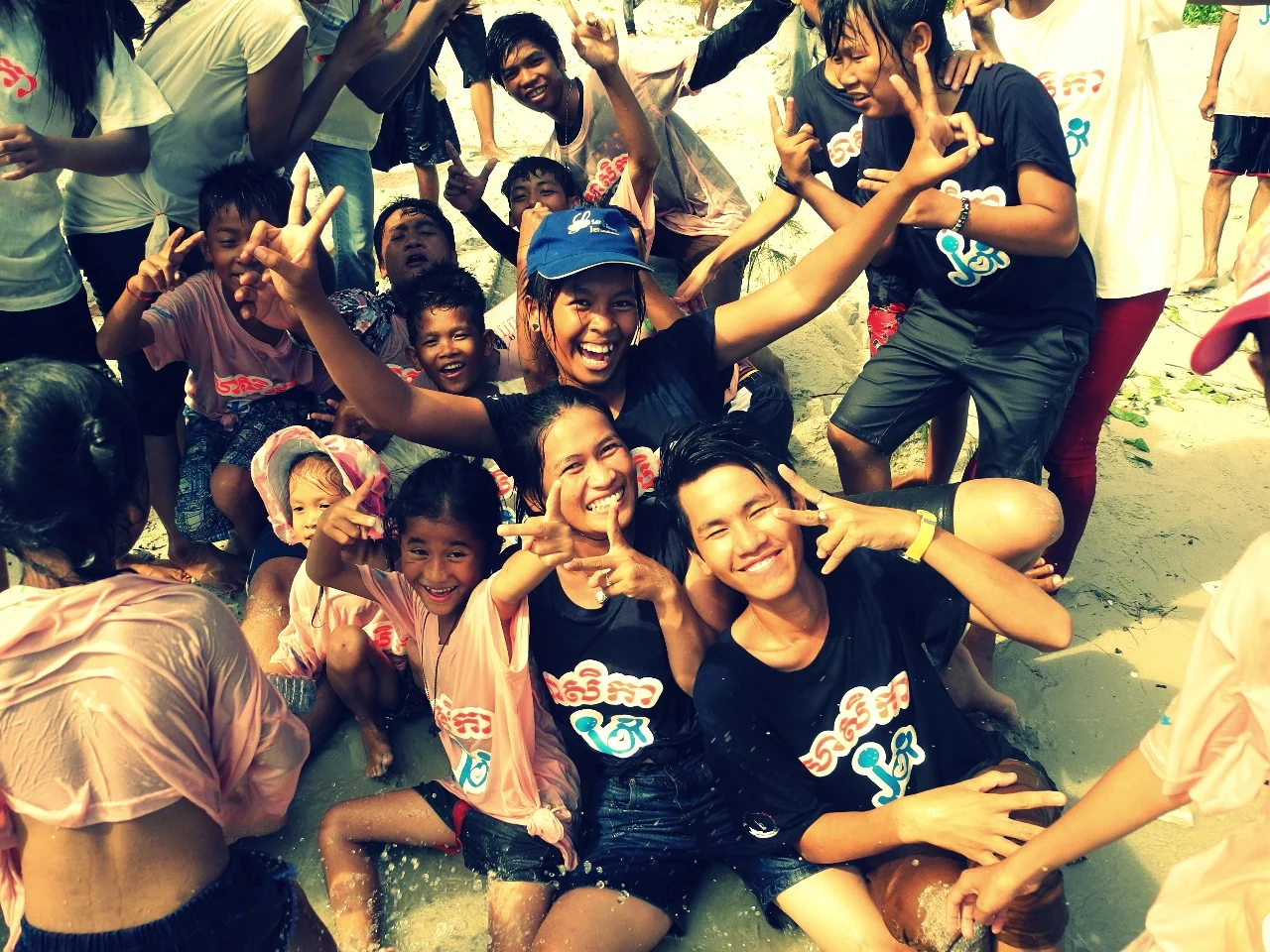
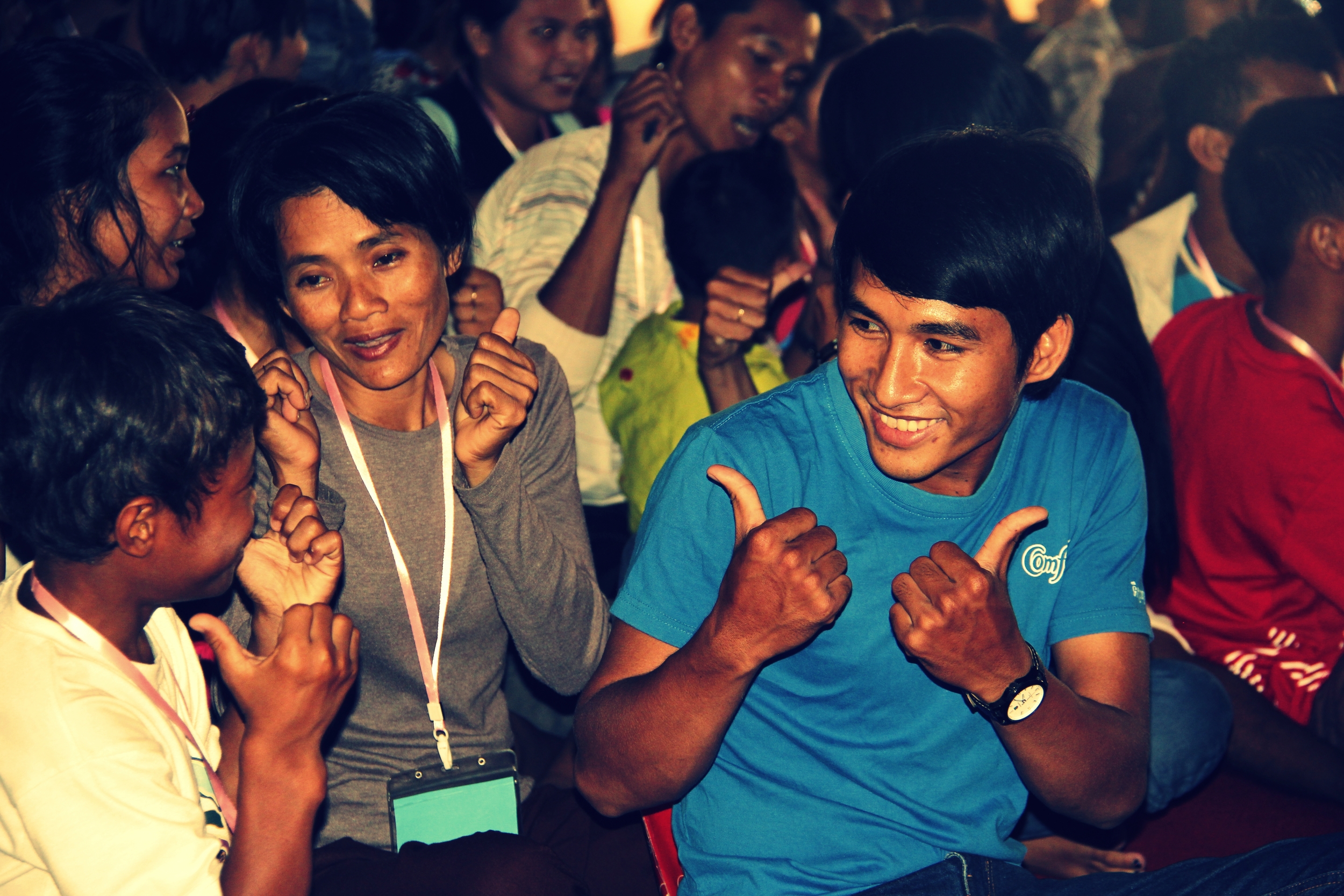
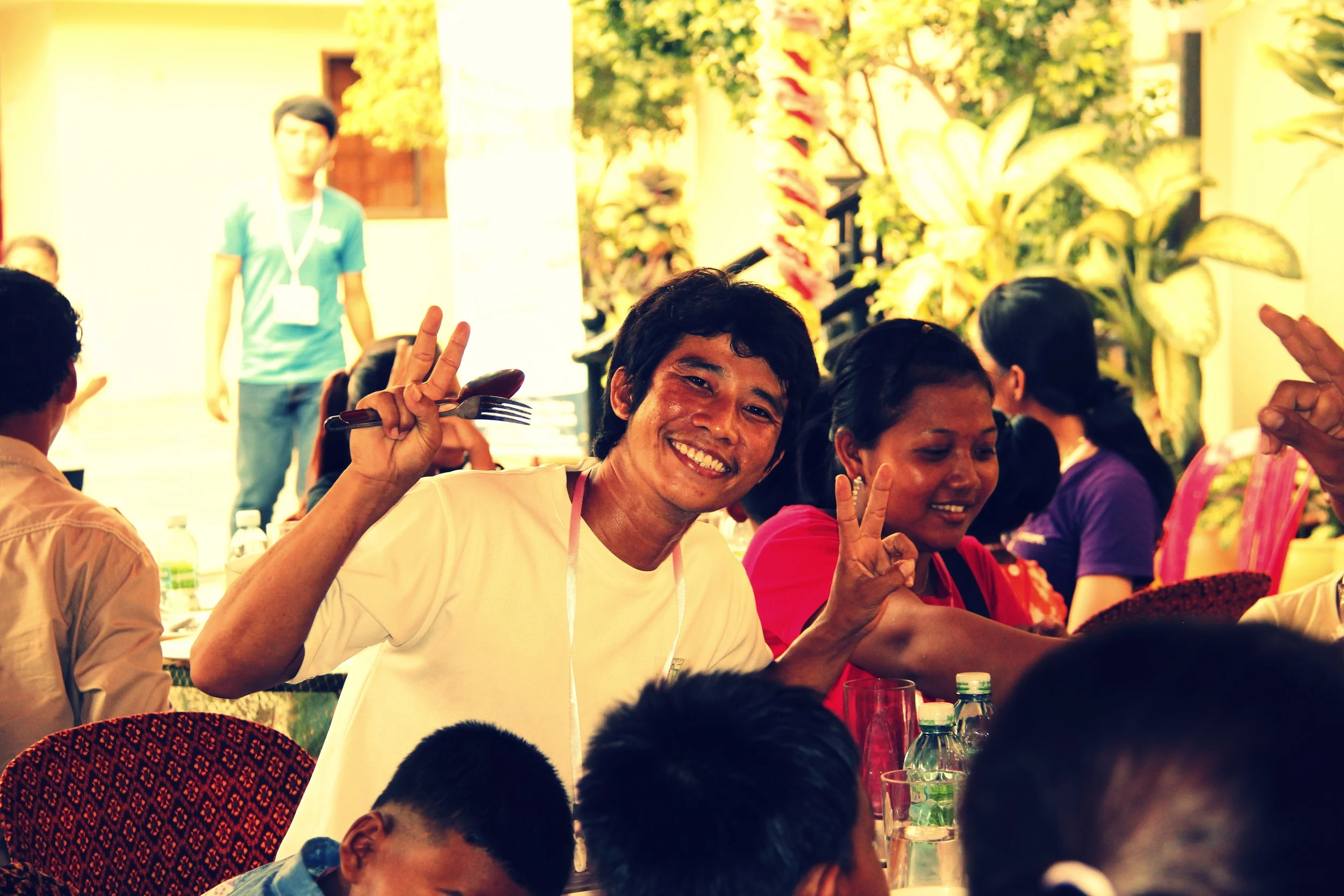
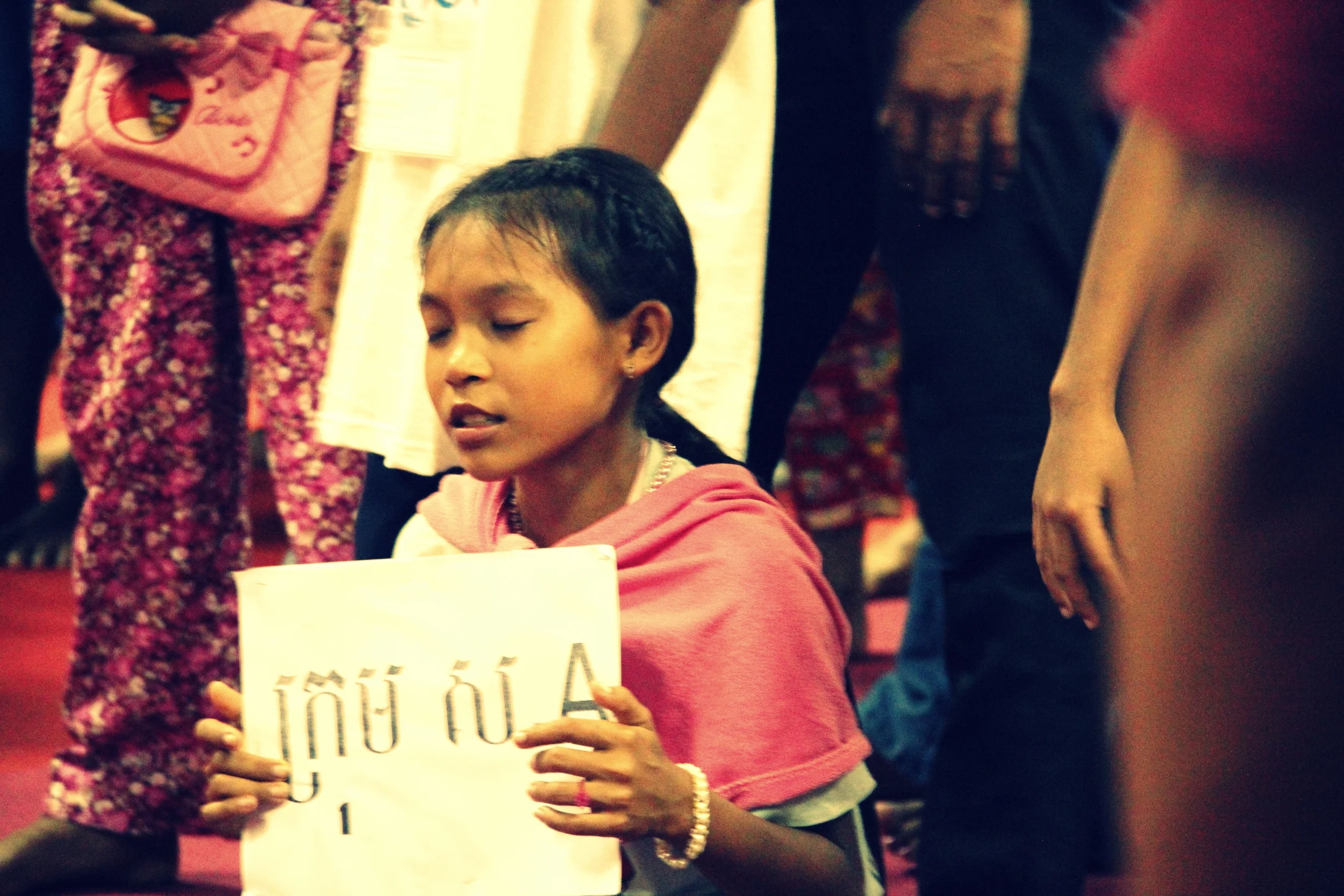
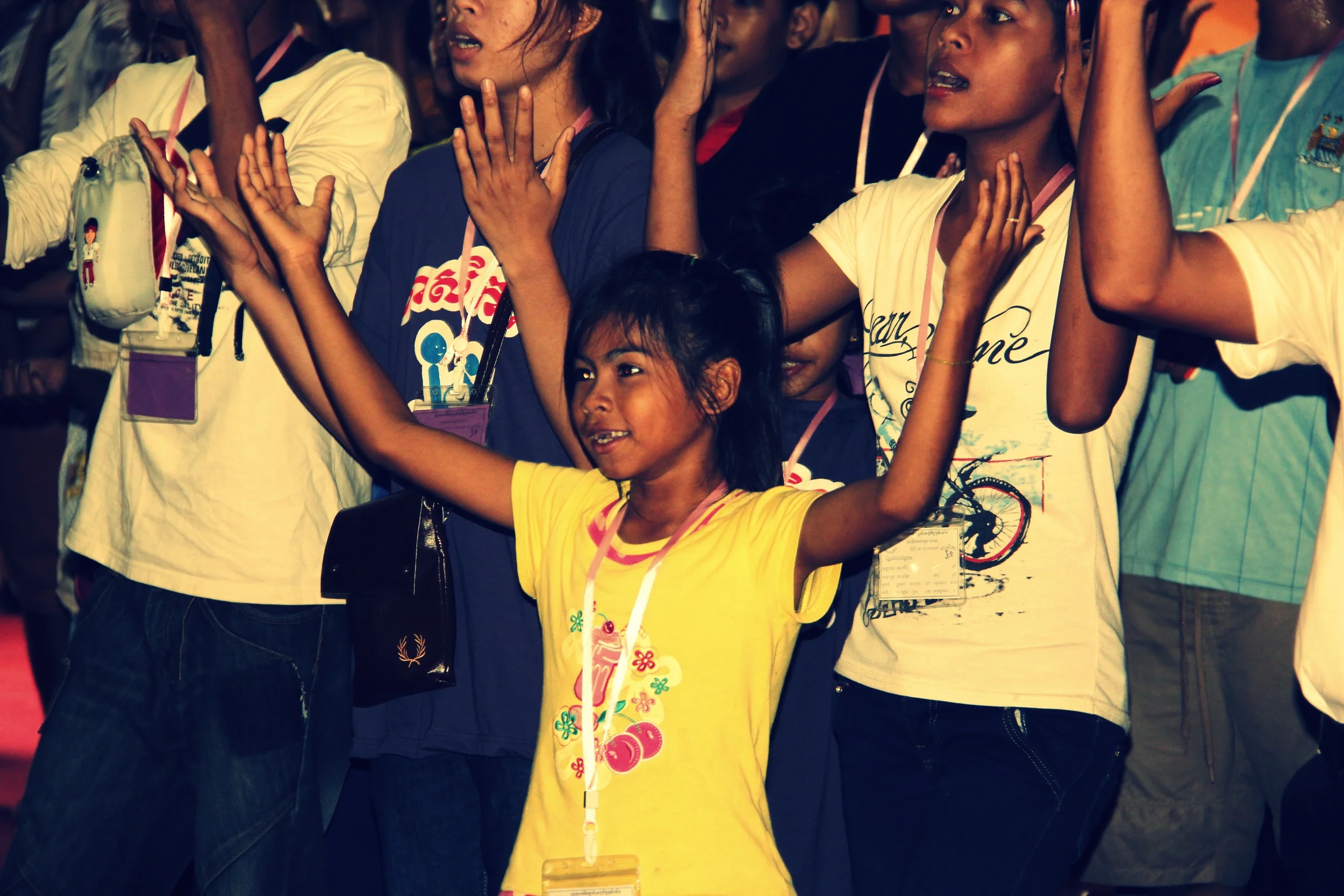
The theme is JOY and it is written all over their faces.
It means so much to the young Cambodian Christians who gather here to see that there are hundreds of others who have made the same commitment across the country. Many of them come from small rural town and villages in provincial Cambodia. It is a time to pour teaching and training into them. To inspire them to continue the long commitment to one child. And it is a time to encourage them with stories of hope and wonder, and the spirit of God.
And it means so much to the children who come with their mentors, the Alongsiders. Many of these children have never been outside their village or province. They rarely, if ever, would have the opportunity to visit the coast and swim in the ocean. They come excited and awed. They feel special.
They feel loved.
Here are some of the highlights of camp this year:
- A 30 minute power cut pitched the room into darkness on the final night. Cell phones provided the only light to the stage and we were treated to a spontaneous (and hilarious) stand up comedy routine until the lights came back on.
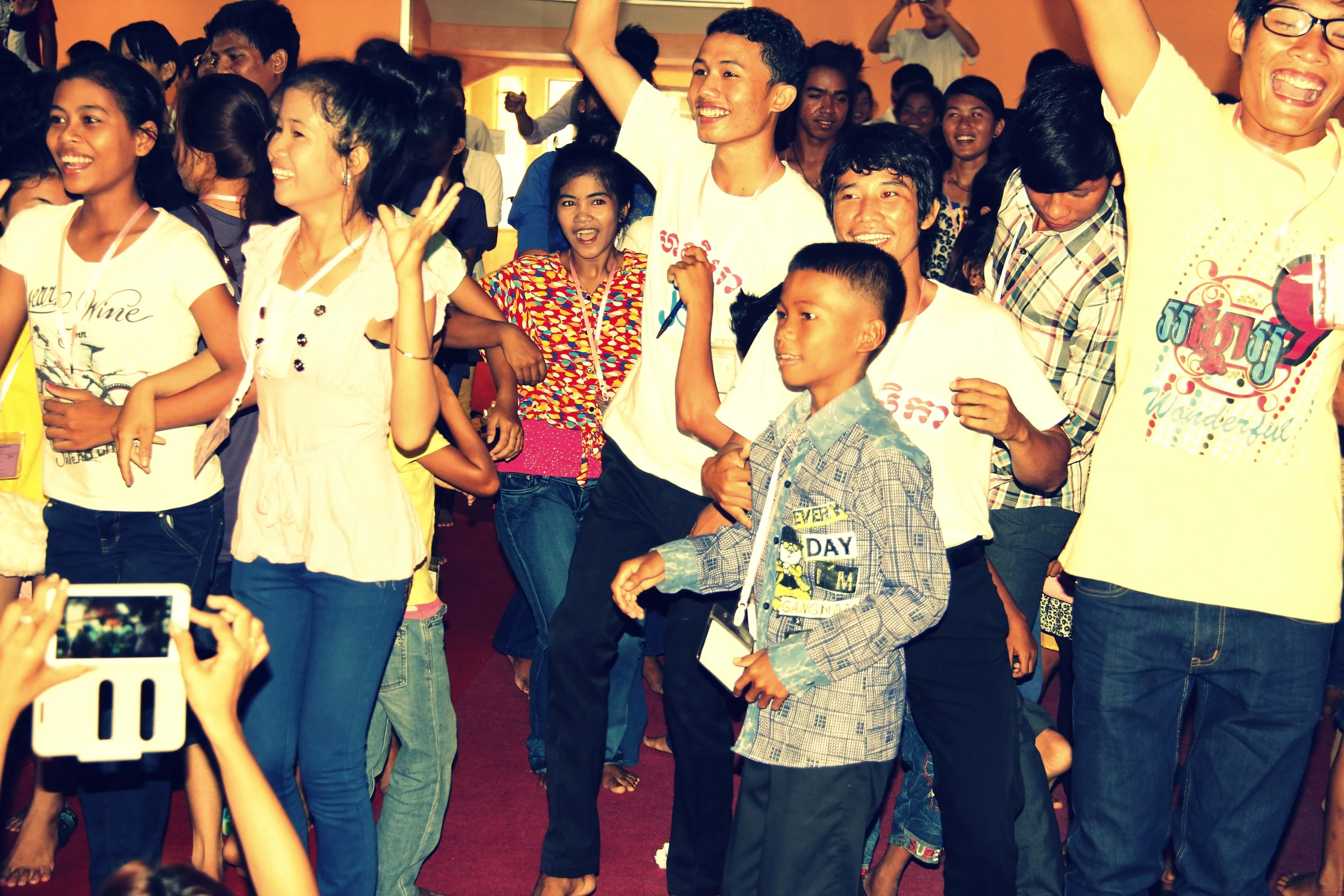
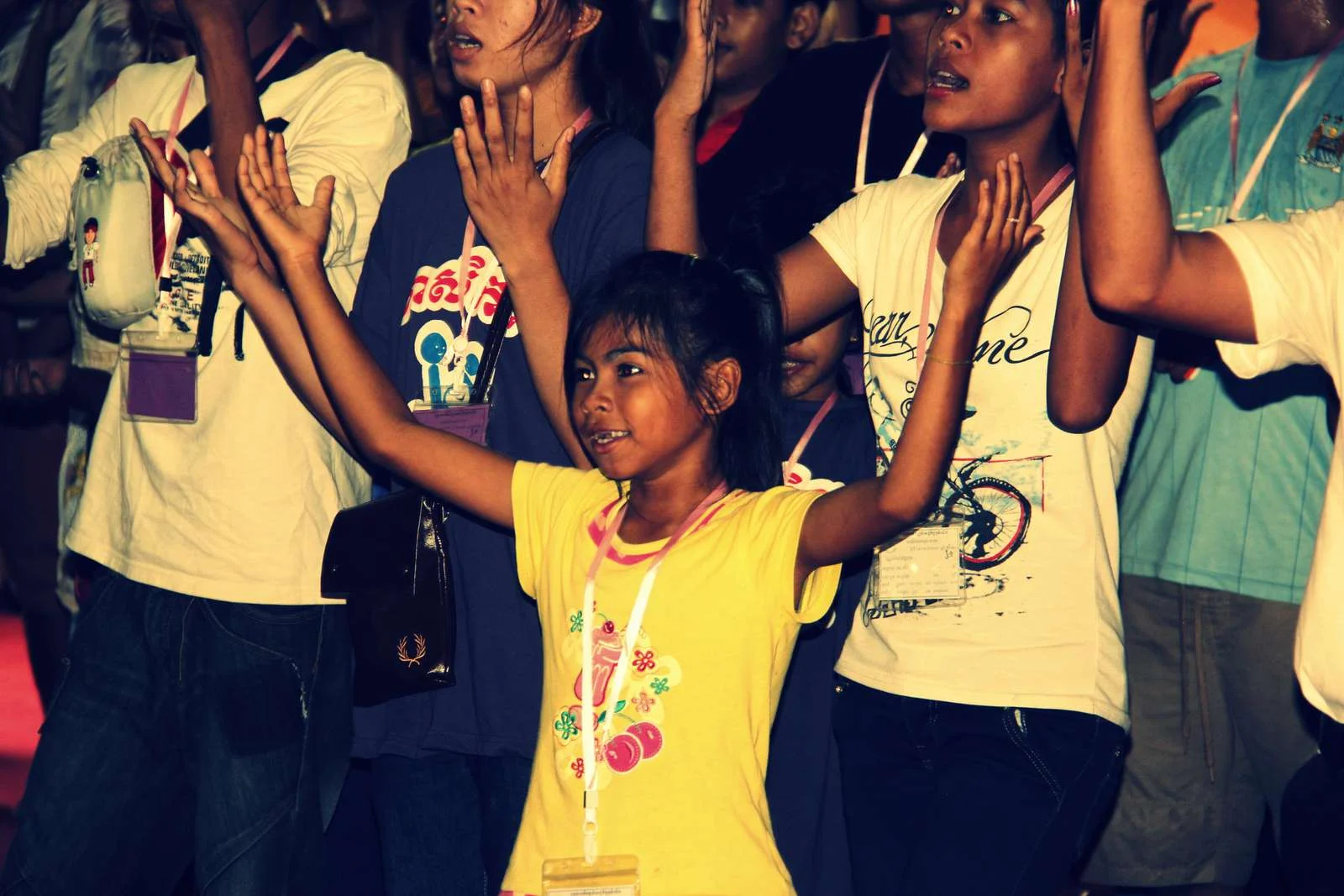
- Raucous dancing broke out several times during worship. Kids on the stage, arms in the air, leaping and praising God. Traditional Khmer dancing mixed with who knows what. Truly beautiful worship.
- Scrumptious sea food was served three meals a day. Fish of many kinds, squid, prawns, octopus...YUM! It was a blessing to feast like this for so many children who have known what it is to have nothing to eat.
- This camp was 100% organized and run by young Cambodian leaders. These are the young people who will impact their nation for good. We must invest in them as they invest in the next generation.
- Speaking of next generation... It was awesome to gather a very special group of people and celebrate them - those who had once been mentored as kids and have now grown up and become Alongsiders mentoring someone else.