
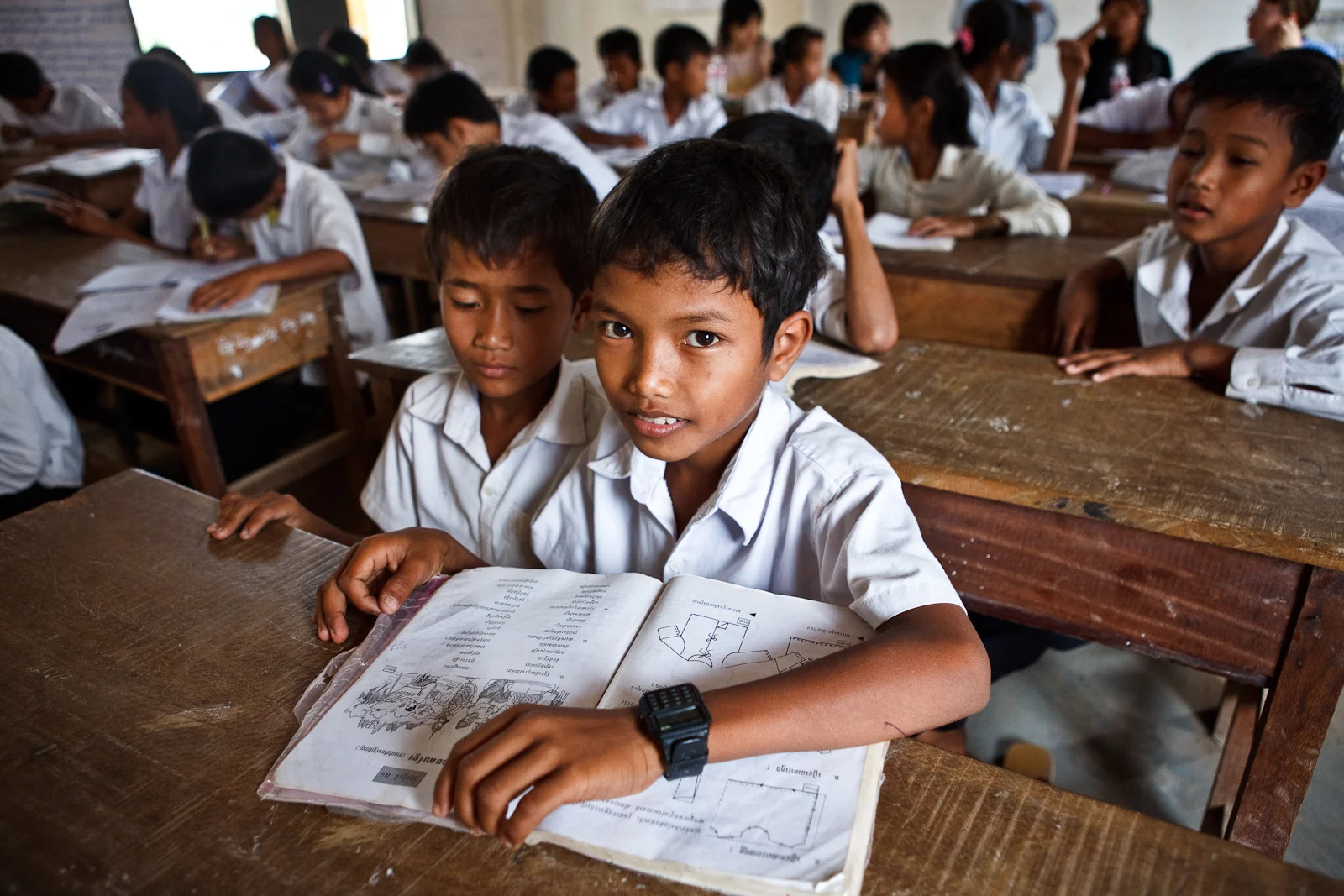
This action seems insignificant at first, but look at the impact on a child's education
What can Alongsiders do to ensure that EVERY child has a chance to learn?
The face of a courageous young girl named Malala is burned forever in our minds.
These are her words:
“I don’t mind if I have to sit on the floor at school, I want an education, and I am afraid of no one.”
Malala took a bullet in the head for her resolve, and even that couldn’t stop her.
Malala’s courage is extraordinary; but her desire to learn shouldn’t be so surprising. Across the developing world children are hungry for an education. Their hunger is evident to anyone who has ever visited a functioning school classroom or after-school program.
Last week, a story in the Cambodian papers ended with an ironic twist.
A young athlete, Sorn Seavmey, won Cambodia’s first ever gold medal in the Asian Games. She was naturally showered with praise and gifts on her return – plus one more thing...
It turns out she was one of many high school seniors this year who failed their graduation exams, so she was slated to take them again like all the rest who didn't pass. But Prime Minister Hun Sen declared that she will be granted an automatic passing grade.
This story captures one of the dilemmas with education in much of the developing world: the system favors some people over others. It’s not just about studying hard or ability; it’s also about power, money, and connections. People at the margins are on their own, and it's not a level playing field.
We know that getting educated is a proven way out of poverty. Improving schools and increasing access to them are staples of poverty reduction programs.
Most of the "little brothers and little sisters" in the Alongsiders movement come from the poorest families. Some simply cannot attend school due to lack of finances or, in some cases, because they must stay home to work or look after siblings.
What can Alongsiders do to ensure EVERY child has a chance to learn?
It may seem small - insignificant even - but simple ongoing acts of one-on-one coaching can significantly impact the education of a boy or girl in poverty.
In practice it looks like this: Alongsider mentors regularly help their little brothers and sisters with their homework, encouraging them to stay in school, and continuing to walk alongside them over the long haul. Sometimes they reach into their own pockets to buy a little brother or sister a notebook or pen that's needed.
In the words of one Alongsider mentor:
“My little brother goes to a school in the countryside where the teachers don’t require extra payments, because most of the families are too poor. The teachers have private classes after school, but he doesn’t attend those because he can’t afford them. But I encourage him, and he studies on his own every day. He can’t study a lot, because he has responsibilities like taking care of the cow and watching his brothers and sisters. But he studies enough.”
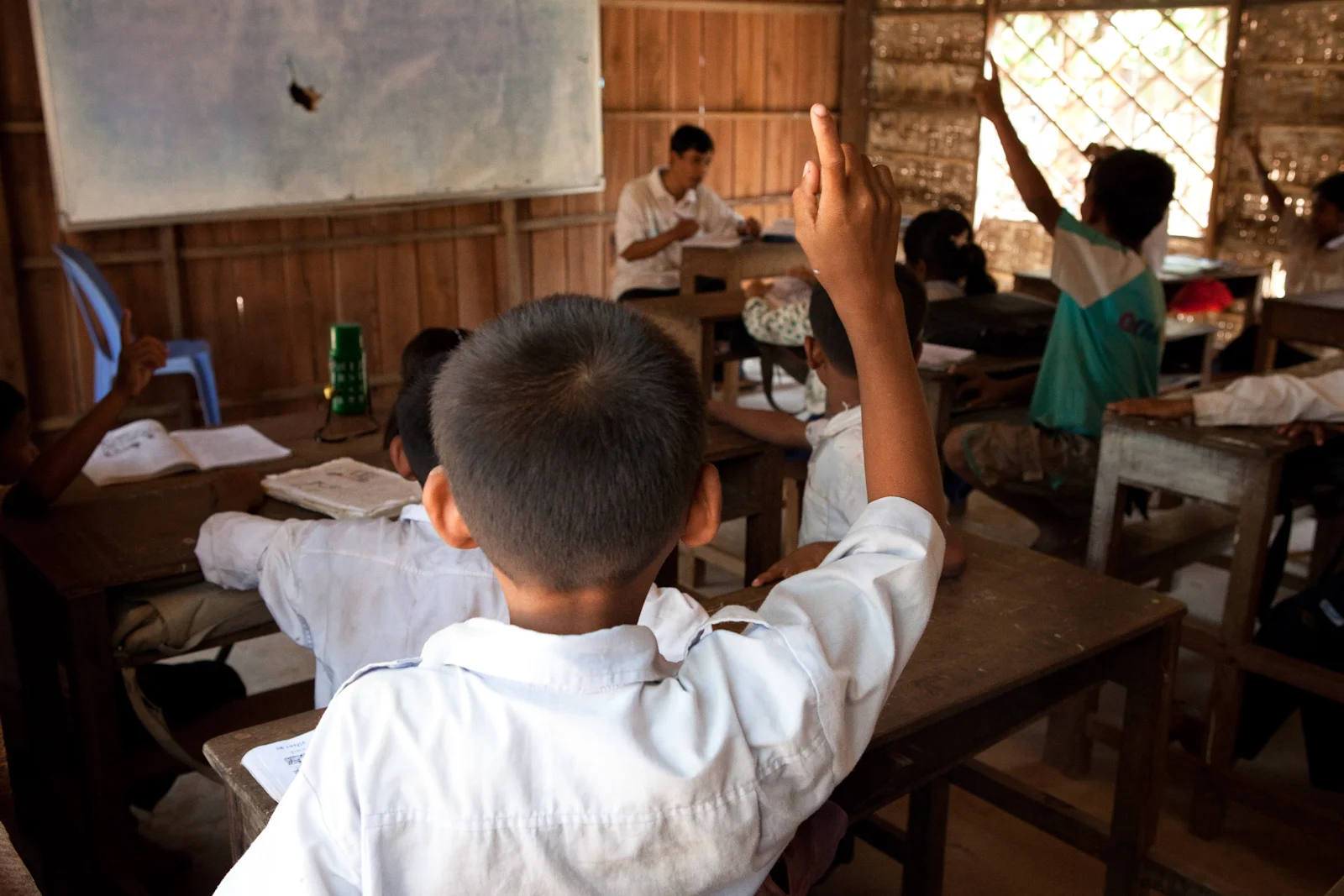
In our impact assessment, 97% of the "little brothers and sisters" in the Alongsiders movement reported that they receive help with their studies. Around half of them said that their Alongsider mentor was the MAIN person who helped them with their homework. Many also reported that their mentors had bought them school supplies or paid school fees at their own expense.
And look at the results:
“99% of little brothers and sisters surveyed are attending school, versus 55% of children of a similar demographic in the same neighborhoods. ”
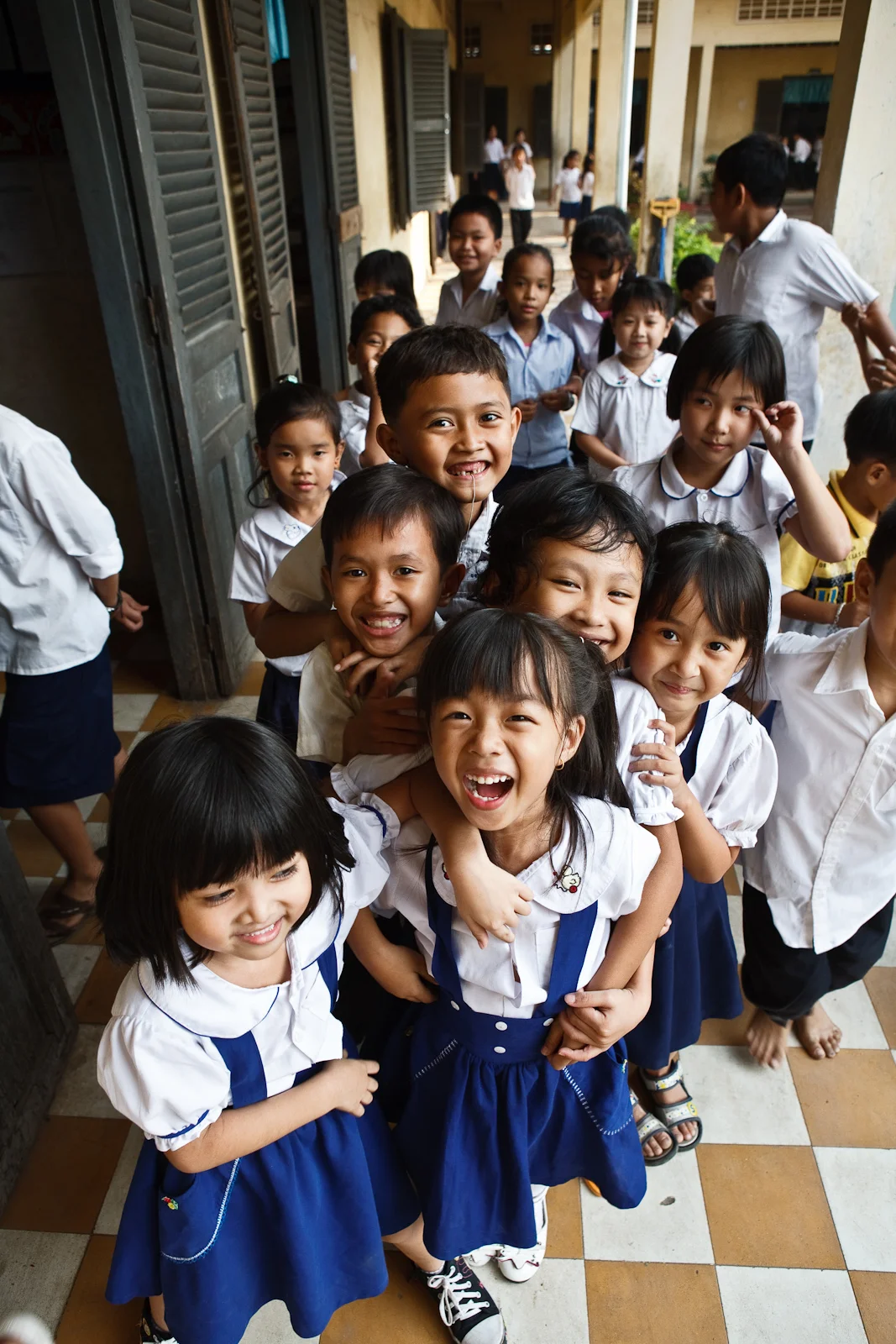
Impoverished students want to learn. It takes great determination to persevere, but it can be done. Every bit of encouragement and support and prayer from an Alongsider mentor helps them to find the strength inside themselves.
In the words of Malala, “One child, one teacher, one book, one pen can change the world.”
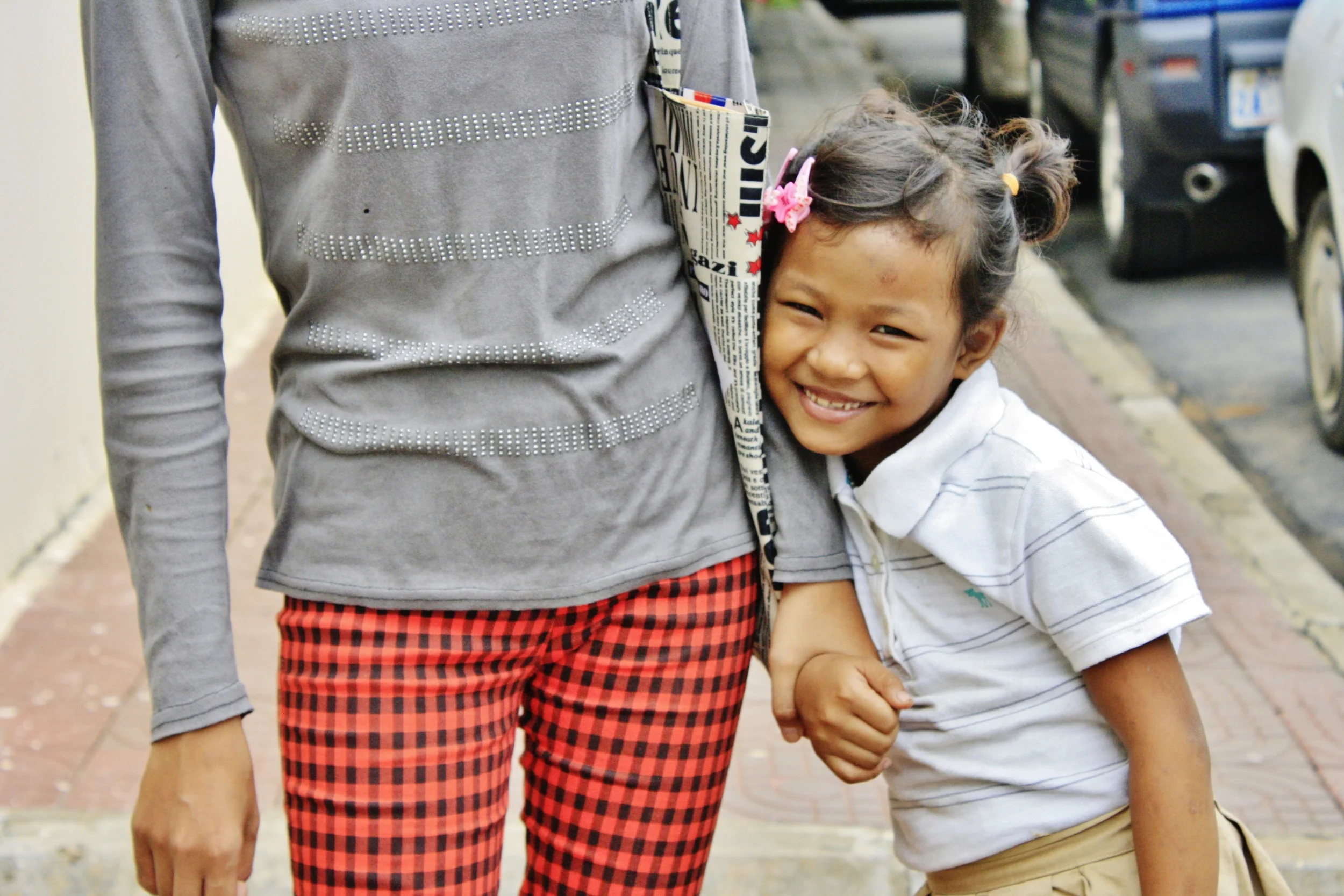
How one girl found the confidence to grow up
Karuna, in her own words, was "messy" when her Alongsider mentor came into her life.
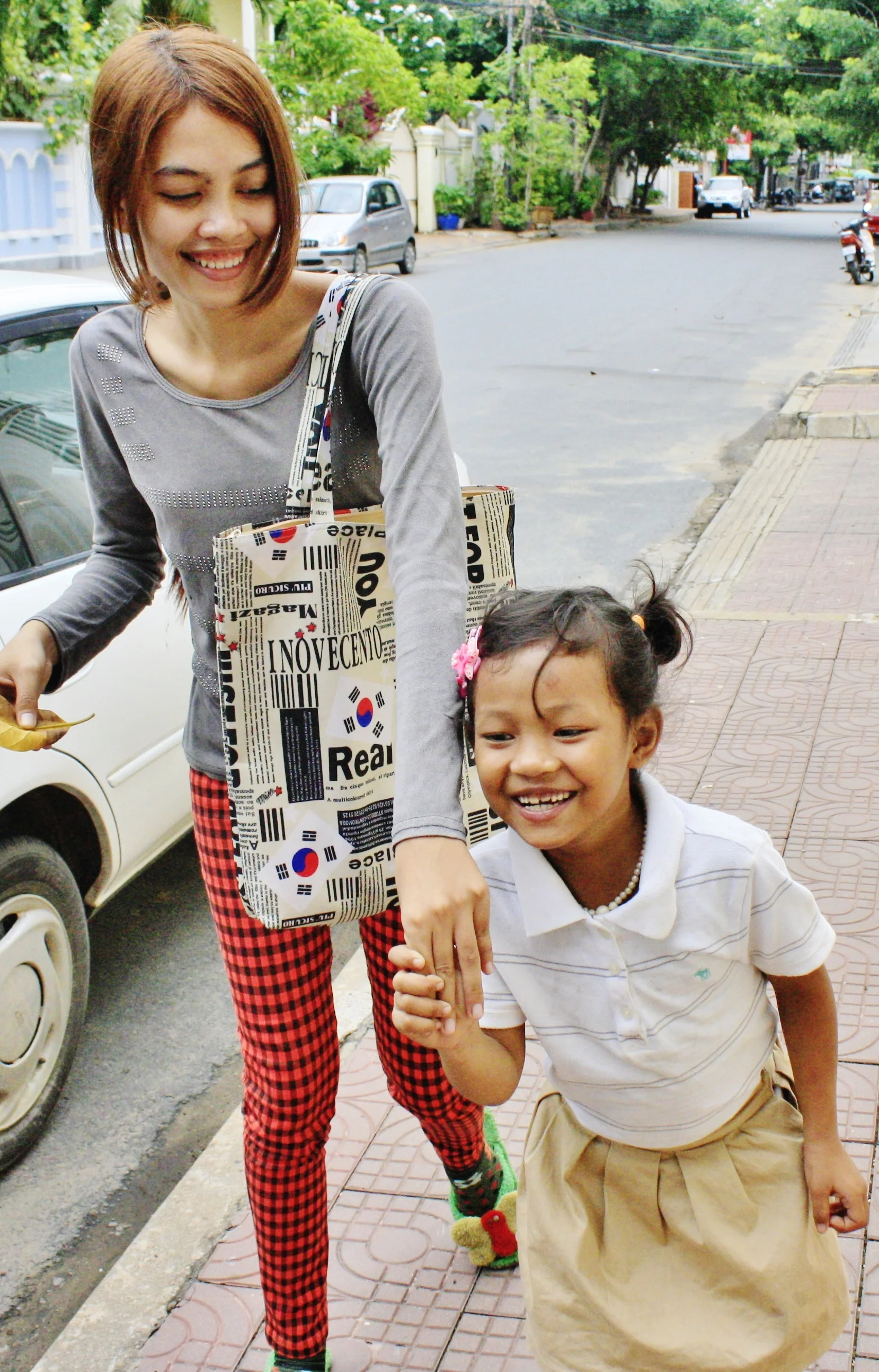
Karuna (left), now 21 years old with her own "little sister"
Karuna, in her own words, was "messy" when her Alongsider mentor came into her life.
Her father had died when she was eight. Her mother went to work in a factory for ten hours a day, six days a week.
So Karuna and her five sisters lived with her grandmother in a small house along a narrow alley in an urban slum.
With no money for them to attend school, Karuna and her sisters sold cakes to make money for their basic needs.
She had friends, but they were all struggling with similar circumstances. “I used to talk with my friends for hours about nothing," she says. "We didn't want to think about the future.”
"Before my Alongsider mentor came into my life, no one had ever related with me that way before."
Somaly, Karuna's mentor, talked with her about real life issues. She helped her with hygiene, cleaned her up, prayed with her, and brought her to the Alongsiders annual camp.
Social impact on young lives
When we evaluated the impact of the Alongsiders movement in 2013, we found that 74 percent of Alongsider little brothers and sisters report they "have someone they can talk to about their problems" compared to just 48 percent of their peers.
And a striking 99 percent of little brothers and sisters say they have hope for the future, compared with 60 percent among their peers.
Karuna sensed her lack of life skills as a young girl, but she didn't know what to do about it. Encouraging little brothers and sisters to grow in their ability to deal with others is another crucial part of what Alongsider mentors do.
The following chart shows some ways little brothers and sisters grow in life skills and social awareness (based on self-assessments).
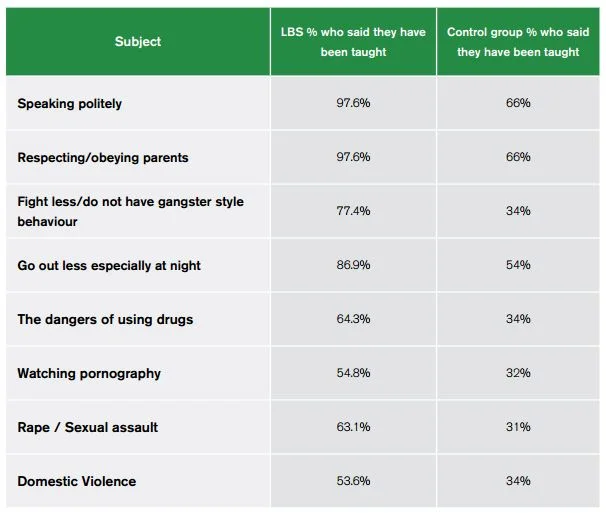
Becoming more capable socially may not seem like a big deal, but knowing how to speak politely or how to handle anger will have a significant impact on a young person's confidence and ability to succeed in work and life. Being more aware of sexual issues, drugs, and domestic violence make vulnerable children safer and more likely to avoid falling into destructive relationships.
Today, Karuna still lives with her grandmother and her sisters in the same home in the slum. The doorway to their house is small but welcoming. Her grandmother is often sitting at the entrance next to a sewing machine with a background of colorful family pictures on the wall behind her. The family members squeeze into small rooms and sleep on beds made of rough-hewn planks. An outsider looking in might declare that they are poor and even question what has really changed.
But something fundamental has shifted.
Karuna is a confident and dignified young woman. She is working and hopeful about the future. Her family attends a church at the end of the alley that serves the community, and they are a source of strength for others.
And Karuna is an Alongsider mentor herself now.
Her little sister is an eight year-old girl whose parents are divorced. She lives in the slum with her grandmother. Lately, she has been missing school to stay home and look after her younger brother. Her grandmother is out working hard every day so they can eat.
Karuna has the confidence to talk with the girl's grandmother about her little sister's school attendance. For now there is no simple solution, but Karuna stands by her little sister as one who has been down this road before. Her little sister won't have to walk it alone either.
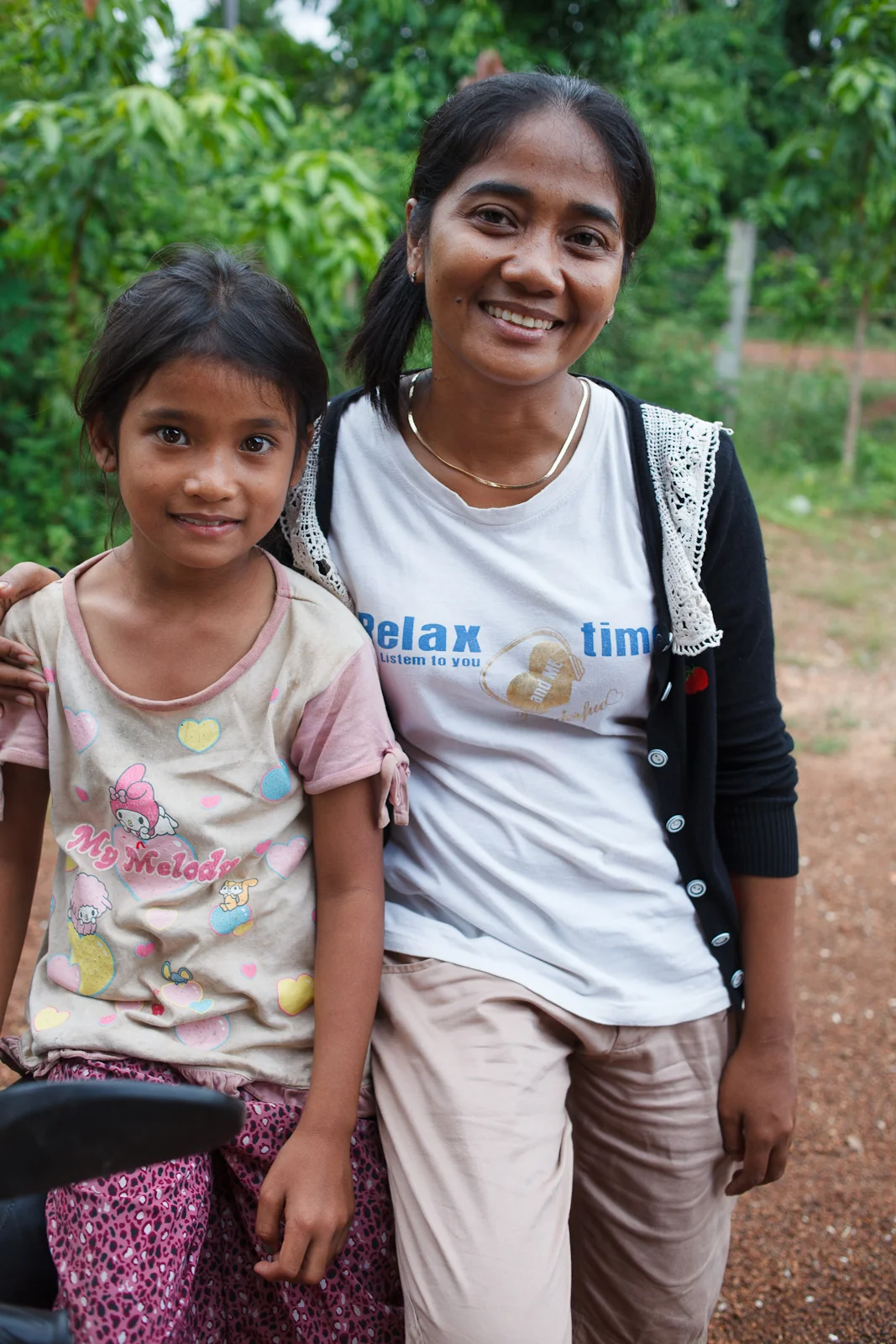
Why we focus on resilience instead of services...
An 11 year-old girl takes care of her three younger siblings for eight hours or more every day. What makes her resilient?
11 year-old Piya takes care of her three younger siblings for eight hours or more every day. Her father abandoned the family, and her mother has to leave them alone when she goes to work.
Despite her burdens, she is smiling. Piya is resilient.
All the children chosen by Alongsider mentors as little brothers and sisters are in difficult circumstances that require them to be resilient.
Resilience is ‘a set of qualities that helps a person to withstand many of the negative effects of adversity'.
It's that innate strength of character that every child in every culture has to varying degrees. It's that phenomenal quality that enables some children to endure seemingly crushing challenges and hardships and spring back.
Scientists agree that it comes from a mixture of nature and nurture. That means we CAN strengthen the resilience of children. But it won't be through mere service provision.
Outside services for the poor often have the unintended consequence of disrupting family and community relationships, undermining resilience. Communities receive such services gratefully but at unknown costs.
At Alongsiders we draw on The Circle of Courage, described in this article, as a practical application of resilience theory. The Circle of Courage identifies four universal needs of all children: Belonging, Mastery, Independence, and Generosity.”
- Belonging: forming healthy attachments and trusting relationships. When this need is met a child can say, "I am loved."
- Mastery: achieving and growing in capability. When this need is met a child will be able to say, "I can succeed."
- Independence: standing up for oneself and finding appropriate autonomy. When this need is met a child can say, "I can make decisions."
- Generosity: altruism and serving others. When this need is met a child can say, "I have a purpose."
Whatever we do to strengthen children and youth in these areas will contribute to their resilience, drawing out their own strengths, so they can take hold of their own lives and futures.
If these are four legs of a stool, then every leg has a social component. We are relational beings, even in our independence, and we are strongest when we stand with others.
Alongsider mentors serve in their own communities in ways that honor and strengthen family and community relationships, helping children to grow in belonging, mastery, independence and generosity. The result, we have seen, is greater resilience.
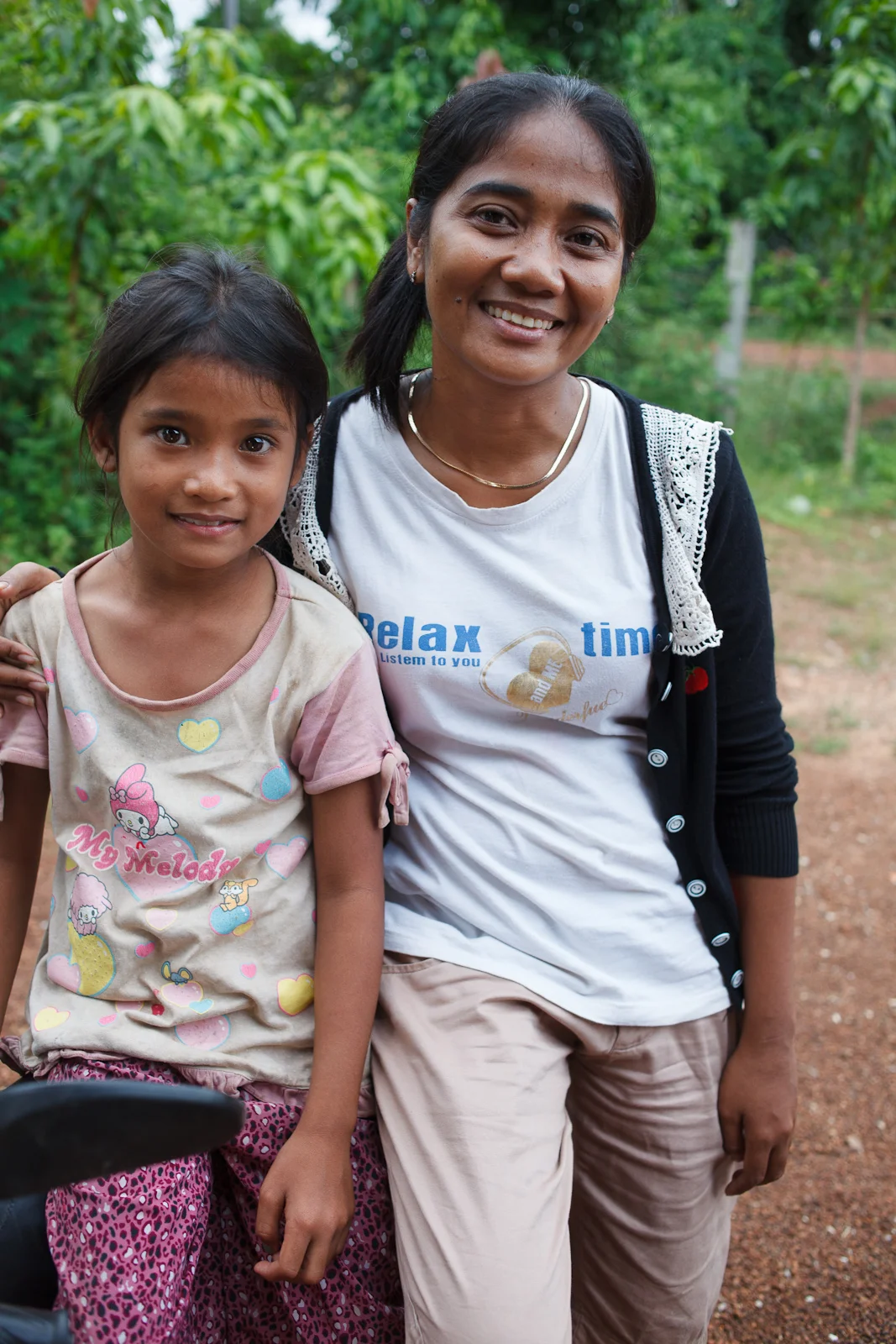
Chenda and Piya
Piya, by the way, may have had an extra boost of resilience the afternoon that I met her, a greater feeling of belonging.
It was a special day, as she was standing with her new Alongsider mentor, Chenda!
[written by Andy Gray]
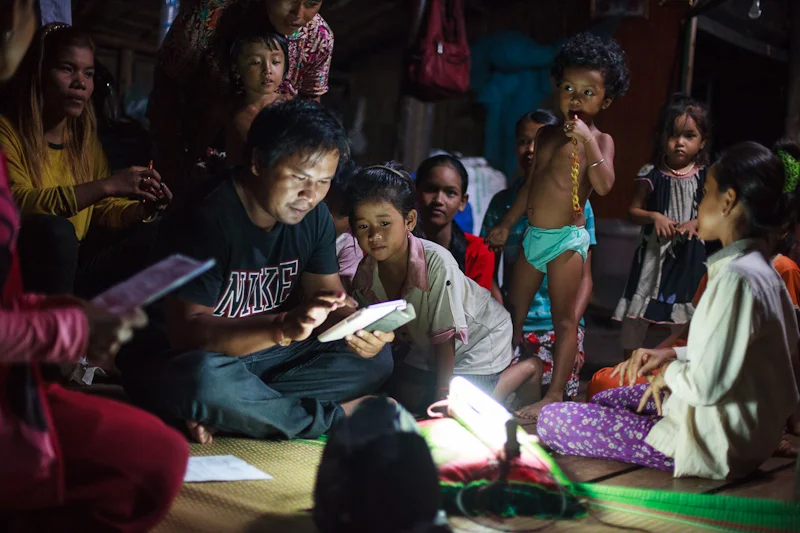
A day in the life of our Alongsiders staff
I am an observer, along for the ride, when a startled cow rams our motorbike.
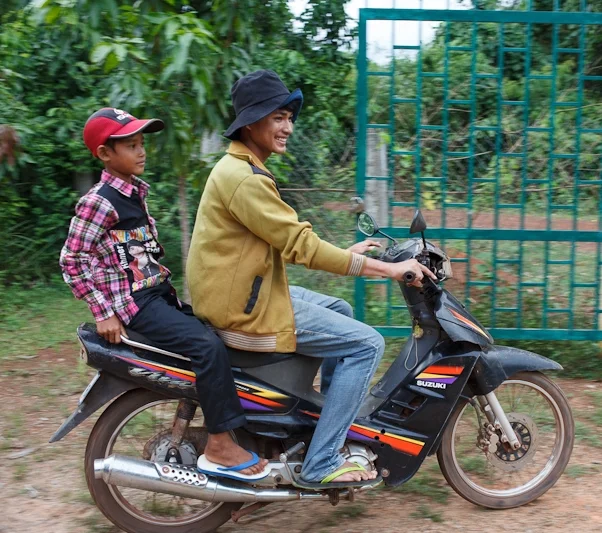
I am an observer, along for the ride, when a startled cow rams our motorbike.
To get to this point, we have already traveled by bus, boat, and motorbike to a remote village north of Phnom Penh. Our plan today is to register some new Alongsiders.
Phearom, who is on staff with Alongsiders Cambodia, is my guide.
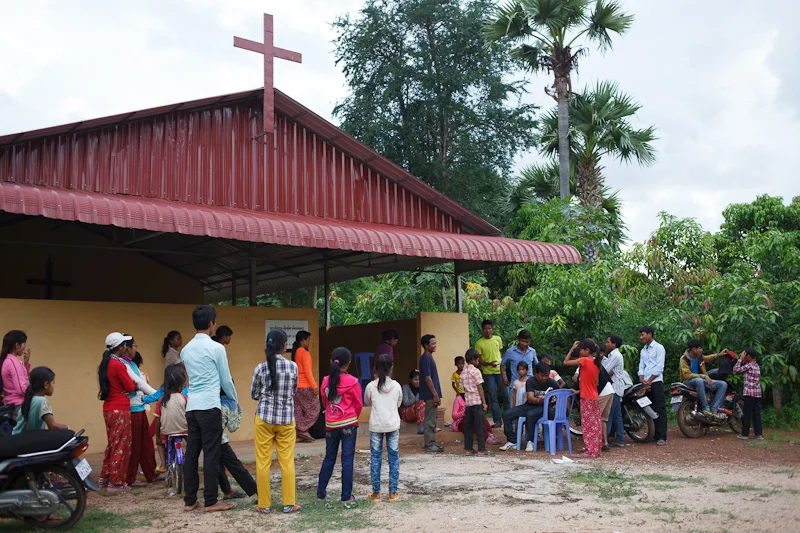
As we hop on the backs of motorbikes driven by our hosts, we are heading towards a house church twenty minutes away.
Halfway there my driver startles a cow who does not take kindly to being disturbed. The cow lowers its shoulder, snorts, and RAMS into us - nearly sending us flying! Thankfully, my driver handles the bovine battering with style and no harm is done.
About 25 young adults and children are waiting for us on arrival. Their leader is a young woman with a gentle spirit and a quick wit who wastes no time chiding the children to practice their English with the foreigner.
Phearom is warm - chatting and laughing with the youth and children. Everyone is excited. You can feel it in the air.
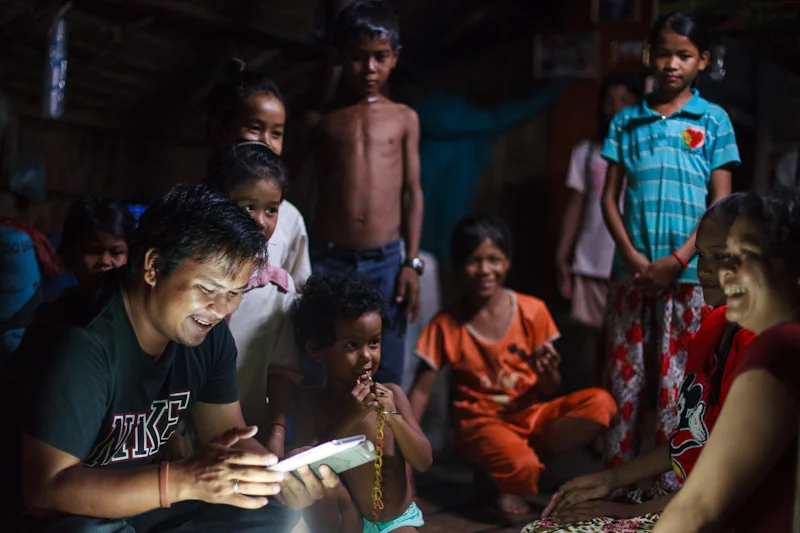
Phearom uses a low-end Samsung tablet to enter the names and details of the new Alongsiders and their little brothers and sisters in an Android app. Each participant is photographed. This information is then uploaded to an online database when he has wifi access.
Today is the day we officially become Alongsiders.
Today is the day I become a little brother.
Today is the day I become a little sister!
After the cheerful banter, Phearom sits down in a blue plastic chair and receives a stack of application forms. The nervous new mentors with their chosen little brothers and sisters line up to meet him.
The intake process begins.
Today we're not only scheduled to work here, but also at a church down the road where another small crowd of eager young Christians is waiting for us at dusk.
As the light fades to dark, we finally finish up the last intakes using a florescent light powered by a car battery.
Despite the angry cow, the lack of electricity, the dusty roads and distance from the city, it's been a good day. A very good day.
The start of something significant.
![How to hold onto hope in the face of extreme poverty & suffering [video]](https://images.squarespace-cdn.com/content/v1/6a28e0eeb1734d7d91985b22/1781064622202-BZ0ILWNODMZDBO7X4TJB/image-asset.jpeg)
How to hold onto hope in the face of extreme poverty & suffering [video]
Author, practitioner and contemplative activist, Chris Heuertz has spent the past 20 years working for women and children victimized by human traffickers in the commercial sex industry.
Author, practitioner and contemplative activist, Chris Heuertz has recently joined the international Board of Alongsiders.
Chris Heuertz has spent his life bearing witness to the possibility of hope in a world that has legitimate reasons to question God’s goodness.
Originally from Omaha, Nebraska, Chris moved to India where he was mentored by Mother Teresa for three years.
Chris and his wife Phileena served with the Word Made Flesh community for nearly 20 years, working for women and children victimized by human traffickers in the commercial sex industry. This has taken Chris to over 70 countries working among the most vulnerable of the world’s poor.
In 2012 Phileena and Chris launched Gravity, a Center for Contemplative Activism.
Named one of Outreach magazine’s “30 Emerging Influencers Reshaping Leadership,” Chris is a curator of unlikely friendships, an instigator for good, a champion of collaboration, and a witness to hope, Chris fights for a renewal of contemplative activism.
Listen as Chris shares about how to hold onto hope in the face of suffering, poverty and death.
Who REALLY connects with the poorest of the poor? You'll be surprised by the answer...
Here at Alongsiders we say, "It takes a spider to repair it's own web." Here's the secret.
Discarded himself. Phea knows the value of things others see fit to discard.
Every day he took to the streets with a rice sack slung over his shoulder looking for rubbish that he could sell: plastic bottles, cardboard, cans, scrap metal, or broken items that could be repaired.
Some called him names as he made his rounds. Others physically accosted him. They didn't see value of a kid in tattered clothes sifting through the garbage.
One day as he worked he came across a group of excited children and youth. They were Alongsider mentors with their little brothers and sisters waiting for transportation to the annual Alongsiders camp. Phea saw that some were neighbors, not unlike himself, and he asked if he could go with them. They said he had to have an Alongsider mentor, and it was too late for that. But someone invited him to the local church to learn more.
Phea went to the church. He says, "I never got my own Alongsider - I was too old. But instead I found faith." So, he kept attending the church, and when he turned 18 he applied to become an Alongsider mentor himself.
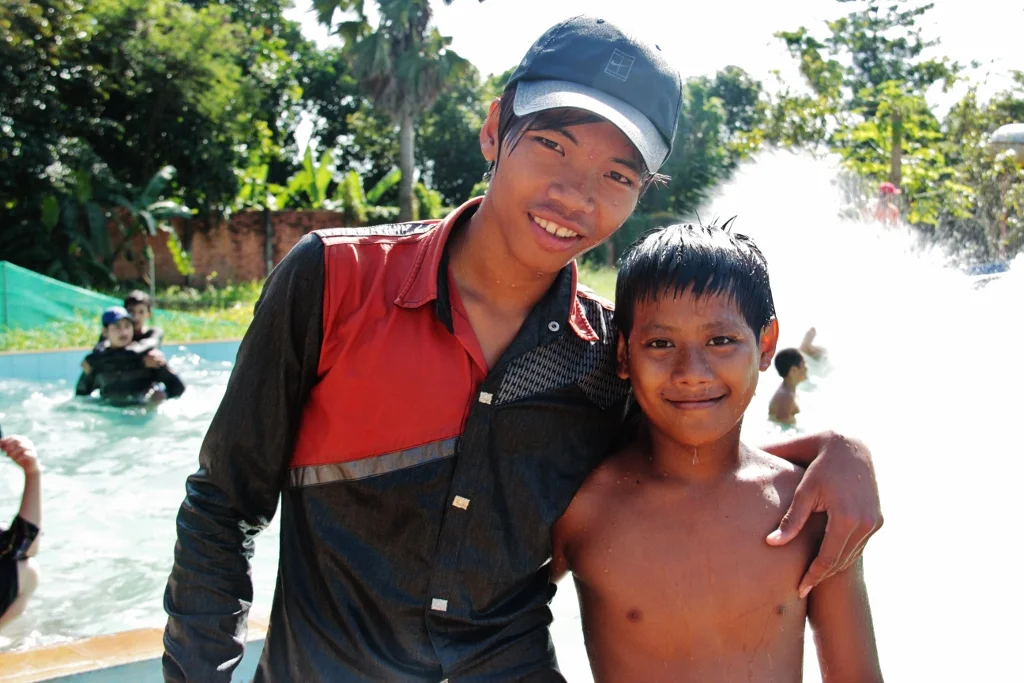
Phea and Virek swimming at a local water park.
As his little brother, Phea chose a boy named Virek who had sometimes accompanied him collecting rubbish to sell. Virek's father died years ago, and his mother is living with a terminal illness. In addition to being very poor, even compared to other families in the slum, her sickness casts a stigma over her and her children. They stay with Virek's grandmother just up the alley from where Phea lives.
Having faced rejection, Phea knew Virek needed encouragement. Just around the corner from Virek's home is an Internet cafe where some boys gather who have dropped out of school. They work the streets a few hours each day and spend what money they earn or steal on video games, alcohol, and other diversions.
Life is hard in the slum, but it's most dangerous when youth lose hope and stop trying.
Through Phea's friendship and support, Virek returned to school. Now he is studying in the eighth grade. Though it's uncomfortable for him to talk about the future, he thinks about becoming a teacher.
So who really connects with the poorest of the poor?
Foreign workers, volunteers, and organizations are almost always on the outside looking in. Even local organizations are located, funded, and led from outside the places where the poorest of the poor live.
Virek is sensitive and reserved. His emotions are hidden. He's vulnerable and knows it. His story comes out slowly in two or three word phrases. I can imagine a foreign worker or volunteer being drawn to Virek, trying to unearth his mysteries, and coaxing out a smile or two.
Phea knows what goes on behind the smile. He knows the hurt. He connects deeply with Virek because he is alongside of Virek in every way.
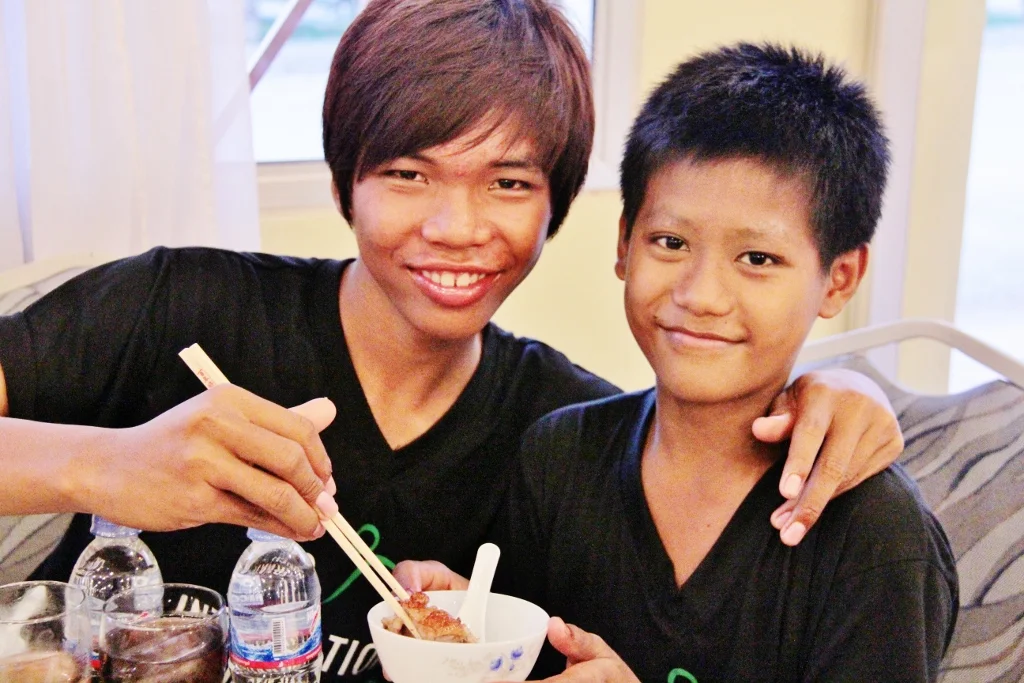
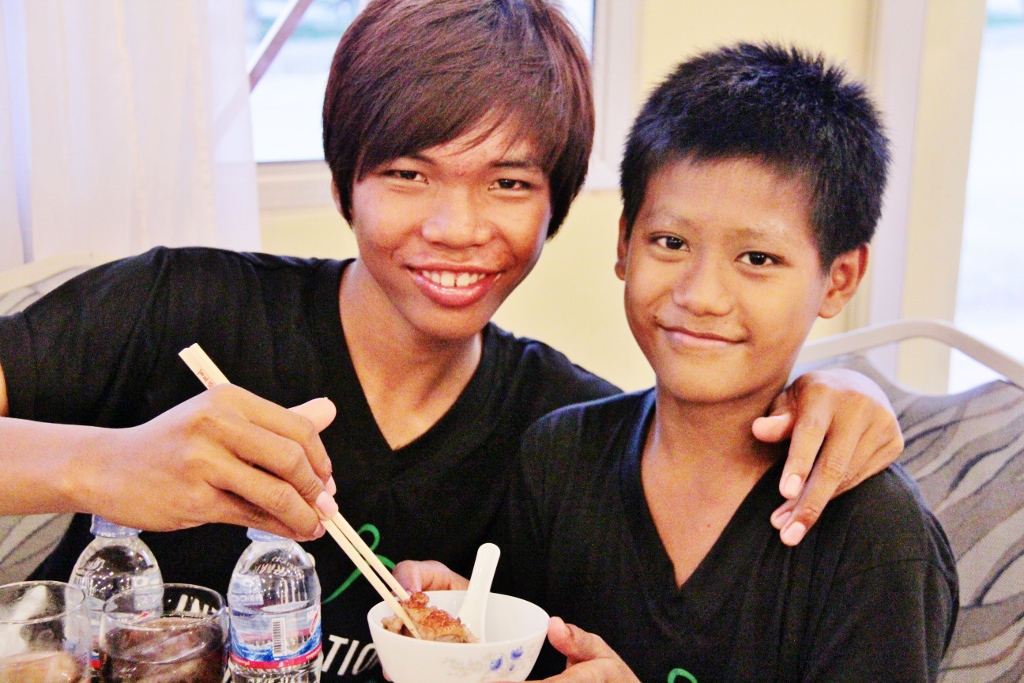
Phea and Virek enjoying a meal together.
Here at Alongsiders we say, "It takes a spider to repair it's own web."
The poorest of the poor are uniquely situated to connect with and support each other. They "get it" where others don't.
Sadly, there are divisions among the poor themselves: fault lines of mistrust, power, and fear. So the poor often feel alone and isolated even in their own communities.
Alongsider mentors like Phea are crossing those lines.
They connect with the poorest of the poor.
And they are not just connecting with their little brothers and sisters. They are connecting with families and building bridges of trust within their communities so that others can follow.
Cambodian artist, Bou Puthida, joins Alongsiders
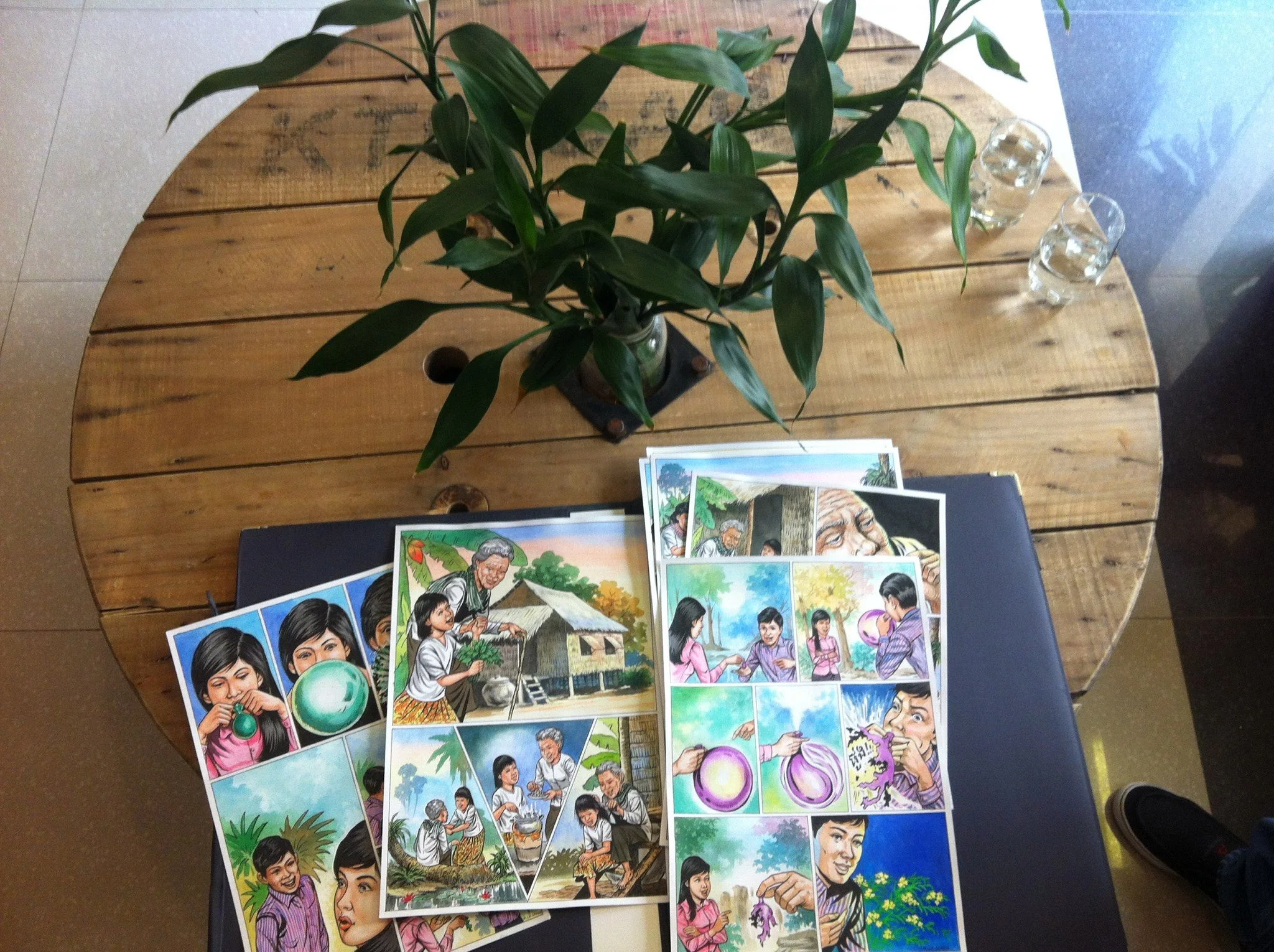
Alongsiders has made a key appointment within our Comic book Curriculum Development team.
Alongsiders International is pleased to announce the appointment of up and coming young Cambodian artist, Bou Puthida, to a key position within our Comic book Curriculum Development team.
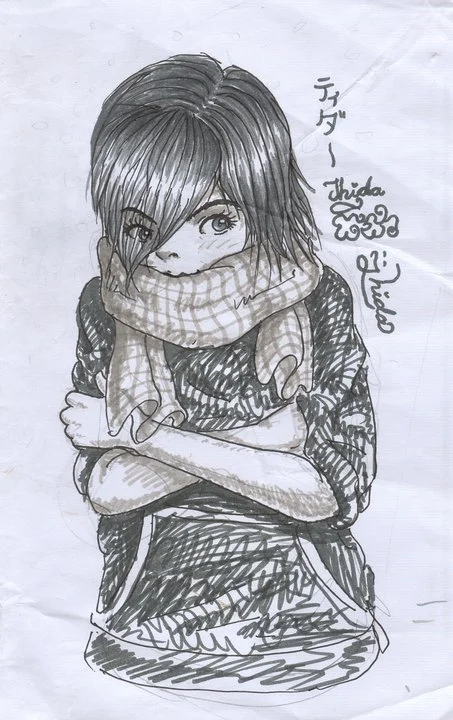
Sketch by Bou Puthida
A graduate of Yamada School of Art, Puthida specializes in manga (Japanese style comics). Her award-winning work has been recognized by the Japanese Government.
Puthida's established talent as a sketch artist and her growing skills in computer-based design and animation are an amazing fit for this team and the comic-book curriculum they produce.
Puthida also brings her strong faith and love for children to this role. She previously worked closely with children at Hope International School and can speak three languages: Khmer, English and Japanese.
We welcome Puthida to the team this week and look forward to her contribution to the wider movement for vulnerable children.
Read more about the rest of the Alongsiders Team here.
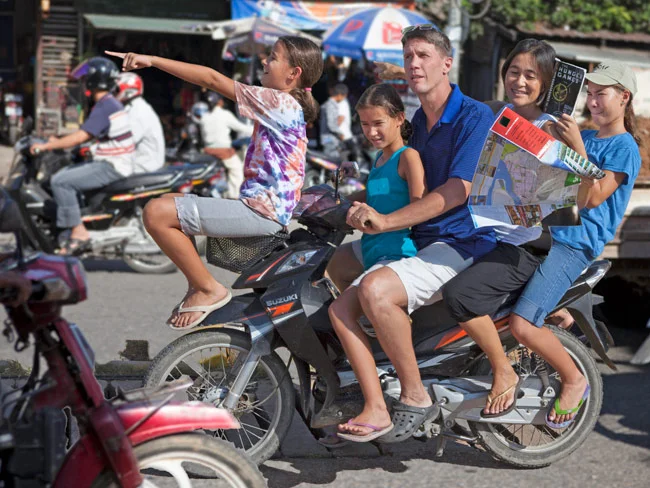
Comic book curriculum now has Japanese connection
The folks who create our amazing comic book lessons have a new leader.
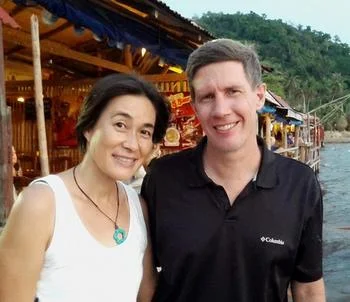
The Alongsiders International team is excited to announce the appointment of Hitomi and Andy Gray, who have joined our team based in Phnom Penh, Cambodia to work from our head office.
Hitomi holds a PhD from Fuller in the field of contextualized theological education and will be bringing her immense experience and wisdom to head up our Curriculum Development team (the folks who create our amazing comic book lessons).
Andy is a gifted wordsmith and photographer who has been the chief Editor and writer behind the orphan-care website, UnitingForChildren.org. Andy will continue to use his talents to benefit vulnerable children, as a scribe and storyteller for the Alongsiders movement.
Together, Andy and Hitomi have three daughters. They met in the US but have spent many years raising their family and ministering in Japan and Cambodia. More recently, Andy has worked in Cambodia helping young people transition from orphanages to living in the community. He loves cooking food from scratch and every time he visits his hometown in the US, he returns with bags of dried green chile powder for making New Mexican enchiladas and green chile stew.
Hitomi, a native of Japan, grew up in both Japan and the US. Her vocational focus has been education, curriculum design and creative inner healing work - including developing contextualized materials for Cambodian youth. Hitomi swam competitively growing up and loves to be in water. Her favorite memories are swimming with a pod of wild dolphins in Hawaii and sitting in outdoor hot springs in her Japanese hometown.
We welcome Andy and Hitomi to the team and look forward to their contribution to the wider movement for vulnerable children.
Read more about the rest of the Alongsiders Team here.
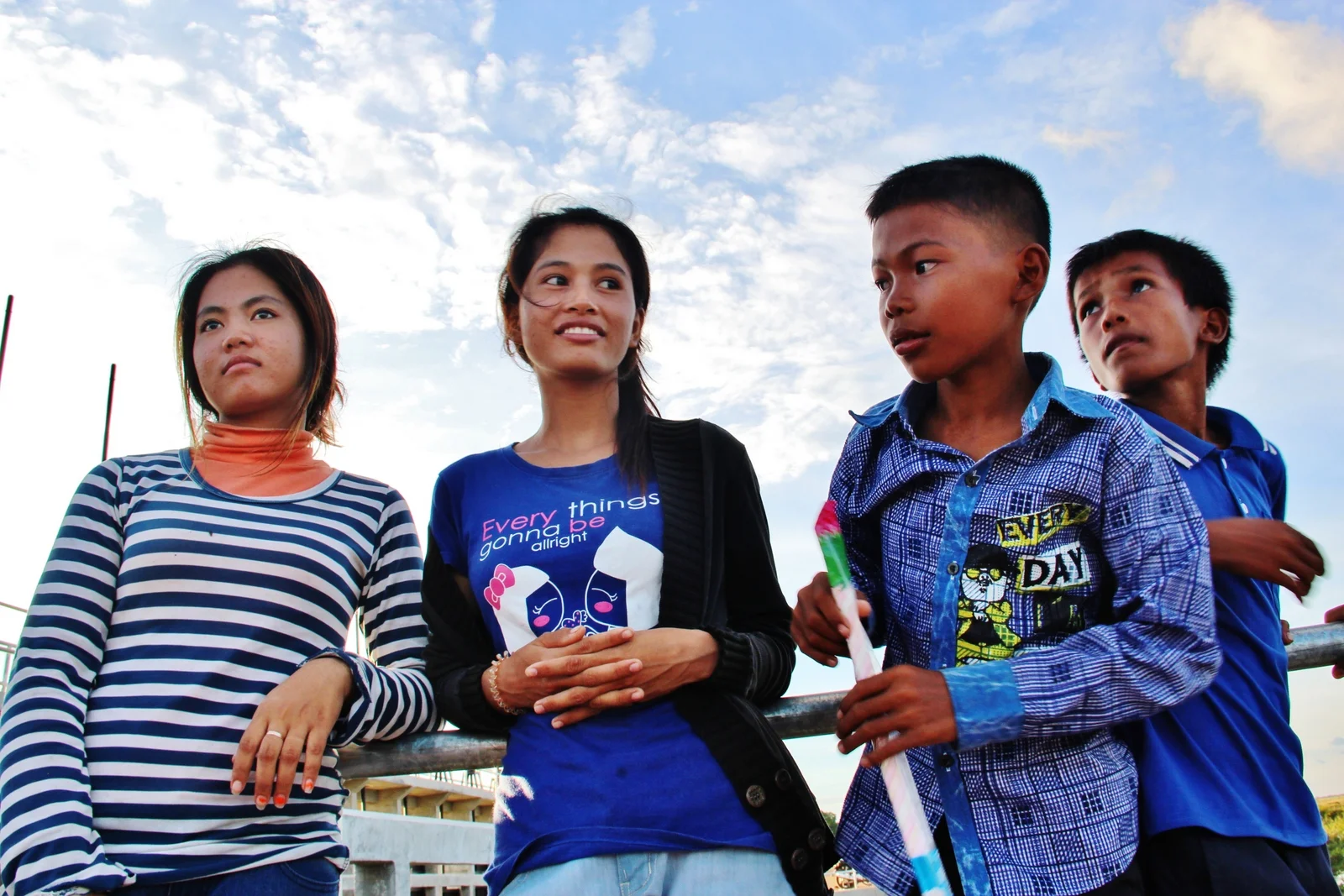
Why young people leave the church...it's not what you think.
Sure, young Americans are leaving the church, but young people in the developing world face very different pressures and challenges to their faith.
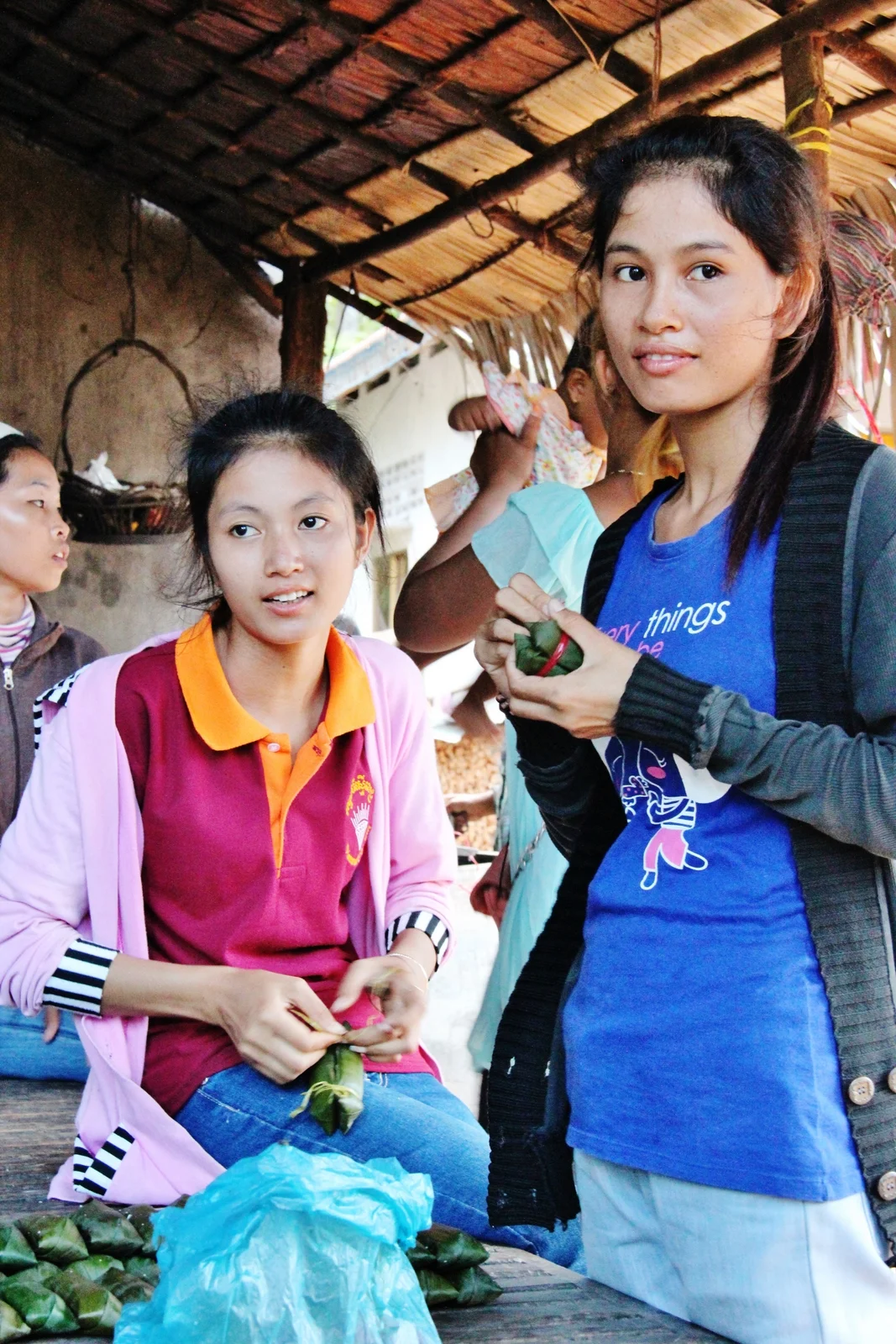
Statistics from North America suggest that large numbers of young people leave the church once they go to university. Some researchers estimate that between 61 and 88% of Christian youth in the United States leave the church in their early 20's.
(eg. "Barna study in 2006 -- "Most Twentysomethings Put Christianity on the Shelf...")
But young people in the developing world face very different pressures and challenges to their faith.
For many, those pressures are economic. They need to move far away from family and friends, and their church home, in order to seek work to support their impoverished families. Usually, that work will be low-paid with long hours - often 7 days a week - leaving no opportunity for fellowship with other believers.
One of our Cambodian Alongsiders, Bunhak, moved from his home town to Phnom Penh in search of work and study opportunities. Bunhak eventually found work at a fastfood restaurant. Long hours and a salary of around USD$80 a month, meant that Bunhak spent almost every waking hour either working or studying. There was little opportunity even to find local Christians in this big unfamiliar city, let alone join a church.
Urbanization is impacting developing nations all over the world, as young people - with fewer ties or responsibilities - move to the cities seeking economic opportunities. For many, this is a positive experience. But for others it can be disorienting, discouraging and even dangerous.
Alongsiders is seeking to learn more about their experiences and find ways to connect them into local churches on arrival in the city. With our wide network of partner churches - both rural and urban - we are uniquely placed to connect rural youth with local churches once they move to an urban center.
Alongsiders: the movement spreads
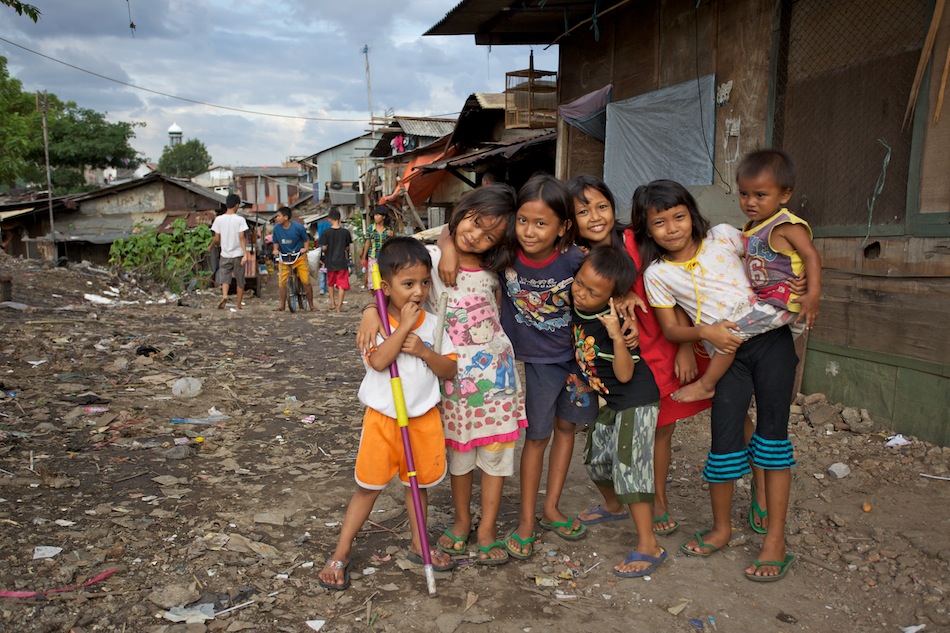
In the past month, we have signed partnership agreements for two of the largest countries in Asia.
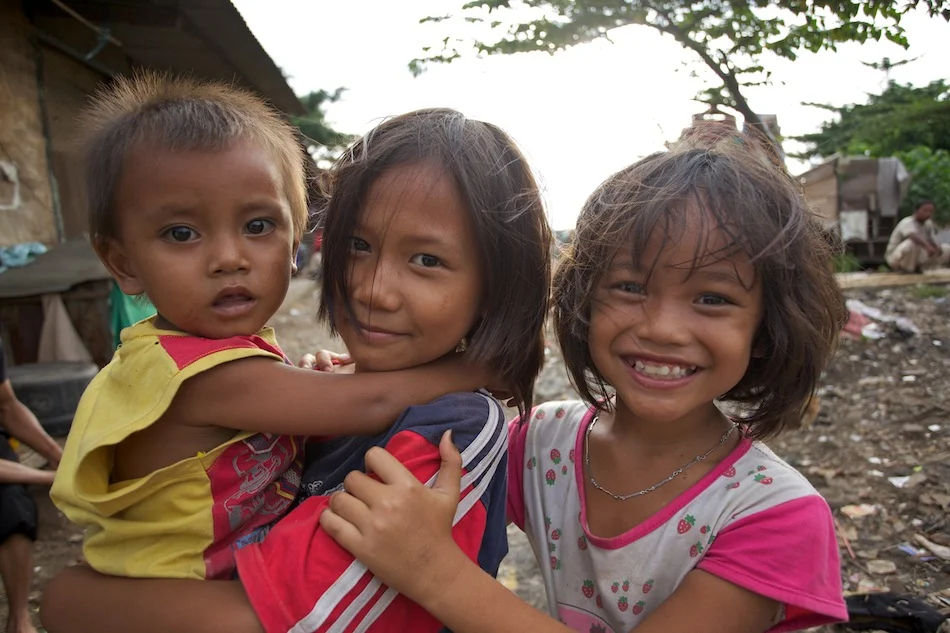
Children in an Indonesian slum.
In the past month, we have signed partnership agreements for two of the largest countries in Asia: Indonesia and India - representing hundreds of millions of vulnerable children that need love, mentoring, discipleship and encouragement.
Our strategy is to partner with large church networks in each country, so that the movement is "owned" and run by local Christian leaders.
So, rather than coming in as a foreign NGO, setting up administrative offices, hiring administrative staff and building an infrastructure from ground up, - we partner and we come in under local leadership.
This is pretty core to our strategy.
You see, it takes a spider to repair its own web.
And it is going to take local Christians to transform these nations.
Our role is to walk alongside those who walk alongside.
Join us in praying for these movements as we begin to lay the foundations to equip one generation to reach the next.
[Photo credit: Christin Gilbert]
No-one ever washes a rental car
Seth Godin points out that no-one ever bothers to wash a rental car. The reason why is of critical importance to Alongsiders.
Seth Godin points out that no-one ever bothers to wash a rental car. Why? Because there's no sense of ownership. And a sense of ownership is required in order for someone to go the extra mile.
In Alongsiders, we are serious about fostering a sense of ownership amongst those in the movement. It's not just lip-service. We build it in from the ground up.
Here is one of the key ways we try to do that:
Alongsider mentors choose their own little brother or little sister.
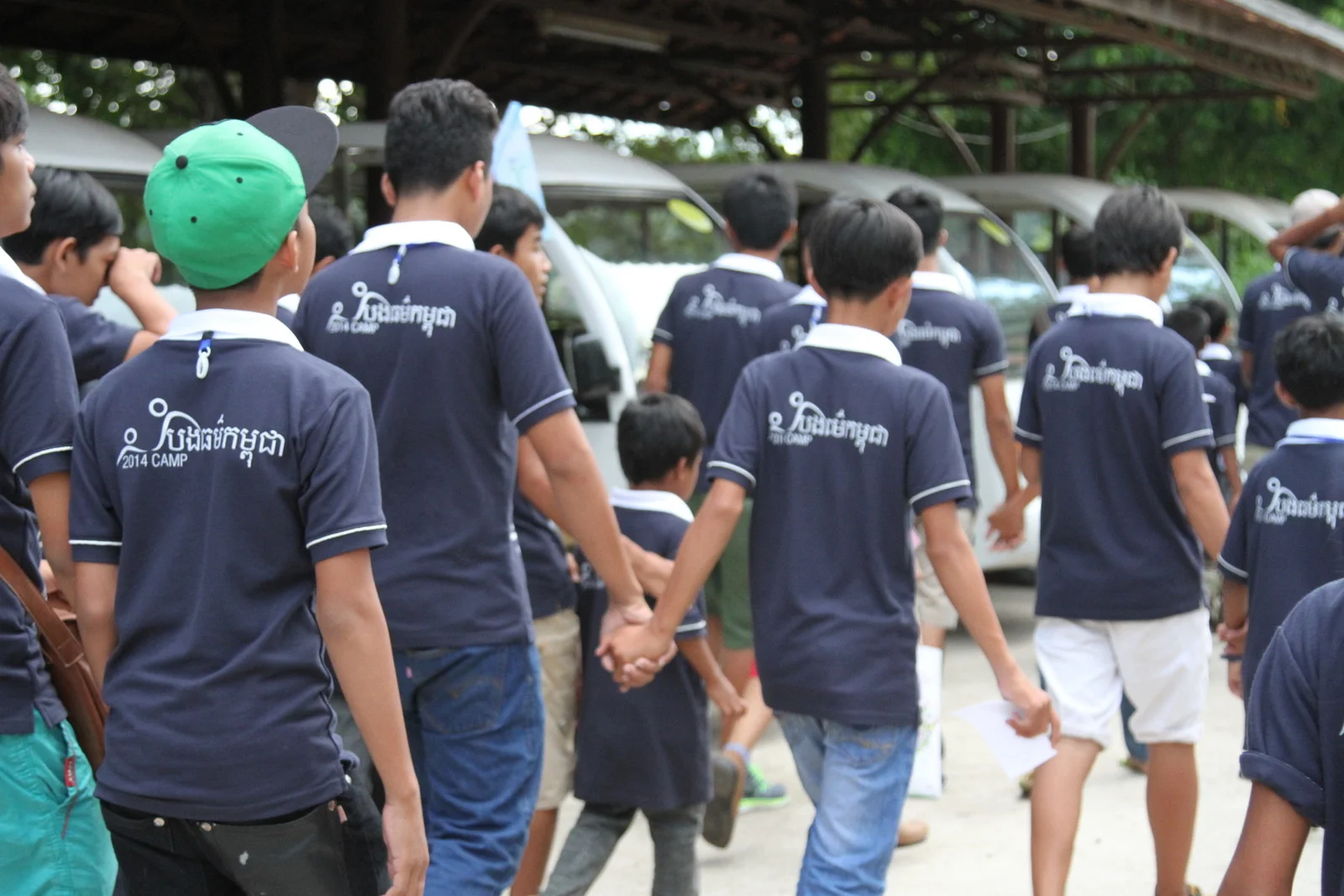
Rather than matching up mentors with kids that have been previously selected by some outside group or organization, the Alongsider mentors themselves prayerfully discern which child they will personally walk alongside. They select a vulnerable child from nearby their own house, in the same community. For some, this is a several months-long process of discernment.
And the result? Alongsider mentors are more likely to take the relationship seriously, have a sense of ownership of that relationship, and go the extra mile. We have some mentors who have been faithfully walking alongside their little brother or sister for more than a decade.
Cambodians have a proverb - it takes a spider to repair its own web. In other words, it is going to take insiders to transform a society.
In order to be motivated to work for this kind of deep transformation, those insiders need to own the work. They need to lead the charge. They need to have a sense that they are responsible for the change that needs to take place. They need to deeply commit. And that only happens when they are given ownership.
But here's the catch. Empowering young people, giving them ownership, means having less control. And this is the core issue we have to face in our movements and organizations. Sure, we want to empower and give ownership. BUT....
...are we willing to give up control?
No-one ever washes a rental car. No-one pours out their heart and soul for something they don't truly have a sense of ownership or responsibility for.
So which path will you choose?
Control or transformation?
Key appointment in drive to do short term mission differently
Short term mission is broken. Its time for a change, and we know just the person to help.
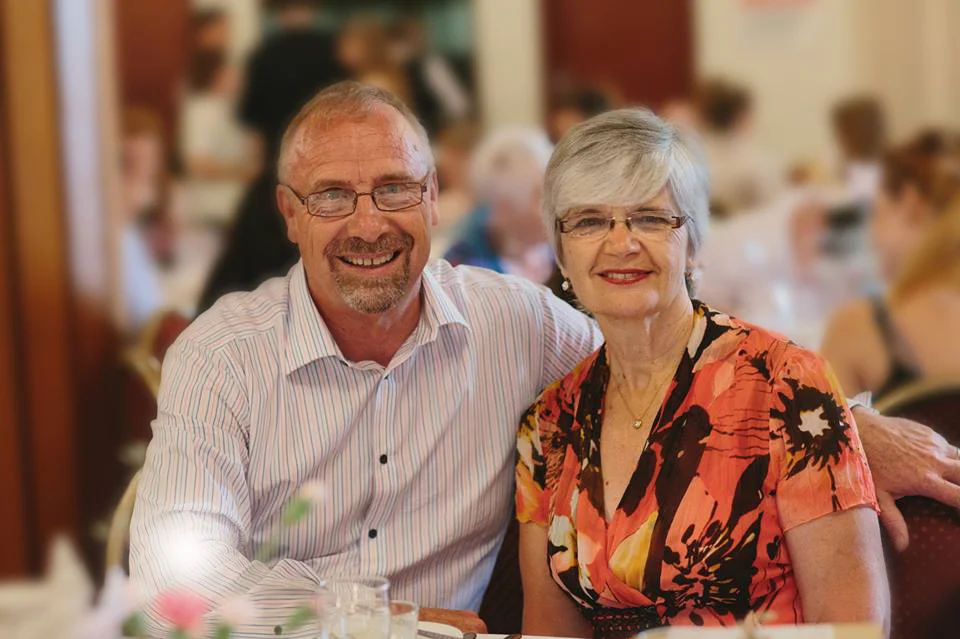
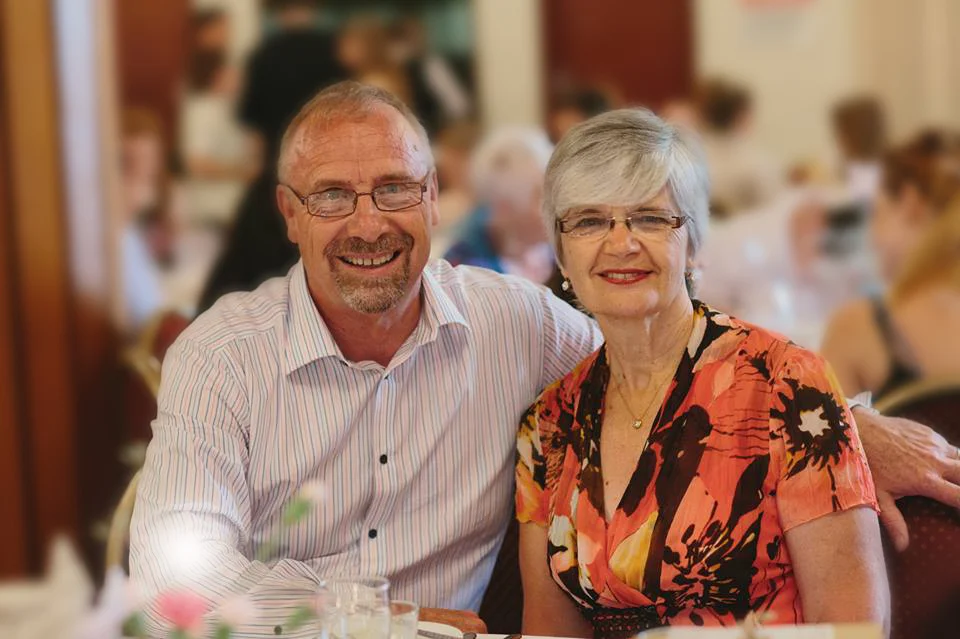
Andrew and Janice Collins
The Alongsiders International team is excited to welcome Andrew and Janice Collins, who will be relocating to Phnom Penh, Cambodia to work from our head office.
Andrew is a sought after trainer of short term mission groups - bringing insight and wisdom from his 17 years of service as the Australian Director of International Teams. He has consulted with churches all over Australia and beyond, helping Christians engage with the poor in more meaningful and sustainable ways.
Andrew will work closely with church partners and supporters from outside the developing world, to help them engage with the Alongsiders movement and journey deeper in their faith and engagement with poverty and justice issues.
An outdoorsman, he is a keen cyclist and walked 800km across Spain in 2008 on El Camino (a world famous pilgrimage). Andrew is also a fine cook, loves blue cheese, and is known for his delicious pancakes.
Janice Collins also brings a great deal of experience and giftedness to the team. A gifted administrator, Janice has served in government, seminary and more recently missions, leading International Teams in Australia after Andrew stepped down.
Janice is known for being efficient and focused, but beneath that is a heart of growing engagement with God's unceasing love. She is a wife, mother and grandmother of three (Harrison, Immanuel and Jemima). Janice enjoys walking, classical music - and a good cup of strong coffee.
We welcome Andrew and Janice to the team in August and look forward to their service to the wider movement.
Movement vs Monument - which one are you building?
Alongsiders has a different DNA. That's why we shy away from terms like "charity" or "non-profit" or even "ministry". But what makes us a movement?
Alongsiders has a different DNA. That's why we shy away from terms like "charity" or "non-profit" or even "ministry". Every aspect of what we do is designed to be more Movement than Monument. This is not just clever rhetoric, but impacts everything we do.
Here are a few ways this plays out:
Goal
The goal of a Monument is to entertain a larger audience and pull a bigger crowd. The goal of a Movement is to equip an army of people. The former places the emphasis and spotlight on the organization. The latter places the emphasis on what God is doing in people, especially the poorest.
Influence
A Monument is about more people hearing OUR message. The Alongsiders movement, in contrast, is about more people being heard. It's about vulnerable children having a voice and being listened to, knowing they are loved, cherished and valued by God.
Leadership
A Monument seeks to ordain a select few - the elites, the gifted, the special ones - Leaders! The Alongsiders movement, in contrast, works to ordain and empower the ordinary masses, believing that everyone has something to offer - even the poorest, the least educated, especially the ones who have been labelled "victims".
Growth
A Monument grows through better, more efficient and clever programming. It is primarily organizational growth. A Movement grows organically, because it seeks to inspire better DNA in each person. A Monument grows through steady addition. A Movement grows exponentially through multiplication.
Control
Monuments seek to maintain order and control the outcomes. Movements value order and structure but do not seek to control the outcome. Authority in a Monument is delegated from the top. In a Movement, authority is delegated out toward the margins.
Style
In a Monument, complexity secures the organization's place at the center of things. The organization specializes in order to become indispensable. In contrast, a Movement is simple yet profound. It can be easily understood and easily replicated by anyone - yet the impact is deep and long-lasting.
Training
A Monument relies on inspiring teaching events to train people. The Alongsiders movement seeks to empower everyone to be a trainer in different contexts, learning as they themselves teach others.
Results
The end result of a monument is dependence. The fruit of a true movement is empowerment.
So, which are you investing in? Are you building a monument or a movement?

Here comes the Youth Bulge
Across the developing world, there is a demographic explosion – a population bulge of children and youth and it's changing the world we live in.
Across the developing world, there is a demographic explosion – a population bulge of children and youth. In fact, 90% of the world’s youth live in developing nations. Meanwhile, the Western world faces declining populations in many places. The Western world's population bulge is edging its way towards retirement – battling a different kind of bulge, of the stomach variety.
Check out this amazing map which shows how the world's population is distributed:
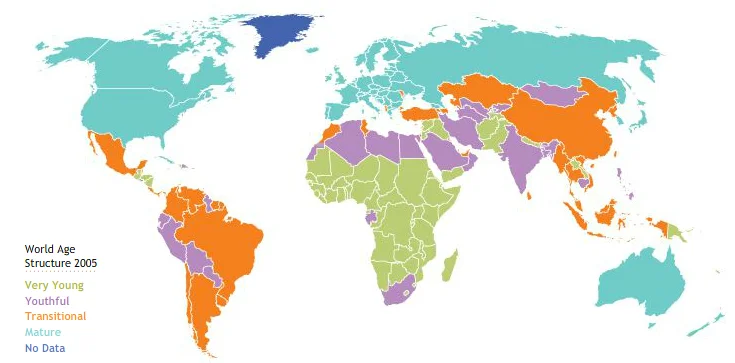
The Baby Boomers of North America and Europe reached young adulthood in the 60’s and 70’s, fomenting an era of societal upheaval and change. Unlike the developing world though, the Boomers came of age in a context of relative affluence and stability. Their youthful angst could be worked out with peace pipes and coffee house philosophy. Now, as the Western world grows older, the developing world gets younger and more fragile.
In Cambodia, more than two-thirds of the population are under thirty. This “Youth-Bulge” presents multiple challenges in a country still rebuilding after a devastating war that few knew firsthand.
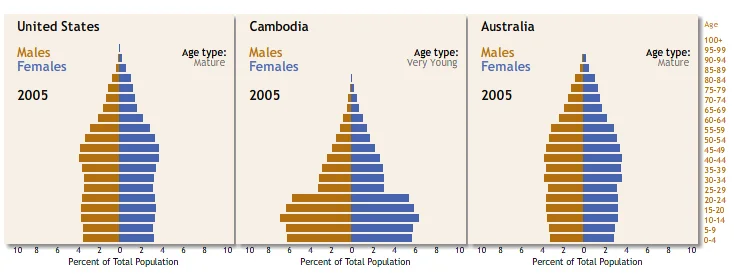
For these young people, there are few jobs, and sociologists link youth bulges in populations to genocides, hotspots of social unrest, war and terrorism. They point out that this tinder-box situation is especially serious in the most fragile nations, where governance is poor and authorities struggle to resolve societal conflicts.
The last few months have seen riots in Thailand, Cambodia and Bangladesh over election fraud and labor issues. These riots and protests are overwhelmingly led by young people.
Across Asia, the poorest countries are the ones with the youngest populations. But, it is sub-Saharan Africa that has youngest populations in the world, coupled with some of the most pressing social issues. 46 countries and territories in the world boast at least 70 percent of the population under the age of thirty. The vast majority of these are found in sub-Saharan Africa.
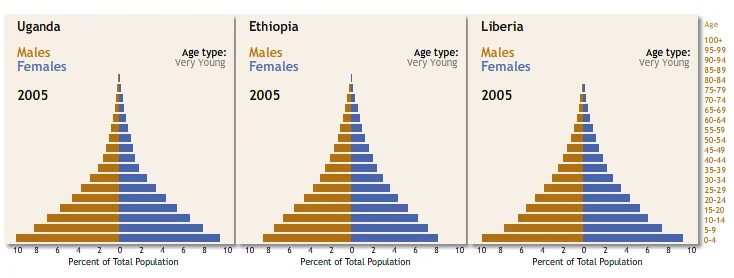
But what if the very ones at risk also, paradoxically, hold the keys to hope and opportunity?
Cambodians say wisely, “Only a spider can repair his own web.” Perhaps some of the answers to this crisis lie within this generation themselves.
What do the youth of the developing world have that could contribute to the transformation of their own impoverished communities?
Thankfully, young adults in the developing world are blessed with a special set of characteristics that could be essential pieces of the puzzle. Here are a few of the unique factors that place them at the forefront of change:
TRIBES
Firstly, young people move in tribes, or close-knit peer groups. The cultures of Asia and Africa tend to be more group-oriented than the individualistic West anyway. But young people who have not yet established their own families are connected to one another in a special way that creates strong bonds – for good or for ill. Amongst Christian youth especially, this interconnectedness is a powerful force that can be tapped into for mutual support and ongoing motivation.
The Alongsiders model fits perfectly with this commitment to tribes by forming groups of 5-12 young Alongsiders who meet together at least monthly for mutual encouragement, prayer and debriefing. [Read more about How we use Peer Pressure].
TIME
Secondly, young people often have extra time on their hands. Their studies and extracurricular activities take up much of their schedule, but commitments to a wife or husband are still on the horizon. They are not typically up all night with a screaming infant. Their level of obligation to family and work is probably at the lowest level in their life until later when they become too old to work. Less responsibility means that our Alongsiders have more capacity to commit to a vulnerable child. They have more time to offer that child and less pressure to look after others.
TECHNOLOGY
Finally, young people everywhere in the world are on the leading edge of adopting new technology. The internet has revolutionalized connectedness and learning. Cell phones are ubiquitous and social media is rapidly transforming the cultural and political landscape. This level of comfort and embrace of technology has the potential to be used for mobilizing and motivating young people in the developing world in the same way as it has grabbed the attention of young people in the West. Alongsiders has seen some success in leveraging that technological edge through social media such as Facebook and Twitter, as well as videos, comics and other other innovative forms of communication.
Together with the youth population bulge, these three assets: tribes, time and technology, present a unique opportunity. Alongsiders is committed to equipping these young people to be agents of transformation in their own communities.
Alongsiders in Thailand?
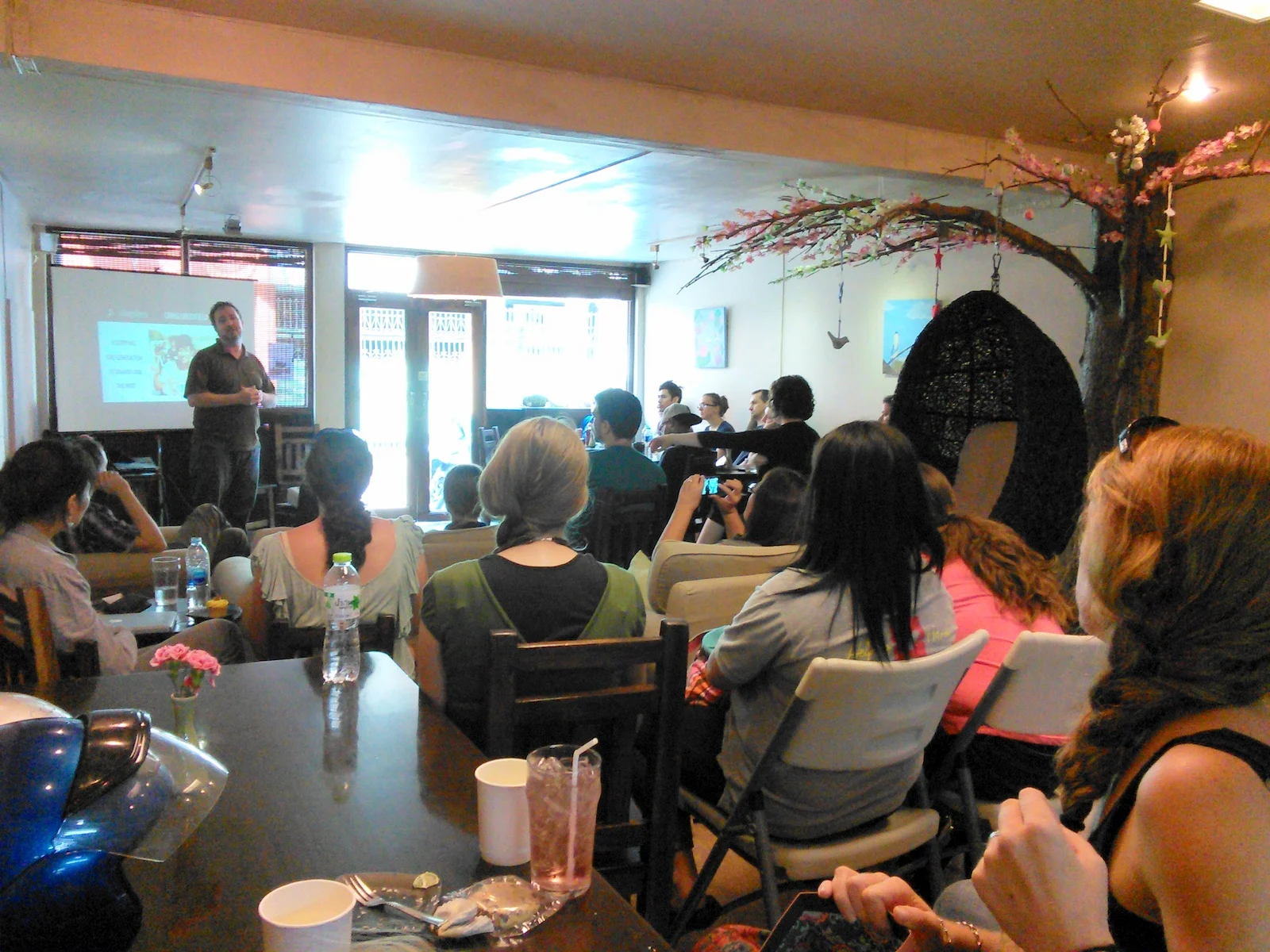
Earlier this week about 30 people gathered in a little cafe down a side street in the center of Thailand's bustling capital city, Bangkok.
Earlier this week about 30 people gathered in a little cafe down a side street in the center of Thailand's bustling capital city, Bangkok.
Alongsiders Founder and International Director, Craig Greenfield, shared statistics and stories about the rising numbers of struggling young people in the developing world. A demographic phenomenon dubbed the Youth Bulge, which is causing unrest all over the world.
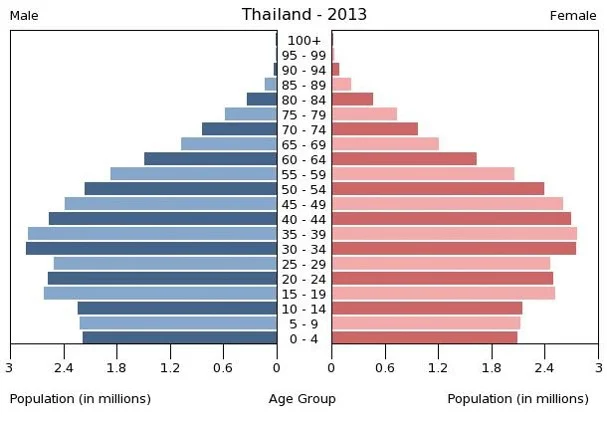
In fact, sociologists contend that countries with a Youth Bulge are FOUR TIMES more likely to erupt in civil war, than countries with an older or more evenly dispersed population.
In recent months, Thailand, like neighboring countries Cambodia and Bangladesh, and other developing countries around the world with young populations, has experienced a great deal of political unrest.
But what others see as a problem, Alongsiders International has long considered an opportunity. Churches in countries like Thailand often have disproportionate numbers of young people. We believe these young Thai Christians will be on the forefront of a movement for transformation in their own communities. But they need training, equipping and empowering.
Alongsiders does not seek to set up an "Alongsiders office" in Thailand, or other countries. But rather to partner with a local denomination or church network and work together with them to train up young people in Thai churches.
The meeting in Thailand was a gathering in advance of our one-day Thai church leaders workshop on May 31st. Our thanks go out to Step Ahead Thailand, for hosting and coordinating these meetings.
Please pray with us for God to guide and open whatever doors are needed, in order to see vulnerable children all over Thailand being welcomed into caring relationships with Alongsider mentors and their churches.
Spiritual transformation starts here
Bob Goff, author of Love Does, likes to say, "No one really gets discipled, they get loved; we learn what we see, not what we only hear about."
Bob Goff, author of Love Does, likes to say, "No one really gets discipled, they get loved; we learn what we see, not what we only hear about."
That's why we're reluctant to reduce the Alongsiders relationship to a study program or a curriculum. Truly it is love. And this love inevitably bears spiritual fruit. For if we experience another person loving us, then we are better able to understand that there is a God who loves us too.
‘My Alongsider showed me so much love when she comforted me when my parents were angry with me’. - Little Sister, Takeo Province
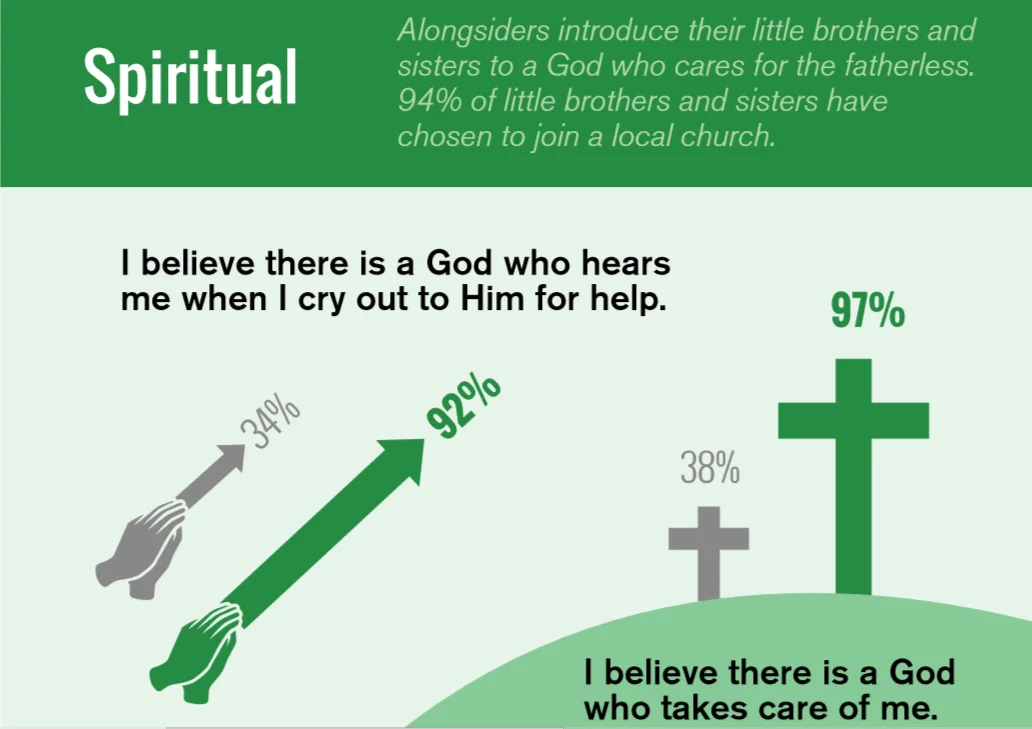
Recently, we asked our little brothers and sisters a few questions about their faith, and we asked questions of a control group as well. All up - we interviewed over 330 young people.
The study results show that something encouraging is stirring within the hearts of hundreds of little brothers and sisters across Cambodia. There is not only emotional, social and educational impact. There is spiritual growth too:

So how does it work? How does spiritual transformation begin?
Alongsider mentors are especially motivated to reach out to children who are neglected, orphaned and struggling. Such children typically experience feelings of hopelessness, abandonment and rejection.
As a relationship with their mentor develops, they are welcomed into the church family. In fact, 94% of our little brothers and sisters freely choose to become part of the local church. Through that loving community they gain a crucial support network and sense of belonging.
They learn that God loves them. And they begin to experience spiritual transformation.
Jesus taught us to welcome children into our midst. And he showed us the way to disciple and mentor others - by spending lots of time together, walking, talking and eating together. His methods of discipleship were not merely dry academic study. Instead, Jesus shared life with his disciples. They laughed, cried and ministered together.
Through the example of their Alongsider mentors, hundreds of children are experiencing that radical welcome and responding with joy. They understand that they are cared for and loved by God, both day-to-day and forever. They know that they are not alone. Because someone walks alongside them, Jesus-style.
[Research results mentioned above come from the Alongsiders Impact Assessment 2013. ]
Building schools is not enough...
How can vulnerable children escape their circumstances? If education is the key, why is building schools not enough?
How can vulnerable children escape their circumstances?
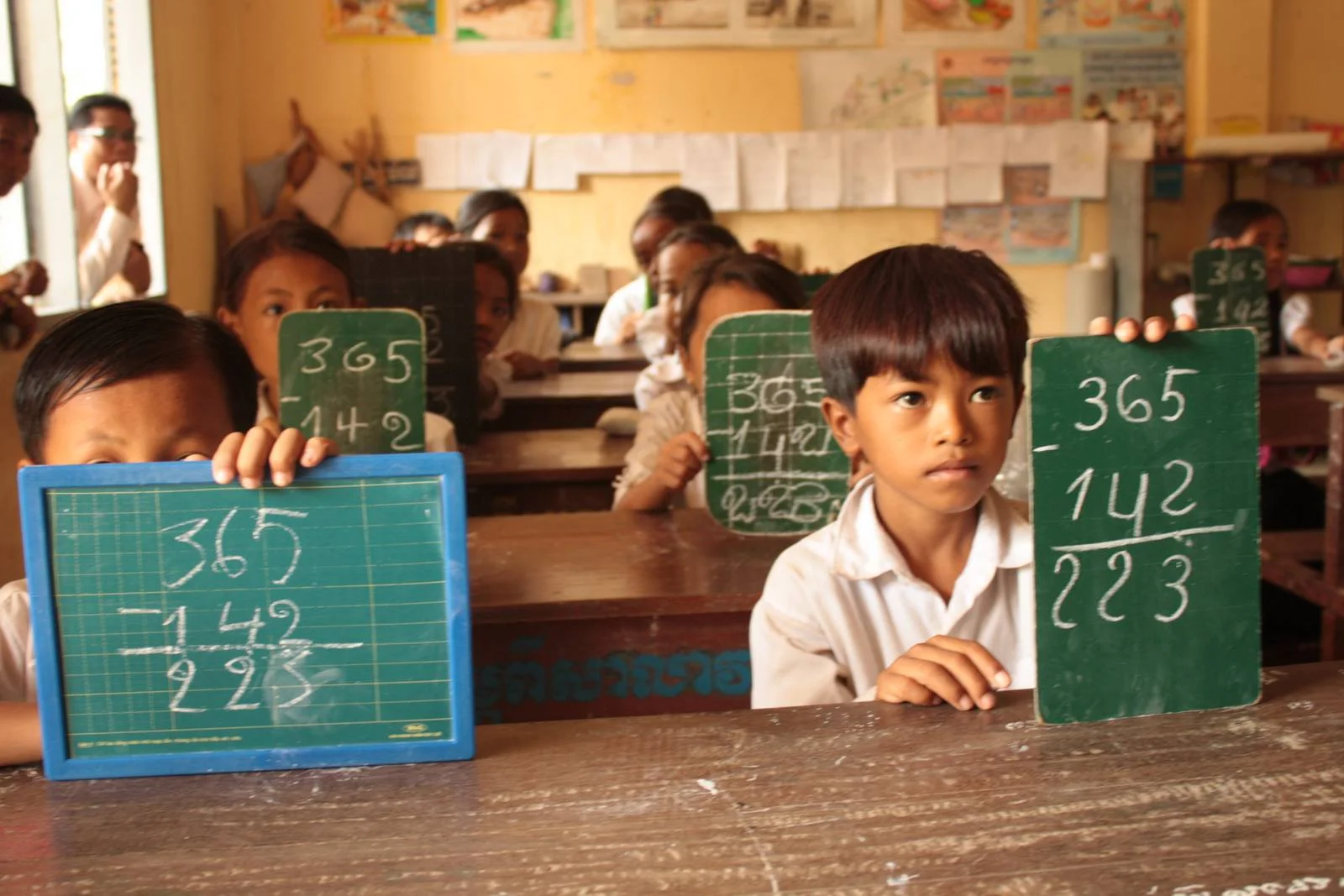
Education is one of the keys to helping children escape poverty. But if children are not supported, education can’t do anything. Even when schools are built and teachers provided, too many children end up working for their families instead of going to school.
But across Cambodia, we’re seeing something happen - young people called Alongsiders who are choosing to walk with vulnerable children and help them stay in school.
‘My parents cannot read, so I ask my Alongsider for help with my lessons and homework’ - Little brother, Takeo Province
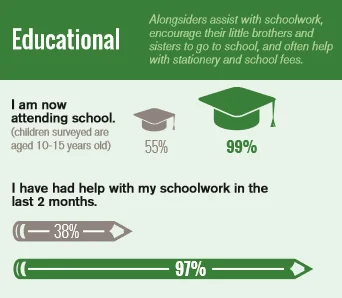
These Alongsiders offer them the help and hope that comes from knowing exactly what it’s like to grow up in such vulnerability - help with homework, encouragement to persevere in school, chatting informally with parents about the importance of education.
It’s a kind of support that an outsider could never offer.
We decided to find out how much of an impact these Alongsiders were having in Cambodia, and the results were exciting.
An independent research group asked several groups of little brothers and sisters about their lives - and asked the same question of children without Alongsiders (the ‘control group’). In total they surveyed 333 young people.
You can see the results for yourself in the accompanying infographic.
It’s not rocket science - it’s just young people in slum communities helping children like them, with their own resources. All we have to do is bring them together and support them while they make a difference.
[Written by David Burton. All these statistics come from the Alongsiders Impact Assessment. You can download the whole report here.]
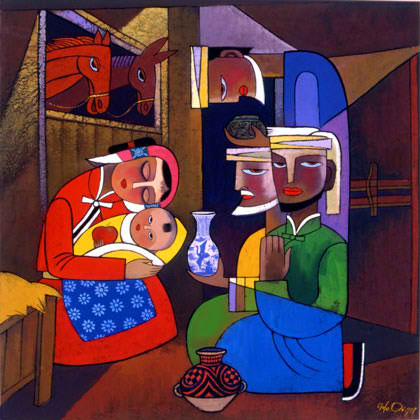
Christmas - in solidarity with vulnerable children
What might it mean that the All-Powerful God chose to become the All-Vulnerable God?
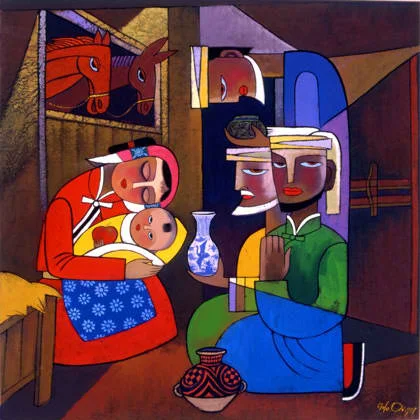
What might it mean that the All-Powerful God chose to become the All-Vulnerable God?
Jesus - a tiny child, born on the margins of society, in a stinking wooden shack, populated by animals, became a refugee, fleeing for his life from an unjust leader.
Jesus - chose to be born in solidarity with the most vulnerable amongst us, children on the edges, fighting for their lives.
This is the Jesus we serve and the one we follow. This is the Jesus who said whatever you do for the least of these, you do for me. Or in other words, whenever you walk alongside the least of these, you walk alongside me.
Across the developing world, vulnerable children will face Christmas day as a day like any other. A day where they live on the edges of society - in slums and rural villages, because there is no room for them in the booming economies of the affluent cities.
As we celebrate the unusual birth of Jesus, let's be challenged again by the surprising nature of who he identified with. Let's welcome those who stand alone, into our Christmas celebrations, into our homes and into our families.

Is Alongsiders an organization or a movement?
Alongsiders is different. We are moving beyond the old paradigms in mission and non-profit work. So is Alongsiders an organization (an NGO, charity or non-profit) or is Alongsiders a movement?
Alongsiders is different.
We are moving beyond the old paradigms in mission and non-profit work.
Alongsiders is about the poor and the marginalized reaching out to help their own people, and transform their own communities.
So is Alongsiders an organization (an NGO, charity or non-profit) or is Alongsiders a movement?
Organizations are great at doing research, making plans and policies, developing resources, implementing projects and evaluating impact. Donors like to fund organizations. They are safe and stable. Well planned. Controlled. Professional.

Social movements are messier! They are the tools of those with little power. They are reliant on inspiration, and are transformational rather than transactional. They can be movements that are inspired by the Spirit at work in people's hearts.
People give their lives for movements. They can spark revolutions (like the civil rights movement) and they can transform nations. They are not safe and they are not easily controlled.
Both organizations and movements are needed.
Both have advantages and disadvantages.
That's why we're pioneering something truly innovative to capture the strengths of each.
In Alongsiders we differentiate between Alongsiders International and the Alongsiders country movements that we are seeing established in each place, such as Alongsiders Cambodia.
Alongsiders International is an organization, registered with the government, with a constitution and bylaws and a bank account. We are grassroots but professional. We research and plan what we do. We exist to support the country movements. We create important resources for them to use. We evaluate impact. We plan and support, equip and train leaders.
We do the important work of helping these movements get started and supporting them as long as they need us.
In contrast, Alongsiders Cambodia is more of a movement (and organizationally separate from Alongsiders International). Every Alongsider is an unpaid volunteer, inspired by God, compassionate, giving up their time and resources to love and walk alongside one vulnerable child. They organize themselves into groups, with a leader they have chosen themselves. They meet together to encourage one another and pray. They spread the word and recruit new Alongsiders themselves.
And the beautiful thing is, if Alongsiders International ceased to exist, the movements would go on. Those amazing relationships between each Alongsider and his or her little brother or sister would continue. Because they are not based on some kind of transactional relationship with an outside organization. They are motivated by love, by the Spirit and by compassion.
This is truly the poor helping the poor, for the Kingdom of God.
Linda's Story
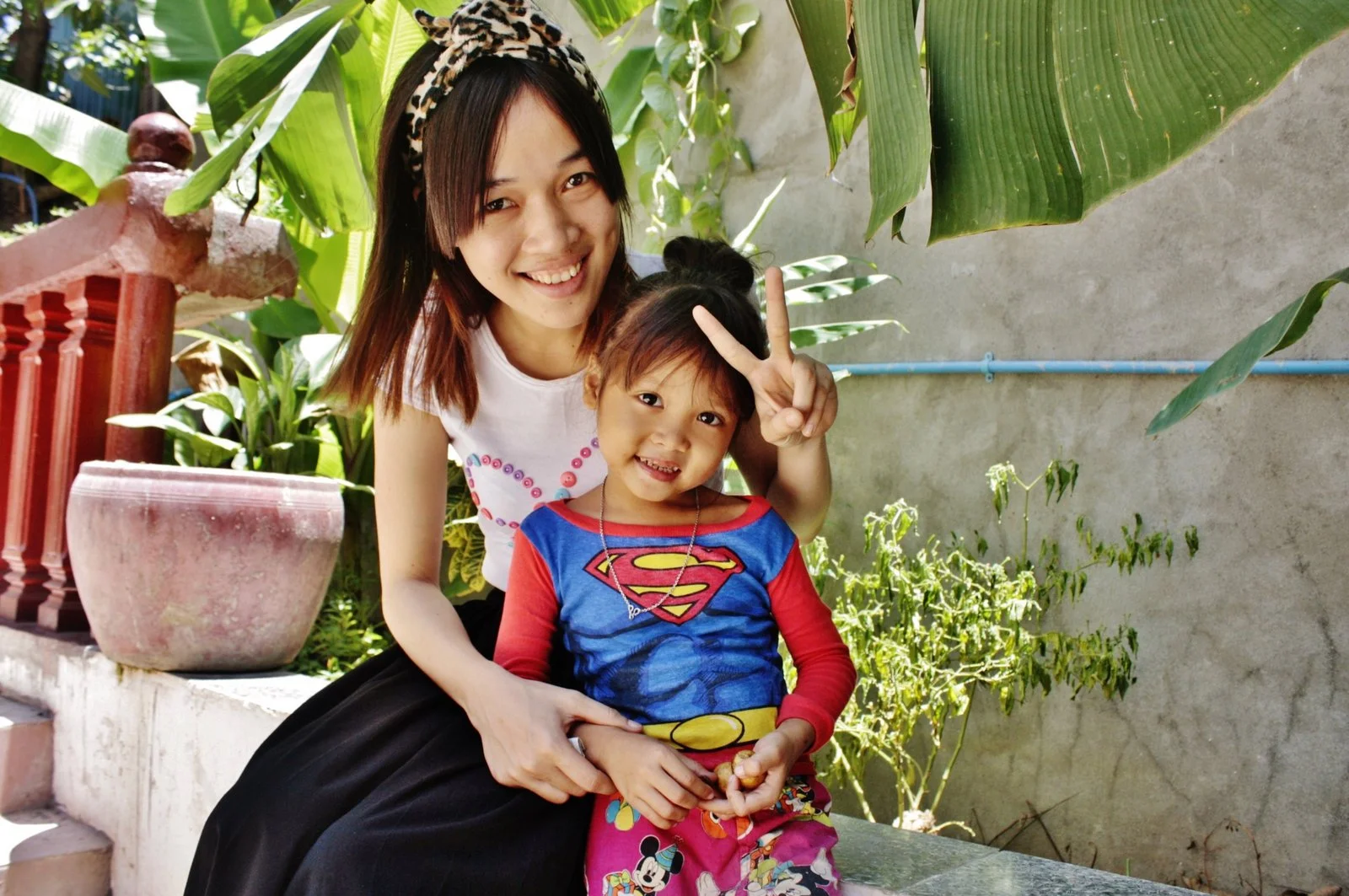
Even before the invitation was made at church that Sunday, Linda Vang knew she needed to be an Alongsider.
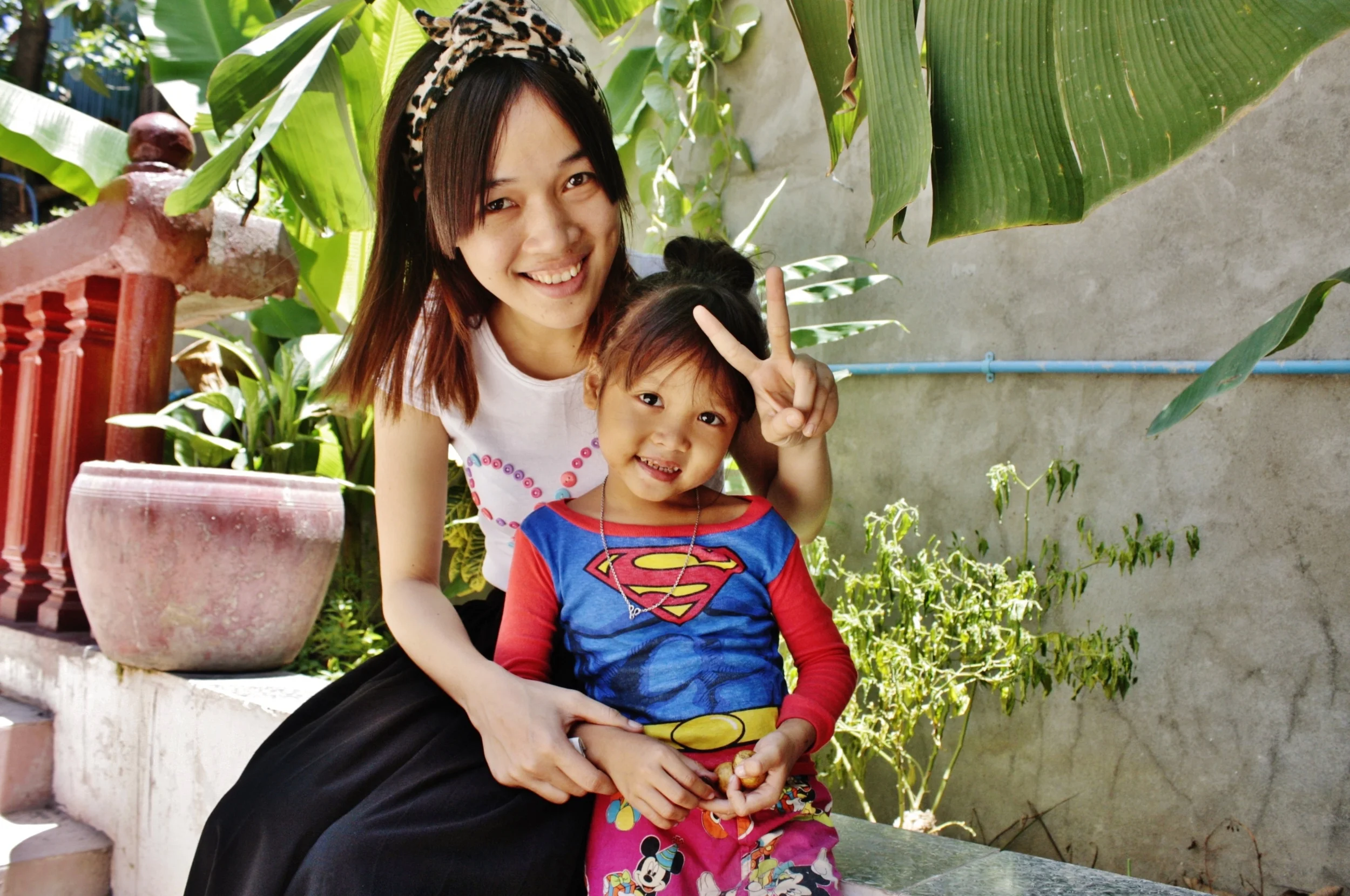
Even before the invitation was made at church that Sunday, Linda Vang knew she needed to be an Alongsider.
For several years, she had watched her older sister, along with other young Christians in the community, mentor younger kids at crucial moments of their lives.
She had also seen the little brothers and sisters slowly learn to trust their Alongsiders over time. Linda longed to be an Alongsider—but she had to wait. She was not yet old enough.
And so wait, Linda did. But not passively. Her heart of compassion led her to teach at the church pre-school, early each morning, which provided a critical option for children in the community to start school, when they could not afford the means to do otherwise.
Now 21, Linda Vang is not only a dependable Alongsider, but also a university student at the nation’s most distinguished Law School.
With an older brother in prison, innocent of the crime for which he has been incarcerated, Linda hopes to play a role in changing Cambodia’s troubled judicial system.
Her brother, Dial, is due to be released this
December. After five years without being together, Dial will come home to a sister that has not simply awaited his
return, but a sister that has actively pursued justice—a sister in training to be
a judge.
I watched as Linda walked down the road, made up of broken crimson bricks,
with 5-year old Gang Ea. Looking at her
little sister as she took her hand, the Alongsider gave Gang Ea a warm smile of
reassurance. Gang Ea— an only child
living with her grandmother and extended family, in a Phnom Penh slum—mimicked
the smile back to Linda. Hand-in-hand, Linda
and Gang Ea walked down the familiar walkway leading out of the church
together.
[Written by Hanna Tzou, interning with Alongsiders in Cambodia.]