
The gift of Christmas you'll want to bring with you into the New Year
The inspiring story of one who was overlooked.
Most of us make a quick switch between Christmas and New Year's Day. From celebrating God's invasion of our world as a baby, we turn to making New Year's plans and resolutions. It's not that there's anything wrong with deciding to exercise, eat better, and pay off the bills. But as we pack away the lights and think about what's next, let's take care not put away God's own gift for us.
In a minute, I want to tell you a short story about an Alongsider and her little sister that will shine a fresh light on the gospel of Christmas.
First, let's think about Christmas in a down-to-earth way.
God was born as a human child in a dark corner of the Roman Empire, in a dirty stable, and his first recorded visitors were not kings or priests, but shepherds and foreign astrologers. Then, threatened with murder by a violent man, the child and his family fled to Egypt, where they were refugees.
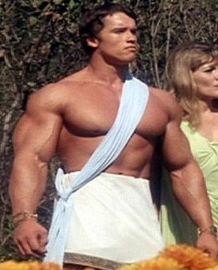
What a God-among-men was supposed to look like
No God (or god) in the history of religion ever became human, or even appeared to be human, in this way: helpless, victimized, poor, and disgraced. The gospel of Christmas is not just that God was born as a human, but how God was born among us.
In the words of one of the first Christian hymns, "He made himself nothing" (Phil. 2:7). God identified with the least, the rejected ones, and the victims of human scapegoating and violence. God didn't just identify with "us sinners" - God actually became one of our rejected and outcast victims.
Now read this story from Jesus' perspective.
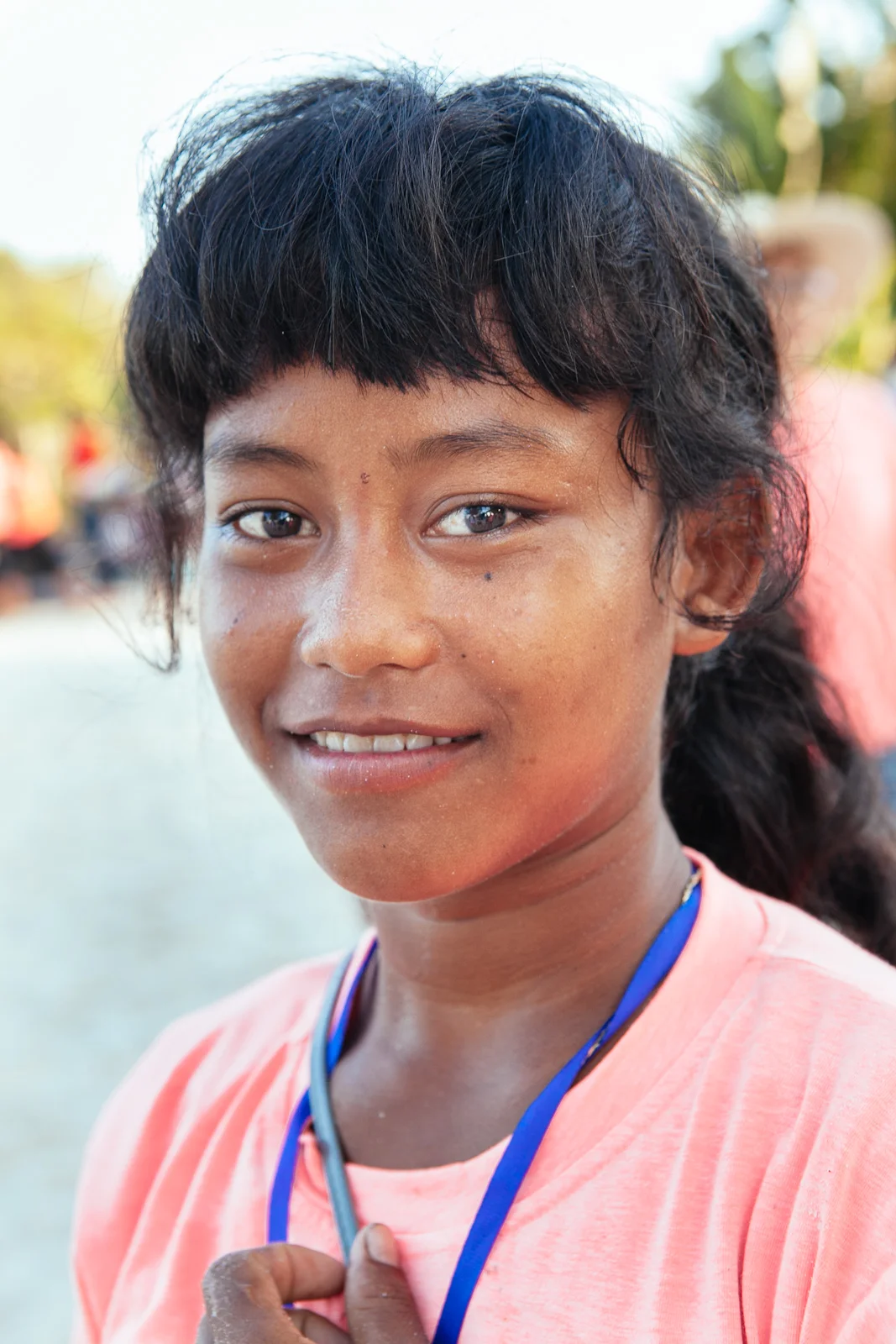
Soklei is from a rural village in Cambodia that you won't find on the map. Her family, it's said, doesn't have much care or love for each other. Maybe that's true, or maybe her father is under too much stress to show it. He makes a living gathering wood in the forest, cutting and bundling the pieces, and selling it as kindling. Since his wife passed away, he has been raising Soklei on his own. They're among the poorest in the village. One of Soklei's siblings is in prison; another works as a housekeeper in Phnom Penh and sometimes sends money.
Though she's fifteen years old, Soklei is just now starting the fifth grade. It's not uncommon for students to fall behind when family life is disrupted, like when a parent dies, but there's another issue in this case. It's not immediately obvious, but Soklei has a mental disability. "She's slow," is the common explanation.
Even in a poor community, those who are "poorest" (economically and in other perceived ways) are rejected. Soklei has a history of being left out and left behind. When the local church formed a group of Alongsiders, the pattern seemed to repeat itself. None of the church youth who became Alongsiders wanted Soklei as a little sister.
It's always a risk choosing to walk alongside a little brother or sister who the community already looks down on. You may come under the same judgement. Plus, tying yourself to someone "slow" might slow you down and make it difficult to reach your own goals. You may even be rejected as well.
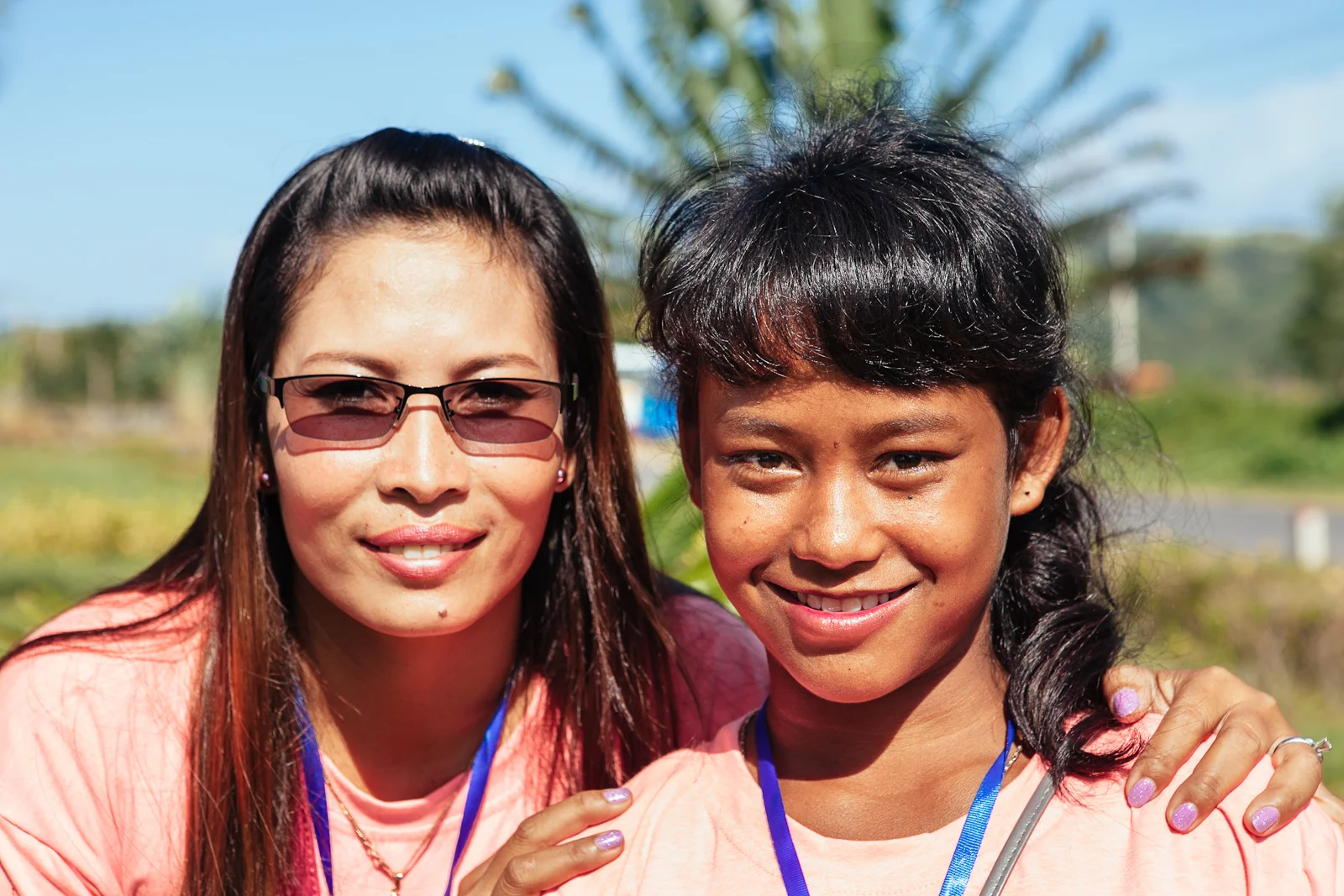
Every Alongsider is still growing and maturing. Fortunately, when the Alongsiders group leader, Chantan, saw that Soklei had been passed over, she chose Soklei for herself. She saw something the others had missed.
At the Alongsiders camp this year, Soklei, sitting beside Chantan, said she didn't feel alone like she did last year. Chantan was smiling, too. She didn't just "do a good thing." She took a risk, and there are costs as a result, but it's changing both of their lives.
In becoming human, God tied himself to us. Slowed down for us. He was disgraced, rejected, and victimized alongside us - and by us.
The good news is that God knows us full well as we are, both our weakness and our violence. Jesus didn't come only to set right our relationships with God. In absorbing our worst and yet forgiving us, he created an opening for us to change the way we relate as humans together: by forgiving and restoring one another.
We can go through that opening now.
When we love and care for our neighbors who are at the ends of their ropes, and cast aside, we get to know Jesus and what he is about.
Jesus said as much in Matthew 25:31-46: those of us who welcome and care for the least (the poor, the outsiders, the disgraced and rejected ones) will know him and be known by him.
Chantan gets it. Please pray for Chantan and Soklei and others like them in the Alongsiders movement, in Cambodia and in a growing list of countries. As you remember them, remember to take this gospel with you into the coming year and act on it.

There is someone who is "least" or "rejected" or "scapegoated" who God has placed as a gift before each of us, probably not far away. He or she could show us who God is and teach us what it means to be human with one another.
Will you open that gift? If you have someone in mind, why not put on your shoes or pick up your phone and take a step right now?
The power of groups
This unique model of working in groups distinguishes Alongsiders from other mentoring programs and reflects the deep commitment we have to building community - a central value for many people in developing world cultures.
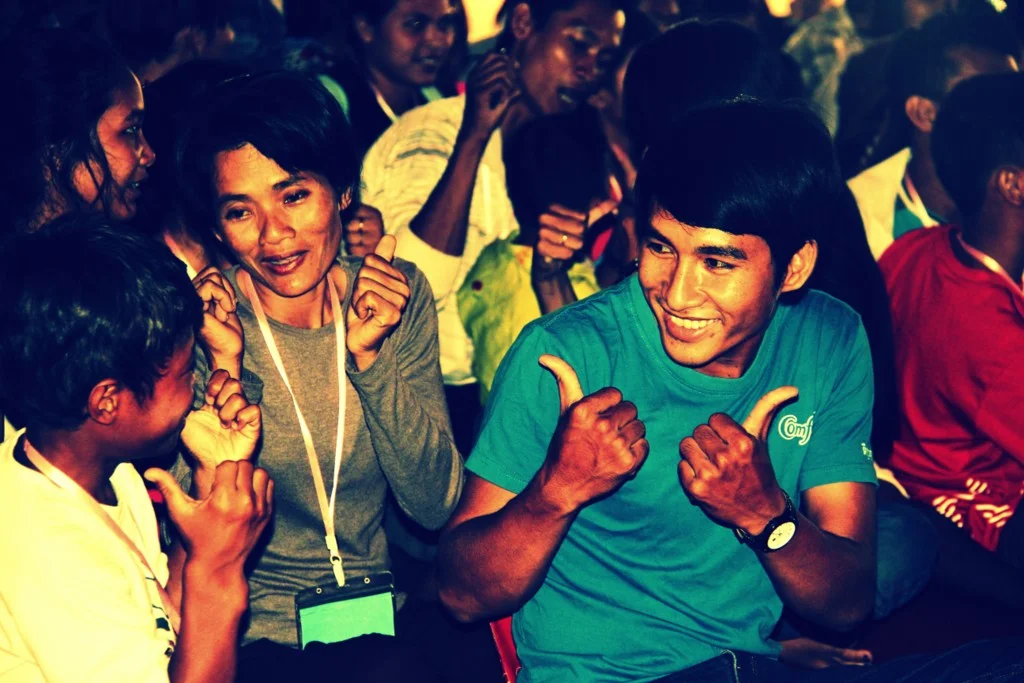
A few days ago we met with Alongsiders group leaders from across Cambodia.
It was an inspiring time of sharing what God is doing in each of their communities.
This unique model of working in groups distinguishes Alongsiders from other mentoring/discipleship programs and reflects the deep commitment we have to building community - a central value for many people in developing world cultures.
This is how it works....
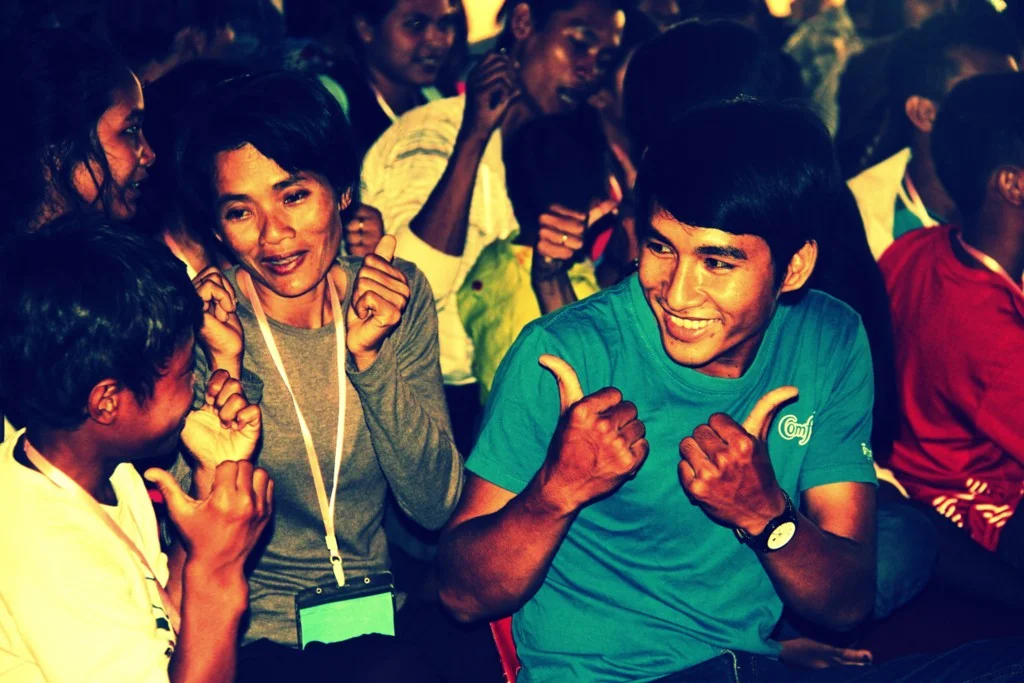
Young Christians from a local church who want to become Alongsiders form themselves into groups of 5-10 people (though some groups are larger).
Each group receives training and orientation from leaders in the wider Alongsiders movement. (Each individual Alongsider is matched with one marginalized child in their own community for a long term transformational relationship.)
As shown in the micro-credit field, working together in solidarity groups provides an ongoing level of peer encouragement and sustainability that brings benefits to everyone involved.
Think of it as positive peer pressure!
But building community goes way beyond just working in groups.
When a marginalized child is matched with an Alongsider, they gain not just a relationship with a loving big brother or sister - but a relationship with the whole local church support network.
That's why we work through churches. Because they are able to offer spiritual, social and emotional support far beyond what any one individual could offer.
Alongsiders is building community, and opening a space for the most marginalized children to participate in that community.
Isn't that what Jesus meant when he said, "Whenever you welcome a little child in my name, you welcome me." (Matthew 18:5).