
Reflections from an intern: "What the slum taught me about changing the world"
How could I possibly love a family and community so much and still walk away?
Whenever anyone asked me what I wanted to do when I grew up, I answered, "Change the world."
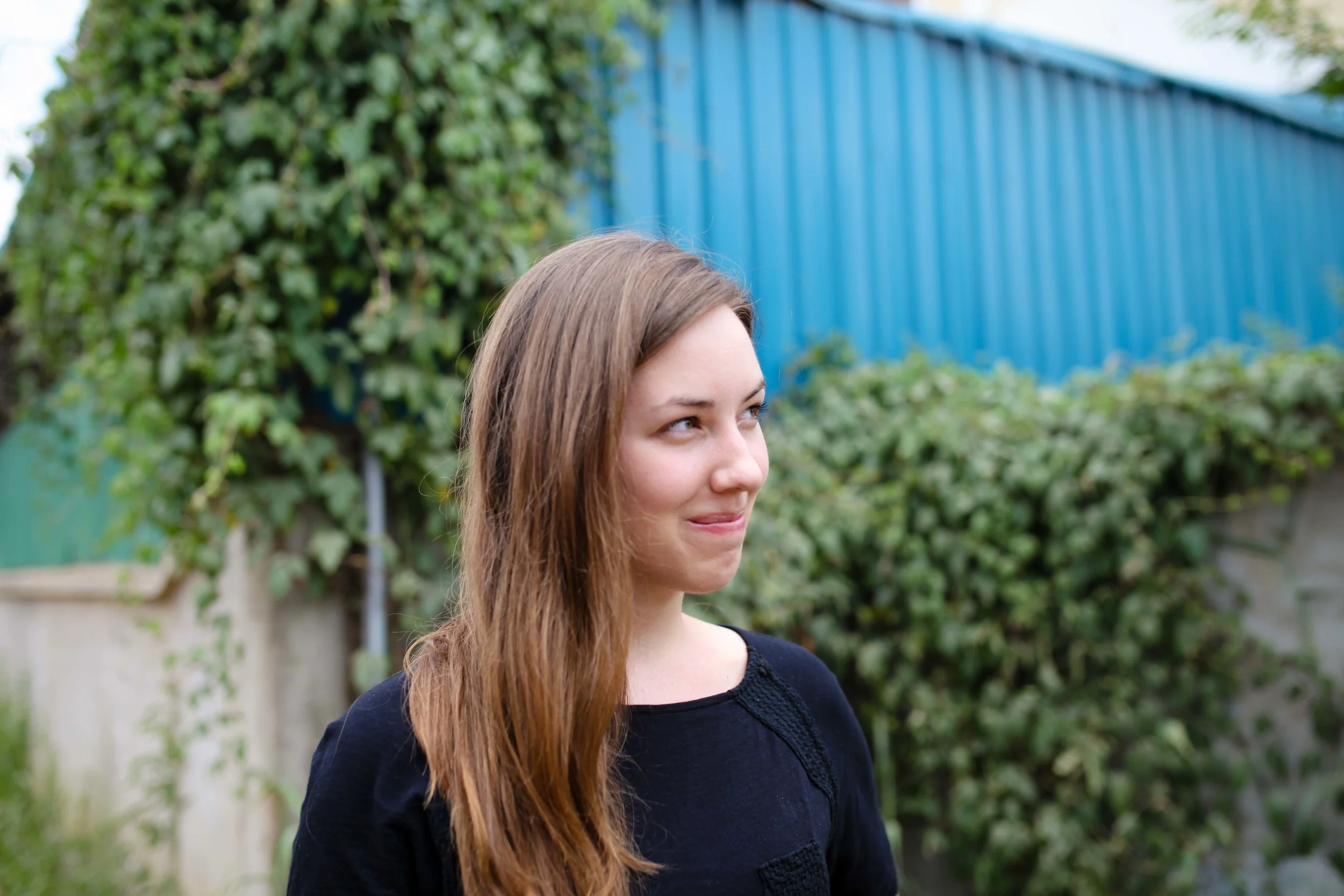
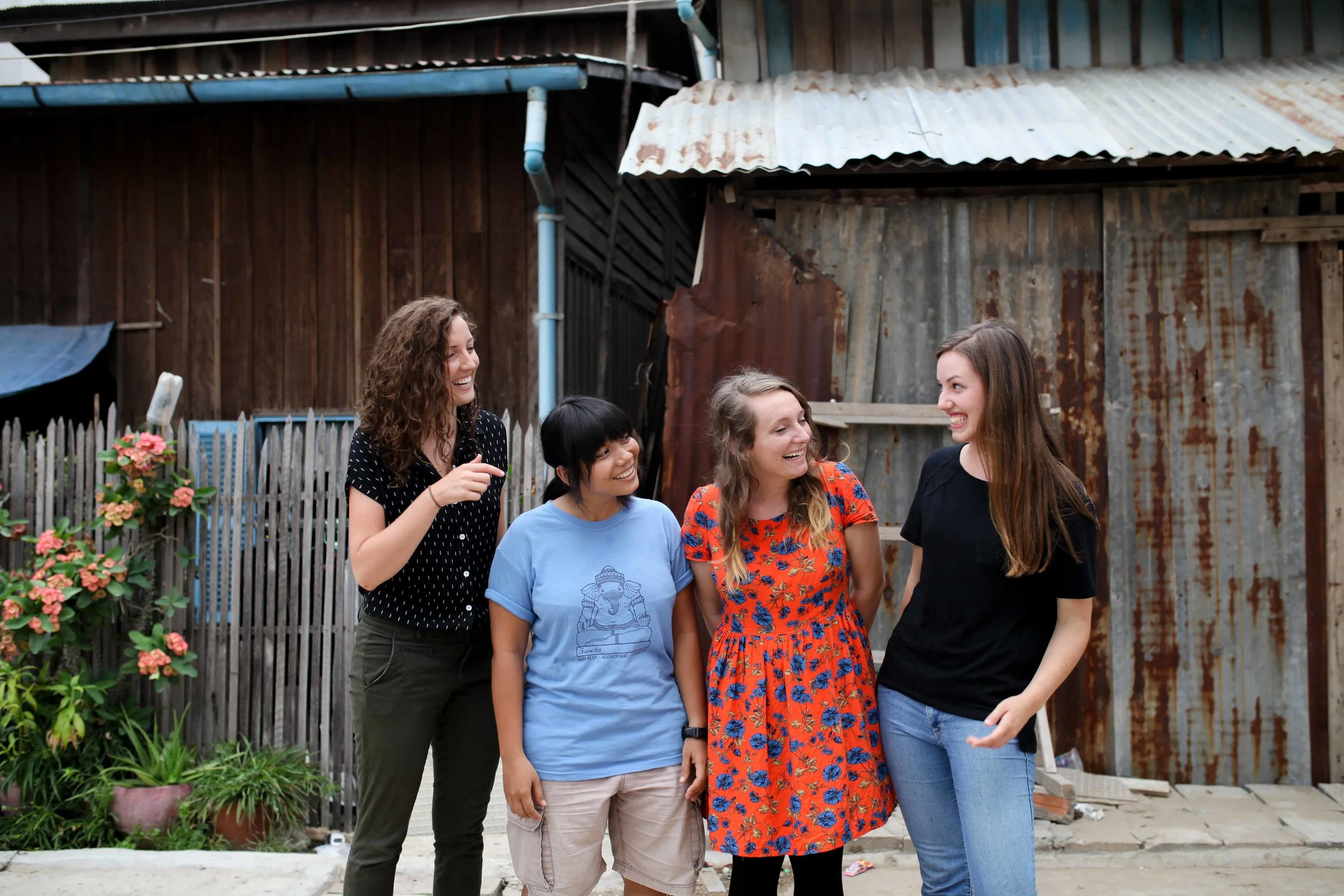
As an intern for Alongsiders International, I was excited to travel to different Cambodian provinces to conduct interviews, write for the blog, and live in a Phnom Penh slum. I was sure I would see God working in incredible ways in my slum community.
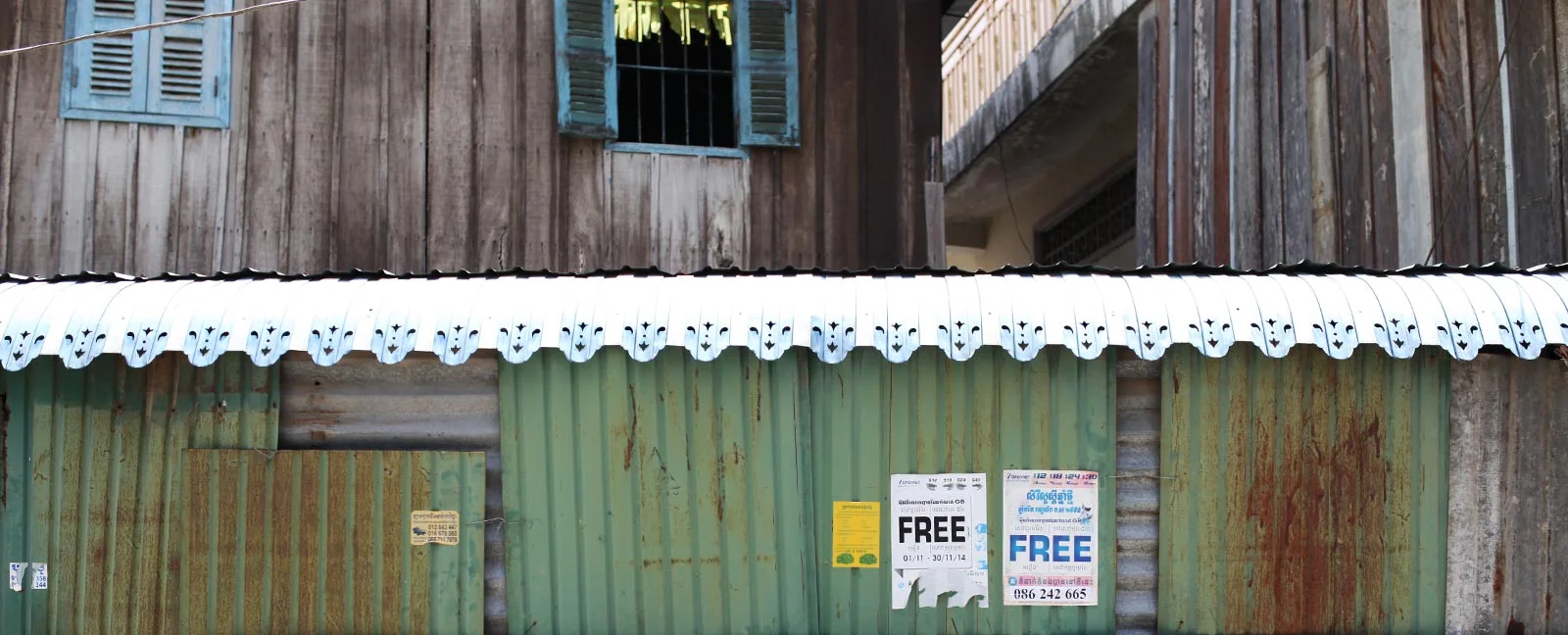
I moved into an extended family of eight people, a dog, several pesky rats, and a million mosquitoes. I took bucket showers and slept under a mosquito net. I ate rice three times a day and tried hard not to get food poisoning. I went with Ming to the market to buy live frogs and helped her and her son cut them up and cook them. I biked to work in crazy traffic and learned to ring the bell on my bicycle when turning corners to alert other drivers to my presence.
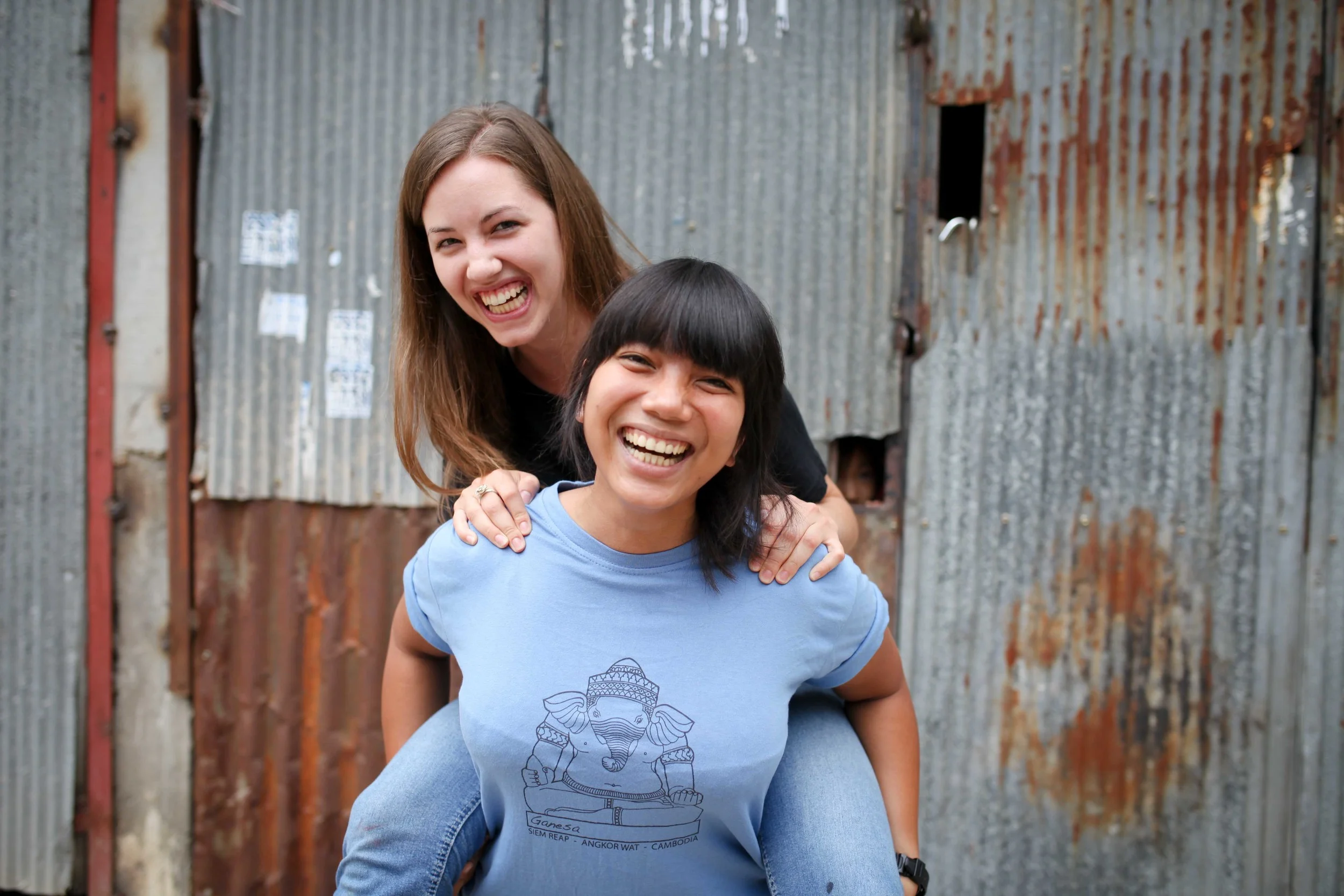
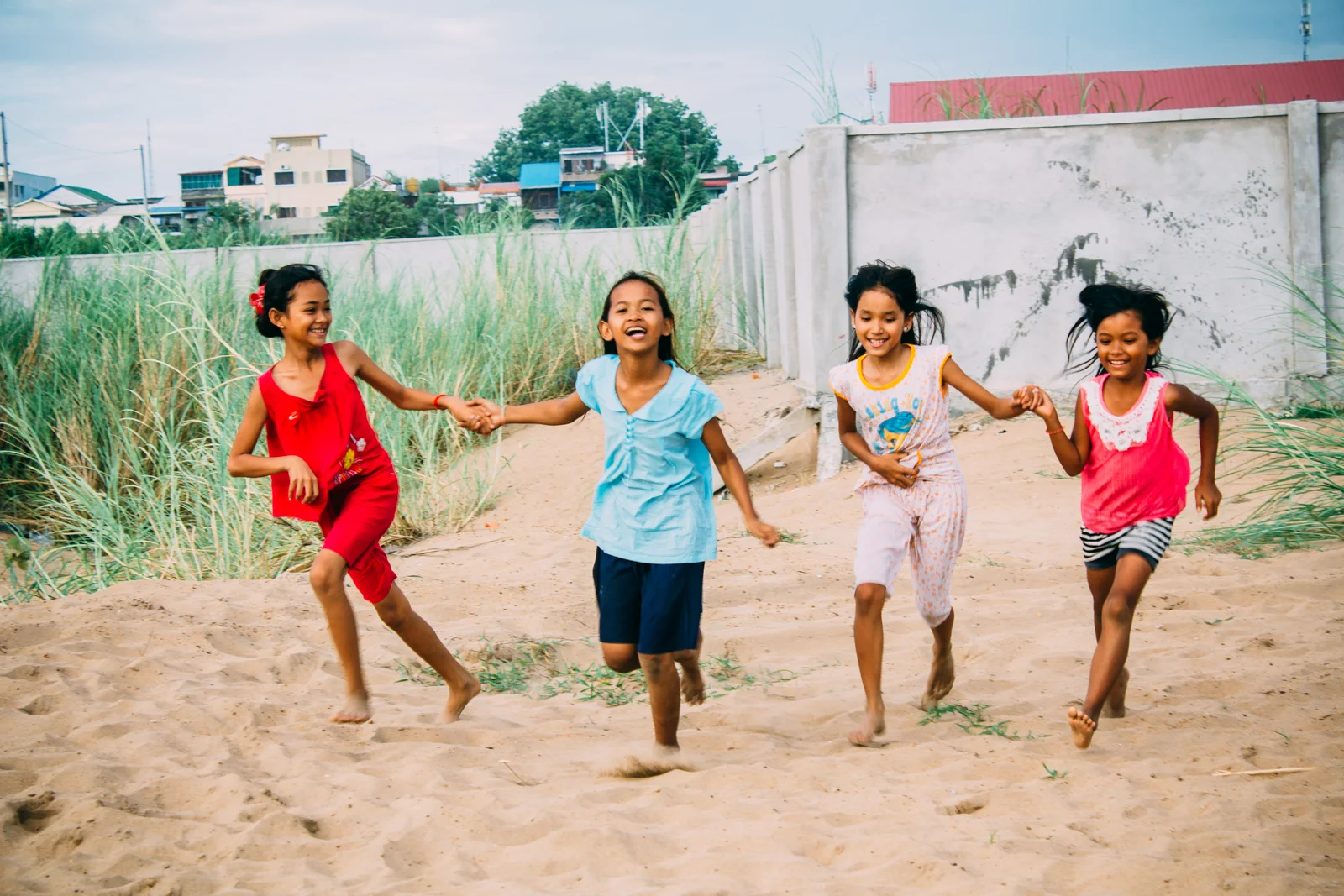
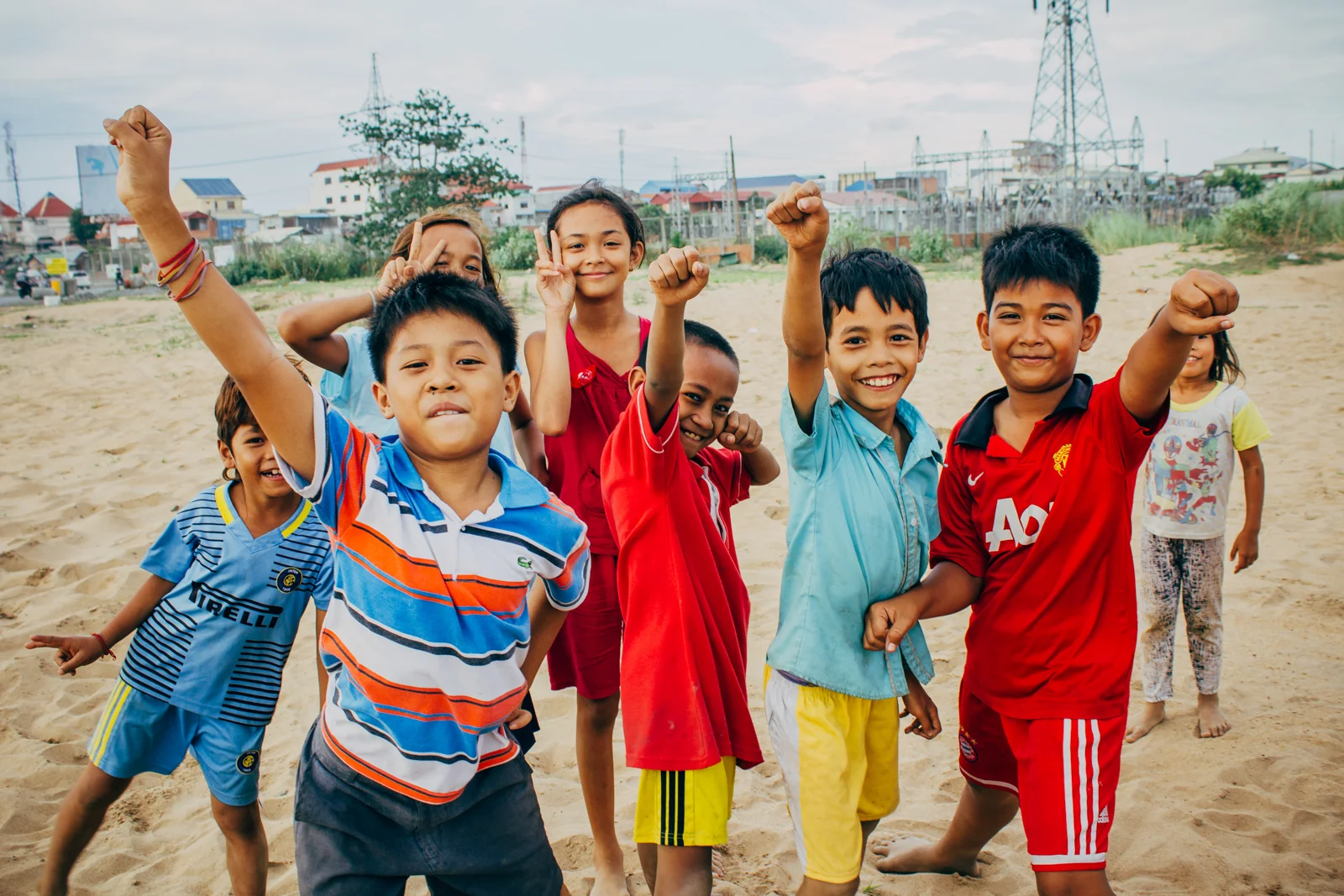
Most importantly, I fell in love with my host family and neighbors. I'll never forget the night I carried the baby outside the slum to a sand dune to watch the sunset, while she laughed and clapped her hands. Or the night that Theary and I read Alongsiders comic books for hours. Or all the days spent playing Moan, Moan, Tia with the neighbor kids (Cambodian duck, duck, goose). Or rocking in a hammock while eating green mangoes dipped in chili powder and salt, trying to communicate with my host family using my limited Khmer.
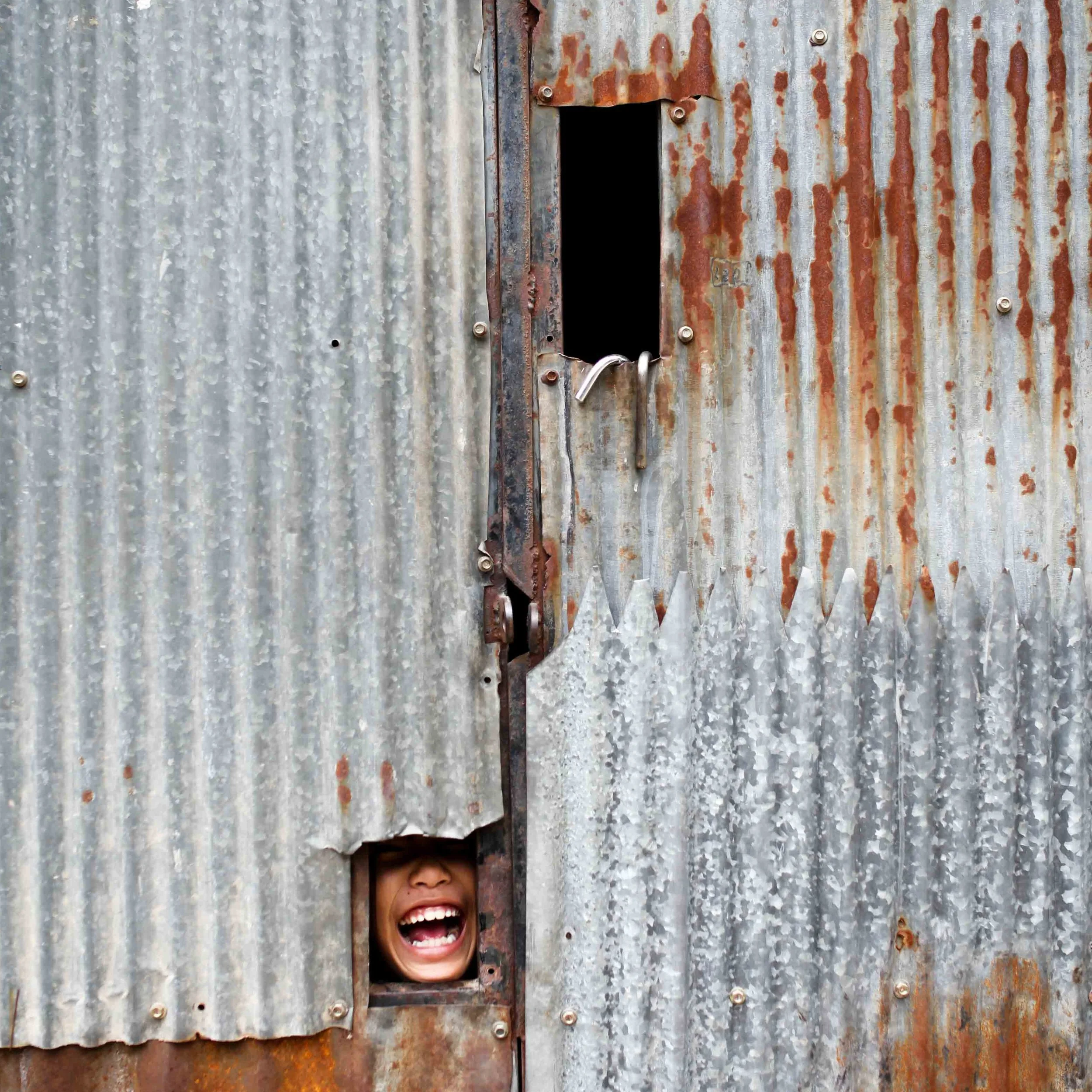
But I also can't forget the hard things: the nights I ran to the bathroom with food poisoning. The day a drunk man shook Ming, and her terrified little granddaughter tried to slash him with a wire hanger. The meals when I looked down to see yet another plate of boiled, fatty fish and steeled myself to choke it down again. The neighbor lady who would slap her her little daughter. The food offerings made to ancestors by people who could hardly afford three meals a day. The rubbish and the stench everywhere.
Most of all, I can't forget the way I had to leave. One of the sons had a party, and eight hungover men sprawled in the living room later, my time in the slum came to a screeching halt. I cried to leave, choked back tears when Ming asked if I still respected her family. How could I possibly love a family and community so much and still walk away?
Because I had money and a support network, I could walk away and find new housing. The young granddaughters staying with Ming weren't so fortunate.
I had spent three weeks living beside them, playing with them every day, and now I had nothing to show for it but a broken heart and a lot of memories that were suddenly more bitter than sweet. I had read the story of changing the world, and this wasn't how it was supposed to go-- was it?
As I tearfully told the story to a friend, she stopped me. "What if living in the slum wasn't about you changing the slum but about the slum changing you?"
During our listening prayer time at Alongsiders the next day, I closed my eyes and told God how much it hurt to have fallen in love with my slum community, invested wholeheartedly in it, and then been forced to leave it unchanged. I poured out my prayer, and waited for His response.
He said simply, Listen.
“You are anxious and troubled about many things, but one thing is necessary. Mary has chosen the good portion, which will not be taken away from her.”
Over the next few weeks, I began to listen to God. At my new house, there was nothing for me to help with, so I found myself with a whole lot of silence and spare time. In the stillness I realized why it had hurt so badly to leave the slum: my identity had gotten wrapped up in making a difference. I was basing my worth as a person on 'changing the world,' at least in my Cambodian slum. Yet I myself had loved the people in the slum for who they were, not for anything they did.

The week I left the slum, I re-learned two important things: I am not the savior and my worth is wholly in the Savior. Ultimately, I learned that changing the world starts with being changed.
Three weeks later I got a text from the son: "I want to know that you feel safe now. I am sorry for the inconvenience. Our family would like to say goodbye before you leave."
So I head back to the slum one last time, to say goodbye to the community I've laughed and cried with, the community that taught me that worth is in being not in doing. As I walk back down my old street, the children come running. "Hello!" they cry. "Hello!" I enter the gate and Ming comes out and gives me a hug. My heart begins to heal as I greet her in Khmer.
It wasn't exactly the incredible summer of changing the world that I'd planned on. But I don't regret it for a second.
“When life is sweet, say thank you and celebrate. And when life is bitter, say thank you and grow.”
Rewriting Cinderella: how we tell the story matters
Why Alongsiders is telling narratives of poverty differently.
Recently, I met some short term missionaries who were handing out fashion sandals to rural villagers. After Sally, one of the women on the team, fastened the flimsy sandals onto the feet of a local woman, she took a selfie with her. “I hope she feels like Cinderella, with this new pair of shoes!” she squealed.
For Sally, helping people in poverty meant acting as a fairy godmother, handing out the metaphorical glass slipper.
And largely, that’s become the poverty narrative told by the West. Give your money or your sandals, donate your gently used clothing, volunteer for a week at an orphanage, and you will change someone’s life.
But the West is not the savior, and villagers in the developing world are not Cinderella. It's time to get the story right.
Consider the story’s characters. Research demonstrates that the words we use to describe people influence how we treat them. If we define them as Cinderellas, then we’ll characterize them as dependent, helpless, and in need. Accordingly, our response will be to pity and patronize, giving financial gifts and instruction. We'll place ourselves on a plane above them, as the fairy godmother was more powerful than Cinderella.
Or, if on our quest to serve the poor we encounter youth who seem harder to serve, we will label them as deviant, dysfunctional, and disobedient. And based on these labels, we will either punish or ignore them.
In Reclaiming Youth At Risk, authors Brendtro, Brokenleg, and Van Bockern encourage readers to consider another solution: the "Reclaiming Environment".
The foundation of the Reclaiming Environment is a relationship. It's not about handing out shoes to people you’ll never see again. Reclaiming Youth at Risk is retelling flawed narratives of poverty and "troubled" youth. It's a book that gets the story right.
The Reclaiming Environment begins when we give empathizing labels. Rather than characterize youth as disobedient and deviant, we place ourselves in their shoes and ask “How did they end up in this place?” This mindset will help us characterize at-risk youth as rejected or discouraged, and feel concern and sympathy for them. The corresponding reaction will be to befriend and encourage them.
“He drew a circle to shut me out.
Heretic, rebel, a thing to flout.
But love and I had wit to win.
We drew a circle that took him in.”
The idea of a Reclaiming Environment stems from a Native American philosophy of child development. The authors draw from this rich legacy, integrating contemporary research in the field of psychology. The goal of the reclaiming environment is to welcome children into a circle of courage, with four main values: belonging, generosity, independence, and mastery. Youth who are connected to others in strong, stable relationships learn to live selflessly, succeed at new skills, and develop a healthy sense of autonomy. These four items encourage youth at risk--hence creating a circle of courage.
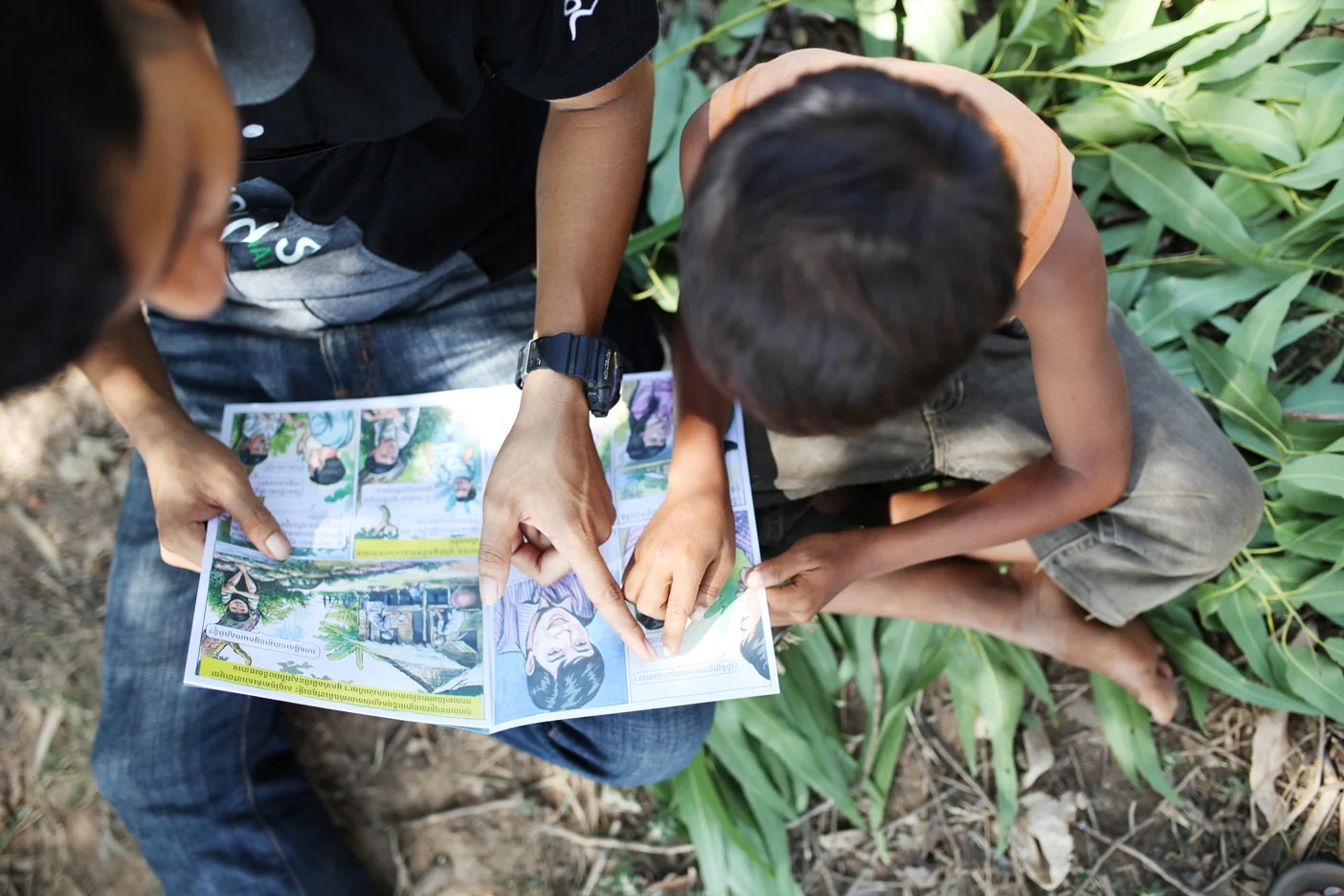
The Reclaiming Environment involves walking alongside at-risk youth and investing in their lives long-term. The time and love involved make it a far more costly gift than a pair of fashion sandals. But it's a gift that is far more likely to transform a life.
Because that's the real moral of Cinderella: that relationships can transform us. Flawed as the story is, we still cheer when Cinderella is with the prince that she loves.The true beauty of the story is the relationship, not the pretty dress or glass slippers from the fairy godmother.
At Alongsiders, that's the ending we're looking for. We're committed to empathizing with and walking beside those who are alone. We can't be the savior, but we'll be agents of love.
It's time to get the story right.
For further reading: Brendtro, Larry K., Martin Brokenleg, and Steve Van Bockern. Reclaiming Youth at Risk: Our Hope for the Future. Bloomington, Ind.: National Educational Service, 2002. Print.
Key appointment in drive to do short term mission differently
Short term mission is broken. Its time for a change, and we know just the person to help.
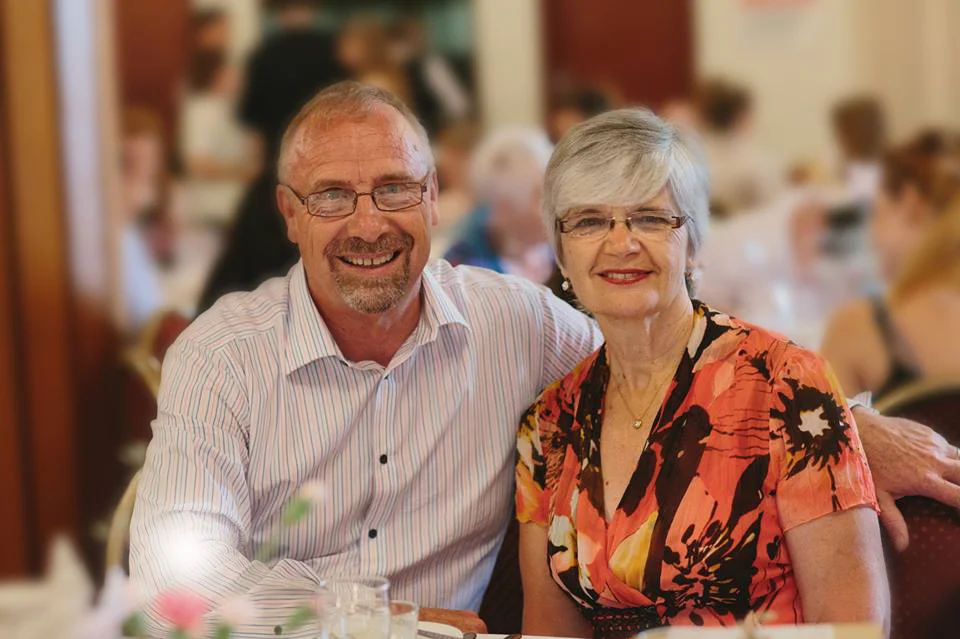
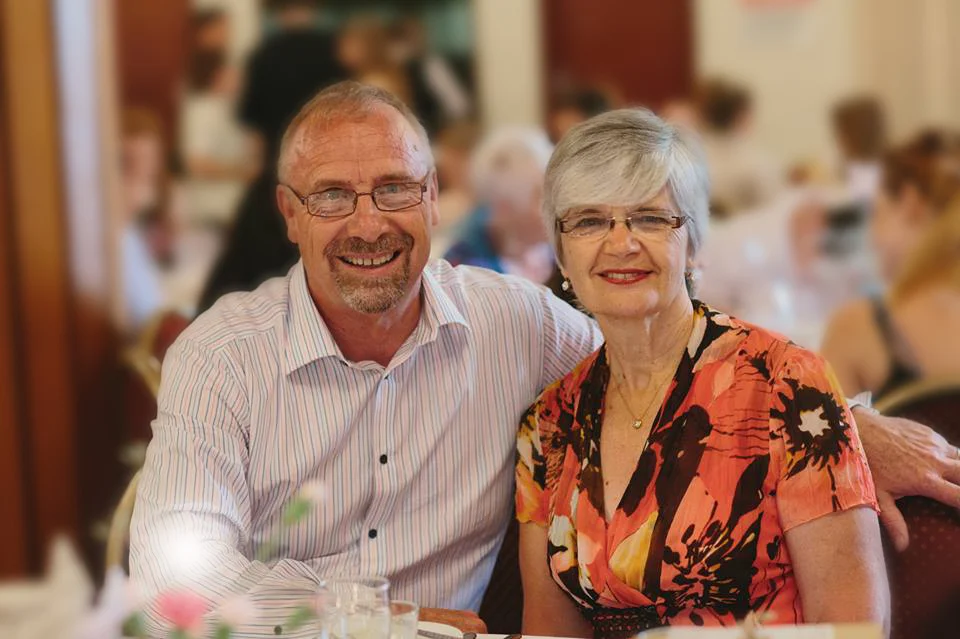
Andrew and Janice Collins
The Alongsiders International team is excited to welcome Andrew and Janice Collins, who will be relocating to Phnom Penh, Cambodia to work from our head office.
Andrew is a sought after trainer of short term mission groups - bringing insight and wisdom from his 17 years of service as the Australian Director of International Teams. He has consulted with churches all over Australia and beyond, helping Christians engage with the poor in more meaningful and sustainable ways.
Andrew will work closely with church partners and supporters from outside the developing world, to help them engage with the Alongsiders movement and journey deeper in their faith and engagement with poverty and justice issues.
An outdoorsman, he is a keen cyclist and walked 800km across Spain in 2008 on El Camino (a world famous pilgrimage). Andrew is also a fine cook, loves blue cheese, and is known for his delicious pancakes.
Janice Collins also brings a great deal of experience and giftedness to the team. A gifted administrator, Janice has served in government, seminary and more recently missions, leading International Teams in Australia after Andrew stepped down.
Janice is known for being efficient and focused, but beneath that is a heart of growing engagement with God's unceasing love. She is a wife, mother and grandmother of three (Harrison, Immanuel and Jemima). Janice enjoys walking, classical music - and a good cup of strong coffee.
We welcome Andrew and Janice to the team in August and look forward to their service to the wider movement.