How to keep a movement going
Keeping a movement growing and thriving is not an easy task. But these two leaders have figured some things out...
Movements that change society emerge and grow in villages, neighborhoods, streets, and workplaces as regular people actively take their parts. Organizations may tend to centralize leadership and power, but movements must allow leadership and power to reside at the (human) edges.
Our goal at Alongsiders is to empower and release movements of young people who make long term commitments to walk alongside the most vulnerable children in their own communities. Such movements would transform individuals, churches, and society.
Big words. But these high hopes boil down to lots of young people in scattered communities at the margins of society and what they do with the vision entrusted to them.
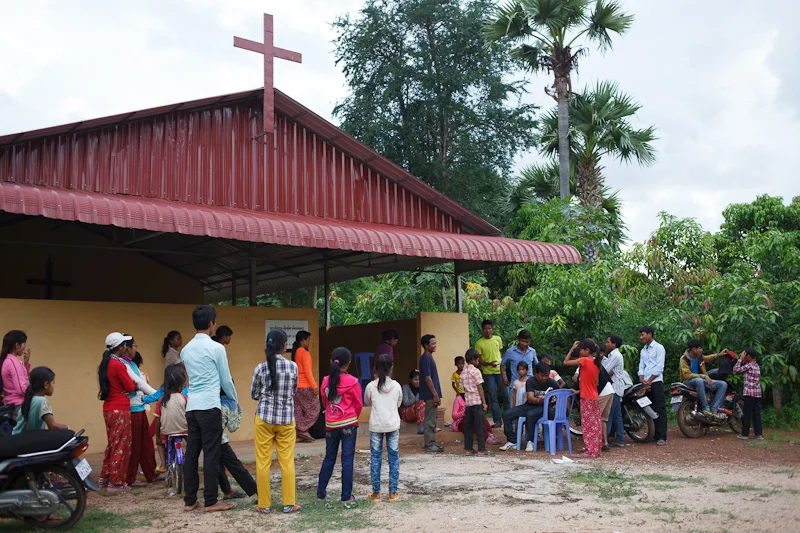
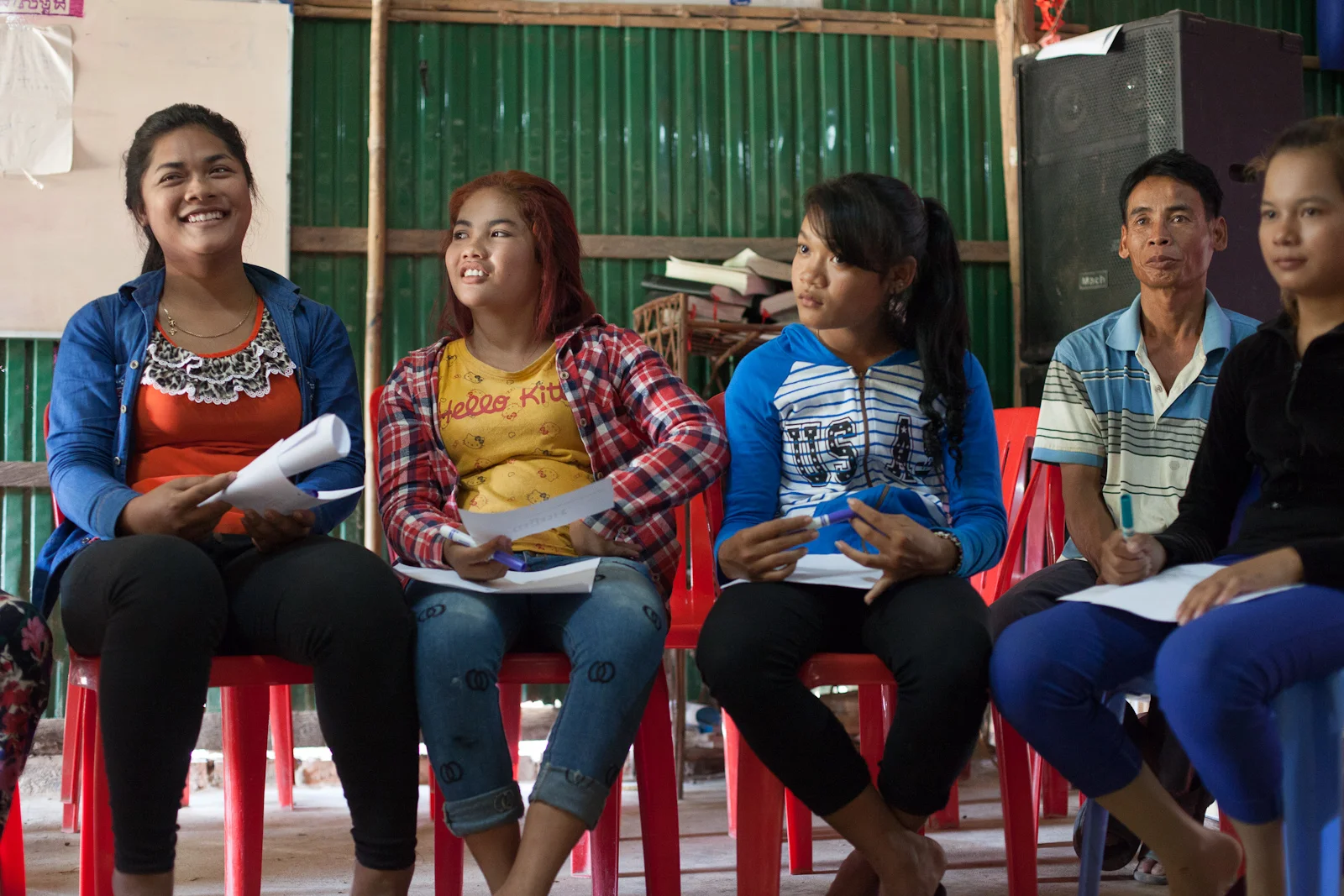
Last week both Serey and Phearom, who direct and coordinate Alongsiders Cambodia, went to a village in Kandal Province to meet with a group of Alongsiders who joined about a year ago. The main purpose was follow-up, and also to orient some new Alongsiders.
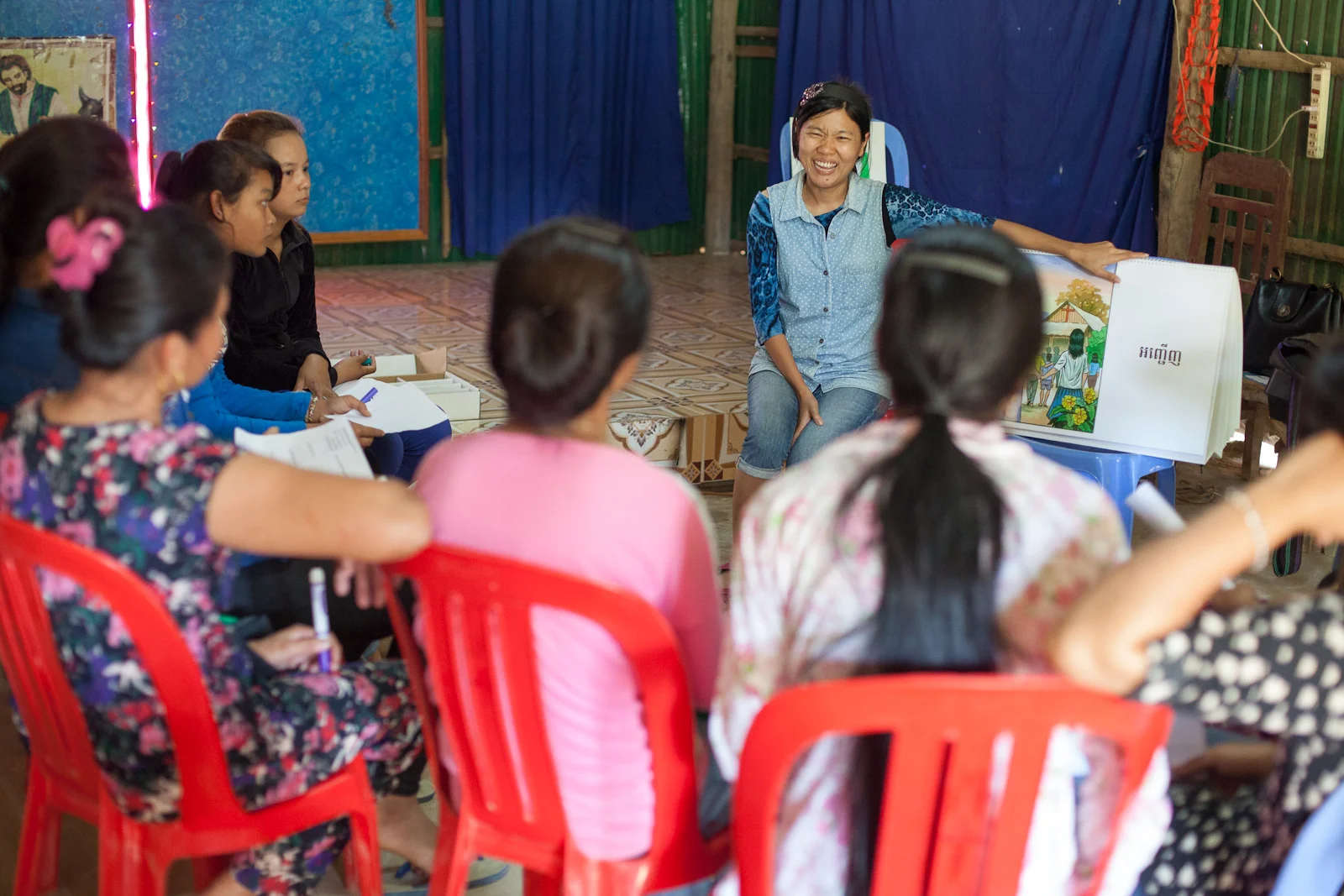
Serey teaches the 8 commitments of an Alongsider - using a flipchart
Becoming an Alongsider is a long-term commitment based on trust. Most of the time no one is looking over their shoulder to see if they spend time with their little brothers and sisters each week. They aren't paid or rewarded, except for an invitation to national camp each year. What they do flows out of motivation and character qualities like faithfulness, generosity, and a willingness to share as they learn and grow - all rooted in the love of Christ.
Yet most Alongsiders are young people whose character is still forming. It's a process of discipleship for them. They need words of encouragement and refreshment of the vision, plus examples to follow. That Sunday afternoon, Serey and Phearom took time to travel to the village and meet face-to-face. They carefully reviewed what Alongsiders is all about and talked honestly.
“When we meet with a group that has been going for six months or a year, we remind them of why they became Alongsiders and encourage them. They also hear what the others in their group are doing. That’s important, because they may not realize all that can be done. Many of them do better after we visit. Follow-up is really important, but it’s also a challenge as we grow.”
Serey was an Alongsider herself for years before she became the national coordinator. She epitomizes faithfulness in her leadership and in her ongoing relationship with her own little sister. She earnestly desires Alongsiders to be committed and faithful.
Phearom came to Alongsiders after serving in a national youth organization. He is passionate about education and mentoring. He hopes Alongsider mentors will be a potent force for education and change in Cambodian lives and society.
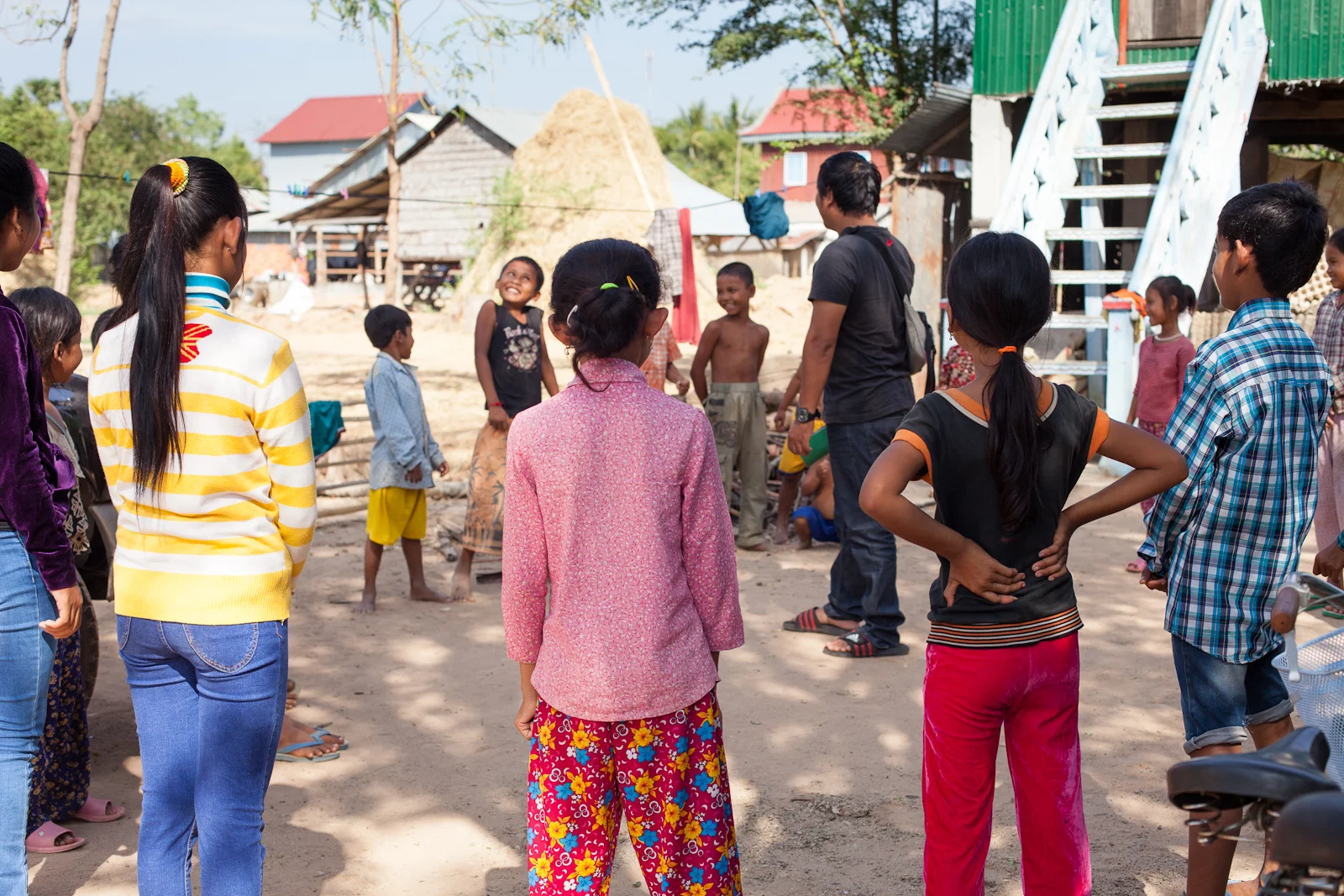
Phearom leads a group of little brothers/sisters in a warm up game
On this day, they trade off roles. Serey goes through the vision and expectations in all seriousness, while Phearom goes outside and organizes fun games for a group of little brothers and sisters and their friends. Later he comes inside and leads a discussion about child protection issues, and he encourages the Alongsiders in his own humorous way.
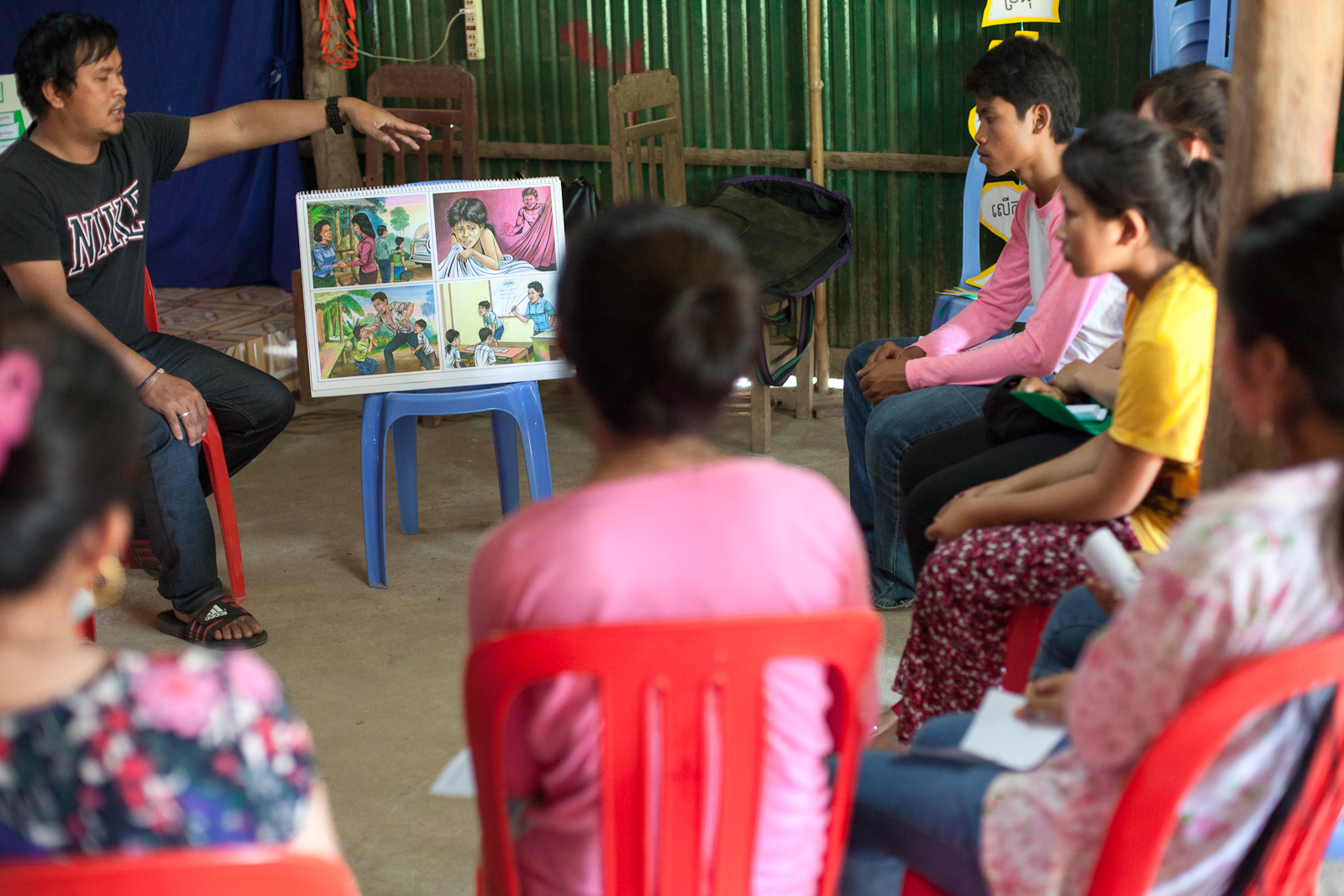
Phearom teaches on how to recognize trafficking or abuse... and how to respond.
The two compliment each other: Serey's stability and Phearom's zeal. They are both very earnest about Alongsiders. Afterwards they offer candid assessments: two or three in the group seem very dedicated, a couple are less sure. But it was a good meeting.
And then it's time to go and release the movement back into the hands of these young people. And trust God.
The Body of Christ is moving.
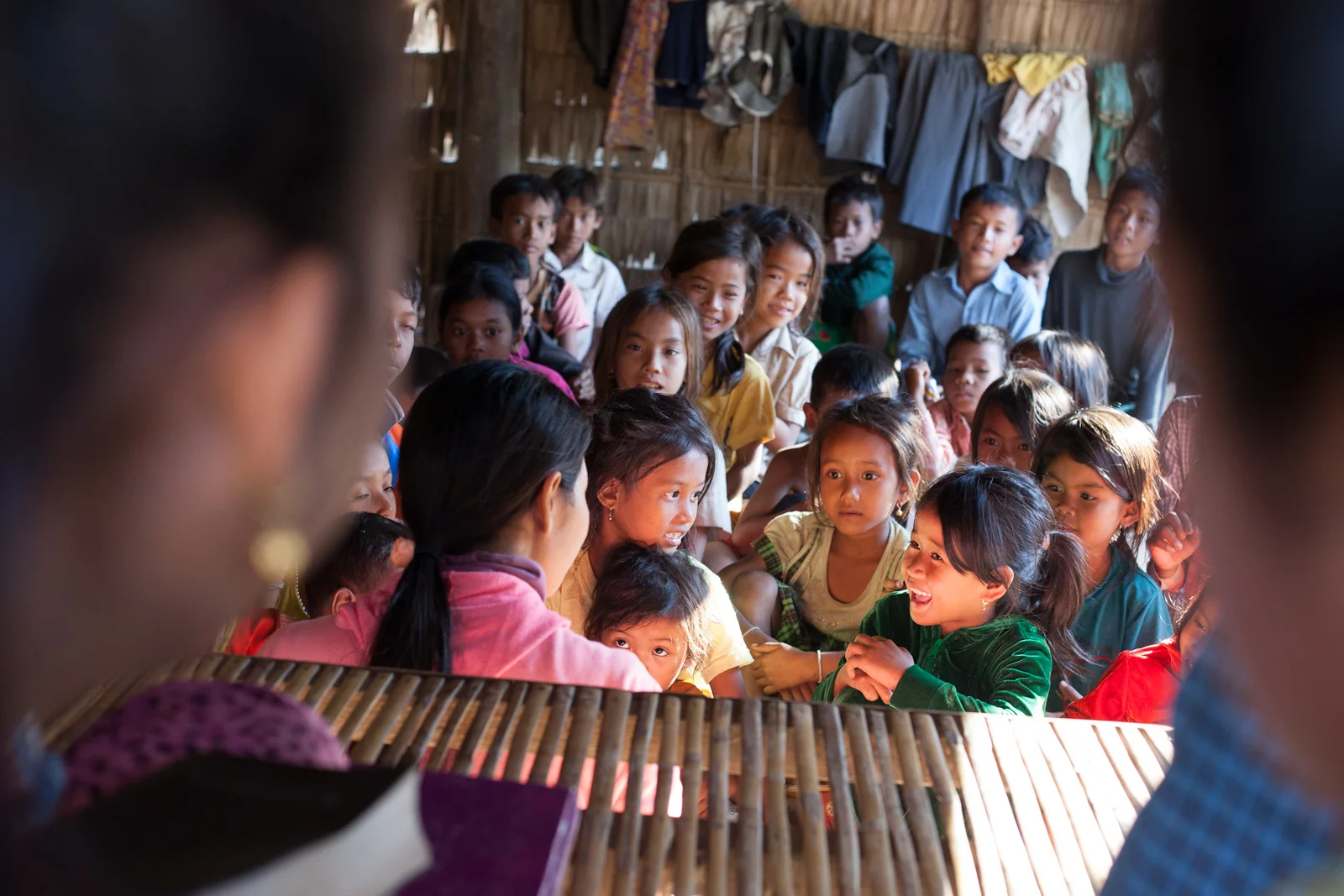
This young leader faces a big dilemma. Her story will inspire you.
There are extraordinary people hidden just out of sight at the margins of society.
“I am less interested in the weight and convolutions of Einstein’s brain than in the near certainty that people of equal talent have lived and died in cotton fields and sweatshops.”
Chanthy is not average. She's really quite amazing and unique. She's an example of why we want to empower and release Cambodians to lead, rather than relying on the tired model of foreigners controlling the wheel.
As Stephen Jay Gould attests in the quote to the right, there are extraordinary people hidden just out of sight at the margins of society.
Chanthy is a farmer's daughter with exceptional energy and capacity. Though few, perhaps, are quite like her, many capable yet unrecognized Cambodians are ready to love and lead in surprising ways.
Four months ago, Chanthy gathered a dozen or so youth from the rural church she pastors, and they all became Alongsider mentors together. She is the small group leader. On the day they officially signed up, she was charged with excitement as her new little sister stood beaming beside her.
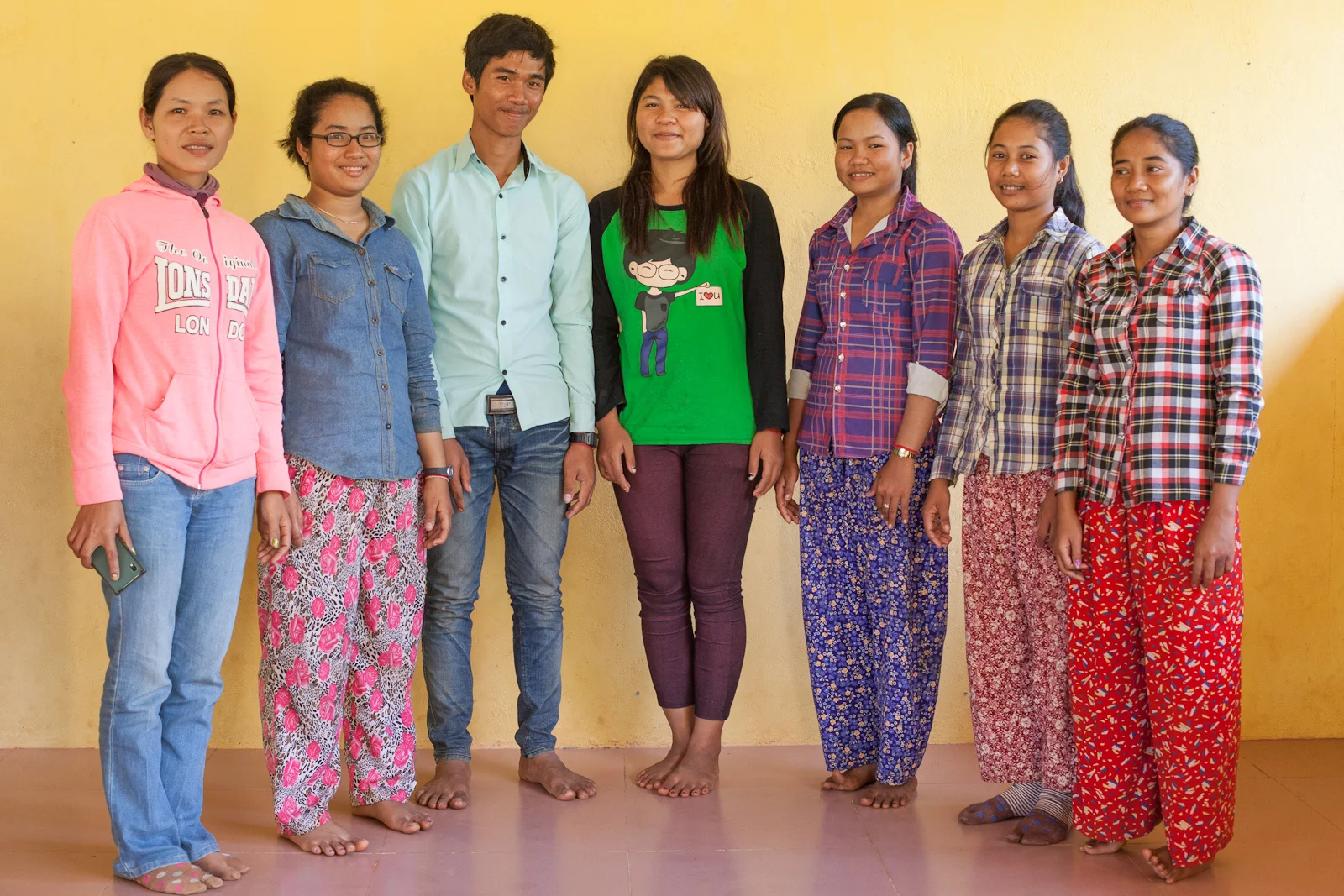
Chanthy, left, with six of the new Alongsiders from her community.
That evening she returned home after dark and helped her parents tend a tremendous pot of curry simmering over coals outside their house. It cooked all night, and the next morning they rose together before dawn to crack coconuts and squeeze the pulp, shell garlic, and add the final spices. About 6:30 a.m. people began arriving and leaving with enough delicious food to feed their families. They fed more than 200 people that day.
Chanthy's family isn't rich. They saved for months for that day. It was during the week of P'chum Ben, one of the most important Buddhist festivals in the country. As devout Buddhists, Chanthy's family had brought food to the local temple every year and given it to the monks. In theory, the food they gave was supposed to help feed the poor, but that didn't always happen. After coming to faith in Jesus, the family decided to continue to tradition, but they elected to give food directly to the poorest families in their community.
This year was the first time they tried it.
Chanthy had come to faith first. She walked over to the Christian church to learn what Jesus was about, and she never turned back. That was just over a year ago, and it didn't go over well. "My parents scolded me," she says. It must have been a serious scolding, because she moved out of her home and slept at the church for three months. But it was her parents who relented, and soon after her whole family put their trust in Jesus as well.
Chanthy is a force that's hard to resist. At some point in her life she developed a very strong character.
She was born in a refugee camp in Thailand. Her parents had fled there when Vietnam invaded Cambodia in 1979, and they stayed for the next twelve years.
When the family returned to Cambodia they erected a shelter on a piece of land in an isolated village north of Phnom Penh, and they began the nearly impossible task of starting from nothing as rice farmers. After some years of hard-scrabble existence, the family desperately needed a break, and Chanthy provided it. She went to Malaysia, where she took a risk, employing herself as a nanny for a rich family. Many Cambodian nannies have endured tragic abuses, but fortunately Chanthy was hired by a good family. They paid fairly, and she even got to travel to Japan and Korea with her employer on business trips. When she returned home, she gave all the money she had saved to her parents, and they used it to build their house.
Now Chanthy is the assistant pastor at her church. The "real" pastor, she explains, lives in Phnom Penh and visits once a month.
She doesn't receive a salary. She rises at 3 a.m. daily to help fix food for the family. Then she goes to a nearby high school where she spends the morning selling snacks to the students. She makes about $1.25 each day.
On Sunday she drives a wide loop on her motorcycle and visits five "house churches." On the way, she buys a huge load of snack food using her earnings. At each stop, a crowd of children gather and listen to her share from the Bible. A few adults hover nearby, some listening and others idly chatting. When she finishes teaching, she distributes the snacks and moves on.
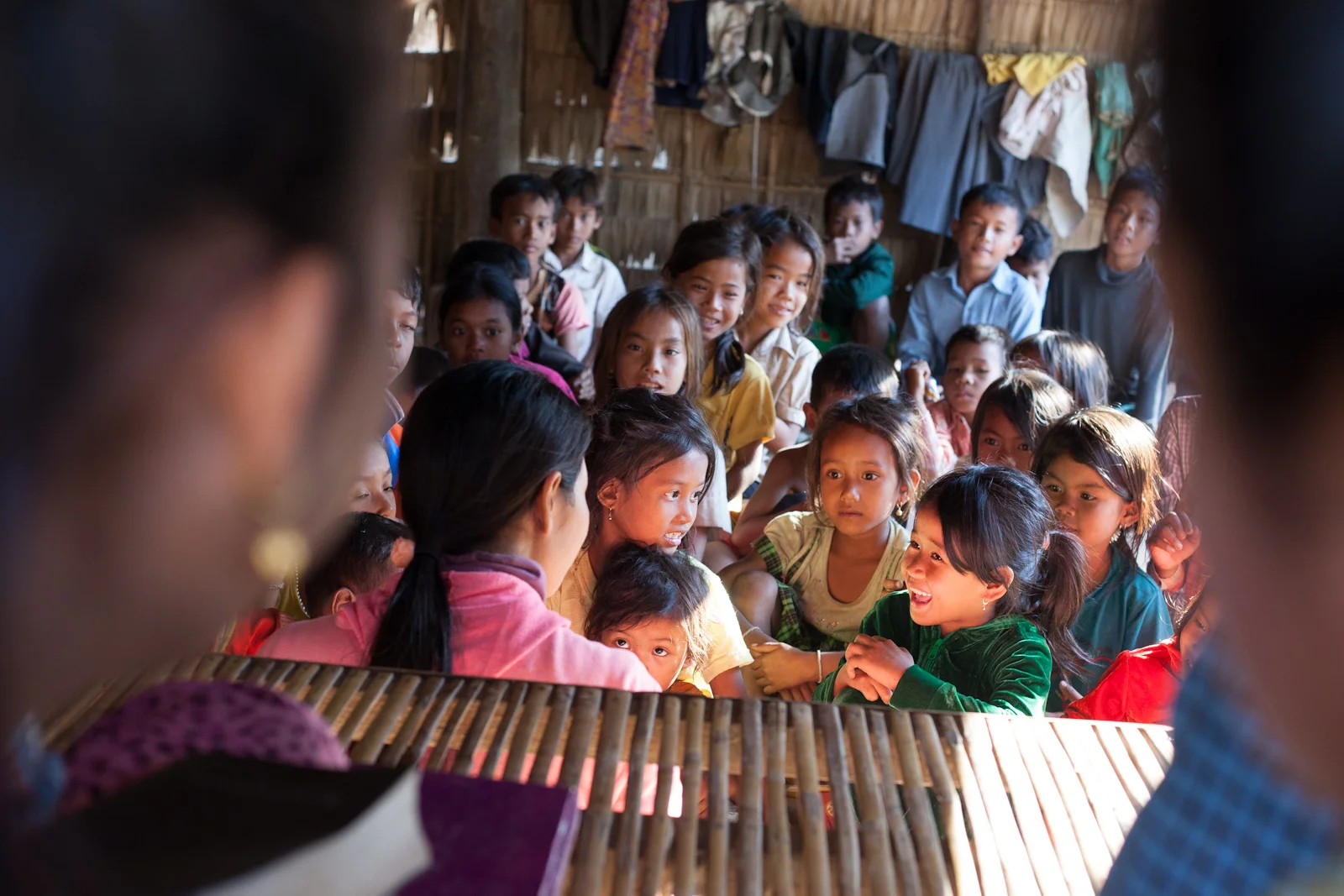
Chanthy teaches young children from the Bible. Afterward a group of older youth took their place and Chanthy led them through a more advanced version of the same teaching. Chanthy is learning how to teach the Bible at a Bible school in the nearby city, and each week she teaches what she recently learned there.
"I love children," she says, and she repeats herself until she is sure she has made herself clear. "I really love children. People ignore them and treat them badly, especially poor children, but I love them."
But later she admits she dreams of leaving the countryside, and she worries what will happen to the children without her. She points to the beauty all around and flatly states that she hates the crowded streets and noise of Phnom Penh. But she wants to learn more and expand her life. She feels, well, marginalized. "I'm not doing anything here, she says, oblivious to the incongruity in her words.
Herein lies the challenge. The big dilemma.
Alongsiders is working with young leaders at the grassroots. They are doing things and going places foreign workers and even Cambodians schooled in the cities could hardly emulate or follow.
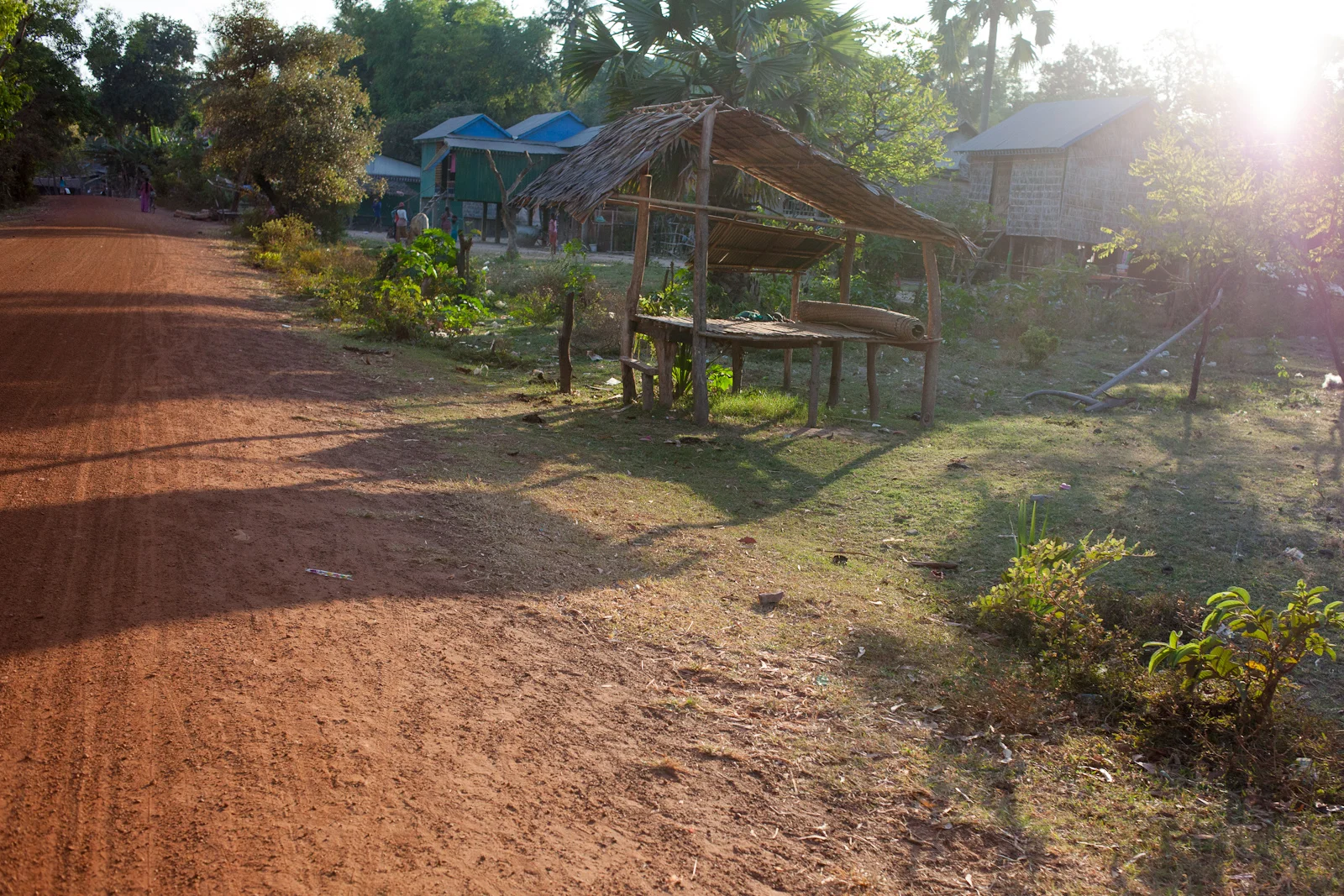
Yet they live in a world that tells them relentlessly, just as it tells us, that they are insignificant unless they land a particular kind of job or reach a certain status. If they shine as leaders, there are companies and big-budget organizations that will hire and take them away.
But we will not be discouraged. Right now the work of enduring beauty and significance in the Kingdom of God is being done by Chanthy and her fellow Alongsiders!
We often celebrate the children of Alongsiders - the little brothers and sisters - but today we're grateful for the Alongsider leaders and mentors, who are more often than not young men and women who have grown up at the margins themselves.
May we have eyes to see them, a vision that includes and expands with them, and a willingness to trust them with it. And let us learn to walk with them without using or corrupting them (and that, in itself, is a challenge worthy of writing about another day).
Thank God for them, and pray that the Lord of the Harvest - who must have an affinity with farmers judging by the way Jesus taught and talked about Him - will raise up more amazing and unique leaders to serve as Alongsiders.
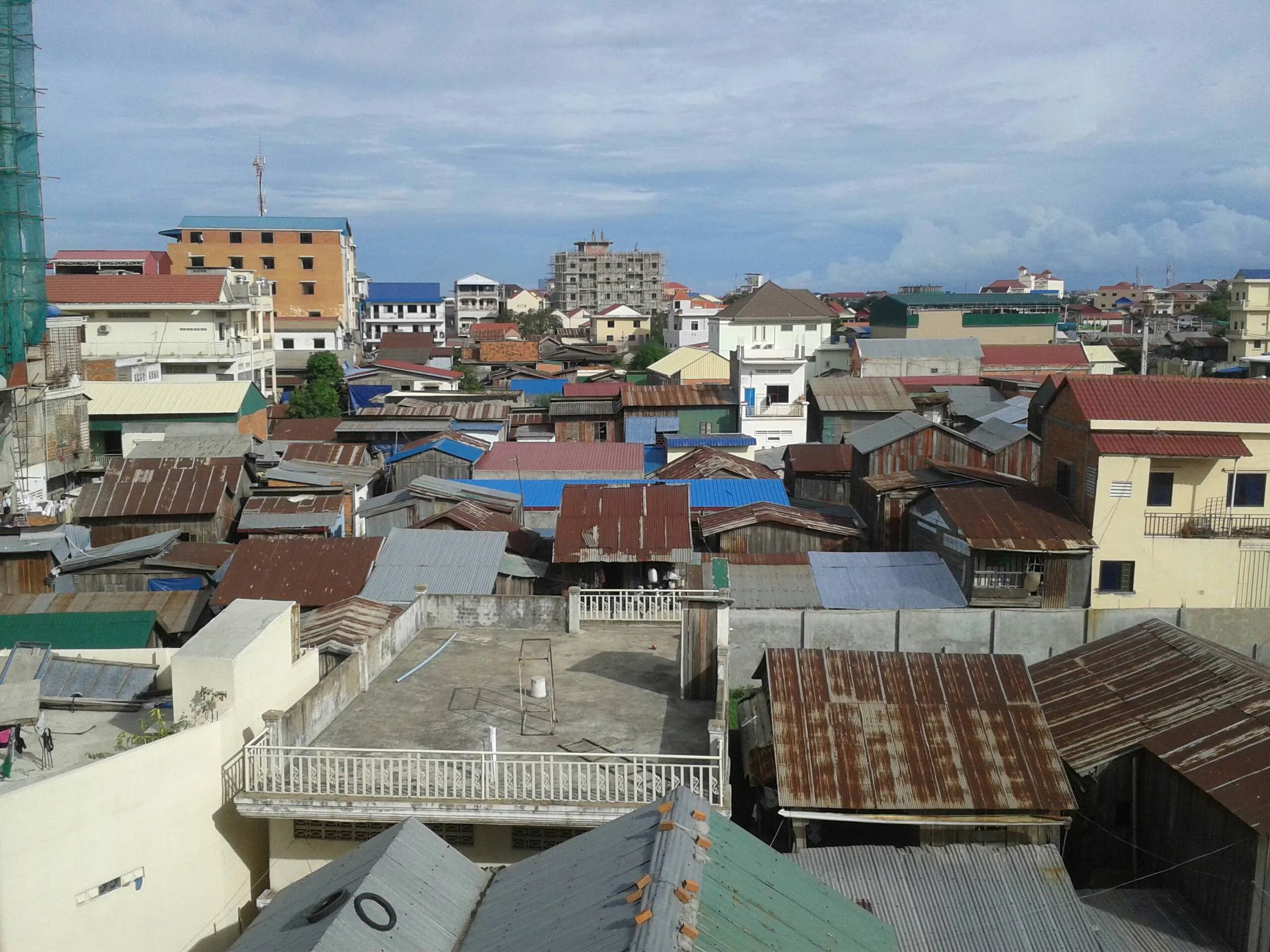
Urbanization: our biggest challenge
Today almost 80 percent of Cambodians live in rural communities, but within 15 years the majority of Cambodians (60 percent) will be living in cities.
Here’s a unique strength of Alongsiders with a perplexing challenge.
Alongsider mentors are empowering vulnerable children – and stirring up local churches – in rural communities that are “off the radar” for most ministries and development organizations.
The key strength of Alongsiders is the physical presence of mentors serving out of relationships in their own villages.
But consider this. Today almost 80 percent of Cambodians live in rural communities, but within 15 years the majority of Cambodians (60 percent) will be living in cities. We’re in the midst of a huge migration of Cambodians to cities, and the people most likely to move in the next decade are young people in the age group we are working with!
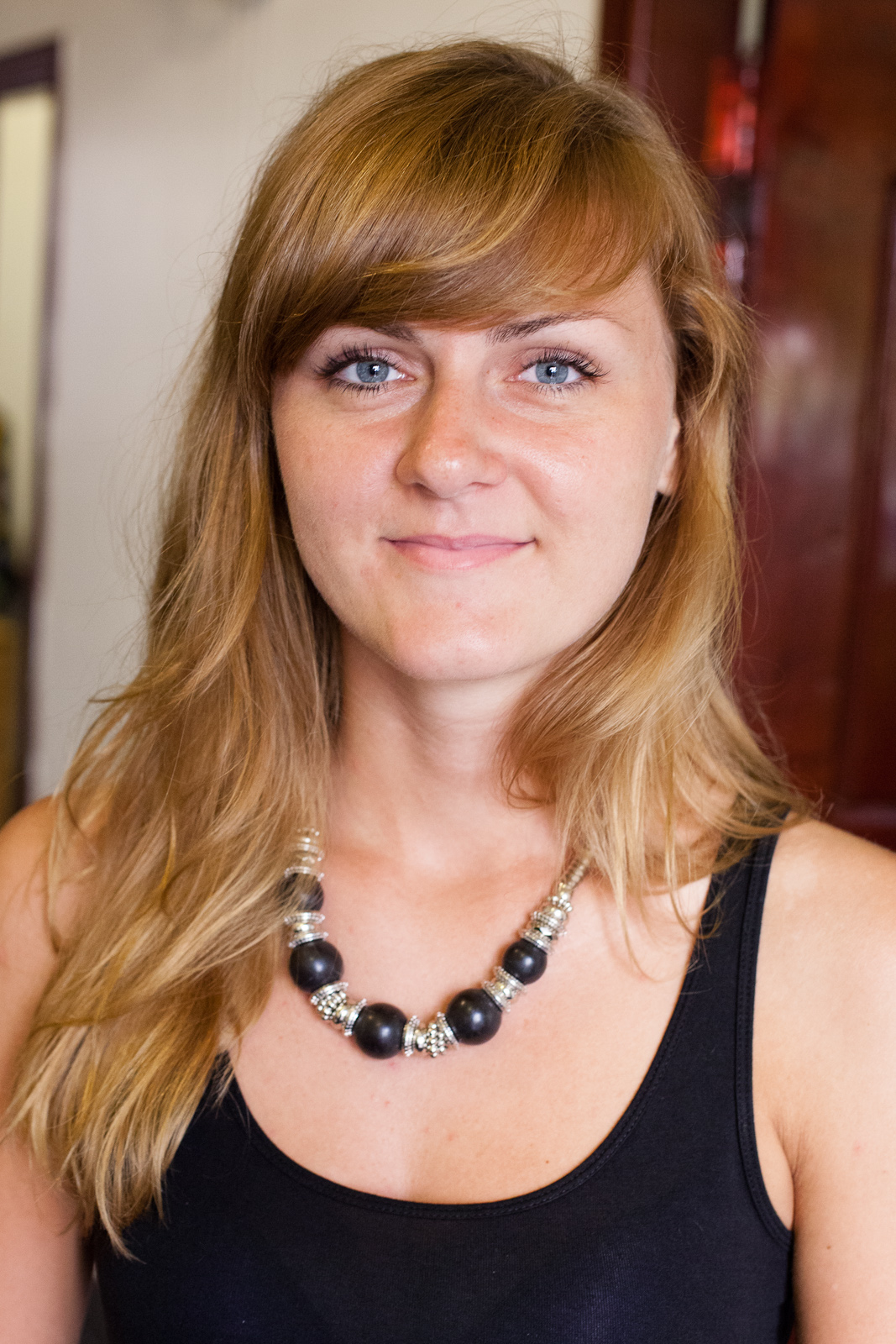
Meet Marketa, our intern from Slovakia. Her role is to research how this rural to urban migration is affecting Alongsiders in Cambodia.
“The main concern is if the Alongsider mentors move, how is this going to affect the relationships between them and their little brothers and sisters? ”
Although we’re just starting to formally measure the impact of urbanization on our work, Alongsiders Cambodia has been aware of the trend for some time. Here are some steps they have taken to address it.
- They encourage mentors who think they will move to choose little brothers and sisters who are older (e.g., twelve rather than six or eight years old).
- They are allowing older people who are less likely to move (e.g., in their late twenties and thirties) to become mentors.
- They are strategizing with small group leaders and mentors about how mentors can best maintain relationships, such as on weekend trips home and by phone.
- Of course, they are also working in urban communities with high concentrations of vulnerable children.
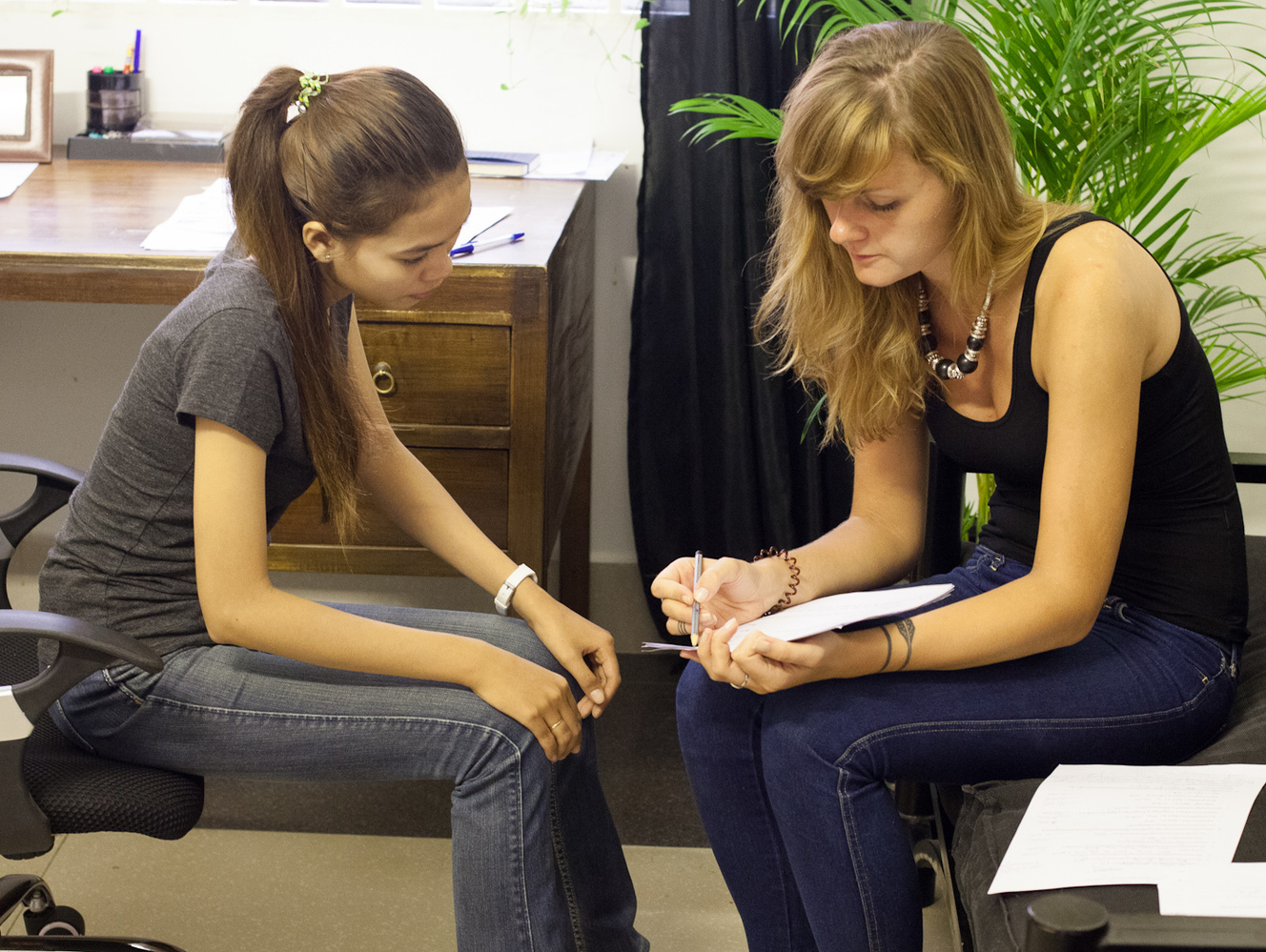
This week Marketa obtained her first data via a survey of small group leaders from around the country. At first glance, the challenge is plain to see.
In a group of 15 mentors from Kandal Province, 8 have moved to the city. In another group of 19 from the same region, 5 have moved. Yet in the entire province of Kampong Chhnang, 10 of 68 have moved, and of nearly 60 mentors in Kampong Saum, none have moved.
We want to know more about the story behind these diverse numbers.
Kandal is a relatively poor province adjacent to Phnom Penh, so it's easy for young people to go try their luck in the city. Kampong Chhnang is hours away from Phnom Penh, and there is a special economic zone in Kampong Chhnang, so many factories are employing workers there. Kampong Saum is a tourist destination with a robust local job market compared to other rural provinces.
Many Alongsider mentors who move to the city return home on weekends, so they are able to maintain relationships with their little brothers and sisters. But if their homes are more then two hours from the city, then it's too far to visit regularly.
These are just some of the details and variables we want to look at more carefully.
Alongsiders is part of the fabric of society in rural Cambodia, and now urbanization is tearing the fabric apart.
Asia is developing and urbanizing faster than any region in the world, so we can expect similar patterns as Alongsiders expands to other Asian countries.
The good news is that Alongsider mentors are living and serving right where life is changing the fastest and the needs are most acute; they are at the epicenter of a societal earthquake.
Our liability, relationships, is also our strength. Our success or failure depends on the quality of relationships formed by our mentors and our ability as a supporting organization to balance and shift as the ground moves beneath us.
We're willing to take that challenge.
A day in the life of our Alongsiders staff
I am an observer, along for the ride, when a startled cow rams our motorbike.
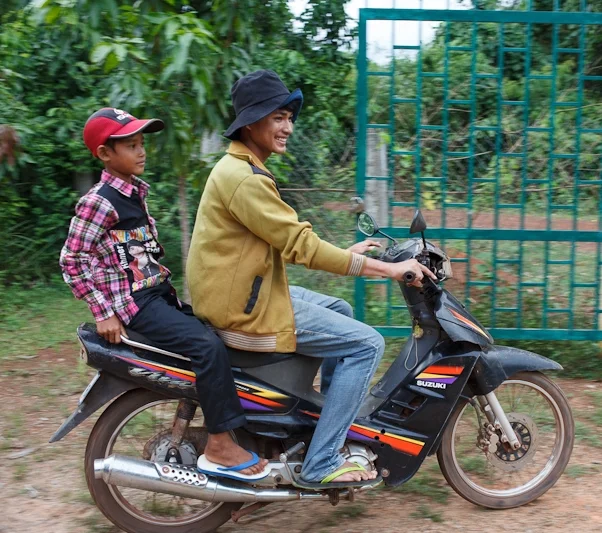
I am an observer, along for the ride, when a startled cow rams our motorbike.
To get to this point, we have already traveled by bus, boat, and motorbike to a remote village north of Phnom Penh. Our plan today is to register some new Alongsiders.
Phearom, who is on staff with Alongsiders Cambodia, is my guide.
As we hop on the backs of motorbikes driven by our hosts, we are heading towards a house church twenty minutes away.
Halfway there my driver startles a cow who does not take kindly to being disturbed. The cow lowers its shoulder, snorts, and RAMS into us - nearly sending us flying! Thankfully, my driver handles the bovine battering with style and no harm is done.
About 25 young adults and children are waiting for us on arrival. Their leader is a young woman with a gentle spirit and a quick wit who wastes no time chiding the children to practice their English with the foreigner.
Phearom is warm - chatting and laughing with the youth and children. Everyone is excited. You can feel it in the air.
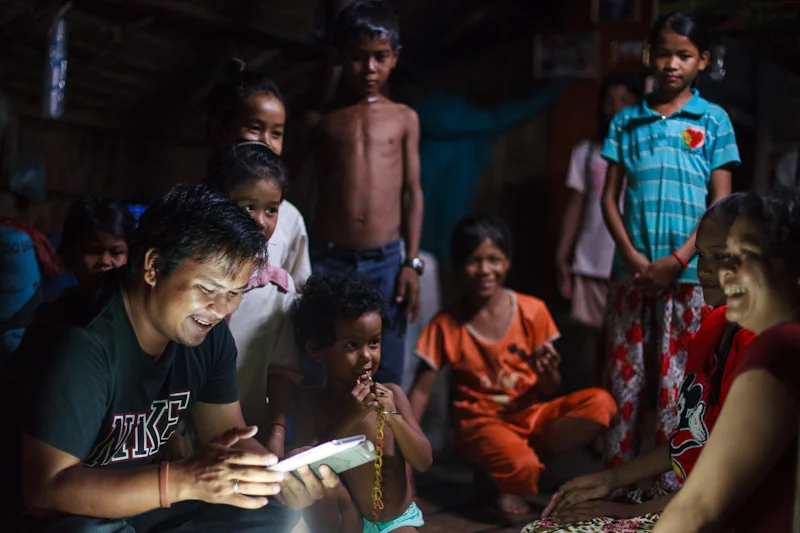
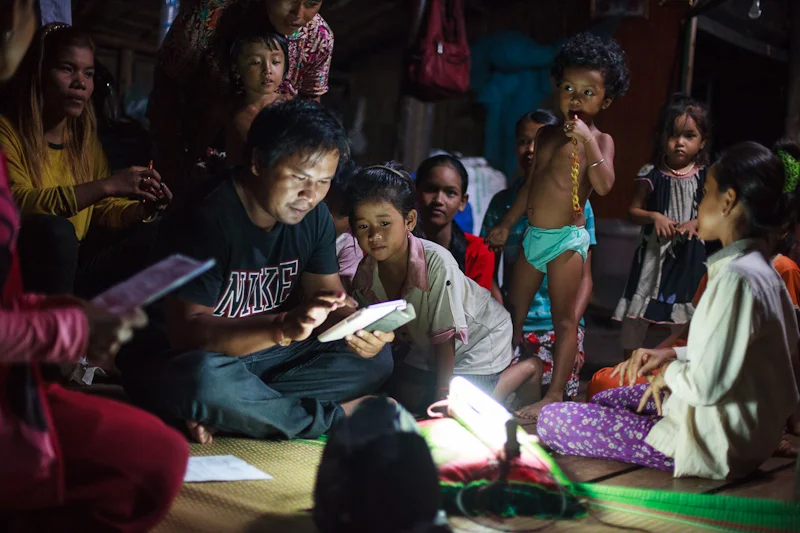
Phearom uses a low-end Samsung tablet to enter the names and details of the new Alongsiders and their little brothers and sisters in an Android app. Each participant is photographed. This information is then uploaded to an online database when he has wifi access.
Today is the day we officially become Alongsiders.
Today is the day I become a little brother.
Today is the day I become a little sister!
After the cheerful banter, Phearom sits down in a blue plastic chair and receives a stack of application forms. The nervous new mentors with their chosen little brothers and sisters line up to meet him.
The intake process begins.
Today we're not only scheduled to work here, but also at a church down the road where another small crowd of eager young Christians is waiting for us at dusk.
As the light fades to dark, we finally finish up the last intakes using a florescent light powered by a car battery.
Despite the angry cow, the lack of electricity, the dusty roads and distance from the city, it's been a good day. A very good day.
The start of something significant.