
The Circle of Courage
Alongsider relationships nurture four characteristics in children and youth that increase their courage and, therefore, their resiliency.
“I chose her because I want her to be smart, and I want her to be brave.”
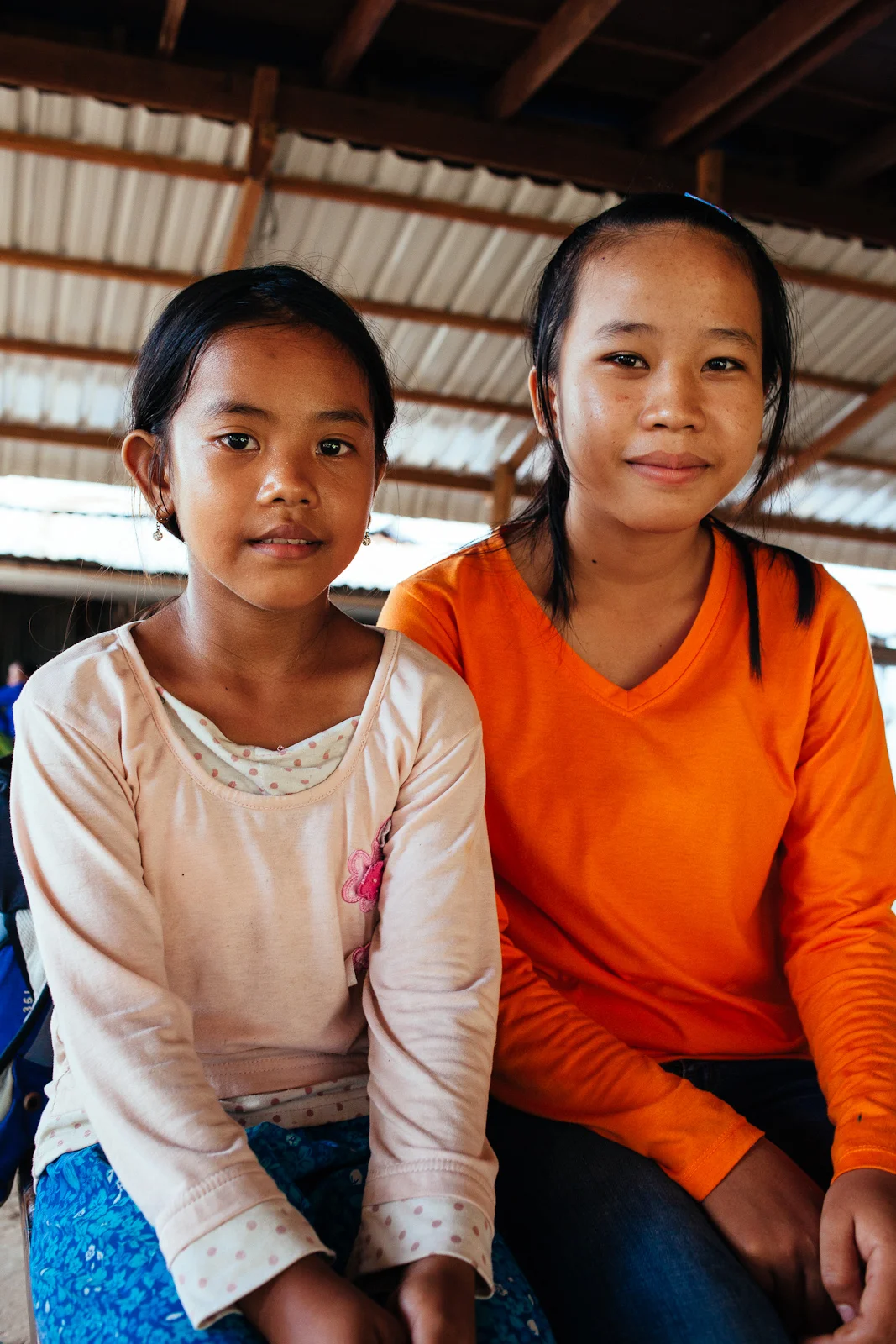
That's wisdom from a 17 year old Alongsider in rural Cambodia. Her name is Matha. Her chosen little sister, Esara, is nine, and we're sitting together in the shade of a wooden home.
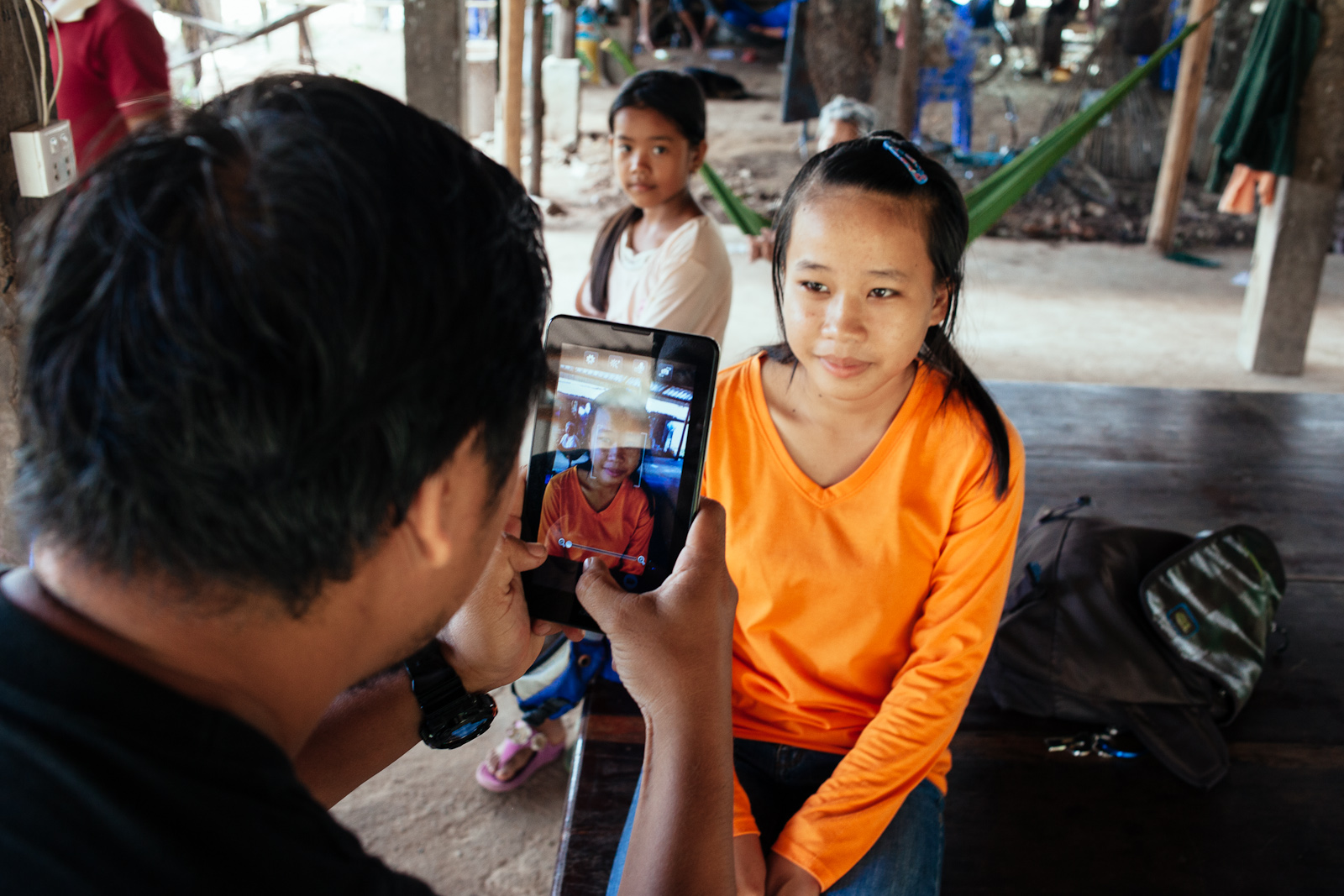
Phearom, an Alongsiders Cambodia staff, takes a photo of Matha while Esara watches.
Matha is not desperately poor, I suppose, because she arrived at our meeting on a small motocycle. But it's safe to say she doesn't have much to offer Esara in the way of money or material resources. Fortunately, this sets Matha free to look beyond what she can provide in order to see the resources Esara has within herself. She believes that - with some support - Esara can solve her own problems. But it's important for her to be smart and brave.
Why smart? Because Esara must choose well.
Going to school will be a choice. Studying at home and learning will be a choice. Having good relationships will be a choice. Many of Esara's peers, will drop out of school and go to work in factories. They will be drawn by a low salary (that looks large to a young person from the countryside), and they will find themselves stuck in a rut that's hard to escape. Some will make compromises and fall into bad marriages; some will be single mothers. Along the way, forces in society will pressure and mislead Esara, and she won't get much help from her teachers. Even so, there will be opportunities for her, if she pushes herself to learn, thinks clearly, and stays on track.
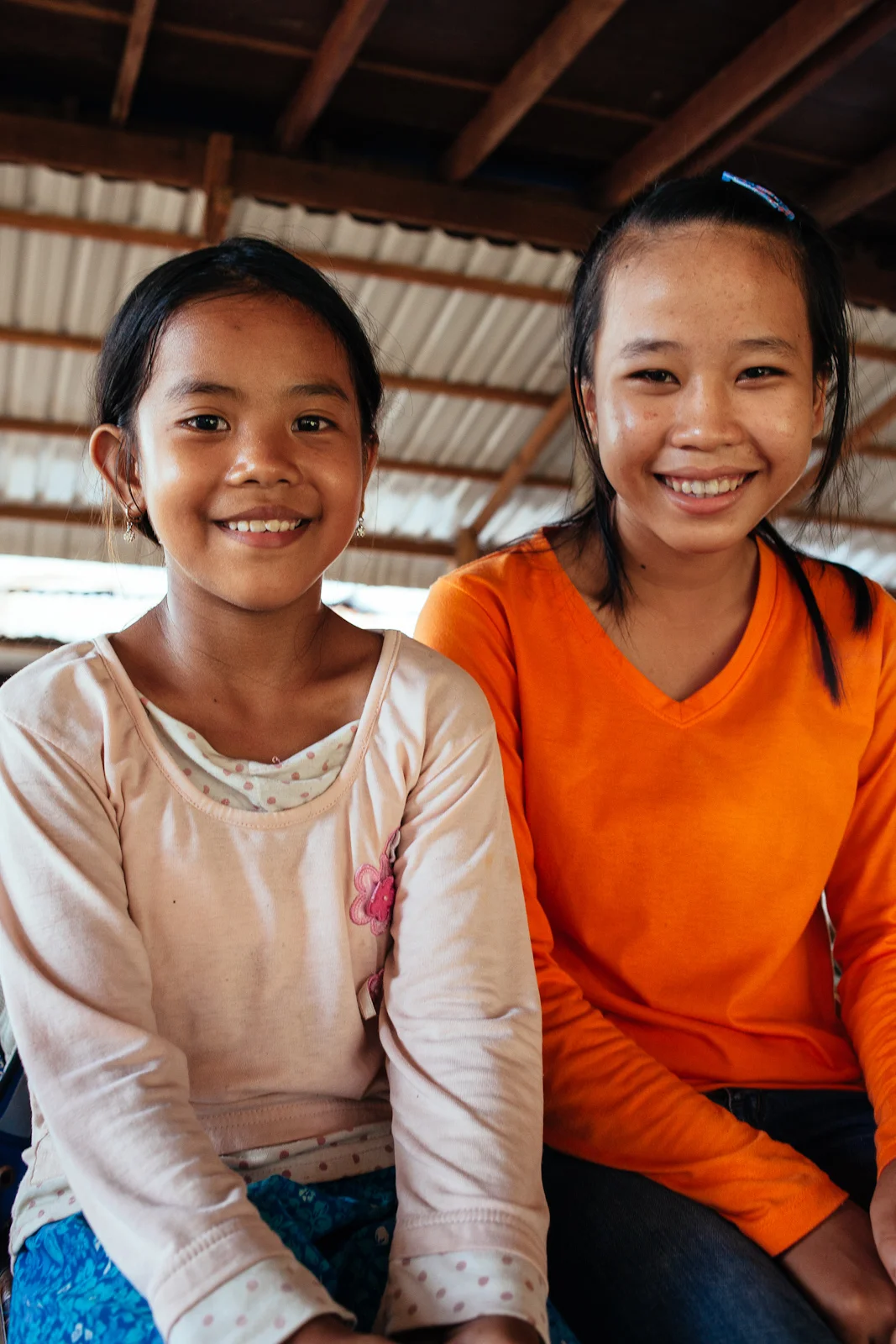
Why brave? Because Esara feels vulnerable, and rightly so.
"I always see her alone," says Matha. "Her family doesn't seem to love her very much. They always go to the market and leave her at home."
Esara has problems relating with her older sisters. Her father, who apparently does care for her, stays away from home working five or six days per week. As Matha explains, Esara's eyes turn red and she begins to wipe away tears. Most families in Esara's community are economically poor, but vulnerability means more than just a lack of material resources.
But Matha is on to something. Increasing courage in children and youth is right at the heart of the vision of Alongsiders.
According to positive psychologists, increasing courage is a key to increasing a child's resilience. Resilience is the God-given ability to overcome adversity. So courage - or to "be brave" - can change the life of a vulnerable child.
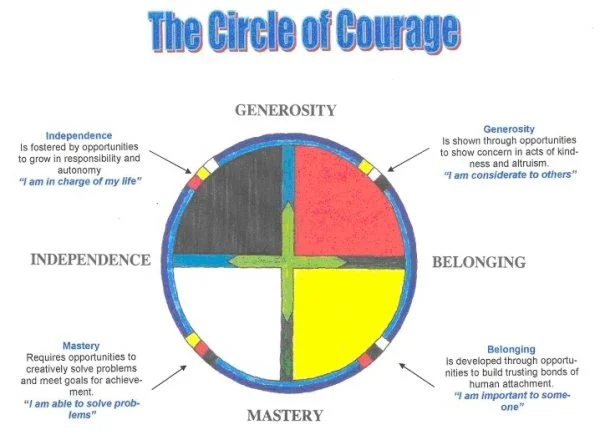
Alongsider relationships nurture four characteristics in children and youth that increase their courage and, therefore, their resiliency. (And in case it's not clear below, "being smart" neatly sums up items 2-4.)
- Belonging (through relationship with an Alongsider and improving relationships with God, family, and others in the community)
- Mastery (through discipleship, education, and problem solving)
- Independence (through growing in responsibility and life skills)
- Generosity (through serving and becoming an Alongsider for someone else)
It's worth adding one more note about courage. "Do not be afraid"/"Fear not" is the most repeated phrase in the Bible. In scripture fearful people reject Jesus and his ways, but people with courage follow him and love one another.
"Do you want to be brave?" I ask.
Esara says, "Yes."
"Can she help you?"
"Yes," she replies.
Esara is a small package, but the greatest resources she can count on are already, by God's grace, either within her or accessible to her in relationships.
But she needs courage: to be smart and brave. And love is showing her the way.
4 Keys for Resilience: how to help kids bounce back
The principles we draw on to build resilience are useful for every parent, and any person working with children.
Nine year old Sita* was severely shaken as a baby, leading to brain damage. When she was two years old, her mother brought her to a center in Kampot that supports parents who are raising mentally disabled children.
Her mother abandoned Sita there.
Testing revealed the left side of Sita's brain had shrunken to a fraction of normal size. She couldn't taste or smell or talk, and the doctors said there was little hope she would ever walk either. They were surprised she had lived so long.
Against the odds, today Sita has learned to taste, smell, talk, walk and play on her own.
Surprisingly, more recent testing shows the right side of her brain has actually grown to take up space as the left side of her brain receded.
Sita's story is inspiring, but it's not as unique as you may think.
Many stories testify to the ability of children to recover from even the most devastating circumstances. Children have an astounding bounce-back-ability - also known as Resilience.
Resilience is a God-given human ability to recover from physical, psychological, and emotional trauma. It's the "wow" factor in stories of survival and overcoming the odds.
And every child has it!
“Initially many researchers thought resilience was a personality trait of a few “invulnerable” super-kids who could leap life’s barriers in an effortless bound. Instead, the emerging view is that resilience is programmed into our DNA... In the words of one resilience expert, ‘Given sufficient support humans can defy the odds and become agents of history.’”
Sita's story illustrates something important at the heart of the Alongsiders movement.
Children growing up in material poverty face all kinds of challenges from malnutrition and neglect, to sickness and abuse. These range from mild setbacks to severely debilitating ones.
Think of what the term "crushing poverty" implies: impossible burdens, lack of hope, and real damage. Yet many children rise up out of the most difficult situations to lead full and productive lives.
That is the miracle of Resilience.
One of the core goals of Alongsiders is to increase resilience in the little brothers and sisters in our movement and thus improve their chances of overcoming their own challenging circumstances.
Yet, the principles we draw on are useful for every parent, and any person working with children.
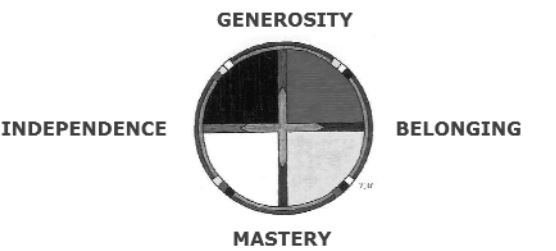
The Circle of Courage identifies four "universal needs" of children that, when met, increase resilience in children. The four needs are Belonging, Mastery, Independence, and Generosity.
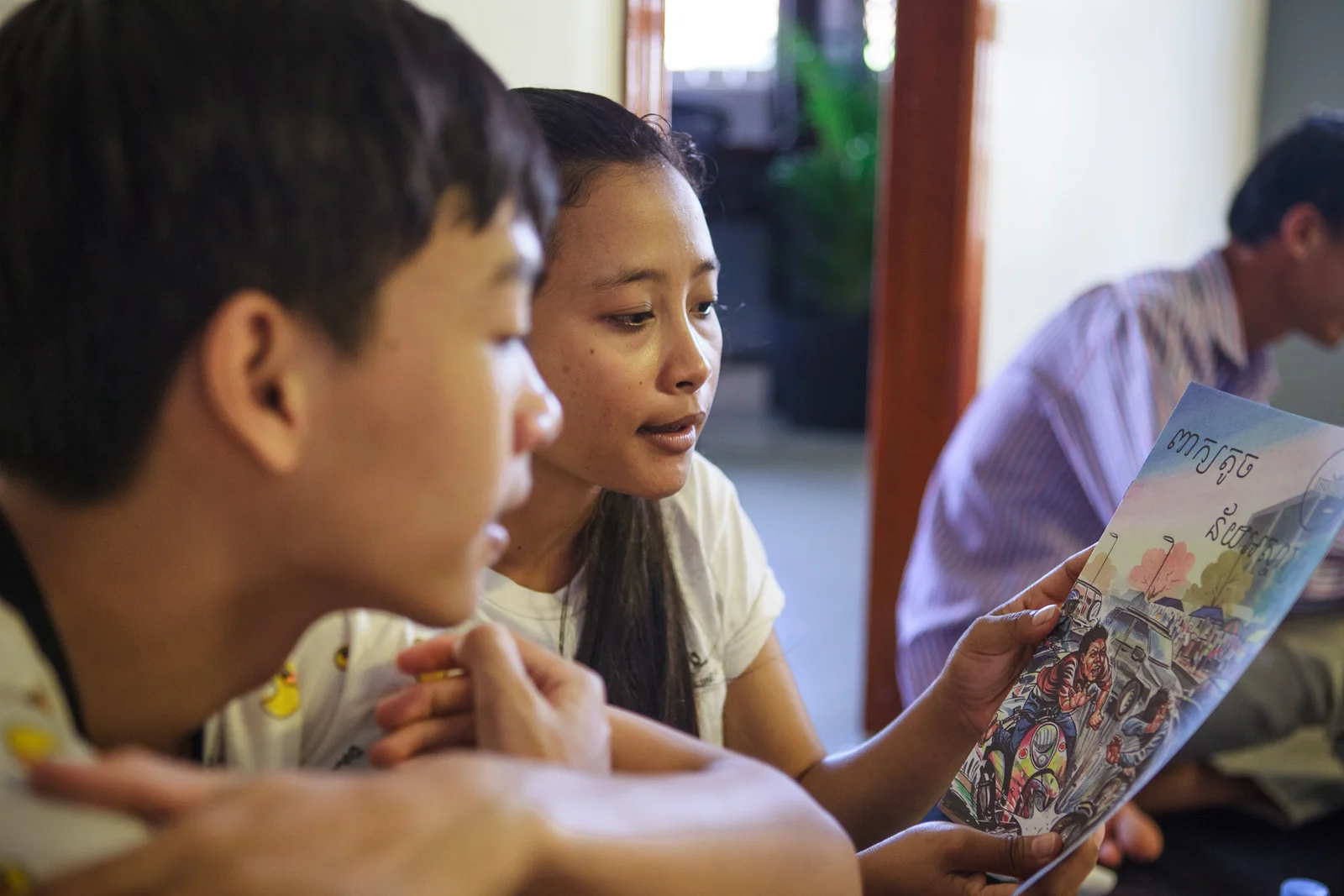
Alongsiders look at a comic book in training
Everything that an Alongsider mentor does with their little brother or sister helps strengthen these four areas. And that loving relationship is bolstered by our three year comic book curriculum which is designed to address different aspects of these four needs:
- Belonging.
Every child has a deep yearning to know they are accepted and appreciated, that they are part of a loving family and a welcoming wider community. If they can’t find that in a healthy group, they will join a gang or other dysfunctional community in order to meet that need. Rather than simply warn children against gangs, we seek to address the deeper need for connectedness by helping children to stay and thrive in their own families and communities with their Alongsiders and the local church who walk with them. Comic book topics related to Belonging include lessons on forgiveness and resolving conflicts.
- Mastery.
Every child needs to learn how to solve problems and take steps to achieve goals. They need the encouragement of achieving small successes. Through these ordinary breakthroughs, they find motivation and develop confidence. Alongsiders encourage their little brothers to stay in school, a proven route out of poverty, and they have important conversations about future goals and direction. Some lessons that relate to this need are our lessons on perseverance, servant leadership, and discipleship.
- Independence.
Children also need to learn responsibility, autonomy and self-control in order to grow into healthy adults. The greatest forms of responsibility and self-control are not based on fear or obligation, but on love. With shortcuts and corruption all around, Alongsider mentors are themselves powerful models of responsibility in action as they choose to commit their lives to their little brothers and sisters and then follow through. Comic book lessons that build this area include our lessons on decision-making, courage, and setting goals.
- Generosity.
Children long for purpose, but children who lack an innate sense of value will be too focused on their own needs to show generous concern for others. Alongsiders see the value in their little brothers and sisters and then give generously to them (of their time and commitment) in love. They invite their little brothers and sisters to grow up and do the same for others, not as an obligation but as an opportunity. Comic book lessons that build this area include our lessons on gratitude, service, and how to become an Alongsider.
Step-by-step over time, building up children in these four areas nurtures their God-given resilience so they can "rewire" their thinking and lead transformed lives that defy expectations.
And that is how kids defy the odds and bounce back - from the most incredible obstacles and suffering.
(*Sita's name has been changed for privacy)
Why we focus on resilience instead of services...
An 11 year-old girl takes care of her three younger siblings for eight hours or more every day. What makes her resilient?
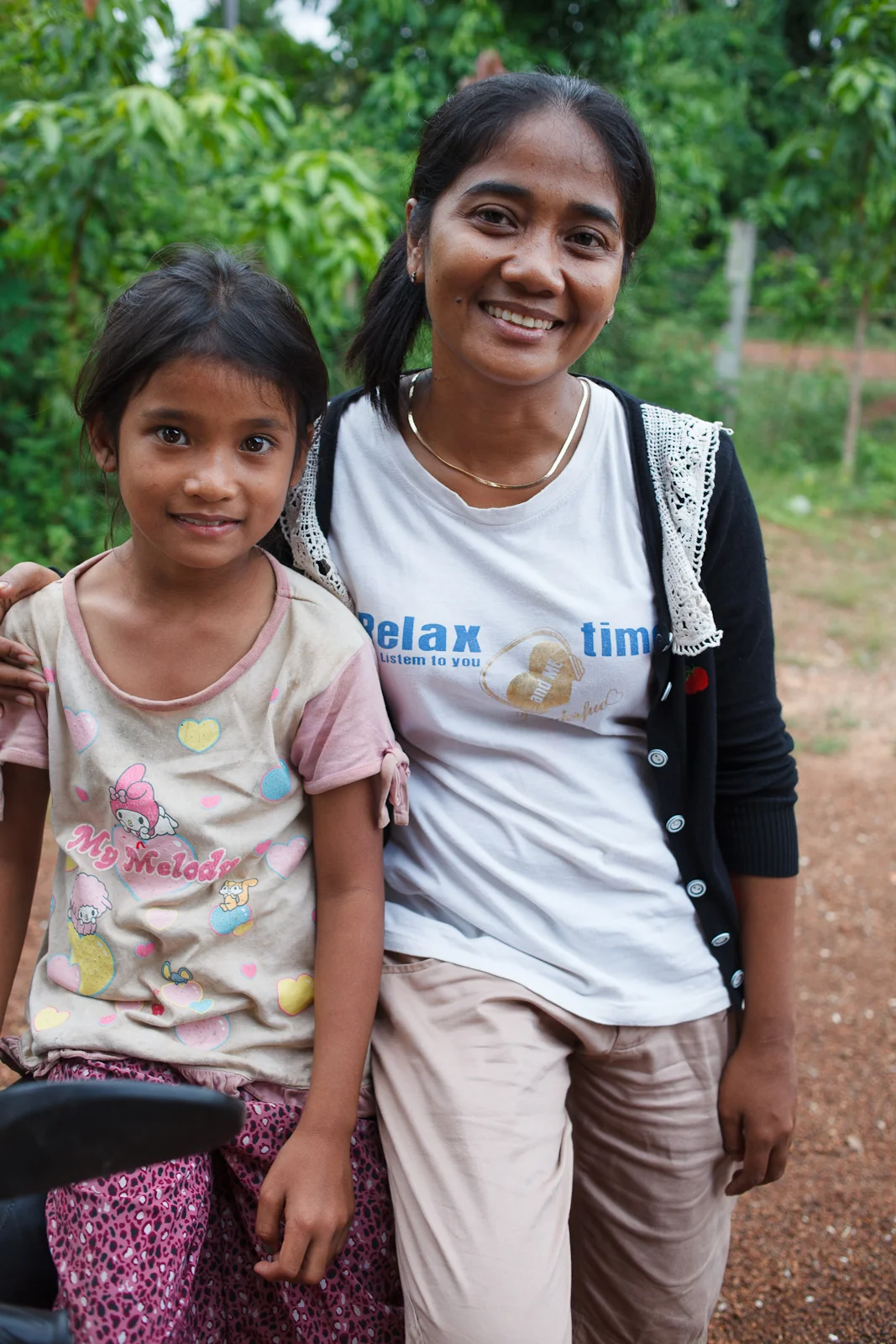
11 year-old Piya takes care of her three younger siblings for eight hours or more every day. Her father abandoned the family, and her mother has to leave them alone when she goes to work.
Despite her burdens, she is smiling. Piya is resilient.
All the children chosen by Alongsider mentors as little brothers and sisters are in difficult circumstances that require them to be resilient.
Resilience is ‘a set of qualities that helps a person to withstand many of the negative effects of adversity'.
It's that innate strength of character that every child in every culture has to varying degrees. It's that phenomenal quality that enables some children to endure seemingly crushing challenges and hardships and spring back.
Scientists agree that it comes from a mixture of nature and nurture. That means we CAN strengthen the resilience of children. But it won't be through mere service provision.
Outside services for the poor often have the unintended consequence of disrupting family and community relationships, undermining resilience. Communities receive such services gratefully but at unknown costs.
At Alongsiders we draw on The Circle of Courage, described in this article, as a practical application of resilience theory. The Circle of Courage identifies four universal needs of all children: Belonging, Mastery, Independence, and Generosity.”
- Belonging: forming healthy attachments and trusting relationships. When this need is met a child can say, "I am loved."
- Mastery: achieving and growing in capability. When this need is met a child will be able to say, "I can succeed."
- Independence: standing up for oneself and finding appropriate autonomy. When this need is met a child can say, "I can make decisions."
- Generosity: altruism and serving others. When this need is met a child can say, "I have a purpose."
Whatever we do to strengthen children and youth in these areas will contribute to their resilience, drawing out their own strengths, so they can take hold of their own lives and futures.
If these are four legs of a stool, then every leg has a social component. We are relational beings, even in our independence, and we are strongest when we stand with others.
Alongsider mentors serve in their own communities in ways that honor and strengthen family and community relationships, helping children to grow in belonging, mastery, independence and generosity. The result, we have seen, is greater resilience.
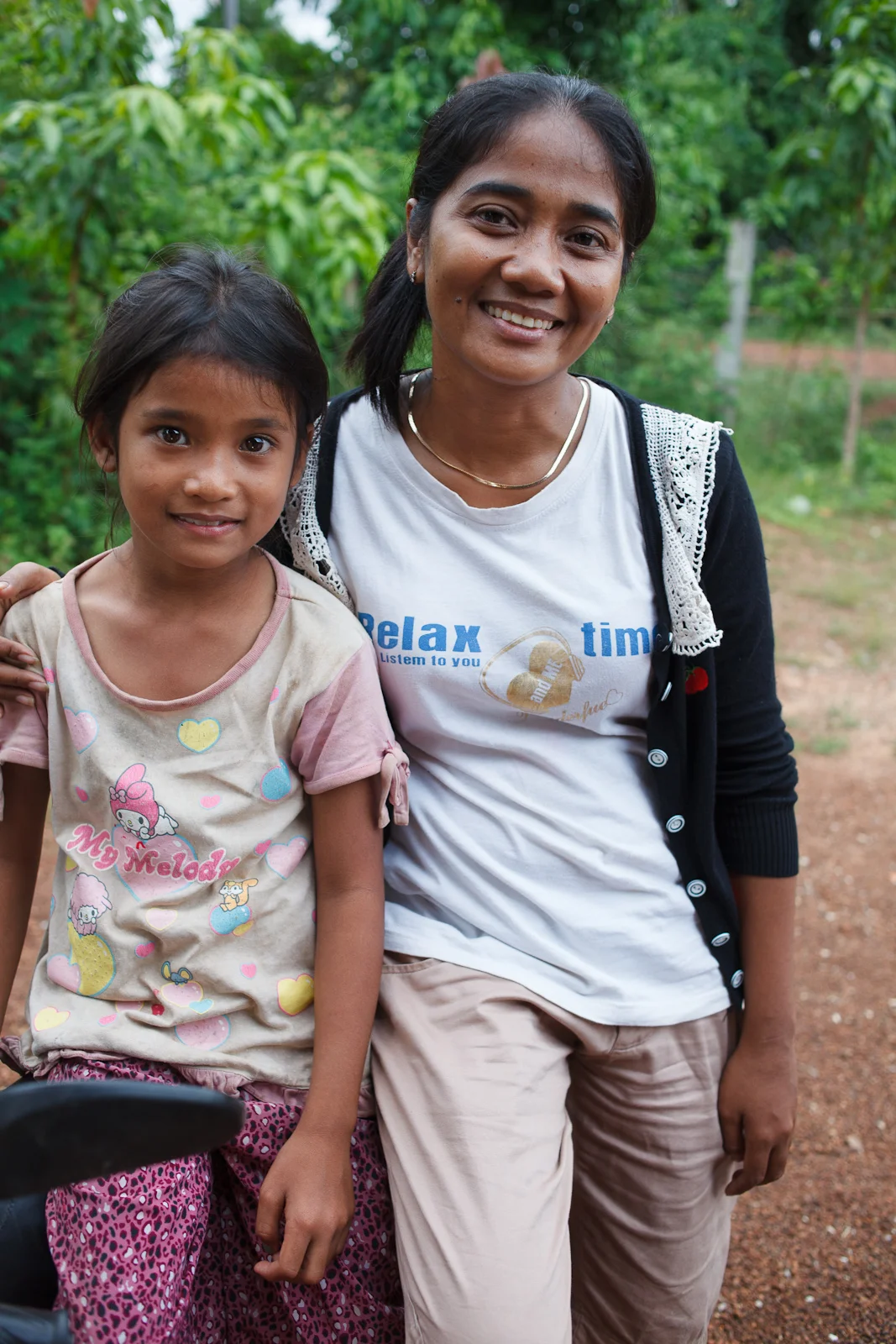
Chenda and Piya
Piya, by the way, may have had an extra boost of resilience the afternoon that I met her, a greater feeling of belonging.
It was a special day, as she was standing with her new Alongsider mentor, Chenda!
[written by Andy Gray]