
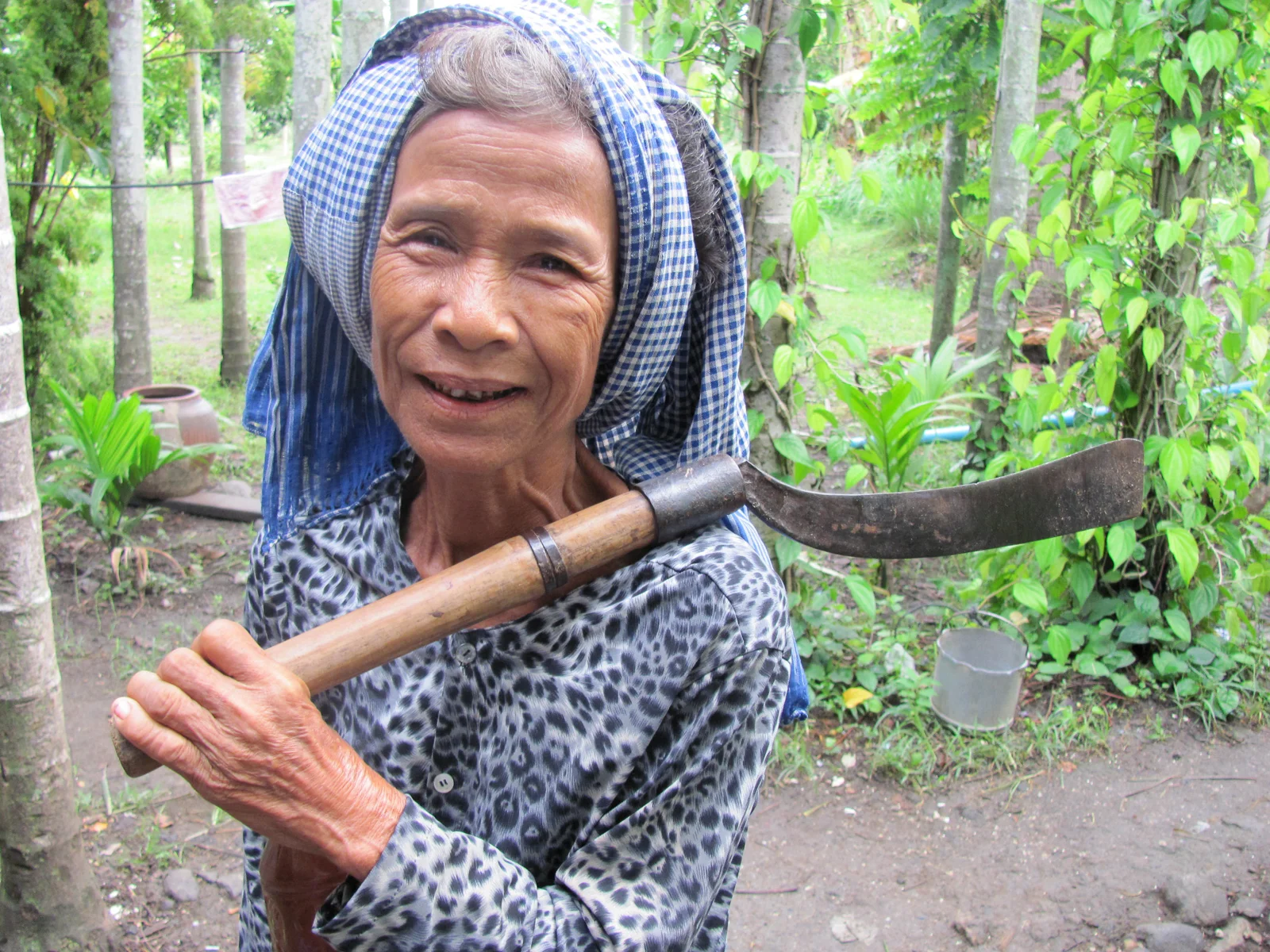
A tribute to widows and grandmothers
Statistics on orphans can be misleading. Let's take a look at one of the most overlooked aspects of orphan care.
Alongsiders walk with the most vulnerable children in their own communities. Many of the children are orphans, so the Alongsiders movement is also an orphan care movement. Today let's look at one of the most overlooked factors in orphan care.
They say there are about 150 million orphans worldwide. The website for SOS Children's Villages puts the number at 153 million. Other orphanage providers and international adoption agencies give similar numbers. What they rarely say is that the vast majority of orphans, at least 95 percent, are cared for by their own relatives.
Most are cared for by their widowed mothers. If that's confusing, keep in mind that the international definition of an "orphan" is a child who has lost at least one parent.
Most double-orphans (who have lost both parents) are cared for by grandparents and relatives. In developing countries, we've seen this role falls primarily on the grandmothers.
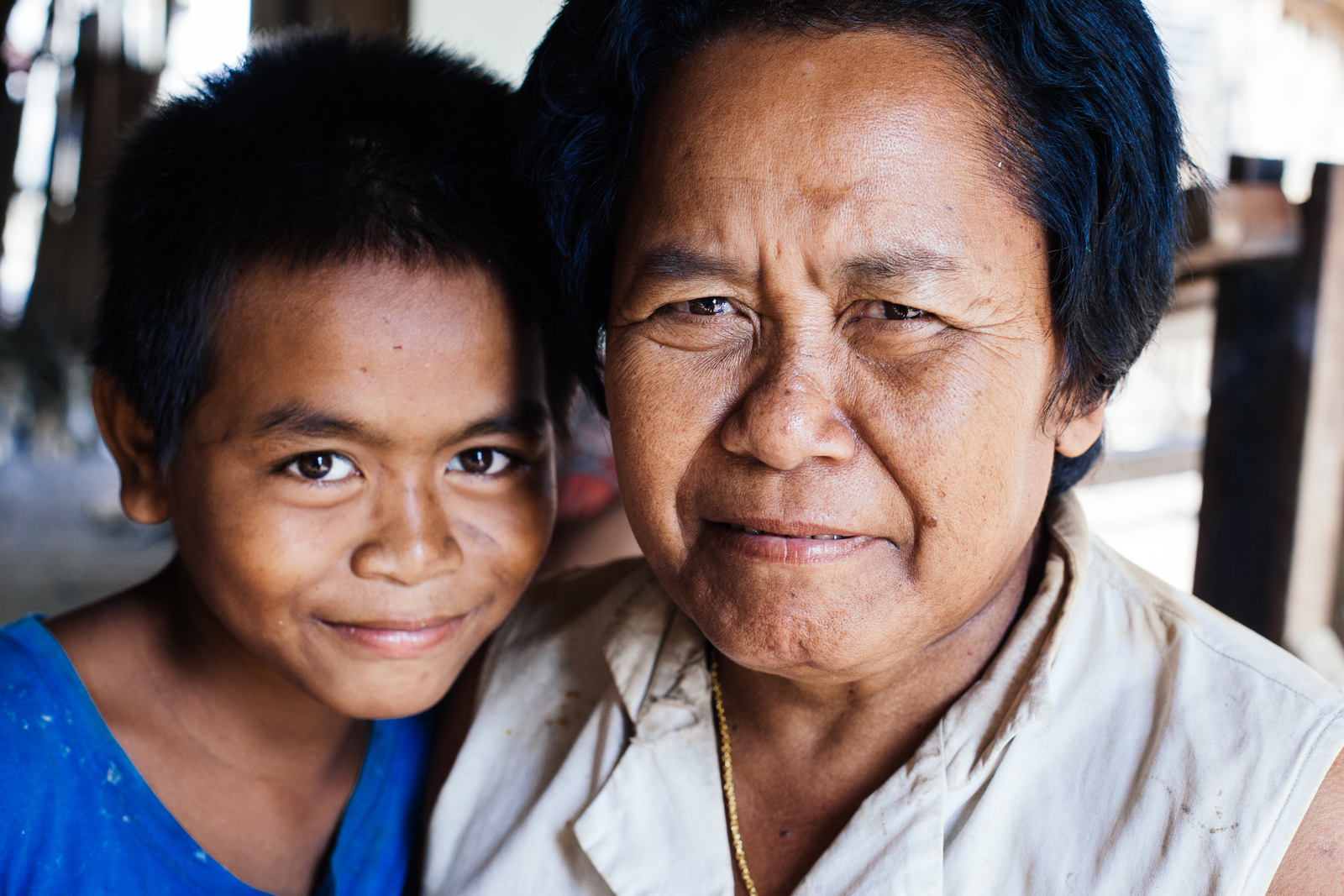
That is to say, in the developing world, widows and grandmothers are the unspoken heroes of orphan care.
Of course, this shouldn't be a big surprise. Most of us, if we have or imagine having children, assume that our spouse or parents would step in and raise them if something happened to us. Naturally, people around the world, rich and poor alike, feel the same way. They want their children to stay in the family.
But there's a catch. In those countries where the orphan crisis is most severe, there are very few organizations or ministries supporting widows and grandmothers caring for orphans. Immense amounts of money are invested in orphanages, and relatively little is spent on widows and grandmothers who care for the majority of orphans.
How can this be?
The good news is that organizations, churches, and donors are beginning to transition away from the old orphanage (shelter, center, children's village) model toward real family-based care, and we're seeing more efforts to support widows and grandmothers.
We believe the Alongsiders movement is part of the change.
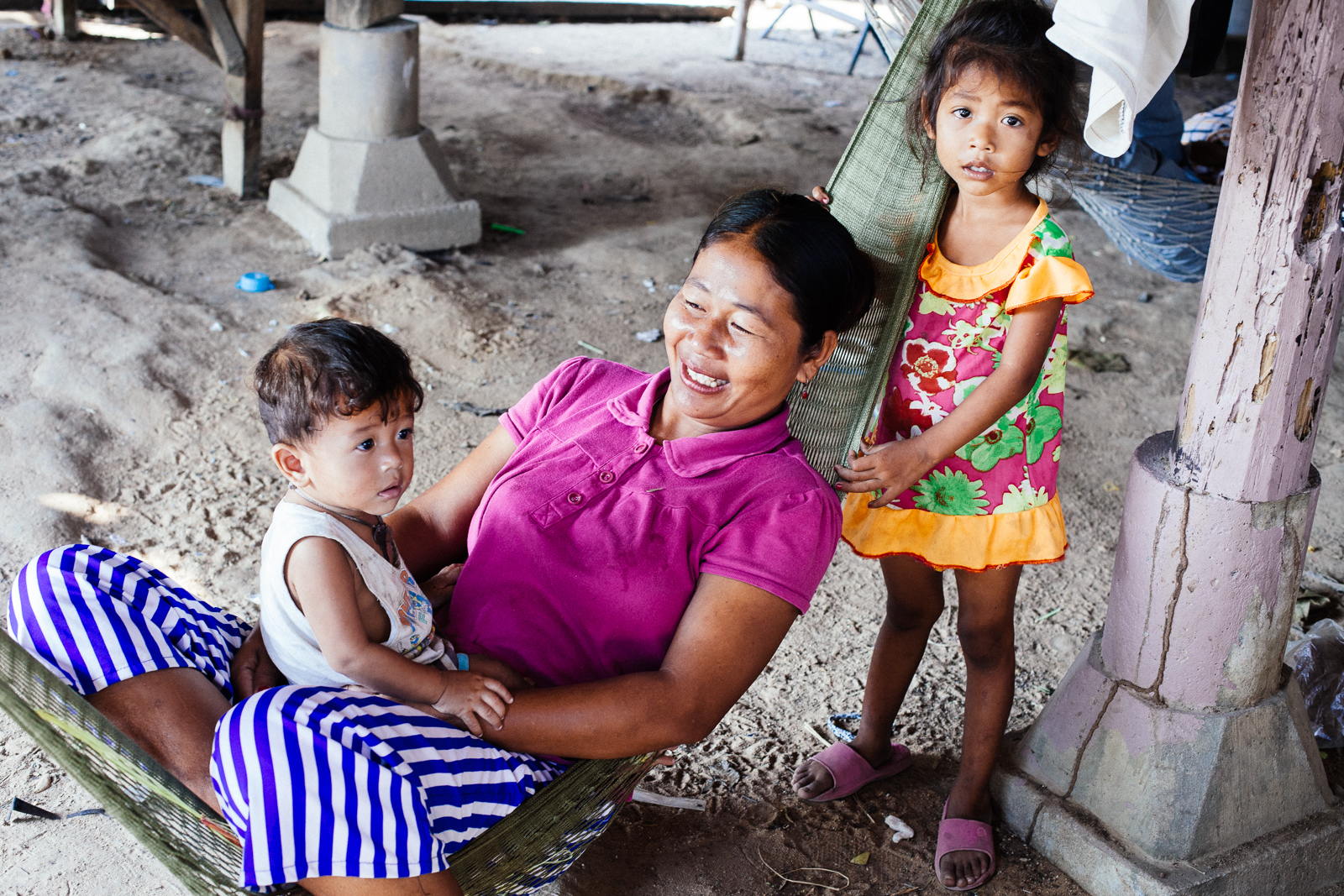
Many young people who become Alongsiders choose orphans as their little brothers and sisters. In so doing, they're giving crucial support to hardworking widows and grandmothers who have so much riding on their shoulders.
Sophy is a young girl living with her grandmother in rural Cambodia. Her grandmother is tough as nails. Not only is she raising Sophy, but during the day she helps care for her nephew, a young man who was paralyzed from the waist down in a motorcycle accident.
Recently, Sophy was on her way to school when an older girl she knew named Chenda fell in beside her. As they walked down the road, Chenda asked Sophy to become her "little sister." Sophy was overjoyed, and later her grandmother gladly gave permission.
Sophy's grandmother loves her, but Sophy has always felt lonely. Many of her peers skip school, gamble, and drink. Her grandmother has kept Sophy in school and focused on her studies, but she can't meet all her needs.
Chenda can help Sophy in ways her grandmother can't.
She can help with homework, visit the school and talk to the teacher, relate more closely to Sophy's problems and temptations, connect her to leaders and friends in the community, intervene when when other problems arise, and disciple her.
Right now Alongsiders in Cambodia, Indonesia, India and Pakistan are walking with hundreds of orphans and abandoned children, giving support and comfort to hundreds of widows and grandmothers.
Sometimes having an Alongsider shifts the balance so that a widow or a grandmother can raise a beloved child on her own, rather than sending the child away to an institution.
So hats off to widows and grandmothers! To their toughness and tenacity in love, and the difference they make in the lives of the most vulnerable children. May they get all the support they need.
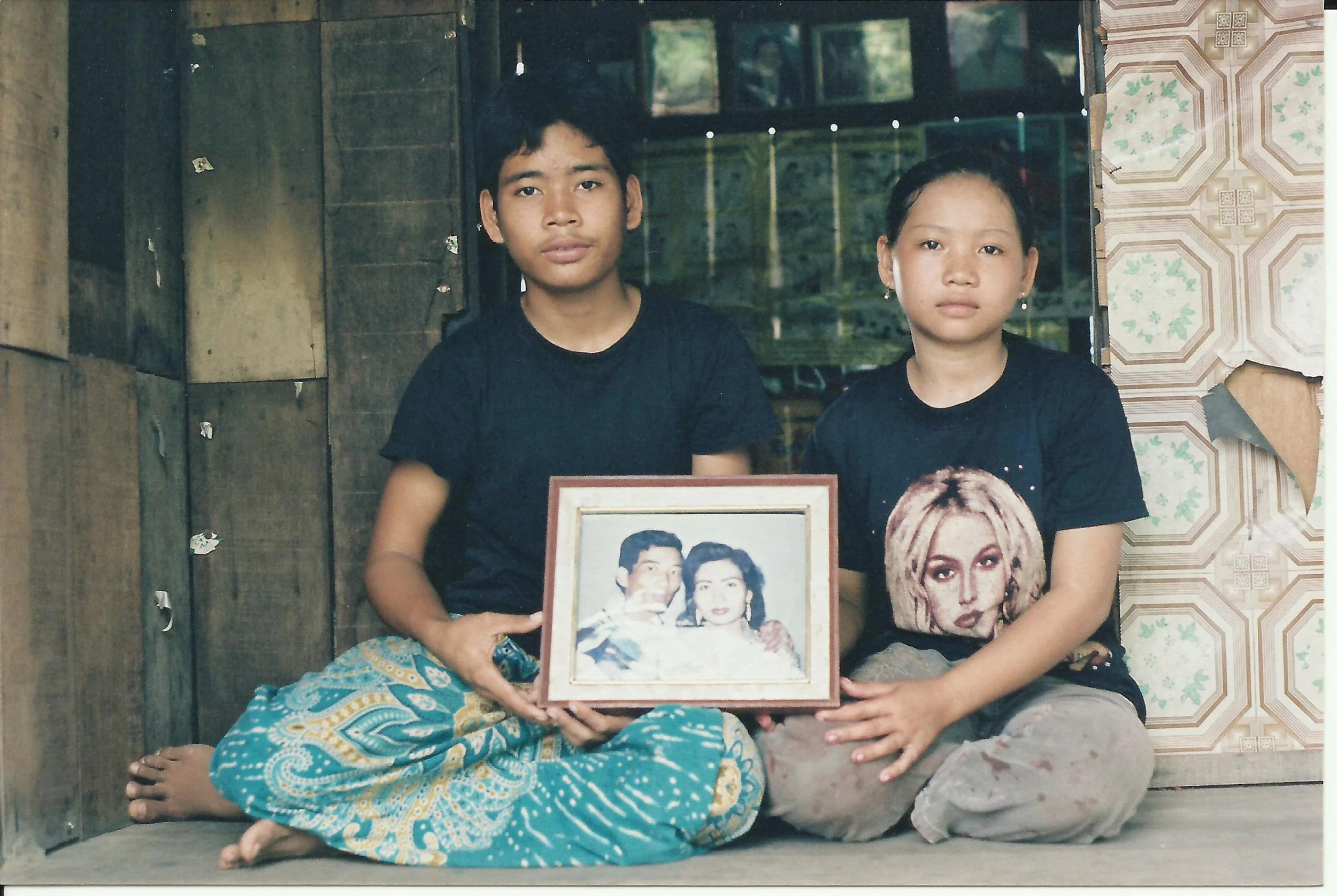
How the Alongsiders movement emerged from an orphan crisis...
An ancient Chinese proverb teaches us that, “A crisis is an opportunity riding the dangerous wind.”
An ancient Chinese proverb teaches us that, “A crisis is an opportunity riding the dangerous wind.”
This is the story of how the first Alongsiders movement grew out of the orphan crisis in Cambodia...
It was 2001.
An estimated 220,000 Cambodians were "living" with HIV/AIDS. Since no treatment was available in Cambodia at the time, they were dying at an estimated rate of 15,000 people per year. More than 150,000 had died since the epidemic began in 1991, and they would continue to die at high rates for another five years.
Many Cambodian children lost one or both parents to AIDS, and worldwide there was a mad scramble to open new orphanages, urged on by statistics predicting millions of AIDS orphans. (An orphan in most countries, including Cambodia, is defined as a child who has lost at least one parent.)
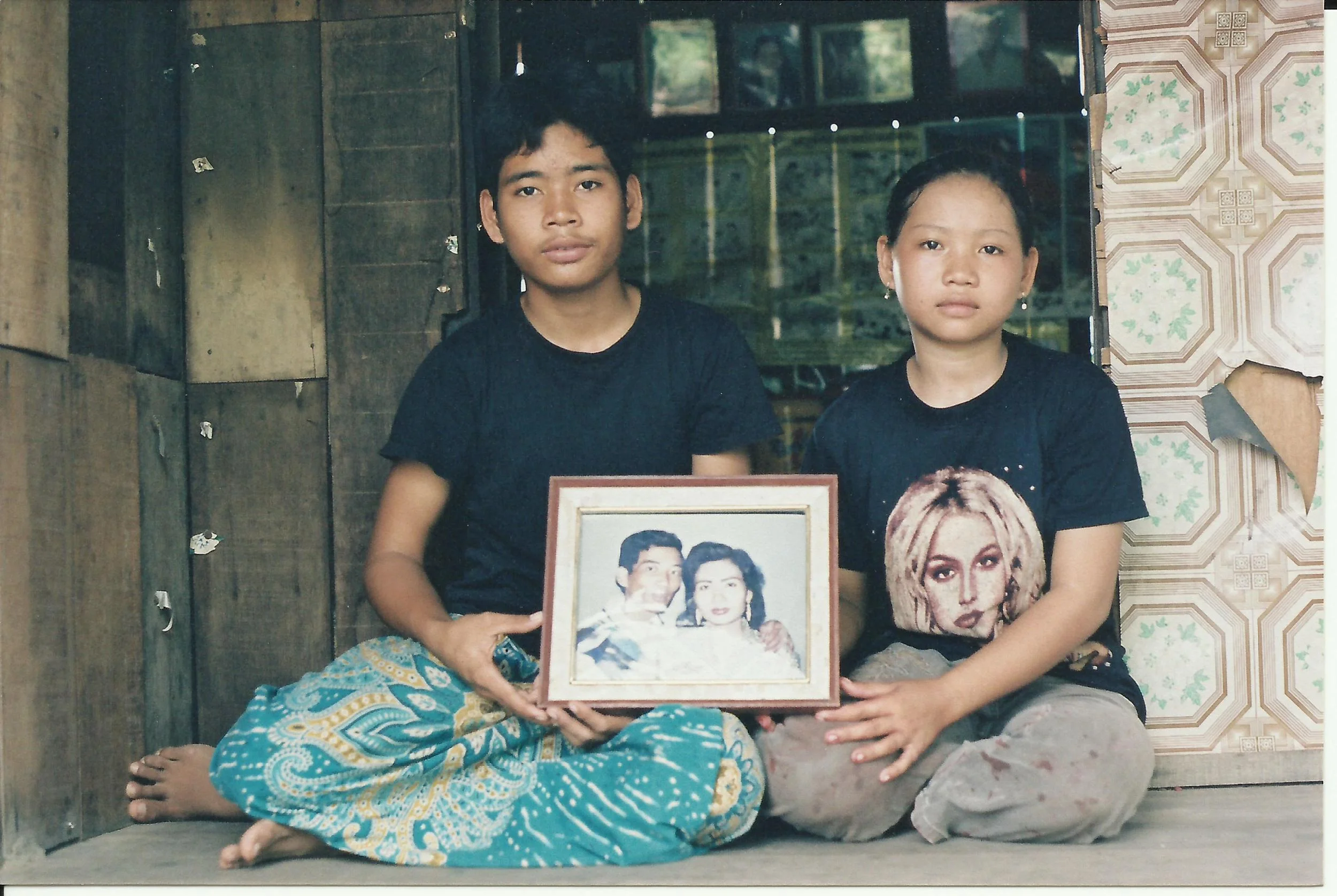
Even so the vast majority of AIDS orphans were cared for by surviving parents and relatives.
At that time, Craig Greenfield was overseeing a community-based health program in a Phnom Penh slum. As the number of orphans grew, rather than starting an orphanage, the program came alongside surviving family members and relatives to help them care for the orphaned children themselves. (You can read about this story, including why they didn't start an orphanage, in Craig's book, The Urban Halo.)
The community-based care program was successful, but there was a noticeable gap. As Craig saw it, the children and families needed "love, discipleship, coaching and mentoring - but only a movement of people would meet that need."
One day while wrestling with this challenge he had an "a-ha" moment. The local churches, he thought, had many young people who could do the work - they just needed to be mobilized.
The first Alongsiders were young adults recruited from relatively well-off churches and communities in Phnom Penh and assigned as big brothers and big sisters for slum children orphaned by AIDS (or at risk of being orphaned).
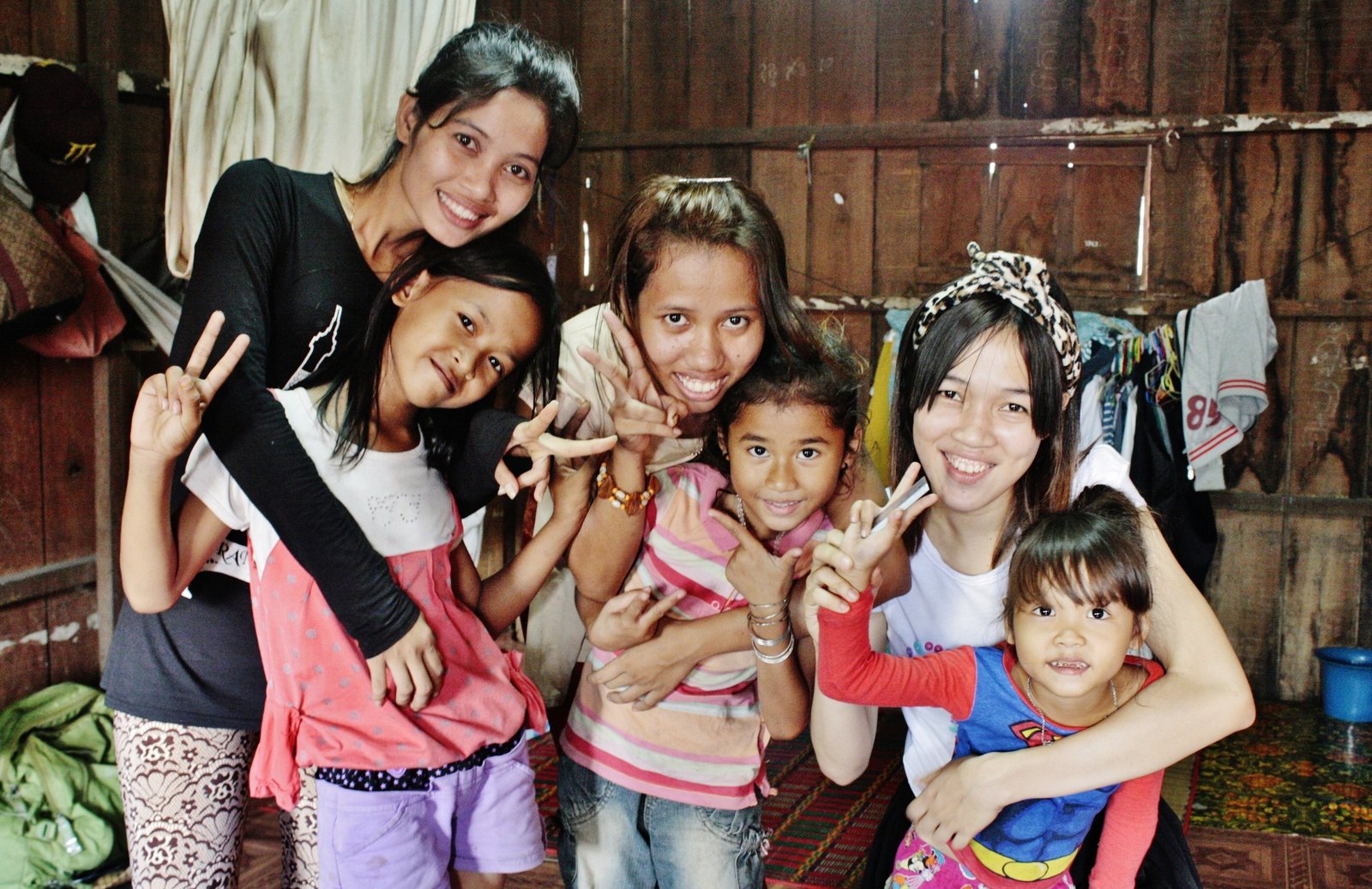
It worked to a degree, but some changes had to be made. Two of the most important changes were:
1) the decision to recruit Alongsiders from churches located WITHIN slums and marginalized communities, and
2) giving Alongsiders the responsibility to prayerfully choose little brothers and sisters themselves from the most vulnerable children in their own neighborhoods. The result has been a growing movement of young people at the margins.
Now it's 2015 and we continue to hear about the orphan crisis in Cambodia, even though the number of orphans has dramatically decreased. What we don't hear enough is:
- that 90 - 95 percent of orphans are being cared for by their surviving parents and relatives
- that studies have shown poverty, not a lack of parents or any other single issue, is the most significant indicator for whether a child will be put in an orphanage.
The good news - perhaps surprising - is that so many orphans and vulnerable children are being cared for by parents and relatives.
The challenge is that many single parents and grandparents in economically poor communities need support.
It's often a very tenuous thread that prevents orphans and the most vulnerable children from being sent to orphanages or put at risk in other ways (ranging from abuse and neglect to human trafficking). What breaks the thread? A crisis without any means to fall back on, the ongoing stresses of poverty, the burdens of discouragement and isolation, and a lack of resources to provide for a child's education.
That's where Alongsiders comes in.
Alongsiders is an orphan care movement, but not in any "top-down" sense that orphan care may imply. Alongsiders, as an organization, empowers young Cambodians, via local churches, to provide practical support for orphans in their own communities. Simple as their actions may be, this helps parents and relatives, who are often stretched to the extremes, care for their own orphaned and vulnerable children.
Forty-one percent of the little brothers and sisters in Alongsiders Cambodia are orphans. Many of the remaining fifty-nine percent have parents, but they are in the care of their grandparents or relatives for various reasons.
Here is how one Alongsider (himself orphaned) describes the impact Alongsiders can have on orphans who become their little brothers and sisters:
“I think the most important thing is that they see someone cares for them and that they’re not alone... Sometimes the Alongsider was an orphan too and understands... When you don’t have family you’re so hurting inside, and scared...
When they see they’re not alone they have happiness, and they aren’t as angry. Maybe they help around the house more... They know their own value and so they become stronger.
If they start to know Jesus they are even more happy because they have more friends at church. They are not alone any more.”
The Alongsiders movement grew out of a major crisis facing the nation of Cambodia - the crisis of neglected and impoverished children. It is the same crisis that so many developing nations face in the world today.
The seeds of hope and faith are always there. But sometimes it takes a crisis to nourish and encourage their growth.
Join us in praying for life to come from death, good to emerge from tragedy, and young Christians to rise up all over the world in response to the crisis facing their orphaned children.