
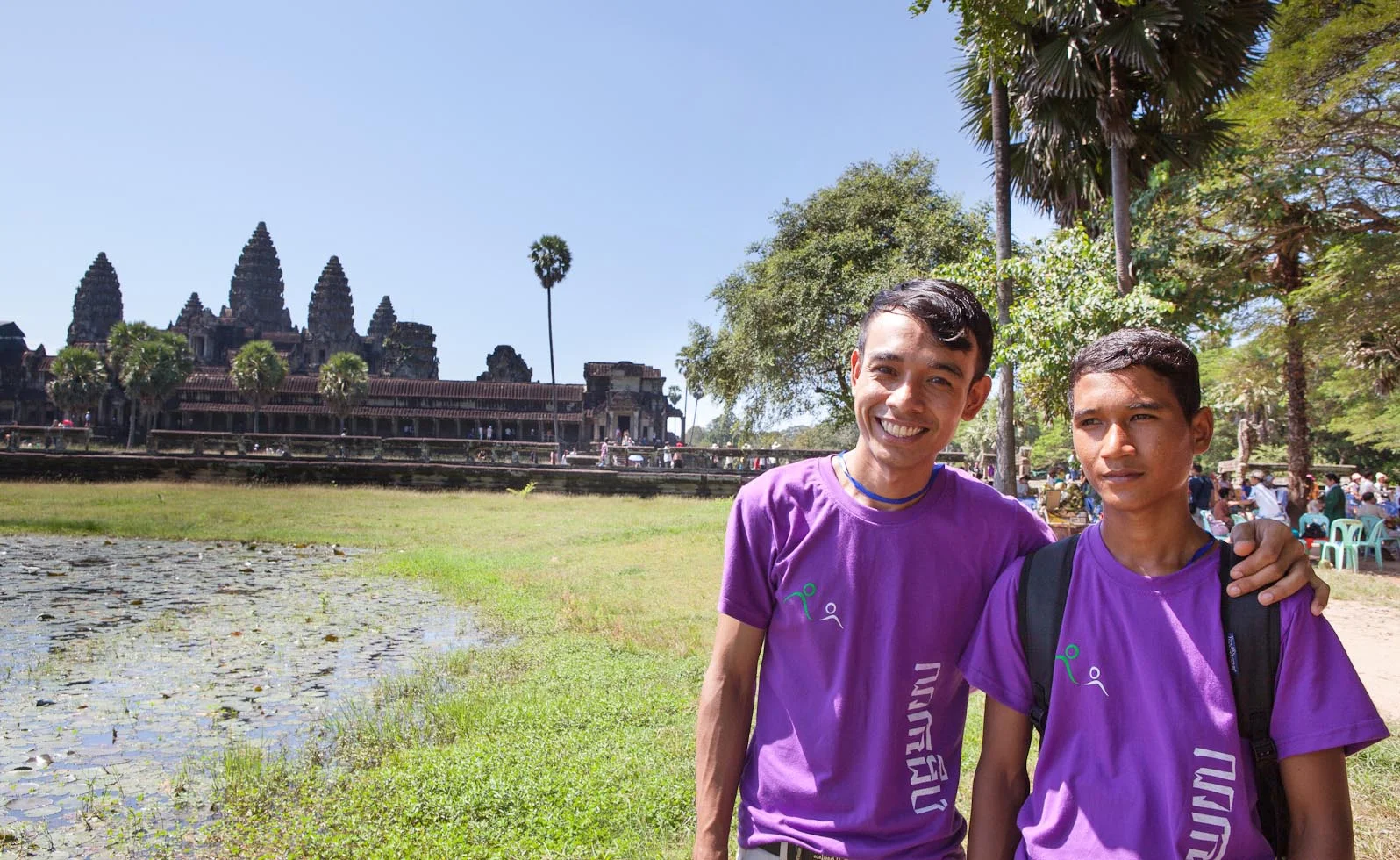
2 life lessons and a powerful challenge from a surprising source - but there's a catch
His story doesn't have a Hollywood ending, but you'll be surprised what you learn from this young man.
His story doesn't have a Hollywood ending, but you'll be surprised what you learn from this young man.
His name is Ni. People who are like him, living at the margins in extreme poverty, rarely fit into a clickable narrative. They're slogging along in process, unresolved, longing for a good surprise and hoping to avoid disaster. Actually, most of us can relate.

But here's the difference. Somebody chose Ni.
Four years ago, a 19 year old named Sothana signed up to be an Alongsider. He was living in Takeo, a rural province south of Phnom Penh.
Looking around his community he saw Ni, a 12 year old boy in one of the poorest families in the village.
Ni had dropped out of school, and his prospects were dim. So Sothana chose him, to be his "little brother".
One year later, Ni's father died. He drank himself to death, dying slowly of ulcers that ravaged his gut. The family spent what money they had on treatment. Perhaps he was drinking cheap rice wine made in the villages, laced with methanol. At any rate, it was a hard way to go, and the family was left without their main provider.
"He was a good father," says Sothana. Not perfect, obviously, but Ni felt loved.
In fact, Sothana adds, he wasn't Ni's biological father. These stories seldom unfold all at once; they are like peeling the rings of an onion. When Ni was young, his birth mother left him with her sister and her husband, and they raised Ni as one of their own.
Ni was the oldest child, so after his adoptive father died he went to work to earn money for the family. They don't own land of their own (which is why they have been among the poorest of the poor in that farming community).
For the past three years, Ni has been hiring himself out to work for other farmers, taking any and every job he can get.
Did having an Alongsider change anything?
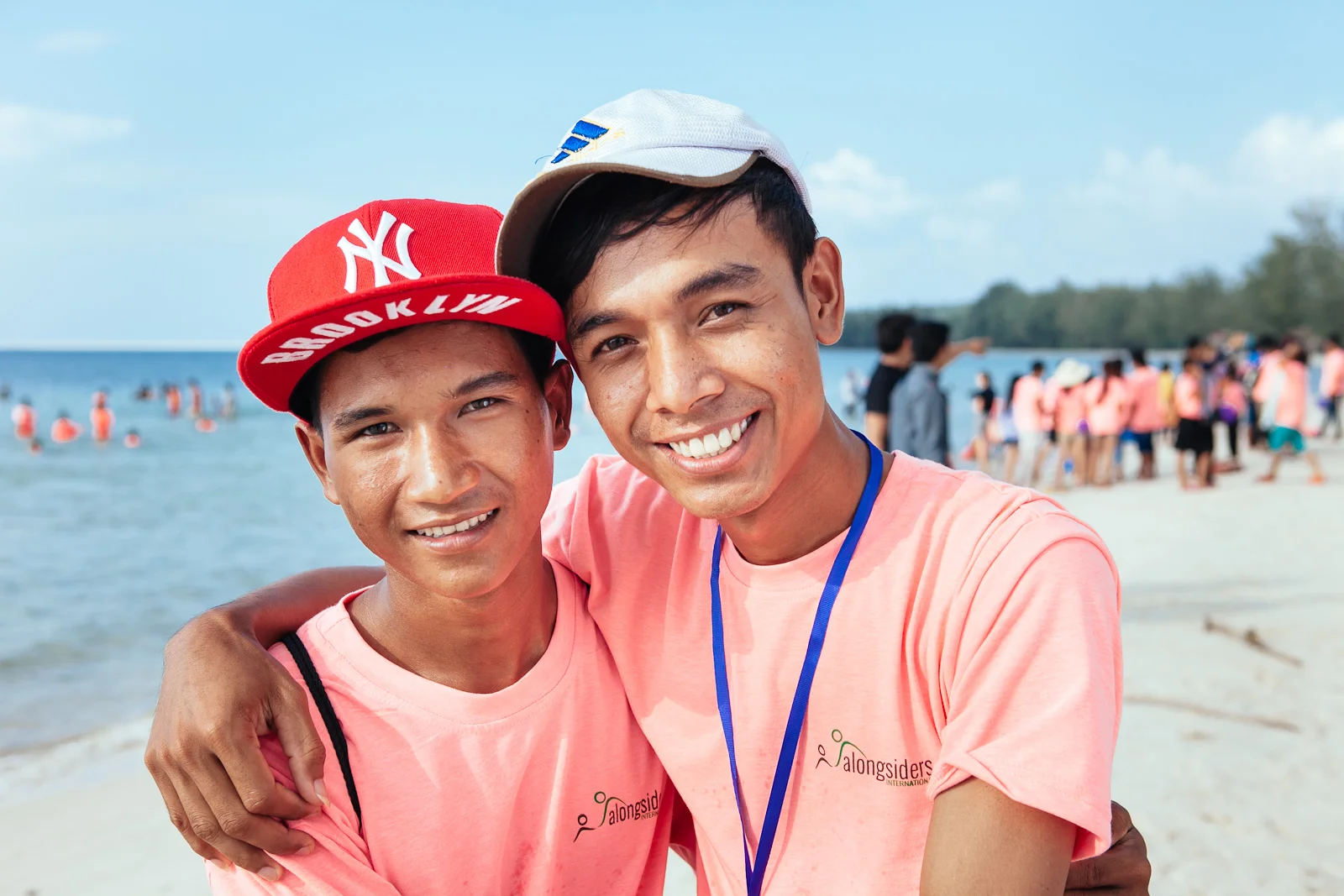
Ni (left) and Sothana (right) at the annual camp this month
Somehow, with encouragement from Sothana, Ni began attending school in his spare time. He's studying at the ninth grade level, but he can't afford any of the after-school classes that most students take. Those classes are important because the quality of teaching during school hours is low, and the students all have to pass exams eventually to graduate.
He's conscious of the fact that he doesn't have specialized skills that might help him find better work in the future. Even if an organization covered the cost of training, he would still have to consider how his family would get by without him. The trickle of money he makes is their lifeline right now, until his siblings get older.
Yet Ni says having an Alongsider and being part of Sothana's church has made a difference. It's kakadao (warm and loving), he says. It's a word rich in emotion, a word little brothers and sisters often use to describe their relationships with their Alongsiders.
"Before I didn't spend time with others," he says, "because in my heart I felt that I was poor. I was afraid and lonely."
One time when the roof of Ni's house collapsed during a torrential rain and ensuing flood, the church members came and helped repair it. All they could offer was a blue tarp roof, but it kept the family dry and helped them get through the crisis.
Last year Ni attended the Alongsiders annual camp for the first time. Previously he hadn't gone to camp because he worried about what would happen to his family if he was away for three days. "But when I went to camp," he says, "I saw lots of other kids like me. I got to know them, and I felt happy, so I wanted to come back again." This year was his second time to go.
Through it all he finds himself making more connections with others: with his Alongsider, with church members, with neighbors, and with other little brothers. It's a significant change for him, considering that he was so isolated before. Now he is sixteen, so he has started thinking about choosing his own little brother next year. But he worries about that, because he's still poor and lacking in viable skills. He feels like others still look down on him, and he questions whether he has anything valuable to offer a little brother.
At the top of this post, I started by saying you'd be surprised at what Ni could teach you. Have you learned anything surprising yet from Ni's story? Here are two lessons we at Alongsiders take from it.
- We know that real and lasting change is a process that plays out in the context of relationships. Those inspiring stories on Facebook often gloss over key details like: careers set aside, years of perseverance, untold hours in prayer, conflicts, emotional stress, and much more. If you want the fruit, you may have to plant the tree and care for it as it grows. (See this previous post about why we don't emphasize the speed of change: 3 Practical ways 'slow and steady' changes the world.)
- Ni has a list of reasons to doubt his capacity, but we believe strongly that he's qualified to serve as an Alongsider. You may doubt yourself; you may even doubt God. Admitting you don't have all the resources and answers is a great way to begin serving someone who is at the end of his or her rope: in a hospital, in a prison or juvenile hall, at a homeless shelter, or in a program for refugees.

You'd be surprised what you could learn from Ni if you walked alongside him and shared his journey.
But there's a catch...
You'd be surprised, inspired, shocked, amazed, confused, bothered, overwhelmed, and transformed, all these things! - IF - and possibly only if - you stuck with it.
Sothana, Ni's Alongsider, says that through sharing his own journey over the long haul with Ni, he knows "true love" in a way he never knew it just by attending church or even in his own family.
If you want all of that - ALL of it, the good and the bad - look around. God has a "Ni" already chosen for you, even as you breathe a prayer asking who it is.
You'll be surprised.
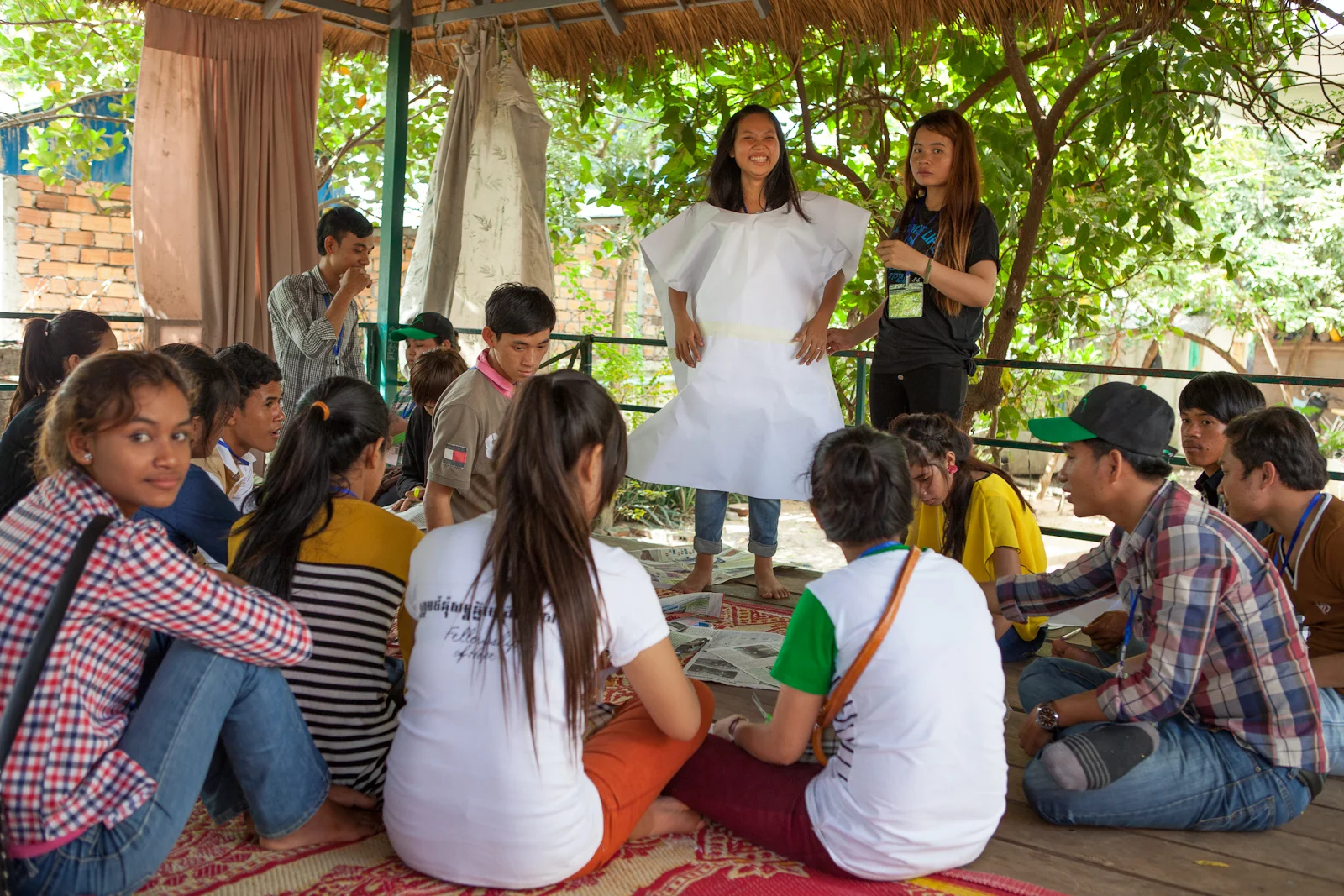
A unique home situation kept this boy coming back to camp 8 times in a row
Narith is slow to reveal the details of his story, especially the challenges in his life, as though they are commonplace and hardly worth mentioning.
Narith is slow to reveal the details of his story, especially the challenges in his life, as though they are commonplace and hardly worth mentioning. He has a calm, quiet presence. He's the sort of person you might overlook in a gathering of nearly 300 excited children and youth.
That was the scene last week at the Alongsiders Cambodia annual camp for mentors and their little brothers and sisters.
Narith was there attending for the eighth consecutive year. He was chosen as a little brother at the age of nine. Now at seventeen years old he is one of the oldest "little" brothers. And he is a good example of why we have an annual camp.
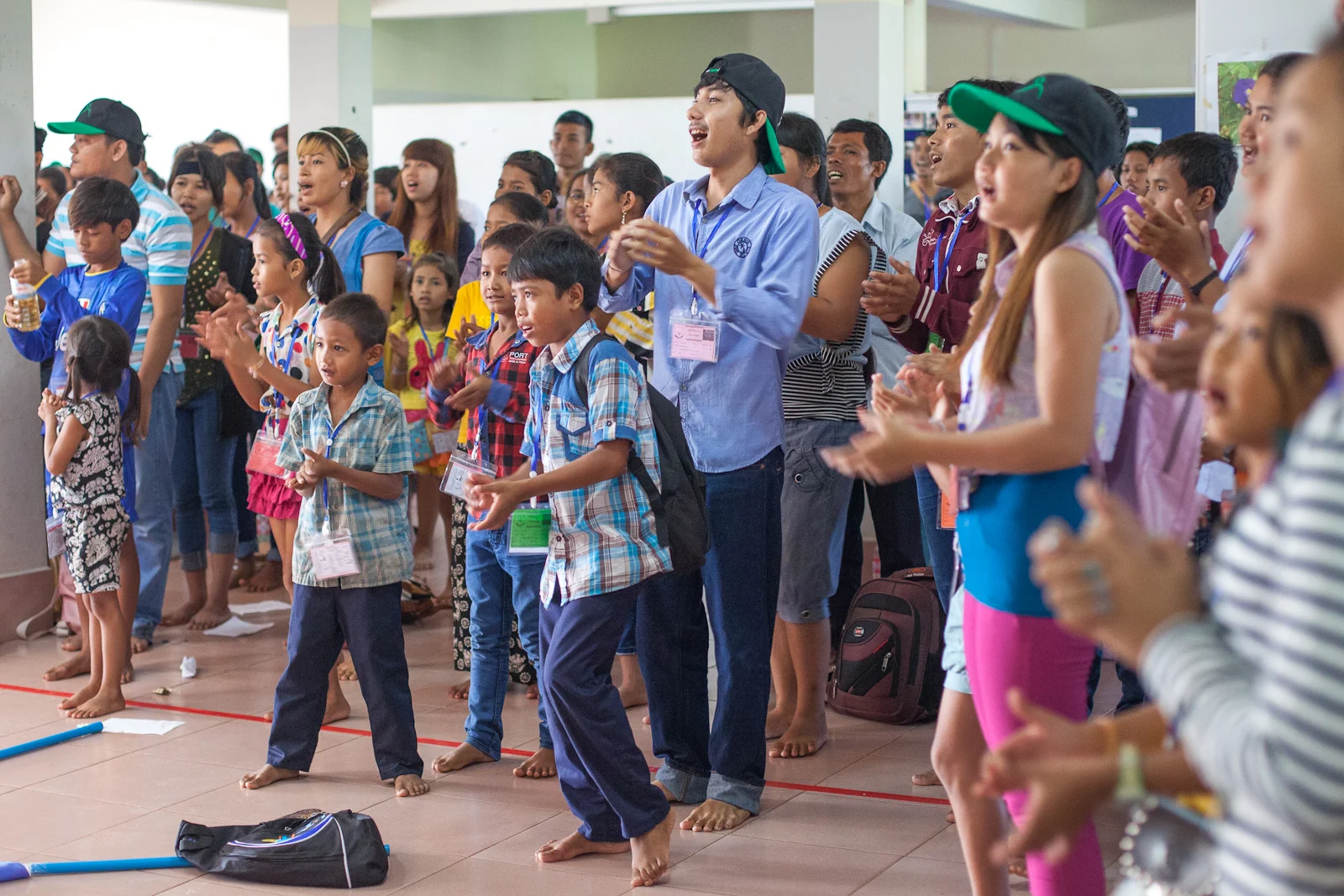
Worship, music and even dance are important parts of camp
What he enjoys about camp, he says, are the worship and teaching times. But most of all he loves being part of the community: the big gatherings, the shared energy, the group activities, and the sense of movement together.
As he keeps talking, it's clear why the community experience is so important to him.
He starts by saying his mother has been "low in energy" for as long as he can remember. His father, he adds, died when he was very young.
Narith's mother has worked for many years in a garment factory as a seamstress seven days a week. So she's away from home and Narith does many things for himself. Mostly he studies.
He's an only child, he says. His mother never remarried. She has worked hard all these years so that he can get an education, and now he is on track to graduate from high school, thanks to her sacrifices.
Being in the Alongsiders movement, not surprisingly, has had a significant impact on his life. After he was chosen as a little brother, his Alongsider mentor used to visit all the time to encourage and pray for him. They still meet frequently. Narith himself came to faith and joined a local church.
His mother also came to faith along the way. As he says this, Narith makes a curious gesture with his hands motioning toward his heart, as if he's trying to show his mother's faith because words aren't enough to describe it.
There is one more detail to the story.
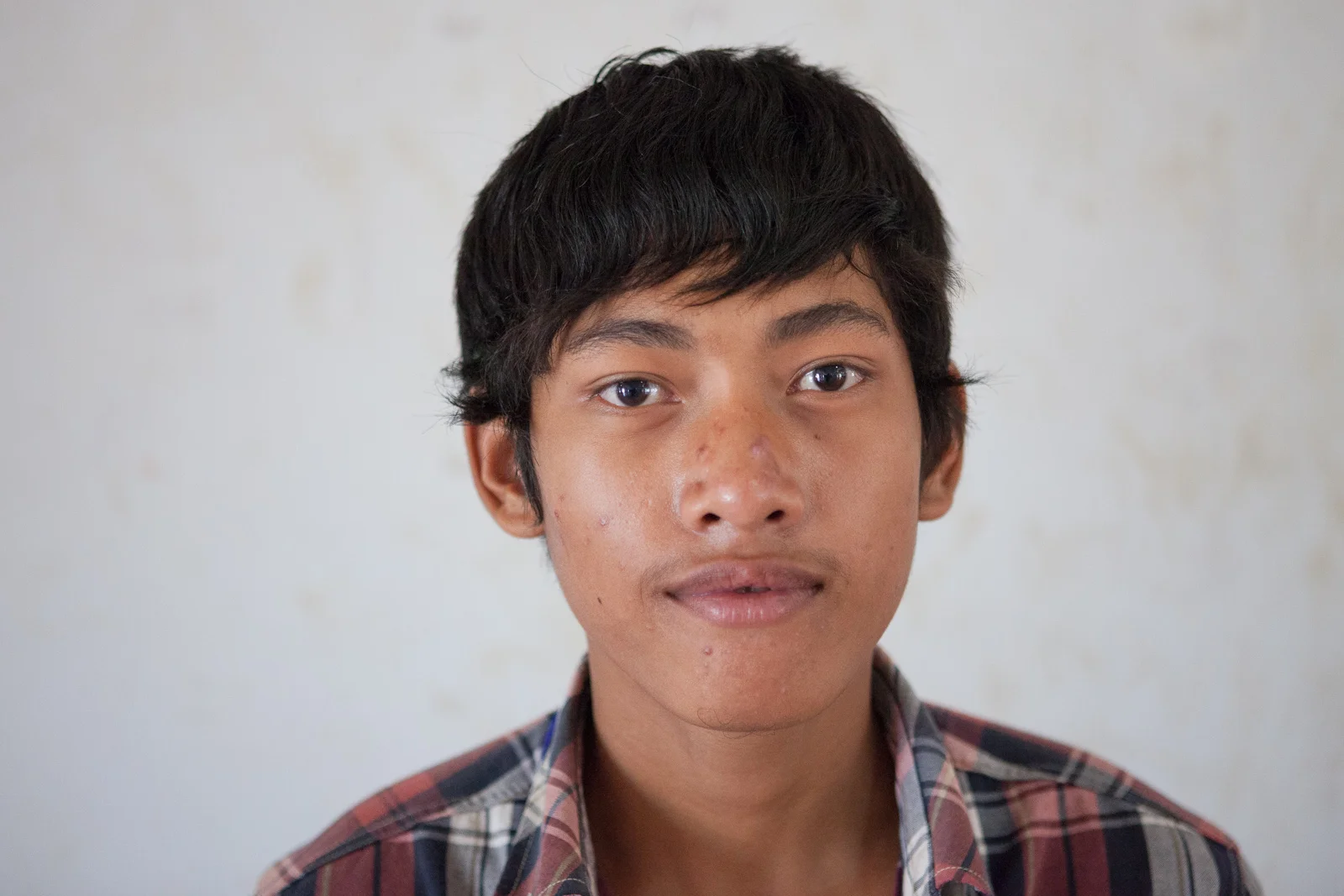
Narith has been a "little brother" since he was 9 years old.
Perhaps it's out of respect for her that he leaves this point until the end, because she has not let it define her. Narith's mother is deaf and she can't speak. They share a sign language they developed together over the years.
It's no wonder Narith loves the community life at camp! No wonder he is drawn to the volume and energy. No wonder he participates in every activity wholeheartedly, even craft projects designed for younger children. At home he is most often alone or, when his mother returns from a long day of work, in silence.
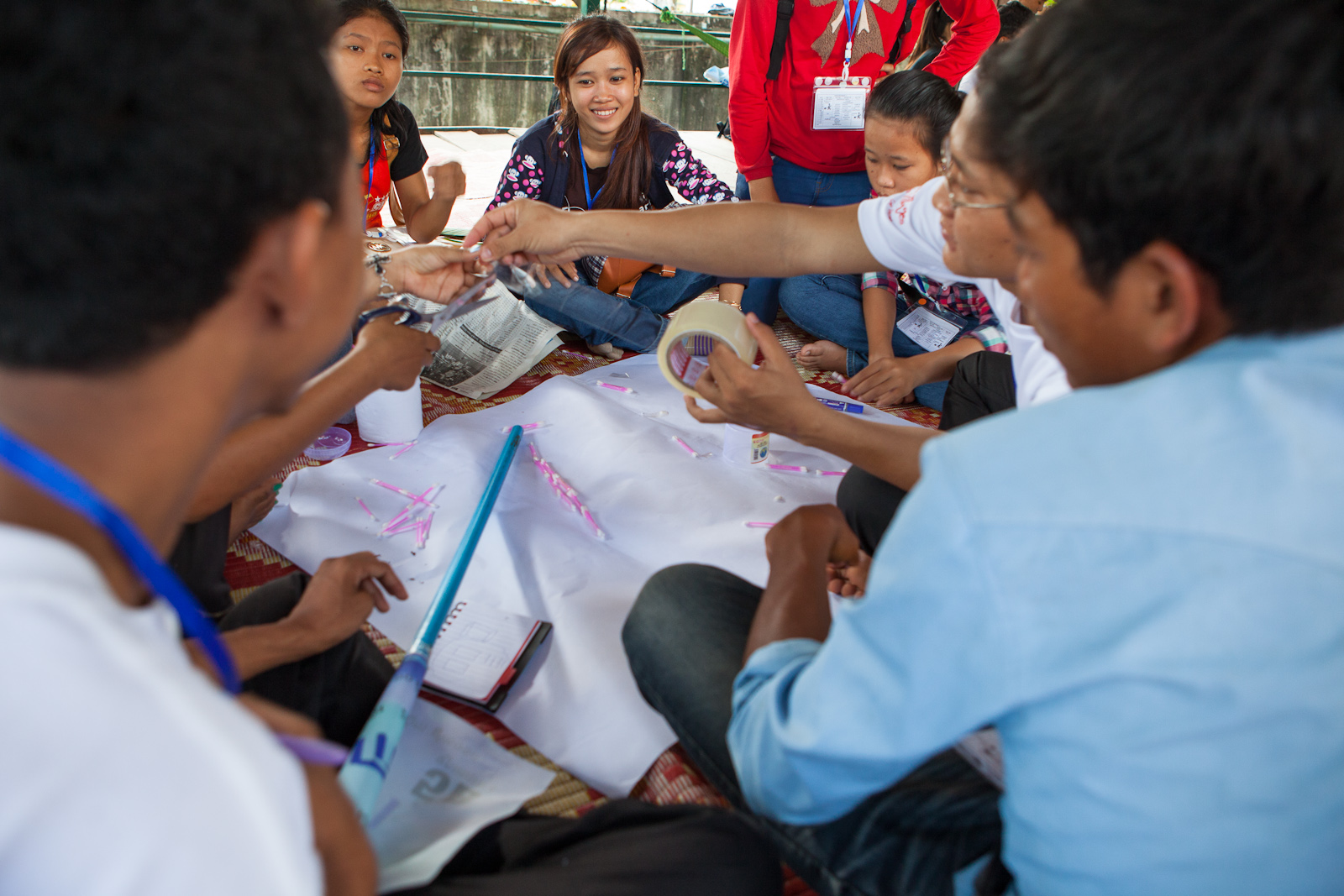
Workshop learning and fun
Isolation is the essence of poverty. Many of the little brothers and sisters have lost one or more parents, and many take care of themselves while their parents or guardians go to work. Alongsiders is overcoming isolation through relationships.
At the annual camp, little brothers and sisters see they are not alone. Mentors learn from each other. It's a time of renewing, recharging, and sharing vision. It's for everyone to recognize they are part of a movement, and that it's from God.
Next year Narith will likely return to camp for the ninth time as an Alongsider mentor himself.
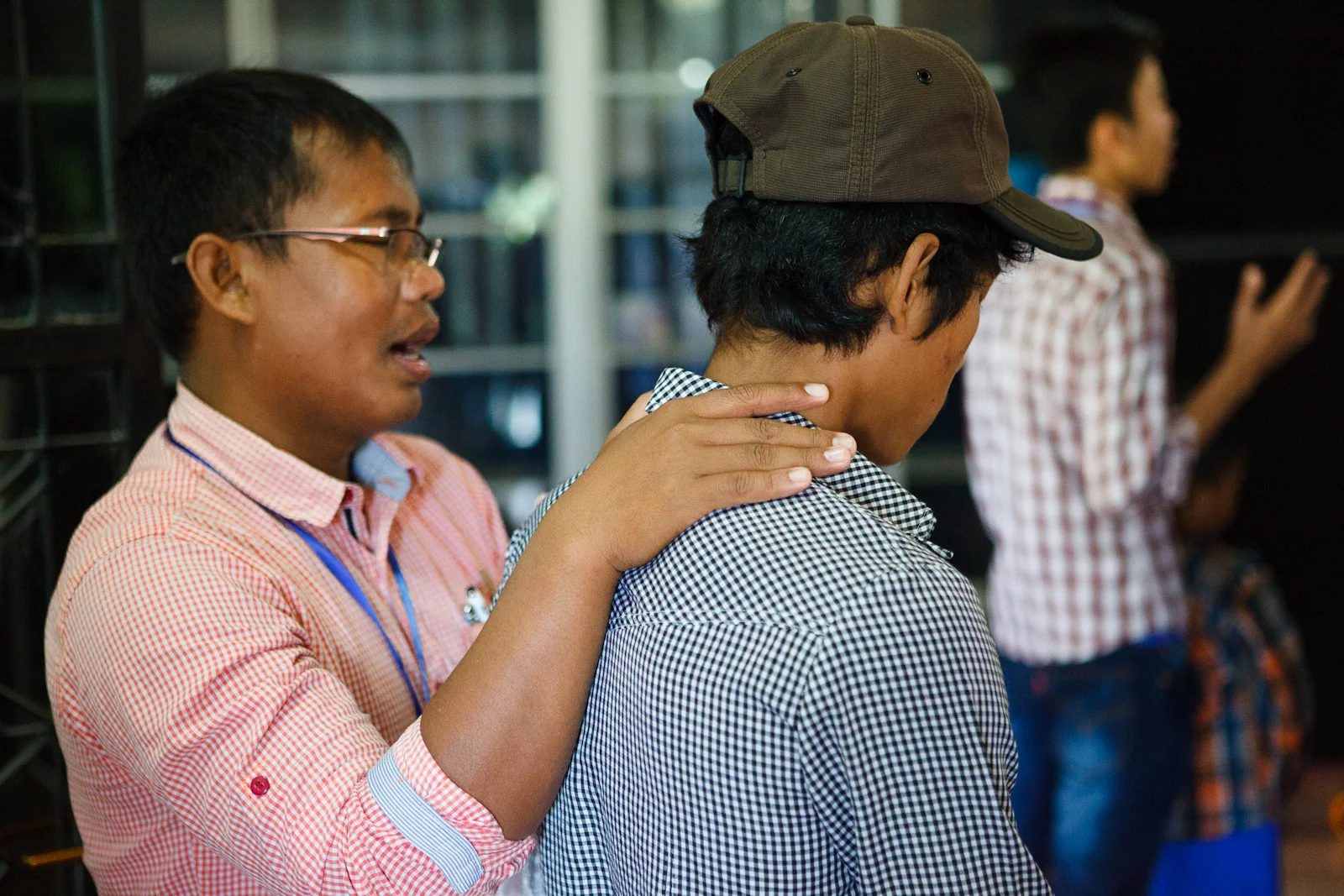
Narith's Alongsider mentor, Kimyan, praying for him at camp
"I know because of my own experience. My Alongsider mentor always showed me love. I want to give my love to another little brother like he did for me."
As Narith speaks, music is playing upstairs and a voice is peeling through a microphone calling everyone together. It's time to go and join the movement again.