
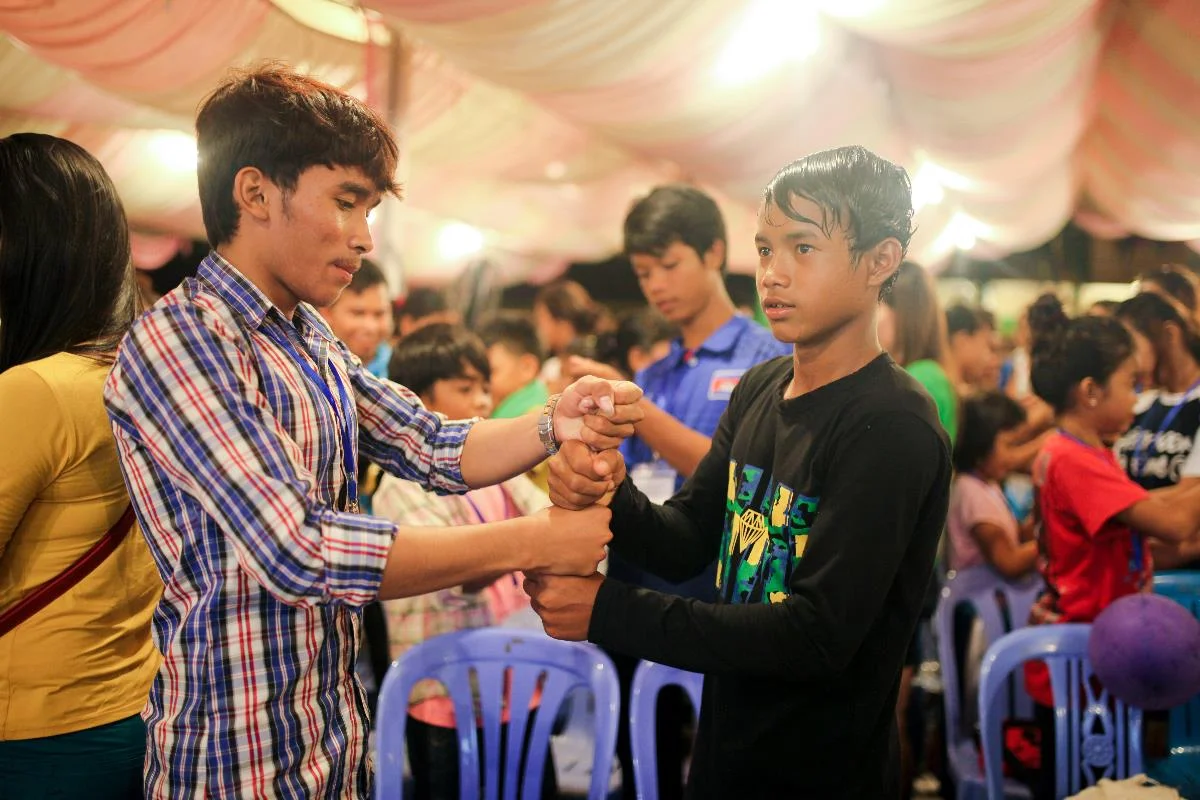
Change starts with you. This is how simple empowerment can be.
"I felt at first like only smart people, older people, or leaders could be Alongsiders. Not just any member of the church...."
“A LOT of young people want to do something. They want to grow their local church. They want to change their community.”
Is this how you perceive the youth in your local church?
This is what one of the Alongsider coordinators in Cambodia says to local pastors when he shares the Alongsiders vision with them for the first time. Many of them say, "Where did you get this idea? It's such a great idea to educate young people and to change the community. Can you come back next week?"
Of course, not every pastor responds this way, and not all young Christians fit his description. But again and again, we are seeing people of all ages who know something needs to change. And they see in Alongsiders an opening.
When this coordinator, whose name is Phearom, shares the same vision with a group of youth, he always starts with a story. Then he says: "Change starts with you."
They know something needs to change. Next they need to decide what to do about it.
Is telling them "it starts with you" an impossible burden or an opportunity? We think it's an opportunity, and because God leads us by example in Jesus and by his Spirit, it's possible!
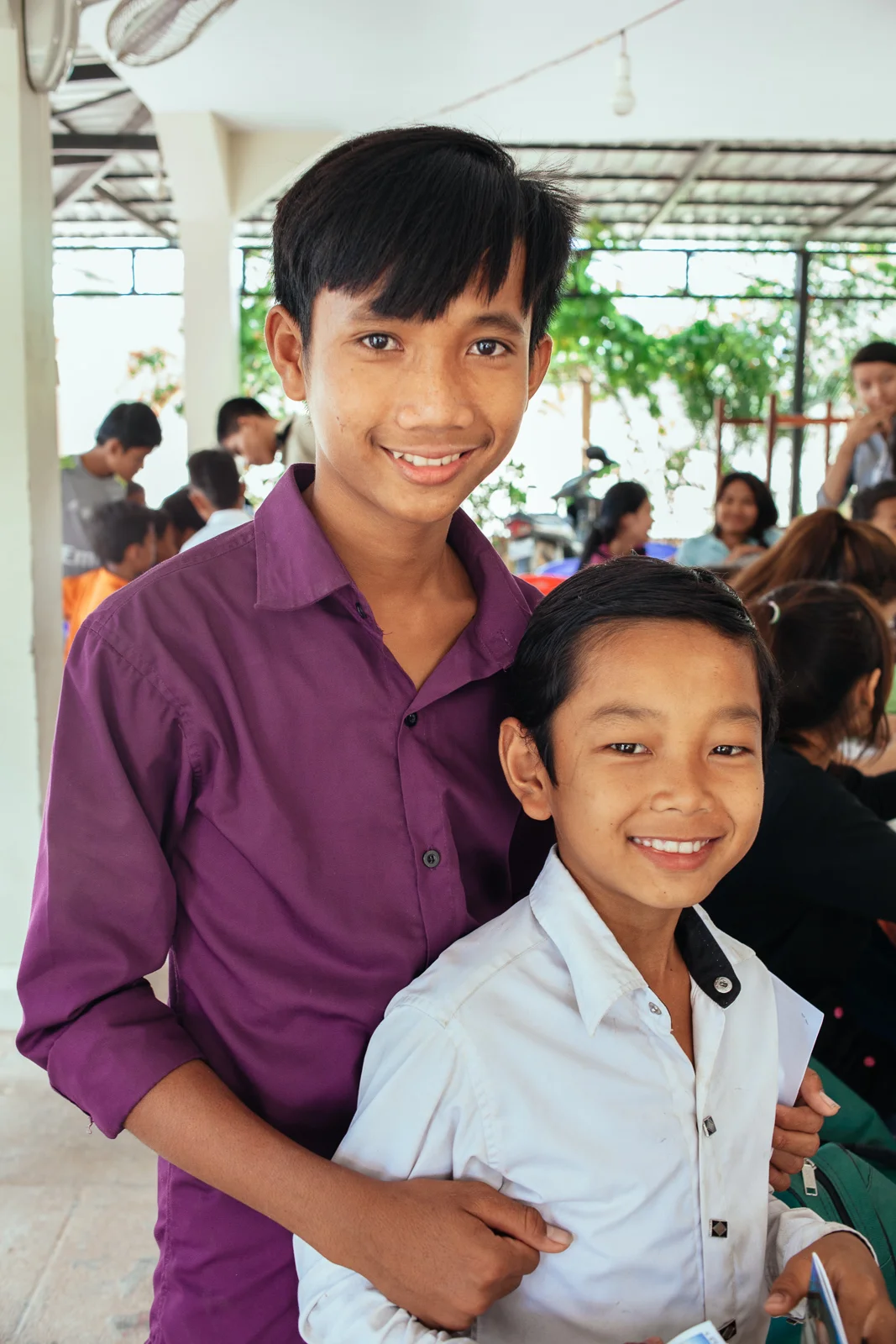
If the youth decide to respond, it's easy to start the process to become Alongsiders.
Recently, a new Alongsider named Nisai said, "I felt at first like only smart people, older people, or leaders could be Alongsiders. Not just any member of the church. Then I heard that I could do it, too! I chose my little brother because I felt he wasn't feeling secure or loved in his family. His father drinks every day and hits him. I want to protect him. I also want to help him with his school work and keep him from gambling or drinking.
The danger facing any movement is the temptation to turn it into a performance based program that leaders try to manage and control. This is what happens whenever we doubt that the Spirit can (or will) lead people to act in love.
Recognizing this danger, we emphasize and remind ourselves that the role of leaders in Alongsider movements is to inspire and empower, not to manage and control others.
That doesn't mean we can't be intentional or organized. A great example of a brilliantly organized movement that avoids managing or controlling its members is Alcoholics Anonymous. The structure and requirements of Alcoholics Anonymous are so simple that anyone can understand them and carry them out. Even so, they ask MUCH of their members, and their members give it gladly. They don't need or care about rewards and obligations because their lives are being transformed!
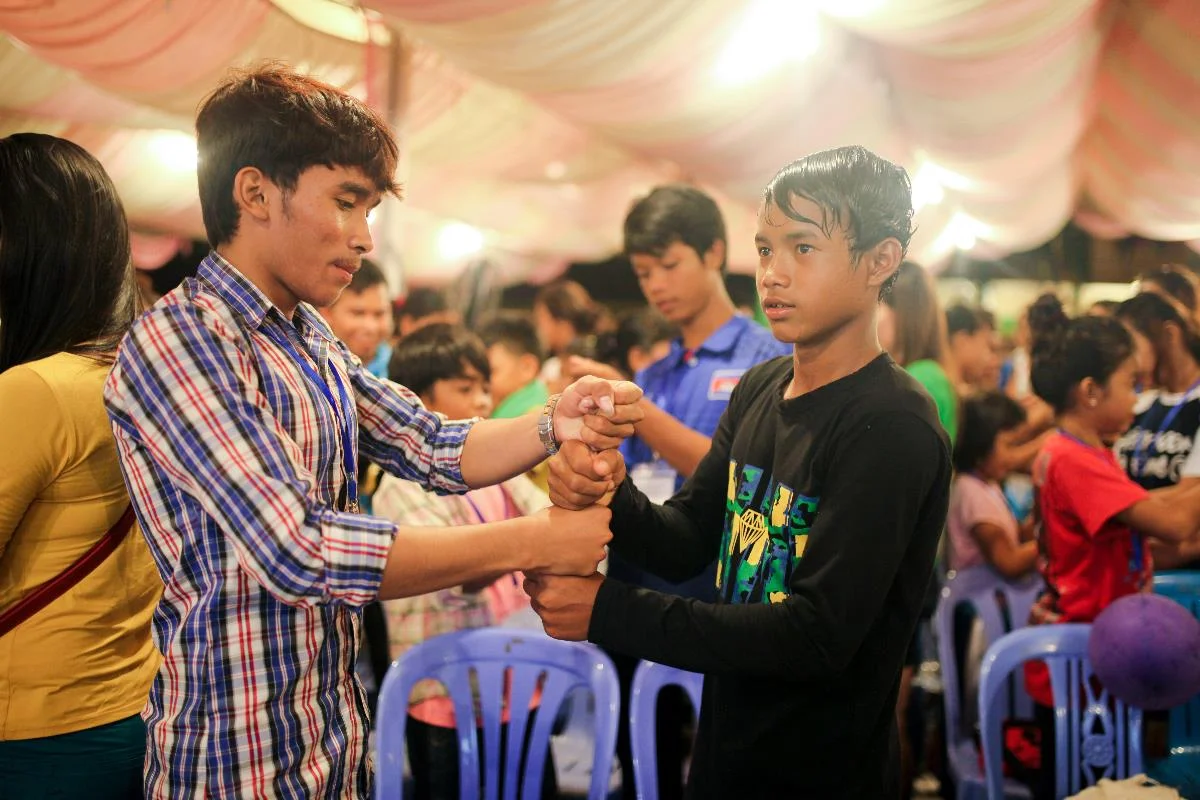
That's what we want to see. We share the vision so that when it takes hold, groups of Alongsiders will be led by the Spirit to serve and love their neighbors -- starting with the most vulnerable ones.
Paul understood the importance of keeping the movement of Christ simple. He wrote to the Galatians, "For the whole law is fulfilled in one word: 'You shall love your neighbor as yourself.'" (Gal. 5:14).
Nisai, the Alongsider quoted above, felt insecure in his faith and role in God's Kingdom. But now he and the other Alongsiders in his group are sending out a ripple effect through their village. They're inspired and empowered. They've decided what they want to do.
What they're doing, loving their neighbors as themselves, is not an add-on to the gospel. It's the core work of walking in the Spirit and being the church together.
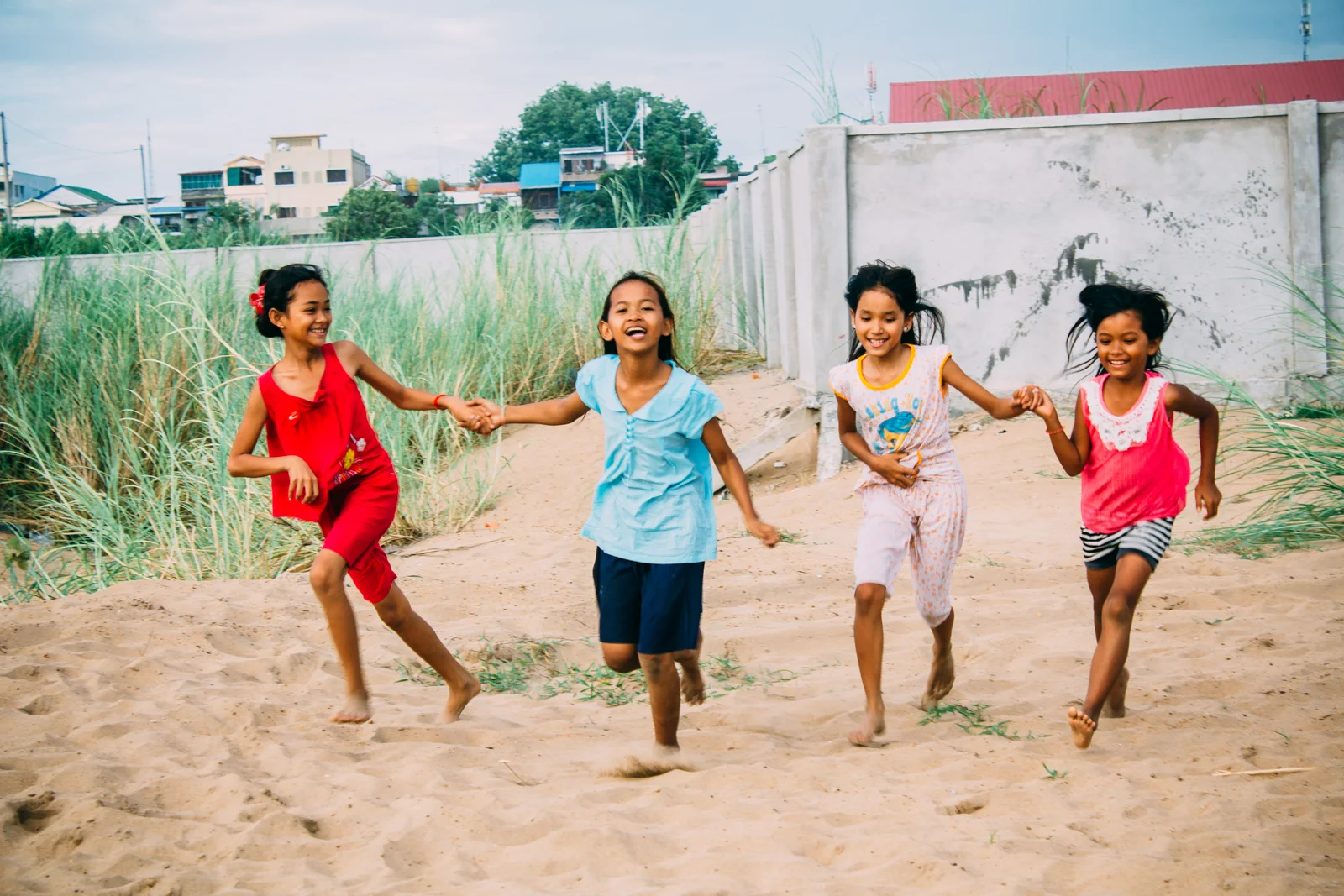
Rewriting Cinderella: how we tell the story matters
Why Alongsiders is telling narratives of poverty differently.
Recently, I met some short term missionaries who were handing out fashion sandals to rural villagers. After Sally, one of the women on the team, fastened the flimsy sandals onto the feet of a local woman, she took a selfie with her. “I hope she feels like Cinderella, with this new pair of shoes!” she squealed.
For Sally, helping people in poverty meant acting as a fairy godmother, handing out the metaphorical glass slipper.
And largely, that’s become the poverty narrative told by the West. Give your money or your sandals, donate your gently used clothing, volunteer for a week at an orphanage, and you will change someone’s life.
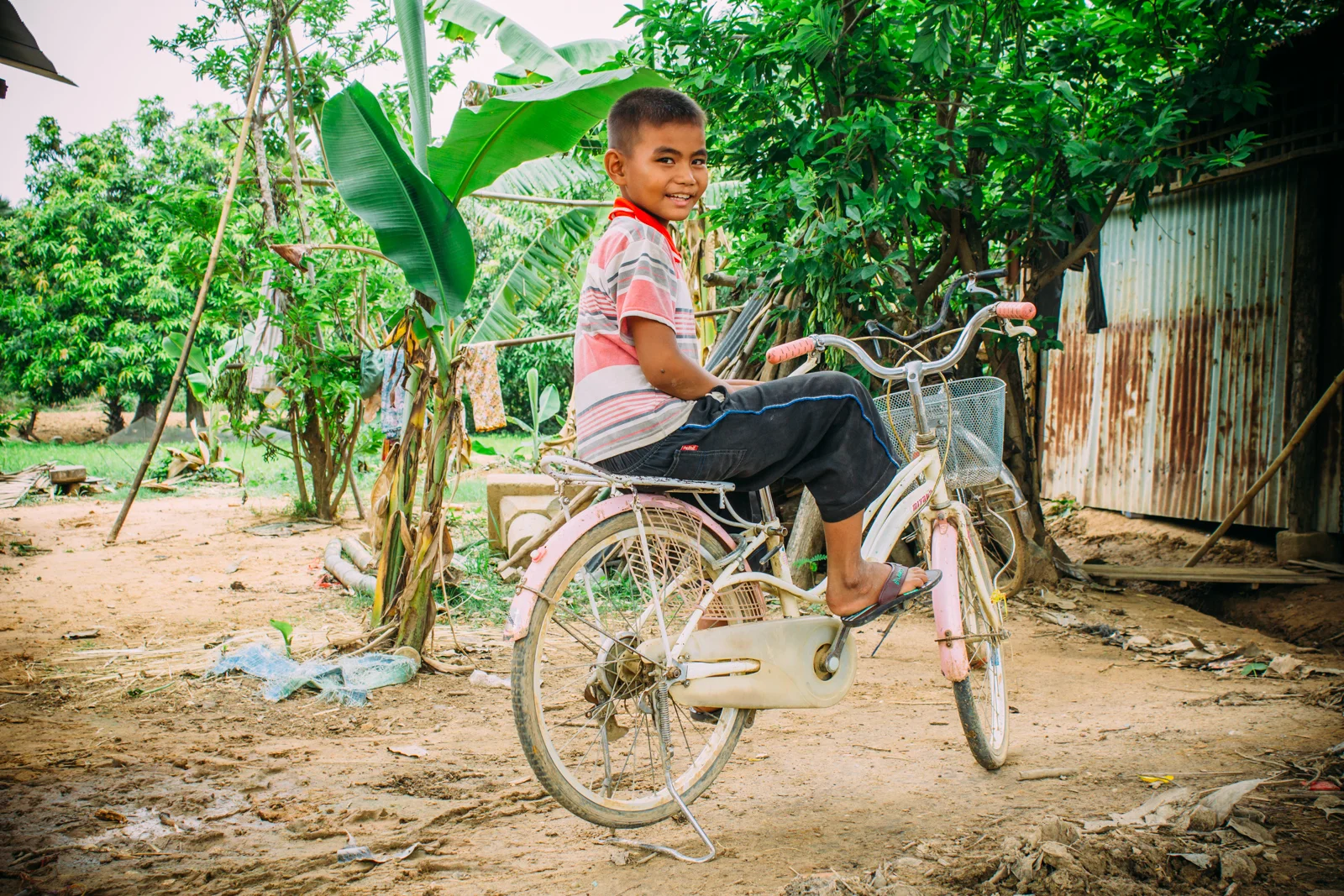
But the West is not the savior, and villagers in the developing world are not Cinderella. It's time to get the story right.
Consider the story’s characters. Research demonstrates that the words we use to describe people influence how we treat them. If we define them as Cinderellas, then we’ll characterize them as dependent, helpless, and in need. Accordingly, our response will be to pity and patronize, giving financial gifts and instruction. We'll place ourselves on a plane above them, as the fairy godmother was more powerful than Cinderella.
Or, if on our quest to serve the poor we encounter youth who seem harder to serve, we will label them as deviant, dysfunctional, and disobedient. And based on these labels, we will either punish or ignore them.
In Reclaiming Youth At Risk, authors Brendtro, Brokenleg, and Van Bockern encourage readers to consider another solution: the "Reclaiming Environment".
The foundation of the Reclaiming Environment is a relationship. It's not about handing out shoes to people you’ll never see again. Reclaiming Youth at Risk is retelling flawed narratives of poverty and "troubled" youth. It's a book that gets the story right.
The Reclaiming Environment begins when we give empathizing labels. Rather than characterize youth as disobedient and deviant, we place ourselves in their shoes and ask “How did they end up in this place?” This mindset will help us characterize at-risk youth as rejected or discouraged, and feel concern and sympathy for them. The corresponding reaction will be to befriend and encourage them.
“He drew a circle to shut me out.
Heretic, rebel, a thing to flout.
But love and I had wit to win.
We drew a circle that took him in.”
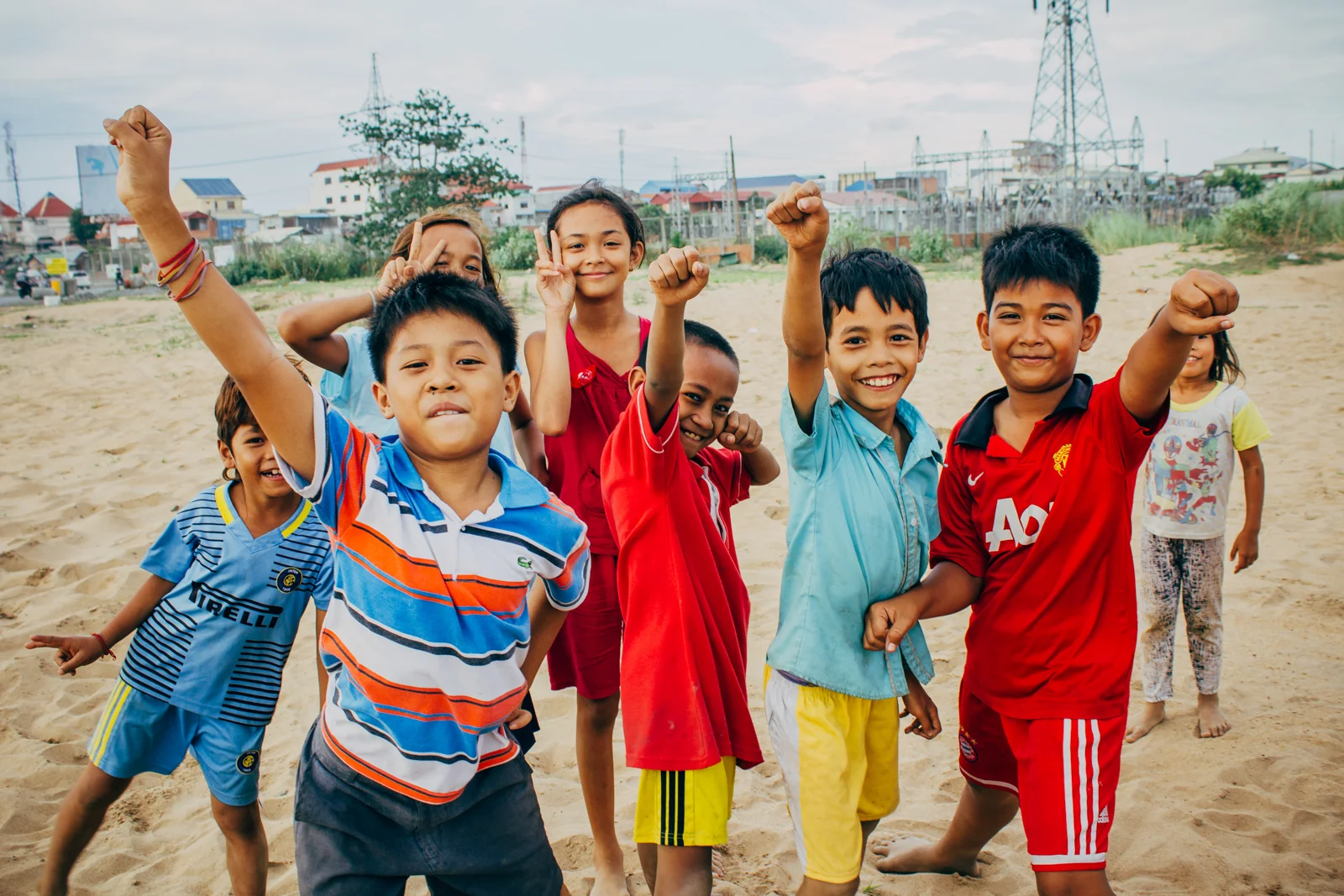
The idea of a Reclaiming Environment stems from a Native American philosophy of child development. The authors draw from this rich legacy, integrating contemporary research in the field of psychology. The goal of the reclaiming environment is to welcome children into a circle of courage, with four main values: belonging, generosity, independence, and mastery. Youth who are connected to others in strong, stable relationships learn to live selflessly, succeed at new skills, and develop a healthy sense of autonomy. These four items encourage youth at risk--hence creating a circle of courage.
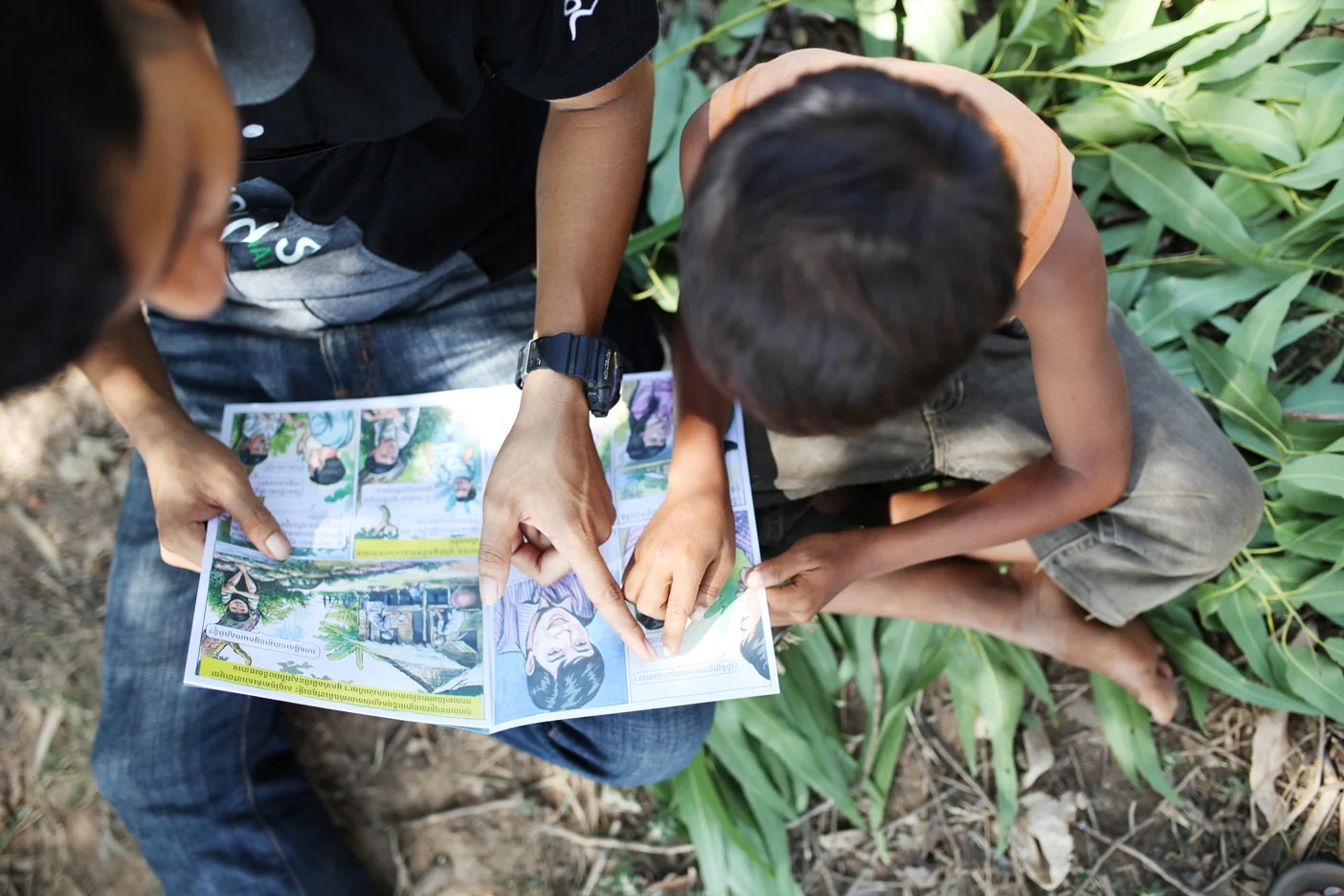
The Reclaiming Environment involves walking alongside at-risk youth and investing in their lives long-term. The time and love involved make it a far more costly gift than a pair of fashion sandals. But it's a gift that is far more likely to transform a life.
Because that's the real moral of Cinderella: that relationships can transform us. Flawed as the story is, we still cheer when Cinderella is with the prince that she loves.The true beauty of the story is the relationship, not the pretty dress or glass slippers from the fairy godmother.
At Alongsiders, that's the ending we're looking for. We're committed to empathizing with and walking beside those who are alone. We can't be the savior, but we'll be agents of love.
It's time to get the story right.
For further reading: Brendtro, Larry K., Martin Brokenleg, and Steve Van Bockern. Reclaiming Youth at Risk: Our Hope for the Future. Bloomington, Ind.: National Educational Service, 2002. Print.
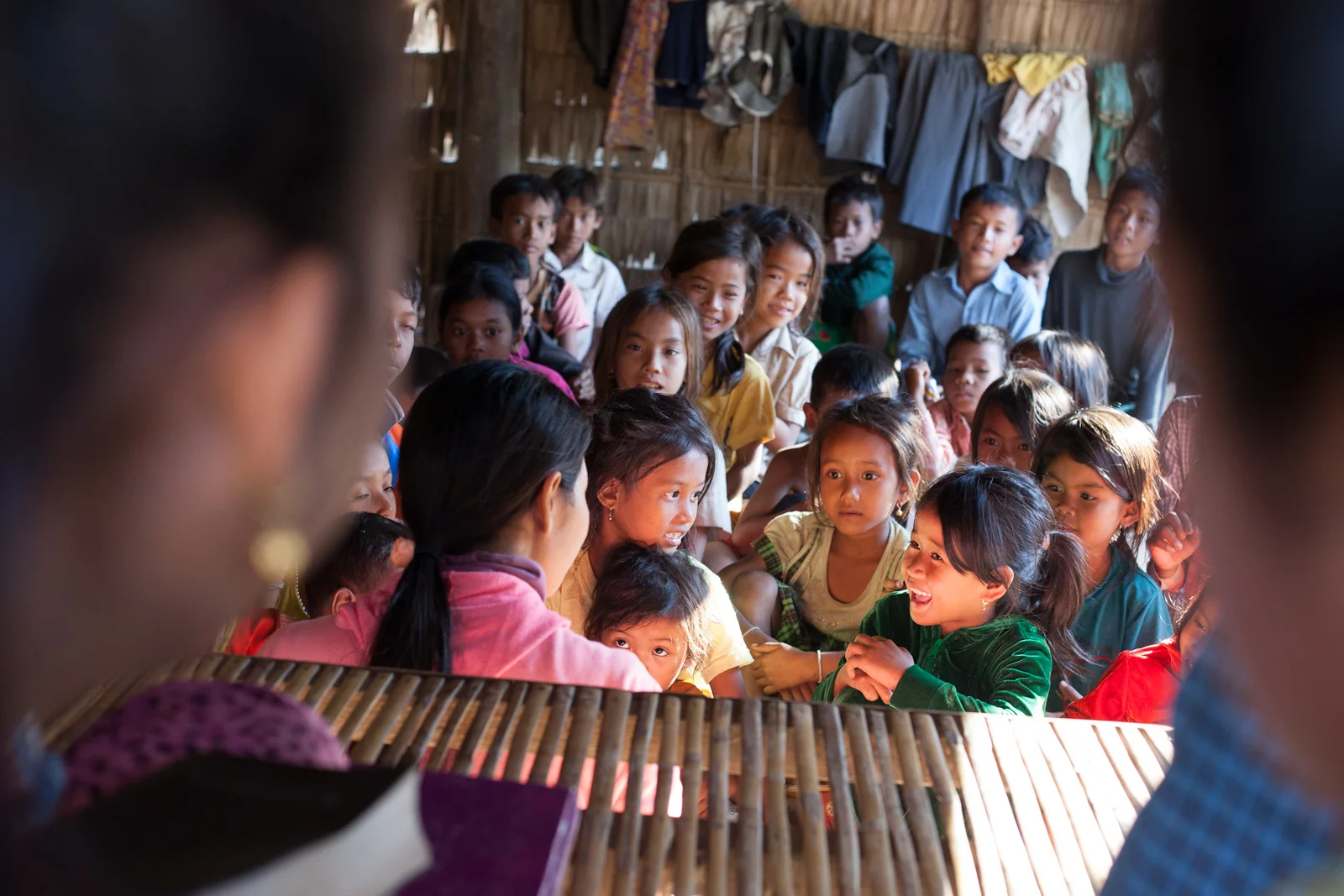
This young leader faces a big dilemma. Her story will inspire you.
There are extraordinary people hidden just out of sight at the margins of society.
“I am less interested in the weight and convolutions of Einstein’s brain than in the near certainty that people of equal talent have lived and died in cotton fields and sweatshops.”
Chanthy is not average. She's really quite amazing and unique. She's an example of why we want to empower and release Cambodians to lead, rather than relying on the tired model of foreigners controlling the wheel.
As Stephen Jay Gould attests in the quote to the right, there are extraordinary people hidden just out of sight at the margins of society.
Chanthy is a farmer's daughter with exceptional energy and capacity. Though few, perhaps, are quite like her, many capable yet unrecognized Cambodians are ready to love and lead in surprising ways.
Four months ago, Chanthy gathered a dozen or so youth from the rural church she pastors, and they all became Alongsider mentors together. She is the small group leader. On the day they officially signed up, she was charged with excitement as her new little sister stood beaming beside her.
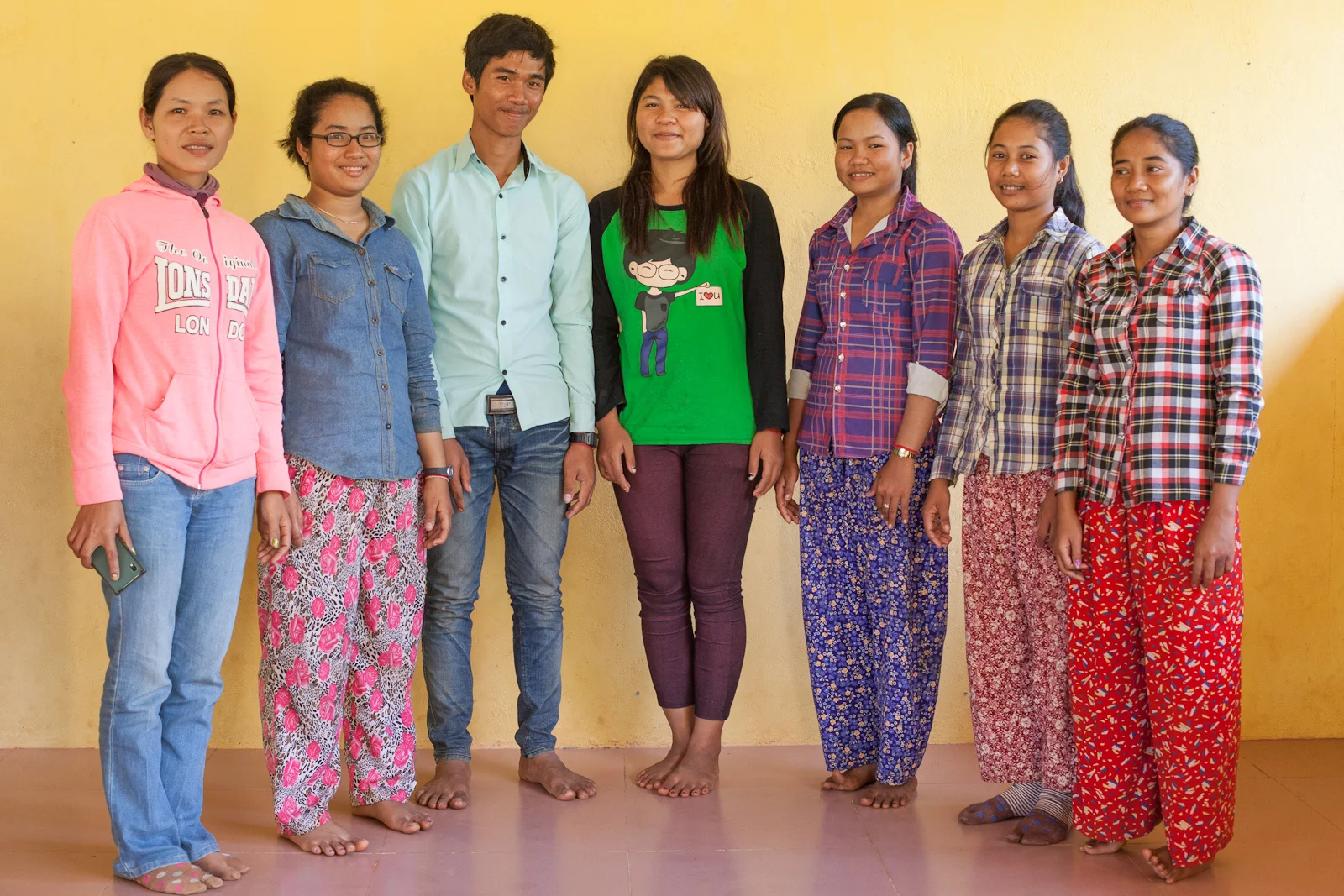
Chanthy, left, with six of the new Alongsiders from her community.
That evening she returned home after dark and helped her parents tend a tremendous pot of curry simmering over coals outside their house. It cooked all night, and the next morning they rose together before dawn to crack coconuts and squeeze the pulp, shell garlic, and add the final spices. About 6:30 a.m. people began arriving and leaving with enough delicious food to feed their families. They fed more than 200 people that day.
Chanthy's family isn't rich. They saved for months for that day. It was during the week of P'chum Ben, one of the most important Buddhist festivals in the country. As devout Buddhists, Chanthy's family had brought food to the local temple every year and given it to the monks. In theory, the food they gave was supposed to help feed the poor, but that didn't always happen. After coming to faith in Jesus, the family decided to continue to tradition, but they elected to give food directly to the poorest families in their community.
This year was the first time they tried it.
Chanthy had come to faith first. She walked over to the Christian church to learn what Jesus was about, and she never turned back. That was just over a year ago, and it didn't go over well. "My parents scolded me," she says. It must have been a serious scolding, because she moved out of her home and slept at the church for three months. But it was her parents who relented, and soon after her whole family put their trust in Jesus as well.
Chanthy is a force that's hard to resist. At some point in her life she developed a very strong character.
She was born in a refugee camp in Thailand. Her parents had fled there when Vietnam invaded Cambodia in 1979, and they stayed for the next twelve years.
When the family returned to Cambodia they erected a shelter on a piece of land in an isolated village north of Phnom Penh, and they began the nearly impossible task of starting from nothing as rice farmers. After some years of hard-scrabble existence, the family desperately needed a break, and Chanthy provided it. She went to Malaysia, where she took a risk, employing herself as a nanny for a rich family. Many Cambodian nannies have endured tragic abuses, but fortunately Chanthy was hired by a good family. They paid fairly, and she even got to travel to Japan and Korea with her employer on business trips. When she returned home, she gave all the money she had saved to her parents, and they used it to build their house.
Now Chanthy is the assistant pastor at her church. The "real" pastor, she explains, lives in Phnom Penh and visits once a month.
She doesn't receive a salary. She rises at 3 a.m. daily to help fix food for the family. Then she goes to a nearby high school where she spends the morning selling snacks to the students. She makes about $1.25 each day.
On Sunday she drives a wide loop on her motorcycle and visits five "house churches." On the way, she buys a huge load of snack food using her earnings. At each stop, a crowd of children gather and listen to her share from the Bible. A few adults hover nearby, some listening and others idly chatting. When she finishes teaching, she distributes the snacks and moves on.
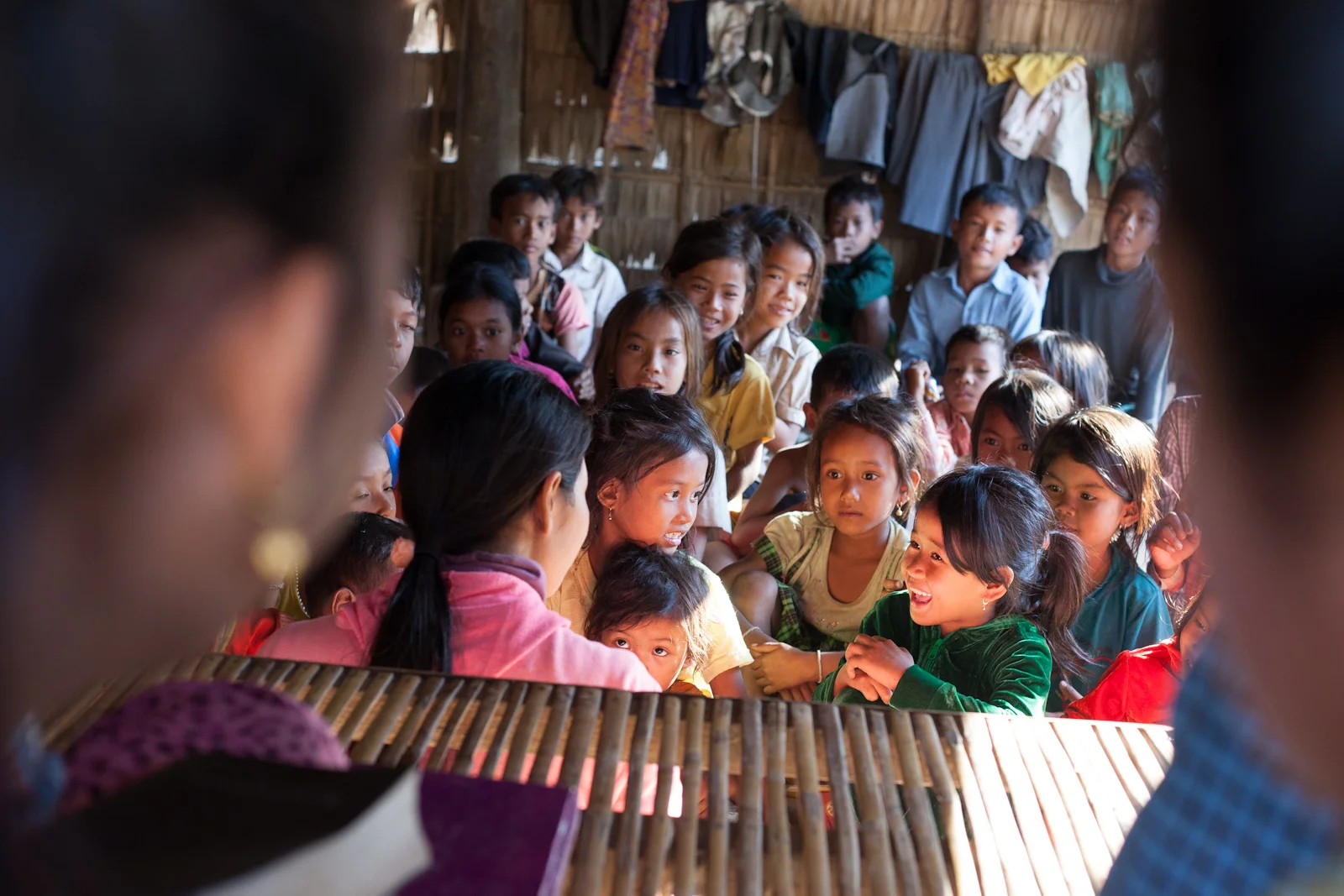
Chanthy teaches young children from the Bible. Afterward a group of older youth took their place and Chanthy led them through a more advanced version of the same teaching. Chanthy is learning how to teach the Bible at a Bible school in the nearby city, and each week she teaches what she recently learned there.
"I love children," she says, and she repeats herself until she is sure she has made herself clear. "I really love children. People ignore them and treat them badly, especially poor children, but I love them."
But later she admits she dreams of leaving the countryside, and she worries what will happen to the children without her. She points to the beauty all around and flatly states that she hates the crowded streets and noise of Phnom Penh. But she wants to learn more and expand her life. She feels, well, marginalized. "I'm not doing anything here, she says, oblivious to the incongruity in her words.
Herein lies the challenge. The big dilemma.
Alongsiders is working with young leaders at the grassroots. They are doing things and going places foreign workers and even Cambodians schooled in the cities could hardly emulate or follow.
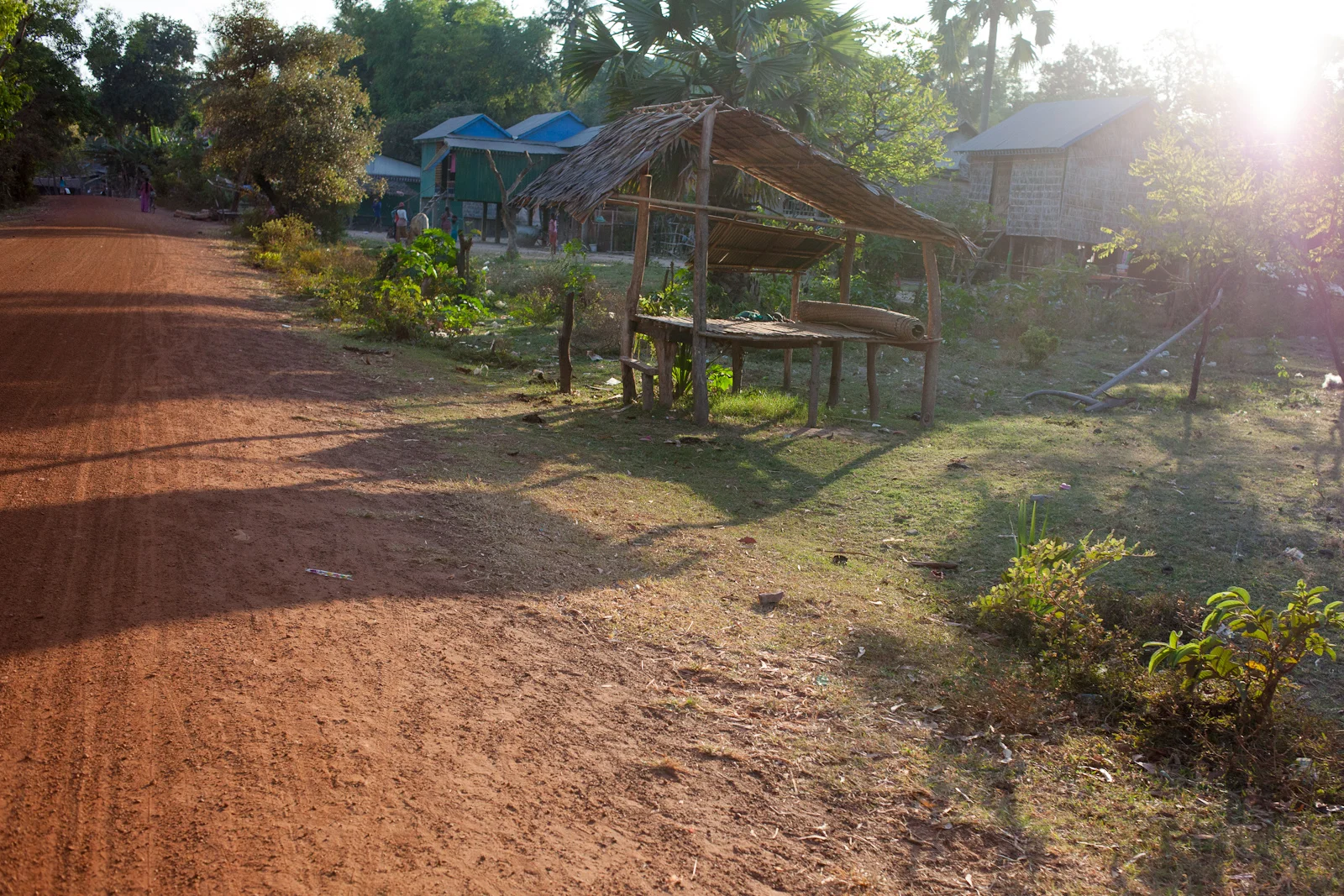
Yet they live in a world that tells them relentlessly, just as it tells us, that they are insignificant unless they land a particular kind of job or reach a certain status. If they shine as leaders, there are companies and big-budget organizations that will hire and take them away.
But we will not be discouraged. Right now the work of enduring beauty and significance in the Kingdom of God is being done by Chanthy and her fellow Alongsiders!
We often celebrate the children of Alongsiders - the little brothers and sisters - but today we're grateful for the Alongsider leaders and mentors, who are more often than not young men and women who have grown up at the margins themselves.
May we have eyes to see them, a vision that includes and expands with them, and a willingness to trust them with it. And let us learn to walk with them without using or corrupting them (and that, in itself, is a challenge worthy of writing about another day).
Thank God for them, and pray that the Lord of the Harvest - who must have an affinity with farmers judging by the way Jesus taught and talked about Him - will raise up more amazing and unique leaders to serve as Alongsiders.
Who REALLY connects with the poorest of the poor? You'll be surprised by the answer...
Here at Alongsiders we say, "It takes a spider to repair it's own web." Here's the secret.
Discarded himself. Phea knows the value of things others see fit to discard.
Every day he took to the streets with a rice sack slung over his shoulder looking for rubbish that he could sell: plastic bottles, cardboard, cans, scrap metal, or broken items that could be repaired.
Some called him names as he made his rounds. Others physically accosted him. They didn't see value of a kid in tattered clothes sifting through the garbage.
One day as he worked he came across a group of excited children and youth. They were Alongsider mentors with their little brothers and sisters waiting for transportation to the annual Alongsiders camp. Phea saw that some were neighbors, not unlike himself, and he asked if he could go with them. They said he had to have an Alongsider mentor, and it was too late for that. But someone invited him to the local church to learn more.
Phea went to the church. He says, "I never got my own Alongsider - I was too old. But instead I found faith." So, he kept attending the church, and when he turned 18 he applied to become an Alongsider mentor himself.
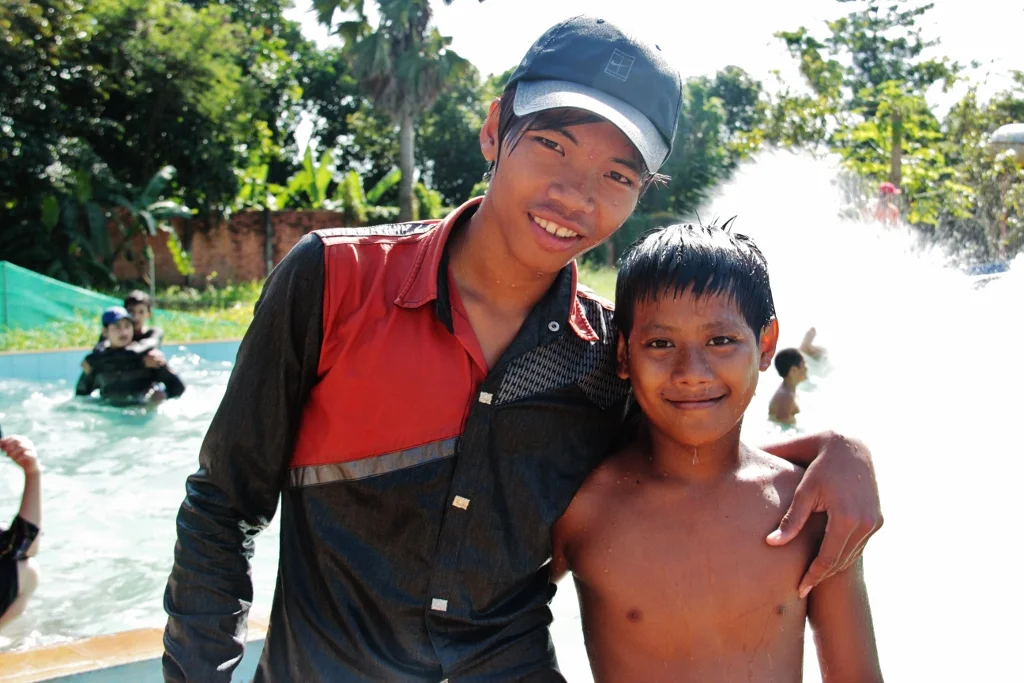
Phea and Virek swimming at a local water park.
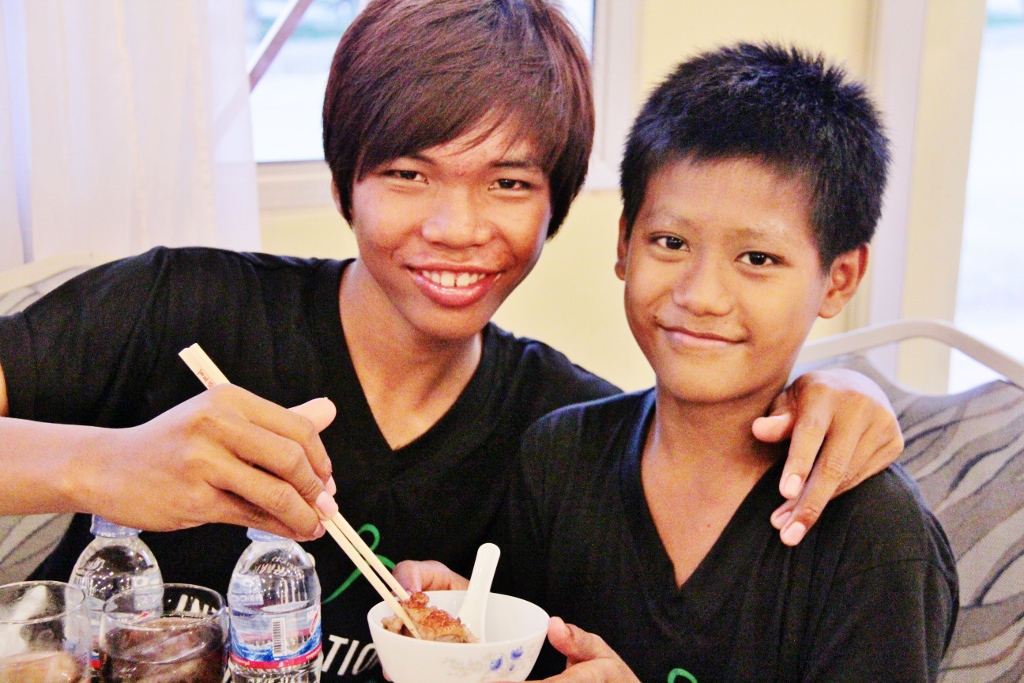
As his little brother, Phea chose a boy named Virek who had sometimes accompanied him collecting rubbish to sell. Virek's father died years ago, and his mother is living with a terminal illness. In addition to being very poor, even compared to other families in the slum, her sickness casts a stigma over her and her children. They stay with Virek's grandmother just up the alley from where Phea lives.
Having faced rejection, Phea knew Virek needed encouragement. Just around the corner from Virek's home is an Internet cafe where some boys gather who have dropped out of school. They work the streets a few hours each day and spend what money they earn or steal on video games, alcohol, and other diversions.
Life is hard in the slum, but it's most dangerous when youth lose hope and stop trying.
Through Phea's friendship and support, Virek returned to school. Now he is studying in the eighth grade. Though it's uncomfortable for him to talk about the future, he thinks about becoming a teacher.
So who really connects with the poorest of the poor?
Foreign workers, volunteers, and organizations are almost always on the outside looking in. Even local organizations are located, funded, and led from outside the places where the poorest of the poor live.
Virek is sensitive and reserved. His emotions are hidden. He's vulnerable and knows it. His story comes out slowly in two or three word phrases. I can imagine a foreign worker or volunteer being drawn to Virek, trying to unearth his mysteries, and coaxing out a smile or two.
Phea knows what goes on behind the smile. He knows the hurt. He connects deeply with Virek because he is alongside of Virek in every way.
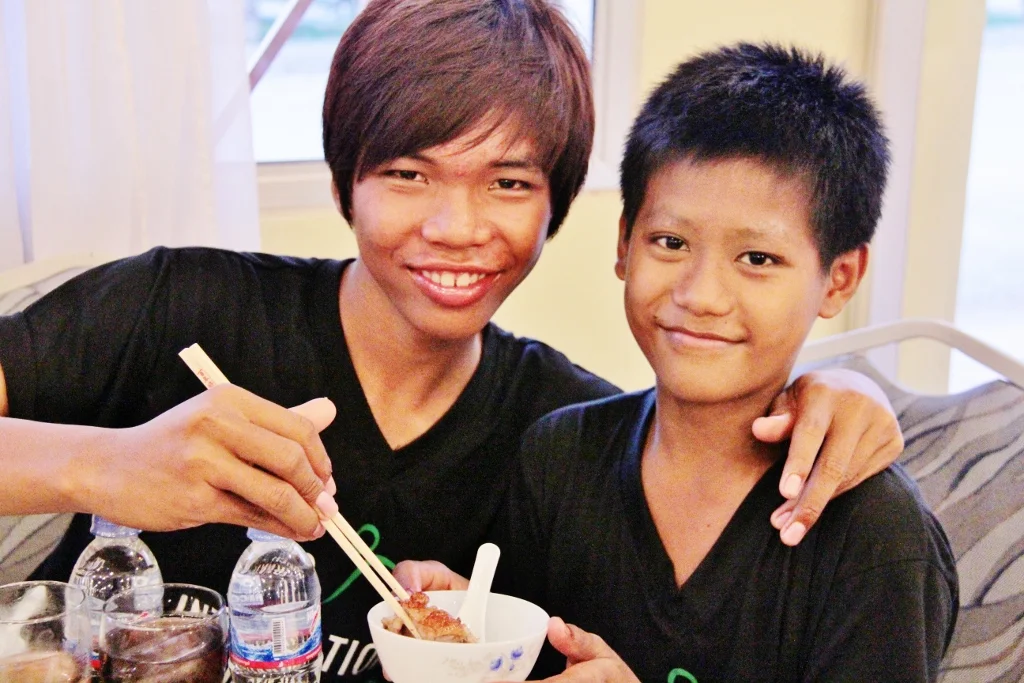
Phea and Virek enjoying a meal together.
Here at Alongsiders we say, "It takes a spider to repair it's own web."
The poorest of the poor are uniquely situated to connect with and support each other. They "get it" where others don't.
Sadly, there are divisions among the poor themselves: fault lines of mistrust, power, and fear. So the poor often feel alone and isolated even in their own communities.
Alongsider mentors like Phea are crossing those lines.
They connect with the poorest of the poor.
And they are not just connecting with their little brothers and sisters. They are connecting with families and building bridges of trust within their communities so that others can follow.