
4 ways our new Discipleship Training Manuals will be a game-changer
There is a lot of excitement this month in the Alongsiders International office as we launch the brand new Discipleship Training Manuals
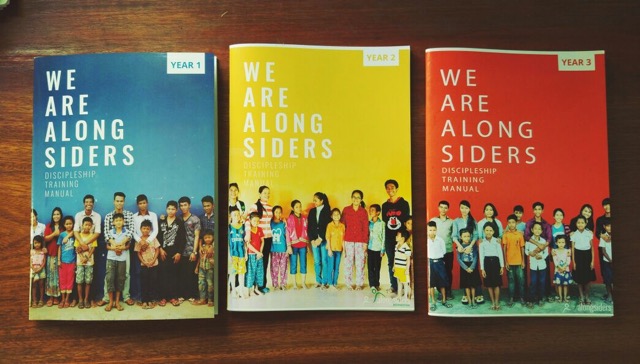
There is a lot of excitement this month in the Alongsiders International office as we launch the brand new Discipleship Training Manuals (DTM).
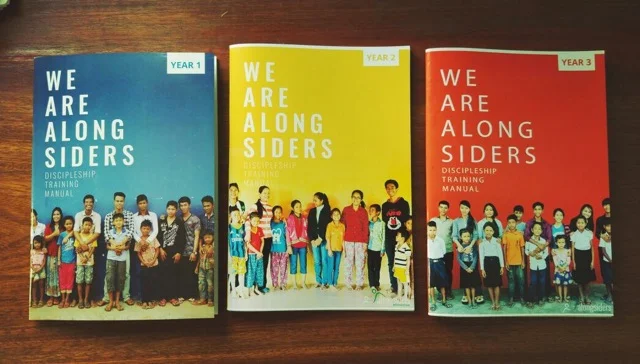
These 3 manuals (one per year) will accompany our 3 year comic book curriculum.
Each DTM is designed to help the Alongsiders grow in their relationship with Jesus and become better at not only discipling their own Little Brothers and Sisters (LBS), but also creating change in their communities. The Alongsiders will work through the manual during their regular meetings together.
These manuals take them deeper into the theme covered in that month’s comic book. They help the Alongsiders grow in the areas they are learning about, and help them gain a thorough understanding of the topic before they teach their Little Brother or Sister using the comic.
This tool will help them grow as followers of Jesus and as Alongsiders. Here are four ways we see the DTM as a game-changer in the Alongsiders movement...
1. The DTM is empowering
Rather than an outsider coming into a community, and telling them what needs to change, this resource helps Alongsiders and their Little Brothers and Sisters identify issues in their own lives, families and communities. It helps them come up with their own solutions and empowers them to act.
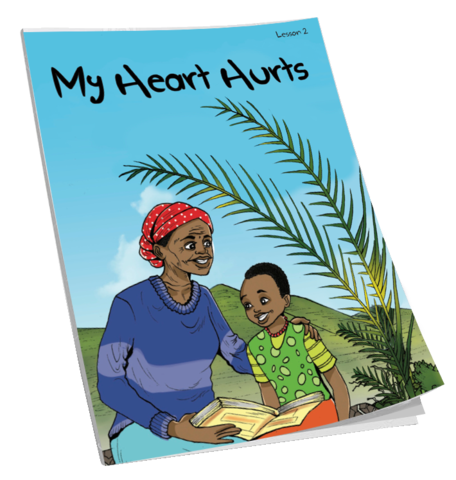
This is the Rwanda-made comic on dealing with emotions.
For example, in the Year 1 DTM manual, there is a lesson called “My Heart Hurts,” which explores different feelings that people experience. At the end of the chapter, it includes advice on how to walk alongside people who are grieving, and the Alongsiders are asked to come up with one way they can care for “hurting hearts” in their family or community.
The lesson on abuse asks the Alongsiders to come up with 3 ways they can help children in their family or community protect themselves from abuse and stay safe.
In the Year 3 DTM manual, one lesson walks the Alongsiders and their Little Brothers and Sisters through creating their own community project - choosing areas that they think require change, identifying resources within their community, and coming up with ways that they can work together to bring transformation.
The DTM empowers Alongsiders and their Little Brothers and Sisters to make a difference in their own communities.
2. The DTM is practical
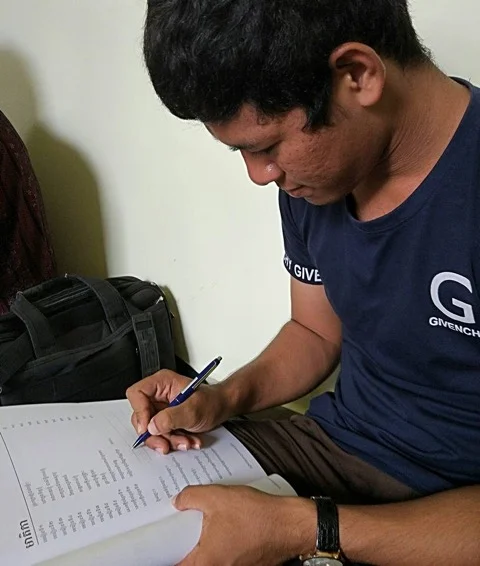
The new DTM manuals provide the Alongsiders with accountability and help them achieve their goals. Each lesson has a “monthly check up” which helps the Alongsiders hold each other accountable about how often they met up with their Little Brother or Sister, how their Little Brother or Sister is going and how they walked alongside them.
The manual also has a section for annual goals, and an opportunity to review those goals and reflect on the year.
Every lesson also has an application section - the Alongsiders not only learn about Jesus, but also how to put what they learn into practice.
3. The DTM is accredited
The DTM is also practical in another way. If the Alongsiders complete all 3 years, they can receive a Bachelor Degree in Professonal Studies. This qualification is being offered by our UK-based partner, The Global University of Lifelong Learning.
For young Christians in poorer countries, many of whom may not have an opportunity to attend a local university - this is a helpful qualification.
It is also a recognition of all their hard work over several years in learning, and walkng alongside their Little Brother or Sister.
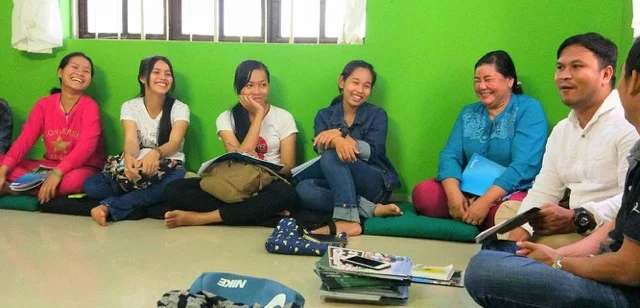
Group Leaders learn about the DTM, in order to bring the curriculum back to their own groups.
4. The DTM goes deep
This is no ordinary bible study tool. It doesn’t just have a bible passage and a list of comprehension questions. The study encourages the Alongsiders to think and pray deeply about what the Bible says about everyday issues, how they can make changes in their own life, how they can help their Little Brother or Sister deal with those issues, and how they can help their community towards change.
For example, one of the lessons asks the Alongsiders to read a bible passage and then think about what they learnt about themselves, what they learnt about God’s love for them, and what they learnt about the world we live in.
Another lesson on having a relationship with Jesus and spending time with Him, walks the Alongsiders through having time with Jesus and experiencing His presence in different ways.
We are excited to see how the Alongsiders use this resource to enhance their relationship with Jesus, the lives of their little brothers and sisters and their community!
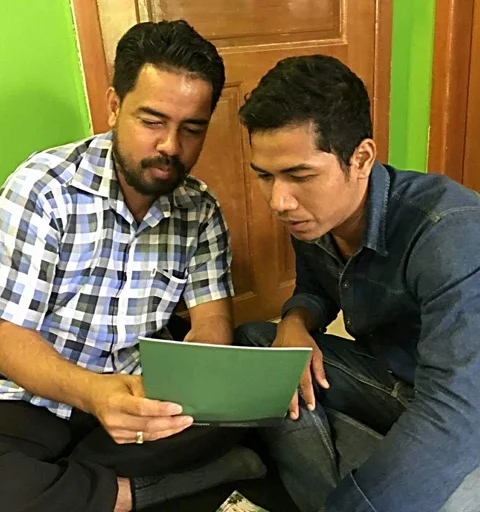
Pray with us as we roll out this new curriculum in Cambodia, Indonesia, Rwanda and Kenya, this month. More countries will follow soon after.
[Written by Sarita Hales a community development graduate interning in our Phnom Penh office for six months.]
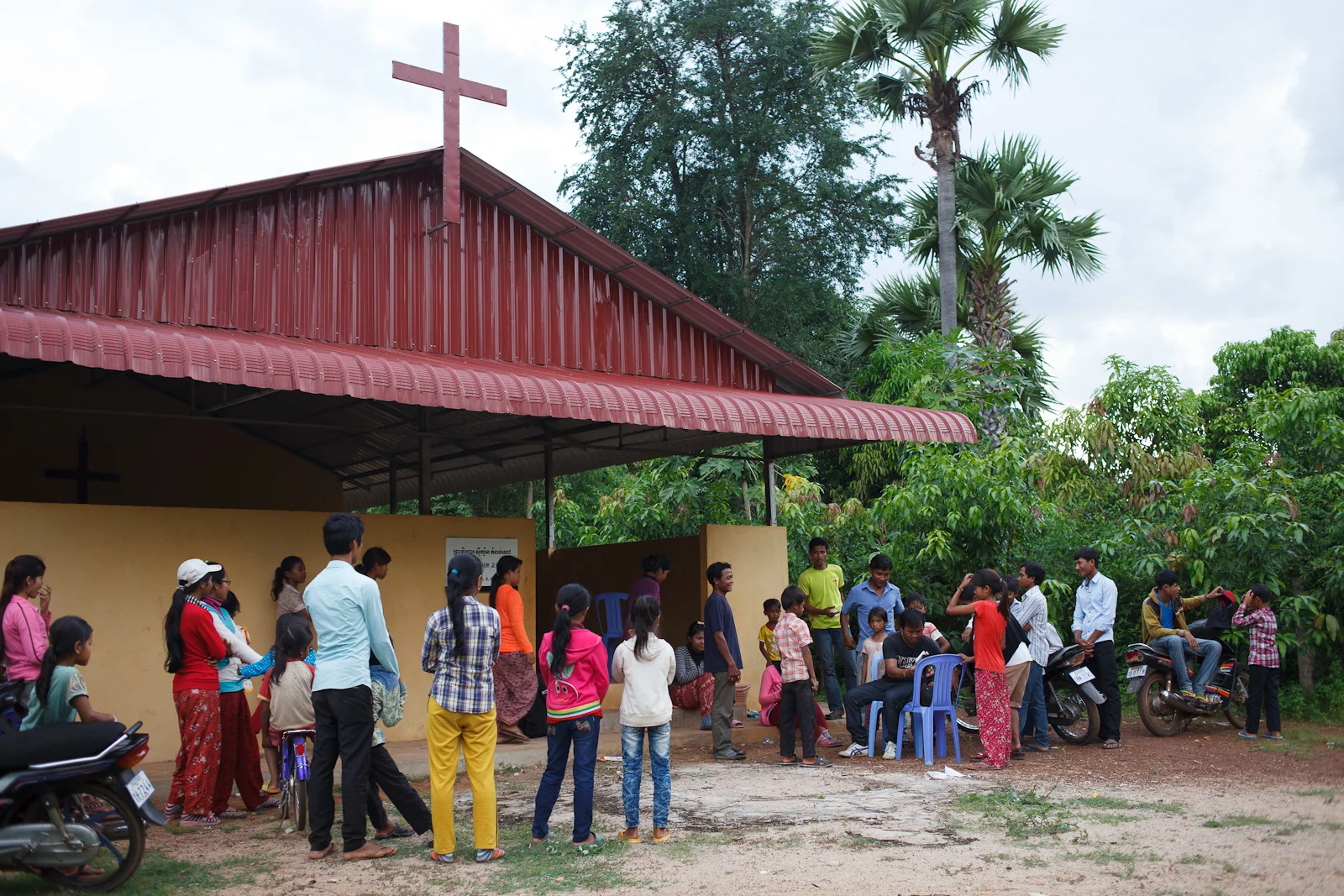
Why we work with churches, even when it gets uncomfortable
We work with local churches. If you’re nodding your head, or shaking it in concern, keep reading. Some of our reasons may surprise you.
We work with local churches.
If you’re nodding your head, or shaking it in concern, keep reading. Some of our reasons may surprise you.
Alongsiders doesn’t just work ON or FOR local churches; we work within them. We equip young church members, and they do the most important work of being Alongsiders. Most of that is done outside the view and control of our movement leaders who are in supporting roles.
Here are four reasons why we do it this way, starting with the easy ones.
1. Local churches are present in local communities almost everywhere.
Local churches are spread out all over the countries we work in. For example, in India we partner with a network of 3000 churches. What organization can claim to have offices and staff in so many places? Especially in places where the poorest of the poor really live? If there is such an organization, then it must spend a fortune on staff and overhead.
To reach thousands of vulnerable children we need a presence in thousands of local communities. Grassroots movements depend on grassroots structures and networks. Working with local churches means the structures we need are already in place where we need them.
2. Local church relationships are an important support network.
Most mentors are singles in their twenties. They may lack the wisdom and experience to respond to all the needs their little brothers and sisters may face. Family problems, abuse or entrenched poverty may require intervention by wise older adults. Mentors who are part of healthy local churches have a support network already in place to stand with them.
And that support network becomes a blessing and source of strength for the little brothers and sisters and their families too. Vulnerable children are often isolated and disconnected. By welcoming them into the local church, children gain an important support network which will be there to help them face the challenges of life.
In Alongsiders we often quote the Cambodian proverb: It takes a spider to repair its own web. In real life it often takes a community of spiders.
3. We believe in the gospel.
When Jesus started his ministry, he declared “good news (or the gospel) to the poor” and said:
(God) has sent me to proclaim freedom to the prisoners and recovery of sight to the blind, to set the oppressed free, to proclaim the year of the Lord’s favor.
We already speak a common language with the local churches. Or do we not?
Some Christians and churches have taken this gospel and spiritualized it as solely a message of salvation from sin. They interpret “poverty” and “blindness” and “captivity” entirely as metaphors for spiritual conditions.
Others believe Jesus addresses both spiritual and material poverty, disability, and oppression (and other dimensions besides), but they have struggled to communicate and live out a more complete (wholistic) gospel in their local churches.
As a result, many Christians concerned about the poor have supported Christian organizations which focus on compassion and social justice, while their local church attends to the "more spiritual" tasks.
But should a wholistic gospel be divided up this way?
If we believe Jesus announced such an all-encompassing gospel – that every relationship on earth and in heaven is being put right with forgiveness, healing, and justice – and if we believe Jesus is the Head of the Church, then can't we hope that the Spirit of Christ will guide us into the fullness of the gospel together?
So for the sake of the good news for the poor, Alongsiders as an organization is returning initiative and power to local churches through their members, entrusting them with a wholistic gospel message for the vulnerable, the disabled, and the captives among them, and empowering them to live it out.
4. We want to see local churches transformed.
Alongsiders works through local churches. And very often the mentors themselves, and even whole churches, are transformed along the way. This is not always a comfortable process for those in entrenched positions of leadership. The contribution of younger people is not always valued. But Jesus was a master at turning things upside-down and challenging the prevailing culture.
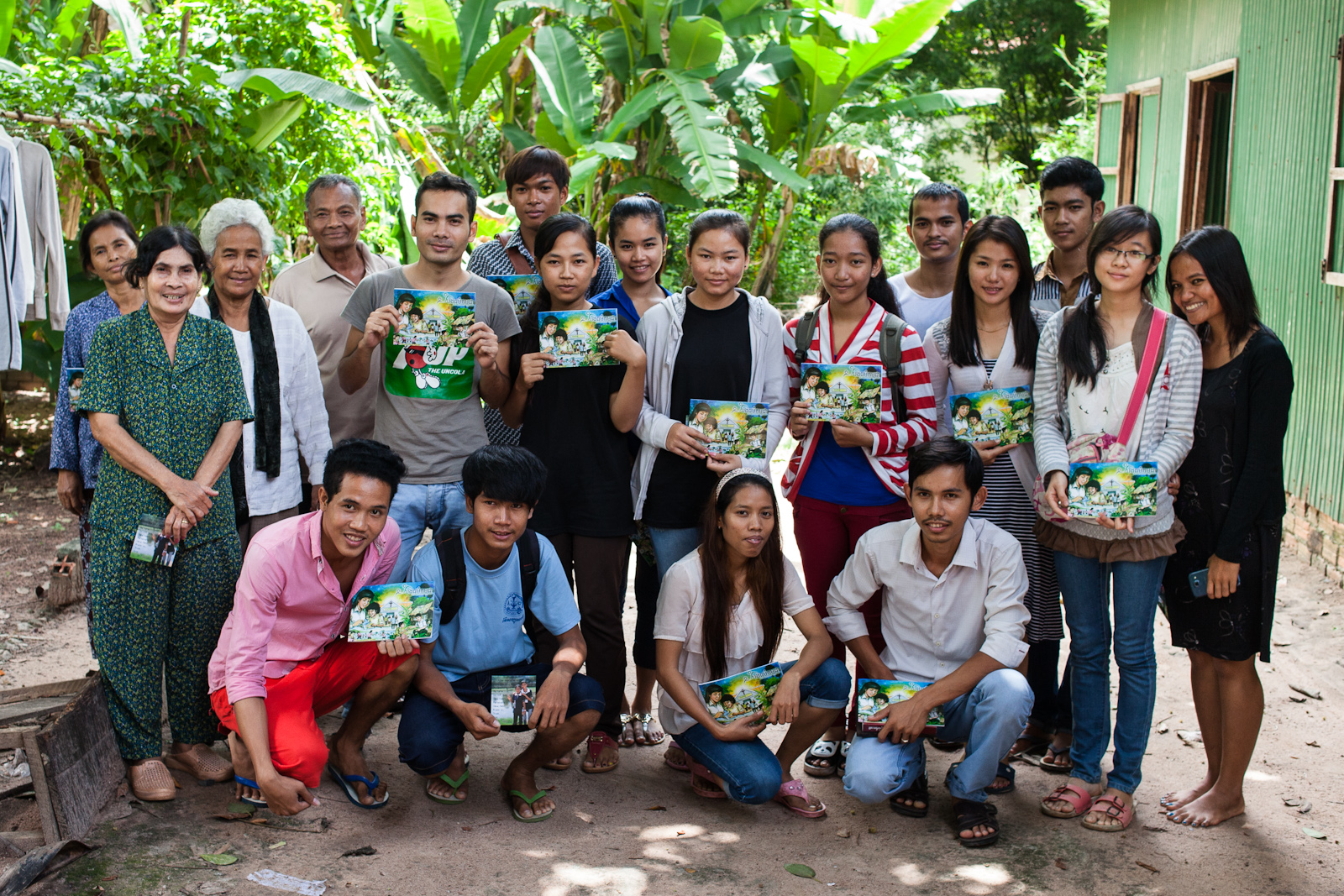
Church elders and leaders with a new batch of Alongsiders
The Alongsiders movement is not merely a movement to bring love and encouragement and discipleship to vulnerable children. It is also a movement of young people being transformed. We believe that in reaching out the poor, it is often WE who are most deeply impacted, OUR faith that is stretched, and OUR capacity for love that is enlarged. It is counter-intuitive, but central to the gospel, that when we lay down our lives for others we will actually find life ourselves. This is what we are seeing everyday in the lives of the Alongsider mentors. This is what is transforming the church.
Christ loved the church - to the point where He laid down his life for it (Eph 5:25). Despite all the problems and challenges of loving sinful human beings, we are called to do the same.
There are MANY more reasons we work through local churches, but most of all we long to see the Kingdom that Jesus announced being fulfilled...
On earth as it is in heaven.
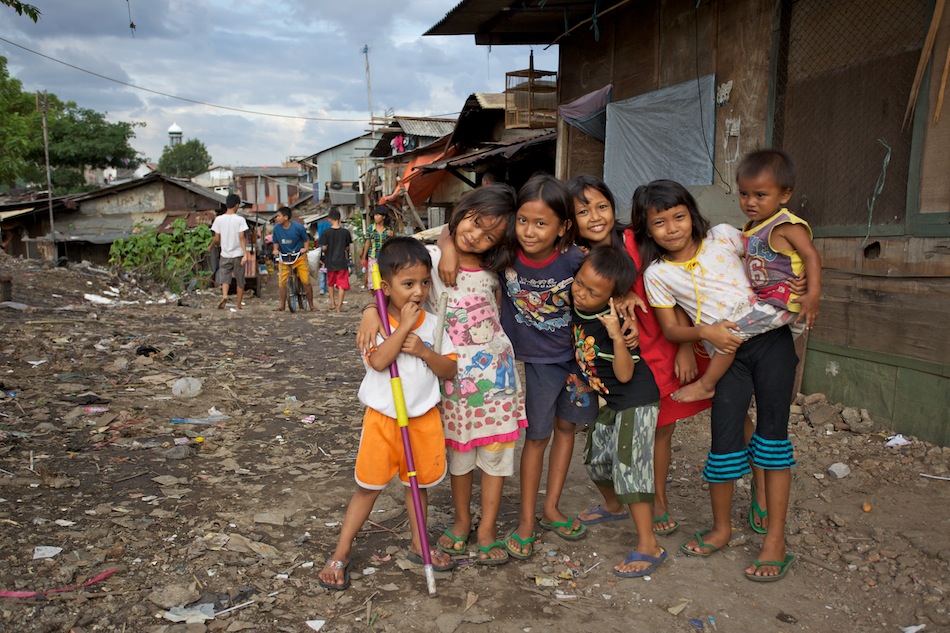
Alongsiders: the movement spreads
In the past month, we have signed partnership agreements for two of the largest countries in Asia.
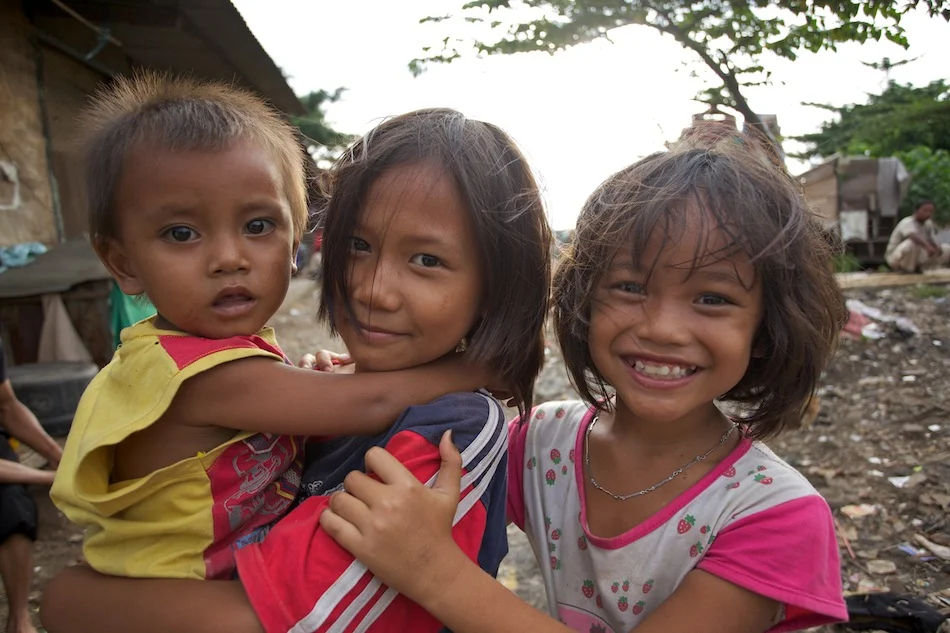
Children in an Indonesian slum.
In the past month, we have signed partnership agreements for two of the largest countries in Asia: Indonesia and India - representing hundreds of millions of vulnerable children that need love, mentoring, discipleship and encouragement.
Our strategy is to partner with large church networks in each country, so that the movement is "owned" and run by local Christian leaders.
So, rather than coming in as a foreign NGO, setting up administrative offices, hiring administrative staff and building an infrastructure from ground up, - we partner and we come in under local leadership.
This is pretty core to our strategy.
You see, it takes a spider to repair its own web.
And it is going to take local Christians to transform these nations.
Our role is to walk alongside those who walk alongside.
Join us in praying for these movements as we begin to lay the foundations to equip one generation to reach the next.
[Photo credit: Christin Gilbert]