
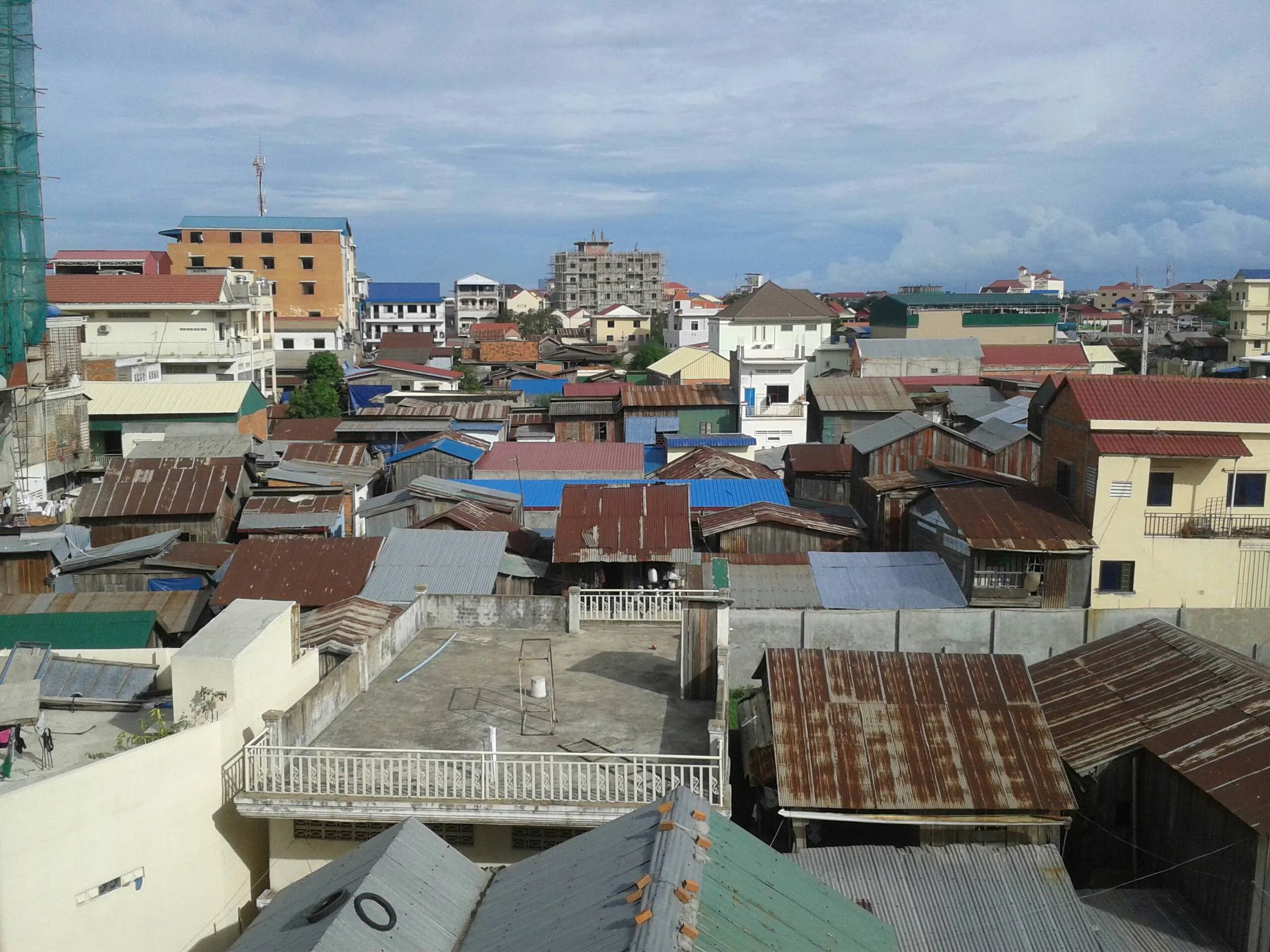
Urbanization: our biggest challenge
Today almost 80 percent of Cambodians live in rural communities, but within 15 years the majority of Cambodians (60 percent) will be living in cities.
Here’s a unique strength of Alongsiders with a perplexing challenge.
Alongsider mentors are empowering vulnerable children – and stirring up local churches – in rural communities that are “off the radar” for most ministries and development organizations.
The key strength of Alongsiders is the physical presence of mentors serving out of relationships in their own villages.
But consider this. Today almost 80 percent of Cambodians live in rural communities, but within 15 years the majority of Cambodians (60 percent) will be living in cities. We’re in the midst of a huge migration of Cambodians to cities, and the people most likely to move in the next decade are young people in the age group we are working with!
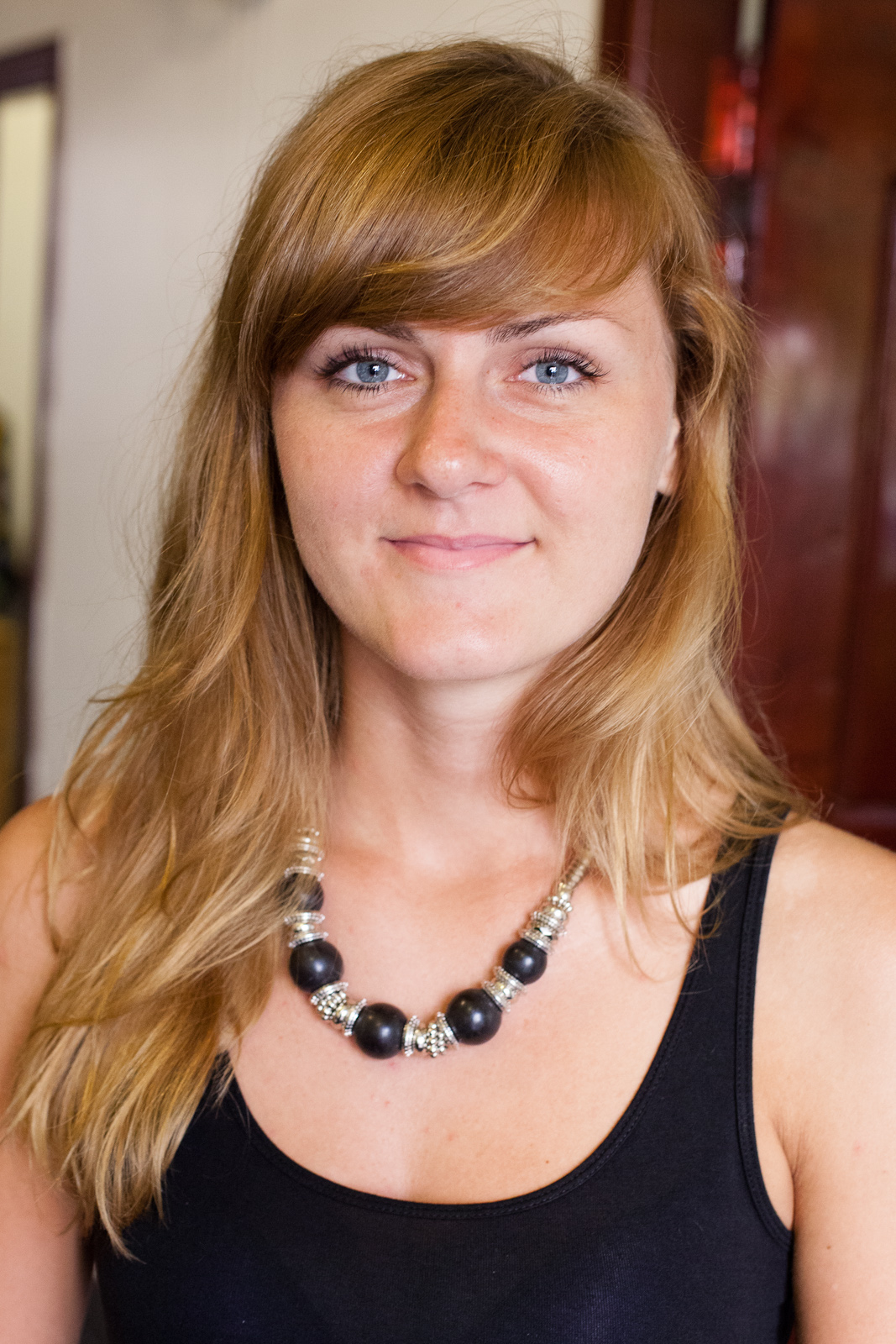
Meet Marketa, our intern from Slovakia. Her role is to research how this rural to urban migration is affecting Alongsiders in Cambodia.
“The main concern is if the Alongsider mentors move, how is this going to affect the relationships between them and their little brothers and sisters? ”
Although we’re just starting to formally measure the impact of urbanization on our work, Alongsiders Cambodia has been aware of the trend for some time. Here are some steps they have taken to address it.
- They encourage mentors who think they will move to choose little brothers and sisters who are older (e.g., twelve rather than six or eight years old).
- They are allowing older people who are less likely to move (e.g., in their late twenties and thirties) to become mentors.
- They are strategizing with small group leaders and mentors about how mentors can best maintain relationships, such as on weekend trips home and by phone.
- Of course, they are also working in urban communities with high concentrations of vulnerable children.
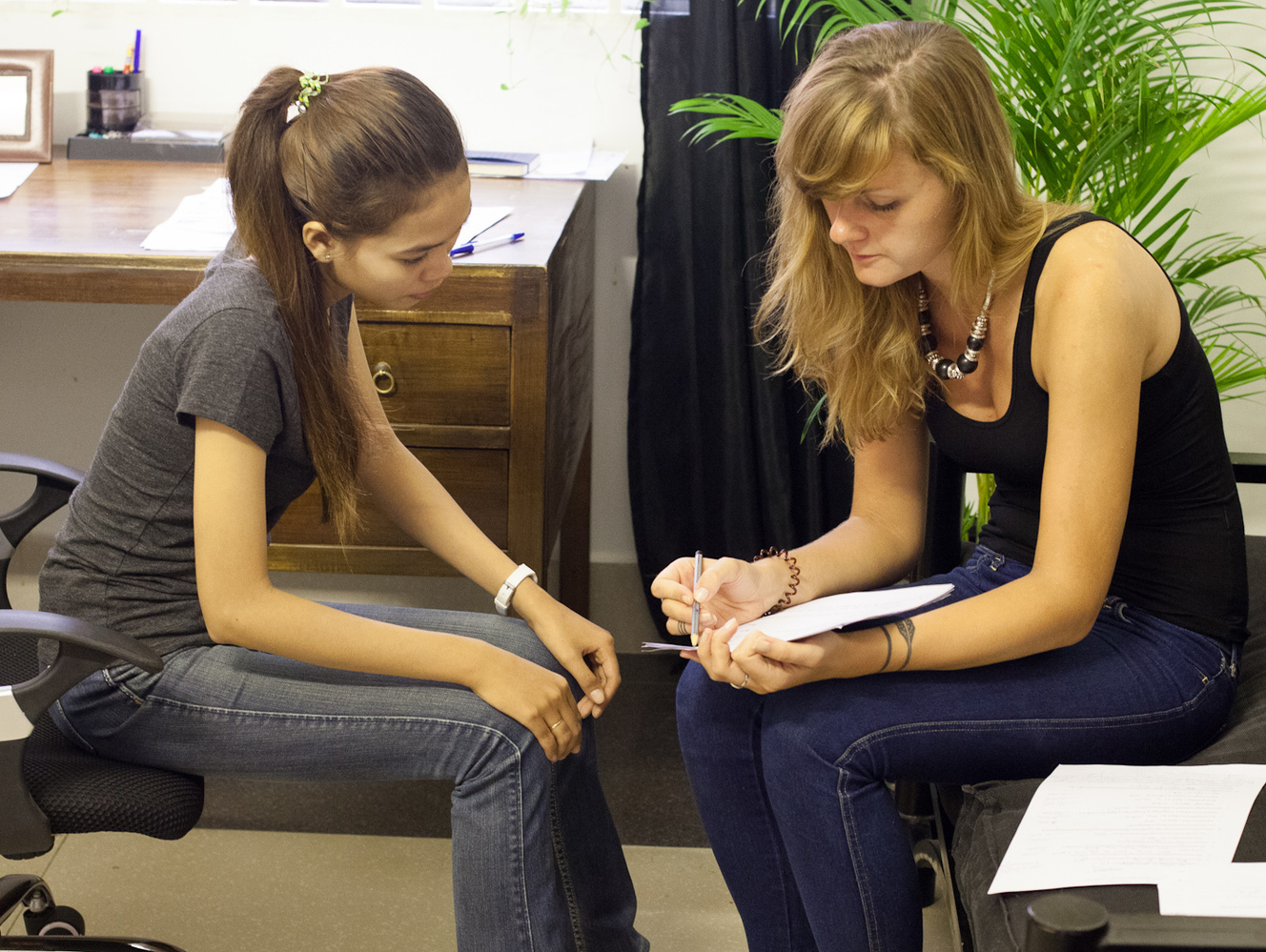
This week Marketa obtained her first data via a survey of small group leaders from around the country. At first glance, the challenge is plain to see.
In a group of 15 mentors from Kandal Province, 8 have moved to the city. In another group of 19 from the same region, 5 have moved. Yet in the entire province of Kampong Chhnang, 10 of 68 have moved, and of nearly 60 mentors in Kampong Saum, none have moved.
We want to know more about the story behind these diverse numbers.
Kandal is a relatively poor province adjacent to Phnom Penh, so it's easy for young people to go try their luck in the city. Kampong Chhnang is hours away from Phnom Penh, and there is a special economic zone in Kampong Chhnang, so many factories are employing workers there. Kampong Saum is a tourist destination with a robust local job market compared to other rural provinces.
Many Alongsider mentors who move to the city return home on weekends, so they are able to maintain relationships with their little brothers and sisters. But if their homes are more then two hours from the city, then it's too far to visit regularly.
These are just some of the details and variables we want to look at more carefully.
Alongsiders is part of the fabric of society in rural Cambodia, and now urbanization is tearing the fabric apart.
Asia is developing and urbanizing faster than any region in the world, so we can expect similar patterns as Alongsiders expands to other Asian countries.
The good news is that Alongsider mentors are living and serving right where life is changing the fastest and the needs are most acute; they are at the epicenter of a societal earthquake.
Our liability, relationships, is also our strength. Our success or failure depends on the quality of relationships formed by our mentors and our ability as a supporting organization to balance and shift as the ground moves beneath us.
We're willing to take that challenge.
Spiritual transformation starts here
Bob Goff, author of Love Does, likes to say, "No one really gets discipled, they get loved; we learn what we see, not what we only hear about."
Bob Goff, author of Love Does, likes to say, "No one really gets discipled, they get loved; we learn what we see, not what we only hear about."
That's why we're reluctant to reduce the Alongsiders relationship to a study program or a curriculum. Truly it is love. And this love inevitably bears spiritual fruit. For if we experience another person loving us, then we are better able to understand that there is a God who loves us too.
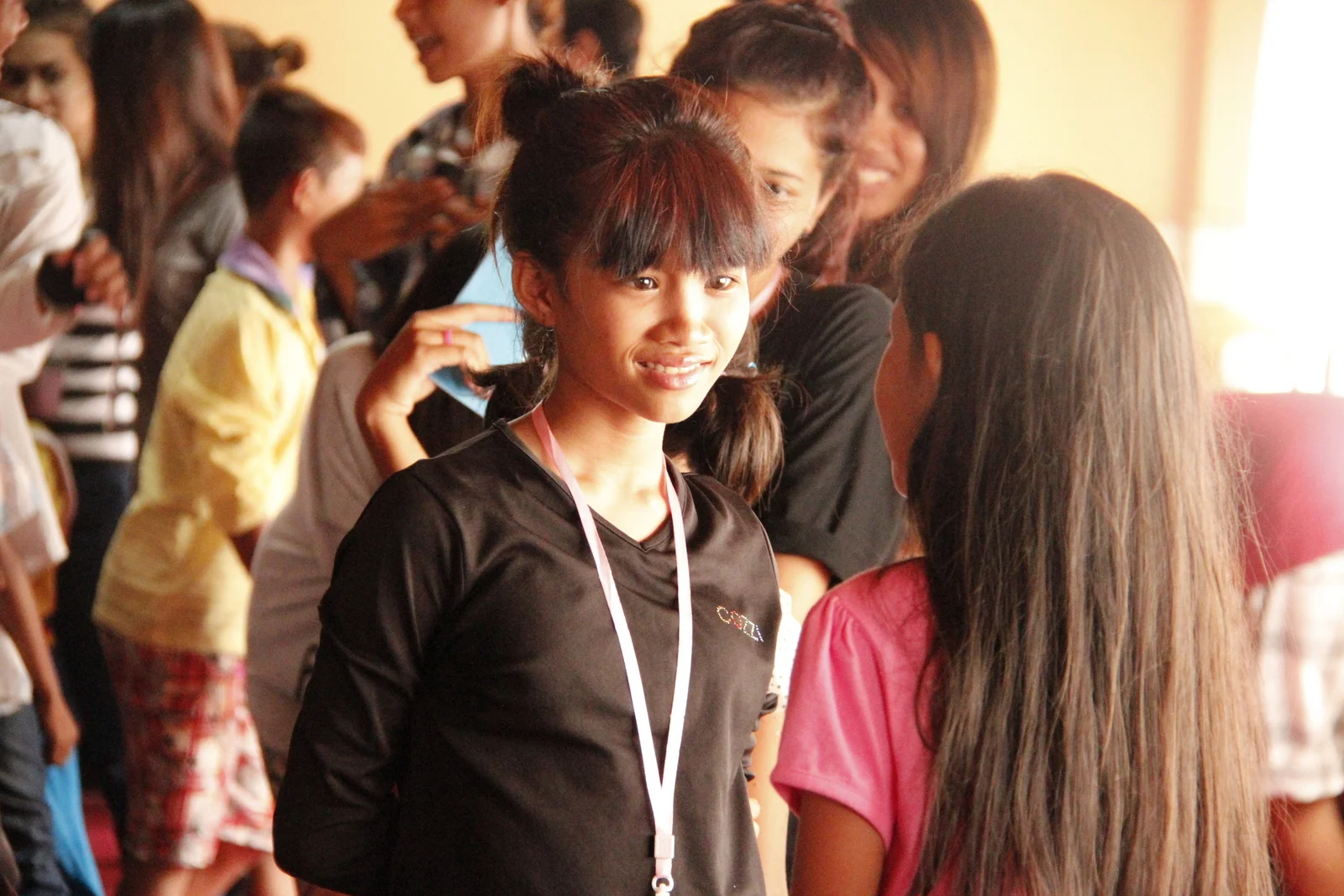
‘My Alongsider showed me so much love when she comforted me when my parents were angry with me’. - Little Sister, Takeo Province
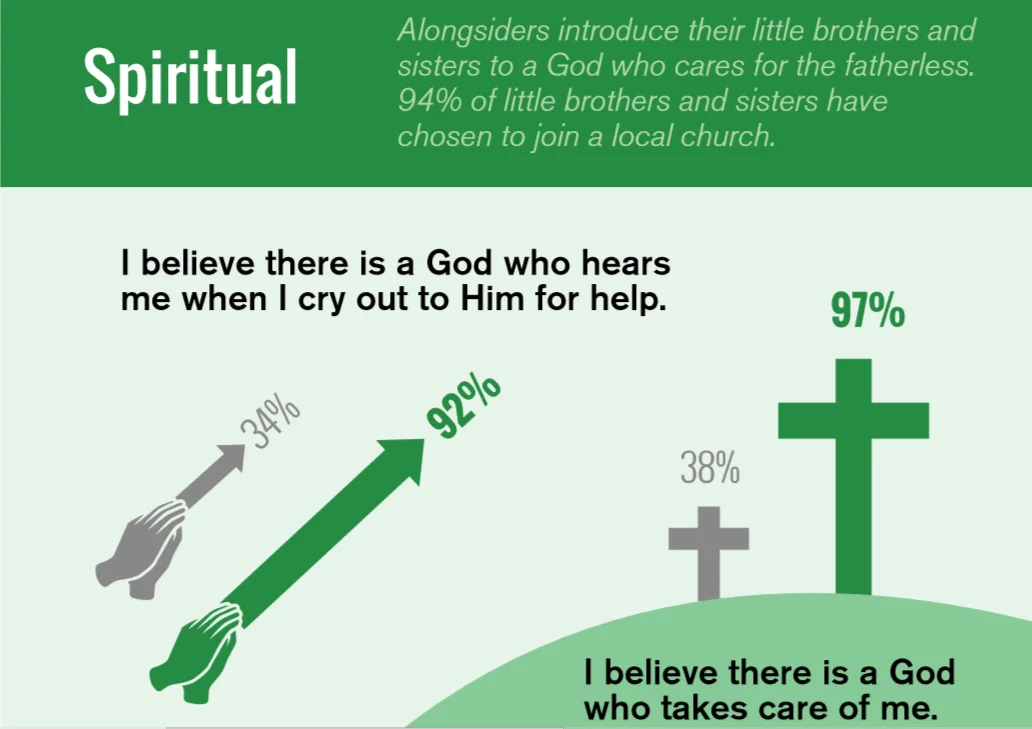
Recently, we asked our little brothers and sisters a few questions about their faith, and we asked questions of a control group as well. All up - we interviewed over 330 young people.
The study results show that something encouraging is stirring within the hearts of hundreds of little brothers and sisters across Cambodia. There is not only emotional, social and educational impact. There is spiritual growth too:

So how does it work? How does spiritual transformation begin?
Alongsider mentors are especially motivated to reach out to children who are neglected, orphaned and struggling. Such children typically experience feelings of hopelessness, abandonment and rejection.
As a relationship with their mentor develops, they are welcomed into the church family. In fact, 94% of our little brothers and sisters freely choose to become part of the local church. Through that loving community they gain a crucial support network and sense of belonging.
They learn that God loves them. And they begin to experience spiritual transformation.
Jesus taught us to welcome children into our midst. And he showed us the way to disciple and mentor others - by spending lots of time together, walking, talking and eating together. His methods of discipleship were not merely dry academic study. Instead, Jesus shared life with his disciples. They laughed, cried and ministered together.
Through the example of their Alongsider mentors, hundreds of children are experiencing that radical welcome and responding with joy. They understand that they are cared for and loved by God, both day-to-day and forever. They know that they are not alone. Because someone walks alongside them, Jesus-style.
[Research results mentioned above come from the Alongsiders Impact Assessment 2013. ]