
The gift of Christmas you'll want to bring with you into the New Year
The inspiring story of one who was overlooked.
Most of us make a quick switch between Christmas and New Year's Day. From celebrating God's invasion of our world as a baby, we turn to making New Year's plans and resolutions. It's not that there's anything wrong with deciding to exercise, eat better, and pay off the bills. But as we pack away the lights and think about what's next, let's take care not put away God's own gift for us.
In a minute, I want to tell you a short story about an Alongsider and her little sister that will shine a fresh light on the gospel of Christmas.
First, let's think about Christmas in a down-to-earth way.
God was born as a human child in a dark corner of the Roman Empire, in a dirty stable, and his first recorded visitors were not kings or priests, but shepherds and foreign astrologers. Then, threatened with murder by a violent man, the child and his family fled to Egypt, where they were refugees.
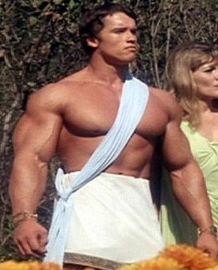
What a God-among-men was supposed to look like
No God (or god) in the history of religion ever became human, or even appeared to be human, in this way: helpless, victimized, poor, and disgraced. The gospel of Christmas is not just that God was born as a human, but how God was born among us.
In the words of one of the first Christian hymns, "He made himself nothing" (Phil. 2:7). God identified with the least, the rejected ones, and the victims of human scapegoating and violence. God didn't just identify with "us sinners" - God actually became one of our rejected and outcast victims.
Now read this story from Jesus' perspective.
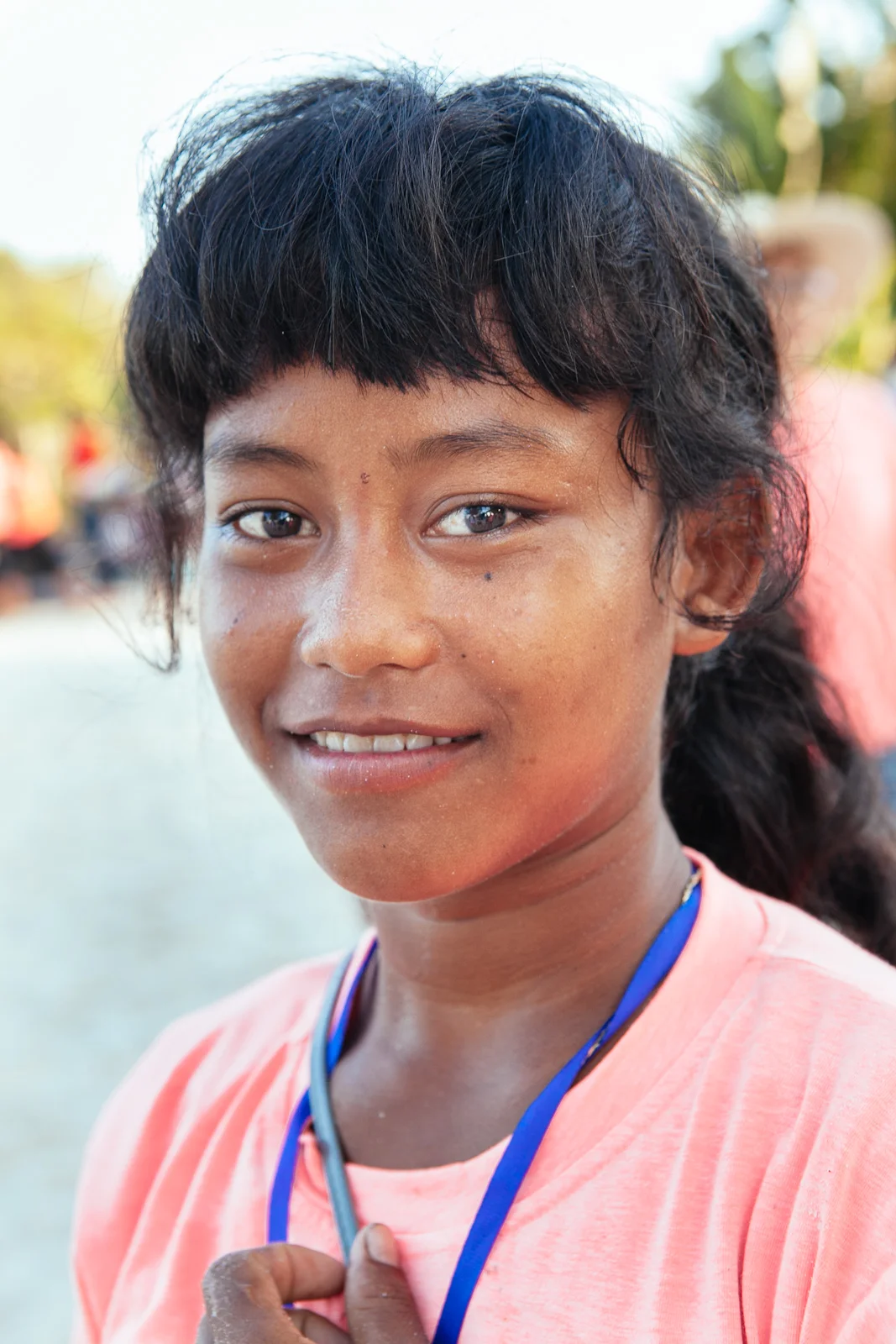
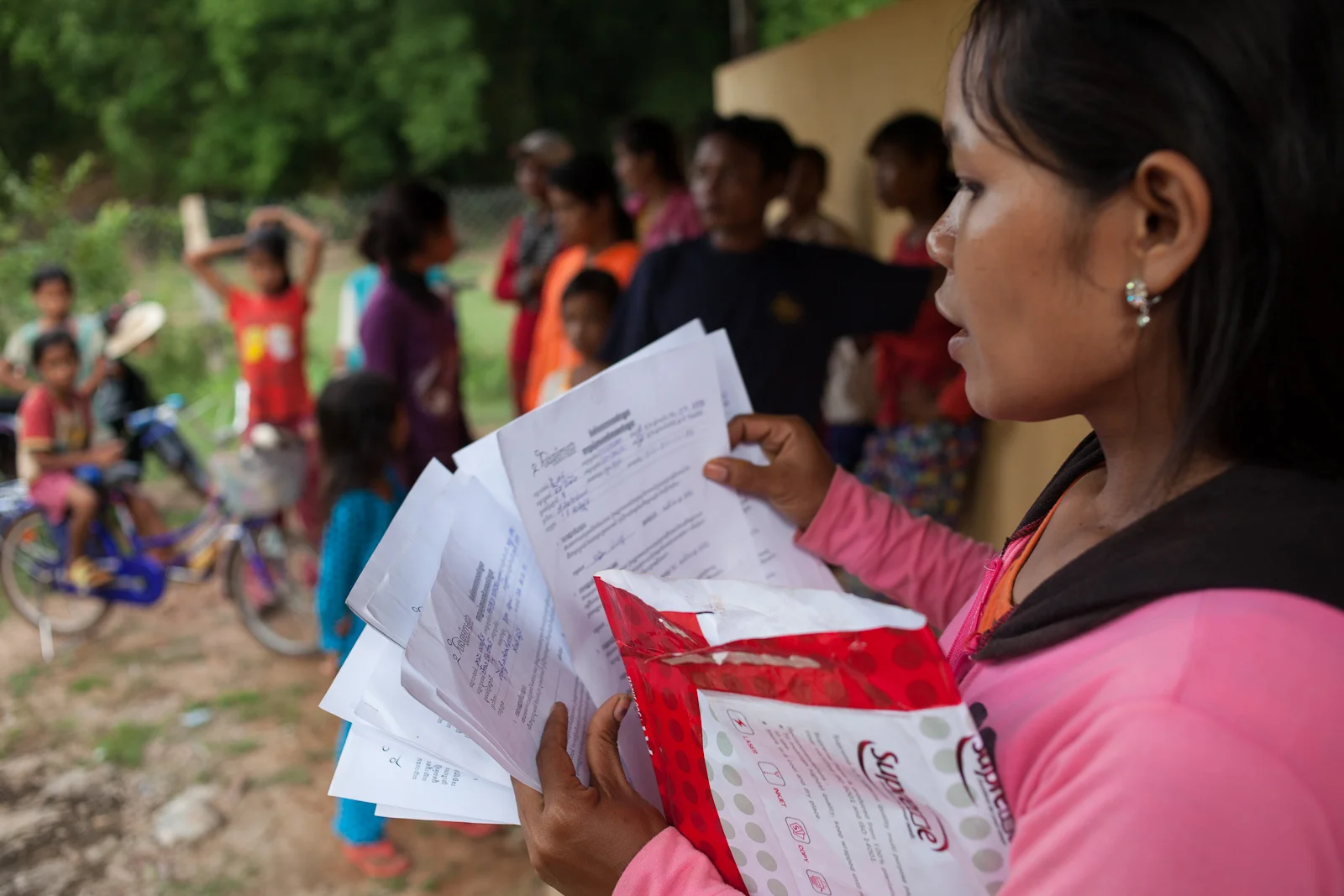
Soklei is from a rural village in Cambodia that you won't find on the map. Her family, it's said, doesn't have much care or love for each other. Maybe that's true, or maybe her father is under too much stress to show it. He makes a living gathering wood in the forest, cutting and bundling the pieces, and selling it as kindling. Since his wife passed away, he has been raising Soklei on his own. They're among the poorest in the village. One of Soklei's siblings is in prison; another works as a housekeeper in Phnom Penh and sometimes sends money.
Though she's fifteen years old, Soklei is just now starting the fifth grade. It's not uncommon for students to fall behind when family life is disrupted, like when a parent dies, but there's another issue in this case. It's not immediately obvious, but Soklei has a mental disability. "She's slow," is the common explanation.
Even in a poor community, those who are "poorest" (economically and in other perceived ways) are rejected. Soklei has a history of being left out and left behind. When the local church formed a group of Alongsiders, the pattern seemed to repeat itself. None of the church youth who became Alongsiders wanted Soklei as a little sister.
It's always a risk choosing to walk alongside a little brother or sister who the community already looks down on. You may come under the same judgement. Plus, tying yourself to someone "slow" might slow you down and make it difficult to reach your own goals. You may even be rejected as well.
Every Alongsider is still growing and maturing. Fortunately, when the Alongsiders group leader, Chantan, saw that Soklei had been passed over, she chose Soklei for herself. She saw something the others had missed.
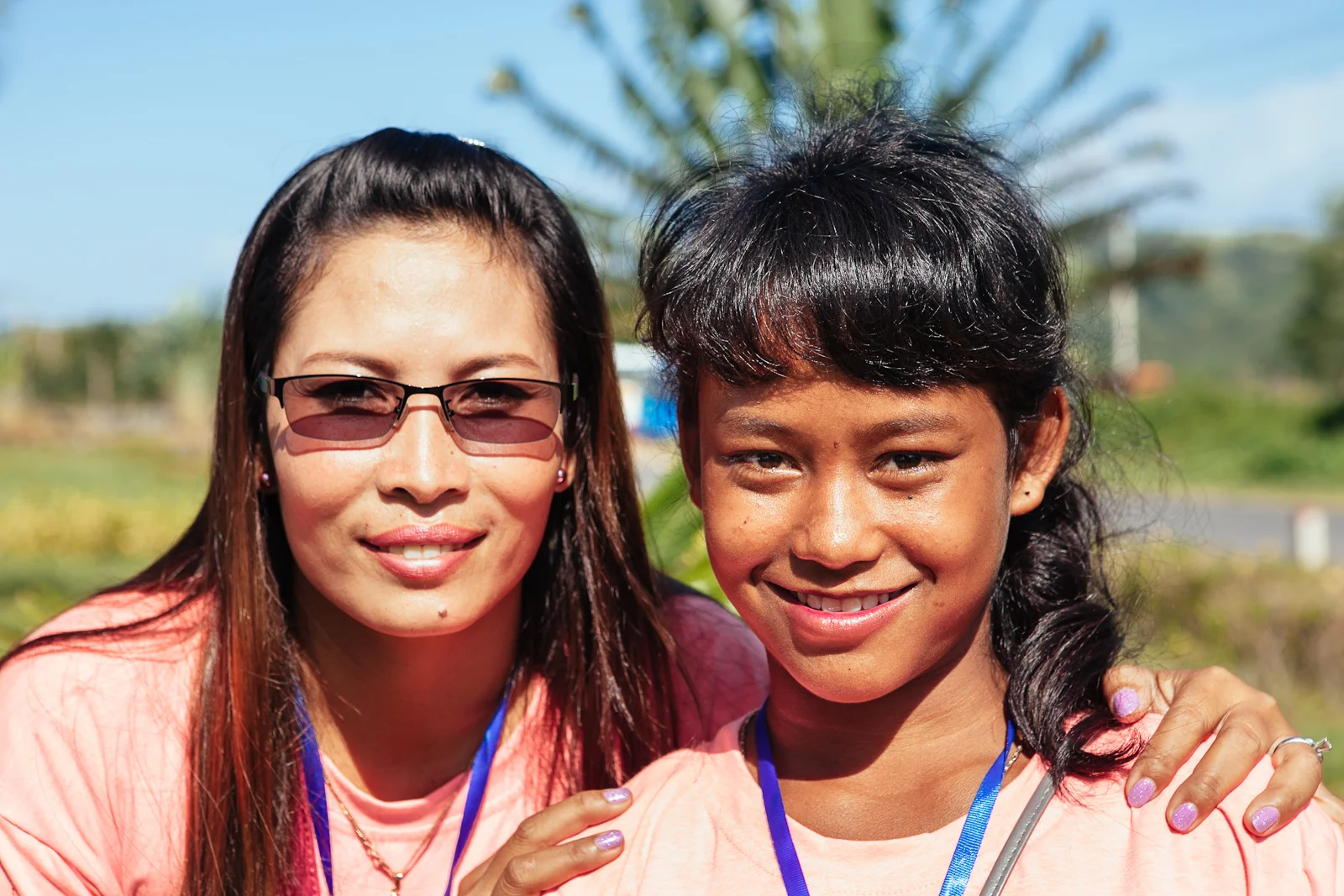
At the Alongsiders camp this year, Soklei, sitting beside Chantan, said she didn't feel alone like she did last year. Chantan was smiling, too. She didn't just "do a good thing." She took a risk, and there are costs as a result, but it's changing both of their lives.
In becoming human, God tied himself to us. Slowed down for us. He was disgraced, rejected, and victimized alongside us - and by us.
The good news is that God knows us full well as we are, both our weakness and our violence. Jesus didn't come only to set right our relationships with God. In absorbing our worst and yet forgiving us, he created an opening for us to change the way we relate as humans together: by forgiving and restoring one another.
We can go through that opening now.
When we love and care for our neighbors who are at the ends of their ropes, and cast aside, we get to know Jesus and what he is about.
Jesus said as much in Matthew 25:31-46: those of us who welcome and care for the least (the poor, the outsiders, the disgraced and rejected ones) will know him and be known by him.
Chantan gets it. Please pray for Chantan and Soklei and others like them in the Alongsiders movement, in Cambodia and in a growing list of countries. As you remember them, remember to take this gospel with you into the coming year and act on it.

There is someone who is "least" or "rejected" or "scapegoated" who God has placed as a gift before each of us, probably not far away. He or she could show us who God is and teach us what it means to be human with one another.
Will you open that gift? If you have someone in mind, why not put on your shoes or pick up your phone and take a step right now?
After 8 years he's looking for his third "little brother". You'll be surprised how ordinary he is.
Sorn may not seem like much. If you were looking for a leader, or a game changer, a guy like Sorn might not turn your head.
Sorn may not seem like much. If you were in his community looking for a leader, or a game changer, a guy like Sorn might not turn your head.
My guess is that ninety percent of us, if we passed Sorn on some dusty road in the province where he lives, wouldn't look twice - unless it was to dodge his slow moving cart filled with vegetables. It goes to show how much we miss.
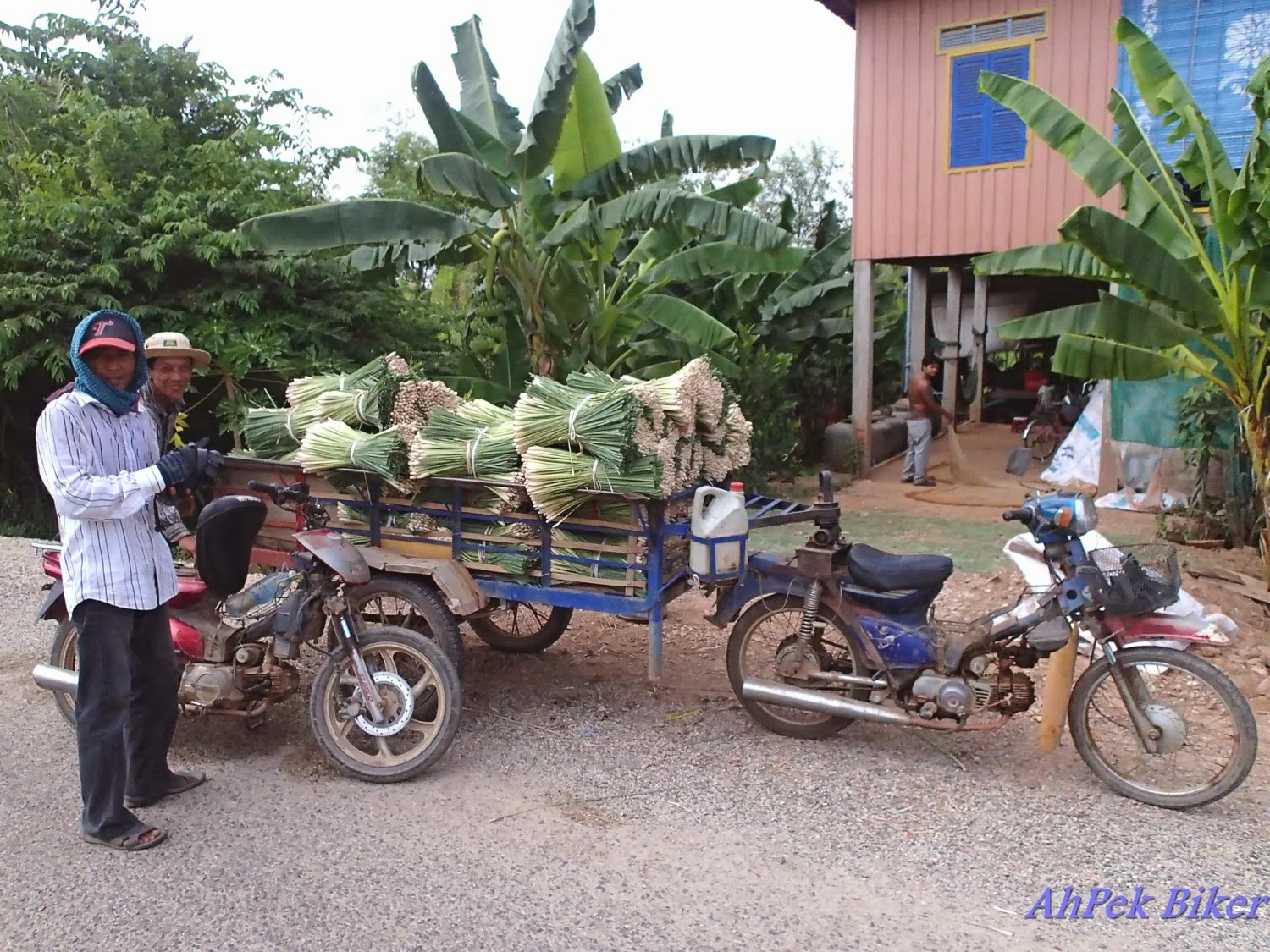
A Cambodian man (not Sorn) transporting produce to market
Every morning at 3:30 or 4:30am Sorn wakes up, hitches his cart to his motorcycle, and goes around to local farmers buying vegtetables. He takes them to one of the nearby village markets and sells them until 2 or 3 in the afternoon. Every day except Sunday.
I say it's hard work. He shrugs and says it's normal. People in rural Cambodia do what it takes to get by.
Unlike many of his peers, Sorn didn't move to one of the country's big cities after high school. He stuck around.
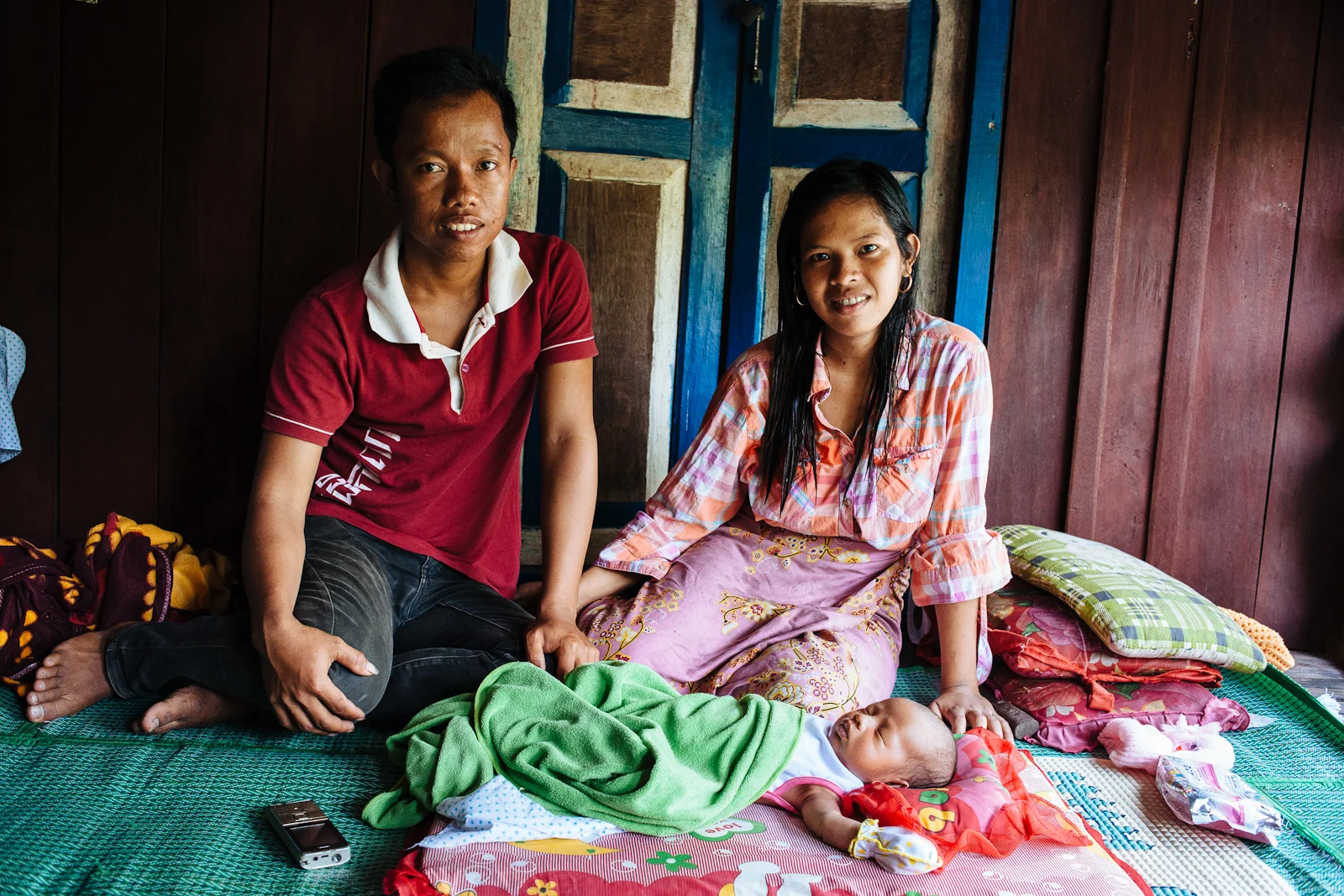
He doesn't give the details, but when he was young his father either left or died. Sorn's mother raised him with support from his grandfather, who is the pastor of their local church. His grandfather wanted Sorn to stick around, and he even helped Sorn find a wife who felt the same way. Two years ago they were married, and their first child was born fourteen days ago.
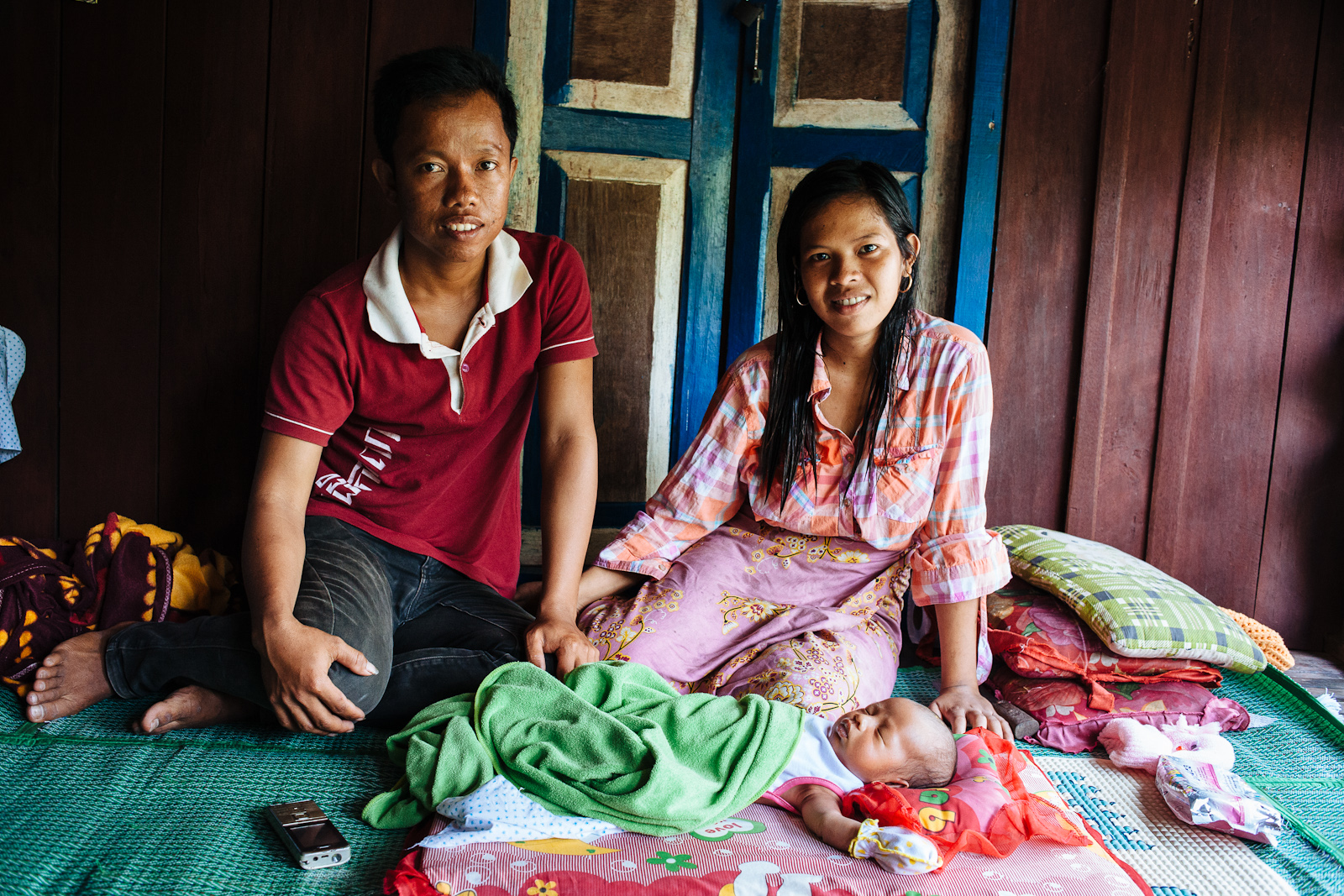
Sorn has been an Alongsider for eight years, since 2007, and he has had two little brothers. Both grew up and became Alongsiders themselves, and both are active in the church now. Sorn says he prayed carefully before choosing each one. He wanted to choose boys who would grow and mature into responsible, faithful adults. Both have done well. One had a brief problem with gambling but stopped after Sorn talked with him about it.
Now Sorn is praying and looking for a third little brother.
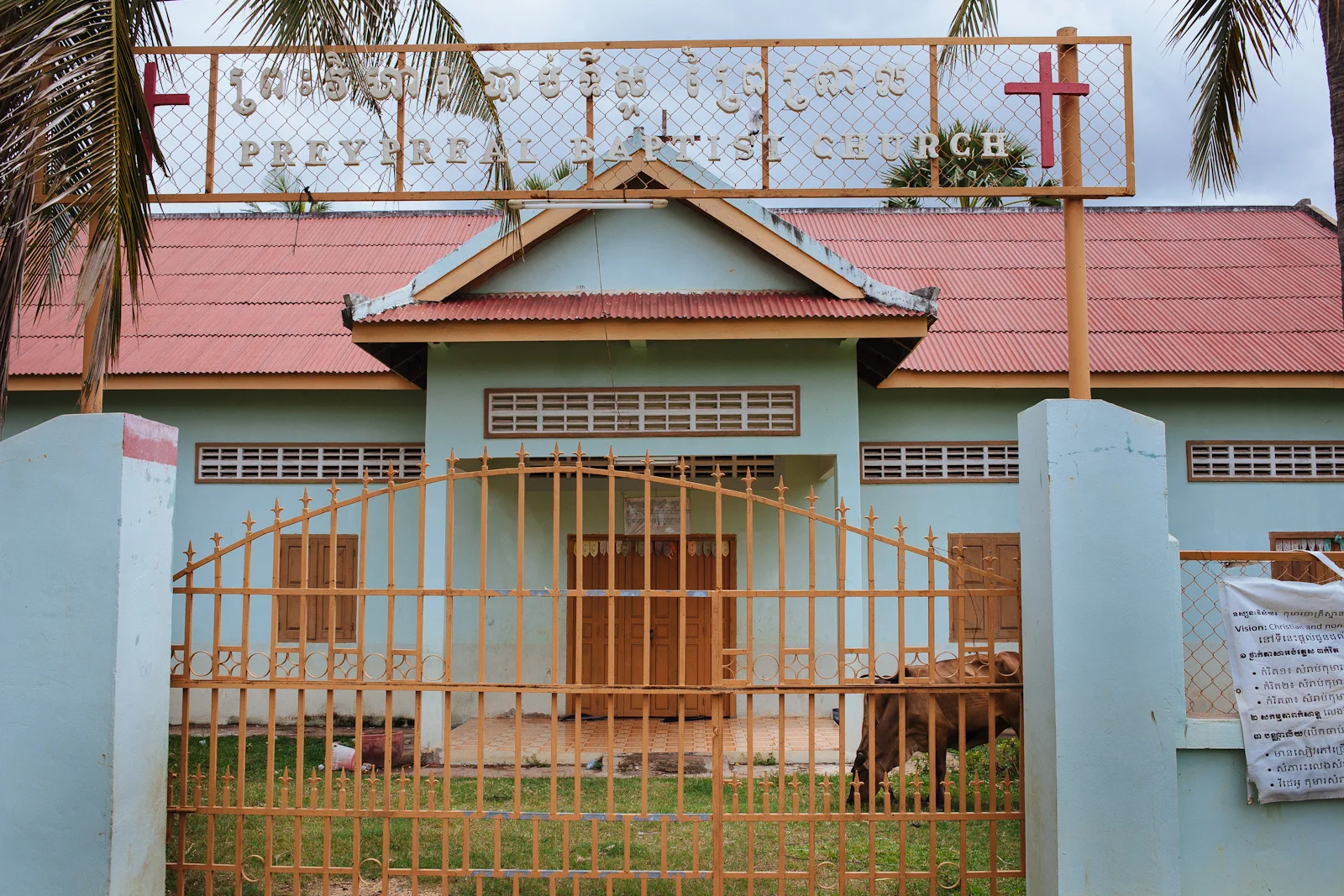
The country church in Kampong Thom that Sorn attends
Sorn has been a leader for the youth in the church for years, and now he is the leader of the Alongsiders group there. It's a challenge, as the majority of the young people grow up and leave for the cities.
It would be easy to tell Sorn's story in a way that depicts him as larger than life, to describe him in poetic terms. Rather, let's just respect him as a human being with a full range of emotions and choices to make in the circumstances of his life. It's because Sorn is an ordinary-extraordinary man in his community that he can bring hope and change starting from within it.
Sorn and others like him and their relationships - not a program or NGO - are making a difference. Our movement and the tools we develop are NOT intended to work through them, or despite them, but to support them, to engage them, and to set them loose.
The secret of Sorn's humanity (and ours) is this: God works through him in love. The key to our movement is this: to respect him, support and equip him, and then get out of the way.
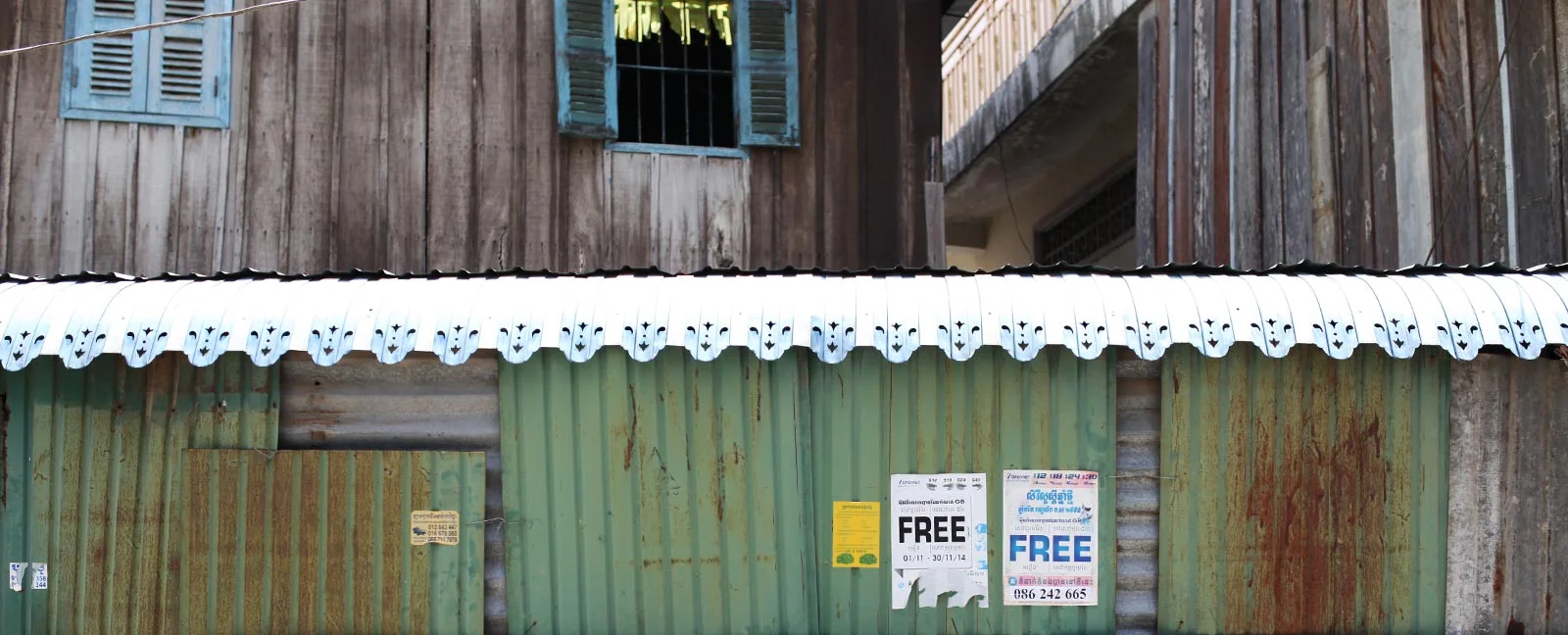
Reflections from an intern: "What the slum taught me about changing the world"
How could I possibly love a family and community so much and still walk away?
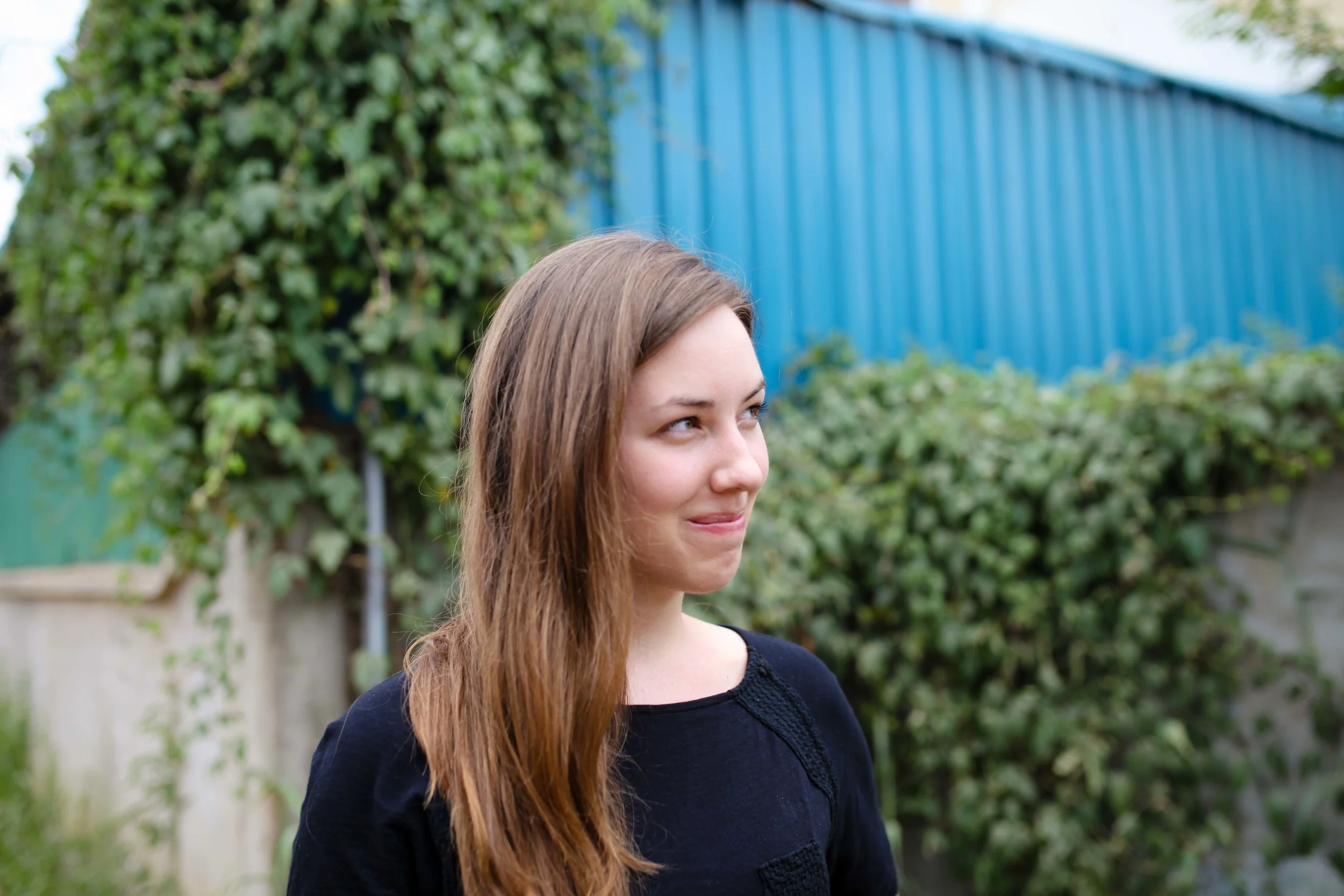
Whenever anyone asked me what I wanted to do when I grew up, I answered, "Change the world."
As an intern for Alongsiders International, I was excited to travel to different Cambodian provinces to conduct interviews, write for the blog, and live in a Phnom Penh slum. I was sure I would see God working in incredible ways in my slum community.
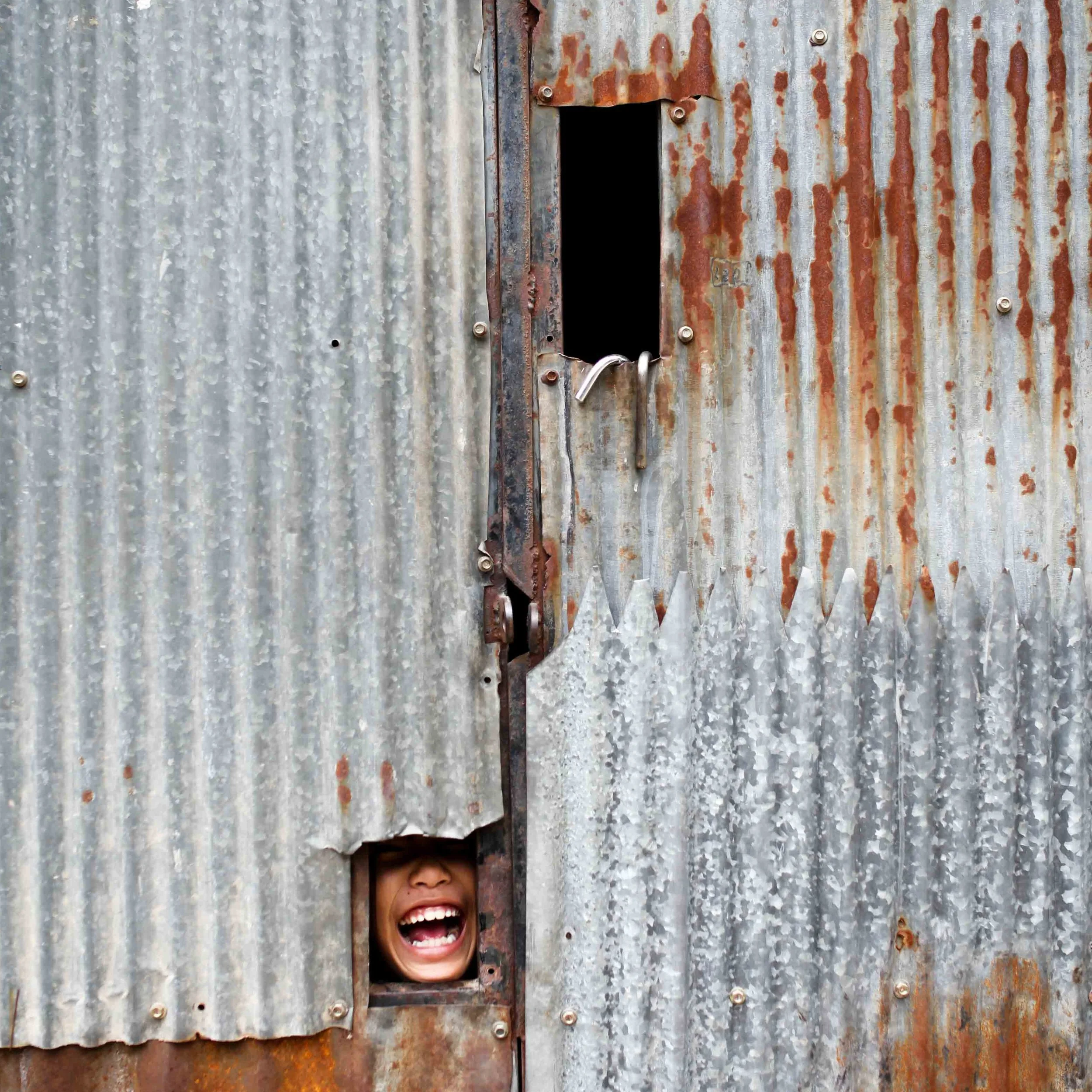
I moved into an extended family of eight people, a dog, several pesky rats, and a million mosquitoes. I took bucket showers and slept under a mosquito net. I ate rice three times a day and tried hard not to get food poisoning. I went with Ming to the market to buy live frogs and helped her and her son cut them up and cook them. I biked to work in crazy traffic and learned to ring the bell on my bicycle when turning corners to alert other drivers to my presence.
Most importantly, I fell in love with my host family and neighbors. I'll never forget the night I carried the baby outside the slum to a sand dune to watch the sunset, while she laughed and clapped her hands. Or the night that Theary and I read Alongsiders comic books for hours. Or all the days spent playing Moan, Moan, Tia with the neighbor kids (Cambodian duck, duck, goose). Or rocking in a hammock while eating green mangoes dipped in chili powder and salt, trying to communicate with my host family using my limited Khmer.
But I also can't forget the hard things: the nights I ran to the bathroom with food poisoning. The day a drunk man shook Ming, and her terrified little granddaughter tried to slash him with a wire hanger. The meals when I looked down to see yet another plate of boiled, fatty fish and steeled myself to choke it down again. The neighbor lady who would slap her her little daughter. The food offerings made to ancestors by people who could hardly afford three meals a day. The rubbish and the stench everywhere.
Most of all, I can't forget the way I had to leave. One of the sons had a party, and eight hungover men sprawled in the living room later, my time in the slum came to a screeching halt. I cried to leave, choked back tears when Ming asked if I still respected her family. How could I possibly love a family and community so much and still walk away?
Because I had money and a support network, I could walk away and find new housing. The young granddaughters staying with Ming weren't so fortunate.
I had spent three weeks living beside them, playing with them every day, and now I had nothing to show for it but a broken heart and a lot of memories that were suddenly more bitter than sweet. I had read the story of changing the world, and this wasn't how it was supposed to go-- was it?
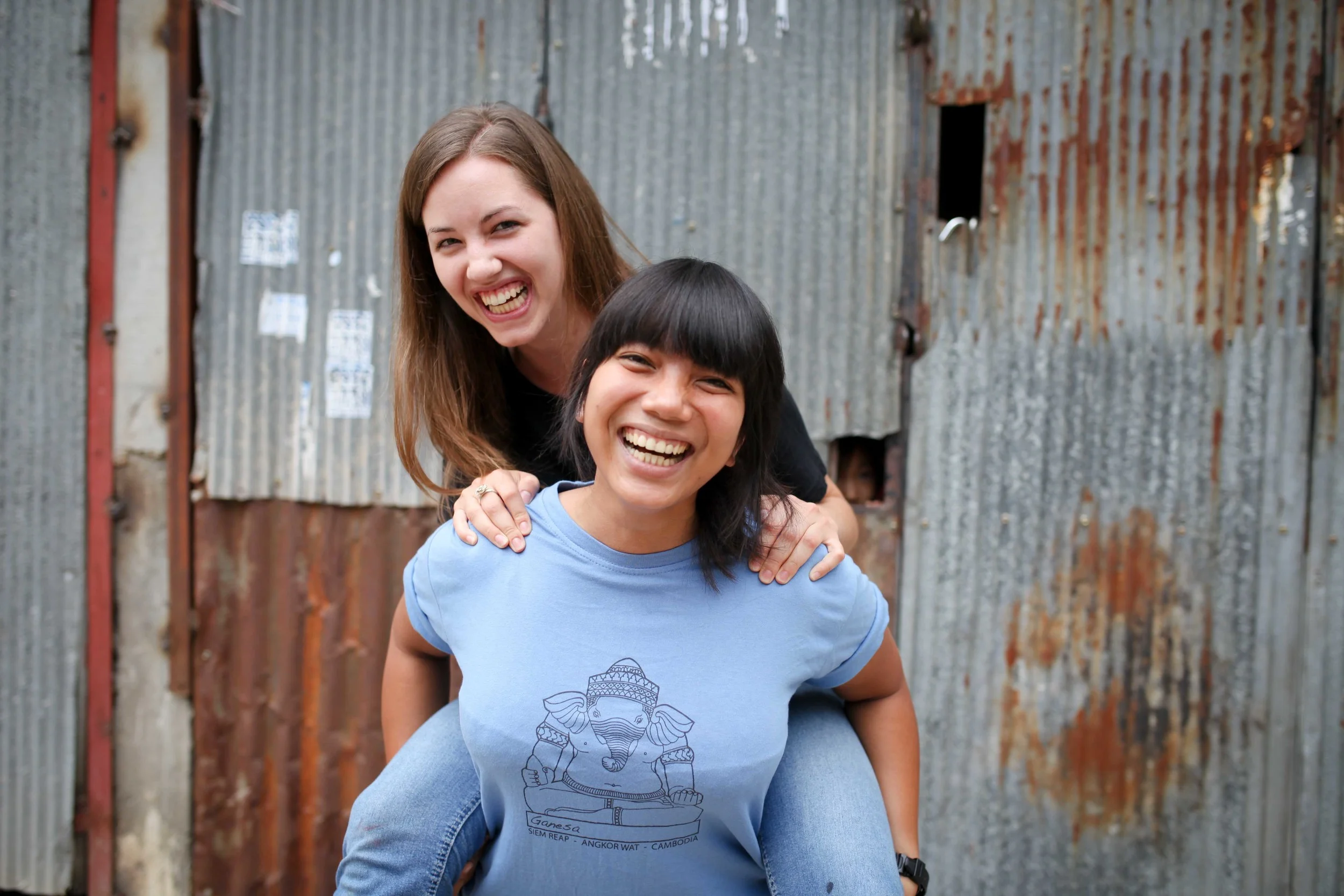
As I tearfully told the story to a friend, she stopped me. "What if living in the slum wasn't about you changing the slum but about the slum changing you?"
During our listening prayer time at Alongsiders the next day, I closed my eyes and told God how much it hurt to have fallen in love with my slum community, invested wholeheartedly in it, and then been forced to leave it unchanged. I poured out my prayer, and waited for His response.
He said simply, Listen.
“You are anxious and troubled about many things, but one thing is necessary. Mary has chosen the good portion, which will not be taken away from her.”
Over the next few weeks, I began to listen to God. At my new house, there was nothing for me to help with, so I found myself with a whole lot of silence and spare time. In the stillness I realized why it had hurt so badly to leave the slum: my identity had gotten wrapped up in making a difference. I was basing my worth as a person on 'changing the world,' at least in my Cambodian slum. Yet I myself had loved the people in the slum for who they were, not for anything they did.

The week I left the slum, I re-learned two important things: I am not the savior and my worth is wholly in the Savior. Ultimately, I learned that changing the world starts with being changed.
Three weeks later I got a text from the son: "I want to know that you feel safe now. I am sorry for the inconvenience. Our family would like to say goodbye before you leave."
So I head back to the slum one last time, to say goodbye to the community I've laughed and cried with, the community that taught me that worth is in being not in doing. As I walk back down my old street, the children come running. "Hello!" they cry. "Hello!" I enter the gate and Ming comes out and gives me a hug. My heart begins to heal as I greet her in Khmer.
It wasn't exactly the incredible summer of changing the world that I'd planned on. But I don't regret it for a second.
“When life is sweet, say thank you and celebrate. And when life is bitter, say thank you and grow.”
How to avoid the pitfalls of money in missions
Too often foreign organizations use money to move their agendas forward. Here's why that's a problem.
There is one province in Cambodia where Alongsiders is growing faster than in all the other provinces. Most of the credit goes to one local pastor who keeps telling other leaders about Alongsiders.
“Wherever he goes, whatever he does, he talks about Alongsiders whether people are listening or not. He just shares about the impact Alongsiders has had on him. I’m surprised. I haven’t gone out to share with pastors in that province, but I keep getting calls to sign-up new Alongsiders.”
Alongsiders grows naturally and quickly when local church leaders are this passionate and focused on what God is doing, but it's rarely so easy.
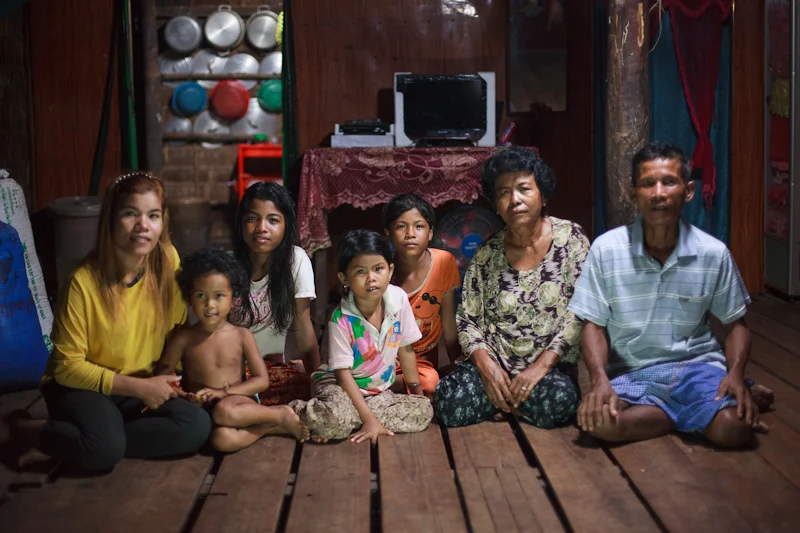
A village family in the province where Alongsiders is growing fastest.
Pastors often ask Phearom, directly or indirectly, what Alongsiders can do for their churches. They may say, "We need funds for a building" or "We need money to feed the children." Often they are probing to see what Alongsiders has to offer financially.
Local churches everywhere tend to have an eye on budgets, salaries, and the building - not just in Cambodia.
But the way money is used in Cambodia, by Christian and secular organizations and missions alike, has fed a culture of following the funding. Every day foreign organizations pay (in cash, salaries, and projects) in order to move their agendas forward. To pick an example, every year a large mission team comes from an unnamed country for an extended trip, and local Christian leaders across the country drop everything to coordinate, translate, and do whatever the group asks. That's because this group pays very well and dispenses money for projects wherever they go (a well here, a building there, etc.). Even after they leave an area, the money keeps flowing for the projects they have initiated. "Some people they hire do the work," says one local leader, "and others just take the money and write reports."
When this happens, local initiatives suffer for lack of attention and funding, the wrong leaders may be elevated, and future development and mission workers are too often greeted as if they have dollar signs on their foreheads.
Alongsiders Cambodia seeks partnership with local pastors in this climate, but aside from occasionally sharing a meal with a pastor and bringing participants to our annual camp, Alongsiders does not dispense money or fund projects.
We can't agree with everything local churches are doing or saying, but there are people in them seeking the Kingdom of God for their communities. We want to help them find it.
Phearom encourages pastors by explaining that the Alongsiders movement will help the church grow. "Five to ten years from now," he says, "the little brothers and sisters will grow up and become members of the church."
But what we want is for local church leaders and members to seek the Kingdom of God, not just security and results.
So we come inviting people to serve without being paid for it. We honor people by recognizing that they are not merely "poor" people, but they are children of God who have so much to give.
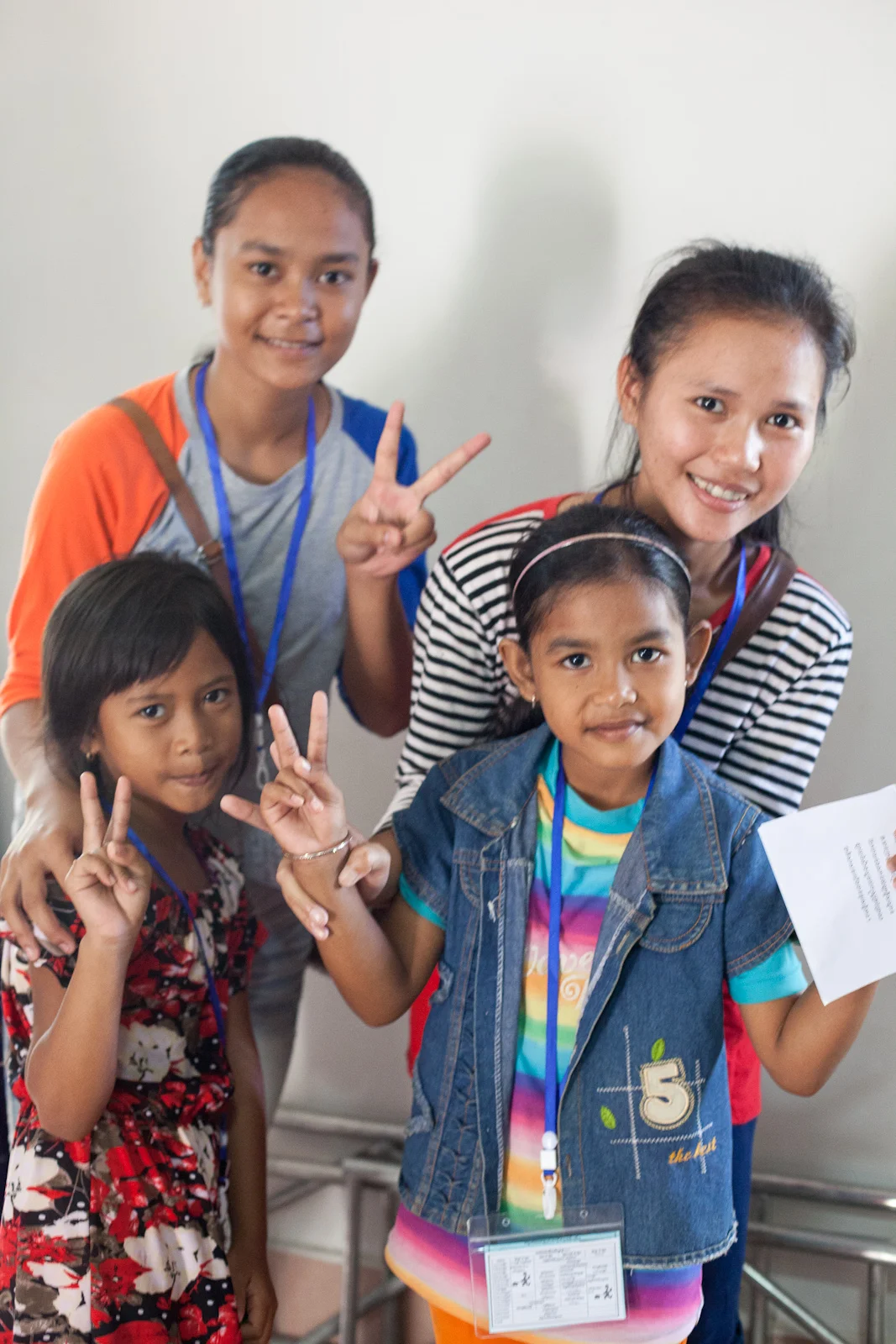
And when people get it, like the local pastor telling everyone he meets about Alongsiders, they come alive.
Here's a lesson to take away from this, one that we are still learning. It's easy to say but not as easy to apply.
Don't substitute money for relationship. Don't substitute salaries for genuine service and love. Don't substitute control for local initiative. Don't substitute speed and results for lasting transformation.
Seek the Kingdom of God - the Reign and Leadership of God - through people and relationships, and all the rest will fall into place.
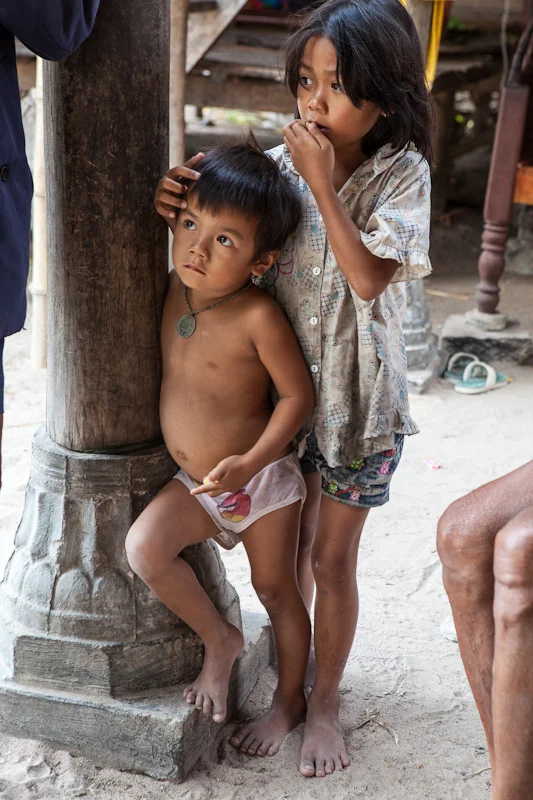
The ONE thing everyone overlooks about poverty
After hearing so many stories of children experiencing poverty, a recurring theme began to emerge - something most people overlook about poverty...
We listen to stories.
In particular, we listen to the stories of vulnerable children.
And after hearing so many stories of children in difficult circumstances, a recurring theme began to emerge - something most people overlook about poverty.
You may be thinking children's main experience of poverty, the thing that impacted them most, would be:
- a lack of money for basic necessities
- only a single set of clothes to wear
- skipped meals and feeling hungry, or
- having to work from a very young age
All these answers are true in given cases, but they only tell part of the story.
Poverty is bigger and deeper than what we see. It affects family and community relationships, and it can threaten to derail the most basic needs of children. The needs that, when met, help them grow into healthy adults. In particular, a sense of belonging and personal significance.
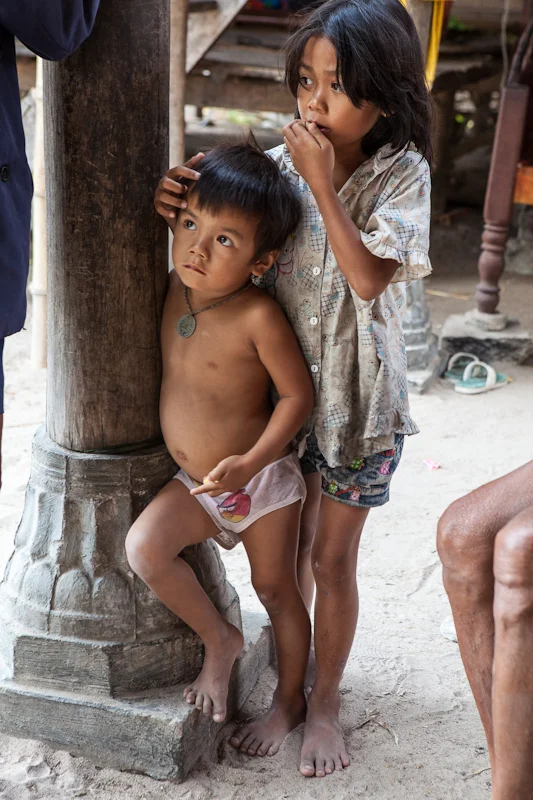
Isolation.
Rejection.
Exclusion.
These themes come up again and again in the stories we hear from young people who have grown up in poverty.
“I was alone.”
"I had no one I could trust."
“Nobody cared for me.”
“People looked down on me and treated me badly.”
The most hidden and misunderstood aspect of poverty is how it breaks and weakens relationships, leaving children (and adults) alone, rejected, fearful and emotionally wounded.
That's why the approach that Alongsiders takes to poverty is relational. The work that the Alongsider mentors are doing is transforming children and their families and communities on every level, including the level of emotional health, and it’s exciting to see in action.
Alongsider mentors are young adults who have themselves grown up in poor communities. They choose “little brothers and sisters” from their own communities - unrelated kids who are in vulnerable situations - and set out to love and mentor them as if they were family.
“The most important thing I learned from my Alongsider was love.
I know God loves me, because she loved me.”
--a former little sister, now an Alongsider mentor
We hear many stories about the impacts made by Alongsiders, and so many of them revolve around love and friendship overcoming isolation and rejection. But stories, even inspiring ones, are not hard to gather. We wanted to dig deeper and better understand how Alongsiders are changing the lives of little brothers and sisters.
Last year, we decided to survey a large group of little brothers and sisters from several provinces across Cambodia. The questions were carefully chosen and worded.
The same survey was given to an equal number of similar children in the same communities who are not being mentored by Alongsiders (a control group). All of this was done using objective research methods by an independent team.
What we learned was very encouraging. Having an Alongsider makes a significant difference in the lives of the little brothers and sisters. You can see the full report here.
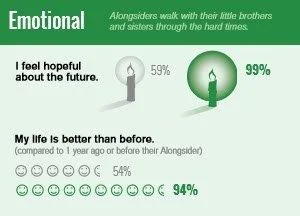
The little brothers and sisters clearly perceive a positive effect on their emotional wellbeing. We hoped so, since the work of Alongsiders is founded on loving relationships, and it was a welcome confirmation. This is just one snapshot of what is happening. Again, you can see all the numbers in our 2013 impact assessment here.
How encouraging that Cambodian youth are the ones changing the lives of Cambodian children! And it's not just children who are changing. Families, communities, churches, and the Alongsiders themselves are being transformed in the process. It's all the more encouraging that these youth, who have grown up in poverty, have become mentors empowered to serve out of their own experience of marginalization.