
The sting of being excluded - and how to address it
Opening gates for excluded children...
Everyone needs to be part of a community: to be accepted, to belong, to contribute. And we all know what it feels like to be excluded and marginalized, how it threatens our well-being to the core.
Consider this story told by a Cambodian friend (in her words as I remember them).
Growing up I was very poor. One of the poorest children in a poor village. Everyone looked down on me. The other children called me names, and I felt dirty and ashamed. When I got older, I had to drop out of school and work. Someday my dream is to drive into my old village in a big, expensive car. They'll all see me and say, "She made it." The poorest children will think, "If she could do it, I can do it." I want to open a school there and use my money to help others, because that's the responsibility you have if you are rich.
Like many children in the developing world, my friend's community of origin was a rural village. It's a place where everyone knows everyone else. Despite its shortcomings, it still helped to shape and guide her. Years later, having finally gotten her high school degree, she still wanted to return and be validated by the people there.
Her home community was not just important to her for emotional reasons. Besides family, local community relationships play an important role in shaping our lives as we grow up. Here are some examples of what children need to learn while growing up in a Cambodian village:
- Culturally appropriate manners in various relationships
- Verbal and non-verbal communication abilities
- Work habits and credibility
- Respect for community values and traditions
- How to navigate vital customs like courtship, marriage, and property ownership
Of course, communities (and families) don't always function as well as we wish they would.
My friend's story demonstrates a sad truth: that even in poor villages the poorest and most vulnerable children and families are often treated badly and further marginalized.
How can they benefit from growing up in the village community if they are excluded?
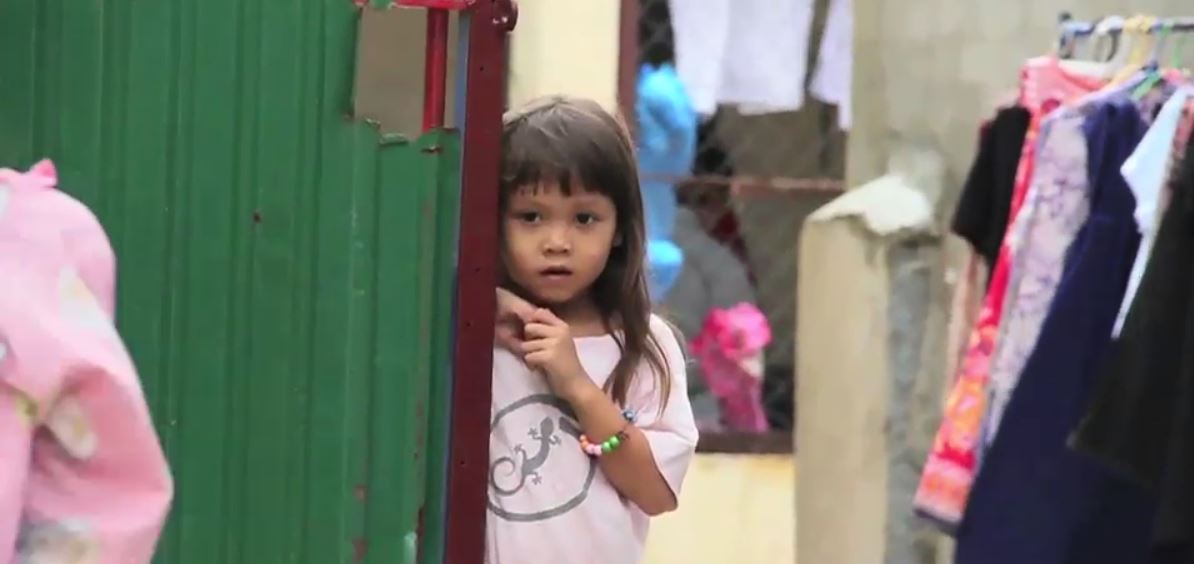
There's a moment in our Alongsiders video (see below at 0:53) in which a little girl is watching a group of children play. She is standing outside a gate, looking in with longing in her eyes to join in. Then her Alongsider comes and takes her by the hand. She helps her little sister join the group and they all play together. In a moment this little sister moves from excluded to included. She is no longer on the outside looking in: she has been chosen and loved.
My friend from the opening story wanted to be included, wanted to be seen differently, but it didn't stop there. She wanted - and still wants - to contribute. To be part of a community and respected within a community is not just about receiving benefits, it's also about participating and giving.
So here's another side to that moment in the video. The Alongsider was once a little sister herself. She was once the one outside the gate; now she is opening the gate for someone else.
Perhaps other gatekeepers in her community - or readers here - will see her example and begin to change.
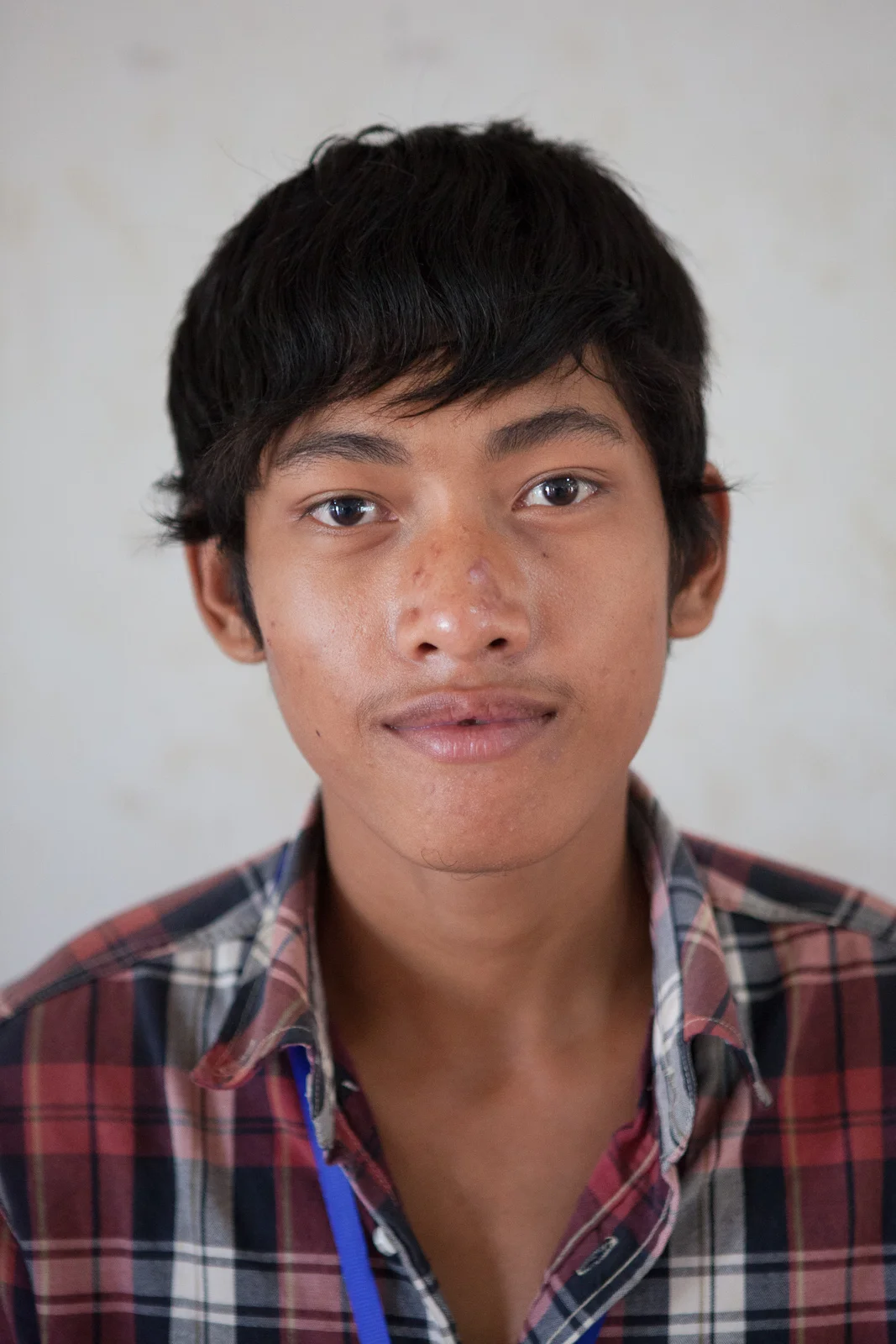
"My Alongsider showed love to me, and now I want to show my love to my own little brother." (Narith, Age 17)
Many Alongsiders have been at the bottom and felt the sting of being excluded. To be sure, many are still struggling to find a way forward economically.
But as Alongsiders they are no longer mere victims or numbers, they are servant leaders and agents of change.
In another vocabulary, they are disciples of Jesus - who himself was marginalized, who identified with people outside the gates.
The community in which the little sister in the video lives isn't perfect, but it has so much to offer. She needs to be included in it for her own learning and development. And it needs her and what she can give. The same is true for many thousands of boys and girls in Cambodia (and in whatever country you may name).
Fortunately, there are many thousands of potential Alongsiders in Cambodia (and in India, Indonesia, China, and a growing list of countries), and they already make their homes in countless rural villages and urban slums where the most vulnerable children live.
Alongsiders see the excluded ones, bring them inside the gates, and walk with them until they can do the same for others.
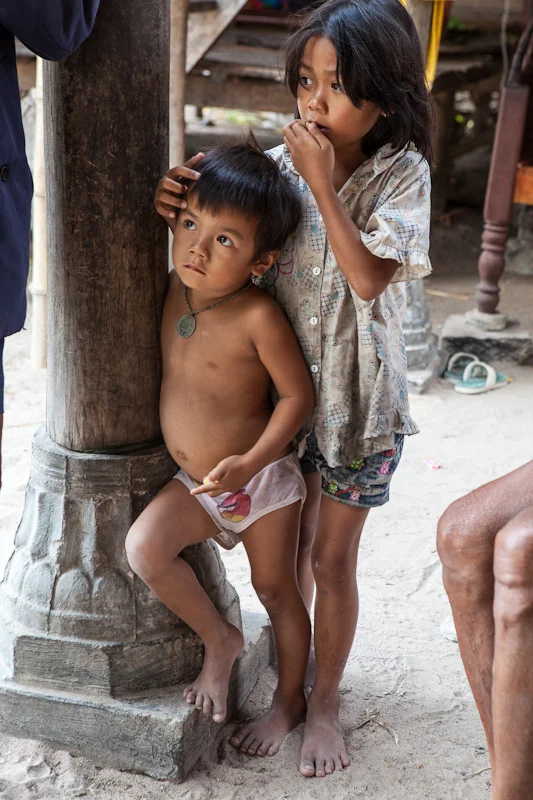
The ONE thing everyone overlooks about poverty
After hearing so many stories of children experiencing poverty, a recurring theme began to emerge - something most people overlook about poverty...
We listen to stories.
In particular, we listen to the stories of vulnerable children.
And after hearing so many stories of children in difficult circumstances, a recurring theme began to emerge - something most people overlook about poverty.
You may be thinking children's main experience of poverty, the thing that impacted them most, would be:
- a lack of money for basic necessities
- only a single set of clothes to wear
- skipped meals and feeling hungry, or
- having to work from a very young age
All these answers are true in given cases, but they only tell part of the story.
Poverty is bigger and deeper than what we see. It affects family and community relationships, and it can threaten to derail the most basic needs of children. The needs that, when met, help them grow into healthy adults. In particular, a sense of belonging and personal significance.
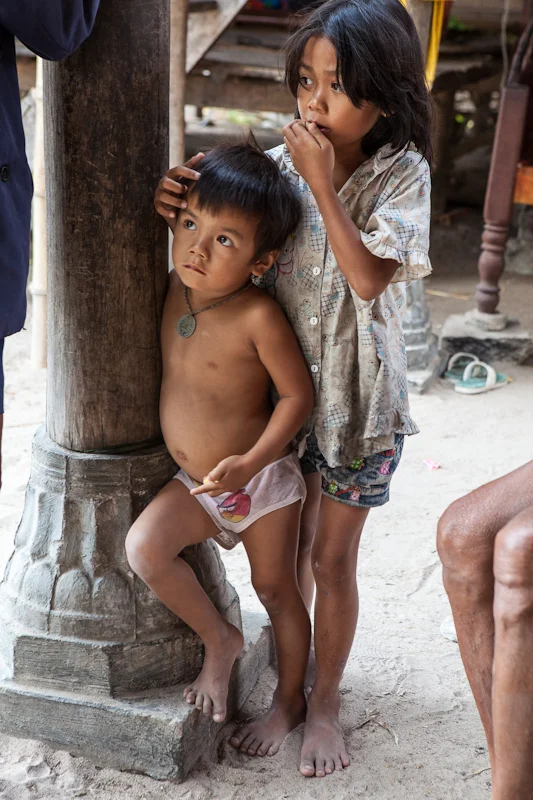
Isolation.
Rejection.
Exclusion.
These themes come up again and again in the stories we hear from young people who have grown up in poverty.
“I was alone.”
"I had no one I could trust."
“Nobody cared for me.”
“People looked down on me and treated me badly.”
The most hidden and misunderstood aspect of poverty is how it breaks and weakens relationships, leaving children (and adults) alone, rejected, fearful and emotionally wounded.
That's why the approach that Alongsiders takes to poverty is relational. The work that the Alongsider mentors are doing is transforming children and their families and communities on every level, including the level of emotional health, and it’s exciting to see in action.
Alongsider mentors are young adults who have themselves grown up in poor communities. They choose “little brothers and sisters” from their own communities - unrelated kids who are in vulnerable situations - and set out to love and mentor them as if they were family.
“The most important thing I learned from my Alongsider was love.
I know God loves me, because she loved me.”
--a former little sister, now an Alongsider mentor
We hear many stories about the impacts made by Alongsiders, and so many of them revolve around love and friendship overcoming isolation and rejection. But stories, even inspiring ones, are not hard to gather. We wanted to dig deeper and better understand how Alongsiders are changing the lives of little brothers and sisters.
Last year, we decided to survey a large group of little brothers and sisters from several provinces across Cambodia. The questions were carefully chosen and worded.
The same survey was given to an equal number of similar children in the same communities who are not being mentored by Alongsiders (a control group). All of this was done using objective research methods by an independent team.
What we learned was very encouraging. Having an Alongsider makes a significant difference in the lives of the little brothers and sisters. You can see the full report here.
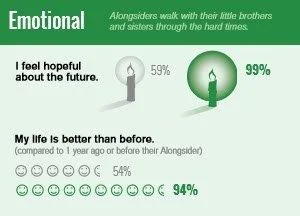
The little brothers and sisters clearly perceive a positive effect on their emotional wellbeing. We hoped so, since the work of Alongsiders is founded on loving relationships, and it was a welcome confirmation. This is just one snapshot of what is happening. Again, you can see all the numbers in our 2013 impact assessment here.
How encouraging that Cambodian youth are the ones changing the lives of Cambodian children! And it's not just children who are changing. Families, communities, churches, and the Alongsiders themselves are being transformed in the process. It's all the more encouraging that these youth, who have grown up in poverty, have become mentors empowered to serve out of their own experience of marginalization.