

3 keys for longevity in a discipleship movement
The story of Serey Choeng, one of the earliest leaders of Alongsiders in Cambodia, embodies many of the lessons we have learned.
The Alongsiders discipleship movement in Cambodia has been growing for more than 12 years. During that time we have learnt a number of lessons about what it takes to grow and sustain such a movement.
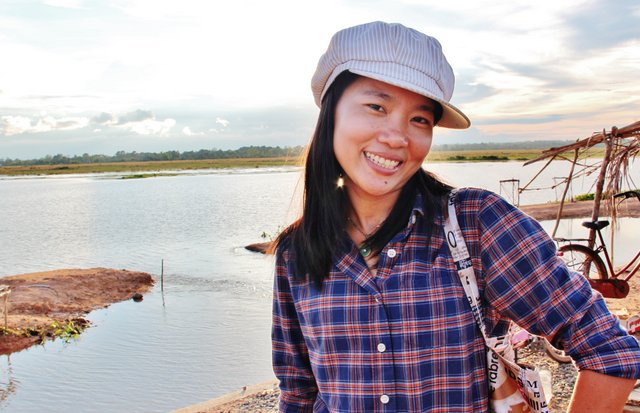
Serey Choeng, leader of the Alongsiders Cambodia movement
One of the earliest leaders in the movement, Serey Choeng, has embodied many of those lessons in her own journey. So, let's examine her life growing up in a Phnom Penh slum community and from there, share some lessons learned along the way.
The community where Serey grew up shares a narrow alley with houses packed tightly on either side. When she was a child, the floodwater during the rainy season mixed with sewage from an open channel just behind the last houses. The fouled water would rise above her head and flow into the homes from below. The neighbors would build rickety walkways over it, but you couldn't avoid it. You waded in it; some children swam in it.
Life in the slum was messy.
![Serey's community [Photo taken in 2005]](https://images.squarespace-cdn.com/content/v1/6a28e0eeb1734d7d91985b22/1781064623060-SAXDD1R7DBPA4D2NIGSV/image-asset.jpeg)
Serey's community [Photo taken in 2005]
Drugs were bought and sold in the shadows, and neighbors drank and gambled outside in the evenings. The pathway forked at a point near Serey's home, and one way led to a row of brothels, of which one or two remain today. Most of the people were simply working hard to feed their families, trying to get ahead if they could. They worked construction, ran micro-businesses, or labored in factories.
Three days a week, during the hours when she wasn't in school, Serey would throw an empty rice sack over her shoulder and walk the streets, gathering items from the trash that she could sell to the recyclers: mainly cardboard, plastic bottles, and cans. Her mother went house-to-house every day, pulling a cart that got heavier by the kilometer. She bought old and broken appliances, housewares, and anything else that she could sell, including whatever the recyclers were buying.
Serey's auntie, who lived a few houses away, worked as a housekeeper for a foreign family. She was unmarried, had a reliable income, and owned her house. She saw the plight of her sister's family and decided to help, so she took Serey into her home. She was very strict and critical, and Serey felt like it was a hard life living there. She went with her auntie to work sometimes, and she learned how to clean houses and cook. When she was sixteen, she got her own job as a housekeeper, and she impressed the foreign lady who employed her with her hard work.
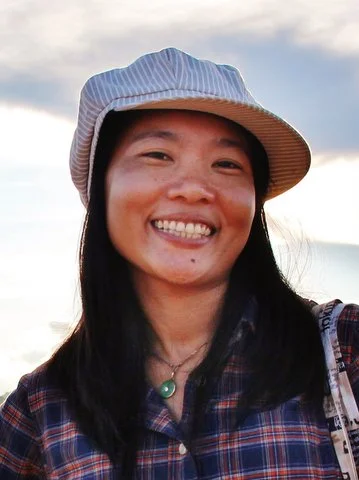
Serey was the first one in her family to come to faith. She began attending a church that only had five or six members. They met in one small room of a home along the alley. That's where she first heard of Project HALO.
The letters stood for Hope, Assistance, and Love for Orphans. It was a ground-breaking program that tried to keep children orphaned by AIDS together with their remaining families (with a surviving parent, grandparents, or other relatives). They also had one of the first foster care programs in Cambodia.
When the representative came to Serey's church, he said they were looking for Christian youth to serve as mentors, to be like “big brothers and sisters” for orphaned children. By that time, the little church had about ten youth, and most of them signed up. “At first I joined to have fun,” Serey says. “But later it was because I wanted to help, because I knew how the kids felt.”
Serey was one of the first Alongsiders, and part of the second wave of youth who joined the movement. Previously, the leaders had asked youth living outside the slum to become mentors, but those mentors had really struggled. For one thing, they were afraid that their motorcycles would be stolen while parked in the alley. They were essentially middle class Cambodians, and the slum was a foreign place to them.
But for Serey, the slum was her home, and she had a better idea what the kids in Project HALO were going through.
When Serey first became a mentor, she was assigned to a girl whose mother had AIDS. “I tried to get to know her,” she says, “but she was withdrawn and didn't speak much. One time we went to camp, and I felt like I got to know her better through that. She really suffered at home, because her mother was sick and they had so little support.” Serey never formed a strong bond with this first little sister, and then the girl and her mother moved away.
This was another lesson the leaders of Alongsiders learned in those days. It was better if youth joining the movement chose their own little brothers and sisters. The Alongsiders needed more freedom to find a child they could relate to, and it was important for them to own the relationship.
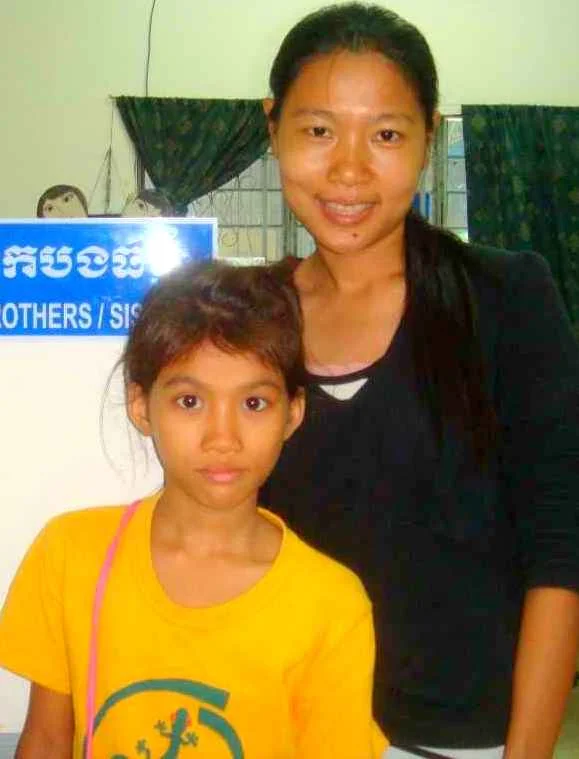
Serey and Neang early in their relationship
Serey wanted to continue being an Alongsider, so she prayed about who to choose next. She saw many needy children, but she finally picked the one who was “most like me.” Neang was six years old. She lived with her mother and grandmother just a few houses down. They were very poor, as were most of the local children. What caught Serey's attention was that Neang didn't have any friends. She was very quiet and lonely.
Serey naturally saw Neang every day, and two or three times per week, she would sit down and talk with her. When she was eleven, Neang came to faith. By that time, Serey's parents and auntie had all come to faith, and they had all joined the local church. Neang's older sister, who had an Alongsider mentor as well, became a Christian, too.
In July of 2006, Serey was invited to became the third leader of the Alongsiders Cambodia movement. She was still working as a housekeeper with proven integrity, and she had become a faithful and capable leader in her church. Most importantly, she personally understood what Alongsiders was about. She prayed for three weeks before accepting the position. A co-worker was hired at the same time, and the two worked well together. The movement started to grow, and within two years they had mobilized nearly three hundred Alongsiders plus an equal number of little brothers and sisters.
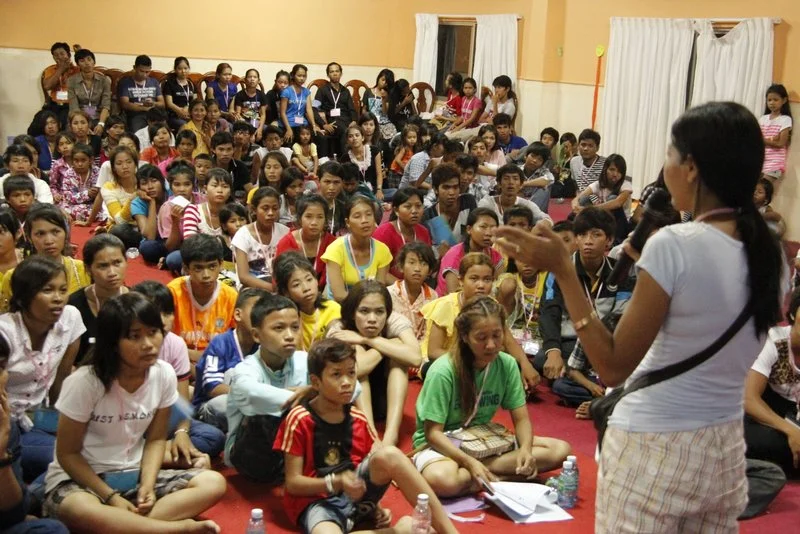
Serey training Alongsiders and their little brothers and sisters at an Alongsiders camp
It's good to reflect on our history. We're grateful to celebrate leaders like Serey, and it helps us remember why we do things the way we do. Reflecting on where we have come from also allows us to distill lessons learned along the way so that others can avoid making the same mistakes. So, here are 3 key lessons from Serey's story...
1. The Principle of Prayer
In Matthew 9, it says Jesus went out into the towns and villages, and crowds of people showed up, but they were "like sheep without a shepherd." So he told the disciples to pray for workers, because the harvest was plentiful. Where do the workers come from? We believe the workers are there, in the towns and villages and slums, and we're praying that God will raise them up because that is how He commanded us to approach the task. And God is doing that as we mobilize, equip, and release Alongsiders.
From early on, Serey recognized the power of prayer, first in her own life as she prayed for God to show her who to choose as her little sister, and then later as she rose to lead the movement, as she prayed for guidance and more Alongsiders.
2. The Principle of Proximity
A major turning point came when the early leaders chose to mobilize Alongsiders from local churches inside the communities, rather than recruiting mentors from outside the community who would travel in. If we want to see young people who know how to follow Jesus in everyday life, we need to disciple them in everyday life. That's why proximity is a key. Little brothers and sisters need to see their Alongsiders in action, in every day situations - not just parachuting into the community for a classroom discipleship experience.
Serey herself was part of the new wave of Alongsiders recruited to serve within their own communities. She saw firsthand the fruit of that approach and has applied that lesson to help the movement grow.
3. The Principle of Empowerment
Likewise, it made all the difference when Alongsiders were allowed to choose their own little brothers and sisters. Besides allowing them to own the relationships, we've recognized that young people becoming mentors need to make choices and take responsibility. This is good for the movement, and it's part of their own growth and development as humans and disciples. Like Serey, many have embraced this process. We've often heard about new Alongsiders praying for days or even weeks before choosing a little brother or sister.
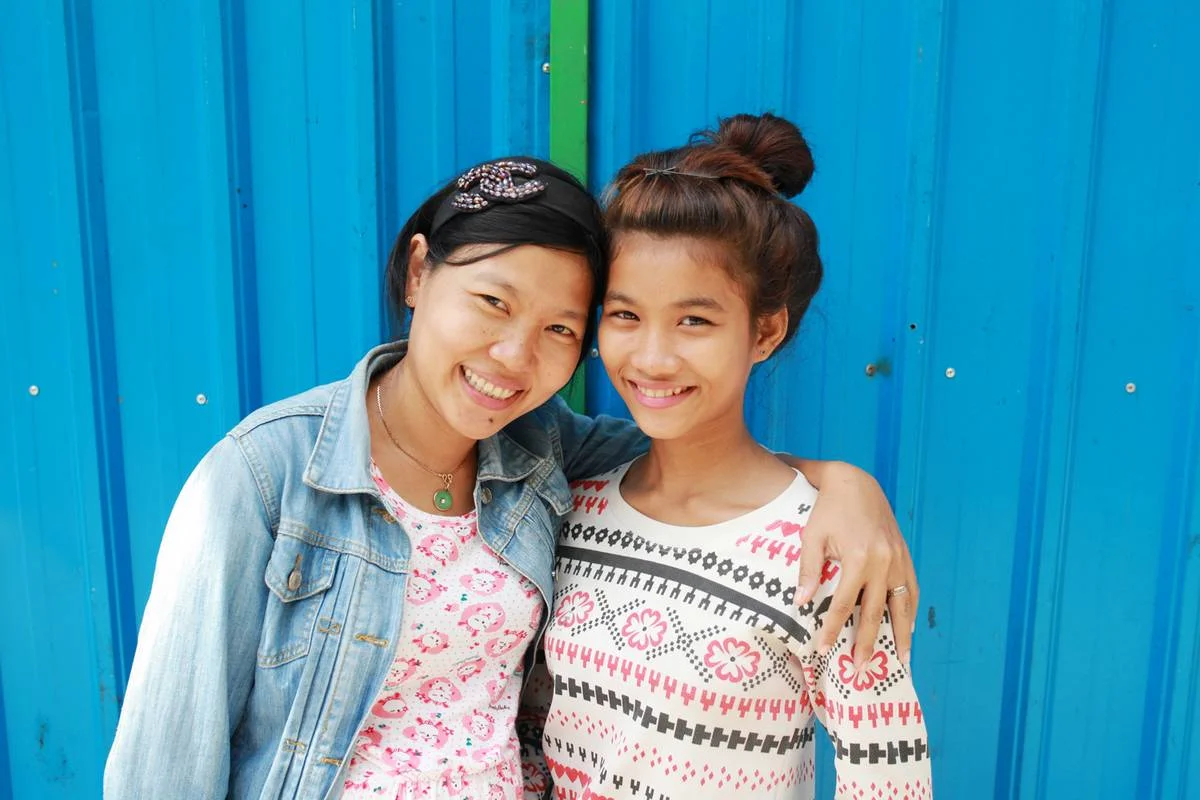
Serey and Neang today
Taken together, these keys to longevity were essential for Alongsiders to change from being a centrally planned, managed, and scripted project to being a movement owned, powered, and initiated by leaders and disciples at the margins.
How might these lessons inform the discipleship movement you are part of?

The gift of Christmas you'll want to bring with you into the New Year
The inspiring story of one who was overlooked.
Most of us make a quick switch between Christmas and New Year's Day. From celebrating God's invasion of our world as a baby, we turn to making New Year's plans and resolutions. It's not that there's anything wrong with deciding to exercise, eat better, and pay off the bills. But as we pack away the lights and think about what's next, let's take care not put away God's own gift for us.
In a minute, I want to tell you a short story about an Alongsider and her little sister that will shine a fresh light on the gospel of Christmas.
First, let's think about Christmas in a down-to-earth way.
God was born as a human child in a dark corner of the Roman Empire, in a dirty stable, and his first recorded visitors were not kings or priests, but shepherds and foreign astrologers. Then, threatened with murder by a violent man, the child and his family fled to Egypt, where they were refugees.
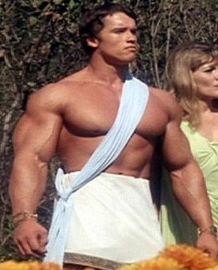
What a God-among-men was supposed to look like
No God (or god) in the history of religion ever became human, or even appeared to be human, in this way: helpless, victimized, poor, and disgraced. The gospel of Christmas is not just that God was born as a human, but how God was born among us.
In the words of one of the first Christian hymns, "He made himself nothing" (Phil. 2:7). God identified with the least, the rejected ones, and the victims of human scapegoating and violence. God didn't just identify with "us sinners" - God actually became one of our rejected and outcast victims.
Now read this story from Jesus' perspective.
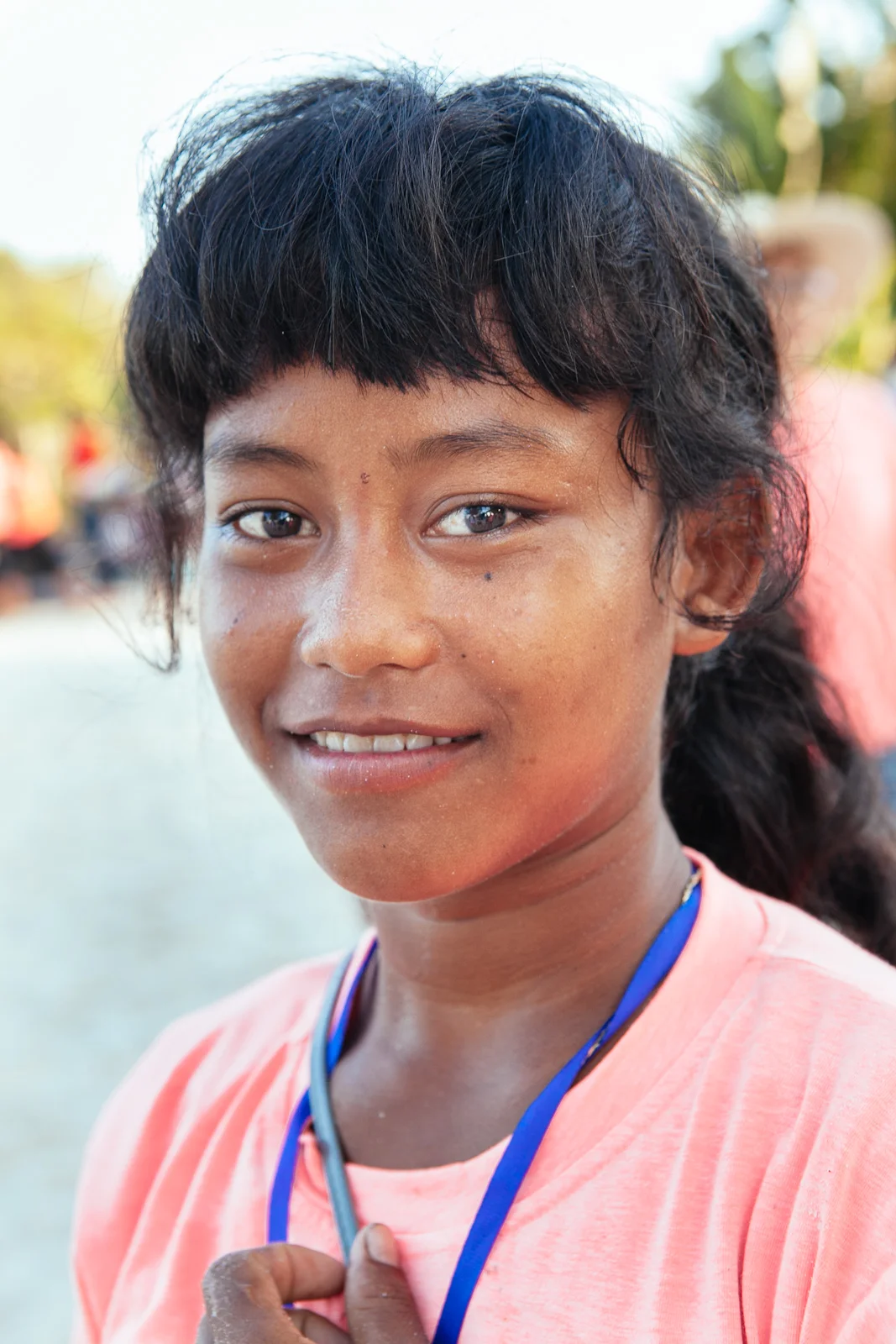
Soklei is from a rural village in Cambodia that you won't find on the map. Her family, it's said, doesn't have much care or love for each other. Maybe that's true, or maybe her father is under too much stress to show it. He makes a living gathering wood in the forest, cutting and bundling the pieces, and selling it as kindling. Since his wife passed away, he has been raising Soklei on his own. They're among the poorest in the village. One of Soklei's siblings is in prison; another works as a housekeeper in Phnom Penh and sometimes sends money.
Though she's fifteen years old, Soklei is just now starting the fifth grade. It's not uncommon for students to fall behind when family life is disrupted, like when a parent dies, but there's another issue in this case. It's not immediately obvious, but Soklei has a mental disability. "She's slow," is the common explanation.
Even in a poor community, those who are "poorest" (economically and in other perceived ways) are rejected. Soklei has a history of being left out and left behind. When the local church formed a group of Alongsiders, the pattern seemed to repeat itself. None of the church youth who became Alongsiders wanted Soklei as a little sister.
It's always a risk choosing to walk alongside a little brother or sister who the community already looks down on. You may come under the same judgement. Plus, tying yourself to someone "slow" might slow you down and make it difficult to reach your own goals. You may even be rejected as well.
Every Alongsider is still growing and maturing. Fortunately, when the Alongsiders group leader, Chantan, saw that Soklei had been passed over, she chose Soklei for herself. She saw something the others had missed.
At the Alongsiders camp this year, Soklei, sitting beside Chantan, said she didn't feel alone like she did last year. Chantan was smiling, too. She didn't just "do a good thing." She took a risk, and there are costs as a result, but it's changing both of their lives.
In becoming human, God tied himself to us. Slowed down for us. He was disgraced, rejected, and victimized alongside us - and by us.
The good news is that God knows us full well as we are, both our weakness and our violence. Jesus didn't come only to set right our relationships with God. In absorbing our worst and yet forgiving us, he created an opening for us to change the way we relate as humans together: by forgiving and restoring one another.
We can go through that opening now.
When we love and care for our neighbors who are at the ends of their ropes, and cast aside, we get to know Jesus and what he is about.
Jesus said as much in Matthew 25:31-46: those of us who welcome and care for the least (the poor, the outsiders, the disgraced and rejected ones) will know him and be known by him.
Chantan gets it. Please pray for Chantan and Soklei and others like them in the Alongsiders movement, in Cambodia and in a growing list of countries. As you remember them, remember to take this gospel with you into the coming year and act on it.

There is someone who is "least" or "rejected" or "scapegoated" who God has placed as a gift before each of us, probably not far away. He or she could show us who God is and teach us what it means to be human with one another.
Will you open that gift? If you have someone in mind, why not put on your shoes or pick up your phone and take a step right now?