
ALONGSIDERS ALUMNI CLUBS
The Alongsiders Alumni Clubs (AAC) are designed to strengthen the long-term sustainability of your local movement. They build on the impact of the three-year discipleship journey by turning graduates into ongoing leaders, supporters, and resource generators for their communities.
Alumni are organized into small groups of 6 to 10 people, each with a Club Leader, similar to the structure of Alongsiders groups. These clubs operate in their local areas while remaining connected as one national Alumni network. Together, they form a unified movement that is spread across different regions of the country.
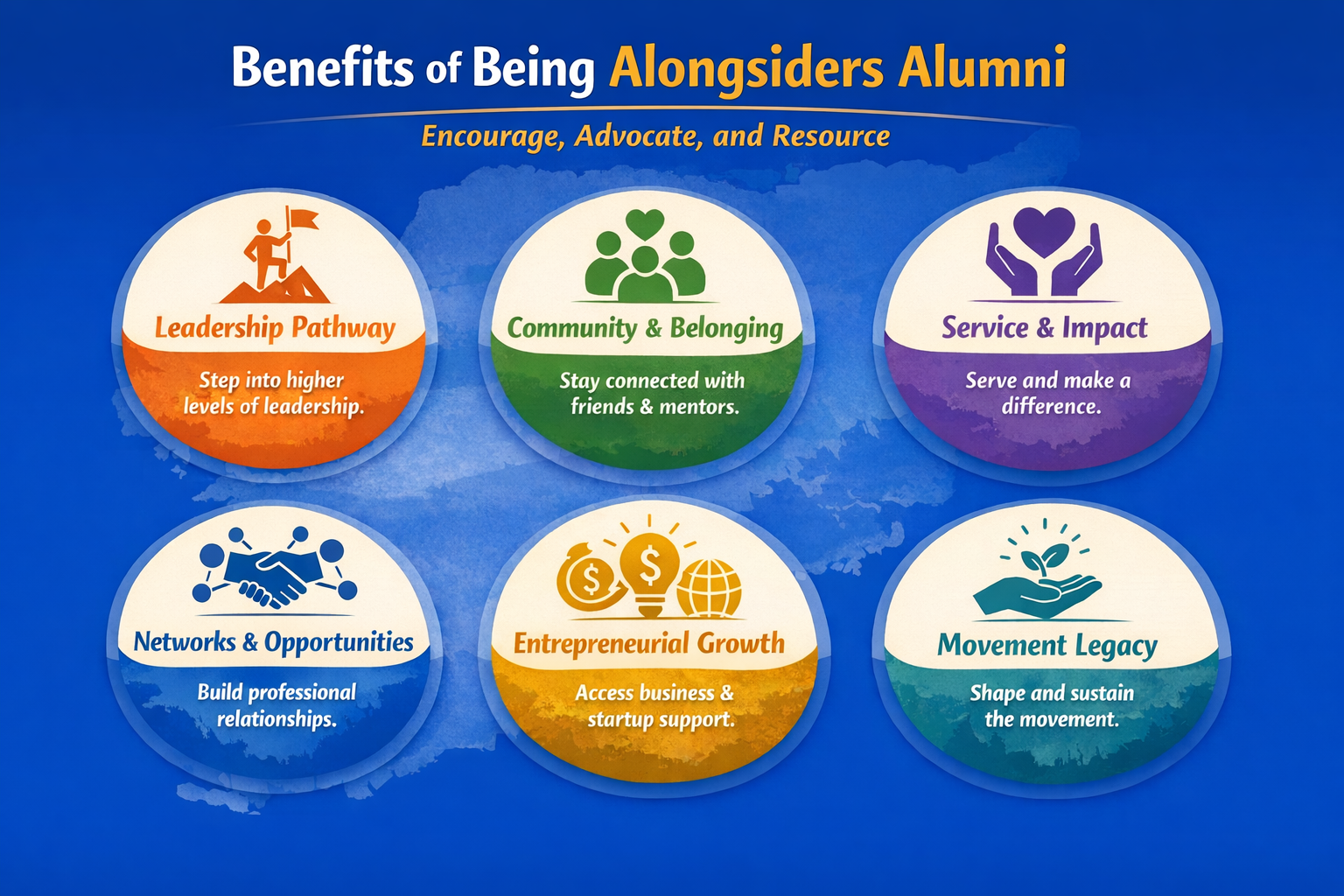
Here are the 6 key benefits for Alongsiders to join the Alumni Club:
ALumni Club Mission
To ensure the long-term, locally driven sustainability of the Alongsiders movement in each community.
ALumni Club Strategy
To live out three key roles: Encourage, Advocate, and Resource (the E-A-R model).
Alumni Club Membership
Alongsiders who have completed the full three-year curriculum. They may still be continuing to serve as Alongsiders.

WHY DO WE HAVE ALUMNI CLUBS?
The Alumni Clubs exist for two key reasons:
To Grow Leaders
The Alumni Clubs create a clear pathway for Alongsiders to move into leadership roles, ensuring leaders are continually raised from within the community. The Alumni Clubs keep experienced Alongsiders engaged and give them a new role in leading and supporting others.To Sustain the Movement
The Alumni Clubs ensure the movement continues. The Alumni Clubs find and provide resources to strengthen the movement - initially supporting the camps, then the training and finally the curriculum printing.
Case Study - Alumni Club in Rwanda
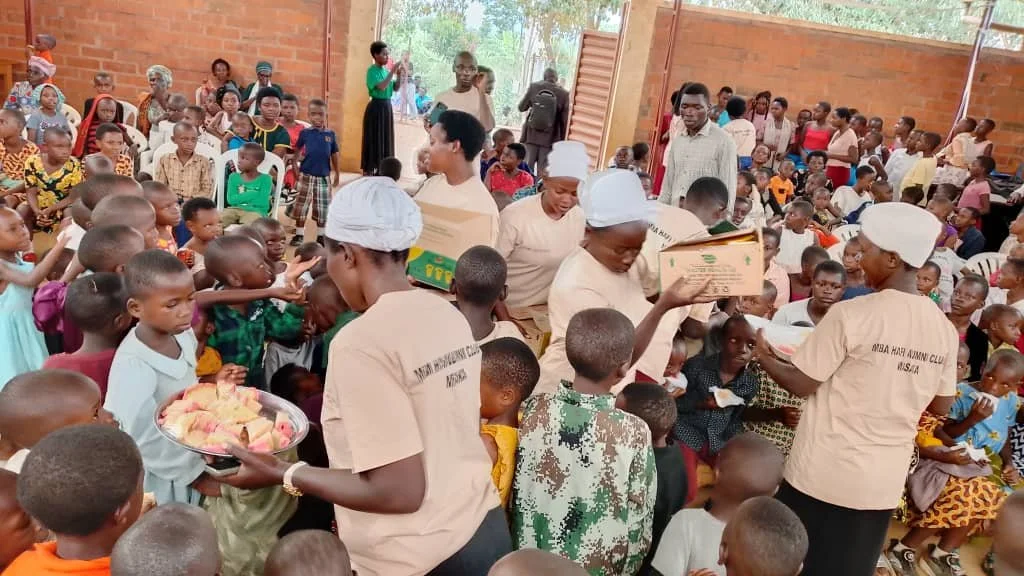
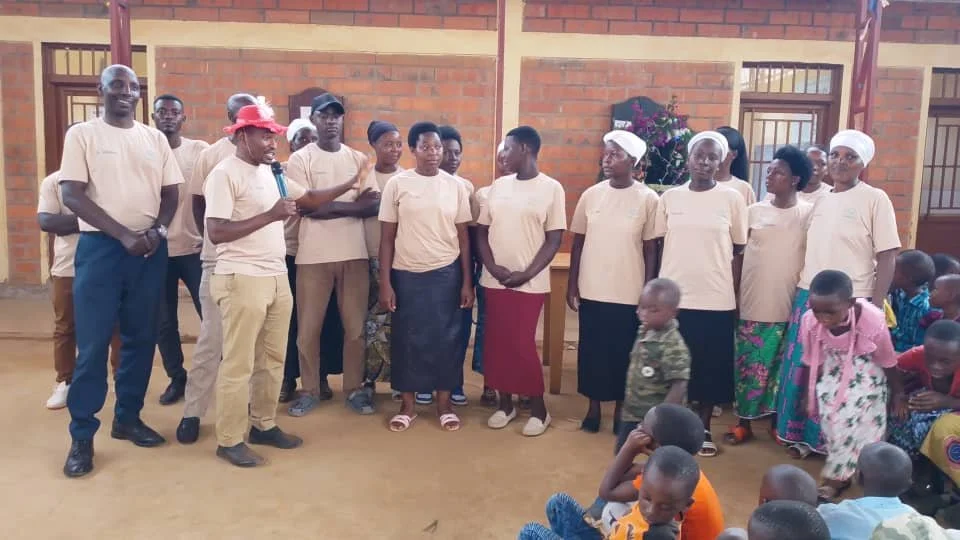
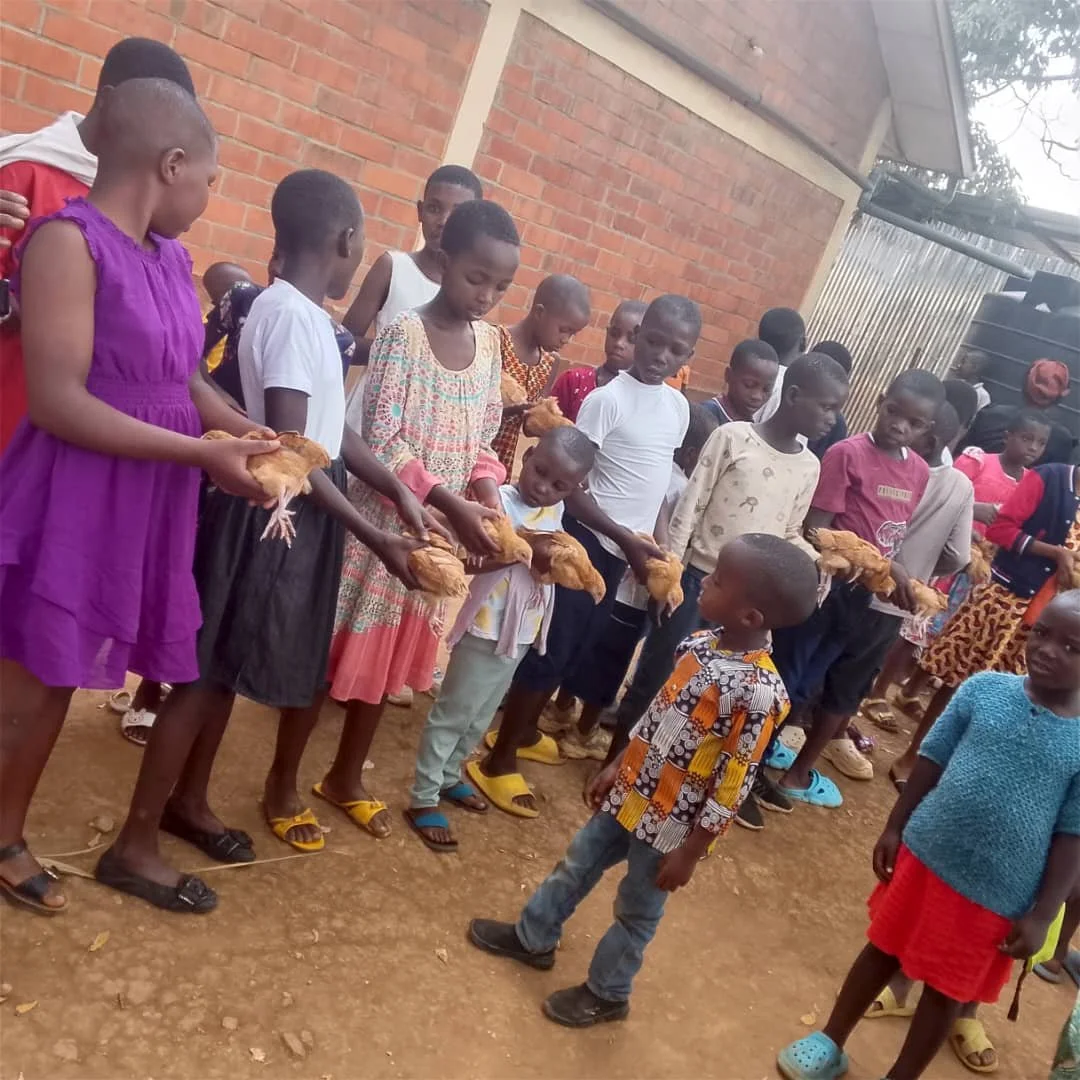
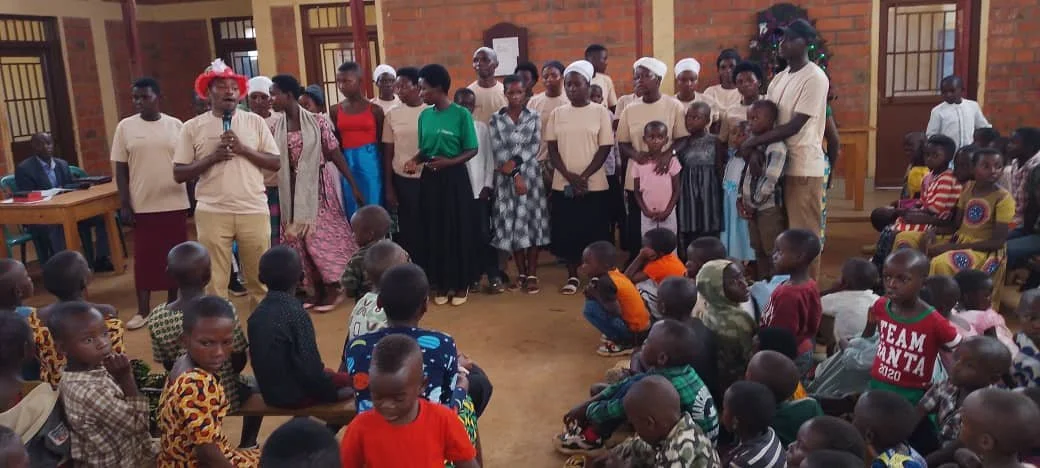
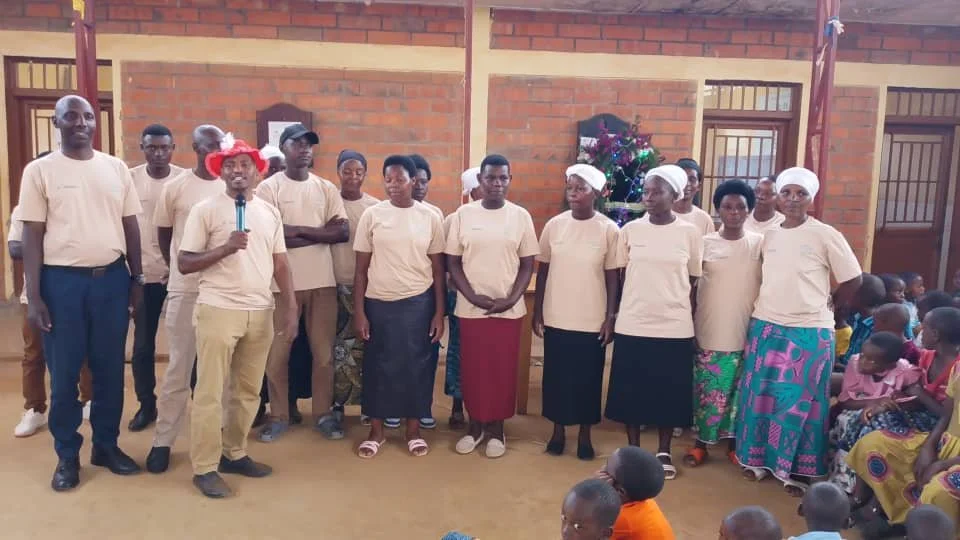
This Alumni Club in Rwanda has come together with an initial 50 members. They saved up to buy and print “Alumni” t-shirts for themselves. They helped serve at the annual camp and provided a chicken each for the 30 most vulnerable children in the movement - 30 chickens! They have also been doing various projects in the community such as visiting the sick in the local hospital, and helping the elderly in their village by fetching water and chopping firewood.
What IS The MAIN focus of AN alumni Club?
The Alumni Clubs have 3 key roles:
1. TO Encourage
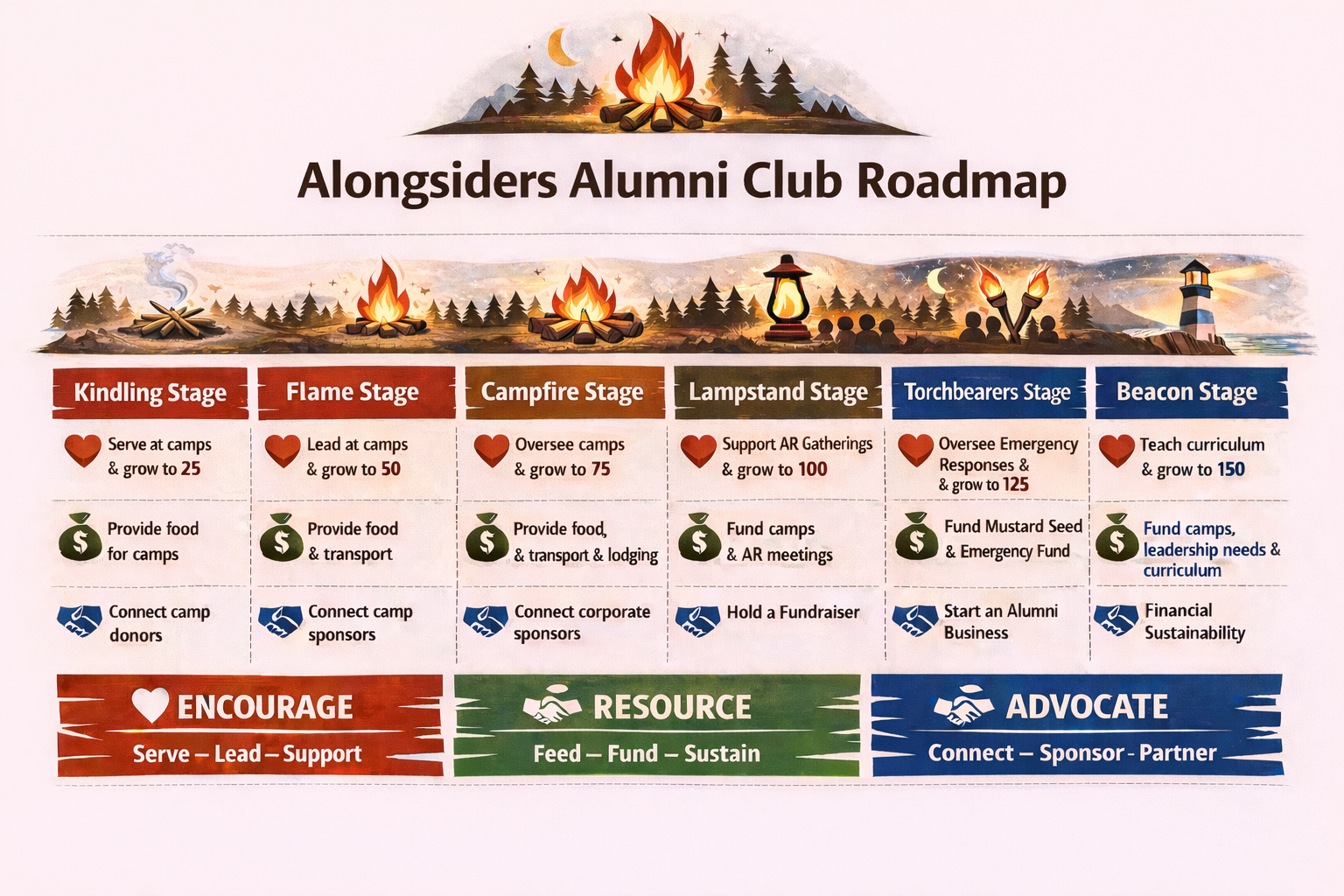
This role focuses on encouraging the current Alongsiders and maintaining the spiritual health and unity of the local movement. For example: mentoring new Alongsiders, offering wisdom, leading Bible studies, sharing personal testimonies of faith and vocation, etc. In the Roadmap here are some key milestones in the area of Encouragement:
Camps - Alumni can help organize and serve/lead at camps
Area Rep Gatherings - Alumni can help host and serve at AR Gatherings
Emergency Situations - Alumni can help coordinate or lead the response to emergencies
2. To Resource
This role focusses on helping the movement to move towards self-sustainability, by generating funding and gifts in kind. For example: personal giving, mobilizing community resources and materials needed for camps and activities (e.g., foods, firewood, cooking oil, transport means, PA systems, school supplies, etc. In the Roadmap here are some key milestones in the area of Resourcing:
Camps - providing food (Kindling Stage), food and transport (Flame stage), food/transport & accommodation (Campfire Stage)
Area Rep Gatherings - helping host and/or providing food or other resources for the event
Mustard Seed Funding - providing financial support to Movement Coordinators or Area Reps
Emergency Funding - raising funds or goods in kind, as needed when emergencies arise
Curriculum - finding resources to cover the cost of printing the comics and DTMs
3. To Advocate
This role involves fostering local local partnerships, and goodwill. For example: meeting with local village chiefs, business owners, elders, pastors, or government officials to report on youth activities, stories of transformation, and positive community impact, speaking at local church services or community events to recruit new youth for the movement. In the Roadmap, here are some key milestones in the area of Advocacy:
Camps - finding donors and sponsors (individual or business) for the camps
Fundraising - holding fundraising events and using the wider network to invite attendees
Business - starting an Alumni business together to generate income for the movement
If the Alumni Club is active, engaged, and committed to its role of Encouraging, Advocating, and Resourcing as outlined above, we fully believe each movement can continue to stand more and more on its own two feet and grow to become a more fully owned, self-sustained movement.
THE ALUMNI CLUB ROADMAP
The Alumni Club Roadmap is built around the metaphor of fire. Every movement begins with a spark, grows into a flame, gathers people around a campfire, and eventually becomes a light that spreads far beyond its original source. In the same way, the Alumni Club grows step by step, with each stage strengthening and expanding the impact of the Alongsiders movement.
Each stage builds on the previous one. At first, alumni help meet basic needs at camps. Over time, they take greater ownership by supporting leadership training, curriculum development, and new initiatives. This journey reflects a deeper process of growth: from belonging, to ownership, to mastery, and finally to purpose. The goal is not just to raise funds, but to raise leaders who sustain and multiply the movement from within.
Early stages = belonging and participation
Middle stages = ownership and leadership
Later stages = multiplication and legacy
IDEAS FOR RAISING RESOURCES
-
Alumni commit a certain amount per year personally ($2, 5, 10, or more) to support their participation and their LBS at camp or for others camp experiences.
Alumni commit to contributing a certain amount of in-kind goods (e.g. rice, oil, charcoal, cooking utensils, etc.) to reduce camp expenses.
-
Whatsapp Groups: Alumni Coordinator can create a WhatsApp group to share a need and invite community members to make commitments and contribute to needed expenses such as camps, emergency funds, etc.
Galas/Dinners: Alumni host an annual fundraising gala or dinner with entertainment to raise awareness about the impact and need of Alongsiders, share stories and testimonies, and invite attendees to make contributions (in-kind or financial) to support the work .
Events: Organizing local events (e.g., a community harvest festival, a talent show, a sports tournament) where small entrance fees are charged, and local businesses/vendors donate a portion of their profits.
-
Business Partners: Alumni can connect with local businesses to request support or sponsorship for a camp financially with cash or through in-kind donations such as food/drinks, tables, chairs, tents, etc. in exchange for signage and promotion of their business.
(Ensure first that there is no conflict of interest in promoting any particular business as it pertains to partnering with Alongsiders)
-
Community Farming/Gardening: The Alumni Club secures a small plot of land (often donated by a church or community elder) and collectively farms it with cash crops or others. The produce is either sold at market (generating cash for the club) or donated directly to feed Little Brothers/Sisters during local gatherings or camps or both.
Artisanal/Craft Production: If the local culture supports it, Alumni use skills like sewing, weaving, or carving to create goods for sale to a local or regional market. The profit supports the movement.
Animal Husbandry: The alumni club provides the first small herd of livestock (e.g., goats, chickens, pigs) as seed capital. When the animals reproduce, the first offspring are sold for the camp fund, and the second offspring are passed on to another Alongsider farm.
-
Literacy/Tutoring Services: Alumni who excel in the Year 3 curriculum's life-skills segment offer basic literacy or vocational tutoring to community members for a small, affordable fee.
Vocational Workshops: Alumni with specific trades (e.g., carpentry, mechanic, tailoring, etc.) run short, low-cost training workshops for community youth, generating income while passing on essential skills.
Machinery Rentals: Alumni Club collectively purchases an essential item used by the community and rents it out for use throughout the year. (e.g. power tillers, portable water pump, portable concrete mixer, etc.)
-
Transportation Bank: Alumni who own bicycles, motorbikes, or small trucks "donate" their time and fuel to assist coordinators in distributing curriculum or transporting supplies for events or camps, drastically reducing operational costs.
Tool Library: The Club establishes a small pool of shared tools (shovels, saws, sewing machines, etc.) that members can use for personal projects or social enterprises, fostering economic activity among alumni and reducing individual burden.

The alumni Club Coordinator
The Alumni Club Coordinator leads the launch and growth of the Alongsiders Alumni Clubs for a particular movement. Their role is to reconnect former Alongsiders and mobilize their experience, resources, and passion to strengthen the movement and support its long-term sustainability. They build a strong, active alumni community that reflects and lives out the movement’s core values.
The Key Responsibilities are as follows:
-
Lead the Alumni Club roadmap toward self-sustainability.
Build a culture of giving and alumni-led initiatives.
-
Manage the Alumni Club budget and fundraising.
Ensure clear and transparent reporting.
-
Maintain the alumni database.
Track and report progress and impact.
-
Map alumni skills and connect them to movement needs.
Create opportunities for alumni to mentor, train, and advise.
-
Plan and run alumni activities and events.
Strengthen connection and participation among alumni.
-
Communicate regularly with alumni through updates and stories.
Onboard new alumni and re-engage inactive members.
-
Connect alumni activities to the movement’s purpose and vision.
Share impact stories and mobilize alumni as advocates.